
76. Bodie, California
Location: Bodie Hills, California
Year: 1859
Cost: $39 million* (Total Ore Production)
Bodie is located in the Bodie Hills of California, right by the Nevada Border. It was once a gold-mining town that boomed during the gold rush. Between the years 1877 and 1881, Bodie had a population of ten-thousand people.
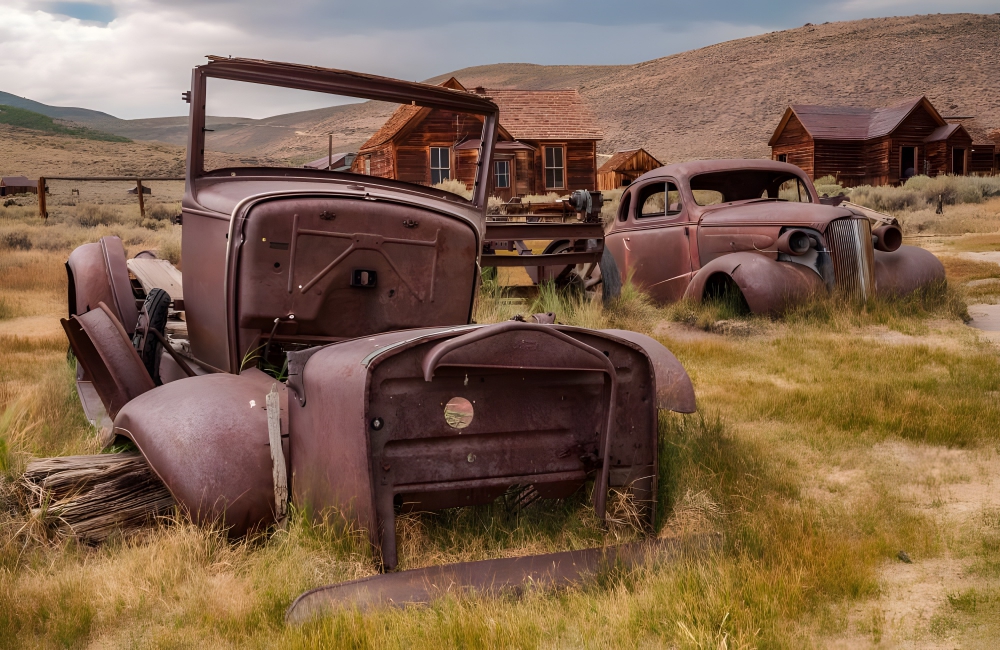
Bodie, California © Kevin Noble/Unsplash
So, what happened? Well, Bodie ran out of gold, and its appeal wore off quickly. It was abandoned and relegated to become a ghost town and, in 1962, a State Park. It’s a far cry from Bodie’s former glory, as the town accounted for over $32 million in gold and $7 million in silver. Now, it is a tourist attraction for those who want to roam its eerie arrested decay.
77. Houtouwan, China
Location: Houtouwan, Shengshan Island, China
Year: 1980s
Cost: Unknown
Located east of Shanghai, China, Houtouwan is an abandoned fishing village. You can find it on the northern side of China’s Shengshan Island, part of a chain of four-hundred islands. Houtouwan is now overgrown, overtaken by greenery in an example of what would happen if humans suddenly disappeared.
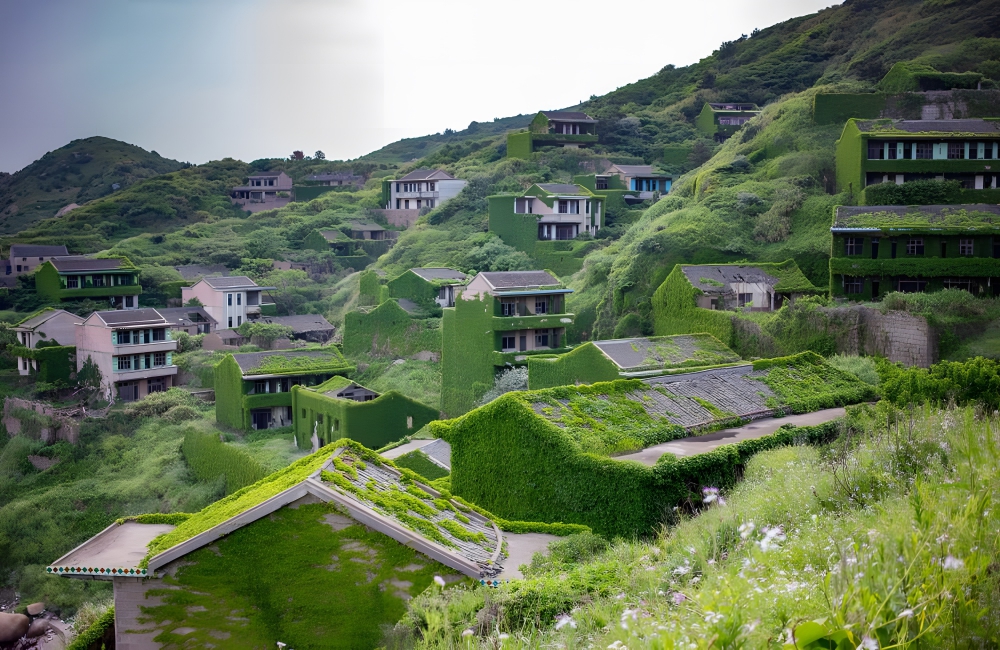
Houtouwan, China ©Joe Nafis/Shutterstock
At one point, Houtouwan was home to two-thousand fishermen, but the fishermen abandoned the village in the early nineties because of problems with the food delivery and education. The village was home to a handful of people until 2002, but, now, it is a tourist attraction for explorers and those looking to take otherworldly photographs.
78. Fordlandia, Brazil
Location: Aveiro, Para, Brazil
Year: 1928
Cost: $10 million* (Ford Investment)
Fordlandia was a 5,509-square-mile tract of land in Aveiro, Para, Brazil. It was located on the banks of the Tapajos River, and it was established by famed U.S. industrialist Henry Ford, who invested $10 million into its construction in 1928. Ford created this Amazonian town as a prefabricated village for people who were harvesting cultivated rubber.
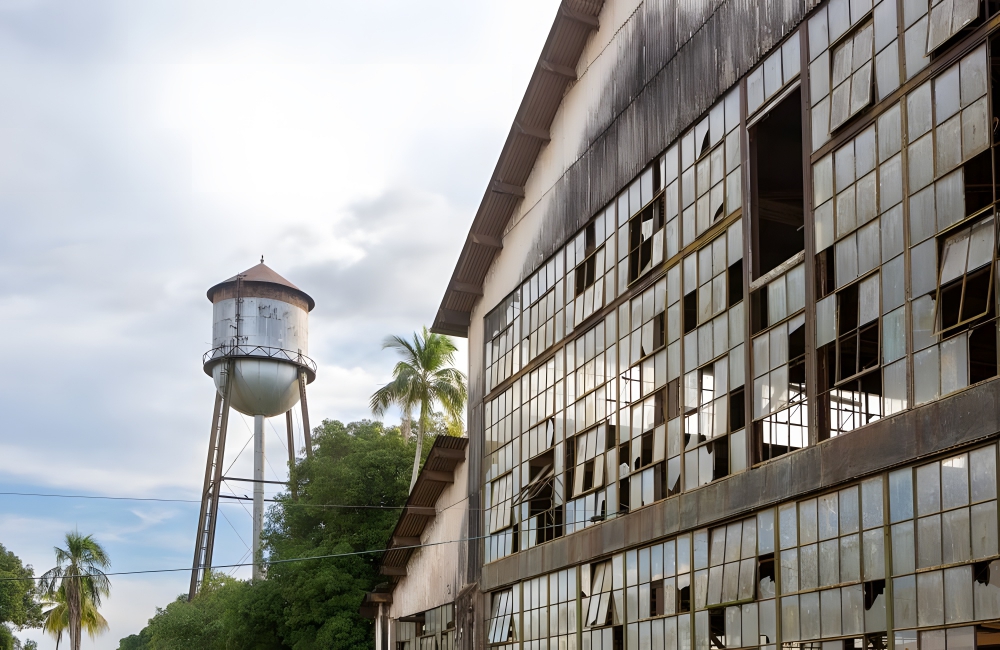
Fordlandia, Brazil ©PARALAXIS/Shutterstockcom
The village was inhabited by 10,000 workers who all had one thing in common: they hated Ford. There were revolts over working conditions, and Ford’s project eventually filed. Fordlandia was abandoned in 1934, and, now, it is mostly deserted still, with just ninety residents as of the early 2000s.
79. Power Plant IM, Belgium
Location: Charleroi, Belgium
Year: 1921
Cost: $500 million-$1 billion to build*
Located in a neighborhood of Charleroi, Belgium, this abandoned power plant looks like something out of a science fiction movie. Power Plant IM was constructed in 1921, and, when finished, it became one of the country’s largest coal-burning plants. It was the main source of energy for the town, able to cool 480,000 gallons of water a minute.
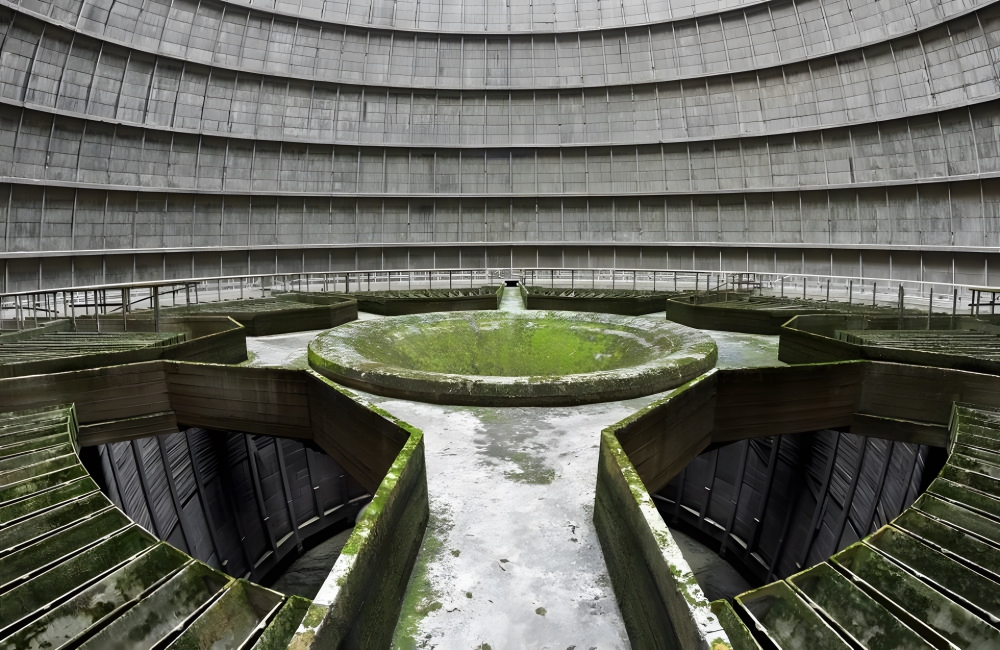
Power Plant IM, Belgium ©r/AbandonedPorn/Reddit
But, in 2006, Power Plant IM’s fame came crashing down when Greenpeace got ahold of information stating that it was responsible for 10% of CO2 emissions in Belgium. Protests ensued, bringing a lot of negative attention, and IM closed in 2007. It remains a popular location for urbex adventurers, and it has been “scheduled for demolition” for years, to no avail.
80. Gereja Ayam, Indonesia
Location: Magelang, Indonesia
Year: 1990s
Cost: $240,000* (Cost of Land)
Gereja Ayam is a fascinating chapel-turned-tourist attraction. Located in the forests of Magelang, Indonesia, this massive church is shaped like a chicken. Daniel Alamsjah, an architect who said he received a message from God to build a hen-shaped church, constructed Gereja Ayam in the 1990s.
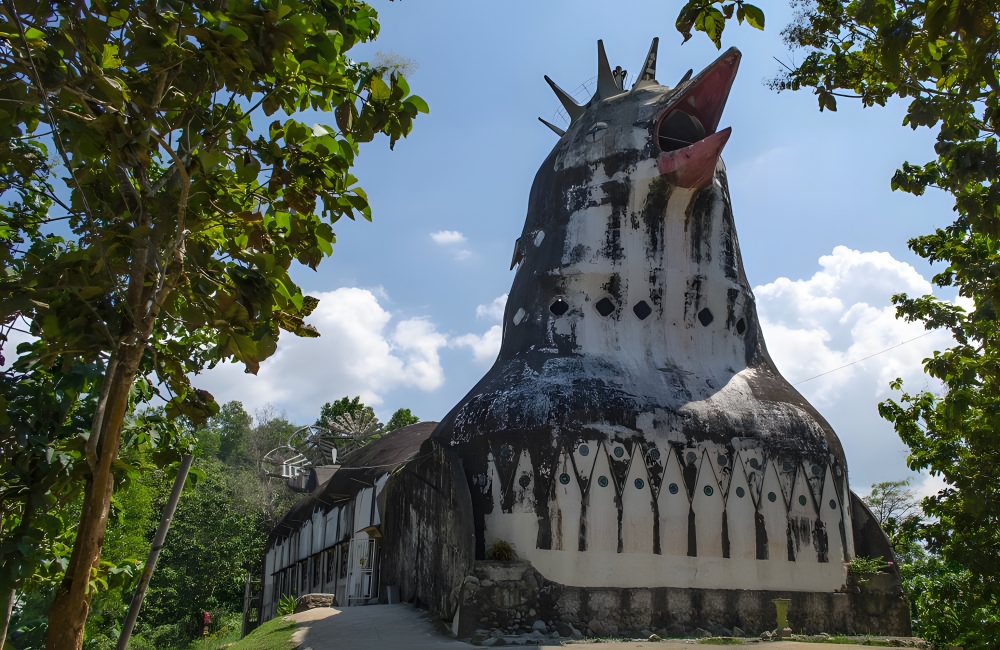
Gereja Ayam, Indonesia ©Michal Hlavica/Shutterstock
Well, partially constructed. A chicken church is no small feat, and Alamsjah ran into financial problems (the cost to buy the land alone was $240,000) and local resistance. He abandoned his project before it was completed. Now, Gereja Ayam has achieved a high level of fame for its unique shape, and it has even been put in several movies since the nineties.
81. Tianducheng, China
Location: Hangzhou, China
Year: 2007
Cost: $30 billion to build*
Tianducheng, located in Hangzhou, China, is a former ghost town that was designed to look like a miniature version of Paris. It was also known as Sky City, and its central feature was its 354-foot-tall replica of the famous Eiffel Tower. In Tianducheng, there are other features of Parisian design as well, including fountains, landscaping, and architecture.
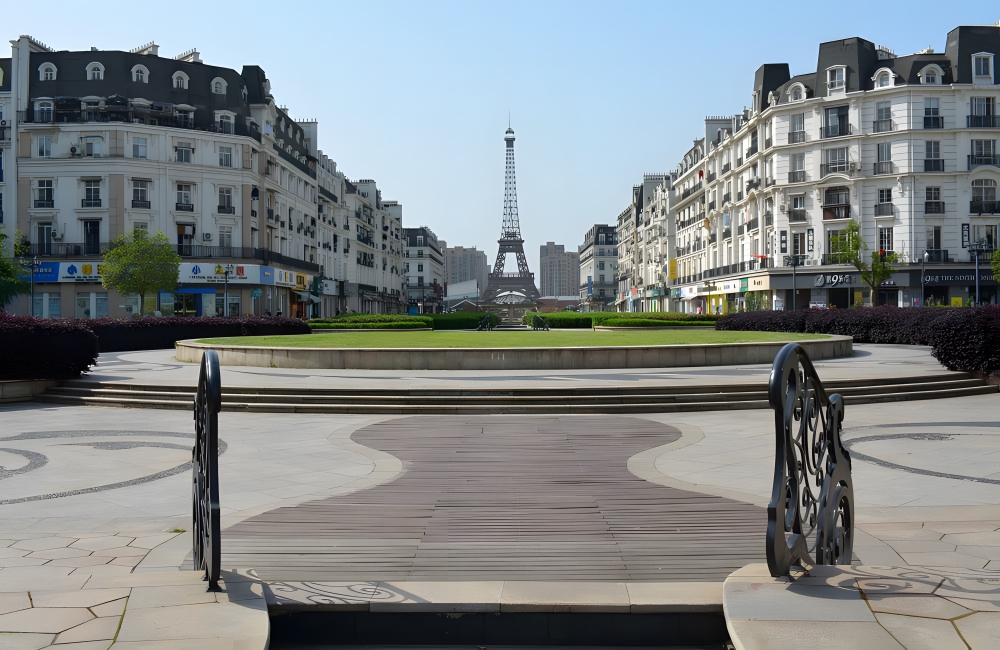
Tianducheng, China ©Dave Colman/Shutterstock
It opened in 2007 and had a population capacity of 10,000. But, only 2,000 people showed up, which led the media to label Tianducheng a ghost town. By 2017, Tianducheng had rallied, and the former ghost town now has a population of around 30,000, if not more. Still, this $30 billion district has not lived up to the potential the Chinese government thought it would.
82. Michigan Theatre, Detroit
Location: Detroit, Michigan
Year: 1925
Cost: $42.4 million to build*
Believe it or not, Detroit used to be an elegant city where everyone wanted to live or visit. In 1925, the Michigan Theatre was constructed as a testament to that elegance, as it was designed in an opulent, baroque French Renaissance style. Adjusting for inflation, the Michigan Theatre cost $42.4 million to build.
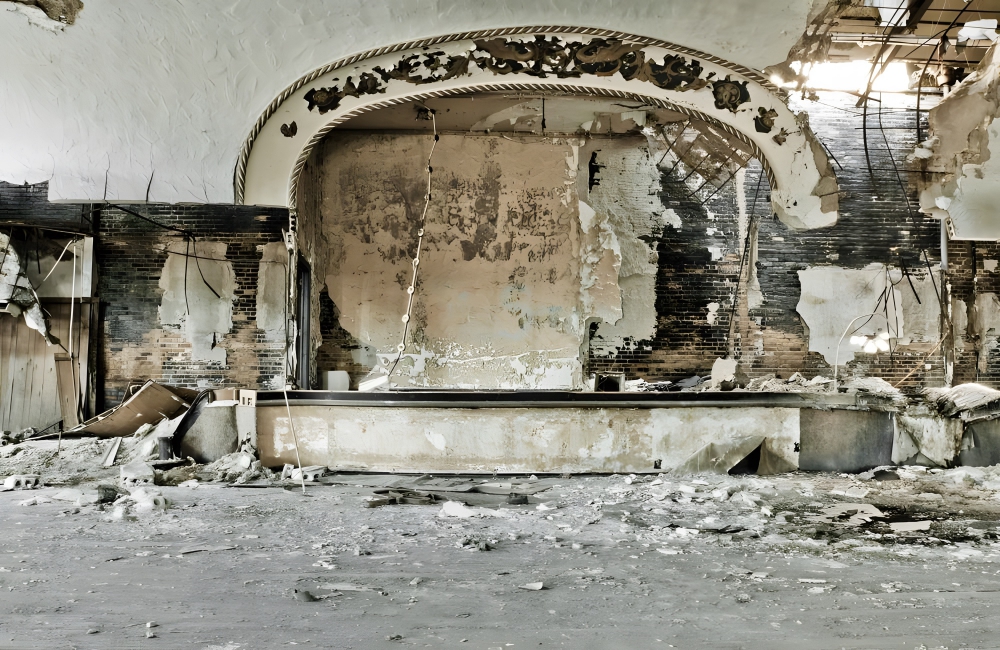
Michigan Theatre, Detroit ©cindylindowphotography/Shutterstock
It was designed by two renowned architects, George L. Rapp and Cornelius W. Rapp. The Theatre had forty years of greatness before it changed hands, and the new owners had little interest in running a Theatre. In 1957, the Michigan Theatre was shuttered and abandoned after a dual screening of The Spy With a Cold Nose and A Thousand Clowns.
83. Ponyhenge, Massachusetts
Location: Lincoln, Massachusetts
Year: 2010
Cost: Unknown
Ponyhenge in Lincoln, Massachusetts is perhaps one of the strangest entries on this list. Located on a wide-open New England pasture, Ponyhenge was formed in 2010 when rocking horses and plastic ponies began showing up in a circle there. Someone was putting them there, but the identity of this mystery equestrian was unknown.
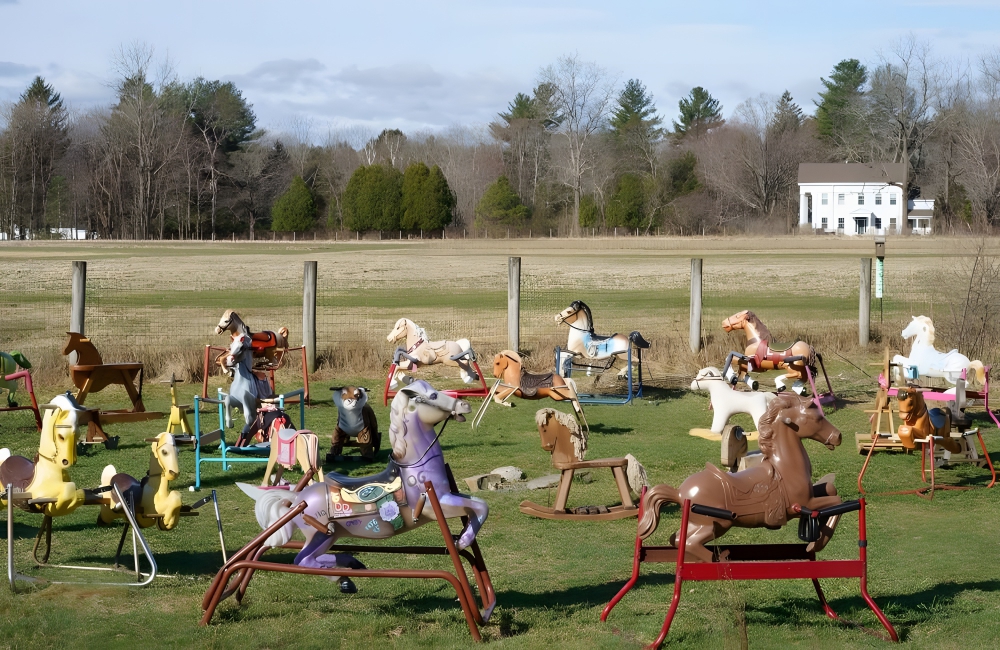
Ponyhenge, Massachusetts ©Yingna Cai/Shutterstock
The metal and plastic horse toys continued to proliferate, and that was when the art installation (if you can call it that) got its moniker, Ponyhenge. Periodically, Ponyhenge is rearranged into a circle or a scattered pattern. No one has attempted to take down Ponyhenge, and the attraction just continues to grow and grow, much to the delight of locals.
84. Beelitz-Heilstatten Hospital, Germany
Location: Beelitz, Germany
Year: 1898
Cost: Unknown
Every photo of the “dark tourism” location known as Beelitz Heilstatten is eerie and fear-inducing. This derelict military hospital has had a dark past—in addition to having been a sanitorium for those suffering from tuberculosis and other lung diseases, Beelitz was once the residence of tyrant Adolf Hitler as he recovered from injuries sustained in WWI.
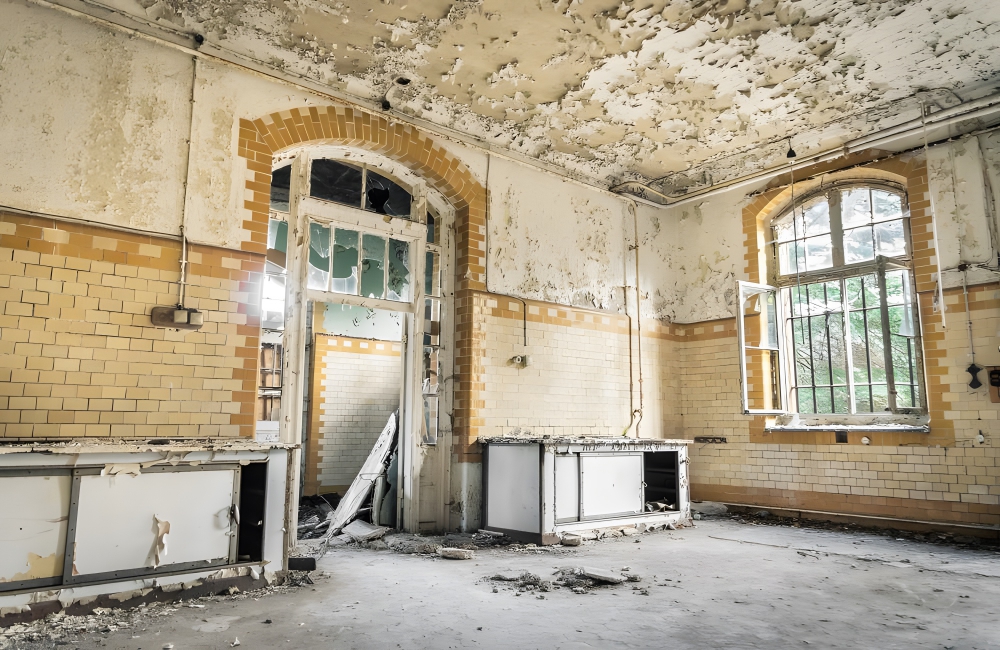
Beelitz-Heilstatten Hospital, Germany ©View Apart/Shutterstock
Hitler was a young soldier when he was shot at the Battle of Somme and blinded in a British gas attack. Beelitz treated him successfully, and Hitler would continue to mandate the hospital as a military hospital in WWII. A few small sections of the building are in use today, but much of it has been abandoned, and it is now a popular place for urbex, teenagers who want to drink, and people looking for a creepy scare.
85. Kennecott, Alaska
Location: Kennecott, Alaska
Year: 1911
Cost: $885.83 million* (1916 Value)
This Alaskan copper mine was once an American giant. It was founded in 1911, and it took off quickly. Between 1915 and 1922, Kennecott was in the top ten for mine production in America. In 1916, Kennecott’s production value was $885.83 million (inflation-adjusted). Billions of pounds of copper were mined every year in Kennecott.
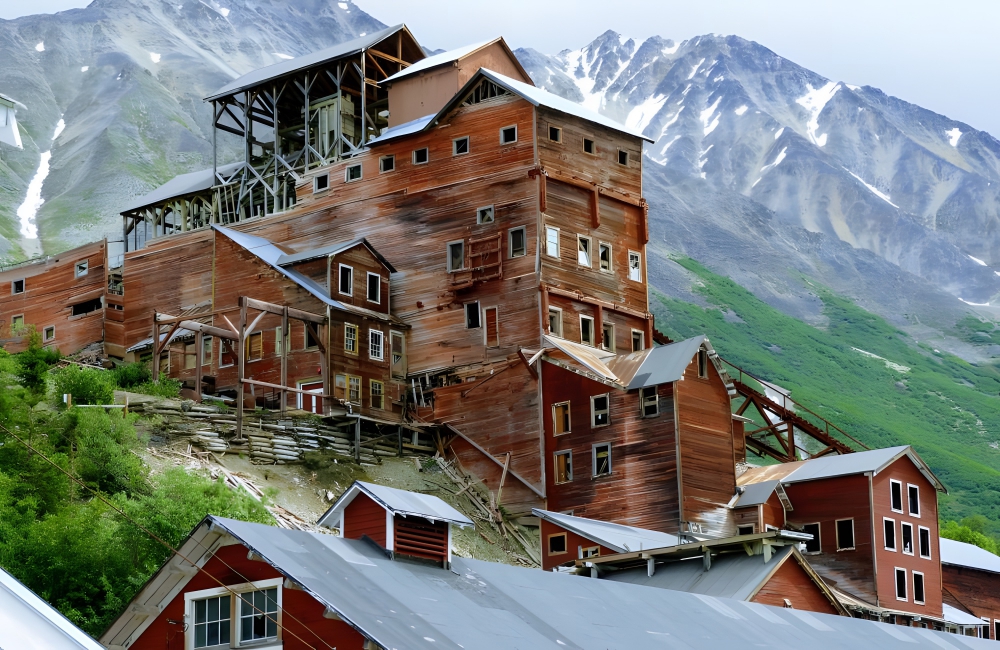
Kennecott, Alaska ©Trina Barnes/Shutterstock
This massive production ended up being Kennecott’s downfall, as it was stripped bare. By 1938, there was no copper interest left in the mine. Kennecott remains an abandoned mining town, and it is inside the Wrangell-St. Elias National Park and Preserve. To protect it from being torn down, it was named a National Historic Landmark District in the 1970s.
86. Rummu Prison, Estonia
Location: Rummu, Vasalemma Parish, Estonia
Year: 1938
Cost: $3.10 entry fee to visit*
Rummu is an underwater prison in Estonia, and it is extremely unique, as there are not many other places like it. Rummu started out as a limestone quarry. In 1938, the Soviet Union, who controlled Estonia until the 1990s, turned the quarry into a prison camp, where inmates would mine limestone as part of their sentence.
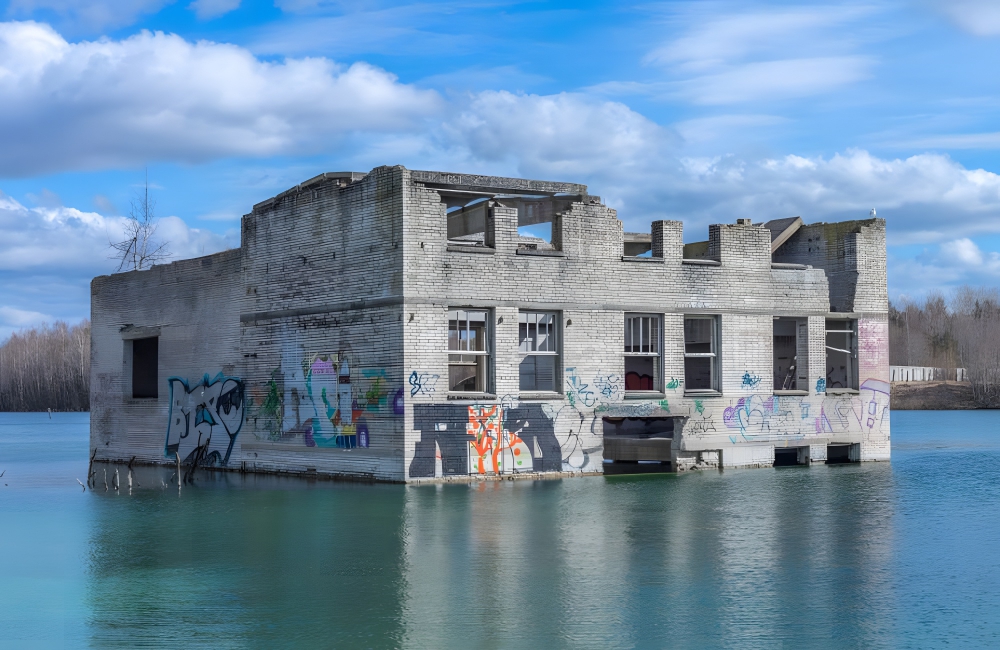
Rummu Prison, Estonia © Janek Sergejev/Shutterstock
The jail was abandoned in 1991 when the USSR collapsed, and the lack of supervision quickly led the quarry to become submerged. Now, Rummu Prison is totally underwater, and it is a popular attraction for scuba divers who want to explore the former jail’s mining equipment and buildings below the surface.
87. Lapalice Castle, Poland
Location: Lapalice, Poland
Year: 1979
Cost: Unknown
Though Lapalice Castle might look and sound like an ancient Polish castle, it is now. This moody-looking, unfinished castle was constructed in 1979, and it was originally intended as a studio for Piotr Kazimierczak, a Polish artist. Piotr wanted Lapalice to be a grand estate, with a swimming pool, ramparts, twelve towers, and a ballroom.
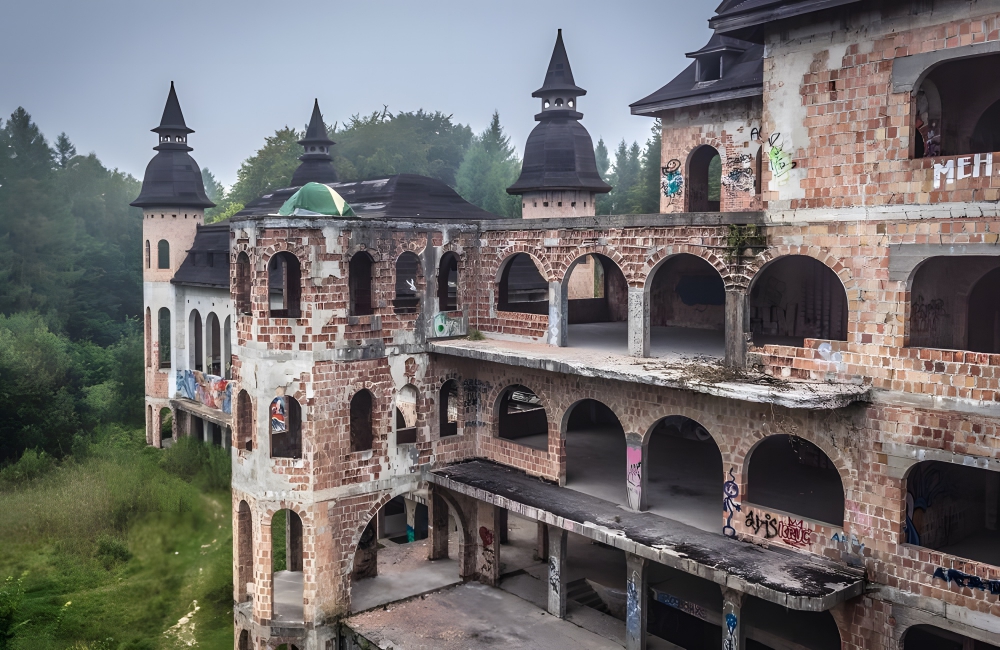
Lapalice Castle, Poland ©Fotokon/Shutterstock
But, alas, Piotr ran out of money, and he also didn’t have the right permits. He had to abandon his dreams of Lapalice, leaving its ruins standing. Lapalice is now at risk of collapse, but that has not stopped explorers from hopping its brick entrance gates to explore.
88. Kangbashi, China
Location: Ordos, Inner Mongolia, China
Year: 2016
Cost: $161 billion to build*
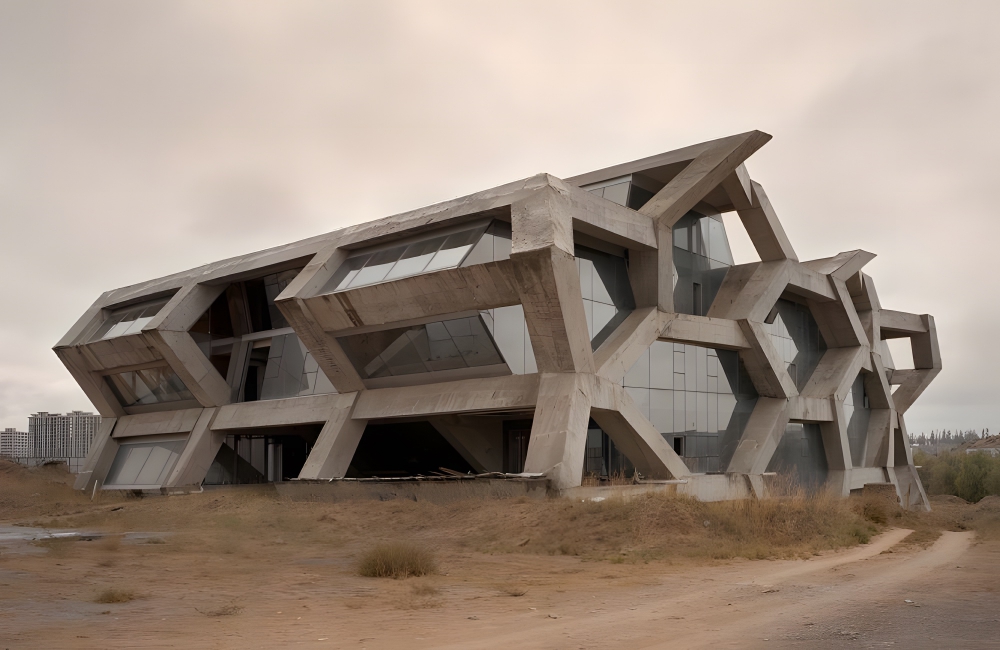
Kangbashi, Ordos, China has just about everything, minus the people. This urban district was announced in 2000, and it took sixteen years to build. Kangbashi is famous for its decorated civic square, grandeur, and the fact that it has very few residents. Kangbashi is a well-dressed ghost town, essentially.
Kangbashi, China @imgur/Pinterest
It became a ghost city largely because of design failures. According to Forbes, Kangbashi had a “lack of relevant services and urban infrastructures,” which made it hard to attract people. High property taxes, in addition to poor construction, also deterred new residents. Kangbashi can hold one million people, but its population right now is one-tenth of that.
89. Tskaltubo, Georgia
Location: Tskaltubo, Georgia
Year: 1920
Cost: $59 per night to stay*
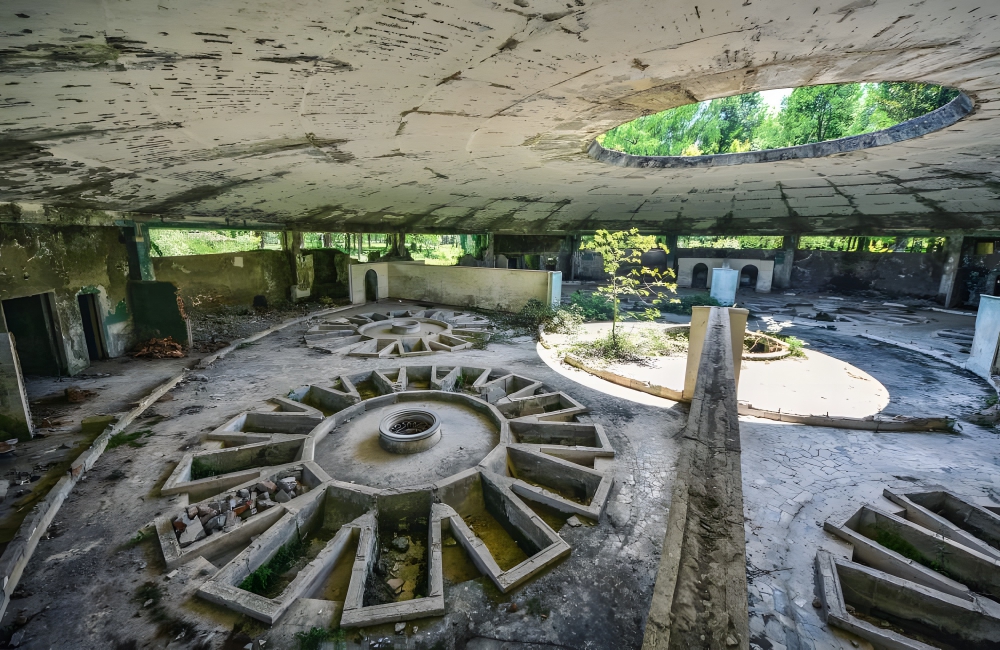
The waters of Tskaltubo have been rumored to have healing powers since the 600s. But, it took centuries before this Western Georgia city would become state property. In 1931, the Georgian Soviet Republic declared Tskaltubo a spa resort, and there were nine baths, a resort park, and nineteen sanatoriums and pensions built on the property.
Tskaltubo, Georgia @Geo Stalk – Urbex And More/Facebook
Tskaltubo even treated Soviet dictator Joseph Stalin at one point. After the USSR collapsed, Tskaltubo was largely abandoned, with just 700 people a year coming to visit. Much of the complex is now dedicated to housing refugees, though you can still receive spa treatments there for $59 a night. Compared to its former glory, Tskaltubo has fallen a long way.
90. St. George’s Church, Czech Republic
Location: Lukova, Manetin, Czechia
Year: 1352
Cost: Unknown
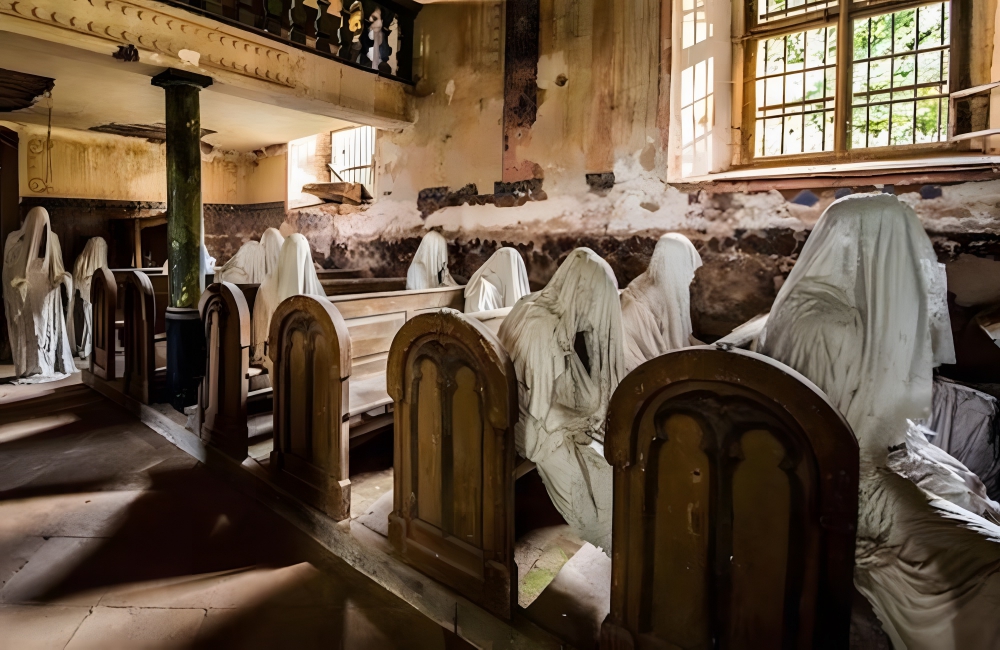
Located in Lukova, a tiny Czech town, St. George’s Church is famous for its ghosts. The fourteenth-century church stood for hundreds of years until, in 1968, the roof collapsed during a funeral. This led to locals believing that St. George’s was cursed or haunted, and the congregants began holding mass outside and avoiding the church’s interior altogether.
St. George’s Church, Czech Republic @WebUrbanist/Pinterest
But, oddly enough, it was ghosts who brought St. George’s back to life. An artist installed thirty-two, white-sheet-covered ghostly figures in the church, seating them in pews, standing them by doorways, and putting them in the aisles. These ghost statues are a physical manifestation of the haunting of St. George’s.