
46. Kolmanskop
Location: Namibia
Year: 1908
Cost: Unknown
Kolmanskop (which is Afrikaans for “Coleman’s Head”) is a ghost town. It was founded in Namib, Namibia. It was named after Johnny Coleman, a transport driver who abandoned his wagon on a small hill near what was, then, a settlement. In 1908, diamonds were discovered at the settlement.
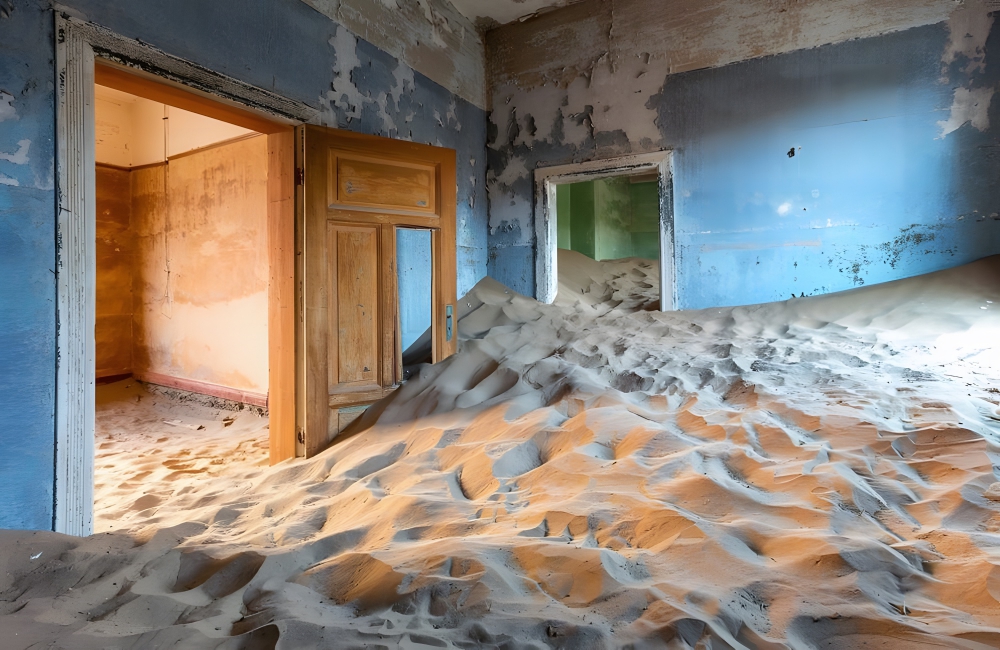
Kolmanskop, Namibia ©Kanuman / Shutterstock
The German Empire declared the property theirs (even though it, rightfully, was Africa’s), and the settlement became a small, yet incredibly wealthy, mining village. During WWII, the Germans had leached all of the diamonds from the fields. The town went into a decline, and it was abandoned in 1956. The town’s inhabitants, oddly, left their homes and possessions behind when they took off.
47. Enchanted Forest Playland
Location: Toledo, Ohio
Year: 2000
Cost: $35,000 (land cost)*
In 1947, R.W. Bishop bought a Woody Wagon. That began his interest in the amusement park industry, and that interest would culminate in the development of the now-abandoned Enchanted Forest Playland. Bishop bought a large plot of land for $35,000 in 2000.
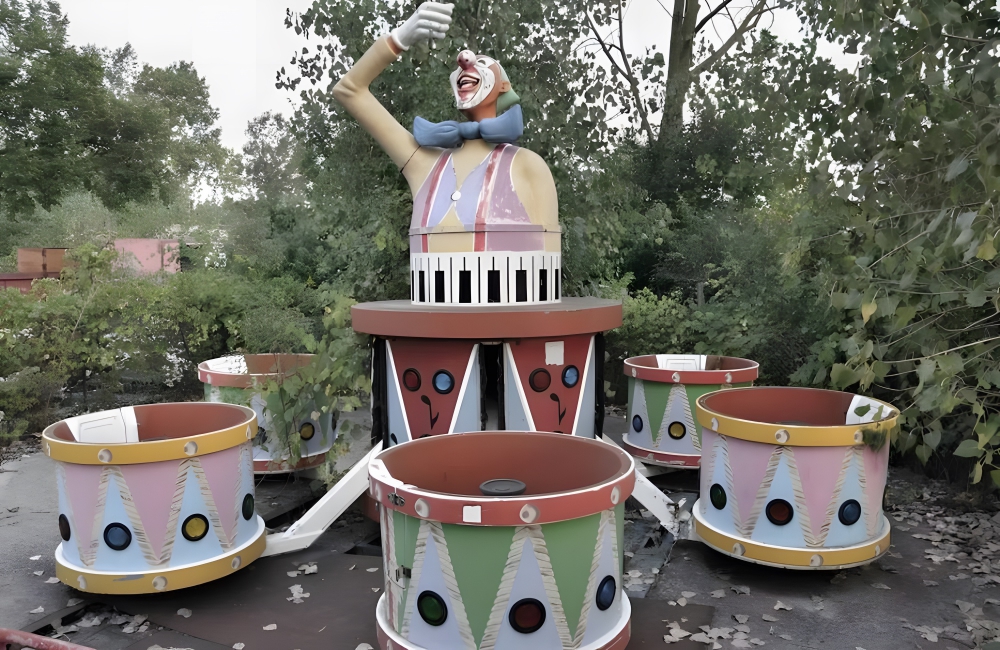
Enchanted Forest Playland @slatemagazine/Pinterest
He then added rides and attractions, and the Enchanted Forest was in operation for five years before it shut down due to financial problems. Now, all that is left are bits and pieces of the park, including a giant clown ride. During its heyday, Enchanted Forest Playland had rides, a mini-golf course, picnic areas, and a river walk.
48. Maunsell Sea & Air Forts
Location: UK
Year: 1942-1943
Cost: $15,500 each*
The Maunsell Forts lay abandoned in the Mersey and Thames estuaries. They were constructed as armed towers during WWII. These towers operated as naval and army forts, protecting the UK. The Maunsell name came from the forts’ designer, Guy Maunsell. The Maunsell Forts were officially decommissioned in the 1950s.
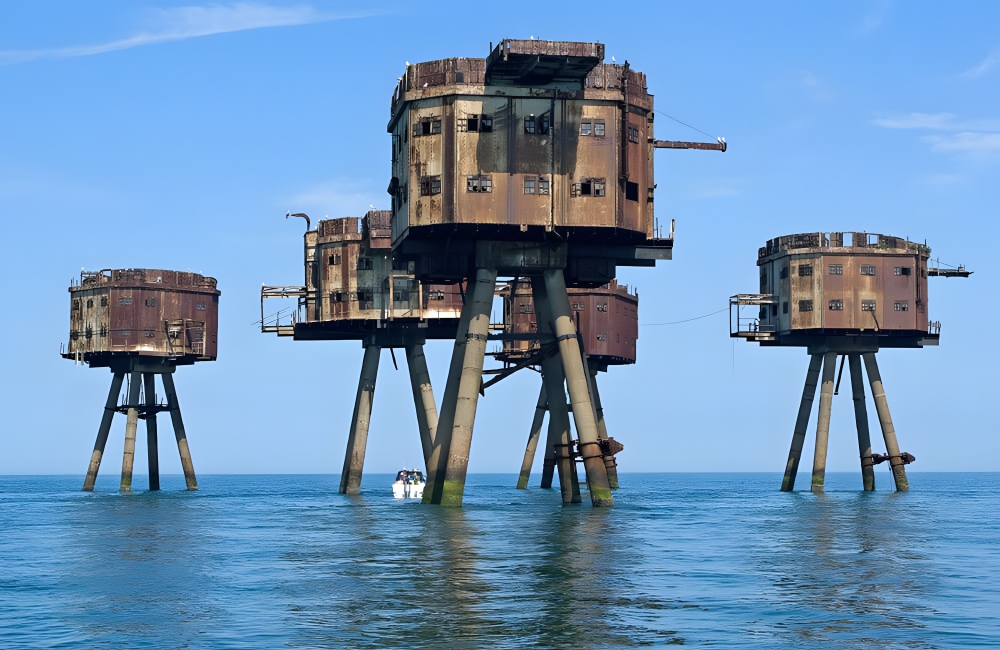
Maunsell Sea & Air Forts, UK @Maunsell Sea & Air Forts, UK / Pinterest
Since then, they have been left alone, save for a few activities like pirate radio broadcasting. Boats visit the Maunsell Forts for exploration purposes, and the Maunsell fort a Red Sands is the subject of a conservation attempt by Project Red Sands. Only some are (officially) open to the public.
49. Rhyolite
Location: Nevada
Year: 1905
Cost: $3.7 million*
Located in Nevada’s Bullfrog Hills, just a few miles from Death Valley, Rhyolite is a ghost town. The town was founded in 1905. It was one of a few mining camps that emerged when gold was discovered in the Bullfrog Hills. Thousands of gold seekers settled in the town, and Charles M. Schwab, an industrialist, developed it into a residential area, putting in piped water, railroads, electric lines, and other amenities.
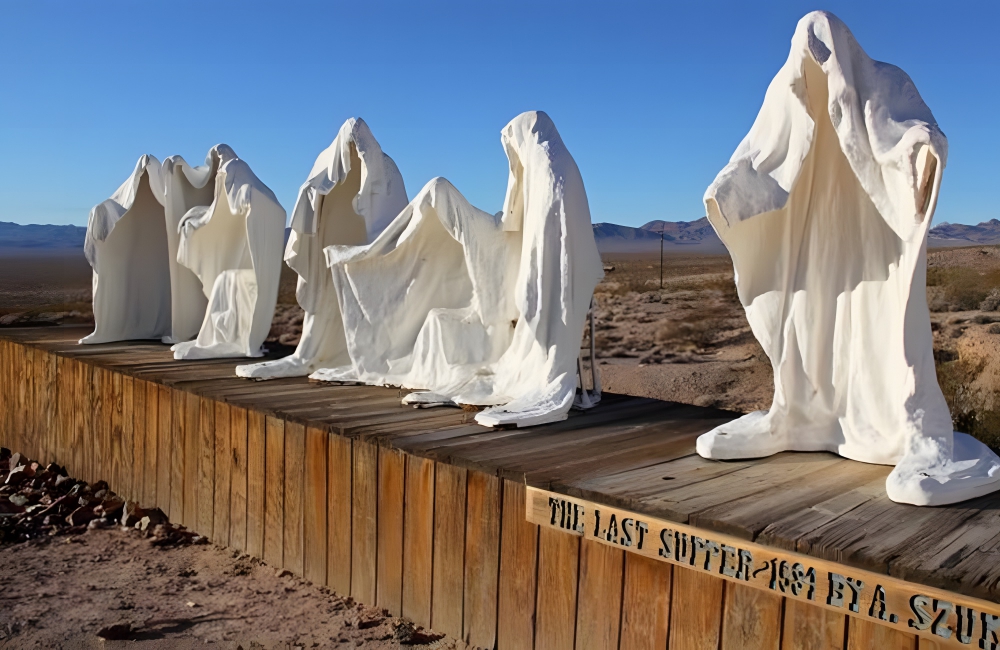
Rhyolite – Nevada @daytrippen/Pinterest
Rhyolite was a flash in the pan, and it disappeared almost as quickly as it sprang up. The 1906 Earthquake in San Francisco, the Financial Panic of 1907, and the depletion of gold ore reserves caused people to leave in a hurry. By 1920, there were no people left.
50. Ross Island
Location: Andaman and Nicobar Islands, India
Year: 1857
Cost: $2 million*
Ross Island was part of over 500 islands off the coast of India. It was used as a prison by British colonizers during the Indian Rebellion. The Indian prisoners were confined to decrepit jail cells, while the British built churches, tennis courts, and fancy bungalows on their part(s) of Ross Island.
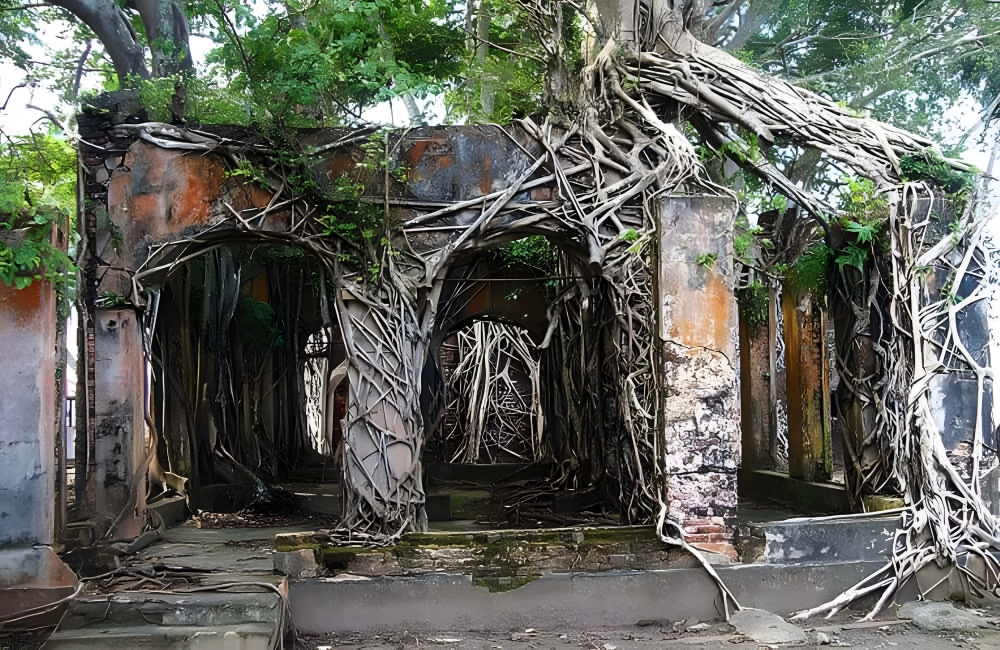
Ross Island, Andaman and Nicobar Islands, India ©Adwait /commons.wikimedia.org
In 1941, a large earthquake hit the island, killing almost everyone living there. The Japanese took over Ross Island in WWII, turning the buildings into bunkers. After WWII, the Japanese abandoned the island, and it has since been overtaken by roots, vines, and plants—though it is open to the public.
51. See Monster Oil Rig
Location: Weston-Super-Mare Beach, England
Year: 2022
Cost: $158.3 million* (Total Project Cost)
This is one of the more inventive uses for an abandoned building that we’ve seen. The See Monster is a decommissioned oil rig that is currently being turned into a green art installation. It will be one of the United Kingdom’s largest art installations. The See Monster proves that even a rusty, dated, industrial behemoth can be turned into something beautiful.
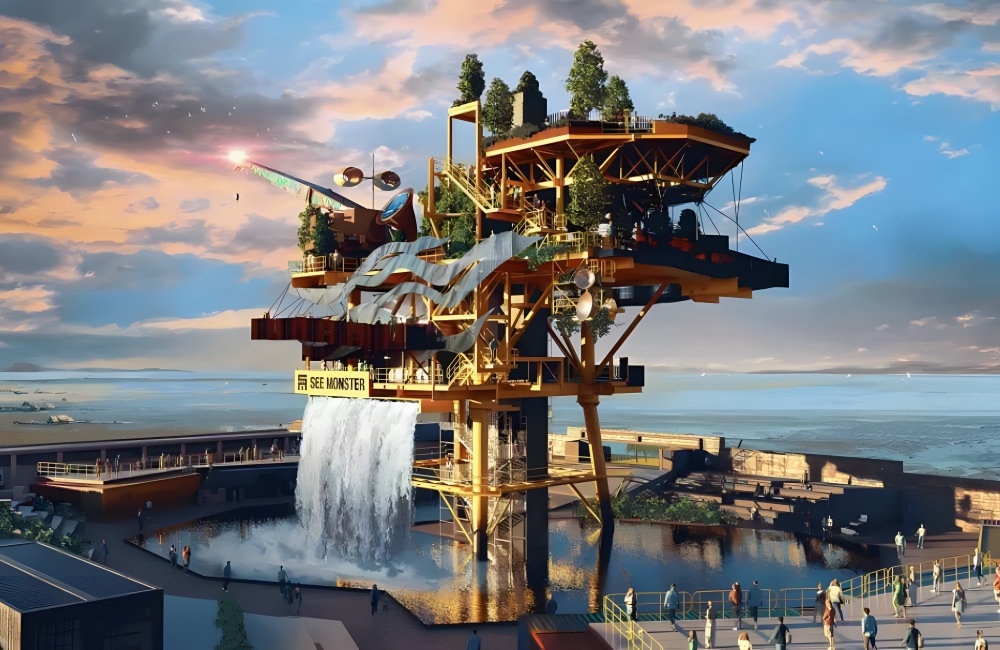
See Monster Oil Rig, Britain @dailymail/Pinterest
The massive platform spent a year in a shipyard in the Netherlands before the rig was decommissioned. It is now being stripped, cleaned, and fixed so that it can be transformed into an oasis-like artistic venture. When it was transferred from off the coast of Southeastern England, hundreds gathered to watch it be lifted from the water to the shore. The giant crane took three dramatic hours to lift the See Monster to its final home.
52. The Mechanics Institute
Location: Swindon, Wiltshire, England
Year: 1855
Cost: $34.28 million to fix*
The fate of the Swindon Mechanics’ Institute has been a bit of a sad one, filled with promise and then heartbreak. Founded in 1855 in Swindon, England, the Institute is a Grade II building that is part of a conservation area within a railway village. It served workers from the nearby Swindon Railway Works.
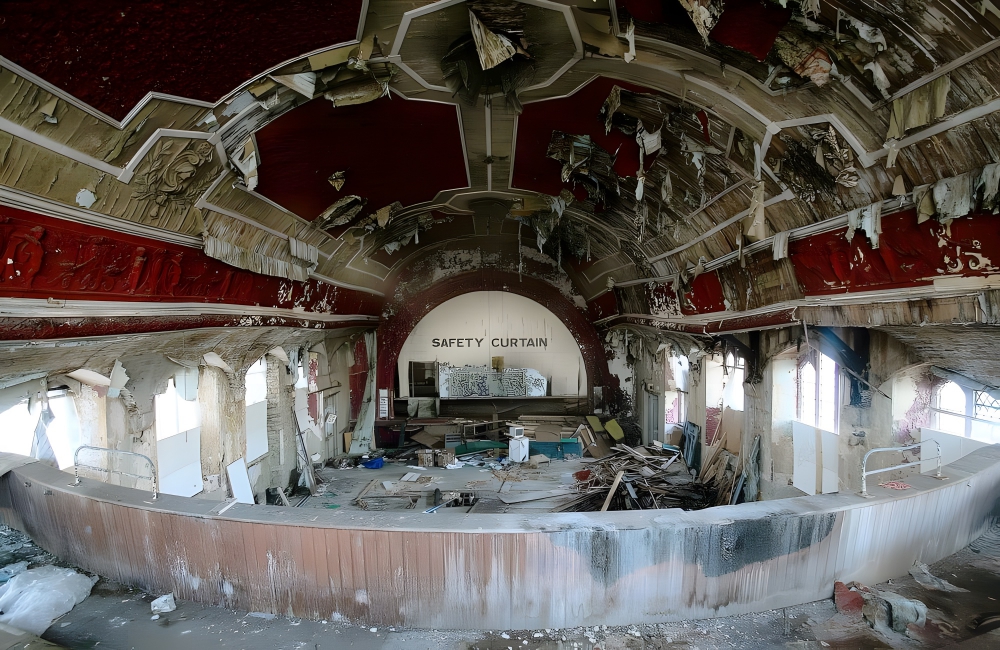
The Mechanics Institute @thetimessunday/Pinterest
It was turned into a theater sometime in the twentieth century, but it closed in 1986. Since then, it has remained in disuse, falling into terrible disrepair. In 2002, a company called Forefront took ownership of this abandoned building, but that company dissolved in 2012. It was overburdened by the heavy $34.28 million debt associated with fixing the Mechanics’ Institute.
53. Carpenter Road Elementary School
Location: Flint, Michigan
Year: 1837
Cost: $1 million to operate per year before closure*
There was a time when Flint, Michigan was famous for being the birthplace of the iconic American company General Motors. It was also famous, in the thirties, for spawning the United Auto Workers union. Now, Flint is sadly known for being a city that was, as it has been hit with high crime rates, an infamous water-quality scandal, and general dereliction.
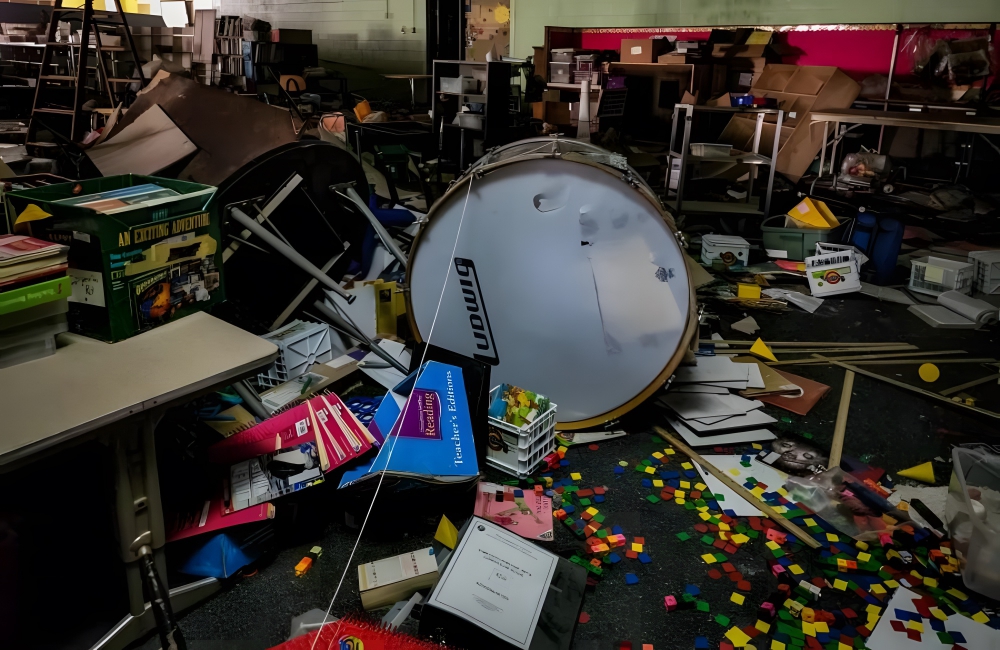
Carpenter Road Elementary School, Flint, Michigan ©r/urbanexploration/Reddit
The Carpenter Road Elementary School is now yet another abandoned building haunting Flint. It closed down in 2015 because of district budget cuts, and its closure left northeast Flint, temporarily, without an elementary school. Its eerie photos are a grim reminder of how far Flint has to go to fix its issues.
54. Borgata Maison
Location: Noasca, Italy
Year: 1960s (Year Abandoned)
Cost: N/A
Borgata Maison consists of the abandoned ruins of a chapel and schoolhouse. The ruins are the only thing that remains of the little Italian village, which fell into disuse in the sixties when people left the countryside for the convenience of city life. The buildings where Borgata Maison once stood are hit-and-miss, with some in excellent condition and others unrecognizable.
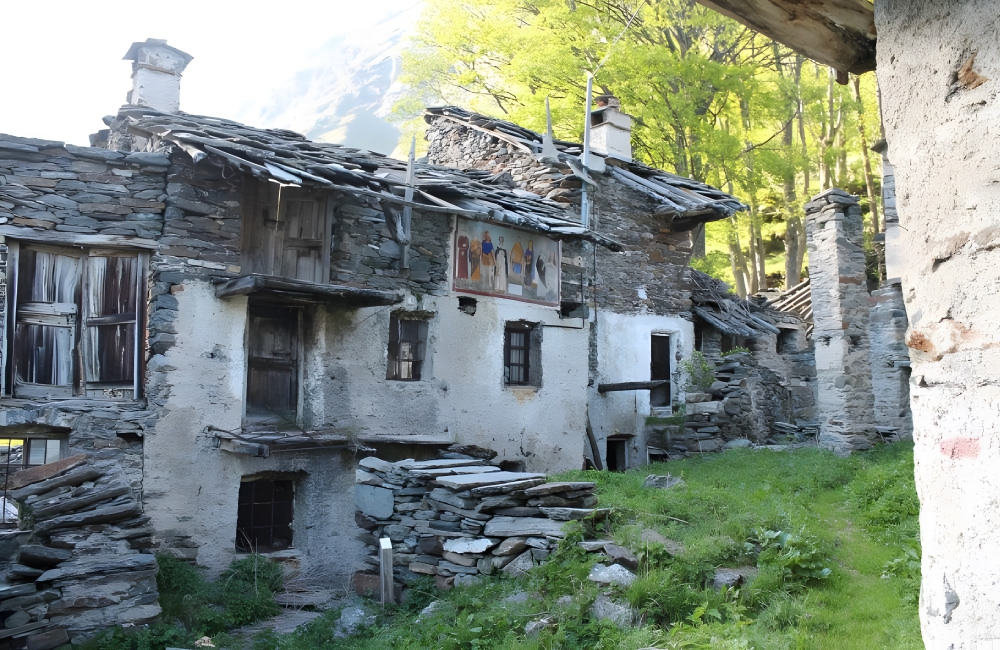
Borgata Maison, Italy @atlasobscura/Pinterest
The small chapel has remained in a decent state, as it has frescoes still remaining on its walls. Borgata Maison has become popular with hikers, as hiking trails pass through the area. Hikers can leave the trail and get a glimpse of this eerie, abandoned village.
55. Dino Island
Location: Praia A Mare, Italy
Year: 1950s (Officially Abandoned)
Cost: N/A
Dino Island, located in Praia A Mare, Italy, is the perfect setting for a survival-esque horror movie, as this picturesque island contains the ruins of a failed resort. Dino was connected to its mainland until erosion destroyed the bridge, making it unsafe for even human feet to cross.
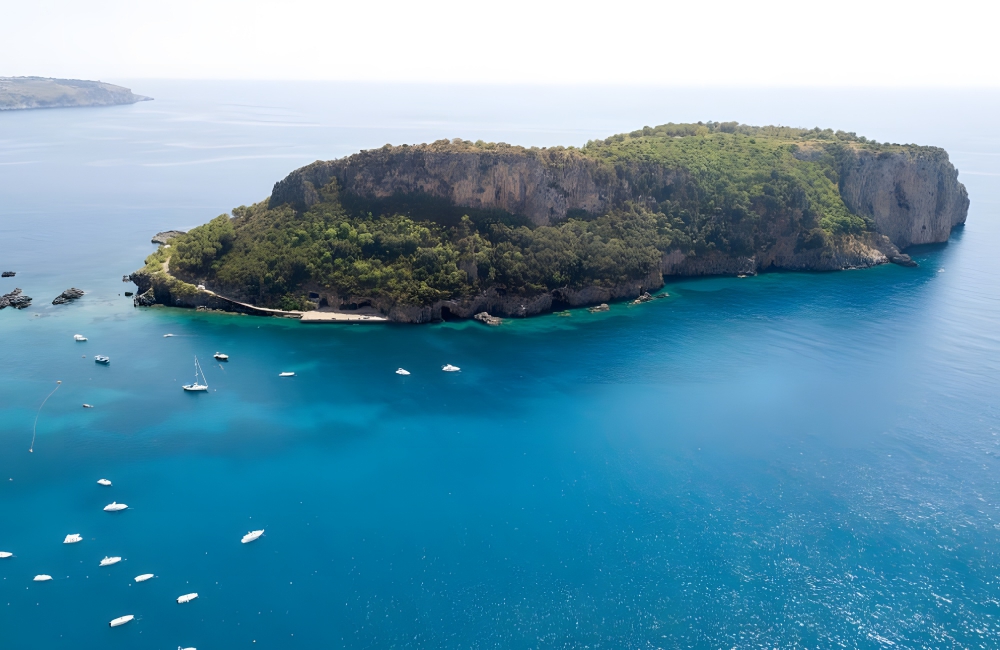
Dino Island, Praia A Mare, Italy ©Naeblys/Shutterstock
The buildings that stand hint at a small chapter of Dino Island’s long history. Pirates once stopped at Dino, as did Islamic and Ottoman Ships, Norman invaders, the Kingdom of Naples, and more. In the fifties, a private company sought to turn Dino Island into a tourist attraction, but plans failed, and Dino was abandoned, leaving the ruins of a restaurant and a few house-like structures behind.
56. Park of Souls
Location: Mount Parnitha, Athens, Greece
Year: 1930s
Cost: $0 to visit*
Athens, Greece is a city full of ruins, but the Park of Souls takes the cake for being some of the creepiest. Located on Mount Parnitha, these wooden sculptures stand outside an abandoned sanitorium. The outdoor exhibition is meant to capture peoples’ attention, and it is a reference to Athens’ history with tuberculosis and forest fires.
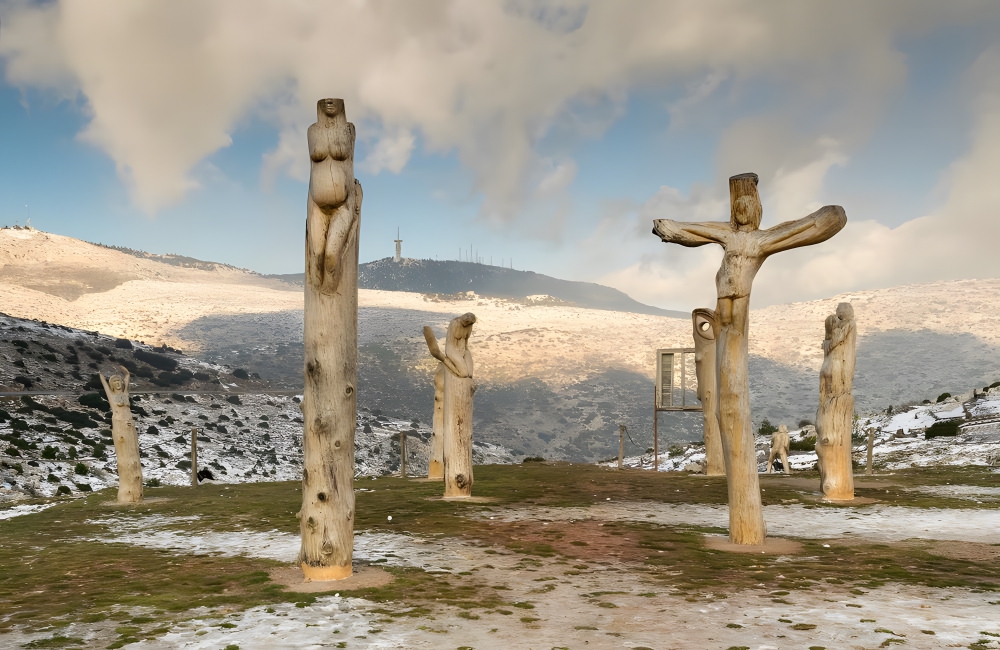
Park of Souls, Athens, Greece ©Bill Anastasiou/Shutterstock
The Parnitha Sanitorium was constructed in the 1930s to provide sunshine and fresh air to TB patients as the disease ravaged Athens. The building was repurposed after the plague until it was abandoned in the mid-eighties. After a series of fires broke out in the 2000s, causing more devastation, sculptor Spyridon Dassiotis constructed the Park of Souls to give “life” to this seemingly-haunted area.
57. Perlora Ciudad de Vacaciones
Location: Perlora Ciudad de Vacaciones, Spain
Year: 1954
Cost: Unknown
Perlora Ciuidad de Vacaciones, Spain, known in English as Vacation City, was supposed to be a luxury resort. The Francoist oasis was, at one time, a way for workers of all classes to enjoy the chance to travel (under the watchful eye of Italy’s 1950s fascist government, of course). At its peak, this 150-building resort could house 2,000 workers a day.
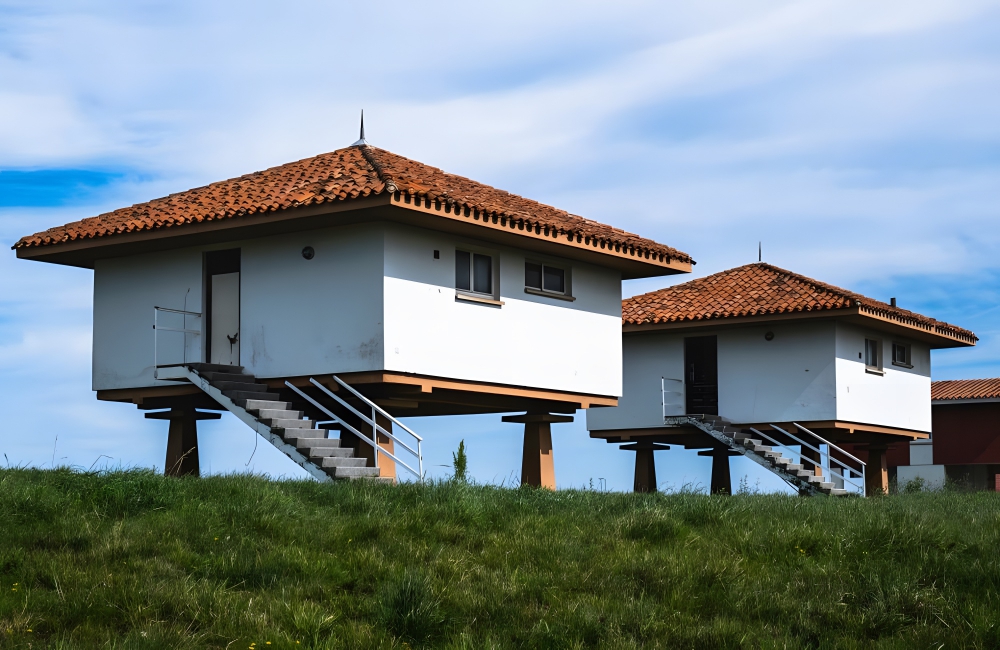
Perlora Ciudad de Vacaciones, Spain ©h3c7orC/Shutterstock
Now, it is abandoned. Vacation City closed down in 2005, but people still visit it. The ghost town comes to life every summer, as people now treat the abandoned resort like a park, using space for barbecues and hanging outside certain run-down villas.
58. Elfland
Location: Somerville, Boston, Massachusetts
Year: 2021
Cost: Priceless
Elfland started out as the project of an eight-year-old, and it is delightfully wacky. After a gas station near the youngster’s house was abandoned, the lot was cleared and fenced in. The boy and his family began adding little elf-themed models, growing the abandoned lot into a tiny elf town.
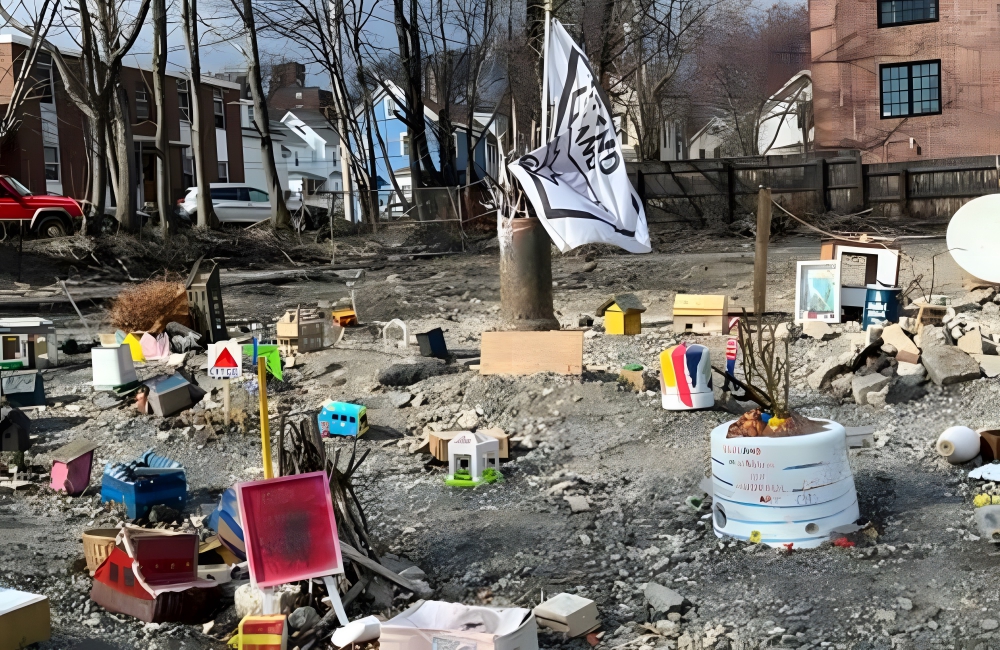
Elfland, Boston, Massachusetts @atlasobscura/Pinterest
Elfland really took off when strangers began contributing their own models, giving this tiny, weird city a life of its own. Developers who bought the area have a challenge on their hands, as they can’t get rid of this Boston landmark, so they have to find a way to keep it or move it intact and unharmed (after all, who wants to be known as the company who destroys community art installations?).
59. Nike Missile Control Site
Location: Newport News, Virginia
Year: 1955
Cost: $12 million*
Project Nike was developed by the U.S. Army to construct a series of $12 million bases that would serve as an integral part of America’s air defense system. There were hundreds of these bases across the country, and some, like N-85 in Newport News, Virginia, were converted from POW camps to missile bases after WWII.
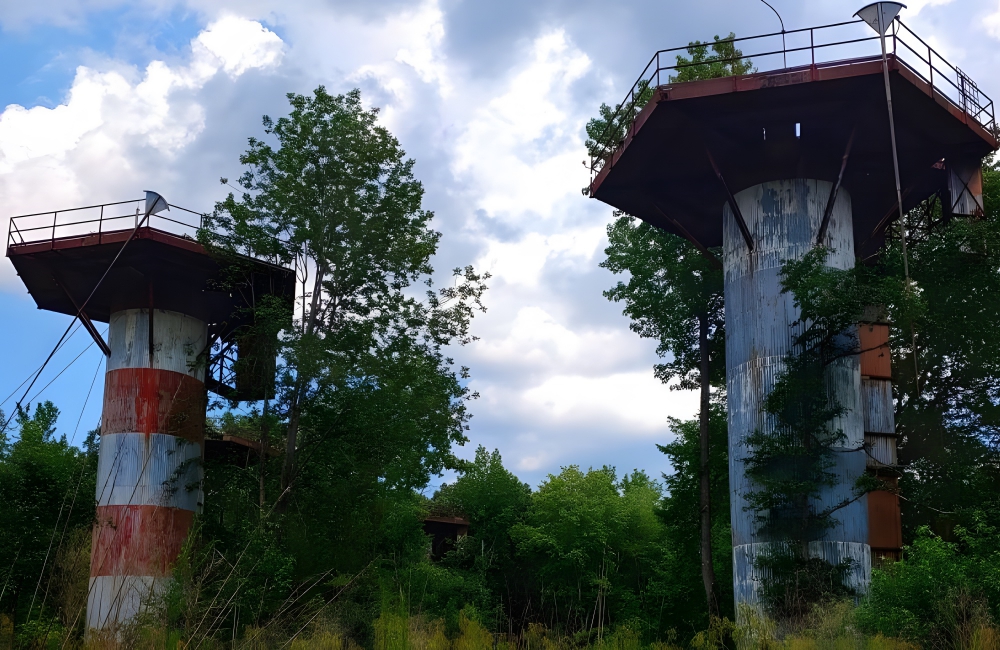
Nike Missile Control Site, Newport News, Virginia @atlasobscura/Pinterest
Formerly Camp Patrick Henry, N-85 was turned into a missile site in 1958, and it remained the base of Nike Ajax until 1971. Today, looming radar towers and abandoned buildings remain, and it is a popular destination for not only people who like exploring abandoned places but also snakes. N-85 is known to house a lot of snakes and weird insects (so keep an eye out if you choose to visit).
60. Château de la Mothe-Chandeniers
Location: Le Trois-Moutiers, Vienne, France
Year: 1200s
Cost: $1.6 million attempt to purchase*
Château de la Mothe-Chandeniers is a breathtakingly beautiful castle that remains abandoned in Les Trois-Moutiers, a commune in Vienne, France. Mothe-Chandeniers dates back to the 1200s when it was a stronghold of the Lords of Loudun, the Baucay Family. The English captured it a few times during the infamous Hundred Years War.
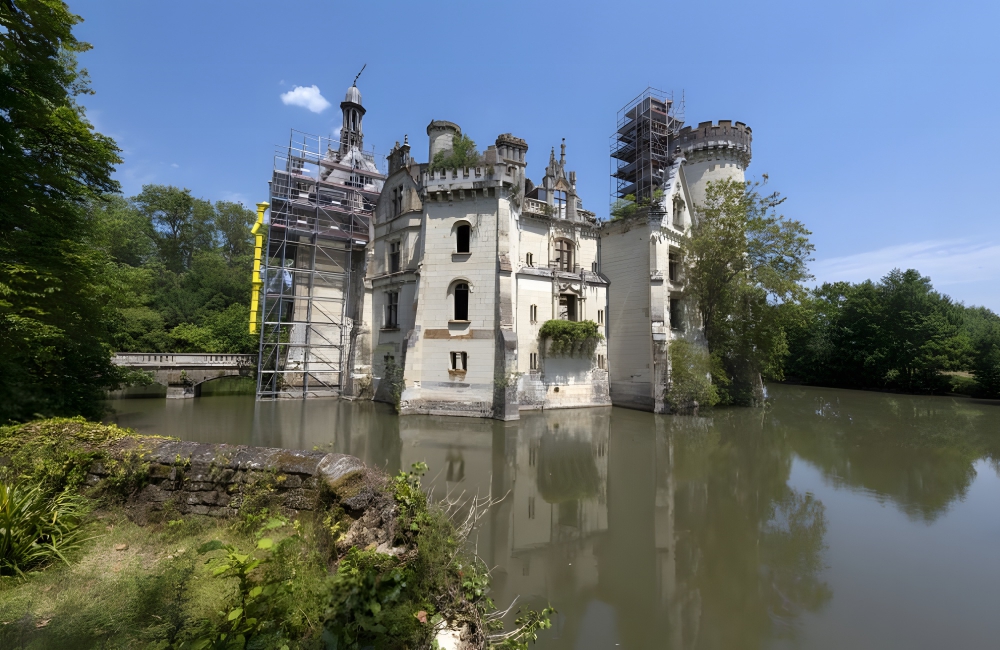
Chateau de la Mothe-Chandeniers, France ©Silverbackstock/Shutterstock
During the French Revolution, Mothe-Chandeniers was obliterated. It changed hands from the early 1900s until 1932, when a fire destroyed the castle, leaving it abandoned. In 2017, a French crowdfunding project raised $1.6 million to purchase the castle to preserve it, as it is a centuries-old historical landmark that should not be erased.