
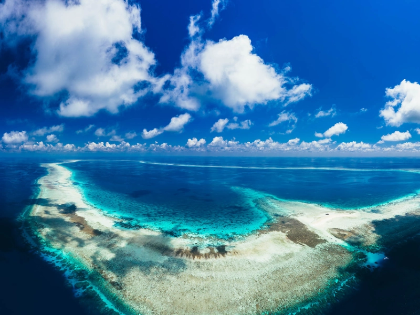
9. Fiji’s Coral Coast, South Pacific
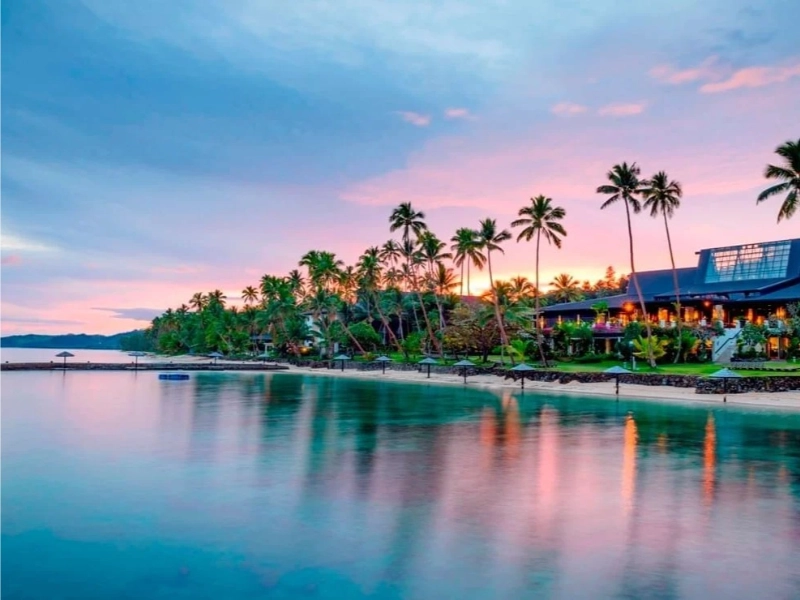
Known for its soft coral reefs, Fiji, an archipelago of more than 300 islands in the South Pacific, is sometimes referred to as “Soft Coral Capital of the World.” The Coral Coast, which runs along Viti Levu, main island, has some of the most easily reachable and amazing reef systems in the nation. These reefs are well-known for their vivid hues, varied aquatic life, and special occurrence of fluorescent corals glowing under UV illumination.
One of the biggest barrier reefs worldwide, the Great Astrolabe Reef encircles the island of Kadavu and offers a refuge for an amazing range of aquatic life. Divers can visit the well-known Beqa Lagoon, where shark feeding dives provide exciting encounters with bull sharks and other species, or Namatakula, noted for its vivid soft corals and regular manta ray sightings. Along with five of the seven sea turtle species worldwide, Fiji’s reefs also sustain significant fish species such the humphead wrasse and bumphead parrotfish. In Fiji, conservation initiatives include the creation of locally managed marine areas (LMMAs), whereby contemporary conservation methods are mixed with traditional fishing methods to guarantee the sustainable use of marine resources. Fiji is a paradigm for Pacific marine conservation as these community-led projects have been successful in maintaining coral reef ecosystems while sustaining local livelihoods.
10. Cayman Islands Reefs, Caribbean Sea
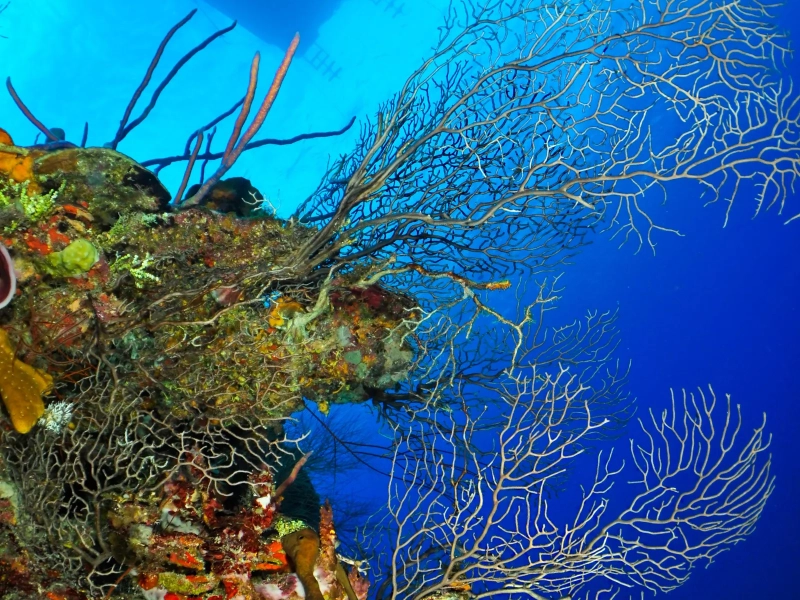
Comprising Grand Cayman, Cayman Brac, and Little Cayman, the Cayman Islands are surrounded by some of the most immaculate and varied coral reefs in the Caribbean. These islands are well-known for their steep wall dives, great water clarity, and lots of aquatic life. The western Caribbean location of the Cayman Islands, apart from main land masses, adds to their health and vibrancy in their coral ecosystems.
Stingray City, a shallow sandbar where divers and snorkelers may engage with amiable southern stingrays in their native habitat, is among the most well-known dive spots in the Cayman Islands. While Bloody Bay Wall in Little Cayman is regarded as one of the best wall dives worldwide with its pure vertical plunge into the abyss, Grand Cayman’s North Wall presents stunning drop-offs and the chance to view big pelagic species. Several intentionally sunk shipwrecks, notably the USS Kittiwake, which acts as artificial reefs and draws a range of aquatic species, call the Cayman Islands home also. Strict marine park rules, mooring buoy systems, and continuous research on coral regeneration methods constitute part of Cayman Islands’ conservation initiatives. To help native fish populations and manage the population of this invading species, the islands have also instituted a lionfish killing program. These steps together with a strong focus on environmental education assist to protect the amazing underwater ecosystems of the Cayman Islands for next generations.
 zi ang