

It’s time to separate fact from fiction in a society drowning in hydration recommendations. This article delves deeply into the science of hydration, questions accepted wisdom and exposes the actual findings on our water requirements. From dispelling the 8-glasses-a-day fallacy to investigating the complex hydration systems of the body, we will satisfy your information needs and guide you in deciding how much fluid to consume. Prepare yourself to reassess all you believed to know about maintaining hydration.
1. The 8×8 Rule: A Well-Intentioned Myth
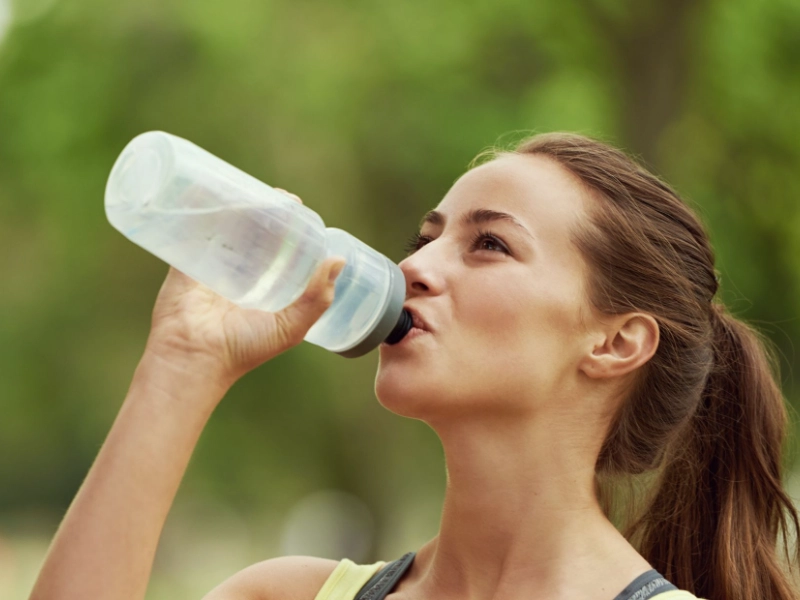
Drinking eight 8-ounce glasses of water a day has been the accepted hydration recommendation for decades. Health experts, fitness guru, and well-meaning parents all have repeated this apparently basic rule. More significantly, though, does this rule hold water under scientific examination? Where did it come from?
The 8×8 rule has shockingly unclear beginnings. Some find it connected to a 1945 US Food and Nutrition Board recommendation for 2.5 litres of daily fluid intake. But this advice also pointed out that majority of this fluid might originate from food sources, a vital information sometimes disregarded in public opinion.
Recent research have called into question the general relevance of the 8×8 rule. No scientific data, according to a thorough analysis written for the Journal of the American Society of Nephrology, supports the idea that drinking more water enhances health in healthy people. The body’s thirst mechanism, the researchers came to find, is usually trustworthy in directing appropriate hydration.
Furthermore, personal hydration requirements might differ greatly depending on elements including environment, physical exercise, body type, and general health. A universal solution for hydration ignores these important factors. An athlete practicing in a hot area, for example, will have much different fluid needs than an office worker in a temperature-regulated environment.
Although the 8×8 rule might not be strictly scientific, for most individuals it is not intrinsically dangerous. In healthy people with appropriate renal function, eight glasses of water a day is not expected to induce overhydration. It might, however, cause unwarranted worry about hydration level and frequent bathroom visits.
In essence, the 8×8 rule is more of a general recommendation than a scientific necessity even while maintaining hydration is definitely vital. Understanding your body’s particular needs and paying attention to its signals is significantly more important than pursuing a set numerical target as we will discuss in the next sections.
2. The Body’s Hydration Wisdom: Understanding Thirst

Often overlooked as a profound biological function is thirst. Far from a basic reminder to drink, thirst is a complicated interaction of hormones, brain signals, and physiological reactions formed over millions of years to keep us ideally hydrated. Knowing how thirst functions will enable us to better comprehend the signals our body sends and preserve appropriate hydration independent of outside guidelines.
The hypothalamus, a section of the brain functioning as the body’s hydration control centre, starts the thirst mechanism. Osmoreceptors, specialised neurones in this area, track electrolyte levels in our blood nonstop. These neurones set off the sensation of thirst when the concentration rises too high, suggesting a need for more water.
The pituitary gland is simultaneously alerted by the hypothalamus to produce antidiuretic hormone (ADH), sometimes known as vasopressin. Through generation of more concentrated urine, this hormone tells the kidneys to save water. Working to preserve the body’s water balance with amazing accuracy, this wonderfully coordinated mechanism is
But thirst transcends blood concentration. In blood arteries and the heart, which sense variations in blood volume and pressure, our bodies also feature baroreceptors—density sensors. Dehydration can cause a decline in blood volume, which also sets one off thirsty. Monitoring both concentration and volume, this dual-sensing device guarantees carefully controlled fluid balance.
Fascinatingly, studies have revealed that most healthy people have rather precise thirst mechanism. When people were let to drink water in response to thirst, they tended to consume just enough to restore their fluid losses — no more, no less, according a study reported in the Proceedings of the National Academy of Sciences.
Still, thirst can be impacted by a number of things. One can see how age influences thirst sensation. Older people are generally advised to drink routinely even if they don’t feel thirsty since their thirst response may be reduced. Moreover influencing thirst feeling are some drugs, diseases, and even psychological aspects.
Moreover, thirst is not usually a sign of early warning. You can already be somewhat dehydrated by the time you get thirsty. This is why drinking water throughout the day—especially in hot weather or during strenuous activity—is usually advised rather than waiting until you feel dehydrated.
Maintaining appropriate hydration depends first on knowing and respecting the thirst mechanism of your body. Although it’s not perfect, for most people it’s a considerably more accurate guidance than arbitrary guidelines on consumption. The following part will look at how to adjust your hydration plan using various body signals.
 zi ang