
31. Gatorade
Where It Was Sold: 7-Eleven, Walmart, Big Bear, Wegmans
Company: PepsiCo
Original Price: $0.25-$0.50*
Originally developed in the 1960s as a sports drink for the University of Florida’s football team, the Gators, Gatorade quickly became a favorite among athletes and fitness enthusiasts. The drink contains electrolytes and carbohydrates that help replace fluids lost during exercise.
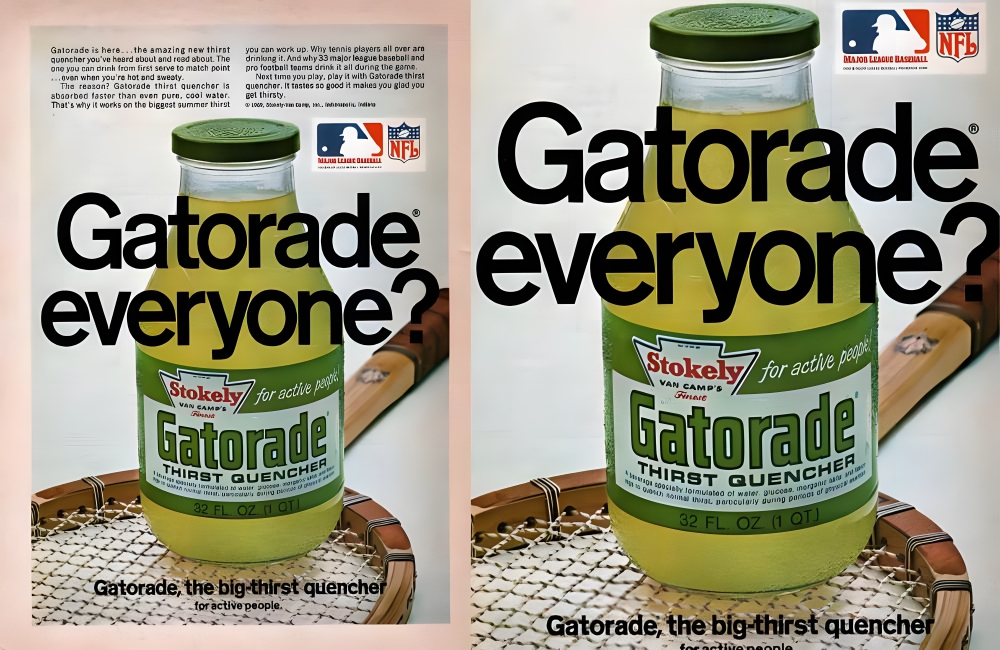
Gatorade 1960s @RetroFun/Pinterest
The popularity of Gatorade continued to grow over the years, leading to the sale of the company, with it eventually finding a spot in {{PEP:PepsiCo’s} portfolio and the introduction of new flavors. An interesting tidbit about Gatorade? The first full batch of the beverage costs just $43 to produce.
32. Shasta
Where It Was Sold: 7-Eleven, Big Bear, Wegmans
Company: National Beverage Corp.
Original Price: $0.05-$0.10*
Introduced sometime in the late-1800s, Shasta has been around almost as long as Coca-Cola. This soda was known for its wide range of tastes, including more than 10 flavors, and its affordable price, making it accessible to a larger audience.
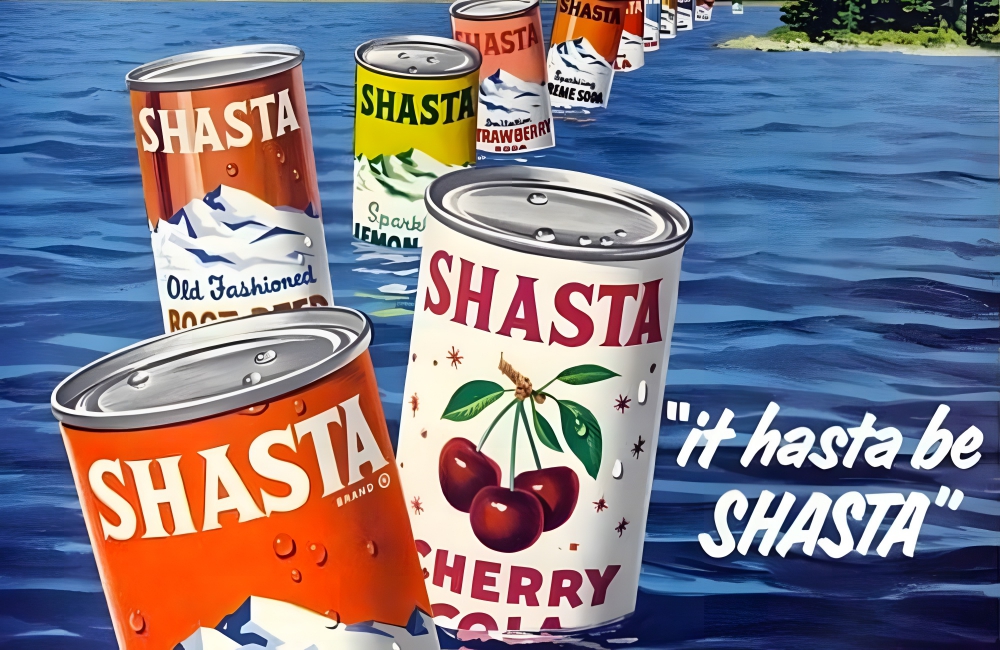
Shasta @MichaelEMann/Twitter
Shasta’s slogan, “Pop open the Shasta, it’s the happy taste,” has resonated with customers for years and remains on the tip of Shasta drinkers’ tongues long after they’ve emptied their can. Whether you liked Cherry Cola, Creme Soda, or Old Fashioned Root Beer, Shasta had something for everyone.
33. Lady Sunbeam Shavemaster
Where It Was Sold: Macy’s, Nordstrom, JCPenney
Company: Sunbeam
Original Price: $15.95*
The Lady Sunbeam Shavemaster was a revolutionary product for women in the 1960s. Before this electric razor, women mostly used manual razors, which could be time-consuming, irritating, and lead to numerous unwelcome cuts and blemishes.
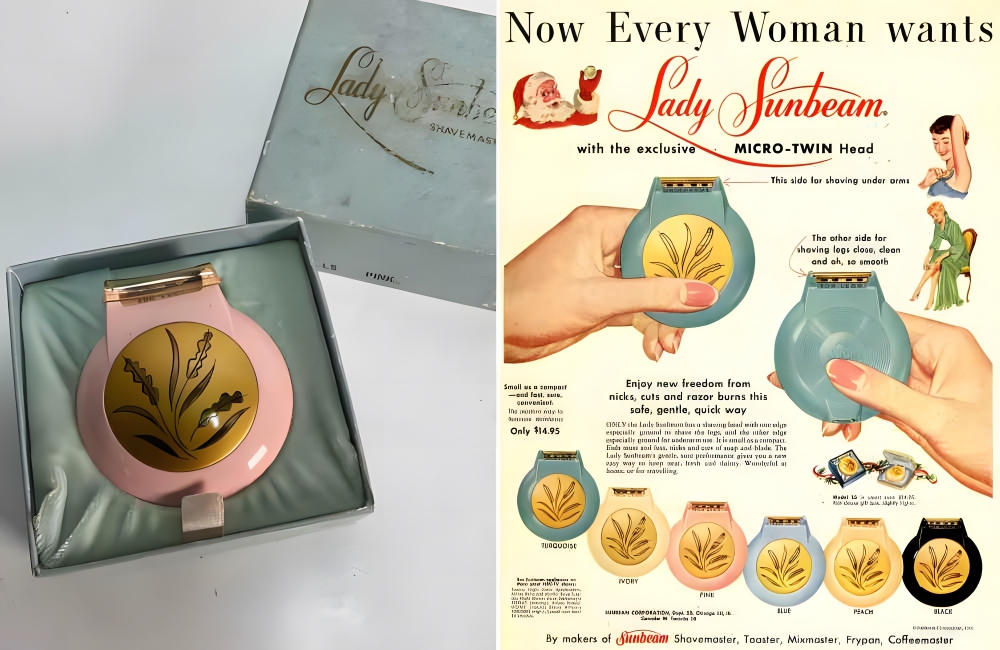
USA Lady Sunbeam ©Retro AdArchives/Alamy
The Lady Sunbeam provided a quick and efficient alternative. It was designed to fit the contours of a woman’s body, making shaving smoother and more comfortable. With its popularity, other companies also started creating electric razors for women. However, thanks to Lady Sunbeam’s sleek design and easy transportability, the Shavemaster was the go-to for women of the ‘60s.
34. Dippity-Do
Where It Was Sold: Walgreens, Macy’s
Company: Dippity-Do
Original Price: $2-$5*
Dippity-Do first hit the market in 1965 as a setting lotion for women to use on hair rollers. However, it didn’t take long for Dippity-Do to migrate into the world of shaping hair sans rollers. By the latter part of the 1960s, the classic bouffant hairstyle would not have been possible without copious amounts of Dippity-Do.
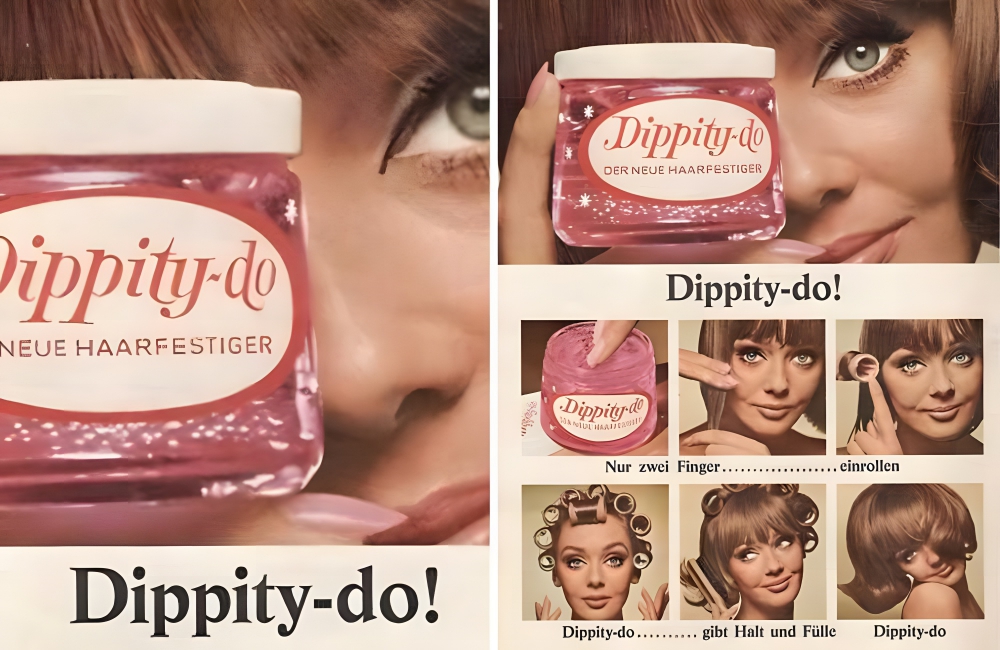
@DippityDoDa/Pinterest
It was sold in a bright pink bottle with a distinct fruity smell. This sticky gel was perfect for holding hair in place and creating the desired look. The product gained even more popularity when featured in the hit TV show, Bewitched.
35. Noxzema
Where It Was Sold: Walgreens, JCPenney, Nordstrom
Company: Unilever
Original Price: $5-$8*
Noxzema has been at or near the top of the beauty care game for over 100 years. These days, the brand offers various skincare products such as face cleansers, scrubs, and moisturizers. Still, once upon a time, its signature cream was all that was needed. Aside from celebrity endorsements from Mia Farrow and Twiggy, of course.
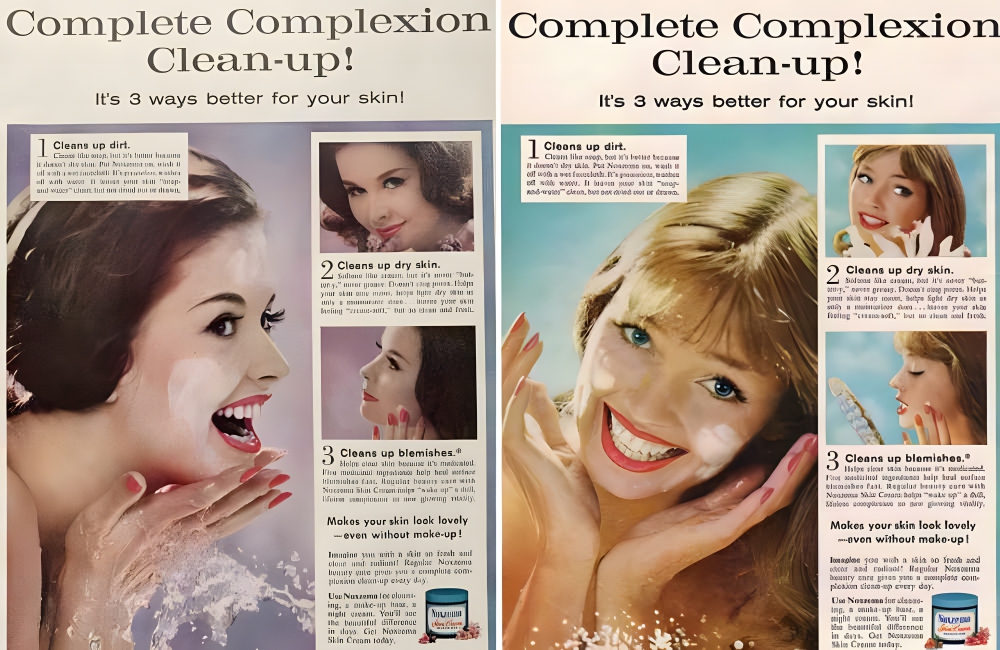
Noxzema /Wikimedia Commons
The brand’s signature product was its cleansing cream. It claimed to deeply clean pores and leave skin feeling refreshed, something to which millions of Noxzema customers from the 1960s could attest.
36. Cashmere Bouquet
Where It Was Sold: Walgreens, Wegmans, Nordstrom
Company: Colgate-Palmolive
Original Price: $1-$2 per bar*
Cashmere Bouquet was a commonly used soap brand during the 1960s. Known for its floral scent and soft texture, it was often seen in households nationwide. The soap’s unique blend of jasmine, lavender, and rose petals made it a favorite among women.
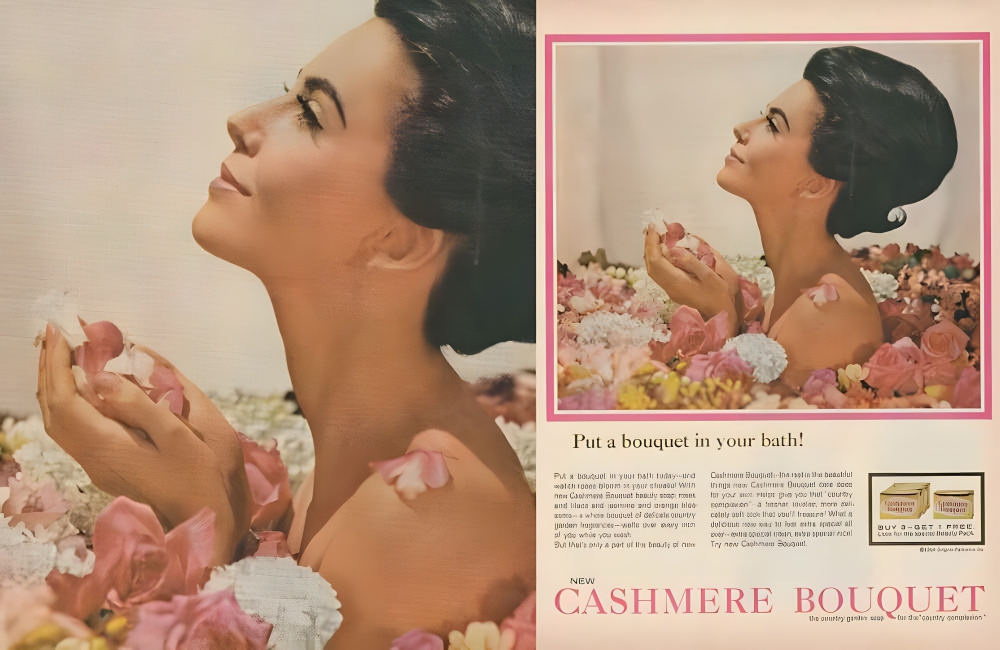
@historydaily/Pinterest
Cashmere Bouquet also came in a powder form used as talcum powder. The brand was later sold to Colgate-Palmolive, but the product remained the same. Thanks to the soap’s unmistakable aromas, its popularity remains a hallmark of the 1960s.
37. Operation
Where It Was Sold: Toys “R” Us, KB Toys
Company: Milton Bradley / Hasbro
Original Price: $5-$7*
Released in 1965, Operation was a popular game that challenged players to remove plastic organs from a patient without setting off a buzzer. However, the game hasn’t always been known by its now-recognizable title. It used to be known as “Electro Probe,” and rightfully so.
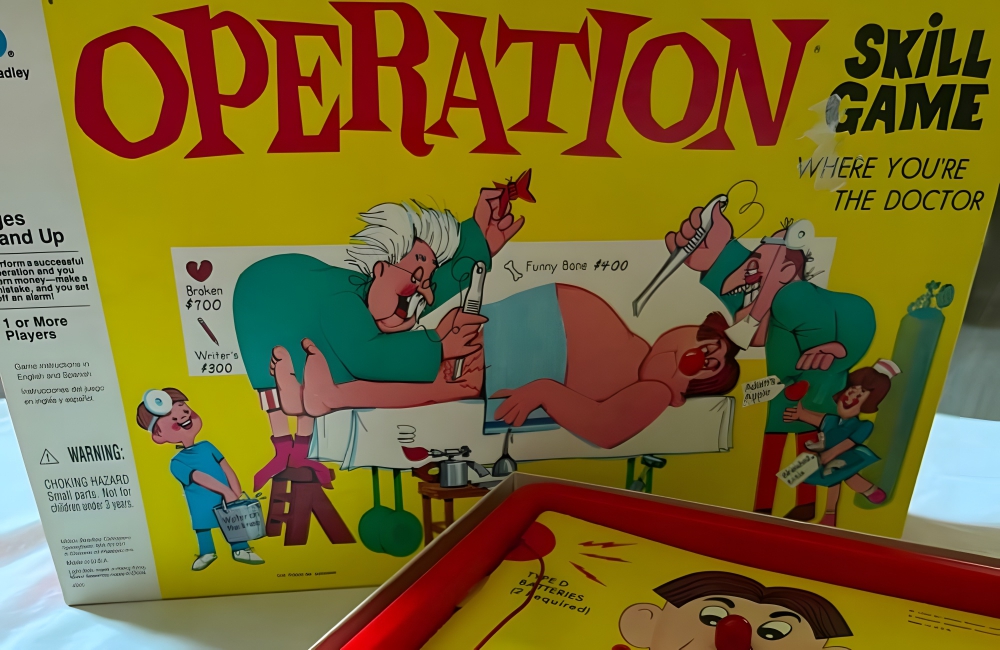
Operation @etsy/Pinterest
Despite its simple concept, Operation’s success led to several spin-offs, including an electronic version and a themed edition based on the movie Shrek. In moves people wish they could take back, the game’s creator, John Spinello, was a college student at the time and sold the rights to the game for just $500 — a franchise now worth an estimated $40 million.
38. Geritol
Where It Was Sold: Walgreens
Company: J.B. Williams / Meda Consumer Healthcare
Original Price: Unknown
In the 1960s, diet pills and supplements began to gain popularity. And Geritol was one of the most popular dietary supplements around. It was marketed as a source of essential vitamins and minerals, especially for those over 50.
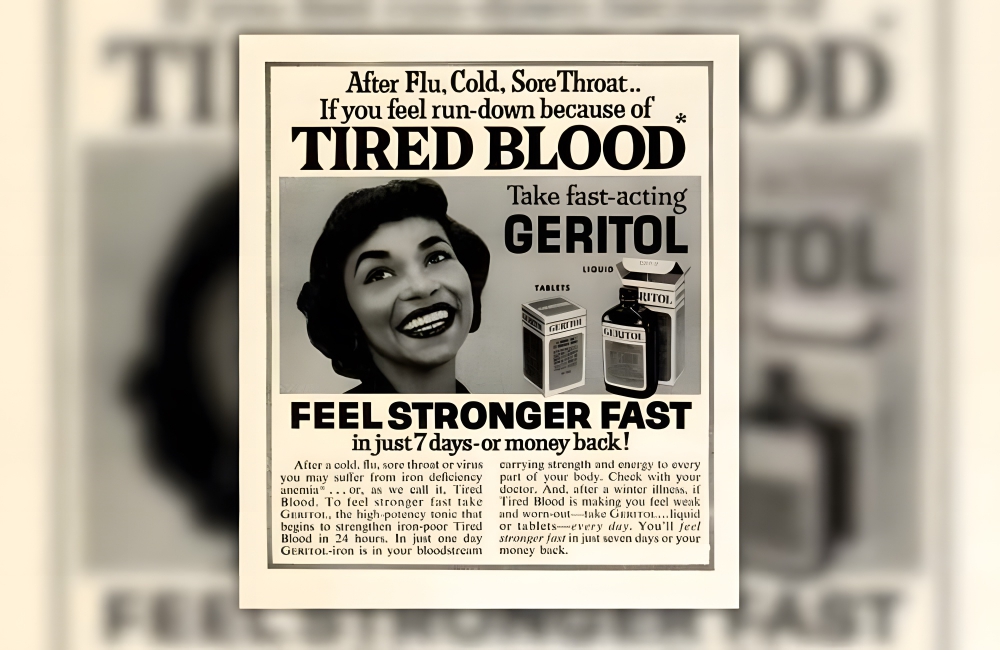
Geritol @dandyads/Twitter.com
The product’s creators claimed it boosted energy levels, memory, and overall health. Geritol’s catchy advertising slogan, “My wife, I think I’ll keep her,” even became part of pop culture, with many shows and films dropping the line at will. However, the brand also faced criticism for its effectiveness and safety.
39. Gleem Toothpaste
Where It Was Sold: Big Bear, Safeway, Walmart, Walgreens
Company: Procter & Gamble
Original Price: $0.50-$0.75*
Gleem Toothpaste was one of the most popular kinds of toothpaste in the 1960s thanks to its catchy jingle and fresh flavor, making it memorable for consumers. Gleem promised to clean teeth and leave a “tingling freshness” in the mouth, which users can confirm.
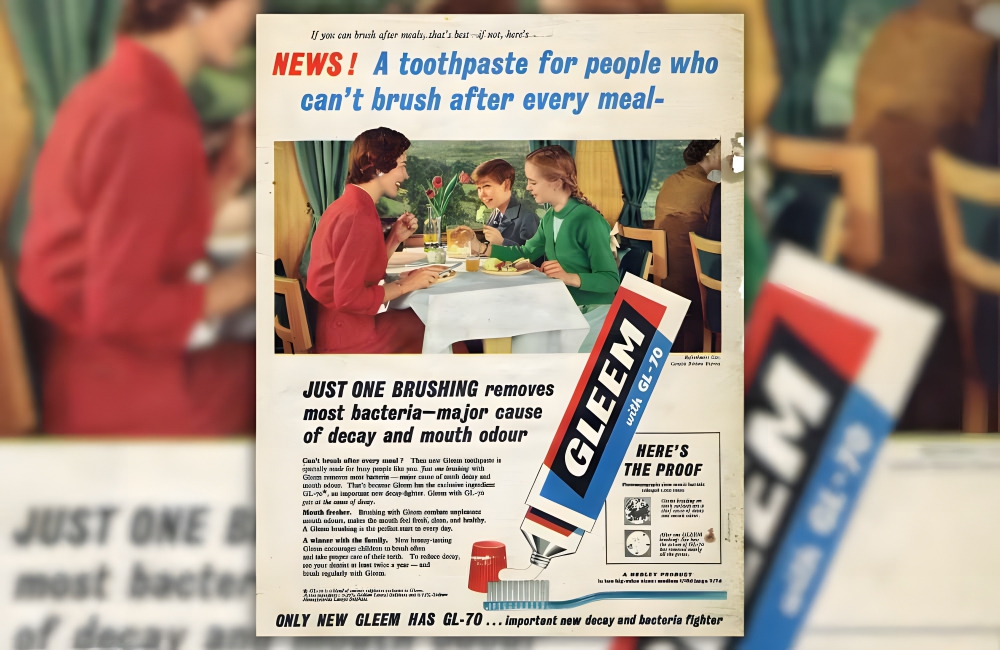
Gleem Toothpaste ©Hector/Alamy
The toothpaste was unique for its packaging, as it came in a sleek, white tube with a simple blue and red logo. Gleem’s popularity declined in the 1970s as other toothpaste brands emerged. Also coming up in conversation was Gleem’s ability to “destroy decay and odor-causing bacteria” with just one brushing a day.
40. Ban Deodorant
Where It Was Sold: Safeway, Wegmans, Walgreens, 7-Eleven
Company: Bristol-Myers
Original Price: $1.50-$3*
For years, Mum Manufacturing was the major player in the deodorant industry. However, that all changed in 1931 when Bristol-Myers bought the company and then developed and released Ban a few decades later. The roll-on deodorant boasted a powerful formula that could provide protection against odor and wetness for up to 24 hours.
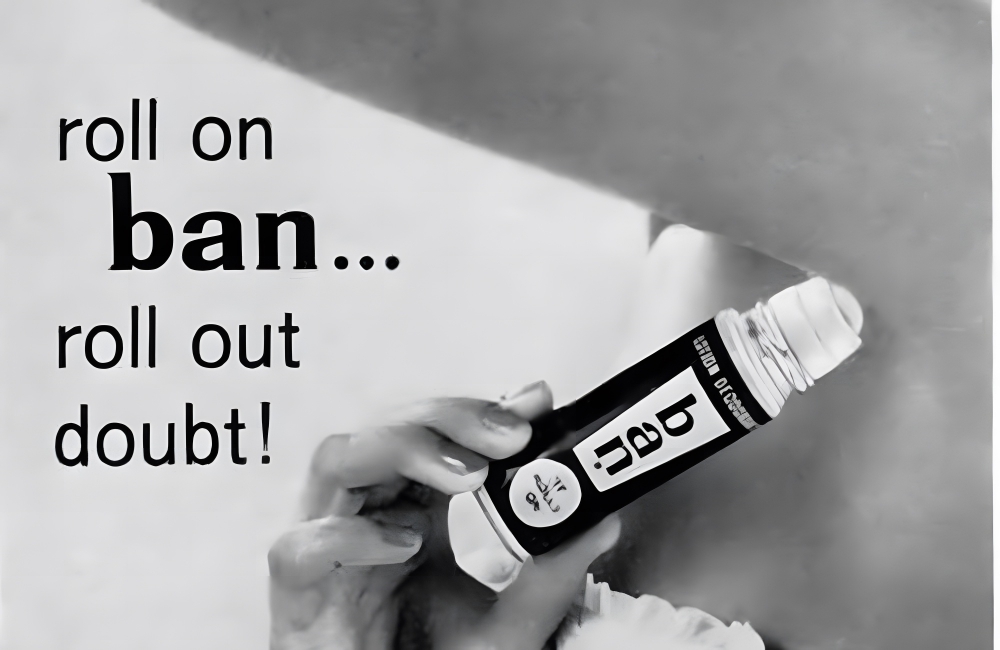
Ban Deodorant ©Vieilles Annonces/Flickr
It was available in several scents, including powder fresh, sweet bouquet, and the ever-popular unscented scent. The product was marketed towards women, with advertising campaigns featuring beautiful women endorsing the product. Still, many men also looked to Bristol-Myers’ roll-on deodorant to freshen up their odorous, manly aromas.
41. Spic And Span Detergent
Where It Was Sold: Wegmans, Safeway
Company: Procter & Gamble
Original Price: $0.35-$0.50*
Spic and Span was a popular powdered detergent that promised to clean everything from clothes to dishes to floors. It boasted its powerful cleaning abilities and ability to get out tough stains. The brand had a catchy slogan: “You’ve tried the rest, now try the best.”
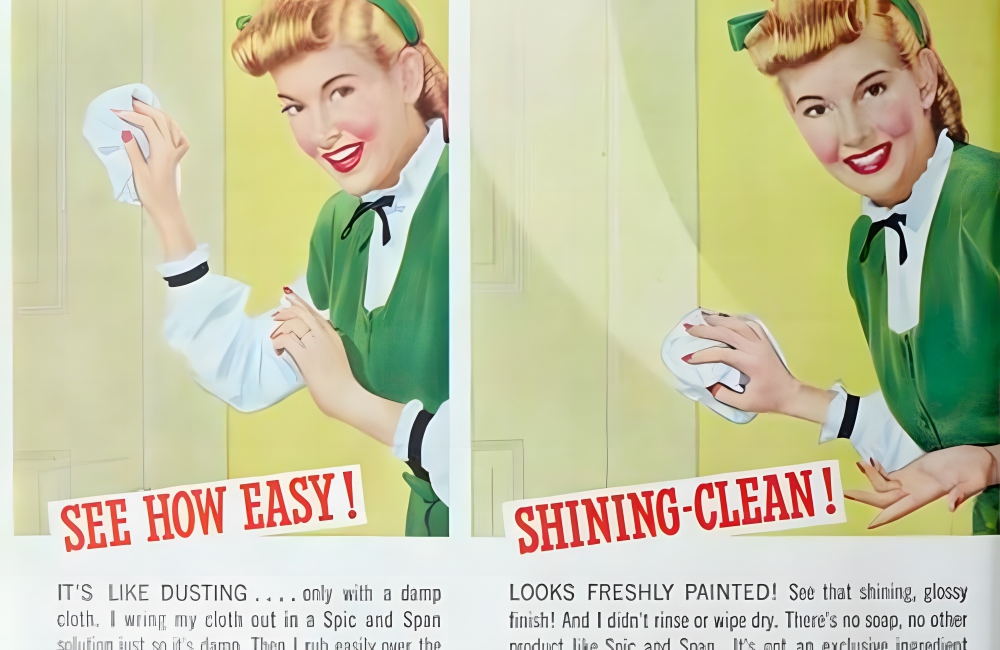
Spic And Span Detergent ©Internet Archive Book Images/Wikimedia
Spic and Span introduced liquid detergents in later years, but it’s the orange and blue box of the powdered detergent most people remember best from the ‘60s. Although it has faded into obscurity of late, Spic and Span will always hold a place in the hearts of 1960s kids.
42. Brillo Soap Pads
Where It Was Sold: Walmart, Safeway
Company: Armaly Brands
Original Price: $0.10-$0.25*
Introduced in 1913, Brillo soap pads have been helping people scrub dishes and countertops since before WW1. These steel wool pads were infused with soap to make cleaning pots, pans, and dishes easier and more efficient.
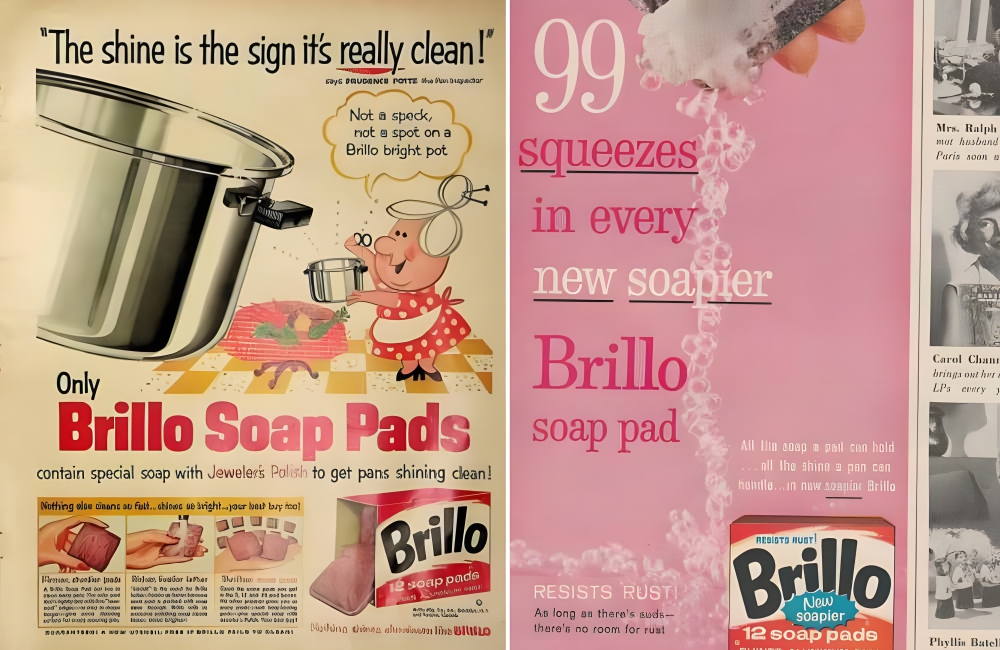
Brillo 1960s @LadiesHomeJournal1960/eBay
The pads quickly became a household staple and were found in kitchens nationwide. Today, Brillo is still available and is a popular choice for those looking to easily clean their kitchen. The Brillo brand also includes other cleaning products, such as sponges and scouring pads.
43. Chanel No.5
Where It Was Sold: Macy’s, Nordstrom, JCPenney
Company: Chanel
Original Price: $8-$10*
One of the most iconic fragrances of all time, Chanel No.5, was first introduced in 1921 but saw a surge in popularity during the 1960s. This classic scent features floral and woody notes with a hint of musk and vanilla.
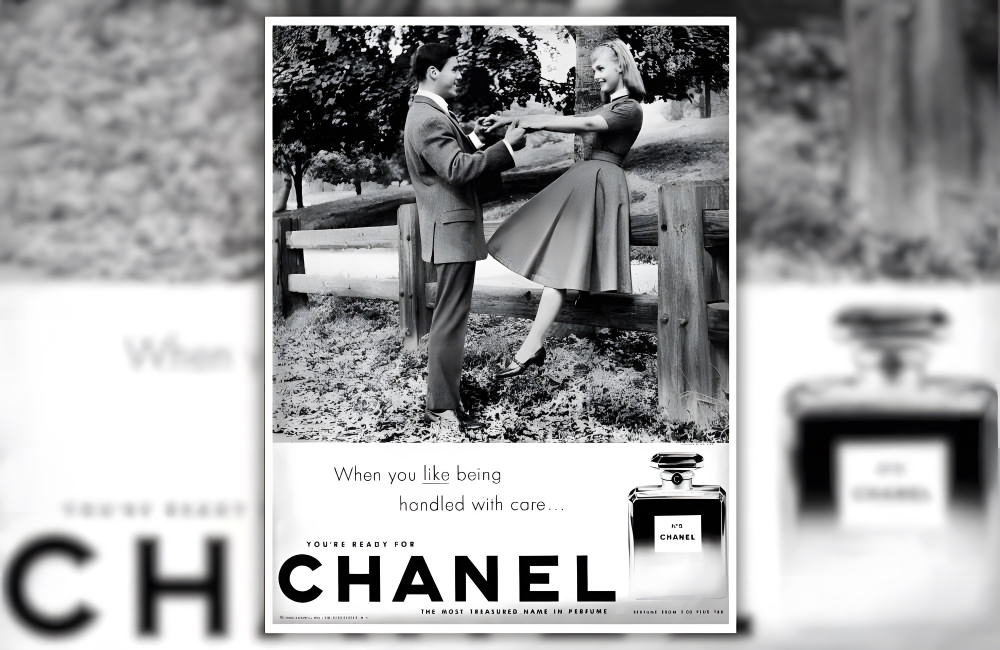
Chanel/Wikimedia Commons
It became a must-have accessory for the fashionable women of the 60s and continues to be a beloved fragrance today. It’s no wonder that Marilyn Monroe famously claimed to wear nothing to bed except for a few drops of Chanel No.5.
44. Avon
Where It Was Sold: Door-to-door, Macy’s, Nordstrom, JCPenney, Walgreens
Company: Natura &Co
Original Price: $1-$10*
Another brand that reached new heights of popularity in the 60s was Avon. This cosmetic and beauty brand became famous for its door-to-door sales strategy and signature perfumes like the timeless “Sweet Honesty” scent. In the 1960s, Avon expanded their product range to include skincare, makeup, and fashion accessories.
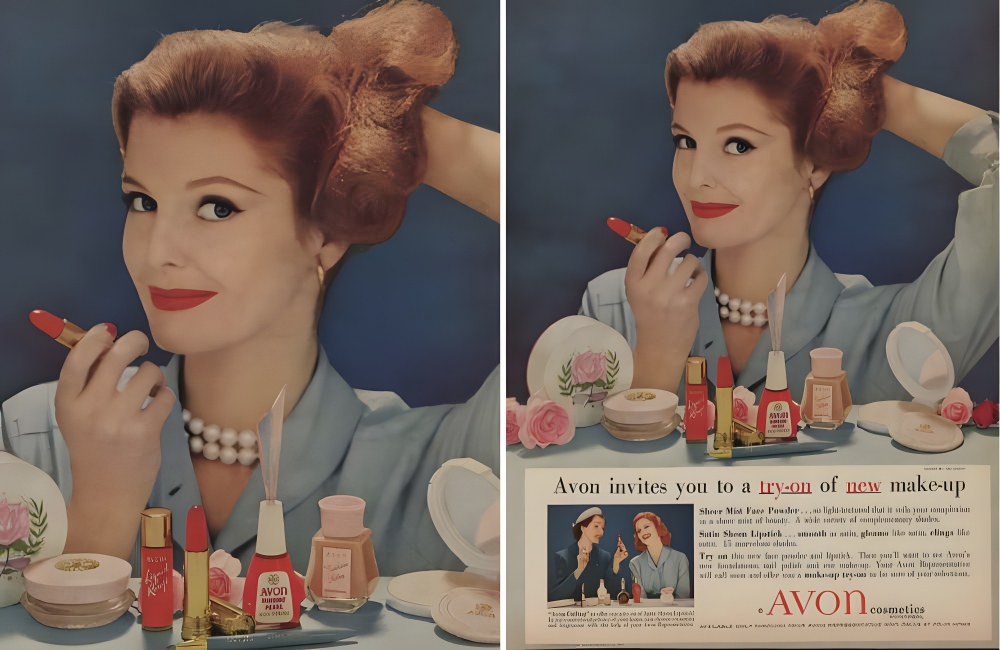
@AvonHistory/Twitter.com
One of their most iconic products was the “Avon Calling” lipstick case that played the famous jingle when opened. Avon’s innovative and affordable products made them a staple in many households, and its success in the 60s helped solidify its status as a global brand.
45. Homogenized Milk In Carton
Where It Was Sold: Safeway, Big Bear
Company: FrieslandCampina
Original Price: $0.40 per gallon*
In the 1960s, homogenized milk in cartons was a game changer for busy families. Before this product hit the market, milk was delivered in glass bottles that must be returned for reuse. Cartons made it easy to grab a pint or quart without worrying about returns or the potential for broken glass.
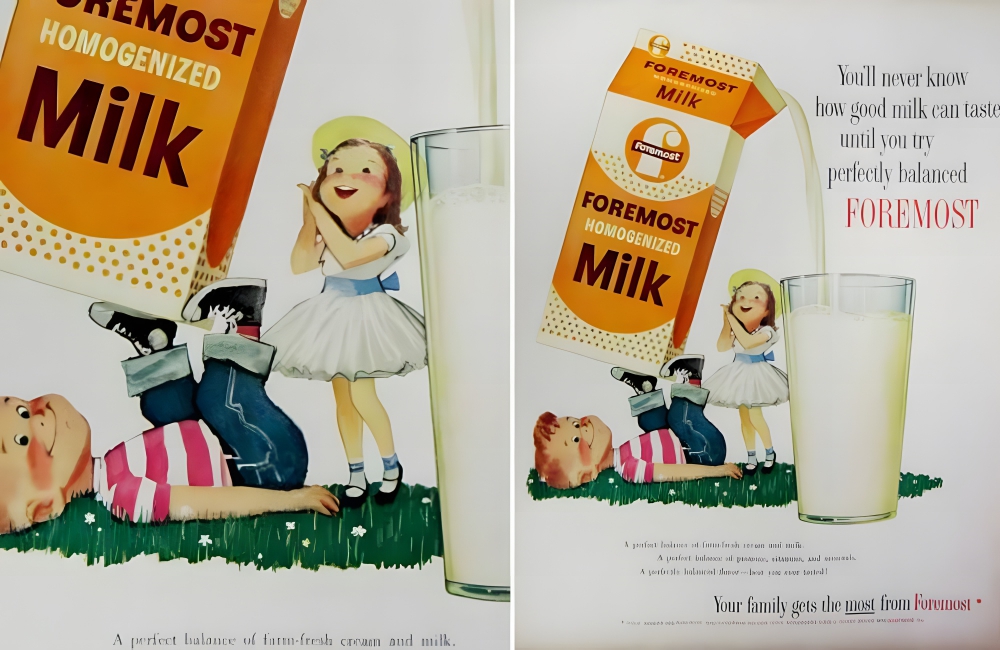
Foremost Milk @loyaltubist/Twitter.com
Plus, homogenized milk had been around for a while but was not widely distributed until the carton package came along. Homogenization mixes cream throughout the milk, creating a consistent texture that people love. And thanks to it being sold in cartons in the ‘60s, it was accessible and affordable.