
123. Eurocopter Tiger Attack Helicopter
Entered Service: 2003
Manufacturer: Airbus Helicopters (previously Eurocopter)
Cost: $36 million*
Introduced in 2003, the Eurocopter Tiger, now Airbus Helicopters Tiger, marked a collaborative European triumph in aviation design. Born out of a French-German partnership, this multi-role attack helicopter quickly became an emblem of precision, agility, and firepower.
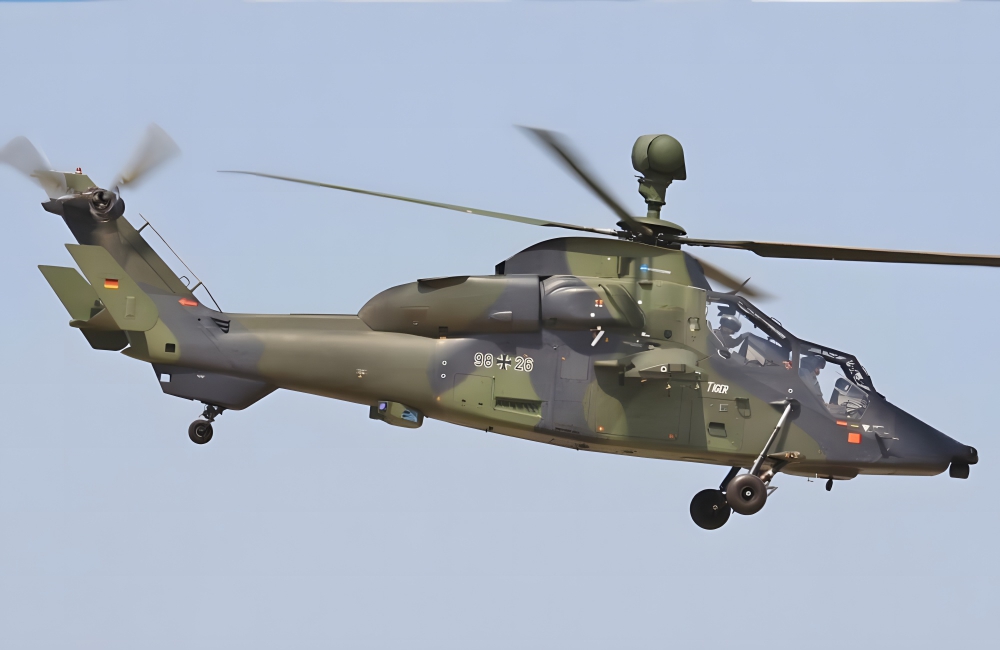
Eurocopter Tiger Attack Helicopter ©Alan Lebeda /Wikipedia.org
Tailored to both reconnaissance and combat roles, the Tiger boasts advanced avionics, powerful weapons systems, and stealth capabilities, making it a formidable opponent in the skies. Its sleek design not only maximizes aerodynamic efficiency but also minimizes its radar signature. Over the years, various upgrades have ensured the Tiger remains at the pinnacle of rotary-wing combat technology.
124. Nimrod MRA4 Maritime Reconnaissance Aircraft
Entered Service: Cancelled before entering service
Manufacturer: BAE Systems
Cost: Development costs reached over $6 billion*
The Nimrod MRA4, an ambitious project by BAE Systems, was poised to become a linchpin in the UK’s maritime reconnaissance fleet. This aircraft was envisioned as an advanced derivative of the earlier Nimrod models, equipped with cutting-edge sensors and avionics tailored for long-endurance maritime patrol, anti-submarine warfare, and surveillance tasks.
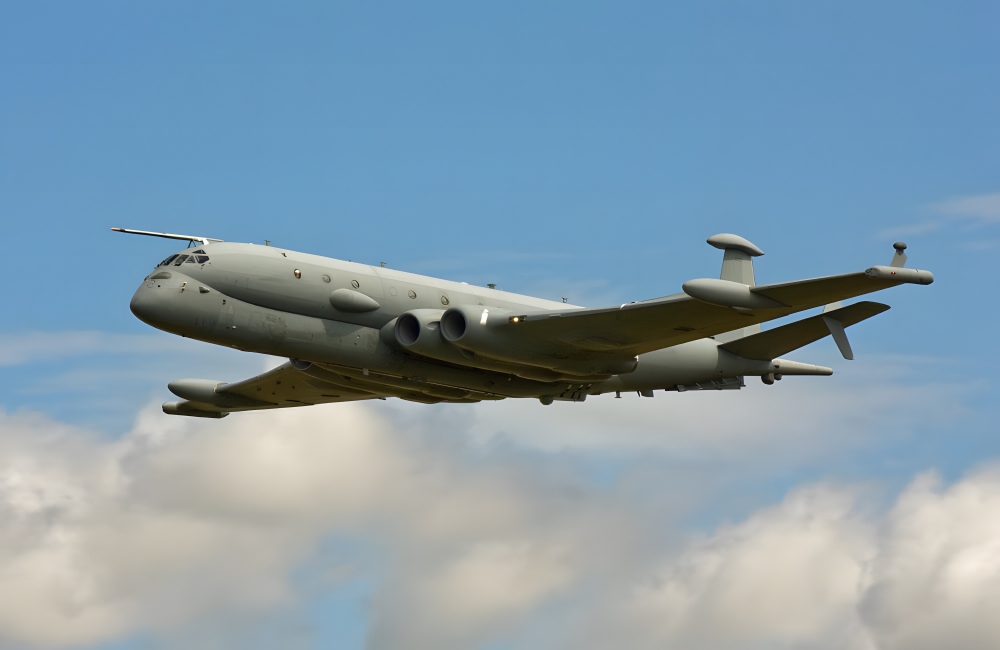
Nimrod MRA4 Maritime Reconnaissance Aircraft ©Ronnie Macdonald /Wikipedia.org
Despite the promise, the MRA4 faced a series of challenges, from escalating costs to technical issues, which ultimately led to its cancellation before it could officially enter service. This decision not only marked the end of the Nimrod legacy but also ignited debates on the costs and complexities associated with modernizing legacy military systems.
125. FREMM Multipurpose Frigate
Entered Service: 2012
Manufacturer: Naval Group and Fincantieri
Cost: $670 million*
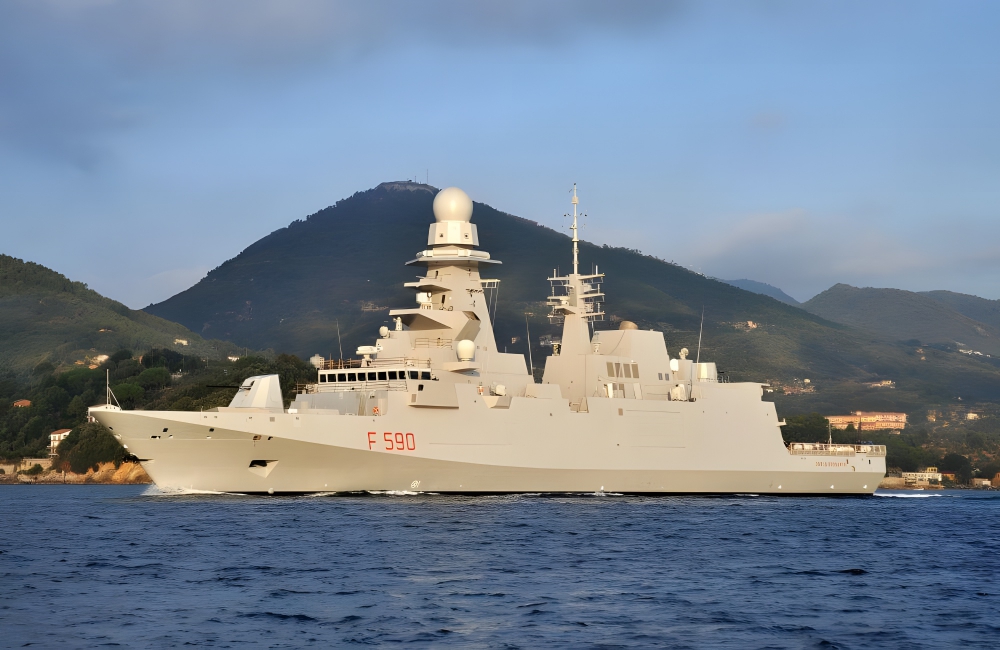
A brainchild of Italian and French naval expertise, the FREMM (Fregata Europea Multi-Missione) Multipurpose Frigate emerged in 2012 as a versatile combatant at sea. This advanced warship was designed to fulfill a spectrum of tasks, from anti-aircraft warfare to anti-submarine duties.
FREMM Multipurpose Frigate ©Fabius1975/Wikipedia.org
Seamlessly blending cutting-edge radar systems, weaponry, and stealth capabilities, the FREMM stands as a testament to European naval prowess. With a keen balance between agility and firepower, this frigate can engage with threats on the surface, beneath the waves, and in the air, ensuring maritime dominance in volatile regions.
126. USS Tripoli (LHA-7)
Entered Service: 2020
Manufacturer: Huntington Ingalls Industries
Cost: $3.1 billion*
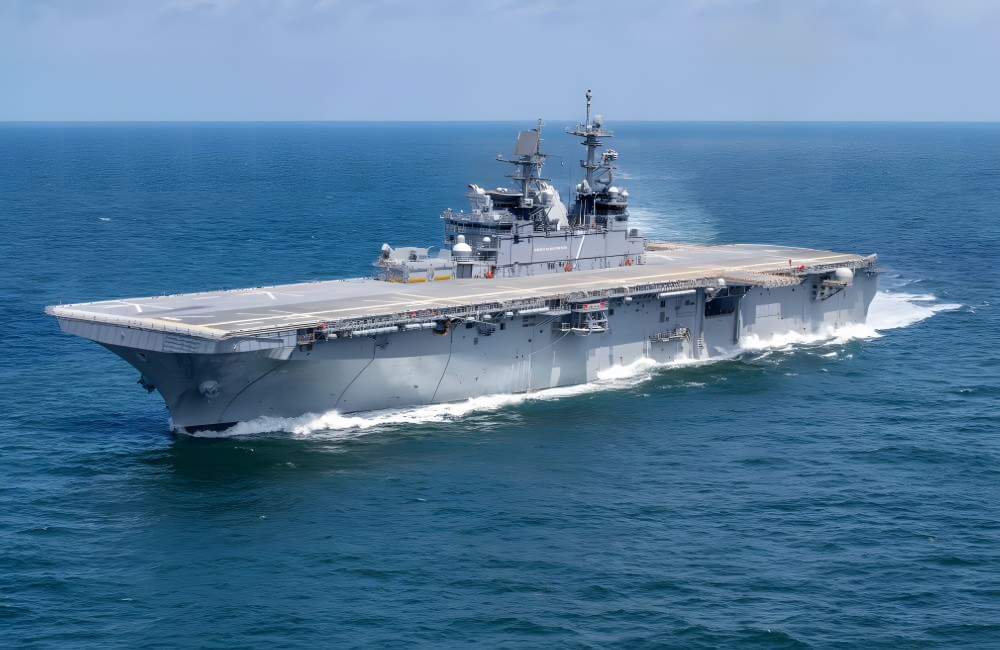
The USS Tripoli (LHA-7), an America-class amphibious assault ship, proudly sailed into service in 2020 as an emblem of American naval supremacy. These cutting-edge vessels are specifically tailored to support the most modern Marine Corps’ F-35B Joint Strike Fighters, MV-22 Osprey tiltrotor aircraft, and various helicopters, serving as power projectors on the high seas.
USS Tripoli (LHA-7) ©Derek Fountain /Wikipedia.org
With a revamped flight deck, enhanced aviation maintenance capabilities, and ample well deck operations for landing craft and amphibious vehicles, the USS Tripoli emerges as an indispensable asset in amphibious warfare.
127. F-18 E/F Advanced Super Hornet
Entered Service: 1999
Manufacturer: Boeing
Cost: $66 million*
Diving into service in 1999, the F-18 E/F Advanced Super Hornet is a testament to the evolution of combat aviation. Manufactured by the renowned Boeing, this multirole fighter jet is an advanced version of the iconic F/A-18 Hornet. The “Super” in its name is no exaggeration: it boasts improved avionics, increased range, and better survivability in hostile environments.
F-18 E/F Advanced Super ©Derek Fountain /Wikipedia.org
Additionally, its airframe design supports the latest weapons systems and can easily be adapted for future technologies. The Advanced Super Hornet not only has enhanced stealth capabilities but also comes with a reduced radar signature, making it a formidable adversary in the skies.
128. Boeing E-4B Advanced Airborne Command Post
Entered Service: 1974
Manufacturer: Boeing
Cost: $250 million*
Stepping into the skies in 1974, the Boeing E-4B Advanced Airborne Command Post, colloquially termed the “Doomsday Plane”, is nothing short of a flying fortress. Conceptualized during the Cold War era, this behemoth was envisioned as a mobile command center for the U.S. President, Secretary of Defense, and Joint Chiefs of Staff during nuclear confrontations or other national emergencies.
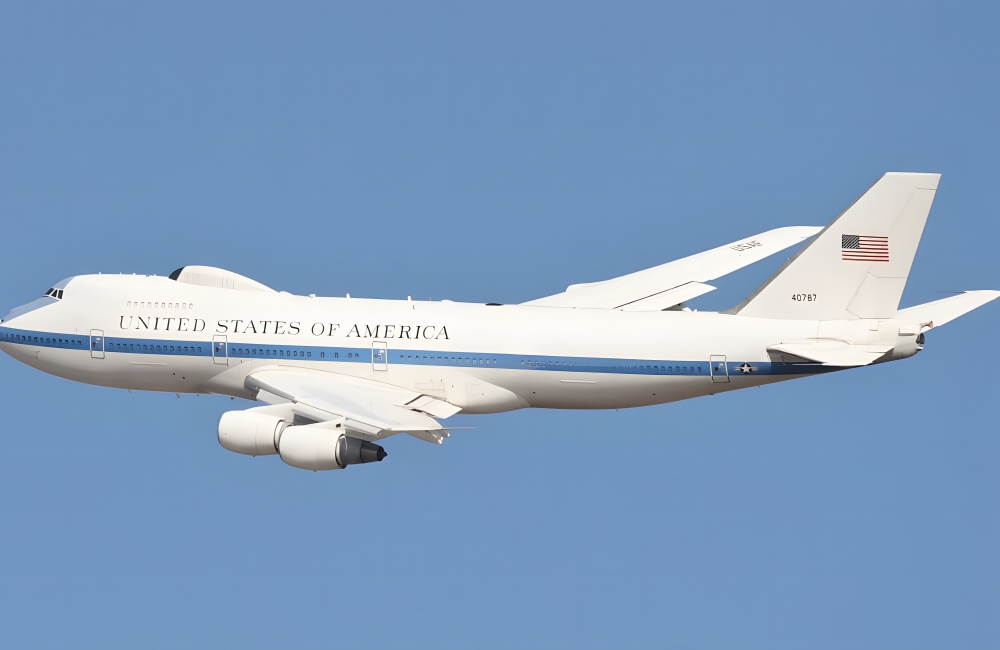
Boeing E-4B Advanced Airborne Command Post ©Masteruploader /Wikipedia.org
Manufactured by Boeing, the E-4B boasts a multi-layered communication suite, ensuring uninterrupted contact even in post-nuclear conditions. One of its most distinguishing features is its EMP (Electromagnetic Pulse) shielding, allowing it to operate without interference from nuclear blasts.
129. KC-135 Stratotanker Aerial Refueling Aircraft
Entered Service: 1957
Manufacturer: Boeing
Cost: $39.6 million*
Since its debut in 1957, the KC-135 Stratotanker has been the backbone of the U.S. Air Force’s aerial refueling operations. Manufactured by Boeing, this enduring workhorse has played a pivotal role in extending the range and endurance of U.S. military aircraft.
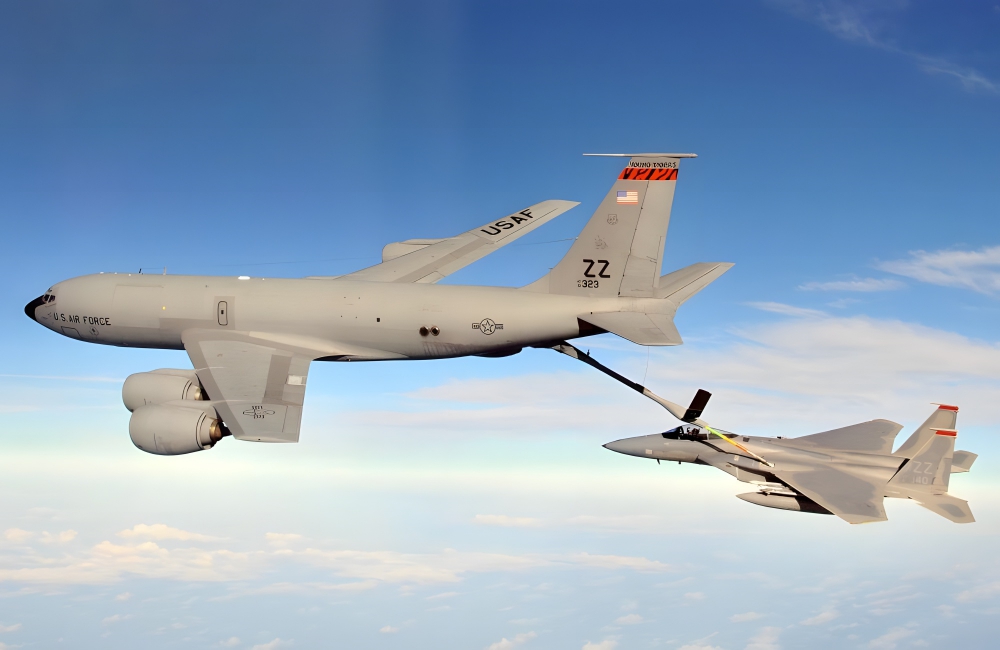
KC-135 Stratotanker Aerial Refueling Aircraft ©TSgt Angelique Perez /Wikipedia.org
With its iconic flying boom, the KC-135 has enabled countless long-haul missions, from Cold War patrols to modern-day operations across the globe. Beyond refueling, it’s also been adapted for transport and special mission roles. A testament to its design and adaptability, the Stratotanker, even after decades, remains an indispensable asset in the skies.
130. Rolls-Royce Pegasus VTOL Engine for Harrier Jump Jets
Entered Service: 1969
Manufacturer: Rolls-Royce
Cost: $2.2 million*
The Rolls-Royce Pegasus engine, introduced in 1969, revolutionized aviation with its pioneering Vertical Take-Off and Landing (VTOL) capabilities, giving birth to the iconic Harrier Jump Jets. This groundbreaking technology allowed aircraft to hover, take off, and land vertically, eliminating the need for lengthy runways and enabling operations in challenging terrains and confined spaces.
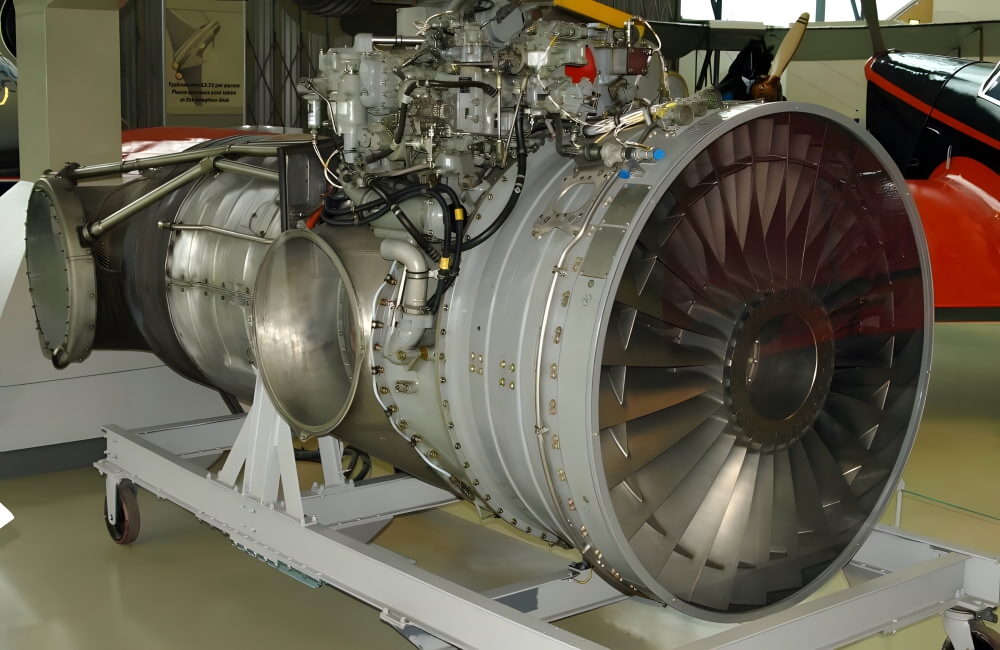
Rolls-Royce Pegasus VTOL Engine for Harrier Jump Jets Nimbus227 /Wikipedia.org
The Harrier, equipped with the Pegasus engine, became an emblem of versatility, especially in naval aviation where shipborne operations were paramount. As a testament to British engineering prowess, the Pegasus-powered Harrier remains one of the most distinctive and versatile combat aircraft in history.
131. MIM-23 Hawk Surface-to-air Missile
Entered Service: 1960
Manufacturer: Raytheon
Cost: $500,000* per missile
Debuting in 1960, the MIM-23 Hawk stands as a testament to the evolving landscape of aerial defense. Developed by the U.S., this medium-range surface-to-air missile system was designed to hunt and destroy enemy aircraft, boasting a radar system that could track multiple targets simultaneously.
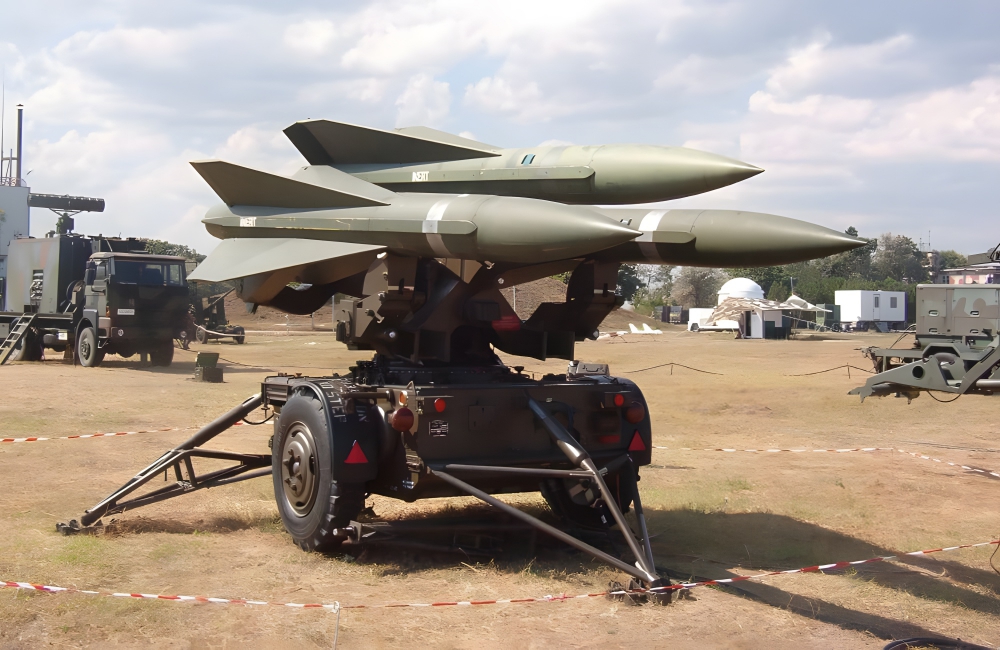
MIM-23 Hawk Surface-to-air Missile ©Dragoş Anghelache/Wikipedia.org
Hawk, an acronym for “Homing All the Way Killer”, quickly became an integral component of many nations’ defenses, serving in over two dozen countries. Its adaptable design underwent several upgrades over its service life, ensuring it remained a potent weapon against ever-advancing aerial threats. Today, the Hawk symbolizes a critical transitional period in missile defense history.
132. E-6 Mercury
Entered Service: 1989
Manufacturer: Boeing
Cost: $141.7 million*
Launched into service in 1989, the E-6 Mercury remains a bastion of U.S. airborne command and control. Developed by Boeing, this aircraft ensures the connectivity of U.S. military forces, acting as a vital communication link between the nation’s leadership and its strategic nuclear forces.
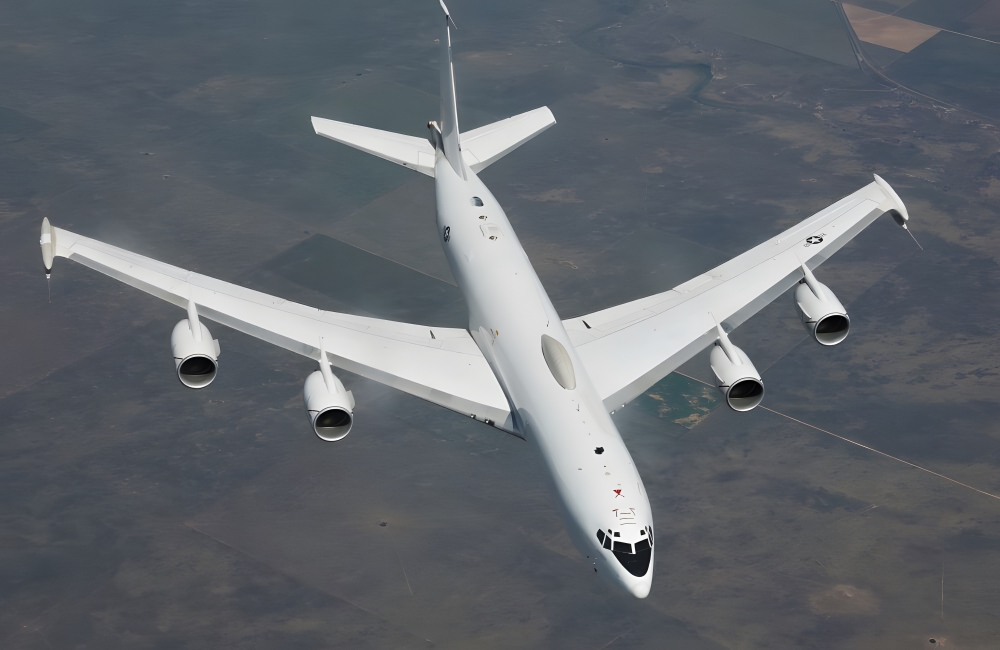
E-6 Mercury ©Greg L. Davis /Wikipedia.org
A modified version of the commercial 707 airliner, the Mercury’s primary mission is to relay orders to the submarine fleet, ensuring an effective nuclear deterrent. Equipped with sophisticated communication equipment, it’s designed to survive an electromagnetic pulse, guaranteeing command continuity even in a nuclear event. Today, the E-6 Mercury remains an indispensable asset in national security endeavors.
133. Beriev A-50 Mainstay
Entered Service: 1984
Manufacturer: Beriev
Cost: $200 million*
Since its introduction in 1984, the Beriev A-50 Mainstay has stood as a testament to Russia’s airborne early warning and control capabilities. Developed by the Beriev Aircraft Company, this aircraft is unmistakably identified by the massive radar dome atop its fuselage.
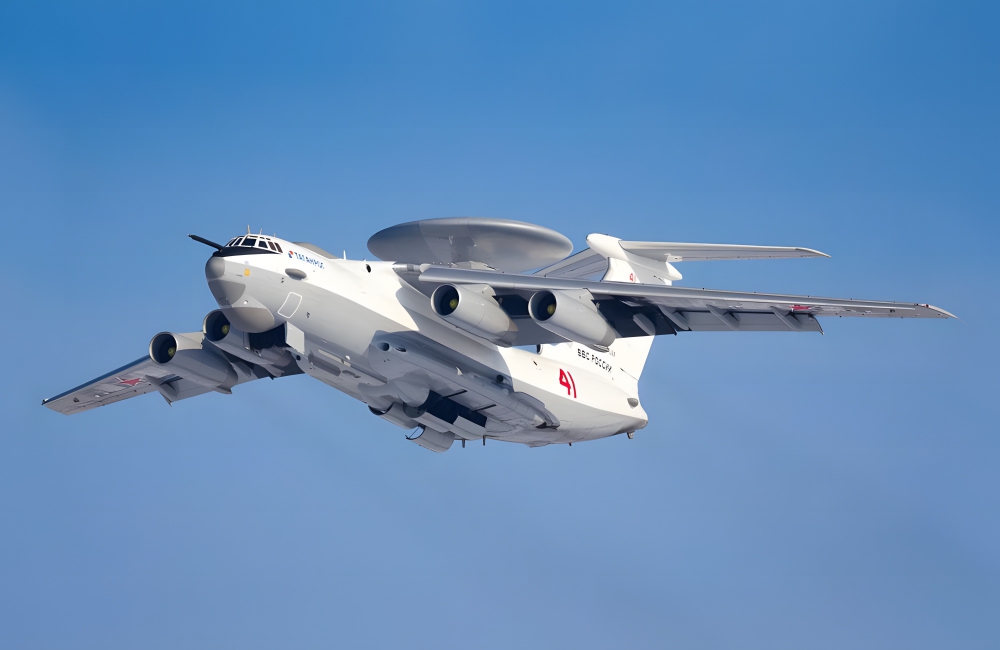
Beriev A-50 Mainstay ©Mil.ru /Wikipedia.org
Functioning as the eyes and ears of the Russian Air Force, the A-50’s primary mission is to detect and track airborne targets, providing real-time data to command centers. Additionally, it can guide interceptor aircraft towards enemy intruders. Derived from the Ilyushin Il-76 transport, the Mainstay’s presence in the sky is a clear indication of Russia’s commitment to maintaining a robust aerial surveillance apparatus.
134. NHIndustries NH90 Multirole Military Helicopter
Entered Service: 2007
Manufacturer: NHIndustries (a consortium of Airbus Helicopters, Leonardo, and Fokker Aerostructures)
Cost: $44 million*
Stepping into service in 2007, the NH90, birthed by the consortium of giants Airbus Helicopters, Leonardo, and Fokker Aerostructures under the banner of NHIndustries, heralded a new era in military aviation. Tailored to meet the multifaceted demands of the modern battlefield, the NH90 shines in both naval and tactical transport roles.
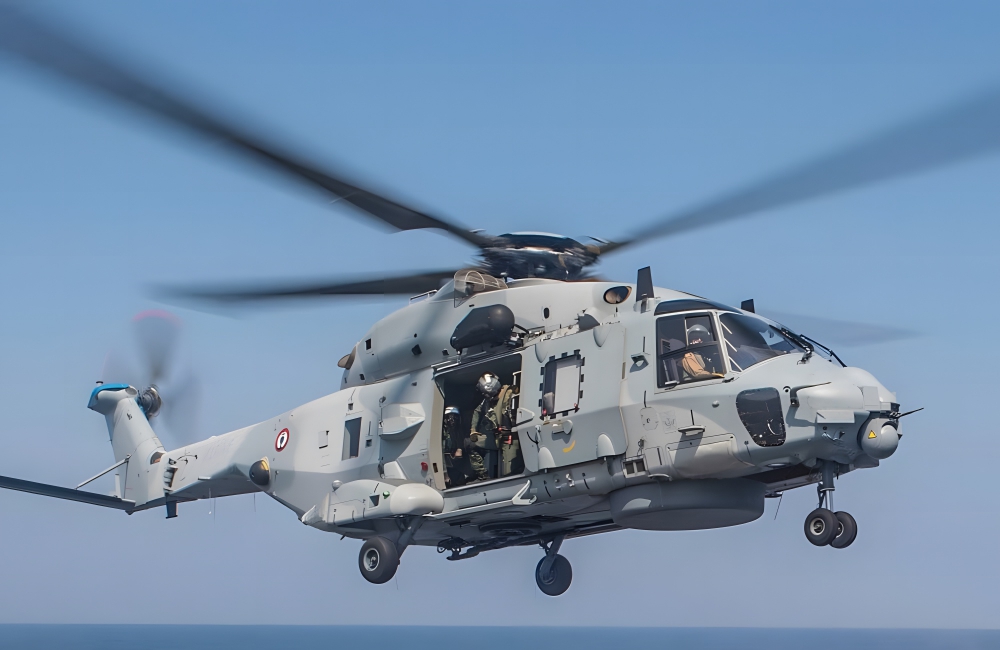
NHIndustries NH90 Multirole Military Helicopter ©U.S. Navy /Wikipedia.org
From anti-submarine warfare to casualty evacuation, its versatility is unmatched. Boasting state-of-the-art avionics, a corrosion-resistant airframe for maritime operations, and a modular design for easy maintenance, the NH90 stands as a testament to international collaboration and the pursuit of cutting-edge aeronautical excellence.
135. Sukhoi Su-57 Felon
Entered Service: 2019
Manufacturer: Sukhoi
Cost: $42 million*
Breaking barriers and making its mark in 2019, the Su-57 Felon, a product of Russia’s premier aerospace manufacturer Sukhoi, is the epitome of advanced air combat prowess. Dubbed the ‘Felon’ by NATO, this fifth-generation multi-role stealth fighter is designed to go toe-to-toe with its Western counterparts.
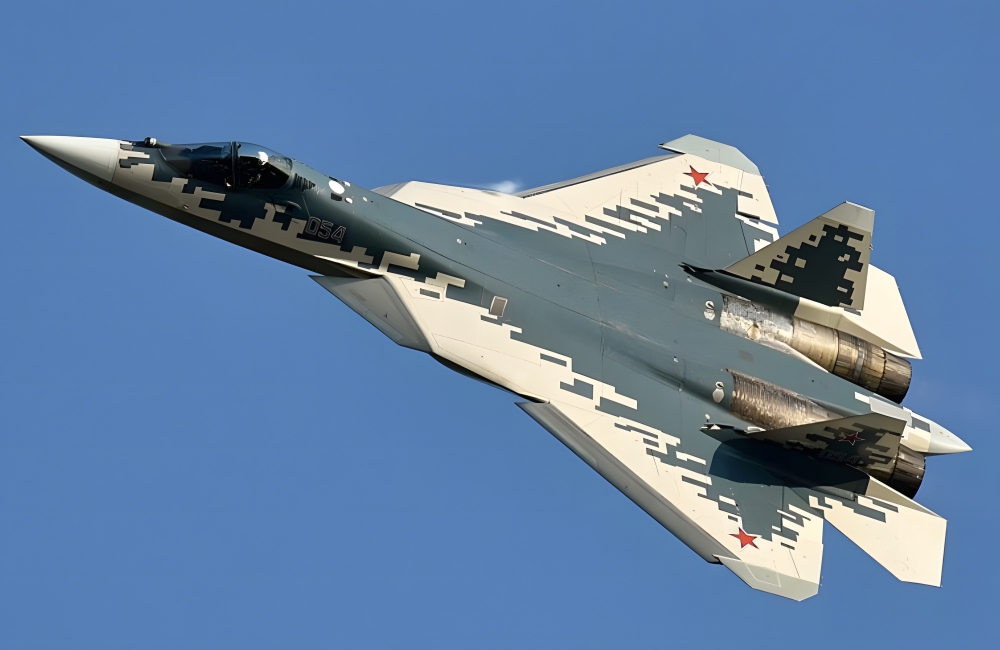
Sukhoi Su-57 Felon Anna Zvereva/Wikipedia.org
Equipped with groundbreaking avionics, cutting-edge stealth capabilities, and supermaneuverability, it promises to reshape aerial dogfights. Whether it’s dominating the skies or conducting ground attacks, the Su-57 embodies Russia’s vision of modern aerial warfare. The Felon is not just an aircraft; it’s a bold statement of intent in the evolving theatre of air combat.
136. USS Zumwalt (DDG-1000)
Entered Service: 2016
Manufacturer: Bath Iron Works
Cost: $4.2 billion*
Commissioned in 2016, the USS Zumwalt stands as a modern marvel in naval engineering. Representing the U.S. Navy’s ambitious leap into the future, this destroyer, with its distinctive, sleek design and stealth capabilities, is unlike any other. Heralding the next generation of naval warships, the DDG-1000 boasts advanced automation, reducing crew requirements and pushing operational efficiency to new heights.
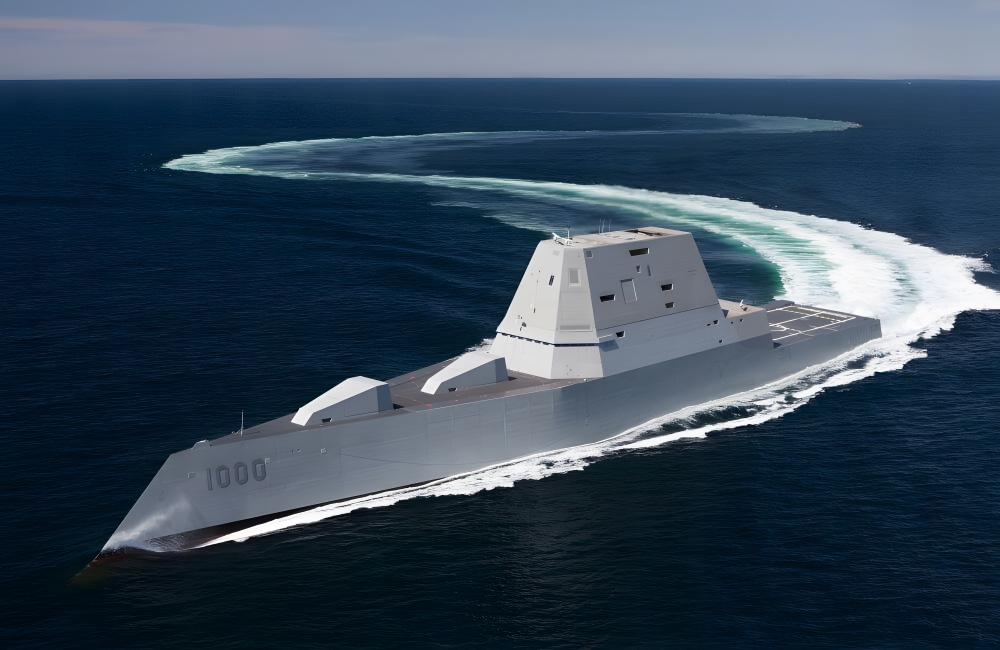
USS Zumwalt (DDG-1000) ©U.S. Navy /Wikipedia.org
Its state-of-the-art weaponry and multi-mission versatility make it an undeniable powerhouse on the seas. A testimony to American naval innovation, the USS Zumwalt isn’t just a ship — it’s a symbol of a new era in maritime warfare.
137. Lockheed Martin EC-130H Compass Call
Entered Service: 1981
Manufacturer: Lockheed Martin
Cost: $165 million*
Debuting in 1981, the Lockheed Martin EC-130H Compass Call emerged as an unsung hero of electronic warfare. Specifically tailored to disrupt enemy command and control communications, this aircraft is a testament to the ever-evolving battle for airwave superiority.
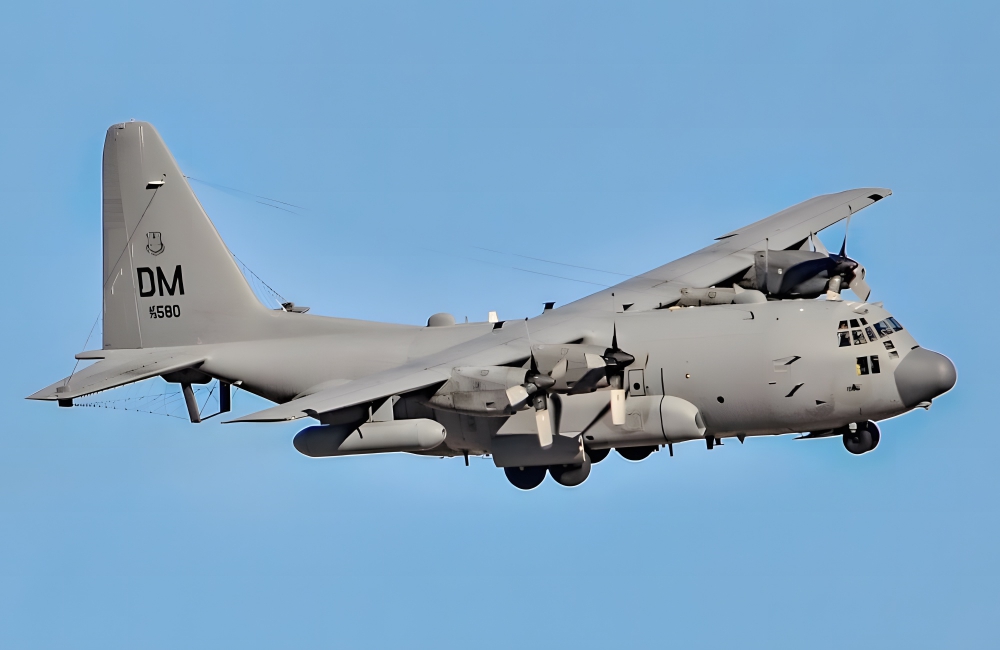
Lockheed Martin EC-130H Compass Call ©TOMAS DEL CORO /Wikipedia.org
Derived from the C-130 Hercules airframe, the Compass Call is equipped with an array of sophisticated jamming systems, allowing it to intercede and manipulate adversaries’ electronic transmissions. Serving primarily with the U.S. Air Force, its presence on the battlefield ensures that the scales of communication dominance tip favorably. In the realm of electronic combat, the EC-130H remains a force to reckon with.
138. Kirov-class Battlecruiser
Entered Service: 1980
Manufacturer: Baltiysky Zavod
Cost: $2 billion*
Since its inauguration in 1980, the Kirov-class battlecruiser has been a symbol of Russian naval might. These behemoth warships, commissioned during the height of the Cold War, represent one of the largest surface combatant ships in operation today. Powered by a combination of nuclear and steam turbines, the Kirov-class boasts a formidable array of weaponry, including anti-ship missiles, anti-submarine torpedoes, and a vast array of defensive systems.
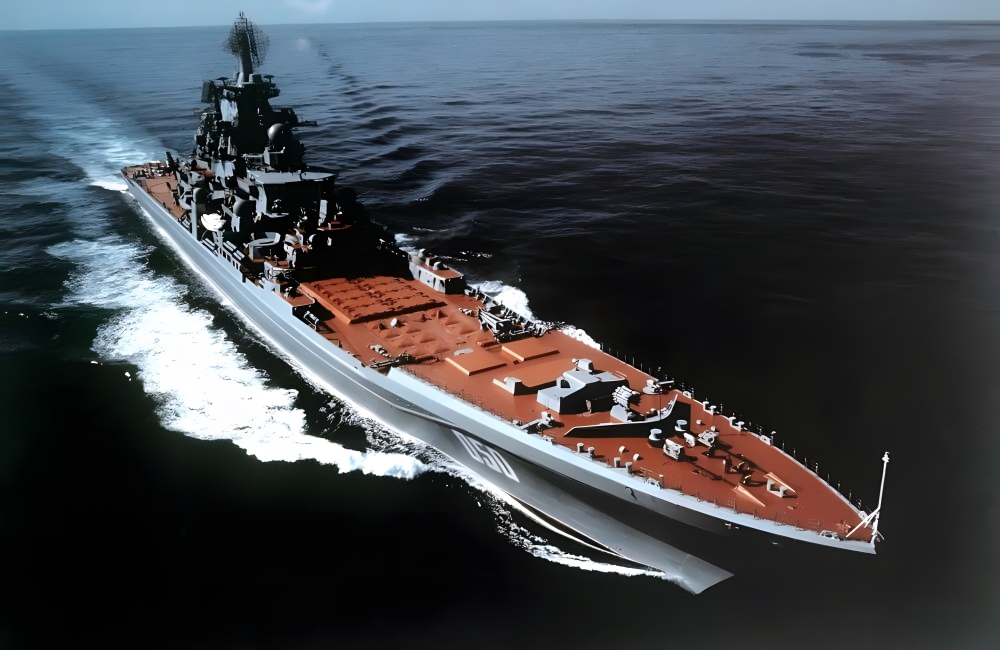
Kirov-class Battlecruiser ©Camera Operator /Wikipedia.org
Though initially designed to counter U.S. Navy carrier battle groups, their versatility has rendered them relevant even in contemporary maritime strategies. As floating fortresses, the Kirov-class exemplifies the ambitious naval visions of the Soviet era.
139. Mil Mi-26 Halo
Entered Service: 1983
Manufacturer: Mil Moscow Helicopter Plant
Cost: $20 million*
Introduced in 1983, the Mil Mi-26 Halo redefined the limits of heavy-lift helicopters. Produced by the Russian company Mil Moscow Helicopter Plant, the Halo remains the world’s largest and most powerful helicopter in operational service.
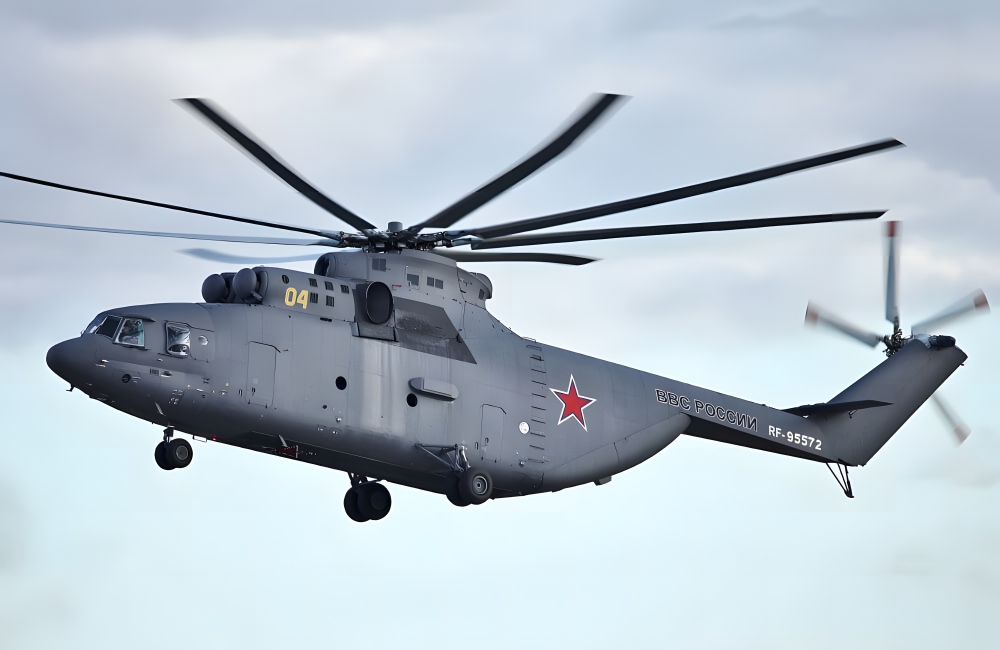
Mil Mi-26 Halo ©Vitaly V. Kuzmin /Wikipedia.org
With its unparalleled payload capacity, the Mi-26 can carry a whopping 20 tons internally or 20 tons on an external sling, making it essential for transporting heavy equipment, delivering humanitarian aid, or executing challenging rescue operations. Combining incredible strength with surprising agility, the Mil Mi-26 Halo has proven its mettle across varied terrains and missions, setting benchmarks that few can rival.
140. Mil Mi-24 Hind
Entered Service: 1972
Manufacturer: Mil Moscow Helicopter Plant
Cost: $12 million*
Debuting in 1972, the Mil Mi-24 Hind swiftly rose to infamy, securing its position as one of the most iconic attack helicopters of the Cold War era. Crafted by the famed Russian Mil Moscow Helicopter Plant, the Hind is an extraordinary blend of firepower and speed, often referred to as a “flying tank.”
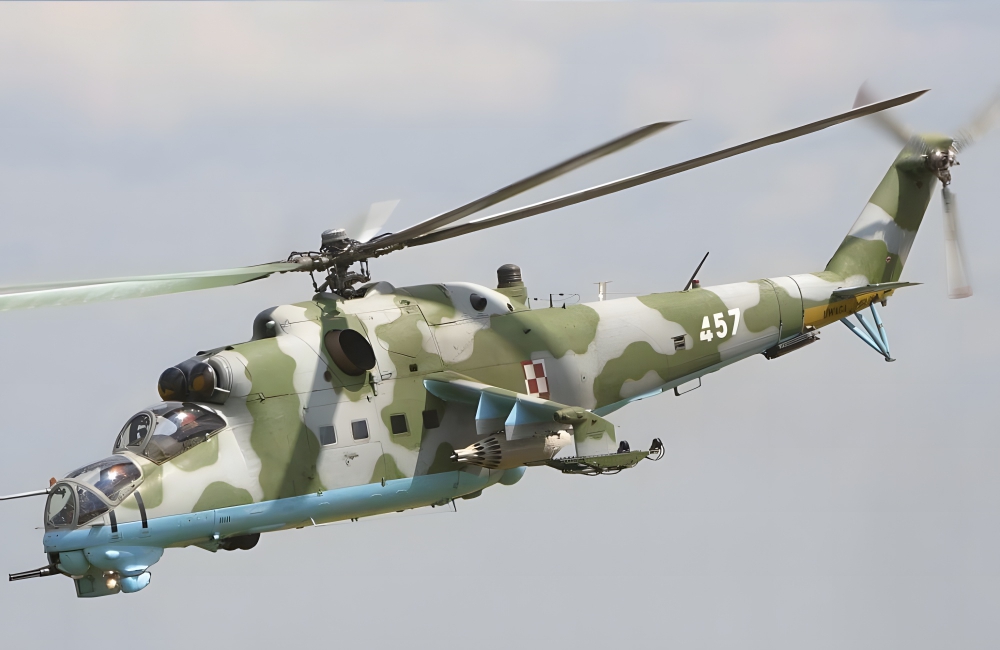
Mil Mi-24 Hind ©Cezary Piwowarski /Wikipedia.org
Its dual-purpose design allows it not only to unleash devastating strikes but also to transport troops swiftly across battlefields. Recognizable by its distinctive double-bubble cockpit and sleek, foreboding appearance, the Mi-24 has seen service in numerous conflicts around the globe, testifying to its adaptability and enduring prowess.
141. K2 Black Panther
Entered Service: 2014
Manufacturer: Hyundai Rotem
Cost: $8.5 million*
Introduced to the world in 2014, the K2 Black Panther stands as South Korea’s crowning jewel in armored warfare, representing the zenith of modern tank technology. Developed by Hyundai Rotem, this main battle tank combines cutting-edge armaments with advanced defense mechanisms, ensuring formidable battlefield supremacy.
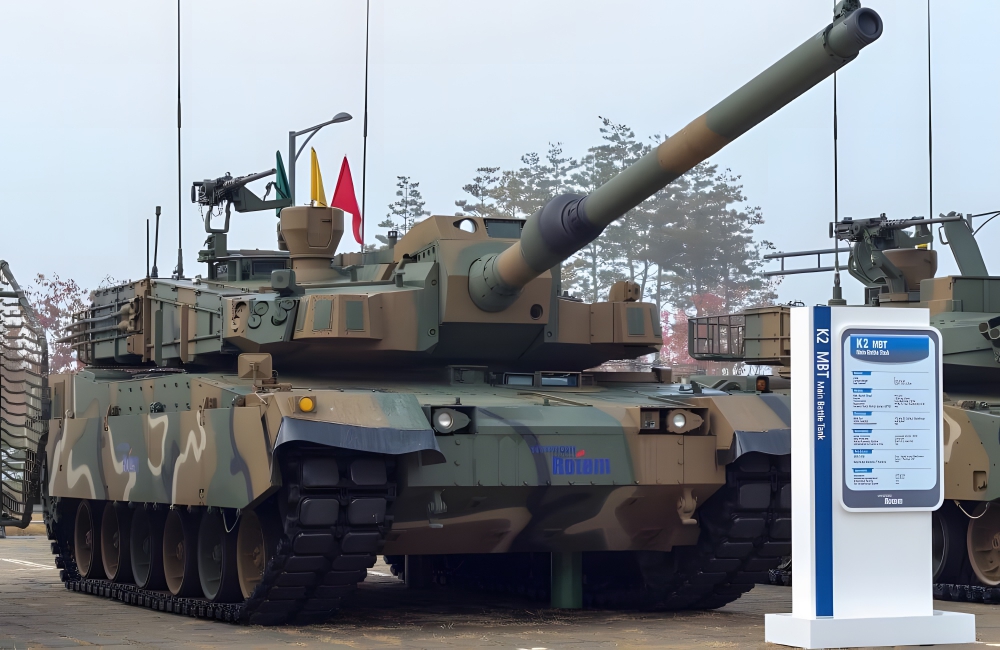
K2 Black Panther ©Simta/Wikipedia.org
Fitted with an auto-loaded 120mm gun and state-of-the-art active protection systems, the K2 is more than just a tank; it’s a reflection of South Korea’s ambitions and its commitment to self-reliance in defense capabilities. Agile, formidable, and technologically sophisticated, the K2 Black Panther is a testament to South Korea’s prowess in armored vehicle design.