
7. Future Directions: The Frontier of Microbiome Research
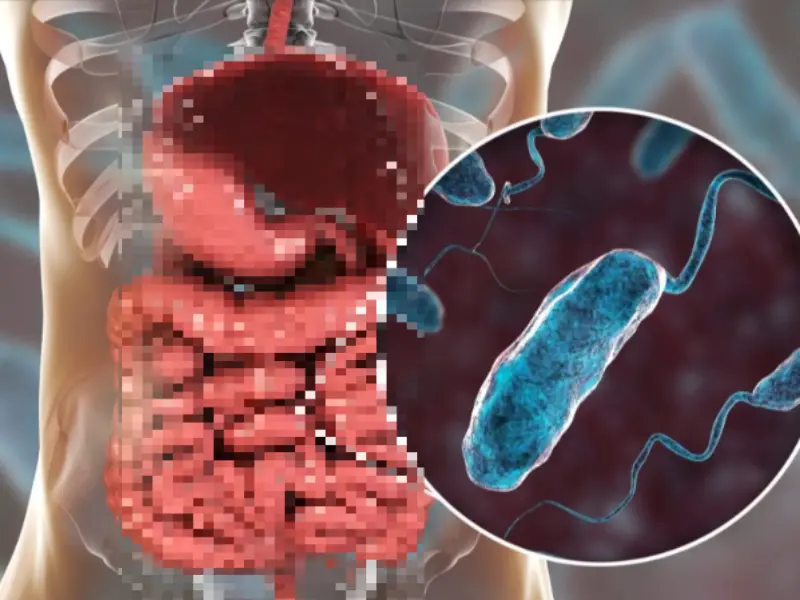
Future microbiome research has great promise as we keep deciphering the complexity of the gut flora. With the gut microbiome at the core of their discoveries, scientists are pushing new frontiers that might transform our approach to medicine and health.
Customised diet based on individual microbiome profiles is one fascinating field of study. Through gut microbiota analysis, researchers intend to provide customised food suggestions maximising health results. This method might produce more successful plans for general well-being, disease prevention, and weight control. Additionally developing is the idea of “precision probiotics,” in which particular strains of helpful bacteria are chosen depending on a person’s particular microbiome composition and dietary requirements.
Still another exciting field of study is the creation of next-generation probiotics. Unlike conventional probiotics, which sometimes feature broad strains of helpful bacteria, next-generation probiotics are meant to target particular health issues or microbiome imbalances. These might involve specially targeted interactions with the immune system of the host or modified bacterial strains capable of generating therapeutic chemicals.
Another horizon is microbiome-based diagnostics. From gastrointestinal problems to neurological diseases, researchers are looking at how variations in the gut microbiome might act as early warning signals for different illnesses. This could result in the creation of non-invasive diagnostic instruments that identify health problems before conventional symptoms show up by use of stool samples.
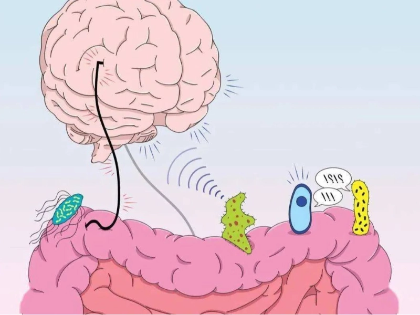
The idea of the “psychobiome,” that subgroup of gut bacteria affecting mental health, is becoming popular. Targeting the gut-brain axis, future studies in this field might produce fresh treatments for mental health illnesses. This could include the creation of psychobiotics, particular probiotic strains or prebiotic drugs meant to enhance mental health results.
Microbiome studies are increasingly extending outside the stomach. Investigating the microbiomes of various bodily regions including the skin, lungs, and reproductive system, scientists hope to better grasp their functions in both health and illness. This all-encompassing approach to the human microbiome may offer a more complete knowledge of the interactions among various microbial populations that affect our general condition.
One further fascinating prospect is the junction of environmental science and microbial studies. Scientists are looking at how our microbiomes and, thus, our health are affected by environmental elements such pollution, climate change, and urbanisation. The public health policy and environmental protection initiatives could benefit much from this research.
Furthermore advancing microbiome research are technological developments. Modern bioinformatics tools and high-throughput sequencing methods let researchers examine microbiome data with formerly unheard-of accuracy and detail. Using artificial intelligence and machine learning techniques, patterns and linkages within intricate microbiome data are being found, so possibly revealing fresh ideas missed by human researchers.
Precision medicine is only one area where microbiome-based treatments have promise. Healthcare professionals could be able to create very customised treatment recommendations by evaluating a person’s microbiome profile in tandem with their genetic composition and lifestyle choices. This could result in more successful treatments with less adverse effects for a spectrum of medical disorders.
Also gathering steam is study on the part the microbiome plays in ageing. Researchers are looking at how changes in the gut microbiome throughout time could lead to age-related health problems and whether altering the microbiome could help to promote good ageing or perhaps increase lifespan.
At last, the discipline of microbiome research is realising the significance of microbial ecosystems other than those of bacteria. Intense research is being done on fungus, viruses, and other microbes that call our body home. Knowing these intricate microbial populations and their interactions might help one to have a more whole view of human health and illness.
Standing on the brink of these fascinating advancements, it is abundantly evident that microbiome research has the power to completely change our knowledge of human health and transform medical practice. From customised diet to cutting-edge treatments, microbiome research promises more efficient, focused, all-encompassing methods for health and wellness. As this discipline develops, it will surely become more and more important in determining the direction of healthcare and our conception of what it is to be human.
What it meant to be human? Once disregarded, the gut microbiota is now understood as a fundamental part of our life and is closely linked to almost all element of our well-being.
Our attitude to health and illness will probably change as we keep learning about and deciphering the complexity of the gut flora. The conventional perspective of us as separate entities is making way to a more comprehensive knowledge that acknowledges us as complex ecosystems including trillions of microbes vital for our health.
This paradigm change might completely transform not only medicine but also our daily lives. From the foods we eat to the surroundings we live in, every decision we make might be seen through the prism of how it affects our microbial companions. This fresh viewpoint might cause significant changes in urban design, public health policy, even agriculture methods.
Increasingly common education on the microbiome and its significance will enable people to make wise decisions regarding their health. As our knowledge develops, we might witness a societal change towards methods that support our microbial populations since realising that maintaining our microbiome is a necessary component of maintaining ourselves.
All things considered, microbiome science has a bright and almost limitless future. We are probably going to have hitherto unheard-of understanding of human health and disease as we still explore the secrets of our microbial allies. The road of discovery is far from finished; every new discovery takes us closer to a time when we will be able to use the microbiome to better people’s health, ward against sickness, and increase their quality of life all around.