
6. The Gut Microbiome in Disease Prevention and Treatment
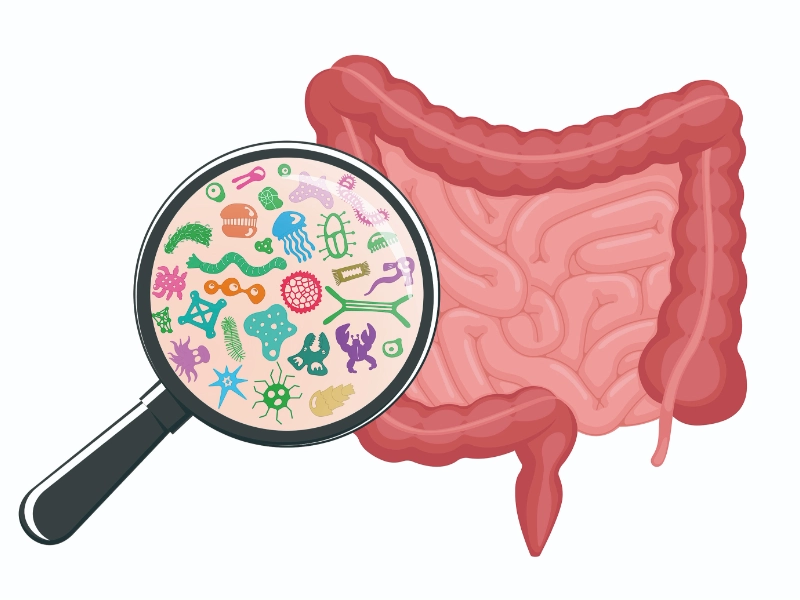
The promise of the gut microbiome in illness prevention and treatment increases as our knowledge of it advances. From digestive problems to metabolic ailments and even some forms of cancer, researchers are investigating how altering the gut microbiota might be utilised to prevent or control a broad spectrum of health conditions.
Regarding digestive health, disorders such inflammatory bowel disease (IBD) and irritable bowel syndrome (IBS) are already being treated using prebiotics and probiotics. These treatments seek to balance the gut ecology by encouraging the expansion of helpful bacteria, hence reducing symptoms.
The impact of the gut microbiota reaches also metabolic health. Studies reveal that people with type 2 diabetes and obesity can have different gut microbiota compositions than those in good health. This has spurred studies on metabolic diseases and weight control treatments grounded in the microbiome. Certain research have even looked at the possibility of faecal microbiota transplantation as a metabolic syndrome and obesity treatment.
Within the realm of cancer research, the gut microbiome is starting to show influence on both cancer formation and therapy effectiveness. While some gut bacteria appear to be protective, others have been linked to a higher risk of colorectal cancer. Furthermore, the composition of the gut microbiome seems to affect the efficacy of cancer immunotherapies, thereby creating fresh opportunities for bettering cancer therapy results.
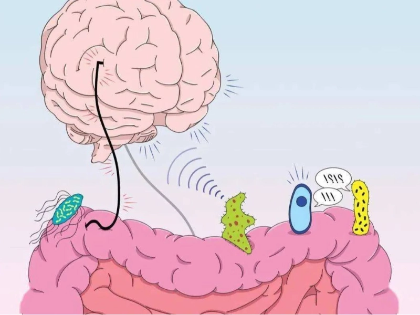
Additionally under investigation for therapeutic use is the function of the gut microbiota in mental health. Using psychobiotics—prebiotics or probiotics—that can affect mental health as a complement to treating disorders like depression and anxiety is under research.
Furthermore underlined by recent research are the possibilities of microbiome-based treatments in autoimmune illnesses. Disorders include inflammatory bowel disease, multiple sclerosis, and rheumatoid arthritis have been linked to certain changes in the gut flora. Targeting these microbial imbalances helps researchers create fresh treatment plans meant to control the immune response and lower inflammation.
Another area of increasing research is the impact of the gut flora on medication metabolism. The way medications are handled in the body can be influenced by the microbiome, therefore affecting their side effects and potency. This knowledge could result in more customised medicine methods whereby therapies are based on a personal microbiome profile.
Researchers in the field of cardiovascular health are looking at how gut bacteria relate to heart disease. While some gut bacteria may have preventive properties, others have been discovered to create molecules that can help atherosclerosis develop. New approaches for preventing and treating heart disease by means of microbiome modification could result from this work.
From liver disease to renal function to even neurological diseases like Parkinson’s disease, the gut microbiome’s potential for disease prevention and therapy permeates many other spheres of health. Growing knowledge of the far-reaching consequences of the microbiome suggests that microbiome-based treatments will become ever more significant in medical therapy for many different diseases.