
The world is filled with strange plants. There are plants that make their homes in the deserts, existing off of precious little water; plants that live in the rainforest, hidden away in the dense foliage; and even plants that thrive in the aftermath of forest fires.
And then there are just plain weird plants. The Corpse Flower, for instance, is one of the largest flowers in the world – and it smells like rotting flesh. The Marimo Moss Ball is a plant that looks like a fuzzy green ball – and it’s popular as a pet in Japan. And the Venus Flytrap is a carnivorous plant that can trap and digest insects.
1. Corpse Flower
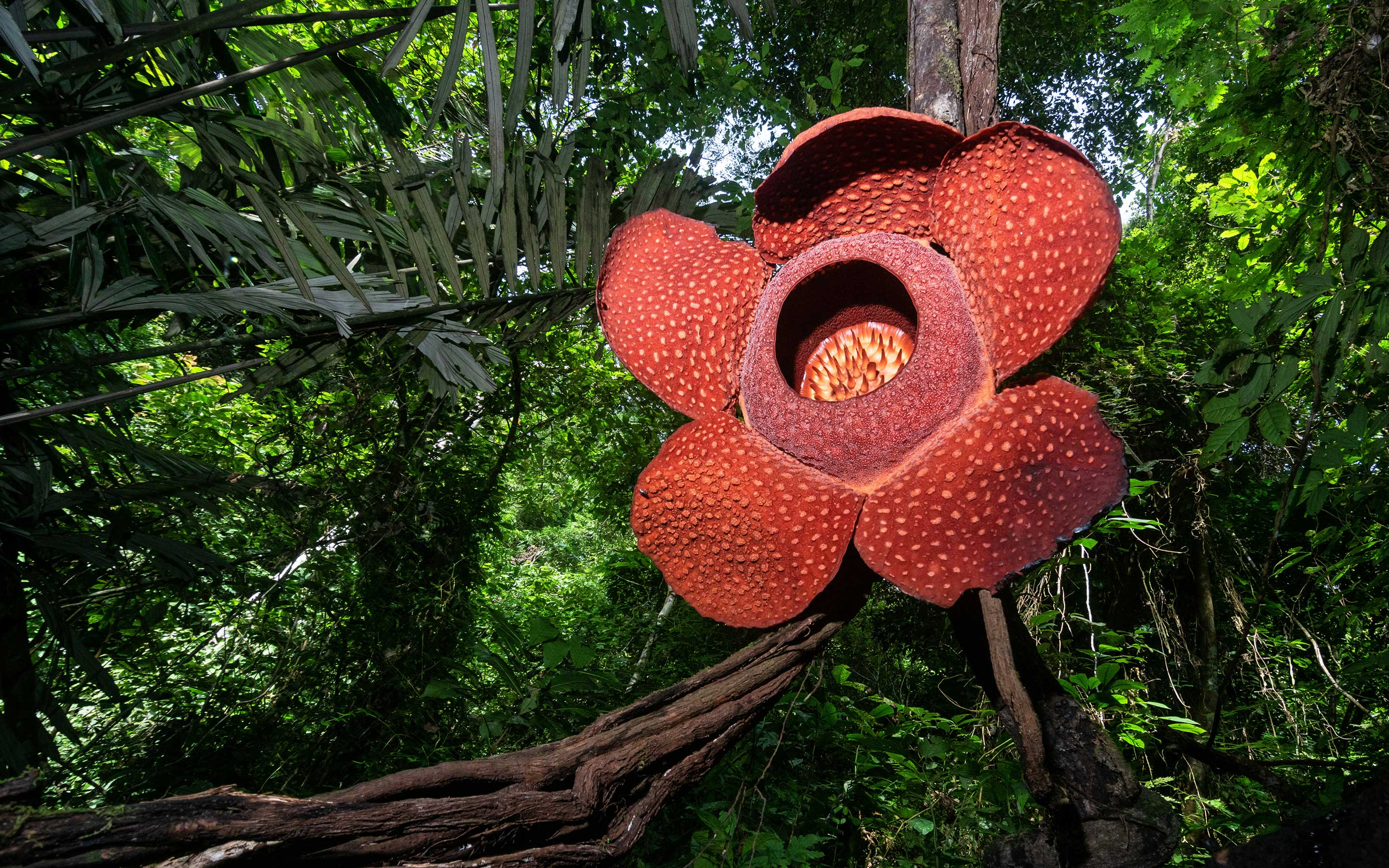 The Corpse Flower, or Rafflesia, is the largest flower in the world and can grow up to three feet tall. It is native to the tropical rainforest of Sumatra, Indonesia and Malaysia and gets its name from its foul smell, which is similar to that of a rotting corpse. The Corpse Flower only blooms for a few days every few years, but if you’re lucky enough to see one in bloom, be careful before you take a sniff! Or just do the next best thing, and let Sir David Attenborough smell one for you; he caught one blooming in the Malaysian rainforest on the slopes of Mount Kinabalu, in Episode One (Tropical Worlds) of The Green Planet.
2. Marimo Moss Ball
Marimo Moss Balls are strange-looking but adorable creatures that are actually algae balls. They are native to Japan and grow in freshwater lakes. Marimo Moss Balls are often kept as pets, kept in fish tanks or bowls of water, and are known to bring good luck! (Plus, they’re a very easy plant to care for.)
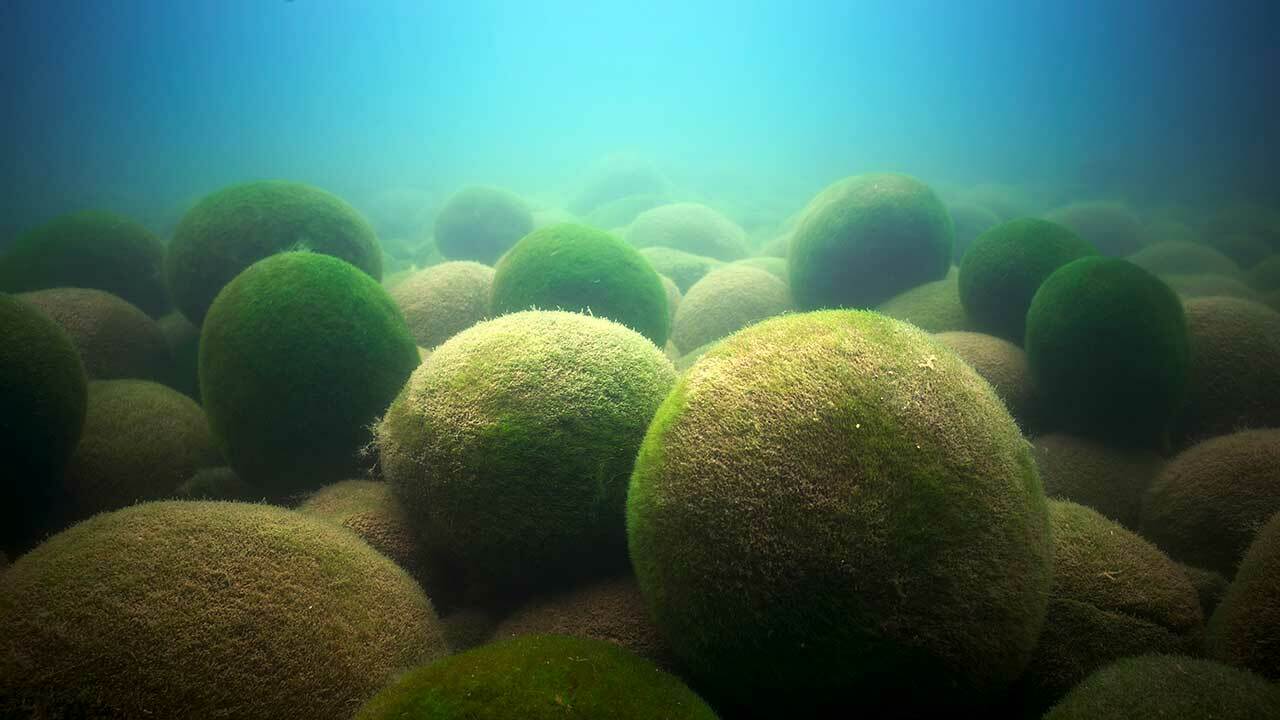
Marimo Aegagrophila linnaei, balls of algae, in Lake Akan, Japan. They gather in millions on the bed of the lake and spin against each other to shift sediment that would otherwise prevent them from photosynthesizing. |
3. Venus Flytrap
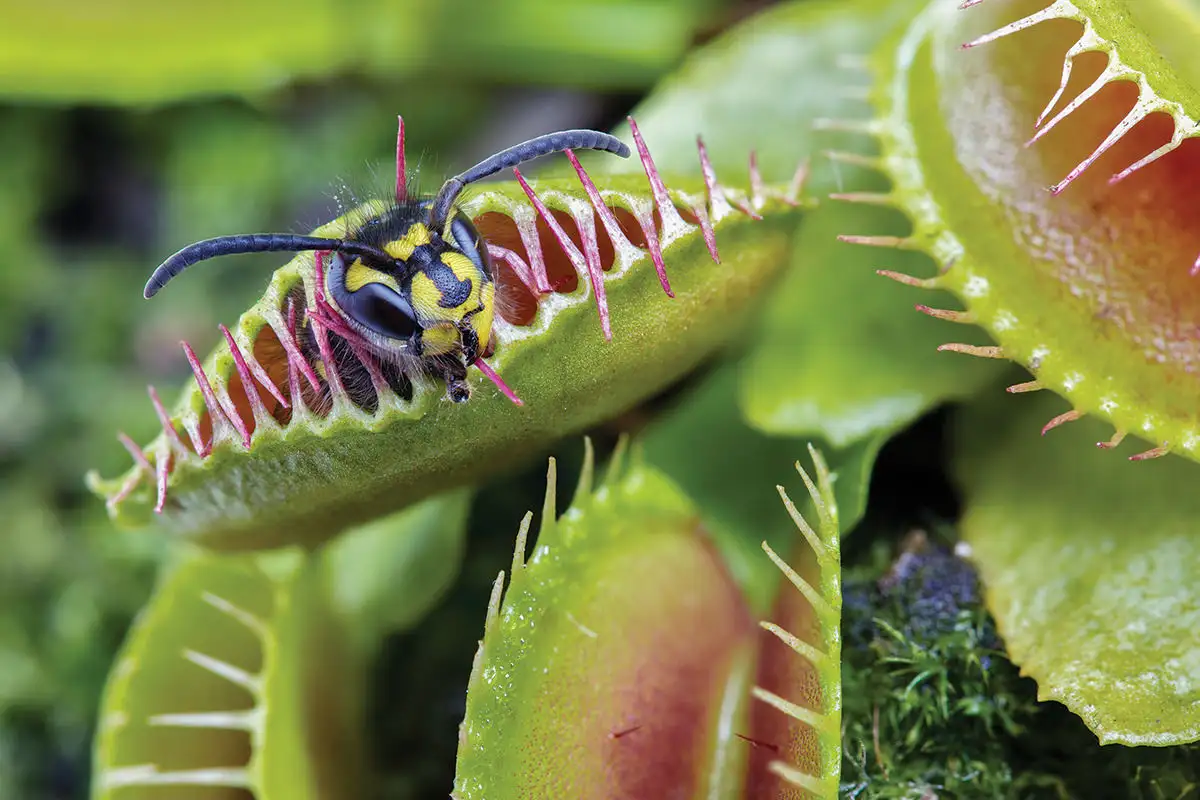 The Venus Flytrap, often written as Venus Fly Trap, is another carnivorous plant that traps and eats insects. It is native to the United States, and can be found in North and South Carolina. The Venus Flytrap (Dionaea muscipula) gets its name from the Greek goddess of love, Aphrodite, and the Roman goddess of love, Venus, because of its heart-shaped leaves.
Did you know the Venus Flytrap can count? It can! The Venus Flytrap has tiny sensors on its leaves that allow it to count how many times an insect touches them. Once the sensors are triggered enough times, the leaves of the plant will close around the insect, trapping it inside. Then, the Venus Fly Trap will digest the insect and use it for food!
4.Water lilies and Lily pads
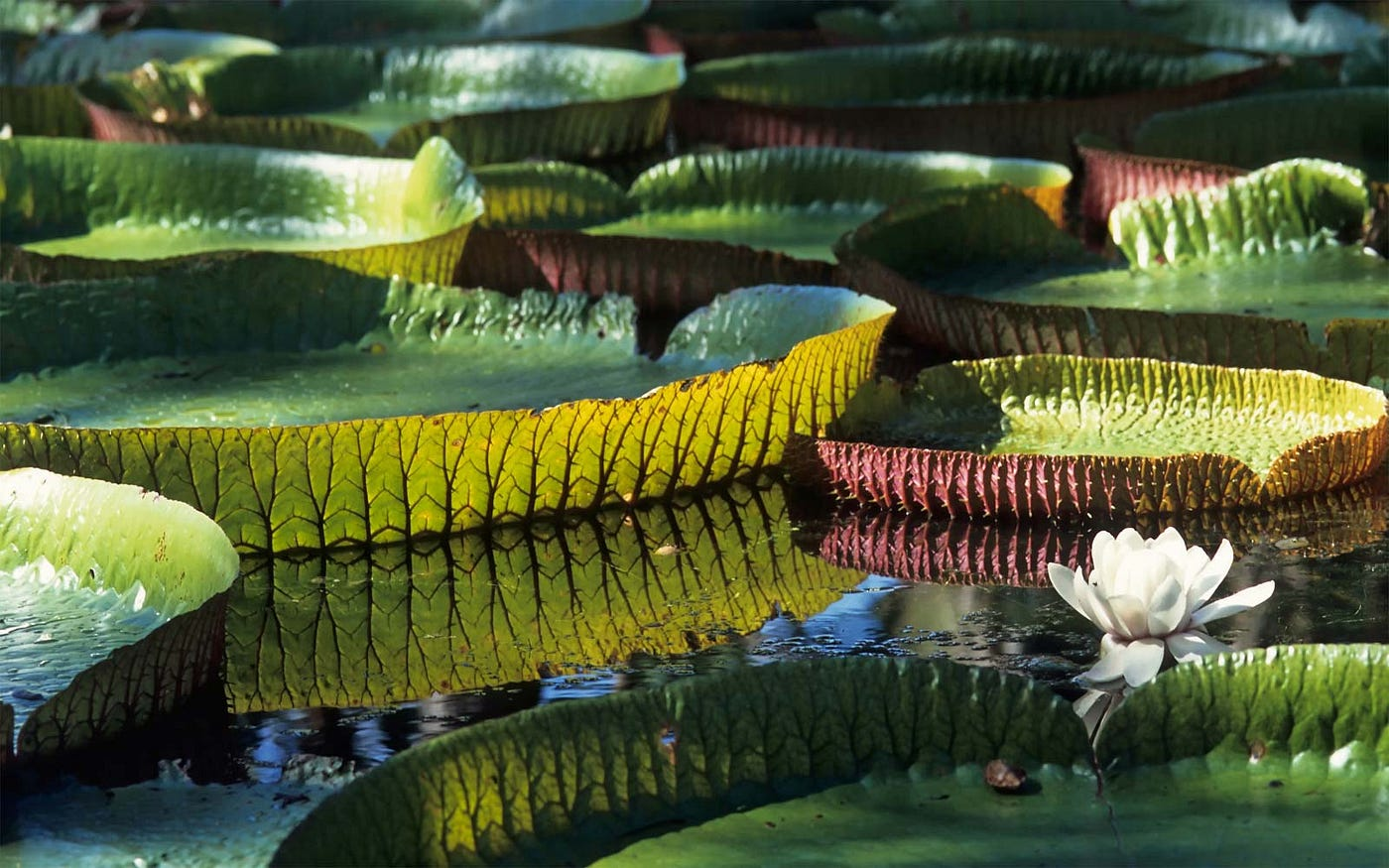 Water lilies are beautiful flowers that grow in freshwater ponds and lakes. Their flowers come in many different colors, including white, pink, and blue. Lily pads are the leaves of water lilies, which float on the surface of the water. But don’t let their pretty appearance fool you; the water lily is a ferocious foe, squeezing out other plant life on the water’s surface.
The giant water lily (Victoria amazonica) is the largest water lily in the world. It can grow up to six feet in diameter and has leaves that can support the weight of a small child!
5. Bladderwort
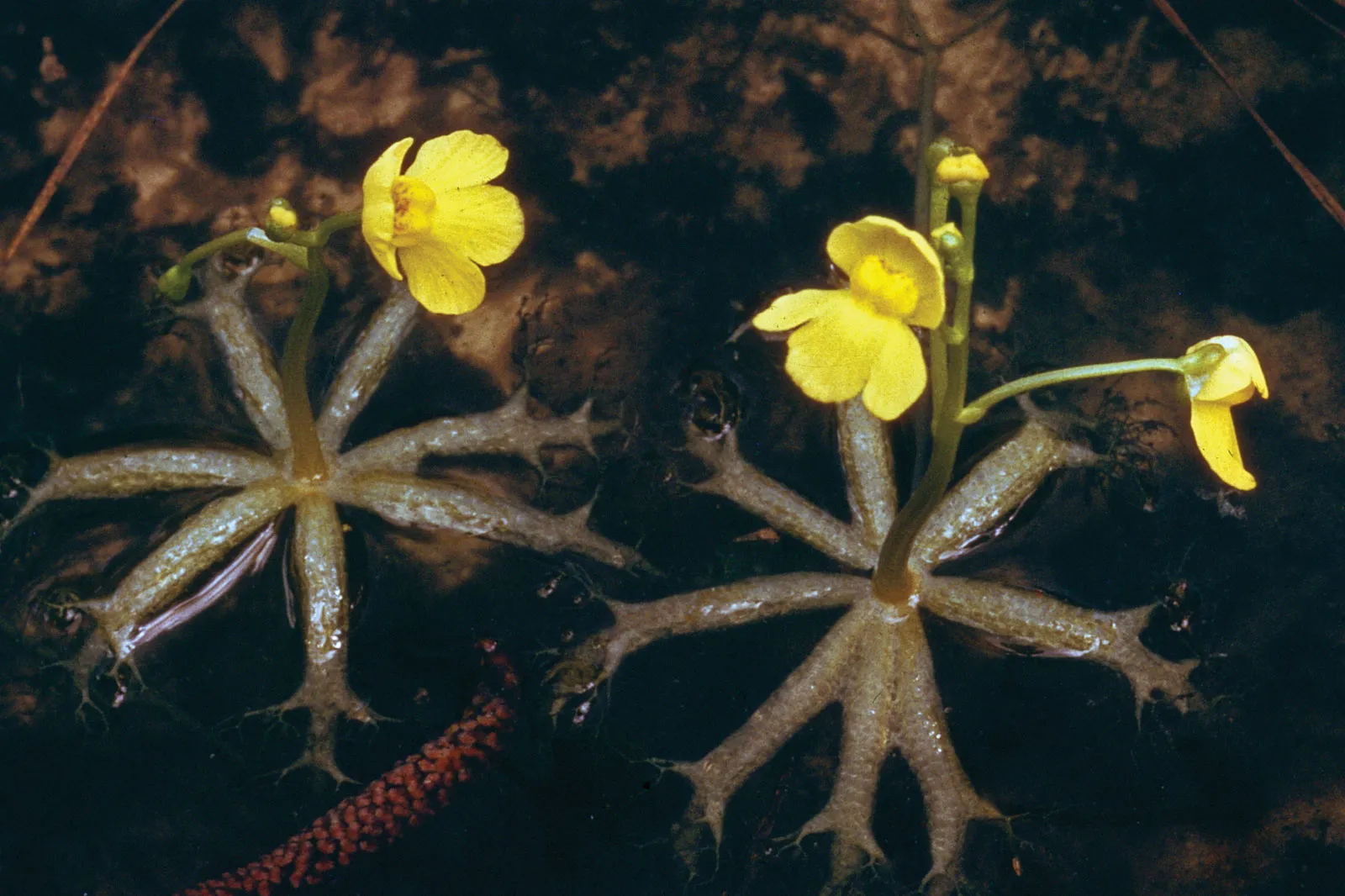
Bladderworts are carnivorous plants that trap small aquatic animals in their tiny bladders. They are native to Europe, Asia, and North America. Bladderworts get their name from the Latin word for “bladder.”
The stolon of a Bladderwort, Utricularia, a kind of hunting stem, approaching a water pool contained in a Bromeliad plant, in which small invertebrate animals live.
6.Frost Flowers
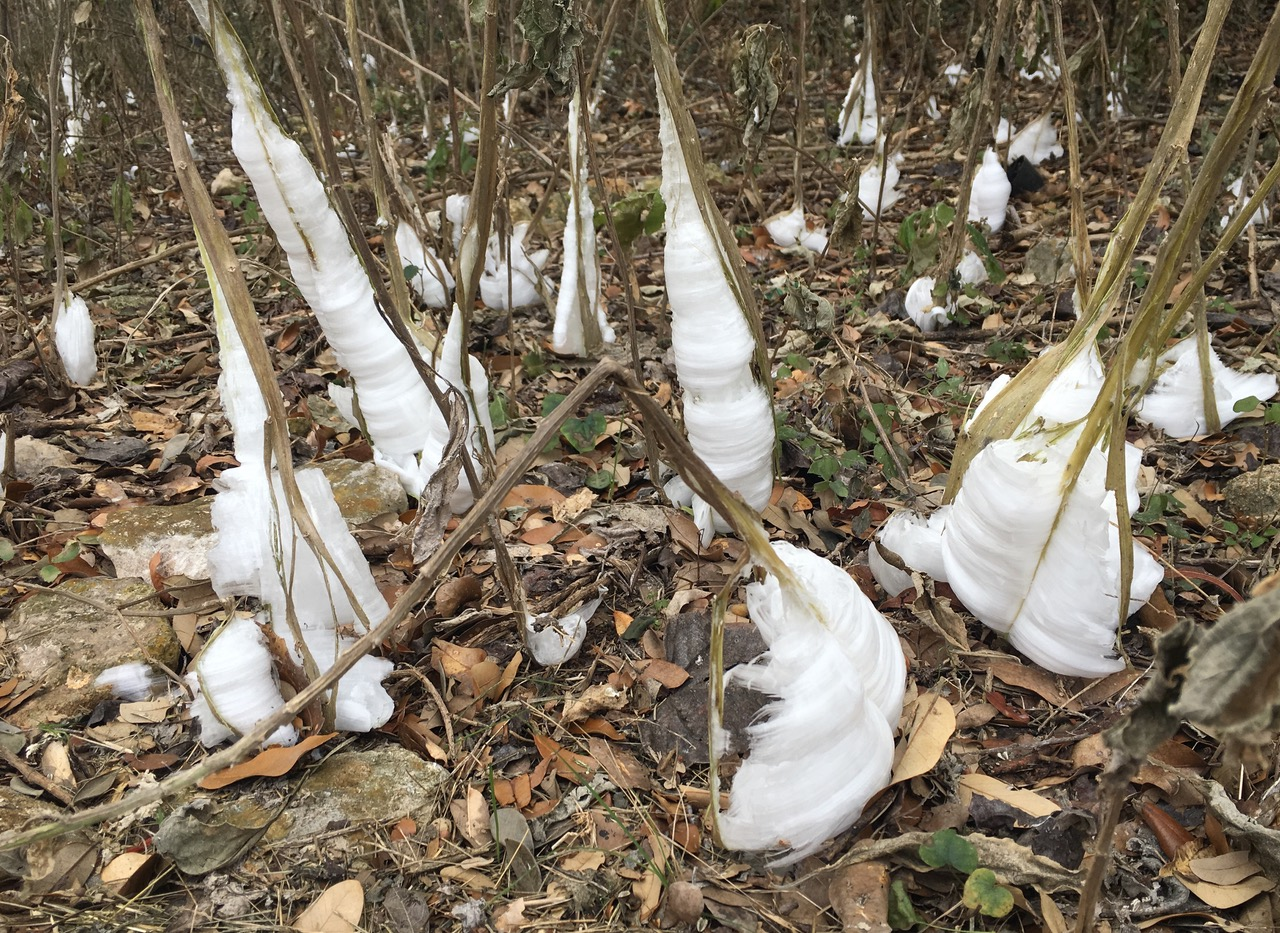
Frost flowers are actually just thin sheets of ice that form on plant stems when the temperature outside is very cold. They are most commonly found in the Arctic and Antarctic regions. Frost flowers are delicate and beautiful, but they only last for a few days before melting away.
When the first freezing nights of winter arrive, water inside some plants, like this Frostweed, Verbesina virginica, freezes, bursting the stem and growing out as ice sculptures.
7. Strangler Fig Tree
The strangler fig tree is a type of tree that grows by strangling other trees. It is native to tropical rainforests and can be found across the globe. The strangler fig tree gets its name from its habit of growing around and eventually killing other trees.

8. Pitcher Plant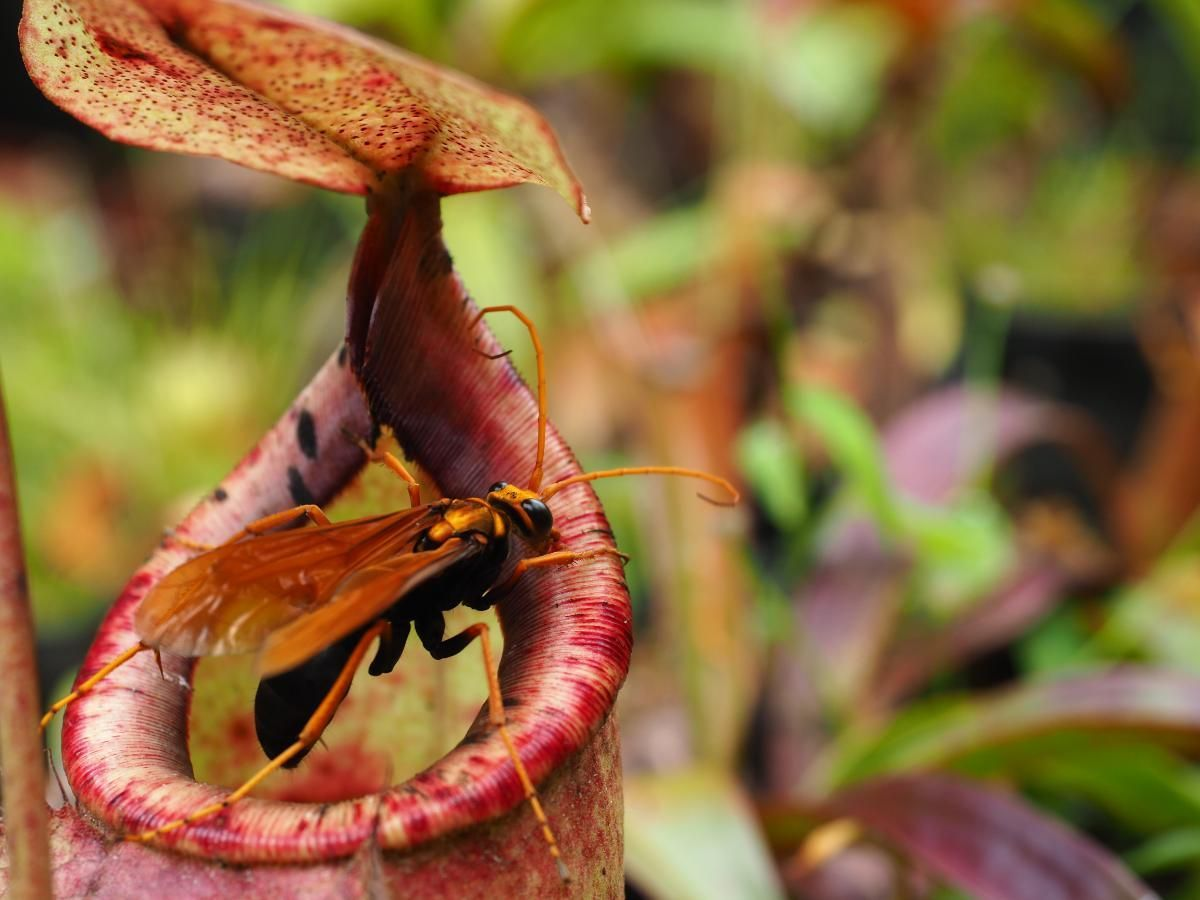
The pitcher plant is yet another carnivorous plant that traps insects in its pitcher-shaped leaves. It is native to North America, Europe, and Asia. The pitcher plant gets its name from the Latin word for “pitcher.”
But, wait, there’s more. From fire lilies that bloom after forest fires to the short blooming flower of an hour, our green planet is filled with fascinating flowers and other plant life. And you can see it all from your TV or streaming device on The Green Planet, airing and streaming now on PBS, with the famed Sir David Attenborough as your personal tour guide.