

9. Modern Research and Scientific Expeditions
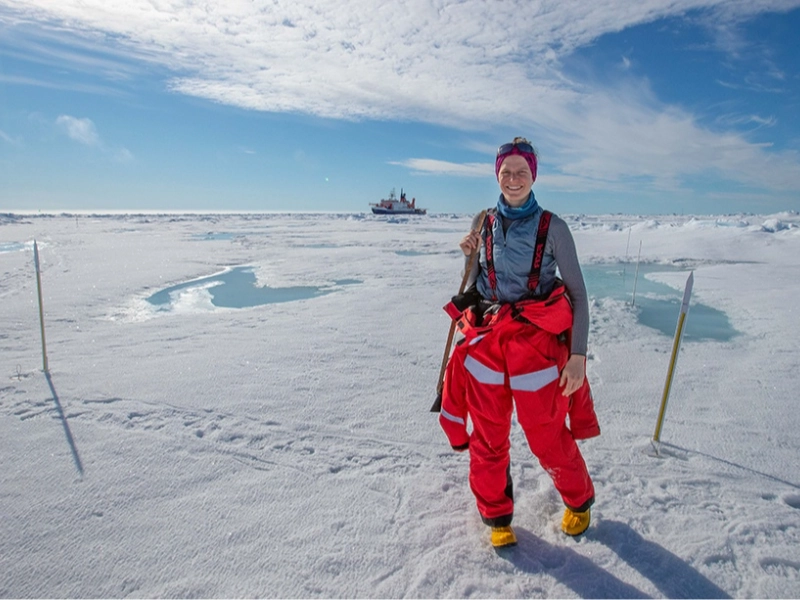
Scientific study in several fields still centres on the East African Rift. Seeking to learn more about our past and the Earth’s processes, paleoanthropologists, geologists, climatologists, and biologists from all around the world travel and investigate in the area. Modern technology including sophisticated dating techniques, 3D scanning, and satellite photography are transforming rift valley study.
Founded by paleoanthropologist Richard Leakey, the Turkana Basin Institute represents among the most significant research programs in the area. Combining studies of human origins with enquiries into climate change, ecology, and geology, this institute encourages multidisciplinary study in the Lake Turkana region. Reconstructing the ancient settings in which early humans lived, the Olduvai Landscape Paleoanthropology Project is one of several such efforts.
These studies have pragmatic uses in addition to advancing our knowledge of human evolution and Earth sciences. For instance, geological research is supporting the development of natural resources and the evaluation of geological hazards; studies of previous climatic changes in the rift valley are helping scientists forecast future climate scenarios.
10. Conservation Challenges and Efforts

The East African Rift’s special ecosystems and archaeological sites provide many modern-day conservation issues. The region’s natural habitats are under strain from fast population increase, agricultural development, and resource extraction; many species are under risk of extinction. Additionally greatly affecting rainfall patterns and raising the frequency of extreme weather events is climate change.
In the rift valley, conservation initiatives mix helping local needs with safeguarding of natural and cultural legacy. Established to save important habitats and animals, such the Serengeti National Park in Tanzania and the Virunga National Park in the Democratic Republic of Congo, many national parks and protected areas are By means of ecotourism, these places not only safeguard biodiversity but also boost local economy.
Protection of significant paleoanthropological and archaeological sites is another endeavour under progress. Groups like the African World Heritage Fund advocate their importance to world audiences and help to protect these places for next generations. Recognising that local populations are major players in the preservation of the rift valley’s natural and cultural resources, community-based conservation projects are becoming more and more vital.
 zi ang