

3. Climate Change and Human Evolution
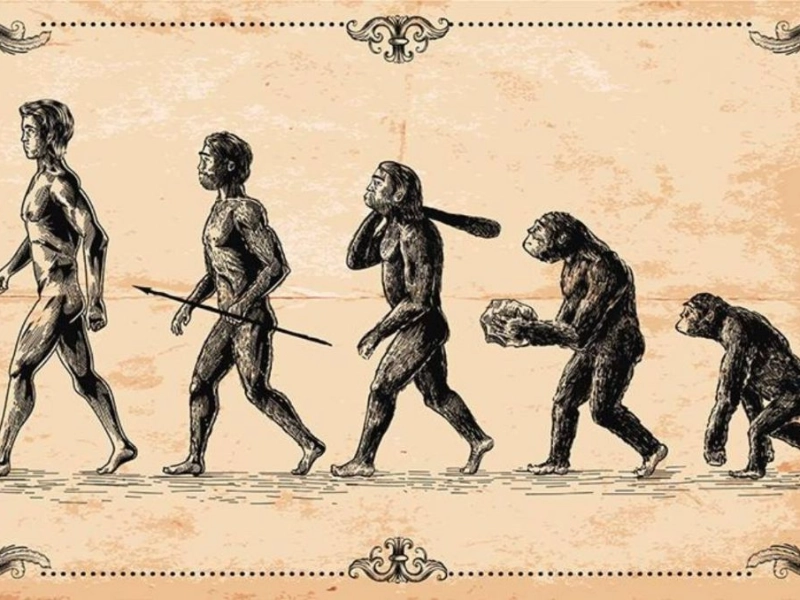
Eastern Africa’s climate has been greatly shaped by the East African Rift, which in turn has had a significant influence on human evolution. Much of East Africa experiences drier conditions since the rift’s creation produces a rain shadow effect. Early hominins are thought to have evolved in response to this temperature change, which drove adaptations to more open, savanna-like habitats.
Studies of the area reveal that during the past few million years, there have been notable climate swings with alternating wet and dry periods. Important turning points in human development, including the evolution of bipedalism, the increase in brain size, and the creation of stone tools, corresponded with these shifts. According to the “variability selection hypothesis,” the success of our predecessors was much influenced by our capacity to adjust to fast changing surroundings.
The geography of the rift generates different microclimates that support a great variety of organisms, therefore influencing regional climate even now. Our predecessors might have had the chance to use various resources and habitats thanks to this environmental diversity, which would have helped them survive and finally expand over the planet. Still a vital area of active study is understanding the interaction between human development in East Africa and climate change in the Rift.
4. The Great Lakes of the Rift Valley
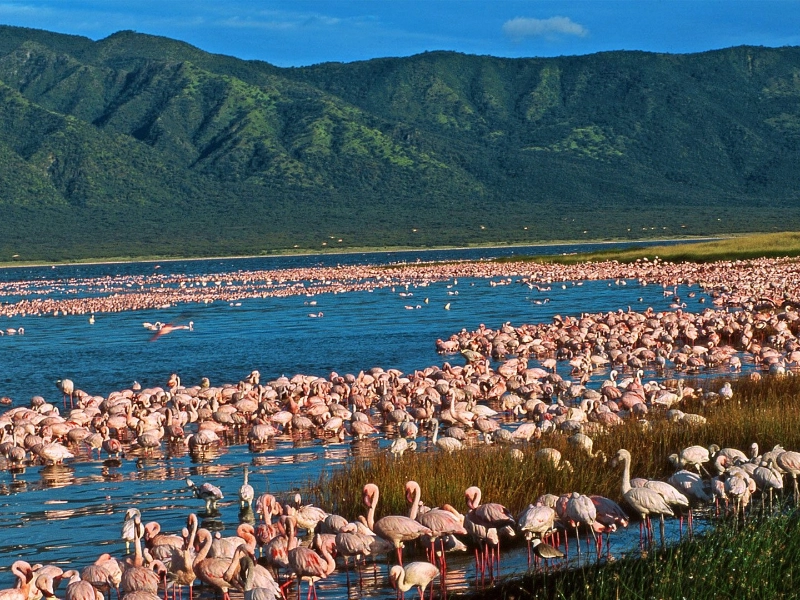
The sequence of lakes dotting East African Rift’s terrain is among its most arresting characteristics. Among the biggest and most biologically significant freshwater systems on the continent, these bodies of water—known as the Great Lakes of Africa—have Not only do lakes like Victoria, Tanganyika, and Malawi support varied ecosystems, but they also have been extremely important to humans historically and remain essential supplies for millions of people.
Renowned for its amazing biodiversity—including hundreds of species of cichlid fish not found anywhere else on Earth—Lake Tanganyika is the second-deepest freshwater lake in the world. Because organisms have evolved to fit different ecological niches inside these isolated aquatic ecosystems, this lake and others in the rift system offer a special chance to watch evolution in action.
Throughout history, human habitation and migration patterns have also depend critically on the lakes. For innumerable centuries, they have supplied food, drink, and means of mobility. These lakes still boost nearby businesses today with tourism, farming, and fishing. But overfishing, pollution, and climate change also provide major obstacles, which emphasises the importance of sustainable management of these priceless resources.
 zi ang