

Often referred to as the “Cradle of Humankind,” the geological marvel known as the East African Rift spans eastern Africa and has been instrumental in human evolution as well as captivating both scientists and adventurers. Come explore with us the relevance of this amazing area in forming the history of our species and its continuous influence on the African continent on a voyage through time and space.
1. The Geological Marvel of the East African Rift
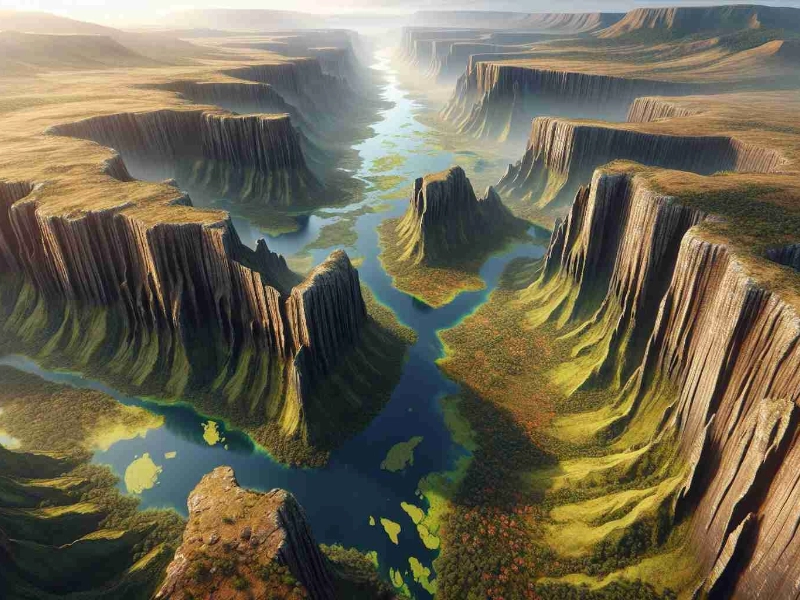
A monument to the dynamic character of our planet, the East African Rift is From Ethiopia’s Afar region to Mozambique, this vast geological feature—stretching over 6,400 kilometers—is where the African continent is gradually separating. Millions of years ago, tectonic forces tore apart the crust of the Earth, producing a sequence of valleys, lakes, and mountains that have sculpted eastern Africa’s topography.
Along with changing the terrain, this continuous process of continental rifting offers a special view into the geological workings of the planet. The widening divide at several millimetres each year presents scientists with an unparalleled chance to investigate plate tectonics in action. Deep valleys, soaring escarpments, and a chain of lakes supporting varied ecosystems and human groups define the stunning settings produced by this rifting process.
The development of the rift has had broad effects on the hydrology, temperature, and biodiversity of the area. It has produced microclimates ranging from lush forests to arid deserts, therefore affecting the evolution of innumerable species and significantly impacting human prehistory. Deciphering the geological processes underlying the East African Rift can help one to untangle the tale of human origins and the environmental elements influencing the evolution of our forebears.
2. The Birthplace of Humanity: Fossil Discoveries
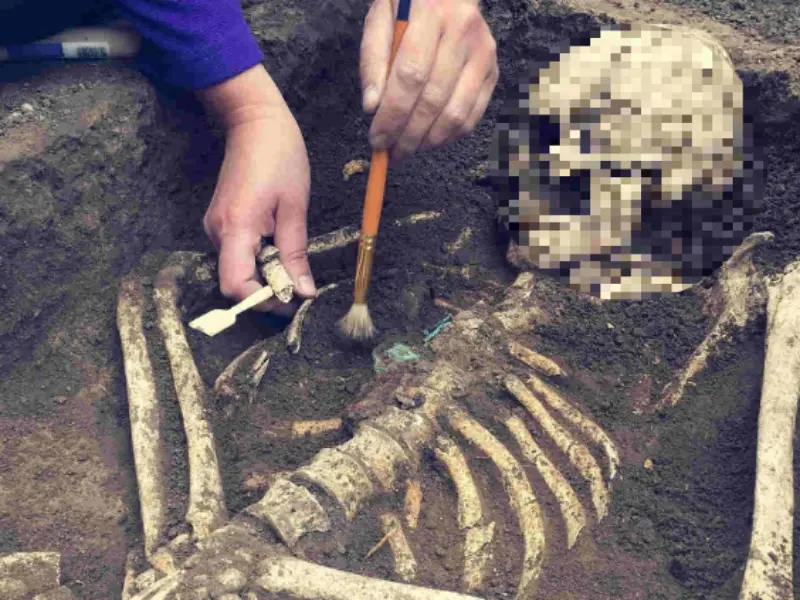
Because of the amazing abundance of hominid fossils found in East Africa, the rift there has become known as the “Cradle of Humankind.” These fossil discoveries have changed our knowledge of human evolution and stretched the chronology of our species’ beginnings millions of years back. Among the most well-known and important fossil finds have come from sites inside the rift valley system.
Found in Ethiopia’s Afar region in 1974, “Lucy,” a 3.2 million-year-old Australopithecus afarensis skeleton, is among the most famous findings. Lucy’s important proof of bipedalism in early human predecessors altered our understanding of human development. Other amazing discoveries are the Homo habilis specimens from Olduvai Gorge in Tanzania, some of the first members of our genus, and the Homo erectus fossils from Lake Turkana in Kenya, so illustrating the distribution of early humans over Africa.
These fossil finds have let paleoanthropologists piece together the convoluted tale of human development by exposing a varied family tree including several species coexisting at different times. The special geological circumstances of the rift valley, where sedimentary deposits and volcanic ash have shielded fossils for millions of years, has allowed the preservation of these ancient remnants feasible. New discoveries in the East African Rift keep honing and occasionally contradicting our knowledge of human beginnings as research goes on.
 zi ang