
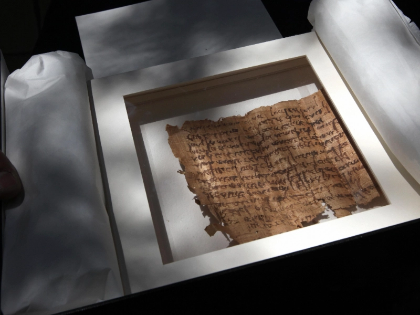
3. Deciphering Ancient Wisdom: The Challenges of Translation and Interpretation
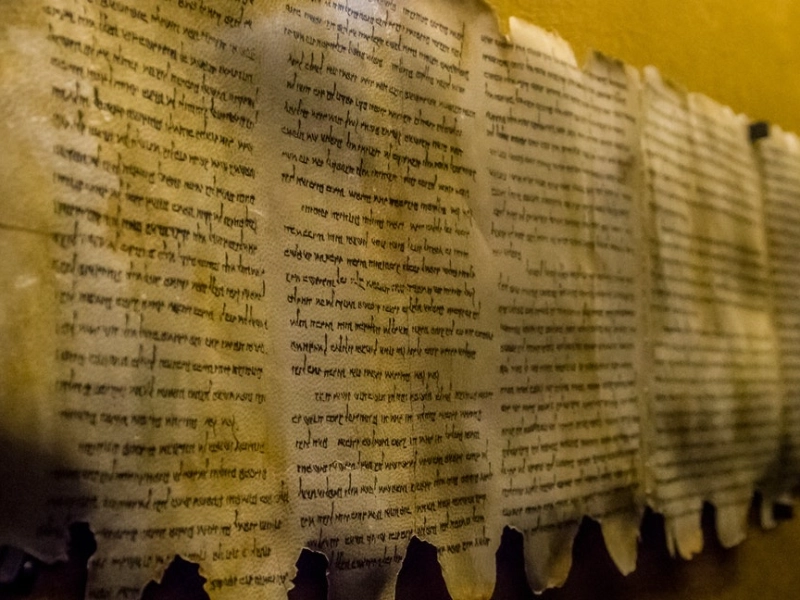
Translating and interpreting the Dead Sea Scrolls has been an enormous effort calling for the knowledge of linguists, historians, and biblical academics from all around the world. Deciphering these ancient manuscripts has presented difficulties ranging from the physical state of the scrolls to the complexity of ancient languages and cultural settings.
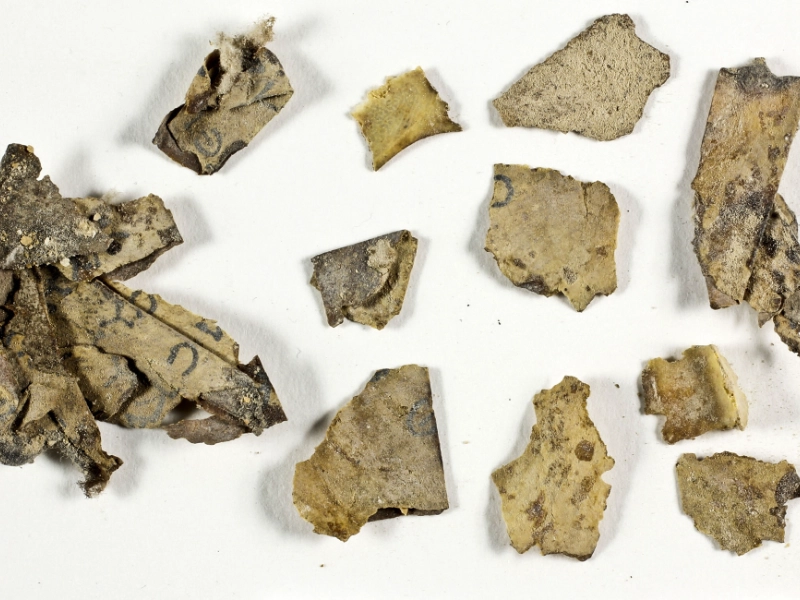
A main challenge translators encountered was the fragmentary character of many of the scrolls. Years of exposure to the elements have left many books unfinished or damaged even in the arid environment of the Qumran Caves. Often working with little pieces, scholars had to put them together like a sophisticated jigsaw puzzle. Along with language abilities, this approach demanded a thorough awareness of the historical and cultural background of the writings.
The language of the scrolls offered unique difficulties. Many were penned in Hebrew, but others in Greek or Aramaic. Often different from the standardised Biblical Hebrew, the Hebrew employed in the scrolls included unusual terminology and grammatical patterns. This forced translators to grow to have a sophisticated awareness of the development of the Hebrew language across time.
Deciphering the scroll contents presented another difficulty. Many books referenced obscure historical events, religious traditions, and cultural standards that were not commonly recognised. To properly contextualise and interpret the contents of the scrolls, academics have to combine a broad spectrum of disciplines—including archaeology, ancient history, and comparative religion.
The varied character of the writings themselves added still another level of difficulty to the translating and interpreting process. Along with biblical books, the Dead Sea Scrolls feature apocryphal writings, sectarian records, and hitherto unidentified compositions. Every kind of text needed a particular strategy and specific knowledge to translate and understand successfully.
The translation process has included arguments and controversies among academics right from beginning. Divergent readings of important texts have sparked vibrant scholarly debates and occasionally explosive arguments. These discussions have finally helped to provide a more complex and thorough awareness of the scrolls and their importance.
New technologies designed to help with translation and interpretation have emerged as technology has matured. While digital databases have made it simpler for academics to compare many scrolls and versions of texts, computer-assisted analysis has helped find trends in the writings. These technical developments have sped up research and created fresh paths of enquiry to help us interpret the scrolls.
4. Revelations and Revisions: How the Scrolls Changed Biblical Scholarship
Discovering the Dead Sea Scrolls has had a significant effect on biblical research since it questions accepted wisdom and offers fresh understanding of the evolution of the Hebrew Bible and early Judaism. These old books have made academics rethink how they see the Second Temple period’s diversity of Jewish thought and the spread of biblical texts.
Textual criticism of the Hebrew Bible has been among the Dead Sea Scrolls’ most important contributions. The oldest known full Hebrew Bible manuscripts from before their discovery was from the 10th century CE. Dating from the second century BCE, the Dead Sea Scrolls gave academics writings almost a thousand years older. This made it possible to closely study over time how biblical books were passed on and conserved.
Comparisons between the Dead Sea Scrolls and later biblical writings turned out both startling parallels and clear contrasts. Although many books had amazing uniformity, others revealed notable variances. This revelation questioned the idea of a single, authoritative form of the Hebrew Bible and proposed a more complicated process of textual evolution and standardising.
The scrolls also offered proof for the several literary traditions existing inside ancient Judaism. The scrolls featured, for instance, previously unheard-of variations of biblical literature including an enlarged form of the book of Jeremiah. These results have caused academics to reevaluate the variety of textual traditions that existed in ancient Israel and the manner the Biblical canon was developed
Beyond books from the Bible, the Dead Sea Scrolls have illuminated the complex tapestry of Jewish thought and practice throughout the Second Temple period. Particularly those related to the society of Qumran, the sectarian records discovered among the scrolls have given priceless insights into the varied theological terrain of ancient Judaism. These books expose a world of conflicting interpretations, messianic expectations, and hitherto little understood ceremonial customs.
Furthermore helping us to grasp the historical setting in which early Christianity developed are the scrolls. Many academics have pointed up parallels between some of the concepts in the Dead Sea Scrolls and early Christian doctrine. Though the precise nature of the interaction between the Qumran community and early Christianity is still up for discussion, the scrolls have given crucial background for knowledge of the religious landscape of first-century Palestine.
 zi ang