
3. The Role of Light in Cloud Photography

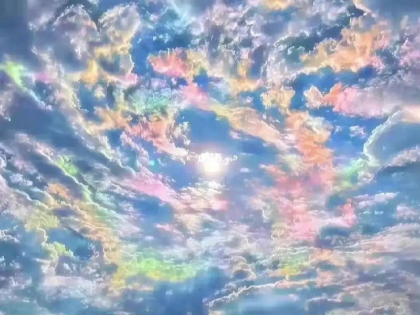
The core of photography is light, and cloud photography most clearly shows this. Photographers have an endless range of moods and settings to capture as the interaction of light and clouds produces an always shifting show in the heavens. Cloud photographers depend on an awareness of how light behaves at various times of the day. For cloud photography especially, the golden hours—just after sunrise and before sunset—are quite wonderful. The low angle of the sun during these times blankets clouds in warm, golden light, producing amazing color contrasts and long, dramatic shadows. For capturing the complexity and volume of cumulus clouds against a deep blue sky, midday light—often considered harsh for other kinds of photography—can be perfect. The shifting angle and color of light as the day goes on change the look of clouds and present fresh chances for artistic images. Photographers also have to be sensitive to the minute interactions of light both inside and outside clouds. Backlighting can provide dramatic silhouettes or highlight cloud edges, therefore providing a silver lining impression. Side-lighting reveals the form and structure of clouds, therefore improving their three-dimensional quality. The diffused light sifting a homogeneous layer of stratus clouds can produce a dreamy, ethereal atmosphere ideal for melancholy landscapes or portraits even on overcast days. Mastery of light in cloud photography depends on patience and observation; one must wait for that ideal time when the clouds and light line up to produce an amazing scene.
4. Composition Techniques for Cloud Photography
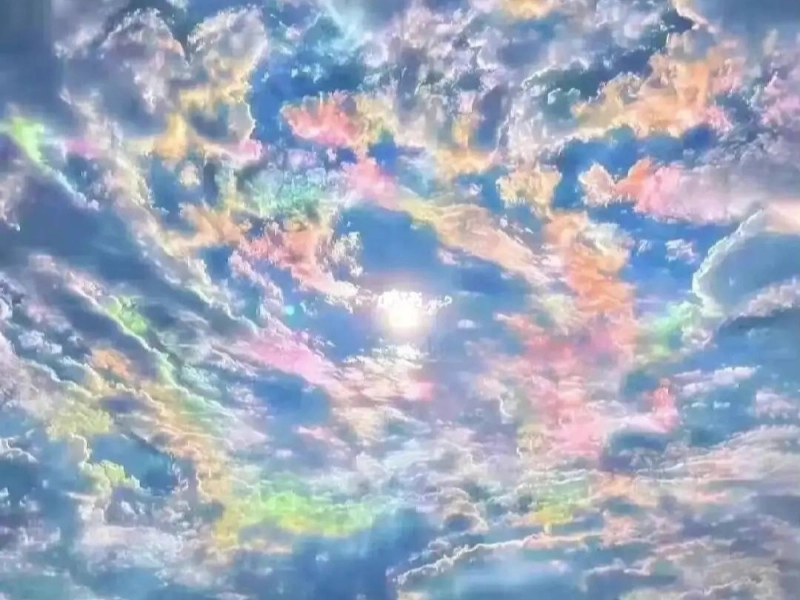
Making a great cloud picture calls for more than just pointing the camera skyward. In cloud photography, good composition is balancing the sky with other frame elements to produce a harmonic and interesting image. Starting from the rule of thirds—which divides the frame into a 3×3 grid—key items can be positioned along these lines or at their crossings. When photographing clouds, this can mean orienting a particularly intriguing cloud formation with one of the vertical lines or setting the horizon on the bottom third line to accentuate a dramatic sky. Another strong compositional device in cloud photography is leading lines. These can be natural features like rivers, roads, or mountain ridges that direct the observer’s sight toward the clouds, therefore establishing a connection between the ground and heavens. Another good method is framing, which gives the image perspective and scale by surrounding the cloud-filled sky with natural borders created from foreground components like trees or architectural details. Photographers should also give careful thought to their compositions’ negative to positive space balance. As negative space, the open sky let the eye relax and enjoy the cloud forms and textures. On the other hand, a simpler, less busy foreground would help a sky full of intricate cloud patterns to prevent overpowering the observer. Changing the focal length will drastically change the composition of cloud photos. While telephoto lenses let photographers isolate and highlight certain cloud formations or atmospheric events, wide-angle lenses can capture great, sweeping skyscapes.
 zi ang