
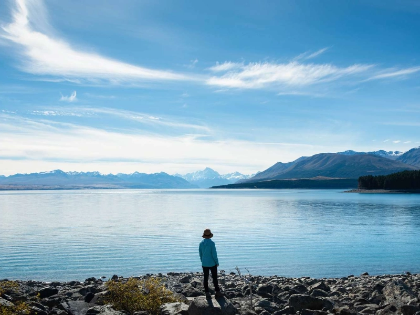
9. Five Flower Lake, China
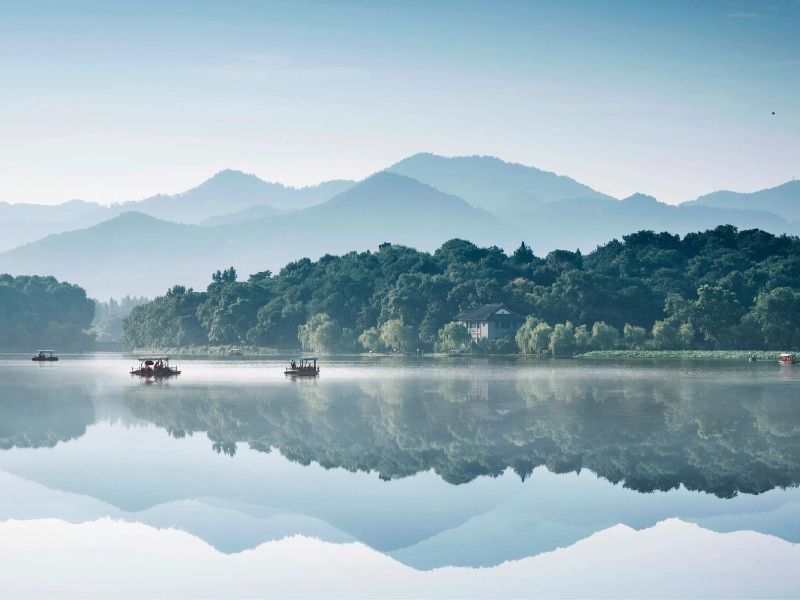
Five Flower Lake, in Jiuzhaigou Valley, has an amazing range of blue colors produced by combining mineral deposits, algae, and different depths. On its floor, the lake’s glistening clean waters expose old fallen trees preserved by their mineral-rich content. As sunlight interacts with various minerals and organic components in the lake, its unique colors vary throughout the day. Rich in calcium carbonate, the surrounding mountains’ geological makeup produces travertine deposits that naturally block the lake and add to its unusual chemical composition. While the high mineral concentration helps preserve organic materials at the bottom, scientific research have discovered that the lake’s intricate ecosystem includes uncommon types of algae that add to its multi-colored look. Being a UNESCO World Heritage site guarantees the lake’s preservation, which enables scientists to investigate how biological processes mix with natural mineral deposits to produce such remarkable visual effects.
10. Blue Lake, Mount Gambier, Australia
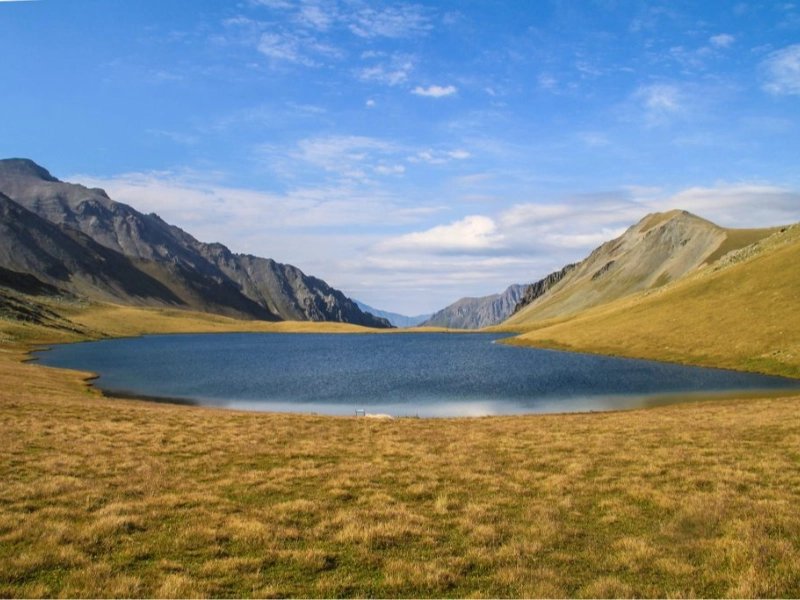
From steel grey to vivid azure blue, this volcanic crater lake changes colour significantly all year long. Different water temperatures influencing the formation of calcite crystals in the water produce color changes. The depth of the lake and the underlying limestone geology help to explain its unusual chemical makeup and color-changing qualities. Maintaining the lake’s water level and mineral concentration, underground aquifers feed it through a sophisticated network of sinkholes and caverns. Studies have indicated that although the lake’s remoteness from surface water sources helps preserve its purity, its water changes entirely every ten years through a natural filtration process. With the lake itself occupying one of numerous extinct volcanic craters defining the area, the surrounding volcanic terrain offers evidence of the geological history of the region.
 zi ang