
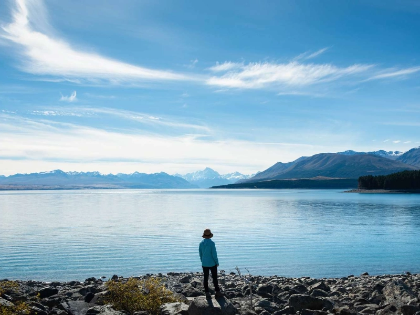
5. Moraine Lake, Canada
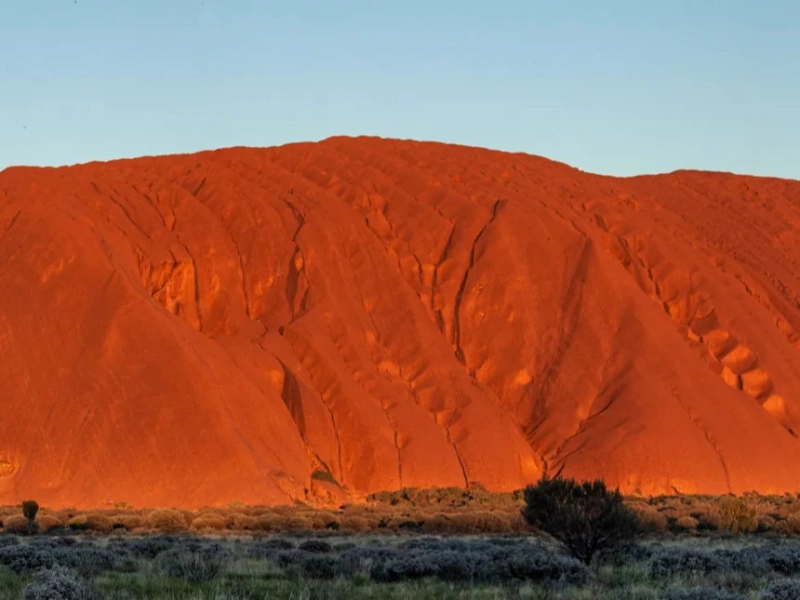
Moraine Lake, in the Valley of the Ten Peaks, shows a strong blue hue that changes with the seasons and light. Refraction of light off rock flour deposited by glacial meltwater produces the lake’s tint. Rising sharply from the lakehore, the surrounding peaks help to provide the lake’s unique tint by contributing to the ongoing supply of glacial material. The surface elevation of the lake varies with the year; it rises most in mid-to-late summer when glacial melt is strongest. Thousands of years ago, glaciers deposited the moraine that creates the natural dam producing the lake; its composition helps filter the water entering the lake. Ancient rock formations spanning millions of years contribute varied mineral compositions to the lake’s waters from the surrounding watershed. Rare forms of phytoplankton that flourish in these cold, mineral-rich waters are among the unusual alpine species supported by the lake’s environment.
6. Lake Tahoe, USA
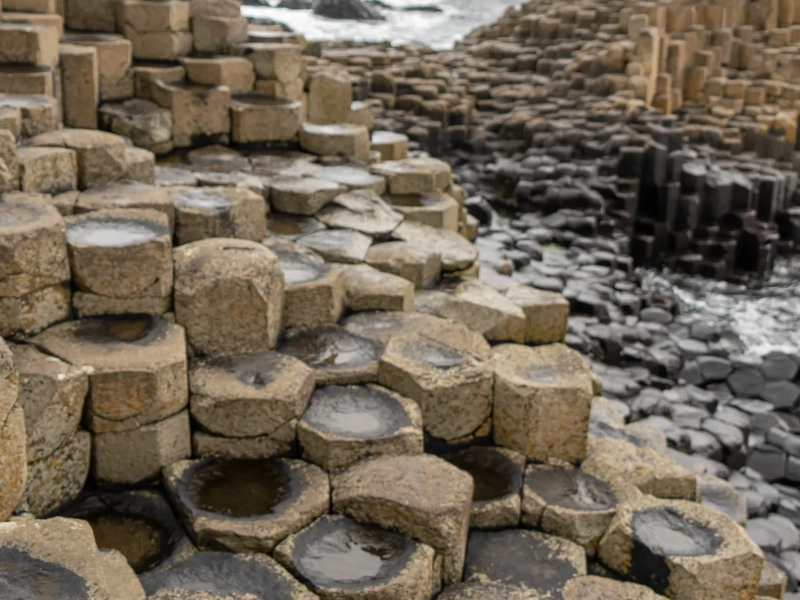
Lake Tahoe’s glistening blue waves, which straddles the California-Nevada border, come from a special mix of depth, purity, and low algae count. The adjacent granite watershed, which produces little silt, helps the lake’s average clarity depth to be almost 70 feet. The remarkable cleanliness of the water lets sunlight reach far into the lake, producing a magnificent blue hue as light waves are scattered and absorbed at varied depths. The mountain environment and great height of the lake help to preserve its immaculate state. Urban growth and climate change have challenged the lake’s clarity preservation goals of recent conservation initiatives. Estpected to be two million years old, the lake is among the oldest in North America and offers researchers rich geological and biological records. The lake’s particular chemistry, depth, and elevation produce conditions that favor endemic species not found anywhere else in the globe.
 zi ang