
Grappling with the future
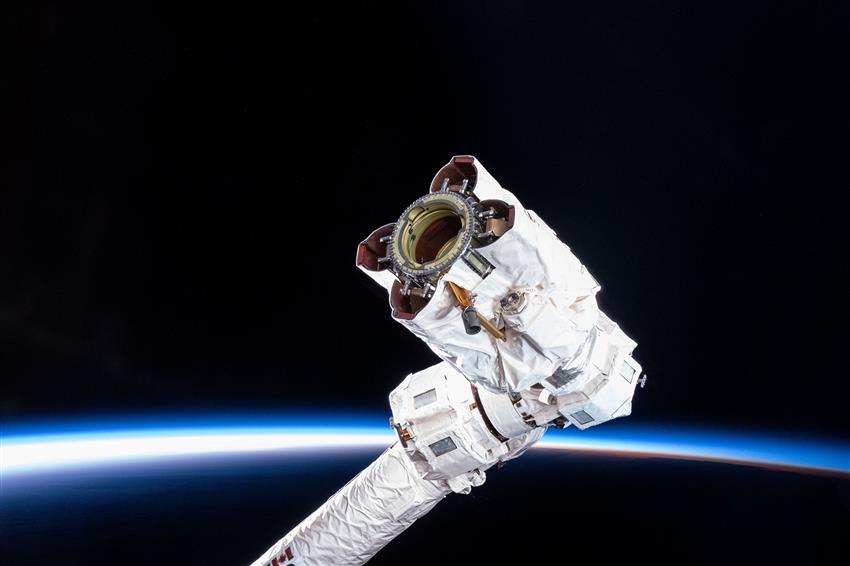
As the International Space Station (ISS) soared over the South Pacific Ocean, the tip of Canadarm2, known as the Latching End Effector, was seen posing in front of an orbital sunrise.
Credit: NASA
Things are heating up
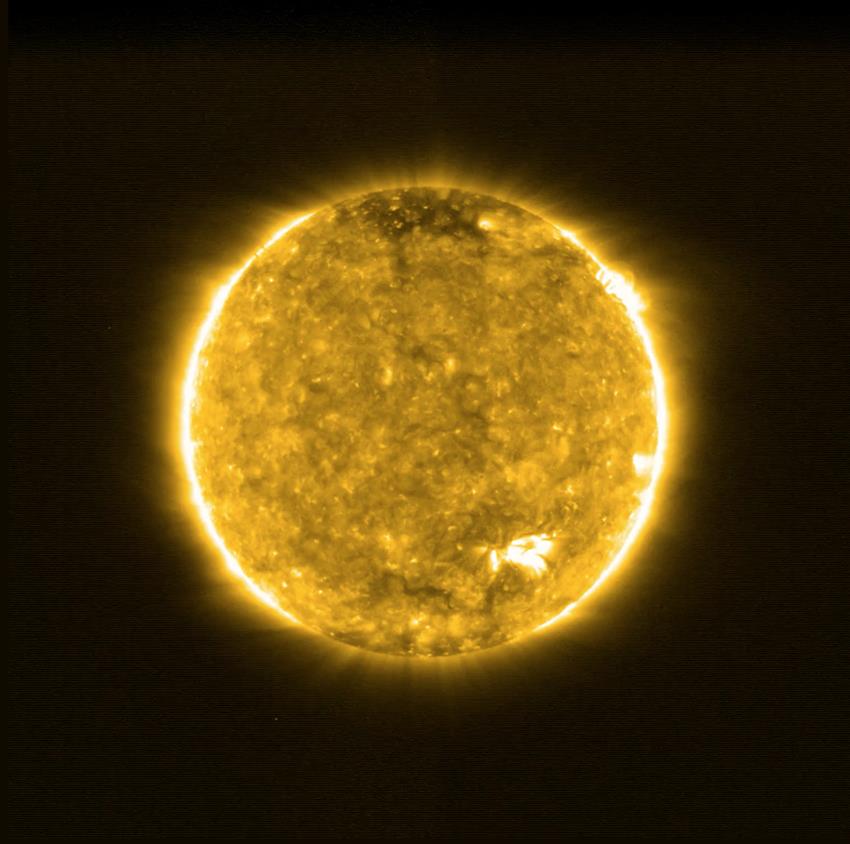
In , ESA and NASA’s Solar Orbiter spacecraft got within 77 million km of the Sun and snapped the closest picture ever of our star. These images will help scientists piece together its atmospheric layers to understand how the Sun drives space weather near Earth and throughout the solar system.
Credits: Solar Orbiter/EUI Team/ESA & NASA, CSL, IAS/MSSL
Martian selfie
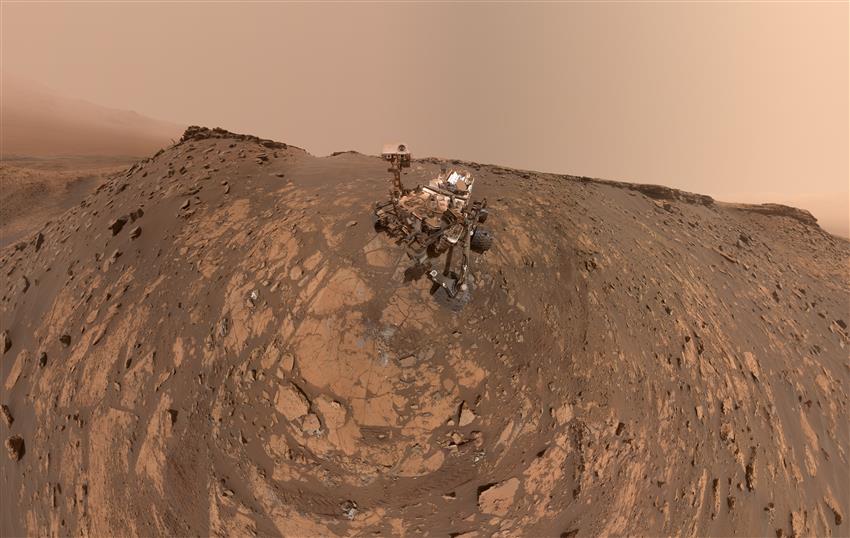
Moments before setting a record for the steepest terrain it has ever climbed, NASA’s Curiosity rover took a selfie. This selfie is composed of 86 individual images taken by the Mars Hand Lens Imager camera on the end of the rover’s robotic arm that were stitched into a panorama. In , NASA’s Mars 2020 rover, Perseverance, will land on Martian soil. Canada is part of this first-ever project to collect, seal, and store rock samples on the red planet for possible return to Earth.
Credit: NASA/JPL-Caltech/MSSS
Good night, Vancouver
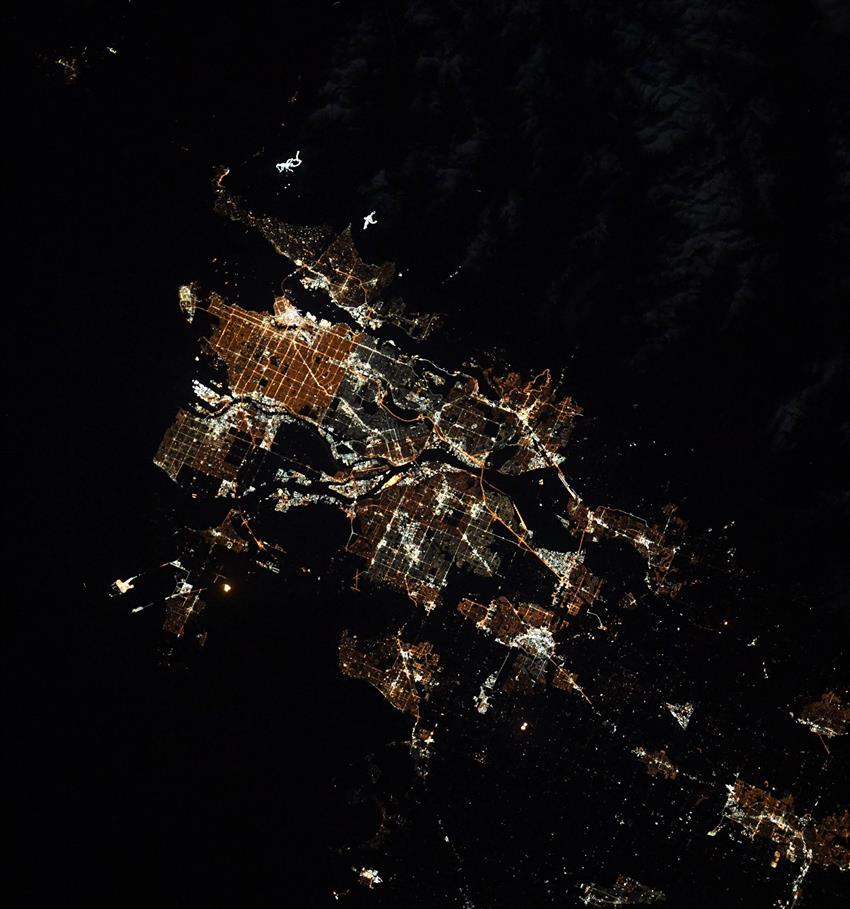
During her 205-day mission, NASA astronaut Jessica Meir captured the home of the Winter Olympic Games from the ISS. Did you know that Jessica spent three years studying at the University of British Columbia?
Credit: NASA
Tag, you’re it!
On , NASA’s OSIRIS-REx spacecraft swooped down to the surface of asteroid Bennu and successfully collected and stored a sample. The Canadian instrument OSIRIS-REx Laser Altimeter (OLA) aboard the spacecraft played a crucial role in selecting the sample site, Nightingale.
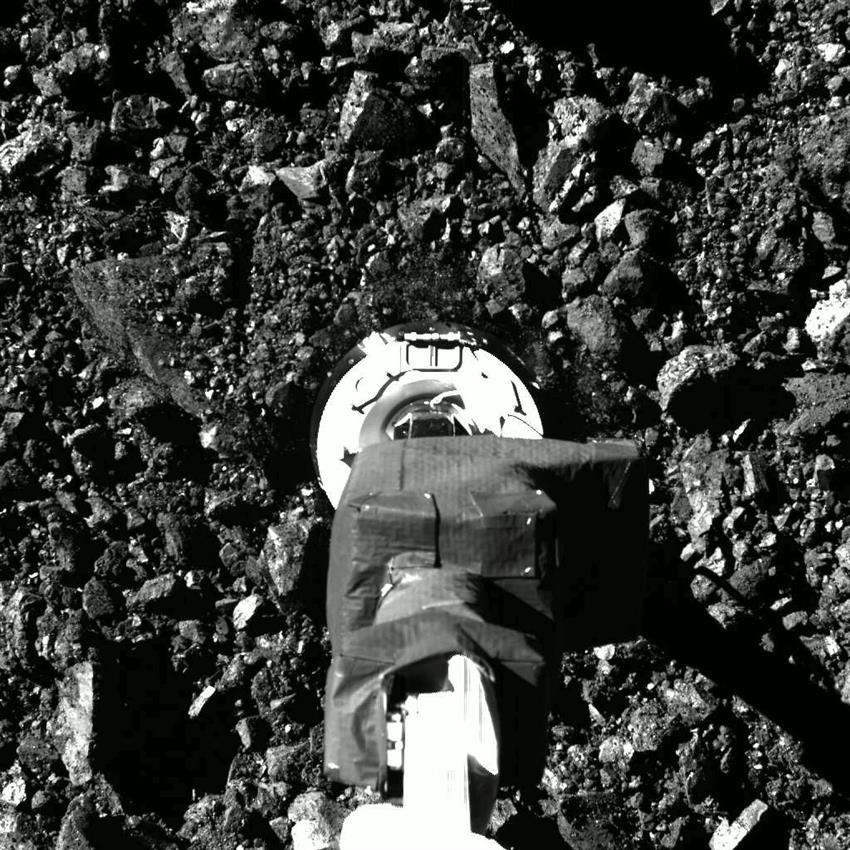
Credit: NASA/Goddard/University of Arizona
Floods in Nepal
In , monsoon rains caused disastrous floods and landslides in the central and eastern districts of Nepal. As a founding member of the International Charter “Space and Major Disasters,” Canada provided images from the RADARSAT Constellation Mission satellites after the floods occurred. This image was colourized to highlight the flooded areas.
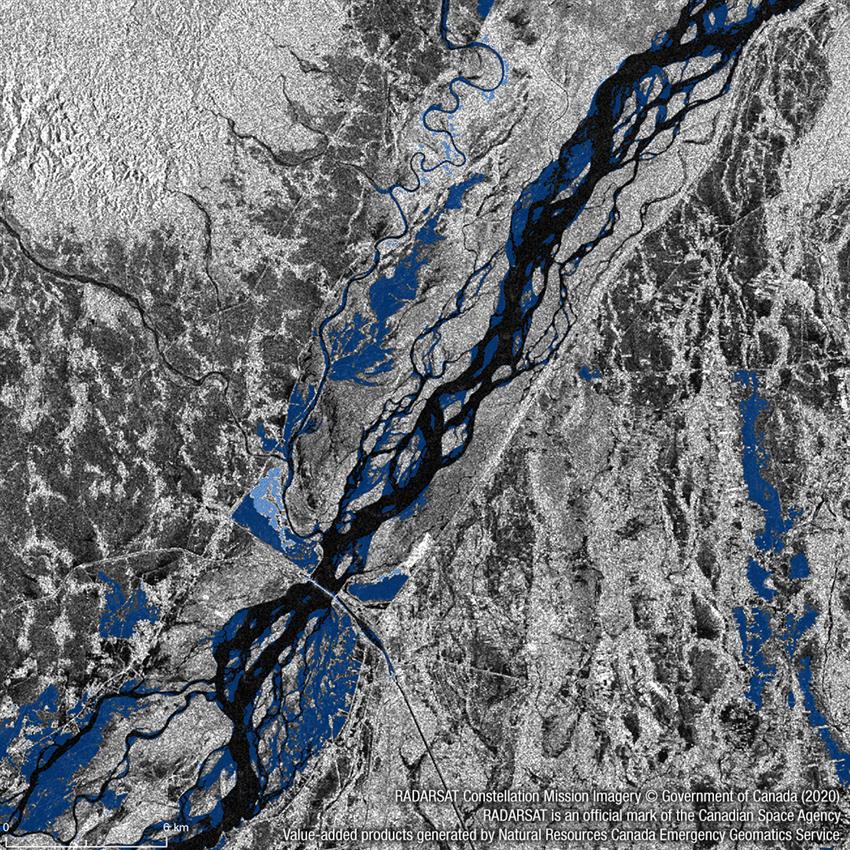
Credit: RADARSAT Constellation Mission Imagery © Government of Canada (). RADARSAT is an official mark of the Canadian Space Agency. Value-added products generated by Natural Resources Canada Emergency Geomatics Service.
Welcome to your new home, Crew Dragon!
On , SpaceX launched its first crewed mission, known as Crew Dragon Demo-2, to the ISS. NASA astronauts Robert Behnken and Douglas Hurley were the first astronauts to launch from American soil since 2011. The nose cone in the photo reveals the spacecraft’s docking mechanism, which allows the ship to connect to the Harmony module’s forward International Docking Adapter.
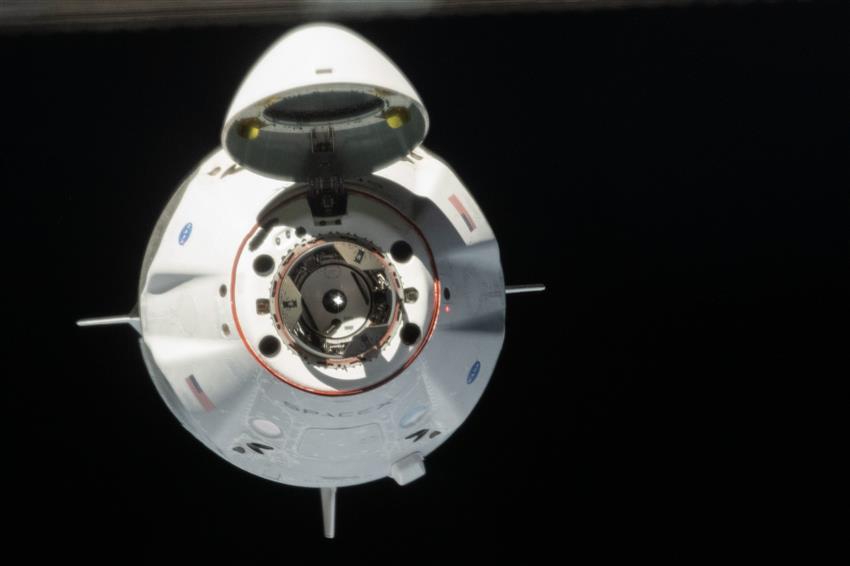
Credit: NASA
Hurricane Laura observed from the ISS
During his space mission, NASA astronaut Chris Cassidy shared his view of the dangerous Hurricane Laura as it advanced across the Gulf of Mexico toward Louisiana.
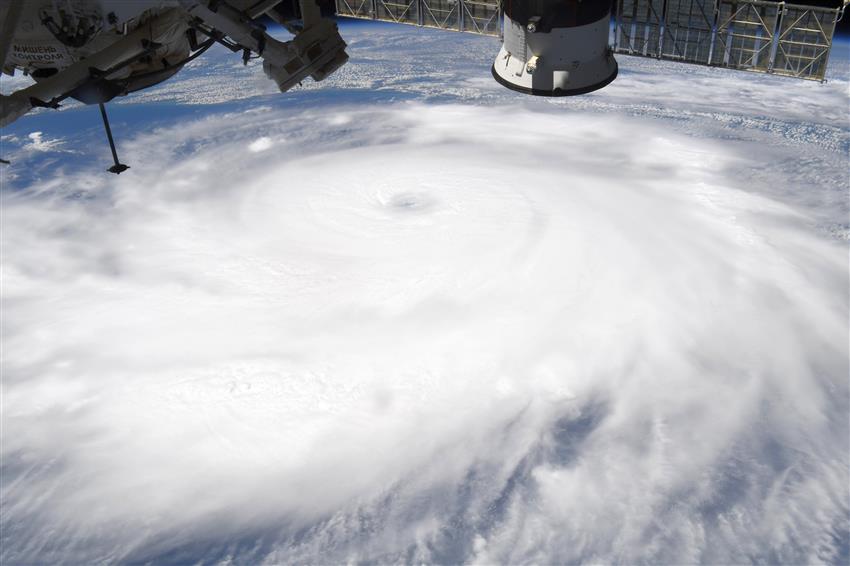
Credit: NASA
Astronaut hitching a ride
ESA astronaut Luca Parmitano is pictured attached to the Canadarm2 robotic arm while finalizing his tasks during a spacewalk that lasted 6 hours and 16 minutes.
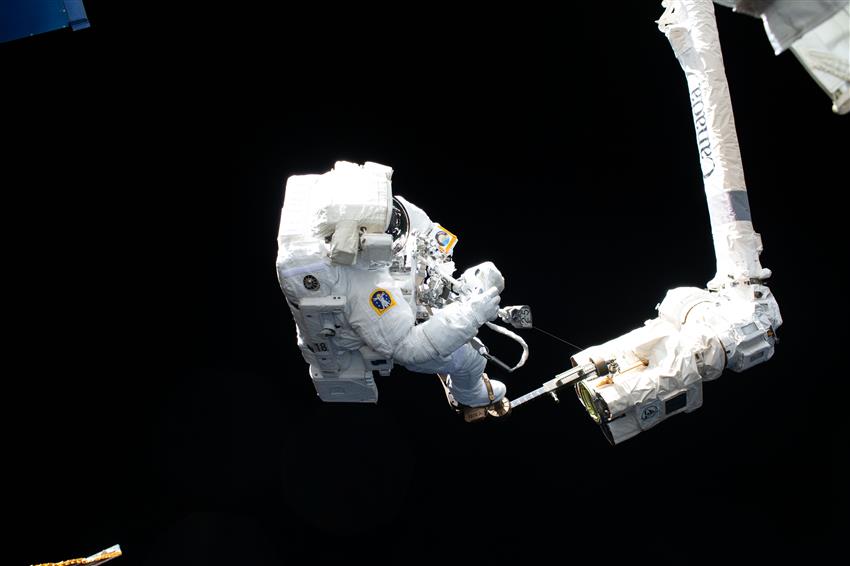
Credit: NASA/ESA
Visit from an interstellar traveller
In July, we were amazed by the brightest comet to grace the northern hemisphere in decades, Comet NEOWISE. Sky watchers from Earth and space alike gazed at and photographed the interstellar object as it skimmed above our planet.
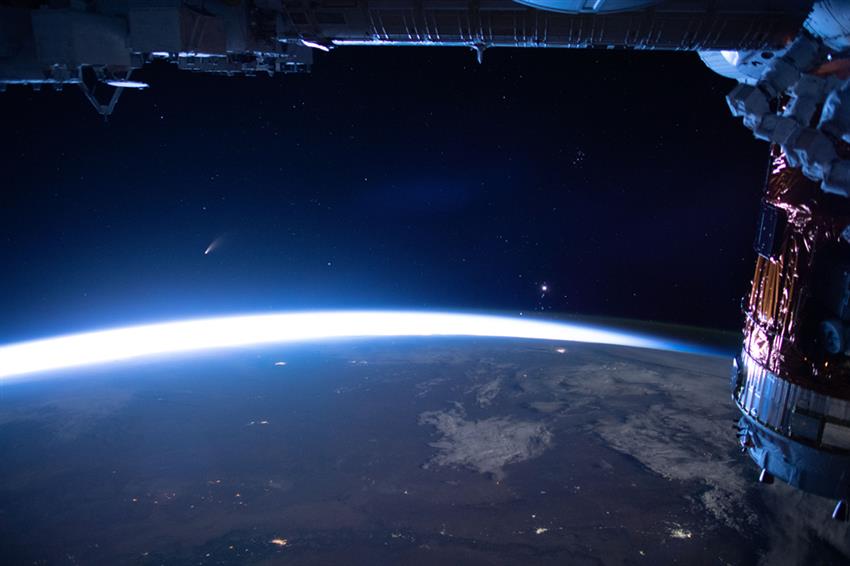
Credit: NASA
Satellites tracking Australia’s wildfires
Australia was hit with a devastating wildfire season, fuelled by a long and intense drought. Satellites from space agencies around the world tracked the massive fires. Canada plans to launch WildFireSat in 2025 to support wildfire management in our country.
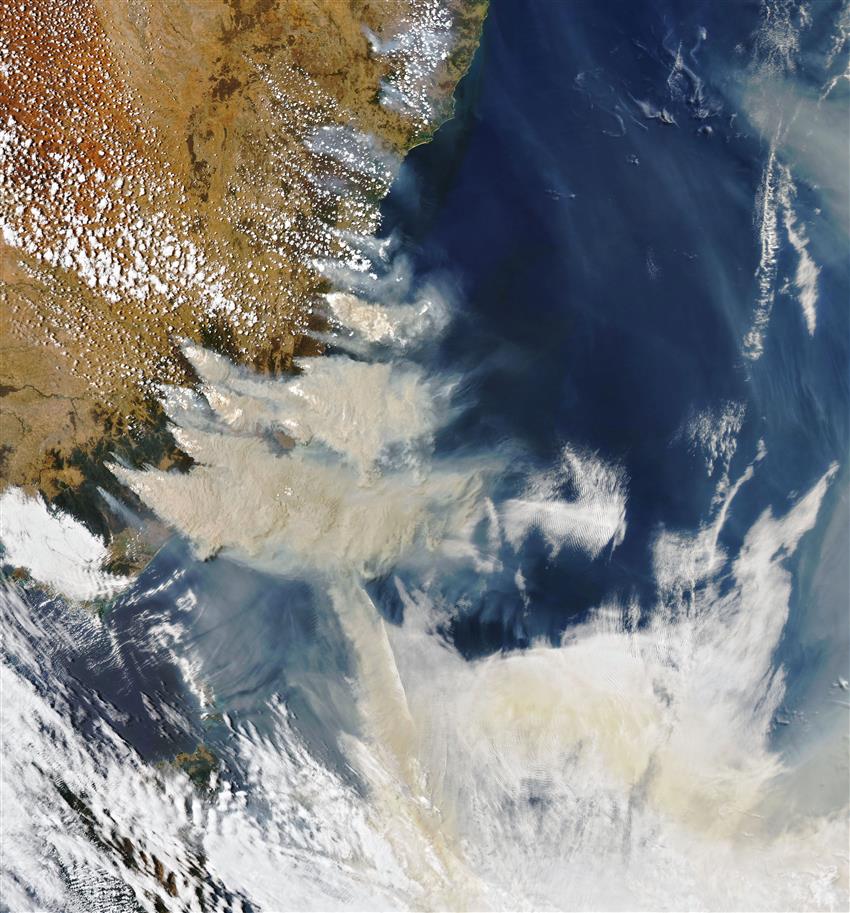
Credits: NASA Earth Observatory/Joshua Stevens, MODIS data from NASA EOSDIS/LANCE and GIBS/Worldview, NASA
Summertime on Saturn
Being this photogenic, Saturn is unquestionably the Lord of the Rings. NASA’s Hubble Space Telescope captured this image of Saturn with two of its icy moons, Mimas (right) and Enceladus (bottom), clearly visible. These images help astronomers track the shifting weather patterns and storms on gas planets.
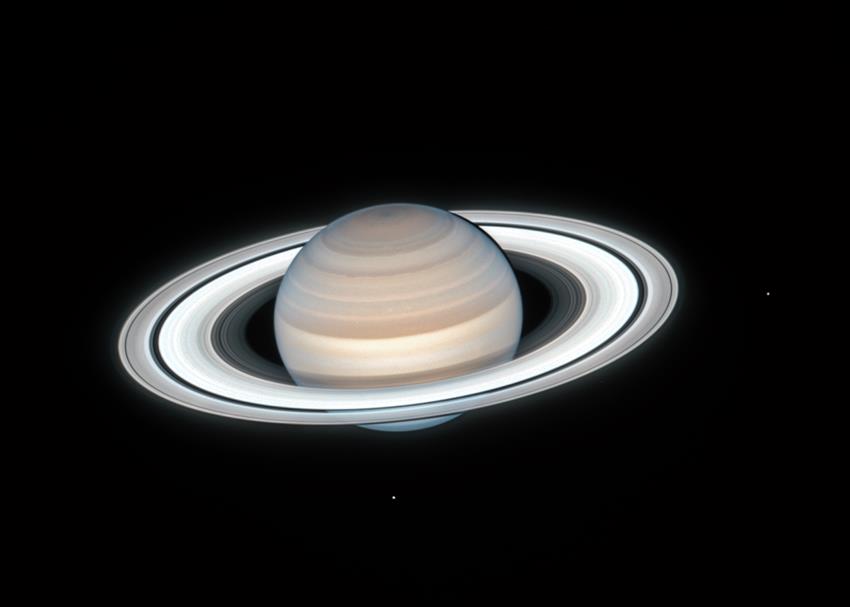
Credits: NASA, ESA, A. Simon (Goddard Space Flight Center), M.H. Wong (University of California, Berkeley), OPAL team
The present and the future
Patiently waiting for its next grapple, Canadarm2 is seen catching a break in front of the Moon. In , Canada announced Canadarm3, its contribution to the United States-led Lunar Gateway. The Gateway will be a space station in lunar orbit which serves as an important part of an ambitious plan to send humans deeper into space than we have ever been.
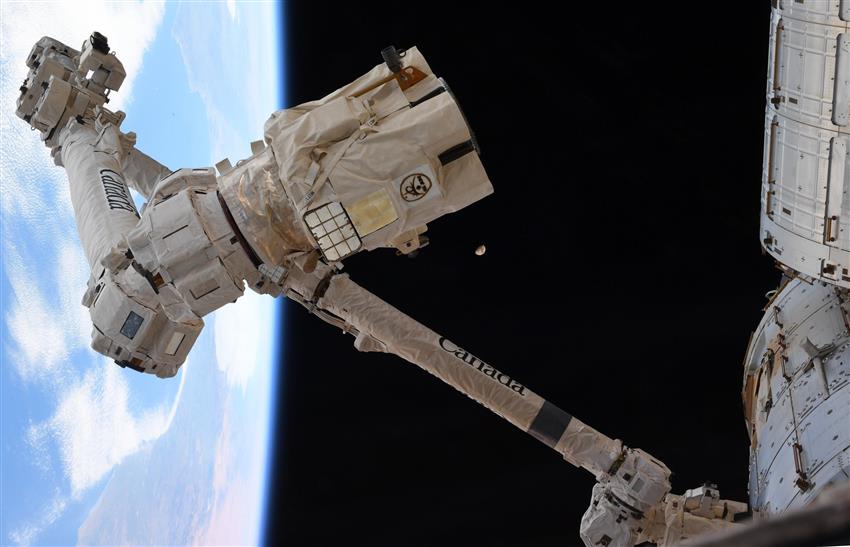
Credit: NASA
A band of light
The Hubble Space Telescope spotted this small section of the Cygnus supernova blast wave which appears as a delicate streak of light. Over 2,400 light-years away, the blast was from a supernova explosion that tore apart a dying star 20 times more massive than our Sun.
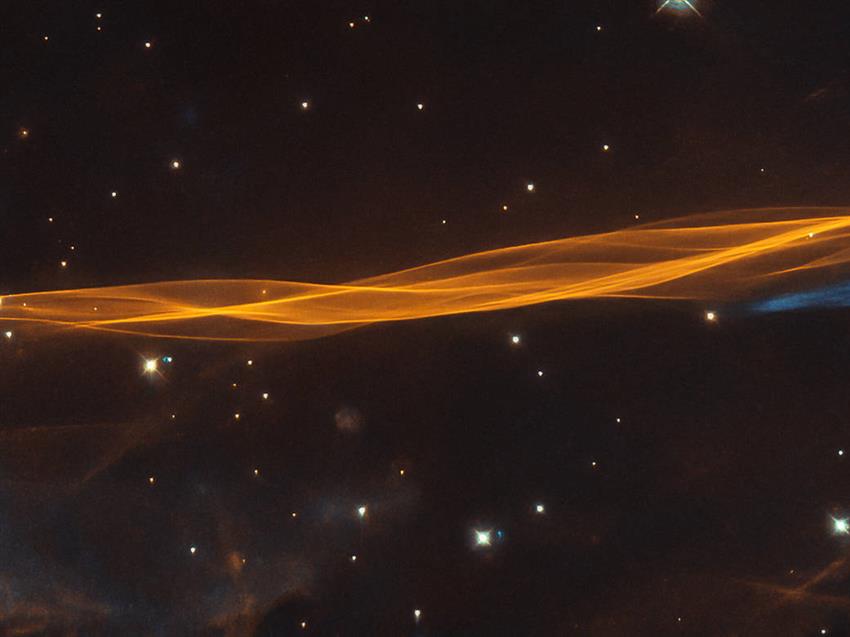
Credits: ESA/Hubble/NASA, W. Blair; acknowledgment: Leo Shatz
Thick smoke blanketing the U.S. West Coast
Satellite data from international space agencies aided efforts to track smoke from wildfires on the U.S.’s West Coast. Captured on September 10, this Copernicus Sentinel-3 image shows the extent of the smoke plume.
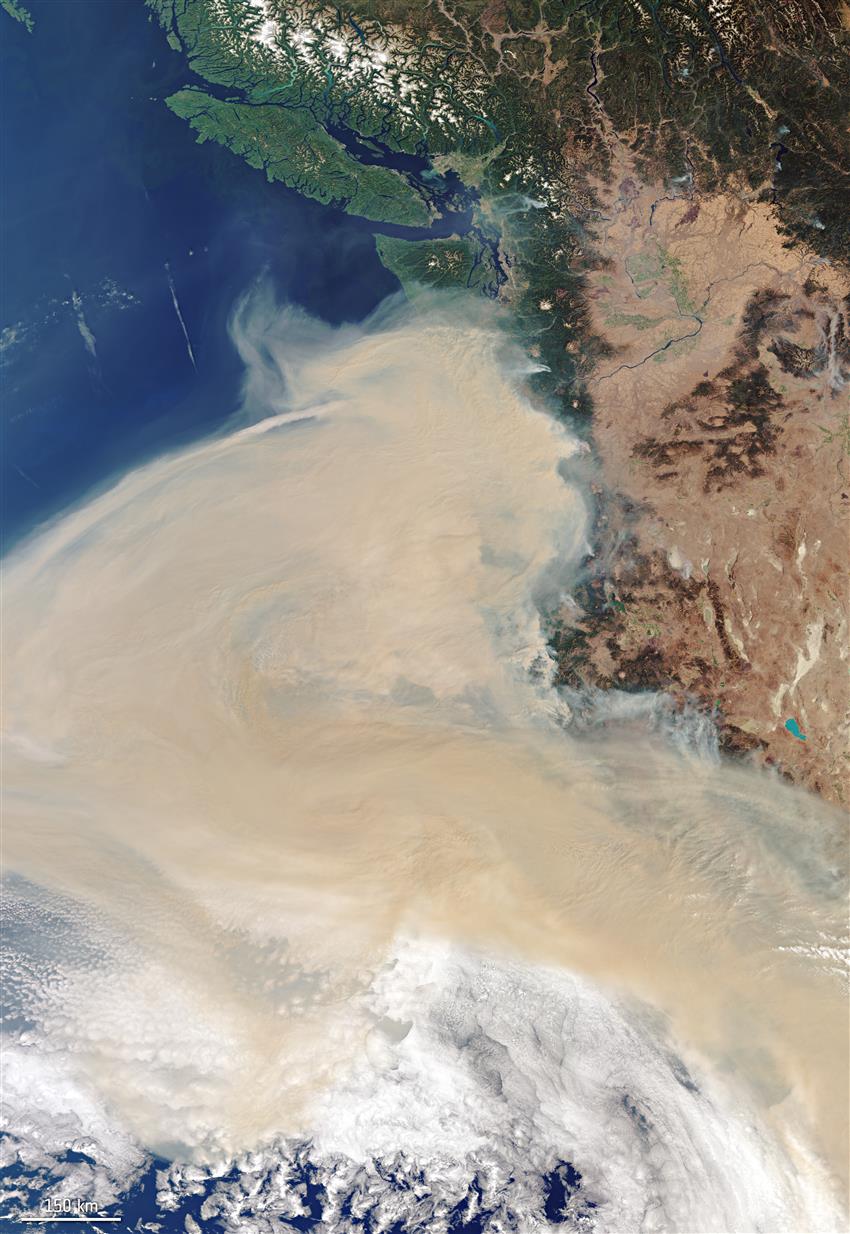
Credits: Copernicus Sentinel data (), processed by ESA
A photo bomb from one of Jupiter’s moons
This close-up image captured by the Hubble Space Telescope provides researchers with an update on Jupiter‘s extreme weather conditions. In the North, you can see a long white storm where winds rage at about 560 km per hour. Left of the gas giant is its icy moon, Europa.
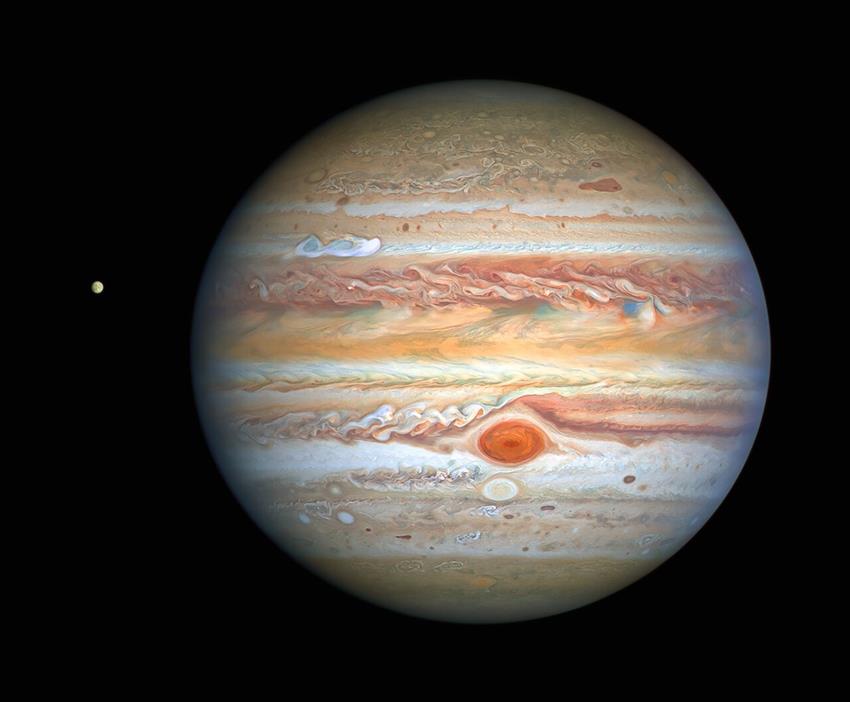
Credits: NASA, ESA, A. Simon (Goddard Space Flight Center), and M. H. Wong (University of California, Berkeley) and the OPAL team
All-female spacewalk
After making history in by performing the first all-female spacewalk, NASA astronauts Jessica Meir and Christina Koch took part in their third spacewalk together on . In the reflection of Jessica Meir’s helmet is Christina Koch, taking a quick photo as her crewmate finishes upgrading power systems on the ISS‘s Port-6 truss structure.
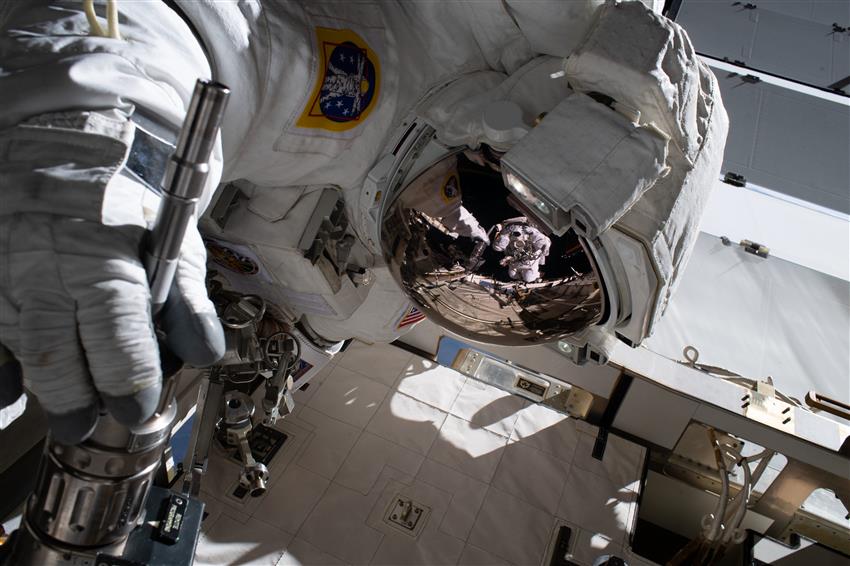
Credit: NASA
The liveliness of youth
The star cluster Westerlund 2, captured by the Hubble Space Telescope, is home to young stars surrounded by dense clouds of interstellar dust that’s in the process of birthing new planets.
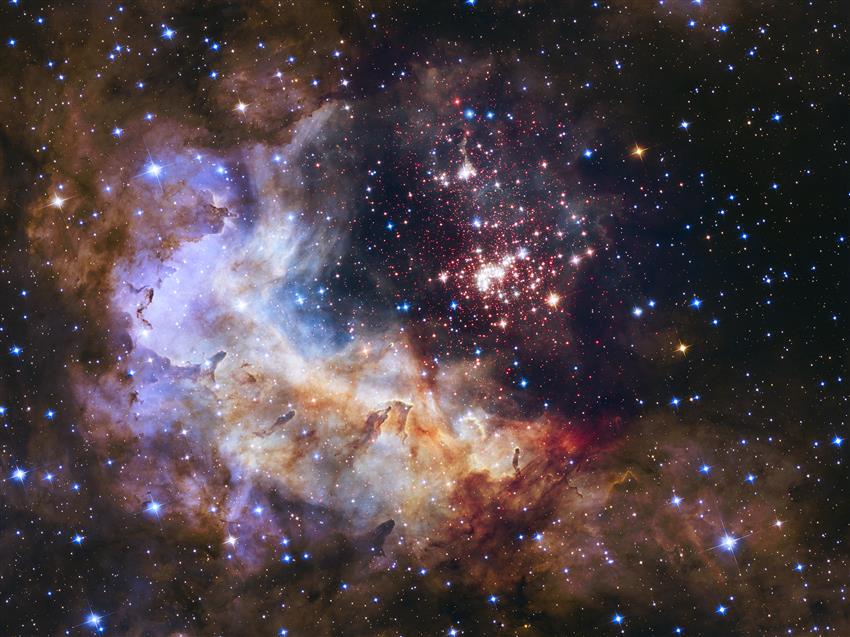
Credits: NASA, ESA, the Hubble Heritage Team (STScI/AURA), A. Nota (ESA/STScI), and the Westerlund 2 Science Team
Auroras
An impressive dance of auroras around the orange airglow of Earth’s upper atmosphere. This colourful view was captured by NASA astronaut Chris Cassidy during his 196-day stay aboard the ISS.
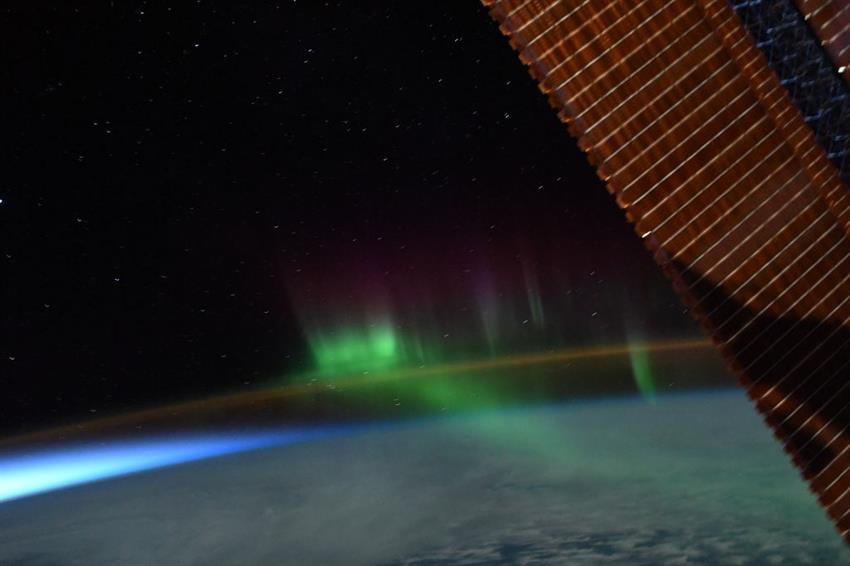
Credit: NASA
Ice eddies in the Gulf of St. Lawrence
The oceans’ movements are not always easy to track in space, but the swirling patterns caused by sea ice help satellites detail their paths. NASA’s Aqua satellite captured this image of sea ice forming delicate patterns around Anticosti Island in Quebec, Canada, and eddies in the Gulf of St. Lawrence.
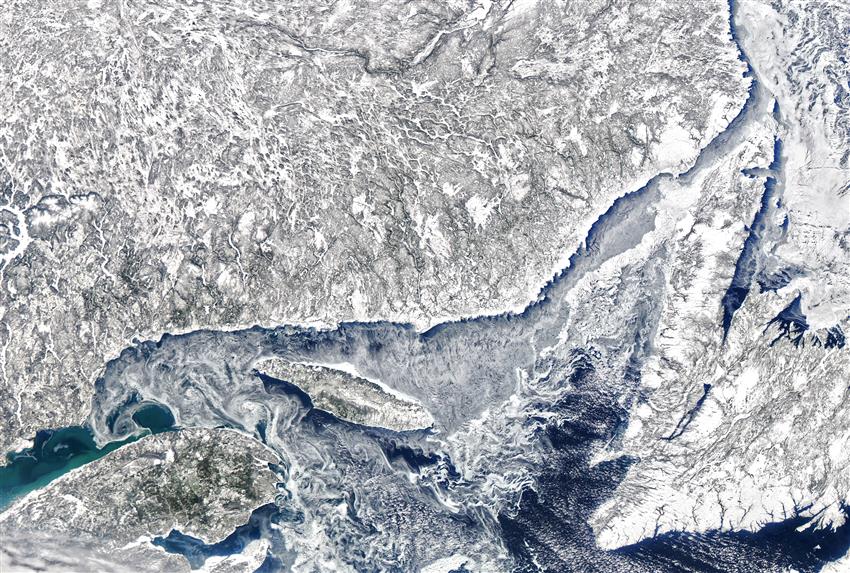
Credits: NASA Earth Observatory, Joshua Stevens-16 data from the NOAA-NASA GOES-R Mission, MODIS data from NASA EOSDIS/LANCE and GIBS/Worldview