
1. The Hoba Meteorite

Our journey begins with the Hoba meteorite, the largest known meteorite on Earth. Discovered in Namibia, this colossal mass of iron and nickel, weighing over 60 tons, stands as a testament to the sheer power and mystery of space objects. The Hoba meteorite is not only remarkable for its size but also for its fascinating history and scientific significance.
The Hoba meteorite was discovered in 1920 by a farmer named Jacobus Hermanus Brits while plowing his fields. The plow struck something hard, and upon investigation, Brits unearthed the massive iron object. Initially, it was believed to be a large boulder, but further examination revealed its extraterrestrial origin. The meteorite’s discovery was a significant event, drawing attention from scientists and the general public alike.
Composed primarily of iron (about 84%) and nickel (about 16%), the Hoba meteorite is classified as an ataxite, a rare type of iron meteorite with a high nickel content. Its composition and structure have provided valuable insights into the formation and differentiation of planetary bodies in our solar system. The Hoba meteorite’s unique characteristics have made it a subject of extensive scientific study, contributing to our understanding of the processes that shape celestial objects.
One of the most intriguing aspects of the Hoba meteorite is its relatively flat and smooth surface. Unlike most meteorites, which are often irregularly shaped and heavily weathered, the Hoba meteorite appears to have undergone minimal erosion since its arrival on Earth. This has led scientists to speculate about the meteorite’s entry trajectory and impact dynamics. Some theories suggest that the Hoba meteorite entered the Earth’s atmosphere at a low angle, reducing its velocity and preventing it from forming a crater upon impact. Instead, it is believed to have landed gently, preserving its original shape and size.
The Hoba meteorite’s immense weight and size have also posed challenges for its preservation and study. Due to its massive weight, the meteorite has remained in its original location since its discovery. Efforts to move or transport it have been deemed impractical, and as a result, the Hoba meteorite has become a protected national monument in Namibia. Visitors from around the world come to marvel at this incredible space rock, which serves as a tangible connection to the cosmos.
In addition to its scientific significance, the Hoba meteorite holds cultural and historical importance. It has become a symbol of Namibia’s rich natural heritage and a source of pride for the local community. The meteorite’s discovery and subsequent studies have also highlighted the importance of meteorites in understanding the history and evolution of our planet.
In conclusion, the Hoba meteorite stands as a remarkable testament to the power and mystery of space objects. Its immense size, unique composition, and well-preserved state make it a valuable scientific resource and a fascinating subject of study. As we continue to explore the mysteries of the universe, the Hoba meteorite serves as a reminder of the incredible forces at play in the cosmos and the enduring allure of space rocks.
2. The Allende Meteorite
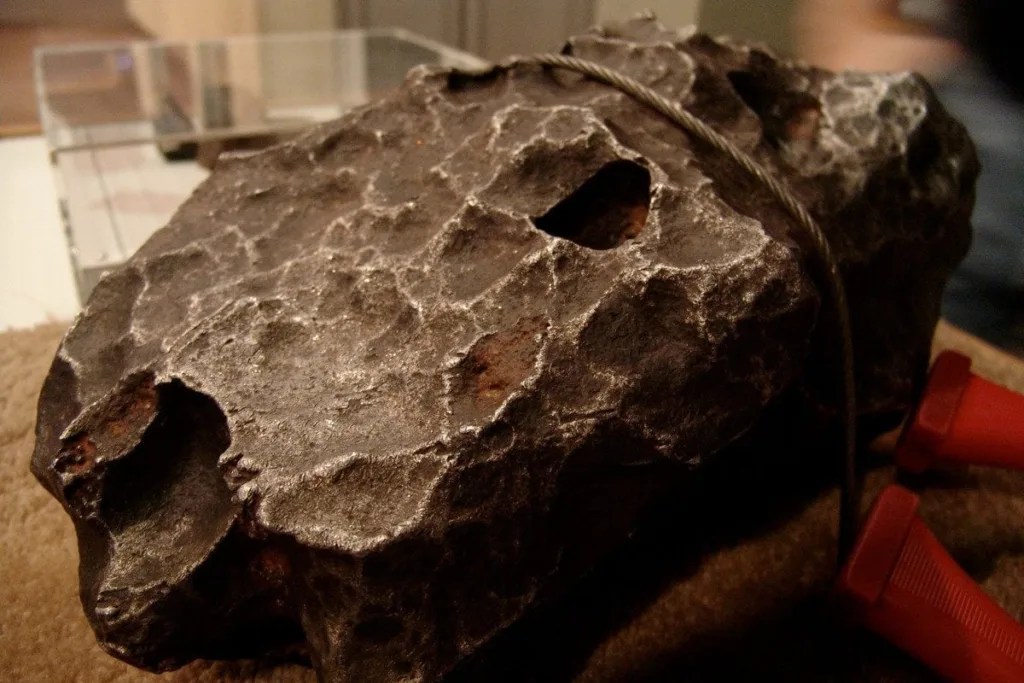
Venturing into the realm of carbonaceous chondrites, the Allende meteorite takes center stage. This Mexican meteorite is renowned for its rich organic compounds and pristine stardust, offering scientists a glimpse into the building blocks of our solar system. The Allende meteorite’s discovery and subsequent studies have provided invaluable insights into the origins of our solar system and the processes that led to the formation of planets and other celestial bodies.
The Allende meteorite fell to Earth on February 8, 1969, in the Mexican state of Chihuahua. Witnesses reported a spectacular fireball streaking across the sky, followed by a series of loud explosions. The meteorite broke apart during its descent, scattering thousands of fragments over a wide area. The largest fragments weighed several kilograms, while smaller pieces were collected from the surrounding landscape. The event attracted the attention of scientists and meteorite enthusiasts, who quickly recognized the significance of the find.
Classified as a CV3 carbonaceous chondrite, the Allende meteorite is composed of a diverse array of minerals and organic compounds. Its matrix contains chondrules, calcium-aluminum-rich inclusions (CAIs), and presolar grains—tiny particles that predate the formation of our solar system. These components provide a unique snapshot of the early solar nebula, the cloud of gas and dust from which our solar system formed. By studying the Allende meteorite, scientists have gained valuable insights into the conditions and processes that shaped the early solar system.
One of the most intriguing aspects of the Allende meteorite is its rich organic content. The meteorite contains a variety of organic molecules, including amino acids, which are the building blocks of life. The presence of these organic compounds has sparked interest in the potential role of meteorites in the origin of life on Earth. Some researchers hypothesize that meteorites like Allende may have delivered essential organic molecules to the early Earth, providing the raw materials for the development of life. The study of the Allende meteorite has thus contributed to our understanding of the potential connections between space rocks and the emergence of life.
The Allende meteorite has also played a crucial role in refining our understanding of the chronology of the solar system. Radiometric dating of the meteorite’s components has provided precise age estimates for various stages of solar system formation. For example, the CAIs within the Allende meteorite have been dated to approximately 4.567 billion years ago, making them some of the oldest known solid materials in the solar system. These age determinations have helped establish a timeline for the formation and evolution of the solar system, providing a framework for understanding the processes that led to the creation of planets and other celestial bodies.
In addition to its scientific significance, the Allende meteorite has become a prized specimen for collectors and museums. Its unique composition and historical importance make it a valuable addition to meteorite collections worldwide. Fragments of the Allende meteorite are displayed in museums and research institutions, where they continue to inspire and educate the public about the wonders of space and the origins of our solar system.
In conclusion, the Allende meteorite stands as a remarkable window into the early solar system. Its rich organic content, diverse mineralogy, and ancient origins make it a valuable scientific resource and a fascinating subject of study. As we continue to explore the mysteries of the universe, the Allende meteorite serves as a reminder of the complex and interconnected processes that have shaped our solar system and the potential connections between space rocks and the origins of life.
3. The Sikhote-Alin Meteorite

Witness to a spectacular meteor shower in 1947, the Sikhote-Alin meteorite crashed in Siberia, leaving a field of impact craters. Its dramatic descent and explosive arrival make it one of the most visually striking meteorites in recorded history. The Sikhote-Alin meteorite’s fall and subsequent studies have provided valuable insights into the dynamics of meteorite impacts and the processes that shape meteoritic fragments.
The Sikhote-Alin meteorite fell to Earth on February 12, 1947, in the Sikhote-Alin Mountains of eastern Siberia, Russia. Witnesses described a brilliant fireball that lit up the sky, followed by a series of loud explosions and a shower of metallic fragments. The meteorite broke apart during its descent, creating a strewn field of impact craters and scattered debris over an area of several square kilometers. The event was one of the largest and most well-documented meteorite falls of the 20th century, attracting the attention of scientists and the public alike.
Classified as an iron meteorite of the IIAB group, the Sikhote-Alin meteorite is composed primarily of iron (about 93%) and nickel (about 6%), with trace amounts of other elements. Its composition and structure have provided valuable information about the formation and differentiation of iron meteorites. The meteorite’s fragments range in size from tiny particles to large masses weighing several tons, each exhibiting unique features and characteristics.
One of the most striking aspects of the Sikhote-Alin meteorite is the diversity of its fragments. The meteorite’s explosive entry and fragmentation created a wide range of shapes and sizes, from twisted and distorted shrapnel-like pieces to smooth, rounded masses. Many of the fragments exhibit regmaglypts, or thumbprint-like depressions, formed by the ablation of material during the meteorite’s fiery descent through the atmosphere. These features provide valuable insights into the aerodynamic and thermal processes that shape meteoritic fragments during their journey to Earth.
The impact craters created by the Sikhote-Alin meteorite have also provided important information about the dynamics of meteorite impacts. The largest craters measure several meters in diameter and several meters in depth, with raised rims and scattered ejecta. The study of these craters has helped scientists understand the energy and mechanics of meteorite impacts, including the processes of crater formation, shock metamorphism, and the distribution of impact debris. The Sikhote-Alin meteorite’s fall has thus contributed to our understanding of the effects of meteorite impacts on the Earth’s surface.
In addition to its scientific significance, the Sikhote-Alin meteorite has become a cultural and historical icon. The meteorite’s fall was widely reported in the media, capturing the imagination of people around the world. Fragments of the Sikhote-Alin meteorite have been collected and preserved in museums and private collections, where they continue to inspire and educate the public about the wonders of space and the dramatic events that shape our planet.
The Sikhote-Alin meteorite has also played a role in the development of meteorite science in Russia. The study of the meteorite’s fall and its fragments has contributed to the growth of meteoritics as a scientific discipline, fostering collaboration between researchers and institutions. The Sikhote-Alin meteorite’s legacy continues to influence the field, providing valuable data and insights for ongoing research.
In conclusion, the Sikhote-Alin meteorite stands as one of the most visually striking and scientifically significant meteorites in recorded history. Its dramatic fall, diverse fragments, and impact craters have provided valuable insights into the dynamics of meteorite impacts and the processes that shape meteoritic fragments. As we continue to explore the mysteries of the universe, the Sikhote-Alin meteorite serves as a reminder of the powerful and dynamic forces at play in the cosmos and the enduring allure of space rocks.
4. The Canyon Diablo Meteorite
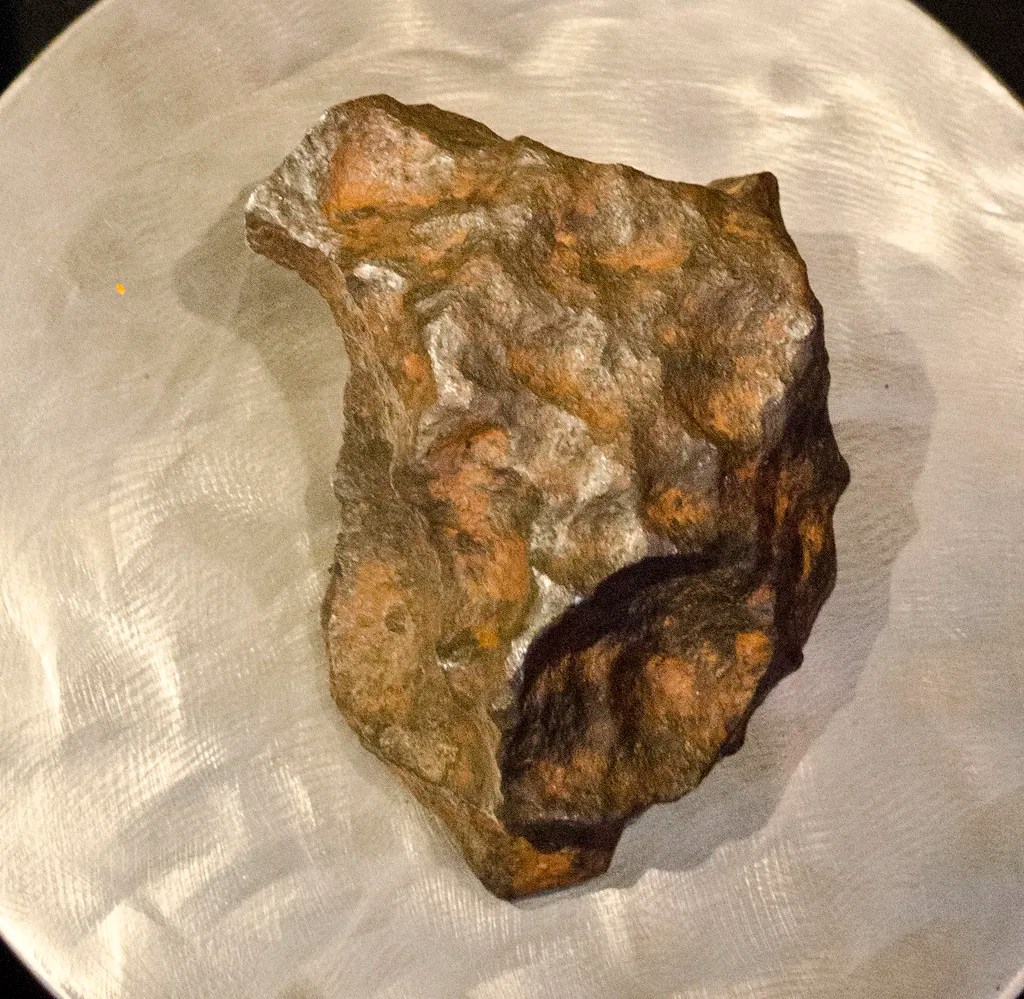
Found in Arizona, the Canyon Diablo meteorite is synonymous with the iconic Meteor Crater. This iron meteorite’s impact created a crater over 50,000 years ago, offering scientists valuable insights into impact cratering processes. The Canyon Diablo meteorite’s discovery and subsequent studies have provided a wealth of information about the dynamics of meteorite impacts and the geological processes that shape impact craters.
The Canyon Diablo meteorite is named after the nearby Canyon Diablo, located in northern Arizona, USA. The meteorite’s impact created the Barringer Crater, also known as Meteor Crater, a well-preserved and scientifically significant impact structure. The crater measures approximately 1.2 kilometers (0.75 miles) in diameter and about 170 meters (560 feet) in depth, making it one of the best-preserved impact craters on Earth. The meteorite’s impact is estimated to have occurred around 50,000 years ago, during the Pleistocene epoch.
Classified as an iron meteorite of the IAB complex, the Canyon Diablo meteorite is composed primarily of iron (about 92%) and nickel (about 7%), with trace amounts of other elements. Its composition and structure have provided valuable insights into the formation and differentiation of iron meteorites. The meteorite’s fragments range in size from tiny particles to large masses weighing several tons, each exhibiting unique features and characteristics.
One of the most intriguing aspects of the Canyon Diablo meteorite is the diversity of its fragments and the presence of impact-related features. The meteorite’s explosive entry and impact created a wide range of shapes and sizes, from twisted and distorted shrapnel-like pieces to smooth, rounded masses. Many of the fragments exhibit regmaglypts, or thumbprint-like depressions, formed by the ablation of material during the meteorite’s fiery descent through the atmosphere. These features provide valuable insights into the aerodynamic and thermal processes that shape meteoritic fragments during their journey to Earth.
The Barringer Crater itself is a remarkable geological feature, providing a natural laboratory for the study of impact cratering processes. The crater’s well-preserved structure and the presence of ejecta and impact melt have allowed scientists to study the mechanics of crater formation, shock metamorphism, and the distribution of impact debris. The study of the Barringer Crater has contributed to our understanding of the energy and dynamics of meteorite impacts, including the processes that shape impact craters on Earth and other planetary bodies.
In addition to its scientific significance, the Canyon Diablo meteorite and the Barringer Crater have become cultural and historical icons. The crater was first recognized as an impact structure by geologist Daniel Barringer in the early 20th century, who conducted extensive studies and drilling operations to confirm its meteoritic origin. Barringer’s work laid the foundation for the field of impact cratering and contributed to the recognition of meteorite impacts as a significant geological process.
The Barringer Crater is now a popular tourist destination, attracting visitors from around the world who come to marvel at the impressive impact structure and learn about the history and science of meteorite impacts. The site features a visitor center with exhibits and educational programs, providing a unique opportunity for the public to engage with the wonders of space and the dramatic events that shape our planet.
In conclusion, the Canyon Diablo meteorite and the Barringer Crater stand as remarkable testaments to the power and dynamics of meteorite impacts. Their discovery and subsequent studies have provided valuable insights into the processes that shape impact craters and the geological history of our planet. As we continue to explore the mysteries of the universe, the Canyon Diablo meteorite and the Barringer Crater serve as reminders of the powerful forces at play in the cosmos and the enduring allure of space rocks.
5. The Chelyabinsk Meteorite
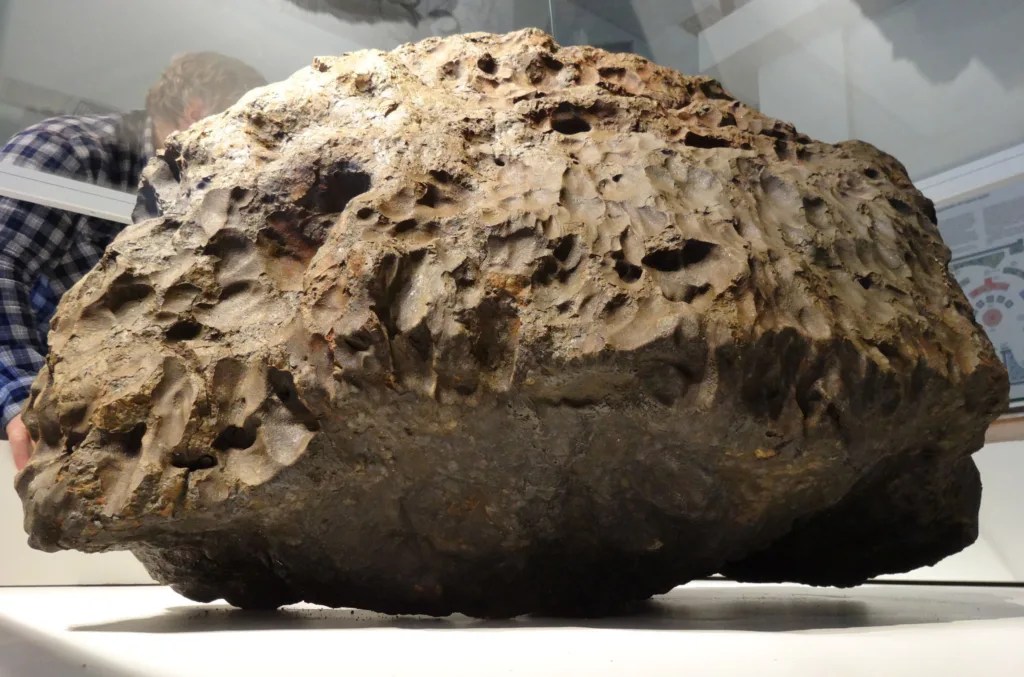
In 2013, a dazzling fireball streaked across the Russian sky, heralding the arrival of the Chelyabinsk meteorite. Its explosive entry, which caused widespread damage and injuries, serves as a stark reminder of the potential hazards posed by space rocks. The Chelyabinsk meteorite’s fall and subsequent studies have provided valuable insights into the dynamics of meteorite impacts and the potential risks associated with near-Earth objects.
The Chelyabinsk meteorite fell to Earth on February 15, 2013, near the city of Chelyabinsk in the Ural region of Russia. The event was witnessed by thousands of people, who reported a bright fireball followed by a series of loud explosions. The meteorite’s entry into the Earth’s atmosphere created a powerful shockwave that caused extensive damage to buildings and infrastructure, shattering windows and injuring over 1,500 people. The event was one of the largest and most well-documented meteorite falls in recent history, attracting the attention of scientists and the public worldwide.
Classified as an ordinary chondrite of the LL5 group, the Chelyabinsk meteorite is composed primarily of silicate minerals, including olivine and pyroxene, with smaller amounts of metal and sulfide. Its composition and structure have provided valuable information about the formation and differentiation of stony meteorites. The meteorite’s fragments range in size from tiny particles to larger masses weighing several kilograms, each exhibiting unique features and characteristics.
One of the most intriguing aspects of the Chelyabinsk meteorite is the diversity of its fragments and the presence of impact-related features. The meteorite’s explosive entry and fragmentation created a wide range of shapes and sizes, from small, rounded pebbles to larger, angular pieces. Many of the fragments exhibit fusion crusts, thin layers of melted material formed by the intense heat generated during the meteorite’s descent through the atmosphere. These features provide valuable insights into the aerodynamic and thermal processes that shape meteoritic fragments during their journey to Earth.
The shockwave generated by the Chelyabinsk meteorite’s entry caused extensive damage to buildings and infrastructure, providing a stark reminder of the potential hazards posed by near-Earth objects. The event highlighted the need for improved monitoring and detection of potentially hazardous asteroids and comets, as well as the development of strategies for mitigating the risks associated with their impacts. The study of the Chelyabinsk meteorite has thus contributed to our understanding of the potential threats posed by space rocks and the importance of planetary defense.
In addition to its scientific significance, the Chelyabinsk meteorite has become a cultural and historical icon. The meteorite’s fall was widely reported in the media, capturing the imagination of people around the world. Fragments of the Chelyabinsk meteorite have been collected and preserved in museums and private collections, where they continue to inspire and educate the public about the wonders of space and the potential hazards posed by near-Earth objects.
The Chelyabinsk meteorite has also played a role in advancing the field of meteoritics and planetary science. The study of the meteorite’s fall and its fragments has provided valuable data for ongoing research, fostering collaboration between researchers and institutions. The Chelyabinsk meteorite’s legacy continues to influence the field, providing insights into the dynamics of meteorite impacts and the potential risks associated with near-Earth objects.
In conclusion, the Chelyabinsk meteorite stands as a stark reminder of the potential hazards posed by space rocks. Its dramatic fall, diverse fragments, and the extensive damage caused by its shockwave have provided valuable insights into the dynamics of meteorite impacts and the importance of planetary defense. As we continue to explore the mysteries of the universe, the Chelyabinsk meteorite serves as a reminder of the powerful forces at play in the cosmos and the need for vigilance in monitoring and mitigating the risks associated with near-Earth objects.
6. The Murchison Meteorite
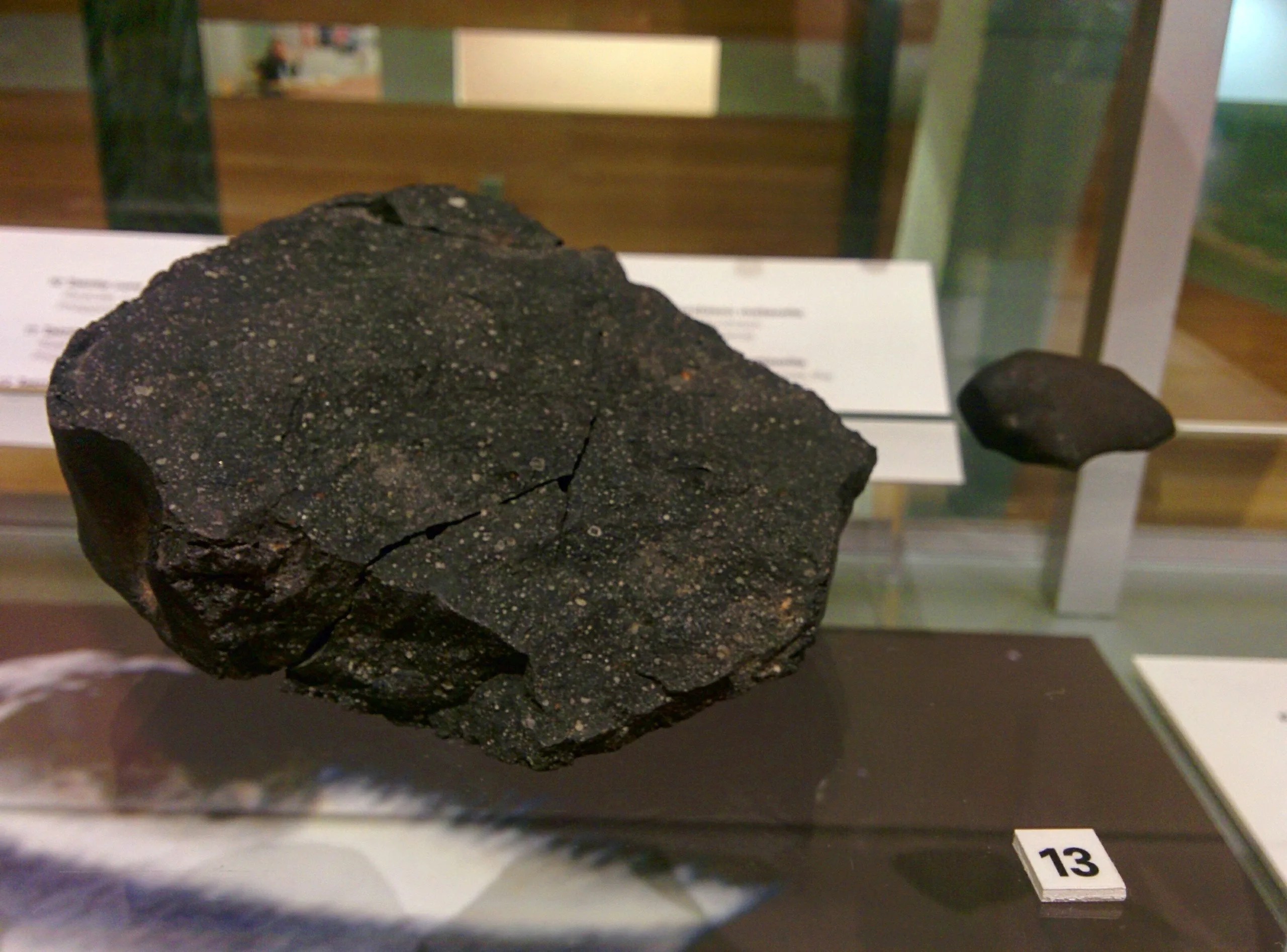
Australia’s Murchison meteorite brought a cosmic gift to Earth in the form of organic compounds, including amino acids. This meteorite has significantly contributed to the understanding of the potential role of extraterrestrial material in the origin of life on our planet. The Murchison meteorite’s discovery and subsequent studies have provided valuable insights into the chemistry of the early solar system and the potential connections between meteorites and the origins of life.
The Murchison meteorite fell to Earth on September 28, 1969, near the town of Murchison in Victoria, Australia. Witnesses reported a bright fireball followed by a series of loud explosions. The meteorite broke apart during its descent, scattering thousands of fragments over a wide area. The largest fragments weighed several kilograms, while smaller pieces were collected from the surrounding landscape. The event attracted the attention of scientists and meteorite enthusiasts, who quickly recognized the significance of the find.
Classified as a CM2 carbonaceous chondrite, the Murchison meteorite is composed of a diverse array of minerals and organic compounds. Its matrix contains chondrules, calcium-aluminum-rich inclusions (CAIs), and presolar grains—tiny particles that predate the formation of our solar system. These components provide a unique snapshot of the early solar nebula, the cloud of gas and dust from which our solar system formed. By studying the Murchison meteorite, scientists have gained valuable insights into the conditions and processes that shaped the early solar system.
One of the most intriguing aspects of the Murchison meteorite is its rich organic content. The meteorite contains a variety of organic molecules, including amino acids, which are the building blocks of life. Over 70 different amino acids have been identified in the Murchison meteorite, many of which are not found naturally on Earth. The presence of these organic compounds has sparked significant interest in the potential role of meteorites in the origin of life on Earth. Some researchers hypothesize that meteorites like Murchison may have delivered essential organic molecules to the early Earth, providing the raw materials for the development of life. The study of the Murchison meteorite has thus contributed to our understanding of the potential connections between space rocks and the emergence of life.
The Murchison meteorite’s organic molecules are not only diverse but also remarkably well-preserved. The meteorite’s rapid fall and recovery helped protect its delicate organic compounds from contamination and degradation. This preservation has allowed scientists to conduct detailed analyses of the meteorite’s organic content, providing valuable data on the chemistry of the early solar system. The study of the Murchison meteorite’s organic molecules has also provided insights into the potential pathways for the synthesis of complex organic compounds in space, shedding light on the chemical processes that may have contributed to the origins of life.
In addition to its organic content, the Murchison meteorite contains a wealth of mineralogical and isotopic information. The meteorite’s matrix includes a variety of minerals, such as olivine, pyroxene, and phyllosilicates, which provide clues about the conditions and processes that shaped the early solar system. The presence of presolar grains, tiny particles that predate the formation of our solar system, offers a glimpse into the history of stellar nucleosynthesis and the contributions of ancient stars to the solar nebula. Isotopic analyses of the Murchison meteorite have also provided valuable data on the timing and processes of solar system formation, helping to refine our understanding of the chronology of planetary formation.
The Murchison meteorite has become a prized specimen for collectors and museums due to its unique composition and historical importance. Fragments of the meteorite are displayed in museums and research institutions around the world, where they continue to inspire and educate the public about the wonders of space and the potential connections between meteorites and the origins of life. The meteorite’s discovery and subsequent studies have also highlighted the importance of meteorites in understanding the history and evolution of our planet and the solar system.
In conclusion, the Murchison meteorite stands as a remarkable window into the early solar system and the potential role of extraterrestrial material in the origin of life on Earth. Its rich organic content, diverse mineralogy, and well-preserved state make it a valuable scientific resource and a fascinating subject of study. As we continue to explore the mysteries of the universe, the Murchison meteorite serves as a reminder of the complex and interconnected processes that have shaped our solar system and the potential connections between space rocks and the emergence of life.
7. The Tunguska Event

While not a traditional meteorite, the Tunguska event deserves mention for its impact on Earth. The mysterious explosion in Siberia in 1908, believed to be caused by a comet or asteroid, flattened over 80 million trees and left a lasting enigma. The Tunguska event’s dramatic nature and the subsequent studies have provided valuable insights into the potential hazards posed by near-Earth objects and the dynamics of airburst events.
The Tunguska event occurred on June 30, 1908, near the Podkamennaya Tunguska River in Siberia, Russia. Witnesses reported a bright fireball followed by a series of loud explosions and a powerful shockwave that flattened an estimated 2,150 square kilometers (830 square miles) of forest. The explosion is believed to have released energy equivalent to 10-15 megatons of TNT, making it one of the most powerful natural explosions in recorded history. The event was not immediately investigated due to the remote location and political turmoil in Russia at the time, but subsequent expeditions in the 1920s and 1930s revealed the extent of the devastation.
The cause of the Tunguska event remains a subject of debate and speculation. The most widely accepted theory is that the explosion was caused by the airburst of a comet or asteroid, which disintegrated at an altitude of about 5-10 kilometers (3-6 miles) above the Earth’s surface. The lack of an impact crater and the absence of significant meteoritic debris have led scientists to hypothesize that the object was composed of ice or a fragile, loosely bound material that vaporized upon entering the Earth’s atmosphere. This hypothesis is supported by the observed pattern of tree damage and the distribution of the blast effects.
The Tunguska event has provided valuable insights into the dynamics of airburst events and the potential hazards posed by near-Earth objects. The study of the event has contributed to our understanding of the energy release, shockwave propagation, and thermal effects associated with high-altitude explosions. The Tunguska event has also highlighted the importance of monitoring and detecting potentially hazardous asteroids and comets, as well as developing strategies for mitigating the risks associated with their impacts.
In addition to its scientific significance, the Tunguska event has become a cultural and historical enigma. The event has inspired numerous books, documentaries, and fictional works, capturing the imagination of people around the world. The remote and mysterious nature of the Tunguska event has also led to various alternative theories and speculations, ranging from extraterrestrial interventions to exotic physical phenomena. While these theories lack scientific support, they reflect the enduring fascination with the Tunguska event and its impact on human culture.
The Tunguska event has also played a role in advancing the field of planetary defense. The study of the event has provided valuable data for modeling the effects of airburst events and assessing the potential risks associated with near-Earth objects. The Tunguska event has thus contributed to the development of strategies for detecting, tracking, and mitigating the threats posed by hazardous asteroids and comets, helping to protect our planet from future impacts.
In conclusion, the Tunguska event stands as a dramatic reminder of the potential hazards posed by near-Earth objects and the dynamics of airburst events. Its mysterious nature, extensive damage, and subsequent studies have provided valuable insights into the processes that shape high-altitude explosions and the risks associated with near-Earth objects. As we continue to explore the mysteries of the universe, the Tunguska event serves as a reminder of the powerful forces at play in the cosmos and the importance of vigilance in monitoring and mitigating the risks associated with space rocks.
8. The Willamette Meteorite
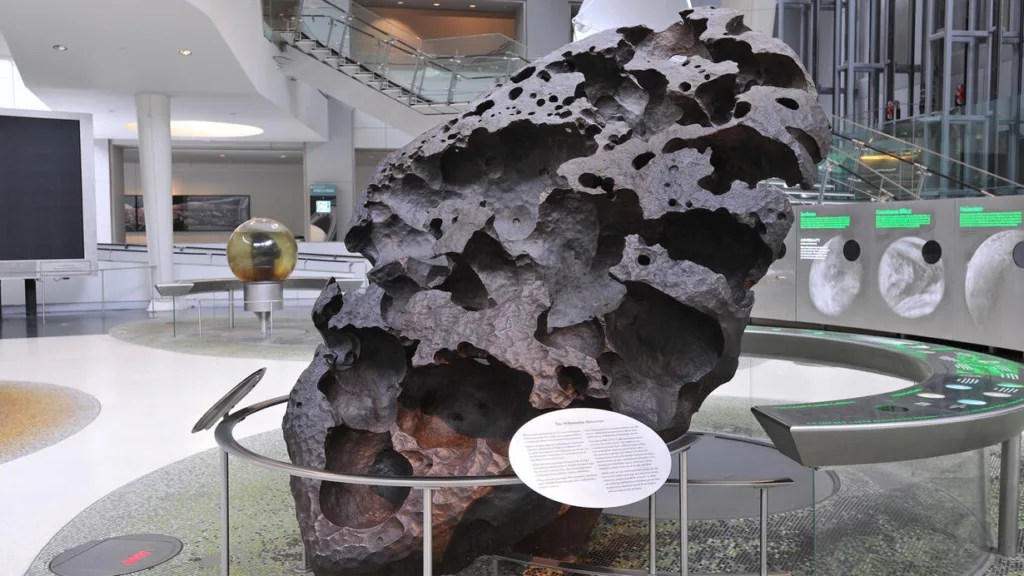
An iconic meteorite revered by Native American tribes, the Willamette meteorite found in Oregon is composed mostly of iron and nickel. Its cultural significance adds a unique dimension to its scientific allure. The Willamette meteorite’s discovery and subsequent studies have provided valuable insights into the composition and history of iron meteorites, as well as the cultural and historical significance of meteorites in human societies.
The Willamette meteorite was discovered in 1902 by a miner named Ellis Hughes near the town of West Linn, Oregon, USA. The meteorite, weighing approximately 15.5 tons, is the largest meteorite found in North America and the sixth-largest in the world. Its discovery attracted significant attention, leading to legal disputes over its ownership and eventual acquisition by the American Museum of Natural History in New York City, where it remains on display.
Classified as an iron meteorite of the IIIAB group, the Willamette meteorite is composed primarily of iron (about 91%) and nickel (about 7.6%), with trace amounts of other elements. Its composition and structure have provided valuable insights into the formation and differentiation of iron meteorites. The meteorite’s surface features include regmaglypts, or thumbprint-like depressions, formed by the ablation of material during its descent through the atmosphere. These features provide valuable information about the aerodynamic and thermal processes that shape meteoritic fragments during their journey to Earth.
One of the most intriguing aspects of the Willamette meteorite is its cultural significance. The meteorite was revered by the Clackamas Chinook Native American tribe, who called it “Tomanowos,” meaning “Heavenly Visitor.” The tribe believed that the meteorite had spiritual and healing properties and used it in various rituals and ceremonies. The cultural significance of the Willamette meteorite adds a unique dimension to its scientific allure, highlighting the importance of meteorites in human history and culture.
The Willamette meteorite’s journey to its discovery site is also a subject of scientific interest. The meteorite is believed to have fallen to Earth thousands of years ago, possibly during the last ice age. Its current location is thought to be the result of glacial transport, with the meteorite being carried by ice and deposited in the Willamette Valley. This hypothesis is supported by the presence of glacial striations on the meteorite’s surface, which provide clues about its movement and deposition.
In addition to its scientific and cultural significance, the Willamette meteorite has become a popular exhibit and educational resource. The meteorite’s display at the American Museum of Natural History attracts thousands of visitors each year, who come to marvel at its size and learn about its history and significance. The meteorite’s story has also inspired various educational programs and outreach activities, helping to promote public awareness and understanding of meteorites and their role in the history of our planet.
The Willamette meteorite has also played a role in advancing the field of meteoritics. The study of its composition, structure, and surface features has provided valuable data for ongoing research, contributing to our understanding of the formation and differentiation of iron meteorites. The meteorite’s cultural significance has also highlighted the importance of considering the human dimensions of scientific discoveries, fostering collaboration between scientists, historians, and indigenous communities.
In conclusion, the Willamette meteorite stands as a remarkable testament to the composition and history of iron meteorites, as well as the cultural and historical significance of meteorites in human societies. Its discovery, scientific study, and cultural reverence provide valuable insights into the complex and interconnected processes that shape our understanding of the universe. As we continue to explore the mysteries of the cosmos, the Willamette meteorite serves as a reminder of the powerful and enduring connections between space rocks and human culture.
9. The Cape York Meteorites
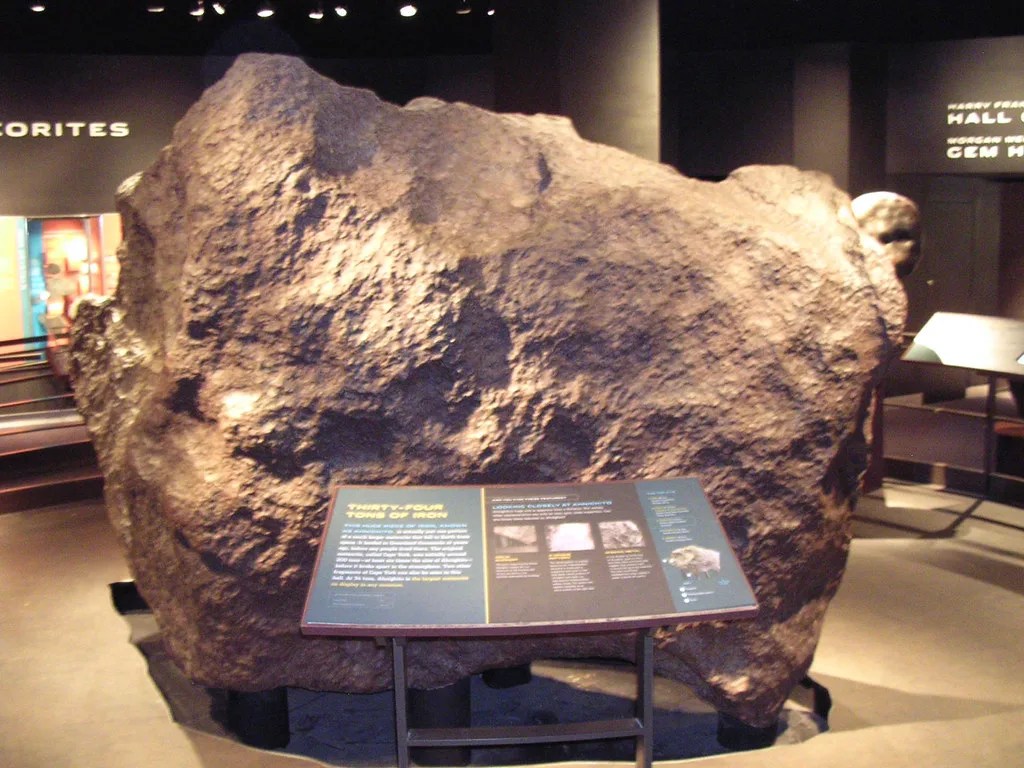
Also known as the Ahnighito, the Cape York meteorites were discovered in Greenland and include three massive iron meteorites. These specimens have become prized exhibits in museums worldwide, showcasing the raw power and extraterrestrial beauty of space rocks. The Cape York meteorites’ discovery and subsequent studies have provided valuable insights into the composition and history of iron meteorites, as well as the cultural significance of meteorites in indigenous societies.
The Cape York meteorites were discovered in the 19th century near the town of Savissivik in northwestern Greenland. The largest of the three meteorites, Ahnighito, weighs approximately 31 tons, making it one of the largest meteorites ever found. The other two meteorites, the Woman and the Dog, weigh approximately 3 tons and 400 kilograms, respectively. The meteorites were discovered by the indigenous Inuit people, who used the iron for tools and weapons long before their discovery by Western explorers.
Classified as iron meteorites of the IIIAB group, the Cape York meteorites are composed primarily of iron (about 92%) and nickel (about 7.5%), with trace amounts of other elements. Their composition and structure have provided valuable insights into the formation and differentiation of iron meteorites. The meteorites’ surface features include regmaglypts, or thumbprint-like depressions, formed by the ablation of material during their descent through the atmosphere. These features provide valuable information about the aerodynamic and thermal processes that shape meteoritic fragments during their journey to Earth.
One of the most intriguing aspects of the Cape York meteorites is their cultural significance. The meteorites were used by the Inuit people for centuries, providing a valuable source of iron in an otherwise resource-scarce environment. The Inuit fashioned tools, weapons, and other implements from the meteorites’ iron, which played a crucial role in their daily lives and survival. The cultural significance of the Cape York meteorites highlights the importance of meteorites in human history and culture, as well as the resourcefulness and ingenuity of indigenous societies.
The Cape York meteorites’ journey to their discovery site is also a subject of scientific interest. The meteorites are believed to have fallen to Earth thousands of years ago, possibly during the last ice age. Their current location is thought to be the result of glacial transport, with the meteorites being carried by ice and deposited in the Savissivik area. This hypothesis is supported by the presence of glacial striations on the meteorites’ surfaces, which provide clues about their movement and deposition.
In addition to their scientific and cultural significance, the Cape York meteorites have become popular exhibits and educational resources. The largest meteorite, Ahnighito, is displayed at the American Museum of Natural History in New York City, where it attracts thousands of visitors each year. The Woman and the Dog meteorites are displayed at the University of Copenhagen’s Geological Museum in Denmark. These exhibits provide unique opportunities for the public to engage with the wonders of space and learn about the history and significance of meteorites.
The Cape York meteorites have also played a role in advancing the field of meteoritics. The study of their composition, structure, and surface features has provided valuable data for ongoing research, contributing to our understanding of the formation and differentiation of iron meteorites. The meteorites’ cultural significance has also highlighted the importance of considering the human dimensions of scientific discoveries, fostering collaboration between scientists, historians, and indigenous communities.
In conclusion, the Cape York meteorites stand as remarkable testaments to the composition and history of iron meteorites, as well as the cultural significance of meteorites in indigenous societies. Their discovery, scientific study, and cultural reverence provide valuable insights into the complex and interconnected processes that shape our understanding of the universe. As we continue to explore the mysteries of the cosmos, the Cape York meteorites serve as reminders of the powerful and enduring connections between space rocks and human culture.
10. The Nantan Meteorites
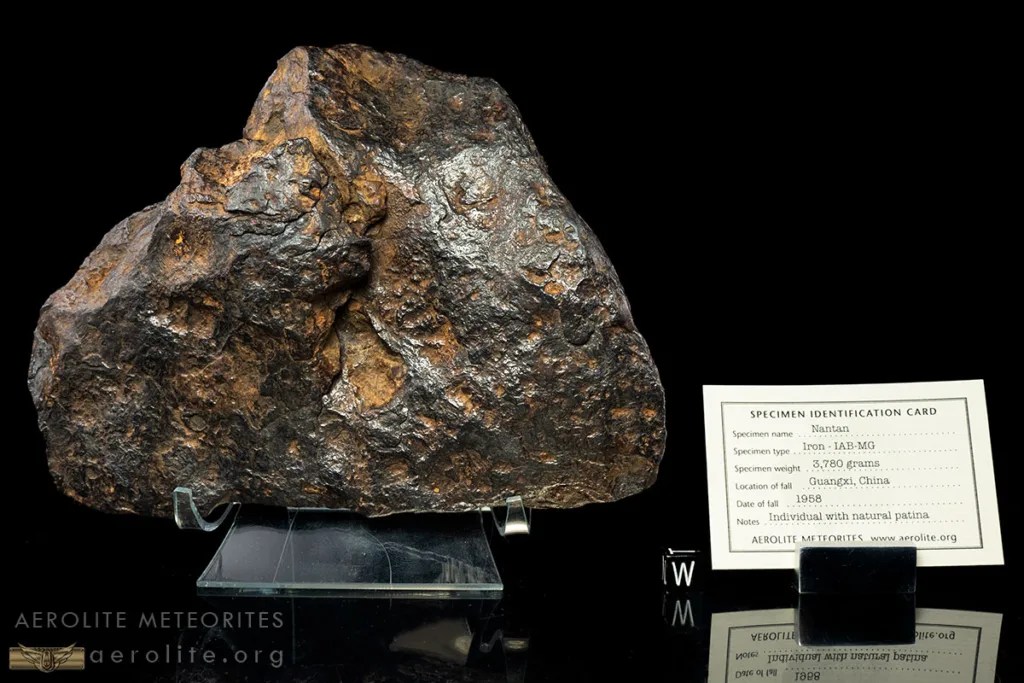
Closing our celestial tour, the Nantan meteorites from China offer a glimpse into the historical fascination with meteorites. These iron meteorites, discovered centuries ago, were crafted into artifacts, serving as a testament to the enduring allure of space rocks in human culture. The Nantan meteorites’ discovery and subsequent studies have provided valuable insights into the composition and history of iron meteorites, as well as the cultural significance of meteorites in human societies.
The Nantan meteorites fell to Earth in 1516 during the reign of the Ming Dynasty in China. The fall was witnessed by local inhabitants, who reported a bright fireball followed by a series of loud explosions. The meteorites were scattered over a wide area near the town of Nantan in Guangxi Province. The event was recorded in historical documents, making it one of the earliest documented meteorite falls in history.
Classified as iron meteorites of the IAB complex, the Nantan meteorites are composed primarily of iron (about 92%) and nickel (about 7%), with trace amounts of other elements. Their composition and structure have provided valuable insights into the formation and differentiation of iron meteorites. The meteorites’ fragments range in size from tiny particles to larger masses weighing several tons, each exhibiting unique features and characteristics.
One of the most intriguing aspects of the Nantan meteorites is their historical and cultural significance. The meteorites were collected and used by local inhabitants for various purposes, including the crafting of tools, weapons, and artifacts. The iron from the meteorites was highly valued for its quality and durability, making it a prized material for blacksmiths and artisans. The cultural significance of the Nantan meteorites highlights the importance of meteorites in human history and culture, as well as the resourcefulness and ingenuity of ancient societies.
The Nantan meteorites’ journey to their discovery site is also a subject of scientific interest. The meteorites are believed to have fallen to Earth as a single, large mass that fragmented upon entry into the atmosphere. The resulting fragments were scattered over a wide area, creating a strewn field of impact debris. The presence of regmaglypts, or thumbprint-like depressions, on the meteorites’ surfaces provides clues about the aerodynamic and thermal processes that shaped the meteoritic fragments during their descent.
In addition to their scientific and cultural significance, the Nantan meteorites have become popular exhibits and educational resources. Fragments of the meteorites are displayed in museums and research institutions around the world, where they continue to inspire and educate the public about the wonders of space and the history of meteorites. The meteorites’ story has also inspired various educational programs and outreach activities, helping to promote public awareness and understanding of meteorites and their role in human history.
The Nantan meteorites have also played a role in advancing the field of meteoritics. The study of their composition, structure, and surface features has provided valuable data for ongoing research, contributing to our understanding of the formation and differentiation of iron meteorites. The meteorites’ historical significance has also highlighted the importance of considering the human dimensions of scientific discoveries, fostering collaboration between scientists, historians, and cultural scholars.
In conclusion, the Nantan meteorites stand as remarkable testaments to the composition and history of iron meteorites, as well as the cultural significance of meteorites in human societies. Their discovery, scientific study, and historical reverence provide valuable insights into the complex and interconnected processes that shape our understanding of the universe. As we continue to explore the mysteries of the cosmos, the Nantan meteorites serve as reminders of the powerful and enduring connections between space rocks and human culture.