
Exploring the vast and diverse landscapes of our solar system reveals a tapestry of geologic wonders beyond Earth’s boundaries. From towering volcanoes to mysterious icy landscapes, each planet and moon presents a unique canvas shaped by geological processes that both fascinate and mystify. In this journey through the cosmos, we’ll unveil ten incredible geologic features that redefine our understanding of planetary landscapes. These extraterrestrial marvels, spanning from the scarred surface of Mars to the icy expanses of Saturn’s moons, showcase the dynamic forces at play in our celestial neighborhood. Join us as we embark on a virtual tour, uncovering the geological tapestry that paints the faces of other planets and moons in our cosmic neighborhood.
1. The Majestic Valles Marineris on Mars
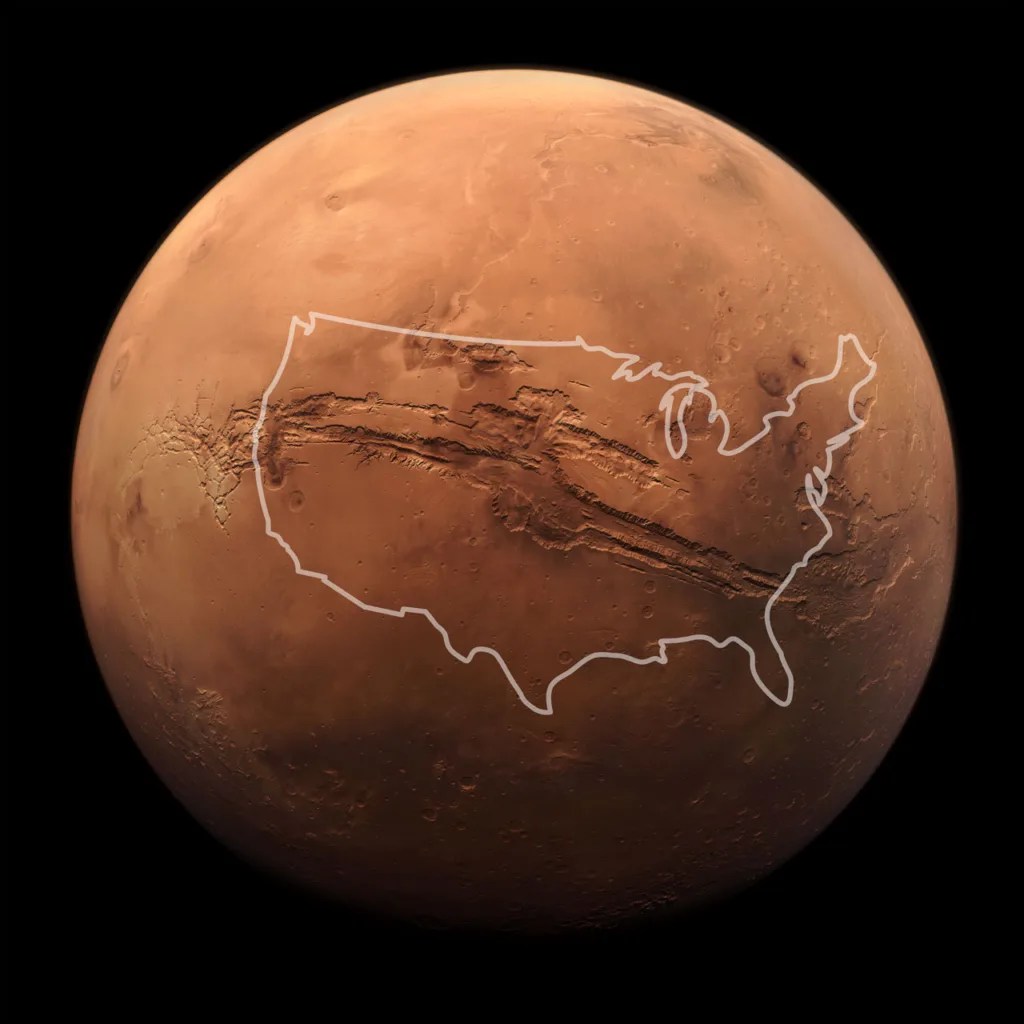
Valles Marineris, a colossal system of canyons stretching across the Martian surface, stands as one of the most awe-inspiring geological features in our solar system. This vast chasm, aptly named after the Mariner 9 spacecraft that first captured images of it in 1971, dwarfs any comparable formation on Earth, including the renowned Grand Canyon. To truly grasp the immense scale of Valles Marineris, one must consider its staggering dimensions: it extends over 4,000 kilometers (2,500 miles) in length, plunges to depths of up to 7 kilometers (4 miles), and in certain locations, spans an impressive width of 200 kilometers (120 miles). These measurements alone fail to convey the true magnificence of this Martian wonder, as its sheer size defies easy comprehension.
The formation of Valles Marineris remains a subject of intense scientific debate and research. Unlike Earth’s Grand Canyon, which was primarily carved by the erosive action of the Colorado River over millions of years, the origins of Valles Marineris are believed to be far more complex. Many planetary scientists theorize that its formation was initiated by tectonic processes, specifically the stretching and rifting of the Martian crust. This initial rifting may have been caused by the immense weight of the nearby Tharsis region, a massive volcanic plateau that includes some of the largest volcanoes in the solar system. As the crust stretched and thinned, it created deep fissures that were subsequently widened and deepened by a combination of erosion, landslides, and possibly even the flow of ancient rivers or glaciers.
The diverse geological features within Valles Marineris provide a unique window into Mars’ past. Its walls reveal layers of rock that chronicle billions of years of Martian history, offering invaluable insights into the planet’s geological evolution. Scientists have identified various minerals within these layers, including clays and other hydrated minerals, suggesting that water once played a significant role in shaping the canyon system. Moreover, the canyon floor hosts a variety of intriguing features, such as sand dunes, landslide deposits, and even potential salt deposits, each telling its own story about the environmental conditions that have prevailed on Mars over time.
The sheer scale of Valles Marineris presents both challenges and opportunities for future Mars exploration. Its vast expanse makes it a daunting target for thorough investigation, yet its potential for scientific discovery is unparalleled. The canyon’s depths may harbor protected environments where traces of past or even present microbial life could potentially be preserved. Additionally, the exposed rock layers provide an unparalleled opportunity to study Mars’ geological history without the need for extensive drilling or excavation. As we continue to explore the Red Planet, Valles Marineris stands as a testament to the dynamic geological processes that have shaped our neighboring worlds, inviting us to unravel its mysteries and expand our understanding of planetary evolution in our solar system.
2. The Towering Olympus Mons on Mars
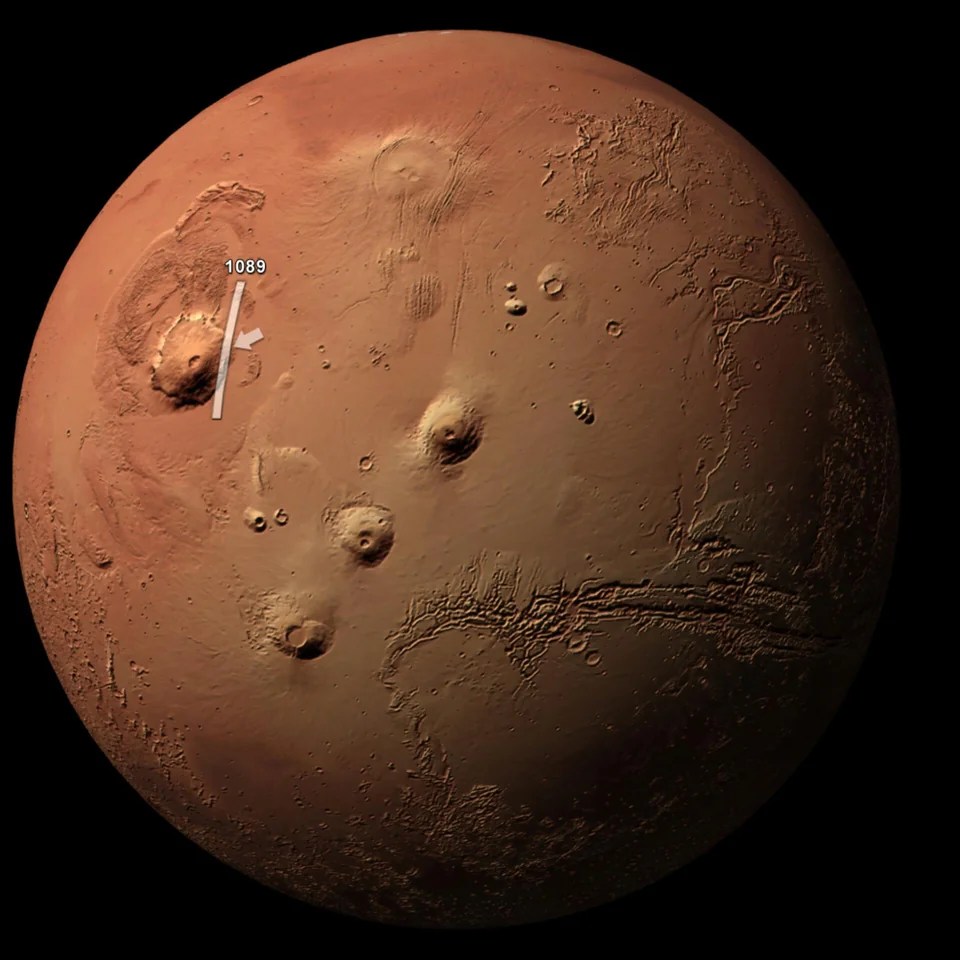
Olympus Mons, the crown jewel of Martian topography, stands as an unparalleled testament to the raw power of volcanic activity in our solar system. This colossal shield volcano, located in Mars’ western hemisphere, holds the distinction of being the tallest known volcano and mountain in the solar system, dwarfing all terrestrial counterparts. Rising to a staggering height of approximately 21.9 kilometers (13.6 miles) above the surrounding plains, Olympus Mons towers nearly three times higher than Earth’s Mount Everest when measured from base to peak. Its sheer magnitude is difficult to comprehend: if placed on Earth, it would rise above the cruising altitude of commercial airliners.
The formation of Olympus Mons is a story of persistence and time, spanning billions of years of Martian history. Unlike Earth, where plate tectonics constantly reshape the surface and limit the growth of volcanoes, Mars has been relatively tectonically inactive for much of its history. This lack of plate movement allowed Olympus Mons to grow to its enormous size through countless eruptions from a stationary hotspot. As lava flowed from the volcano’s caldera, it spread out over vast distances, creating a gently sloping shield shape characteristic of such volcanoes. The result is not just a tall peak, but an expansive mountain whose base covers an area roughly the size of Arizona, with a diameter of about 600 kilometers (374 miles).
The structure of Olympus Mons provides fascinating insights into Martian geology and the planet’s volcanic processes. Its summit caldera, a complex of overlapping craters, spans approximately 80 kilometers (50 miles) in width, hinting at a long history of eruptions and collapses. The volcano’s flanks are marked by numerous lava flows, some of which may be relatively young in geological terms, possibly less than 2 million years old. This suggests that while Olympus Mons is currently dormant, it may not be entirely extinct. The volcano’s slopes are also characterized by massive cliff-like structures called escarpments, some of which are up to 8 kilometers (5 miles) high. These features are thought to have formed through a combination of landslides, faulting, and the compression of the volcano under its own immense weight.
The extreme height of Olympus Mons has significant implications for its environment and potential for exploration. At its peak, the atmospheric pressure is only about 12% of the already thin Martian surface pressure, making it one of the most inhospitable locations on the planet. However, this extreme environment also presents unique opportunities for scientific study. The volcano’s immense size means that its lower slopes experience different climatic conditions than its summit, potentially creating diverse microclimates that could offer insights into Mars’ past and present atmospheric dynamics. Furthermore, the exposed lava flows and other geological features provide a rich record of Mars’ volcanic history, offering clues about the planet’s internal structure and thermal evolution.
3. Europa’s Enigmatic Ice Rafts
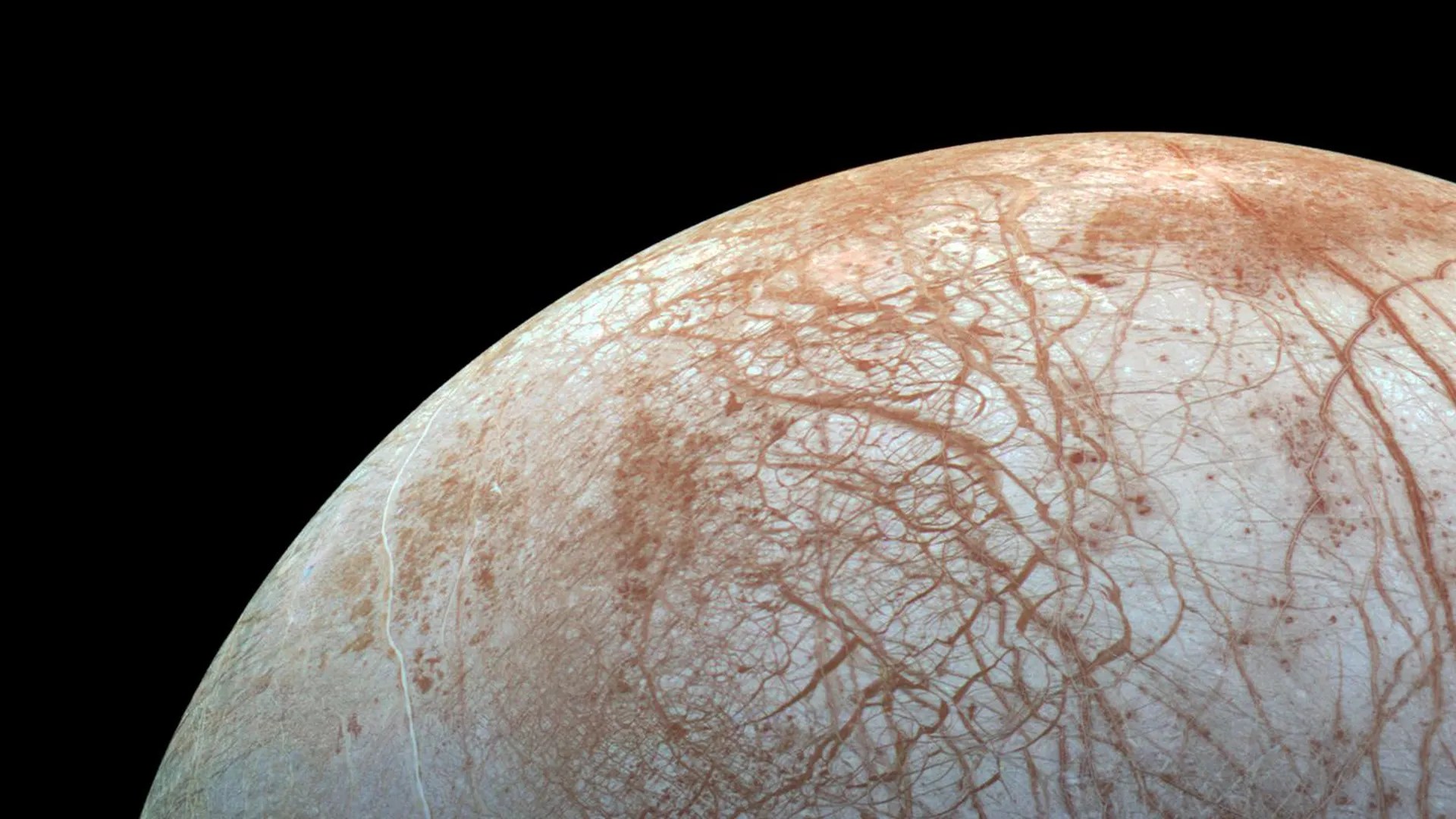
Europa, one of Jupiter’s four largest moons, has long captivated the imagination of scientists and space enthusiasts alike. This icy world, slightly smaller than Earth’s moon, harbors one of the most intriguing features in our solar system: its surface is covered in a layer of ice that conceals a potentially vast subsurface ocean. Among the most fascinating aspects of Europa’s icy shell are the large ice rafts that have been observed on its surface, providing tantalizing evidence of dynamic processes occurring beneath the frozen exterior.
These ice rafts, first identified through images captured by NASA’s Galileo spacecraft, appear as large, angular blocks of ice that seem to have broken apart and shifted position relative to one another. The rafts range in size from a few kilometers to tens of kilometers across, creating a complex patchwork pattern across certain regions of Europa’s surface. Their presence and arrangement strongly suggest that Europa’s icy crust is not a static, unchanging layer, but rather a dynamic system that has undergone significant deformation and rearrangement over time.
The formation of these ice rafts is believed to be intimately connected to the presence of Europa’s subsurface ocean. Scientists theorize that periodic thinning of the ice shell, possibly due to localized heating from Europa’s interior, can cause sections of the surface to break apart. As these broken sections of ice float on the underlying ocean, they can drift and rotate, much like icebergs on Earth’s oceans. Over time, as the cracks between the rafts refreeze, they create the distinctive patterns observed on Europa’s surface.
The implications of these ice rafts extend far beyond mere geological curiosity. Their existence provides compelling evidence for the presence of liquid water beneath Europa’s icy crust, a factor that significantly enhances the moon’s potential habitability. Liquid water is considered one of the key prerequisites for life as we know it, and the possibility of a vast, planet-wide ocean on Europa has made it a prime target in the search for extraterrestrial life within our solar system.
Furthermore, the dynamic nature of Europa’s ice shell, as evidenced by these rafts, suggests that there may be mechanisms for material exchange between the surface and the subsurface ocean. This could mean that nutrients and energy sources from the surface, such as compounds created by Jupiter’s intense radiation, might find their way into the ocean below. Conversely, materials from the ocean, potentially including any biological signatures if life exists there, could be transported to the surface through cracks and fissures in the ice.
The study of Europa’s ice rafts also provides valuable insights into the moon’s geological history and the processes shaping its surface. By analyzing the patterns and distributions of these features, scientists can reconstruct past movements and changes in the ice shell, offering a window into Europa’s evolution over time. This information is crucial for understanding not only Europa itself but also the broader class of icy worlds that exist in our solar system and beyond.
4. Titan’s Methane Lakes: A Unique Hydrological Cycle
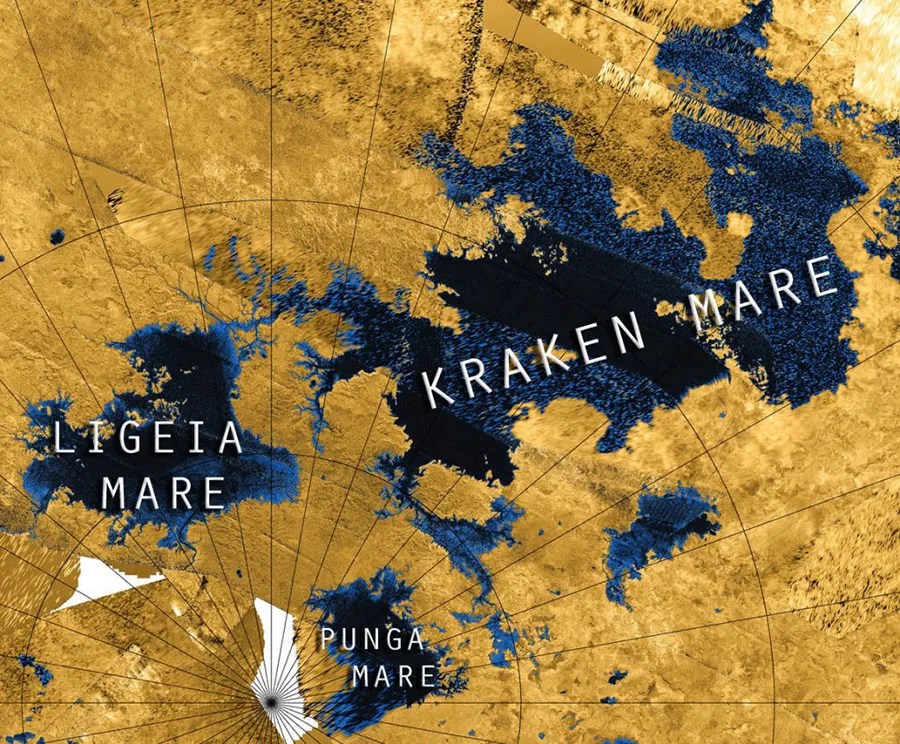
Saturn’s largest moon, Titan, stands out as one of the most extraordinary bodies in our solar system, boasting a feature that makes it remarkably Earth-like in one crucial aspect: it is the only celestial body besides Earth known to have stable liquid on its surface. However, what truly sets Titan apart is the composition of this liquid. Instead of water, Titan’s lakes and seas are filled with liquid hydrocarbons, primarily methane and ethane, creating a unique and alien landscape that has captivated scientists since its discovery.
The presence of these hydrocarbon lakes was first confirmed by NASA’s Cassini-Huygens mission, which provided detailed radar and infrared images of Titan’s surface. These observations revealed a complex system of lakes, seas, and river channels, predominantly located in the moon’s polar regions. The largest of these liquid bodies, Kraken Mare, spans an impressive 400,000 square kilometers, roughly five times the size of Lake Superior on Earth. This vast sea, along with other major bodies like Ligeia Mare and Punga Mare, contains a volume of liquid hydrocarbons that potentially exceeds the known oil and gas reserves on Earth.
The existence of liquid methane and ethane on Titan’s surface is made possible by the moon’s unique environmental conditions. With surface temperatures averaging around -179°C (-290°F), methane and ethane can exist in liquid form, playing a role similar to that of water in Earth’s hydrological cycle. This Titanian “methanological” cycle involves the evaporation of methane from the surface, the formation of hydrocarbon clouds in the atmosphere, and the subsequent rain of liquid methane back onto the surface. This cycle not only maintains the lakes and seas but also shapes Titan’s landscape through erosion and sediment transport, creating features reminiscent of Earth’s rivers, coastlines, and flood plains.
The composition and behavior of Titan’s hydrocarbon lakes present fascinating questions and opportunities for scientific study. For instance, the lakes exhibit intriguing phenomena such as “magic islands” – transient features that appear and disappear in radar images, possibly indicating bubbling, floating, or suspended materials. Additionally, some lakes have been observed to change in size and shape over time, suggesting a dynamic interplay between the surface liquids and Titan’s atmosphere and subsurface.
The implications of Titan’s hydrocarbon lakes extend beyond mere geological curiosity. They offer a unique laboratory for studying organic chemistry on a planetary scale, potentially providing insights into the conditions that may have existed on early Earth. The complex organic molecules formed in Titan’s atmosphere and surface liquids could offer clues about prebiotic chemistry and the potential for life to arise in environments radically different from Earth’s.
Moreover, Titan’s lakes represent a potential resource for future space exploration. The abundance of hydrocarbons could serve as a fuel source for long-term missions, while the nitrogen-rich atmosphere could potentially be used to produce breathable air. These factors, combined with the relatively low radiation environment compared to other parts of the outer solar system, have led some to propose Titan as a possible site for future human habitation or as a waypoint for deeper space exploration.
5. Io’s Volcanic Inferno: The Most Active World in the Solar System
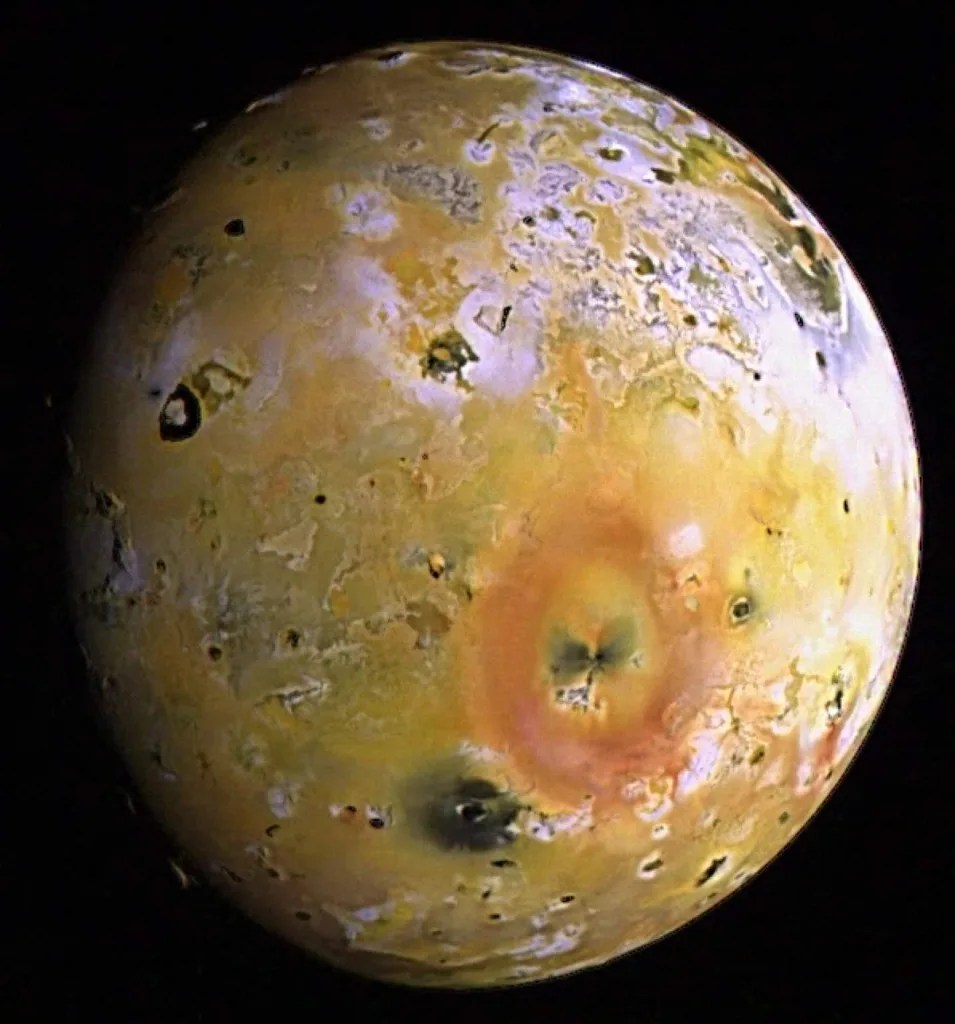
Io, the innermost of Jupiter’s four large Galilean moons, stands out as a celestial anomaly, defying expectations with its intense and ceaseless volcanic activity. This relatively small moon, only slightly larger than Earth’s Moon, holds the distinction of being the most volcanically active body in our entire solar system. Its surface is in a constant state of transformation, reshaped by the relentless eruptions of its numerous volcanoes, which spew forth sulfur, silicate lava, and other materials in spectacular displays of geological fury.
The discovery of Io’s volcanic nature came as a surprise to scientists when the Voyager 1 spacecraft captured images of its surface in 1979. What they saw was a world unlike any other: a technicolor landscape dotted with hundreds of volcanic centers, some hurling plumes of material hundreds of kilometers above the surface. Subsequent missions and Earth-based observations have only served to deepen our fascination with this volcanic wonderland, revealing a world where the landscape can change dramatically in a matter of weeks or even days.
The source of Io’s incredible volcanic activity lies in its relationship with Jupiter and its fellow Galilean moons. Io is caught in a gravitational tug-of-war between Jupiter and the other moons, particularly Europa and Ganymede. This gravitational interplay causes Io’s orbit to be slightly elliptical, which in turn leads to tremendous tidal forces as it moves closer to and farther from Jupiter. These tidal forces cause Io’s entire body to flex and stretch, much like squeezing a rubber ball. This constant flexing generates an enormous amount of internal heat through friction, which drives the moon’s volcanic activity.
The volcanoes on Io are diverse in their nature and behavior. Some produce vast lava flows that can cover hundreds of square kilometers, while others create explosive eruptions that send material soaring into space. The composition of these eruptions is also varied, with some volcanoes producing silicate lavas similar to those found on Earth, while others eject sulfur and sulfur dioxide, creating Io’s characteristic yellow, red, and white coloration. One of the most impressive volcanoes, Loki Patera, is a massive lava lake that regularly overturns, causing brightness variations that can be observed from Earth.
The impact of Io’s volcanism extends far beyond the moon itself. The material ejected from its volcanoes contributes to a complex system of interactions within the Jovian system. Some of the ejected particles become ionized and are swept up by Jupiter’s powerful magnetic field, forming a doughnut-shaped ring of plasma around the planet known as the Io plasma torus. This plasma interacts with Jupiter’s magnetosphere, contributing to the planet’s intense auroras and radio emissions.
Studying Io’s volcanism provides invaluable insights into planetary geology and the evolution of terrestrial bodies. By observing Io, scientists can witness geological processes occurring on timescales of days or weeks, rather than the millions of years typically required on Earth. This rapid pace of change offers a unique opportunity to study volcanic mechanisms, lava composition, and the interplay between a planet’s interior and surface in real-time.
Furthermore, Io serves as a window into the early history of our own planet and other terrestrial bodies in the solar system. The intense volcanic activity we see on Io today may be similar to conditions that existed on Earth, Venus, and Mars billions of years ago when these planets were still releasing large amounts of internal heat. By studying Io, we can gain insights into how volcanic activity shapes a planet’s surface, atmosphere, and potential for habitability.
6. Enceladus’ Enigmatic Tiger Stripes: A Window to a Hidden Ocean
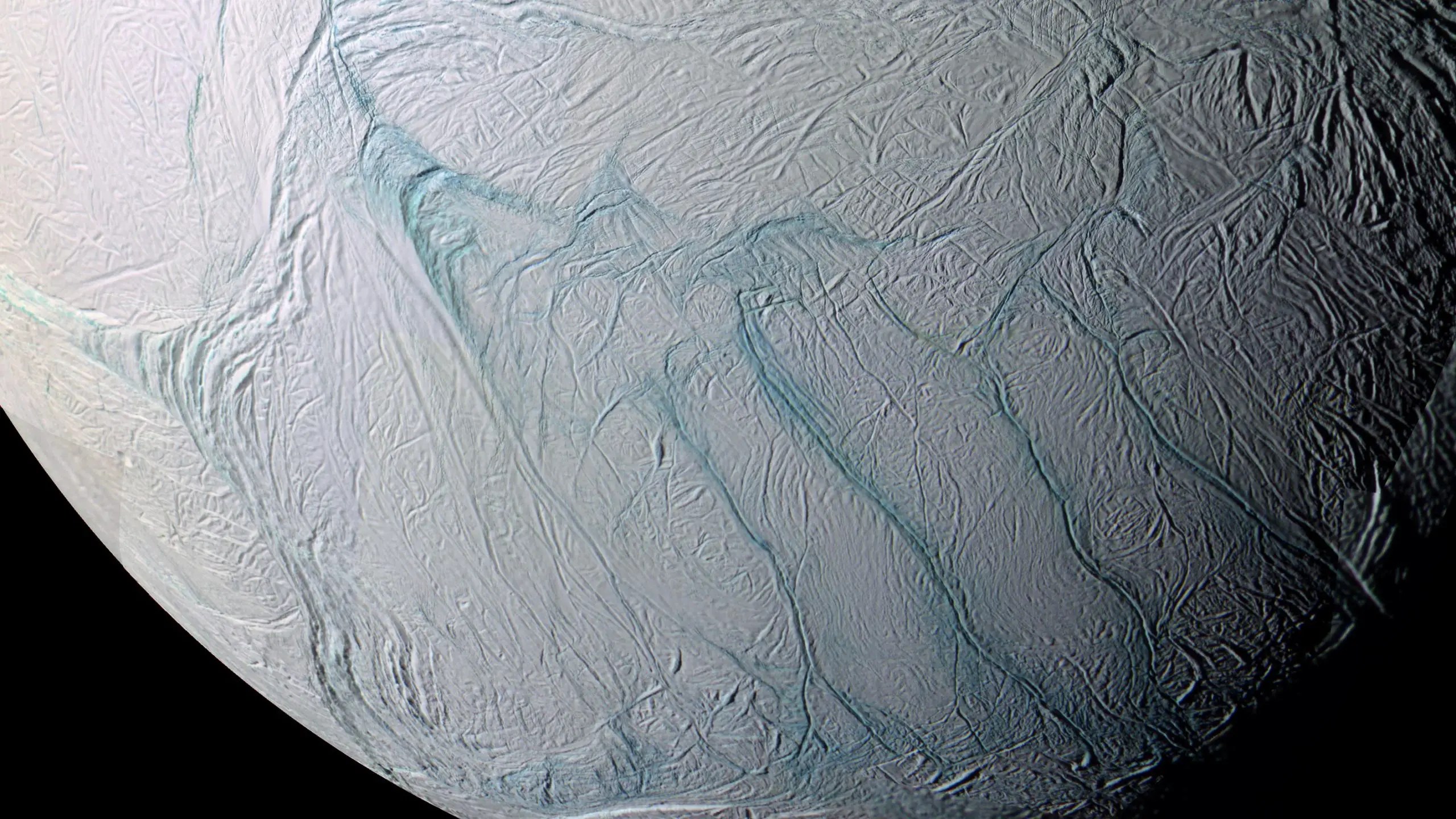
Saturn’s moon Enceladus, despite its relatively small size of only about 500 kilometers in diameter, has emerged as one of the most intriguing bodies in our solar system, largely due to the presence of its distinctive “tiger stripes.” These remarkable features, officially named Alexandria, Cairo, Baghdad, and Damascus Sulci, are a set of four prominent, parallel linear depressions located near the moon’s south pole. Each of these fissures stretches for about 130 kilometers in length, is approximately 2 kilometers wide, and plunges 500 meters deep into the icy crust of Enceladus. What makes these features truly extraordinary is not just their appearance, but their active nature and what they reveal about the moon’s internal structure.
The tiger stripes were first observed in high-resolution images captured by NASA’s Cassini spacecraft during its close flybys of Enceladus. These images revealed not only the distinct morphology of the fissures but also something far more surprising: plumes of water vapor and ice particles erupting from these cracks into space. This discovery was nothing short of revolutionary, as it provided compelling evidence for the existence of a subsurface ocean beneath Enceladus’ icy shell. The plumes, which can reach heights of hundreds of kilometers above the surface, are thought to be driven by hydrothermal activity at the bottom of this hidden ocean.
The mechanism behind the formation and activity of the tiger stripes is a subject of ongoing scientific investigation and debate. The current leading theory suggests that they are the result of tidal stresses caused by Saturn’s gravitational pull. As Enceladus orbits Saturn, it experiences varying gravitational forces that cause the moon to stretch and compress. This flexing generates heat through friction within the moon’s interior, keeping the subsurface ocean liquid and creating pressure that forces water up through the cracks in the ice shell. The tiger stripes themselves may have formed when the ice shell ruptured due to the pressure of the underlying ocean, with their unique parallel arrangement possibly influenced by the direction of tidal stresses.
The composition of the plumes erupting from the tiger stripes has been a subject of intense scientific interest. In addition to water ice and vapor, Cassini’s instruments detected various organic compounds, salts, and silica nanoparticles in the ejected material. The presence of these components, particularly the silica particles, suggests that there is ongoing hydrothermal activity at the ocean floor, similar to the deep-sea hydrothermal vents found on Earth. This discovery has profound implications for the potential habitability of Enceladus, as such environments on Earth are known to support diverse ecosystems even in the absence of sunlight.
The tiger stripes and their associated plumes also provide a unique opportunity for sampling and studying the composition of Enceladus’ subsurface ocean without the need for drilling through the ice shell. As the plumes erupt into space, they carry with them material from the ocean below, effectively delivering samples directly to spacecraft flying through them. This has allowed scientists to analyze the chemical makeup of the ocean and search for potential biosignatures that could indicate the presence of life.
The discovery and ongoing study of Enceladus’ tiger stripes have revolutionized our understanding of icy moons and greatly expanded the number of potentially habitable environments in our solar system. They demonstrate that even small, seemingly inert bodies can harbor dynamic processes and potentially support the conditions necessary for life. As we continue to explore and unravel the mysteries of Enceladus, the tiger stripes stand as a testament to the surprising complexity and potential of worlds beyond our own, challenging our preconceptions and inspiring future missions to delve deeper into the secrets of this fascinating moon.
7. Venusian Coronae: Enigmatic Crowns of the Morning Star
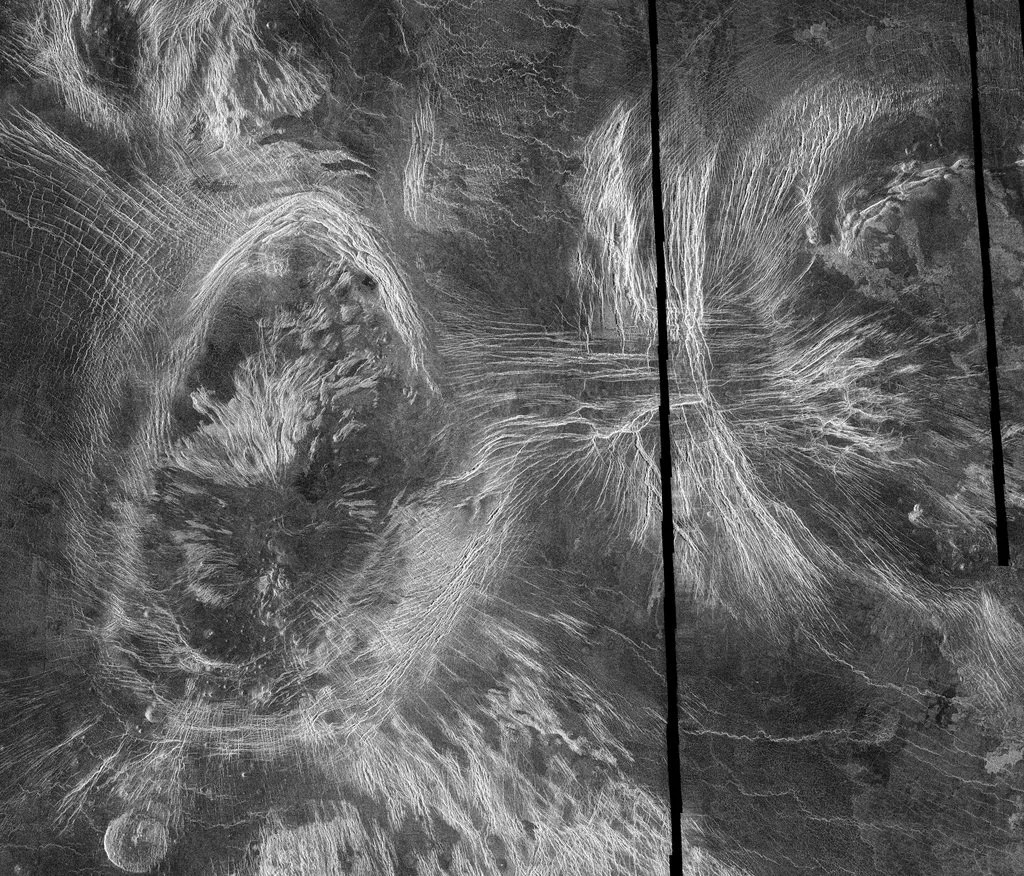
Venus, Earth’s closest planetary neighbor, is a world of extremes and mysteries. Among its most intriguing geological features are the coronae, unique circular to oval-shaped structures that dot the planet’s surface. These formations, whose name is derived from the Latin word for “crown,” are a testament to the complex and dynamic geological processes that have shaped Venus throughout its history. Coronae are unlike any structures found on other terrestrial planets, making them a subject of intense scientific interest and speculation.
Coronae on Venus were first identified in radar images sent back by NASA’s Magellan spacecraft in the early 1990s. These structures typically range from about 60 to 800 kilometers in diameter, with some exceptional examples reaching sizes of up to 2,600 kilometers across. They are characterized by a raised rim surrounding a central depression, often accompanied by concentric fractures and radial features extending outward from the center. This distinctive morphology gives many coronae the appearance of a crown or diadem when viewed from above, hence their name.
The formation of coronae is believed to be intimately linked to Venus’s internal dynamics and the interaction between the planet’s mantle and crust. The prevailing theory suggests that coronae are the surface expression of mantle plumes – upwellings of hot material from deep within the planet. As these plumes rise and approach the surface, they cause the crust to bulge upward and fracture. Over time, as the plume material spreads out beneath the crust, the central area may subside, creating the characteristic depression surrounded by a raised rim.
What makes Venusian coronae particularly fascinating is their diversity in both form and apparent age. Some coronae appear relatively young and may still be actively forming, while others show signs of significant erosion and deformation, suggesting they are much older. This variety provides valuable insights into the geological evolution of Venus over time. Furthermore, the distribution of coronae across the Venusian surface is not uniform, with many concentrated in certain regions, particularly within the planet’s equatorial belt. This pattern may reflect underlying variations in Venus’s mantle dynamics or crustal structure.
The study of coronae has significant implications for our understanding of Venus’s internal structure and thermal evolution. Unlike Earth, Venus does not appear to have active plate tectonics, the process that drives much of our planet’s geological activity. Instead, Venus may release its internal heat through a mechanism known as “stagnant lid convection,” where the planet’s thick, rigid crust remains largely intact while convection occurs in the mantle below. Coronae may represent localized areas where this convection interacts most strongly with the surface, providing rare glimpses into the processes occurring deep within Venus.
Moreover, the presence and characteristics of coronae offer clues about Venus’s past and potential future. Some scientists have proposed that the formation of coronae may be linked to periods of widespread volcanic activity on Venus, potentially contributing to significant changes in the planet’s climate and surface conditions over time. Understanding these processes could provide insights into Venus’s transformation from a potentially habitable world billions of years ago to the inhospitable planet we see today.
8. Triton’s Cryovolcanic Geysers: Icy Eruptions in the Outer Solar System
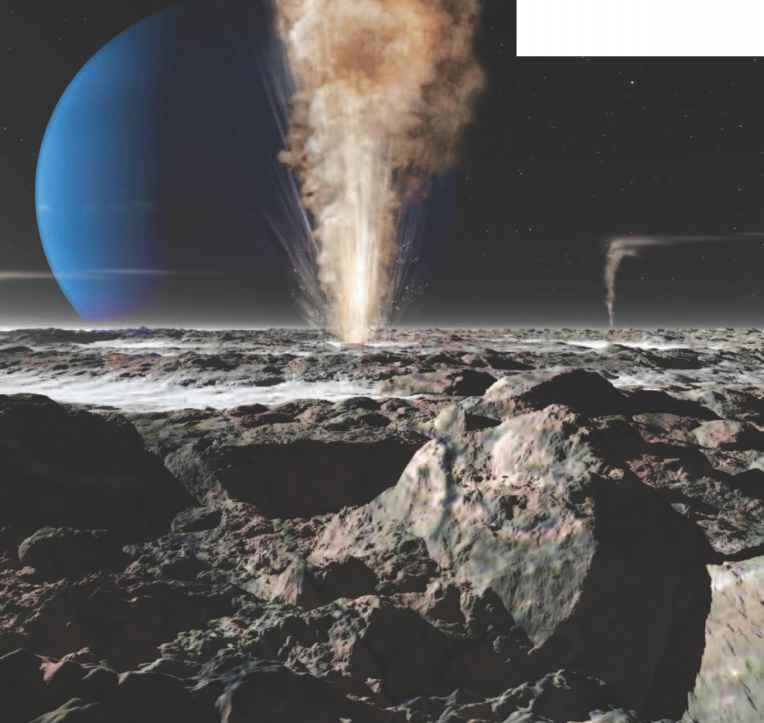
Neptune’s largest moon, Triton, stands as one of the most peculiar and fascinating objects in our solar system. Among its many intriguing features, perhaps none are as captivating as its cryovolcanic geysers. These extraordinary phenomena, which shoot nitrogen gas and dark material into space, represent a unique form of geological activity in one of the coldest known environments in our solar system. The discovery and ongoing study of these geysers have revolutionized our understanding of icy bodies in the outer solar system and their potential for dynamic, ongoing processes.
The existence of Triton’s geysers was first revealed during the flyby of NASA’s Voyager 2 spacecraft in 1989. Images captured during this historic encounter showed dark plumes rising up to 8 kilometers above the moon’s surface, trailing for up to 150 kilometers in Neptune’s tenuous atmosphere before dissipating. This observation came as a shock to scientists, who had previously believed that such a distant and frigid world would be geologically dead. Triton, with surface temperatures hovering around -235°C (-391°F), is one of the coldest objects in our solar system, making the presence of active geological processes all the more remarkable.
The mechanism behind Triton’s geysers is believed to be a form of cryovolcanism, where instead of molten rock, volatiles such as nitrogen, methane, and water ice play the role of magma. The current leading theory suggests that these eruptions are driven by a greenhouse effect beneath Triton’s translucent nitrogen ice surface. Sunlight penetrates the thin, transparent layer of nitrogen ice and warms the darker material beneath. This warming causes the subsurface nitrogen to sublimate (change directly from solid to gas), building up pressure until it eventually ruptures the overlying ice in explosive geyser-like eruptions.
What makes these geysers particularly intriguing is their seasonal nature. Observations suggest that the geyser activity is most pronounced during Triton’s southern summer, when more of its southern hemisphere is exposed to sunlight. This seasonal dependence provides valuable insights into the interplay between Triton’s atmosphere, surface, and subsurface processes. It also raises questions about the long-term evolution of these features and their impact on Triton’s overall geology and atmosphere.
The material ejected by Triton’s geysers plays a crucial role in shaping the moon’s surface and atmosphere. The dark, possibly organic-rich material carried aloft by the nitrogen plumes is thought to contribute to the formation of Triton’s polar caps and may be responsible for the moon’s overall reddish-brown coloration. Additionally, these eruptions are likely a significant source of Triton’s tenuous nitrogen atmosphere, constantly replenishing it against losses to space.
The discovery of active geysers on Triton has had far-reaching implications for our understanding of the outer solar system. It demonstrated that even in the coldest, most distant reaches of our planetary neighborhood, dynamic geological processes can persist. This realization has prompted scientists to reconsider the potential for activity on other icy bodies, influencing our approach to studying moons like Europa, Enceladus, and even Pluto.
Furthermore, Triton’s geysers offer a unique opportunity to study cryovolcanic processes that may be common on other icy worlds but are difficult to observe directly. By understanding the mechanisms driving these eruptions on Triton, scientists can develop models that may apply to similar phenomena elsewhere in the solar system. This knowledge is crucial for assessing the potential habitability of icy moons and for understanding the complex interplay between surface, subsurface, and atmospheric processes on these distant worlds.
The study of Triton’s geysers also raises intriguing questions about the moon’s internal structure and energy sources. While the sun plays a role in driving the geyser activity, some scientists speculate that there may be additional internal heat sources contributing to Triton’s geological activity. These could include residual heat from the moon’s formation, tidal heating from its interaction with Neptune, or even the decay of radioactive elements in its core.
9. The Great Dark Spot on Neptune: A Dynamic Storm in the Outer Solar System
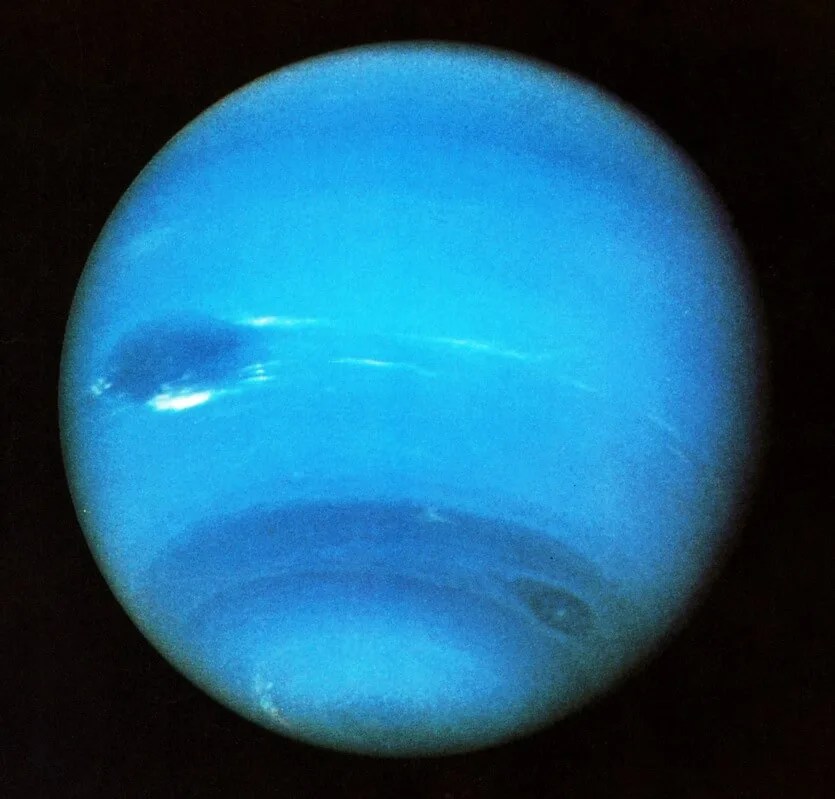
Neptune, the distant ice giant and outermost planet in our solar system, harbors one of the most intriguing atmospheric phenomena known to planetary science: the Great Dark Spot. This massive storm system, reminiscent of Jupiter’s Great Red Spot but with its own unique characteristics, stands as a testament to the dynamic and complex nature of Neptune’s atmosphere. The Great Dark Spot, first observed by NASA’s Voyager 2 spacecraft during its flyby in 1989, has since become an emblem of Neptune’s mysterious and ever-changing face.
The Great Dark Spot is an anticyclonic storm, meaning it rotates in a direction opposite to that of the planet’s rotation. When first observed, it spanned an impressive 13,000 kilometers by 6,600 kilometers, comparable in size to Earth itself. This colossal vortex appeared as a dark, oval-shaped feature against the vivid blue background of Neptune’s hydrogen and helium-rich atmosphere. The spot’s darkness is believed to result from the absorption of blue light by methane gas pulled up from lower layers of the atmosphere as the storm rotates.
What sets Neptune’s Great Dark Spot apart from similar features on other planets is its remarkable variability and transient nature. Unlike Jupiter’s Great Red Spot, which has persisted for centuries, Neptune’s dark spots appear to form, evolve, and dissipate over much shorter timescales. When the Hubble Space Telescope observed Neptune in 1994, the original Great Dark Spot seen by Voyager 2 had disappeared, only to be replaced by another similar feature in the planet’s northern hemisphere. This dynamic behavior provides a unique opportunity for scientists to study the formation and evolution of large-scale atmospheric phenomena in real-time.
The mechanisms driving the formation and maintenance of Neptune’s dark spots are subjects of ongoing research and debate. Scientists believe that these storms are born from instabilities in the planet’s zonal wind flow, which can create vortices that grow and become self-sustaining. The extreme cold temperatures and strong winds in Neptune’s upper atmosphere, which can reach speeds of up to 2,100 kilometers per hour, contribute to the formation and persistence of these massive storm systems.
One of the most fascinating aspects of the Great Dark Spot is its interaction with other atmospheric features on Neptune. Observations have revealed bright, high-altitude clouds near the edges of the dark spots, nicknamed “companion clouds.” These clouds are thought to be composed of methane ice crystals and are believed to form as air is forced upward by the storm system, cooling and condensing as it rises. The presence and behavior of these companion clouds provide valuable insights into the vertical structure and dynamics of Neptune’s atmosphere.
The study of Neptune’s Great Dark Spot and similar features has significant implications for our understanding of atmospheric dynamics not just on Neptune, but on other planets as well. By comparing the behavior of these storms to those on Jupiter and Saturn, scientists can develop more comprehensive models of how planetary atmospheres function across a wide range of conditions. This comparative approach is crucial for advancing our knowledge of atmospheric physics and improving our ability to predict weather patterns on both extraterrestrial bodies and Earth.
Moreover, the transient nature of Neptune’s dark spots raises intriguing questions about the long-term evolution of planetary atmospheres. As we continue to observe these features over decades, we may gain insights into how atmospheric circulation patterns on gas giants can change over time, potentially in response to subtle variations in energy input or internal dynamics.
10. Iapetus’ Equatorial Ridge: The Cosmic Walnut’s Mysterious Belt
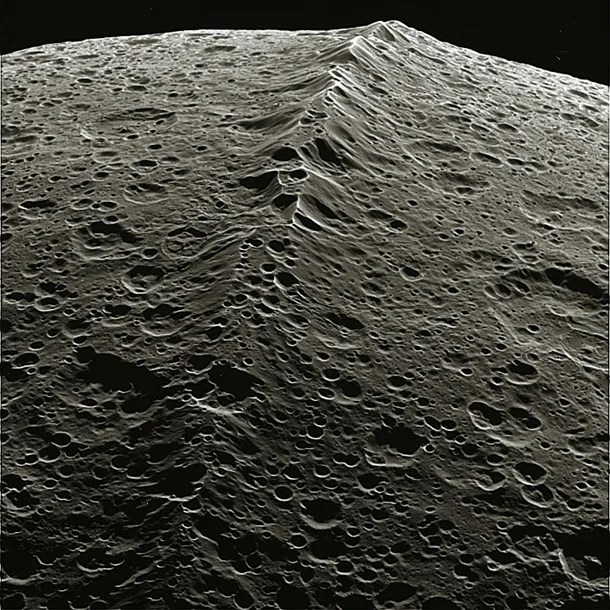
Saturn’s moon Iapetus, often referred to as the “cosmic walnut” due to its unique appearance, boasts one of the most enigmatic features in our solar system: a prominent equatorial ridge that gives the satellite its distinctive shape. This remarkable geological formation, which was first observed in high-resolution images captured by the Cassini spacecraft in 2004, has puzzled planetary scientists and ignited numerous debates about its origin and implications for Iapetus’ history.
The equatorial ridge of Iapetus is a truly monumental structure. It extends almost perfectly along the moon’s equator for more than 1,300 kilometers, covering nearly 75% of Iapetus’ circumference. The ridge rises to an average height of 13 kilometers above the surrounding plains, with some peaks reaching as high as 20 kilometers. To put this into perspective, if such a ridge existed on Earth, it would be more than twice the height of Mount Everest. The width of the ridge varies but averages about 70 kilometers, creating a massive wall-like structure that dominates Iapetus’ landscape.
What makes this feature even more intriguing is its near-perfect alignment with Iapetus’ equator. Such precision suggests that its formation is intimately linked to the moon’s rotation or overall shape, rather than being the result of random geological processes. The ridge also appears to be one of the youngest features on Iapetus’ surface, as it cuts across older craters and terrain, indicating that it formed relatively late in the moon’s geological history.
Several theories have been proposed to explain the origin of this unique structure, each with its own merits and challenges. One of the earliest hypotheses suggested that the ridge could be the result of a convective overturn within Iapetus. According to this theory, as the moon cooled and contracted, material from the interior rose up along the equator, creating the ridge. However, this explanation fails to account for the ridge’s narrow width and sharp definition.
Another intriguing theory proposes that the ridge formed from material that once orbited Iapetus in the form of a ring system, similar to Saturn’s rings but on a much smaller scale. Over time, this material could have collapsed onto the moon’s surface, accumulating along the equator due to Iapetus’ rotation. This hypothesis is supported by the ridge’s equatorial alignment and could explain its relatively young age. However, it raises questions about the origin of such a ring system and why it would have formed around Iapetus specifically.
A more recent and particularly fascinating hypothesis suggests that the ridge might be the result of a giant impact early in Iapetus’ history. According to this theory, a large collision could have caused Iapetus to spin rapidly, deforming its shape. As the moon’s rotation slowed over time, the deformed material could have collapsed towards the equator, forming the ridge. This explanation could account for both the ridge’s alignment and its apparent youth relative to other surface features.
The equatorial ridge not only dominates Iapetus’ appearance but also plays a significant role in the moon’s overall characteristics. The immense structure affects Iapetus’ climate and may contribute to the stark contrast between the moon’s bright and dark hemispheres. The ridge acts as a topographic barrier, potentially influencing the distribution of dark material across the moon’s surface and contributing to the temperature differences between the two hemispheres.
Studying the equatorial ridge of Iapetus provides valuable insights into the processes that can shape planetary bodies. It challenges our understanding of geological evolution in the outer solar system and forces us to consider mechanisms of planetary formation and modification that we may not have previously imagined. The ridge’s existence raises questions about the potential for similar structures on other icy moons and how unique Iapetus truly is in the context of our solar system.
Furthermore, the ridge offers clues about Iapetus’ internal structure and past. Its presence suggests that at least at the time of its formation, Iapetus’ interior was sufficiently malleable to allow for such a massive deformation of its surface. This information is crucial for reconstructing the thermal and geological history of the moon and, by extension, provides insights into the early stages of the Saturn system’s evolution.
As our exploration of the solar system continues, the equatorial ridge of Iapetus remains a tantalizing mystery. Its study not only advances our understanding of this particular moon but also contributes to our broader knowledge of planetary geology, the diversity of worlds in our solar system, and the complex processes that shape them. The ongoing investigation of this unique feature serves as a reminder of how much we still have to learn about even the seemingly most familiar objects in our cosmic neighborhood.