
When Your Cat Wags Its Tail
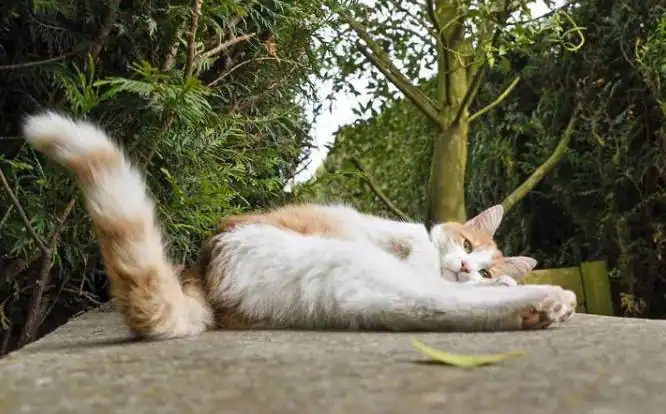
While a wagging tail is often associated with happiness and excitement in dogs, the same cannot be said for cats. When a cat wags its tail, it can signify a very different emotional state. Typically, a cat will swish or flick its tail when it is feeling agitated, annoyed, or even defensive. This behavior serves as a clear signal that they may want some space or prefer to be left alone. Understanding this distinction is crucial for interpreting your cat’s emotions correctly.
Tail wagging in cats can also indicate frustration or overstimulation, especially if they are engaged in play or interacting with another pet. In these moments, a cat may feel overwhelmed and use tail movement as a way to express their discomfort. As a responsible pet owner, it is essential to pay attention to your cat’s body language as a whole, including their ears, eyes, and posture. By recognizing the signs that accompany tail wagging, you can better respect your cat’s boundaries and ensure a more harmonious relationship.