
Embracing independence as a woman living alone is both empowering and challenging. This comprehensive guide is designed to help solo-dwelling women thrive while prioritizing their safety. From practical home security tips to strategies for building a supportive community, we cover all aspects of living alone confidently. Learn how to create a safe haven without compromising on style, master essential DIY skills, and develop habits that enhance both your personal growth and security. Whether you’re a seasoned solo dweller or new to independent living, this guide offers invaluable insights to help you slay your goals while staying safe. Discover how to make the most of your solo journey with confidence and peace of mind.
Buy and Use a Voice-Activated Assistant for Emergencies
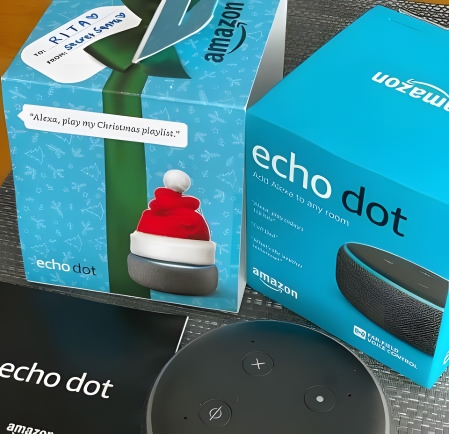
In today’s technologically advanced world, voice-activated assistants have become increasingly popular and sophisticated, offering a range of features that can significantly enhance both convenience and security for women living alone. Devices like Amazon Alexa, Google Assistant, or Apple’s Siri are not just tools for playing music or checking the weather; they can be crucial allies in maintaining a safe and secure home environment, especially in emergency situations.
The primary advantage of these voice-activated assistants is their hands-free operation. In an emergency, when every second counts and you might not be able to reach your phone or another device, being able to call for help using just your voice can be life-saving. Most of these assistants can be set up to dial emergency services or pre-programmed contacts with simple voice commands. For instance, you could say, “Alexa, call for help,” or “Hey Google, call 911,” and the device will initiate the call immediately.
Beyond emergency calls, these assistants can be integrated with various smart home devices to create a comprehensive home security system. By connecting your voice assistant to smart locks, security cameras, and motion sensors, you can control and monitor your home’s security with voice commands. For example, you could ask your assistant to lock all doors, turn on exterior lights, or show you a live feed from your security cameras, all without having to move from where you are.
Voice-activated assistants can also help in more subtle ways to enhance your safety. They can be programmed to simulate occupancy when you’re away from home by turning lights on and off at set times or playing music, deterring potential intruders who might be monitoring the house. Some advanced systems can even detect unusual sounds like breaking glass or smoke alarms and alert you or emergency services automatically.
For women living alone, these devices can provide a sense of companionship and reduce feelings of isolation, which in itself can be a safety measure. The ability to ask questions, get information, or even just hear another voice can be comforting, especially during late hours or when feeling vulnerable.
However, it’s important to consider privacy concerns when using these devices. Ensure you understand the privacy settings and data collection policies of your chosen assistant. Take time to review and adjust settings to limit data collection and protect your personal information. Also, be aware of the potential for these devices to be hacked or manipulated, and take necessary precautions such as regularly updating software and using strong, unique passwords for associated accounts.
When setting up your voice-activated assistant for emergency use, it’s crucial to test the system regularly. Practice using emergency commands to ensure they work correctly and that you’re comfortable with the process. Also, inform trusted neighbors or family members about your setup so they can assist or respond appropriately if an emergency occurs.
Remember that while voice-activated assistants can be incredibly helpful in emergencies, they should not be relied upon as the sole means of calling for help. Always have a backup plan, such as a charged mobile phone within reach, and know how to manually operate any connected smart home devices in case of technology failures.
By thoughtfully integrating a voice-activated assistant into your home and daily routine, you can create an additional layer of security and peace of mind. These devices, when used wisely, can serve as a valuable tool in your overall safety strategy, providing quick access to help and information when you need it most.
Don’t Let People Know You’re Living Alone (especially on Social Media)
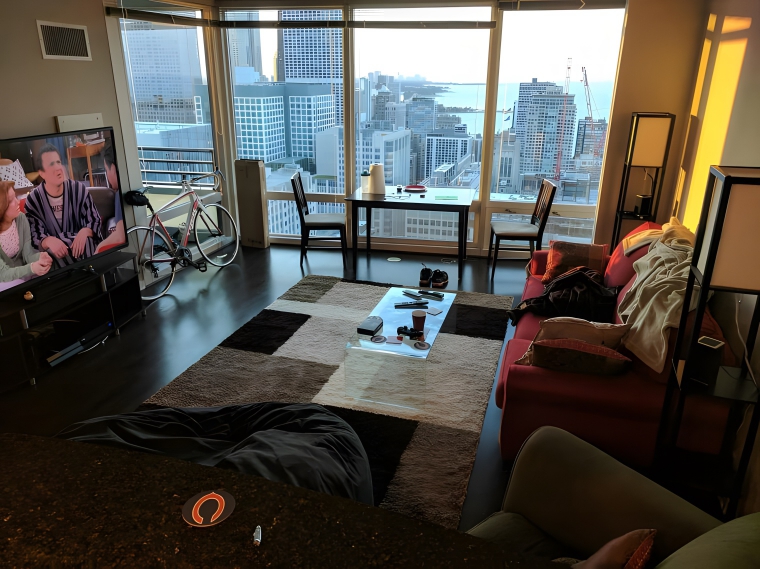
In an age where sharing personal information on social media has become commonplace, it’s crucial for women living alone to exercise caution about what they reveal online. The practice of not disclosing your solo living status, particularly on social platforms, is a vital safety measure that can significantly reduce potential risks and vulnerabilities.
Social media platforms, while excellent for staying connected with friends and family, can also inadvertently become a source of sensitive information for those with malicious intent. When you share that you’re living alone, you’re essentially broadcasting a piece of information that could be exploited by individuals looking for easy targets. Burglars, stalkers, or other criminals often use social media to gather information about potential victims, and knowing that someone lives alone can make them appear more vulnerable.
Instead of explicitly stating that you live alone, consider using more ambiguous language when referring to your living situation. For instance, use “we” instead of “I” when talking about home-related activities, even if you’re referring to yourself and a pet. This small linguistic shift can create the impression that you’re not alone, potentially deterring those who might see solo dwellers as easy targets.
Be mindful of the photos and videos you post online. Avoid sharing images that clearly show you’re the sole occupant of your home. Similarly, be cautious about posting pictures that reveal identifiable features of your home’s exterior or interior, as these can be used to locate your residence. If you do share photos from inside your home, ensure that they don’t inadvertently reveal security measures (or lack thereof) or valuable items that might attract burglars.
When it comes to check-ins and location tagging, exercise extreme caution. Regularly sharing your location, especially if it’s your home address, can create a pattern that others can track. This is particularly risky if you’re also sharing information about being away from home, as it essentially announces to potential intruders that your residence is unoccupied.
Be wary of oversharing details about your daily routine. Information about when you leave for work, when you typically return home, or when you’re planning to be away can be pieced together by someone with ill intentions to determine when your home is likely to be empty. Similarly, avoid posting about upcoming trips or vacations until after you’ve returned. Announcing that you’ll be away from home for an extended period is essentially an invitation for burglars.
It’s also important to regularly review and adjust your privacy settings on social media platforms. Ensure that your posts are only visible to friends and not to the public at large. Be selective about who you accept as friends or followers, and consider creating separate lists with different levels of access to your information. Remember, it’s not just about who can see your posts directly, but also about who can see information through mutual connections.
While it’s natural to want to share aspects of your life with friends and family, consider alternative, more private methods of communication for sensitive information. Use private messaging apps, phone calls, or in-person conversations to share details about your living situation or travel plans with trusted individuals.
Educate yourself about the various ways information can be gleaned from social media posts. Even seemingly innocent posts can reveal more than you intend. For example, a photo of your living room might show a street sign through the window, or a casual mention of a nearby landmark could give away your approximate location.
Remember that the goal isn’t to live in fear or completely withdraw from social media, but rather to be mindful and strategic about what you share. You can still maintain an active online presence while protecting your privacy and safety. Focus on sharing experiences, thoughts, and interests rather than specific details about your living situation or daily routines.
By being cautious about revealing your solo living status and other personal details on social media, you’re not just protecting yourself from potential physical threats. You’re also safeguarding your peace of mind, allowing you to enjoy the benefits of living independently without the added stress of worrying about who might be accessing this sensitive information.
Put Something Noisy on Your Door Handles
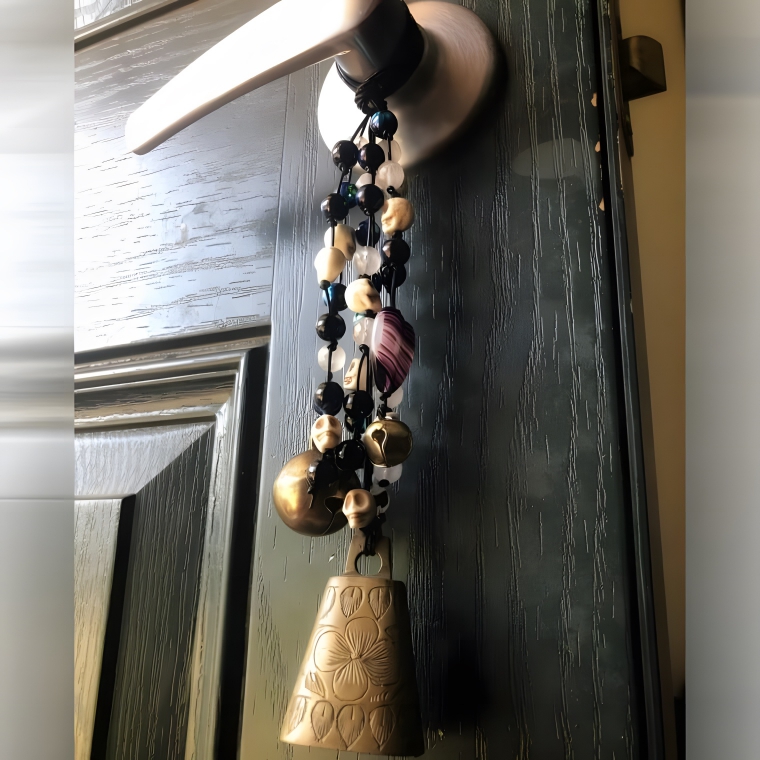
Implementing a simple yet effective security measure like placing noisy objects on your door handles can significantly enhance your sense of safety and awareness at home, especially for women living alone. This low-tech solution serves as an early warning system, alerting you to any unauthorized attempts to enter your home. While it may seem reminiscent of old-fashioned security methods, its effectiveness in modern home security should not be underestimated.
The concept behind this strategy is straightforward: by attaching items that make noise when the door handle is moved, you create an audible alert system that can notify you of potential intruders. This is particularly useful during nighttime hours or when you’re in a part of the house where you might not easily hear someone entering through the main door. Common items used for this purpose include small bells, wind chimes, or even a cluster of lightweight metal objects that will jingle when disturbed.
When selecting items to attach to your door handles, it’s important to choose objects that are light enough not to interfere with the normal operation of the door but substantial enough to create a noticeable sound. Small sleigh bells or miniature wind chimes are often ideal for this purpose. They’re lightweight, produce a clear, distinct sound, and can be easily attached to door handles without causing damage or impeding functionality.
The placement of these noisy items is crucial for their effectiveness. Ideally, they should be positioned in a way that ensures they will make noise with even the slightest movement of the door handle. This might involve using a small piece of string or a lightweight chain to suspend the bells or chimes from the handle, allowing them to move freely and produce sound at the slightest touch.
It’s important to note that while this method can be effective, it should not be relied upon as your sole security measure. Rather, it should be part of a comprehensive home security strategy that includes other elements such as sturdy locks, security cameras, and good lighting. The noisy door handle serves as an additional layer of protection, complementing these other security measures.
One of the advantages of this simple security trick is its versatility. You can apply it not only to your main entry door but also to other potential entry points such as back doors, sliding glass doors, or even windows. By creating a network of these audible alerts throughout your home, you can significantly increase your awareness of any unauthorized access attempts.
While the primary purpose of this technique is security, it can also serve as a helpful reminder to lock your doors. The sound of the bells or chimes as you open or close the door can prompt you to double-check that you’ve secured the lock, especially when leaving home or before going to bed.
For those concerned about the aesthetic impact of this security measure, there are ways to make it blend more seamlessly with your home decor. You could choose decorative bells or chimes that complement your interior design, or even create a custom solution that looks like an intentional decorative element while serving its security purpose.
It’s worth noting that while this method can be highly effective, it’s important to be mindful of potential false alarms. Strong drafts or vibrations from nearby traffic might occasionally trigger the noise. Over time, you’ll likely become attuned to the normal sounds of your home and be able to distinguish between these harmless disturbances and potential security threats.
Implementing this simple yet effective security measure can provide an additional sense of safety and control in your living environment. The psychological comfort of knowing you’ll be alerted to any attempts to enter your home can be immensely valuable, contributing to a greater sense of security and peace of mind in your daily life.
Always Carry Self-Defense Items Like Pepper Spray
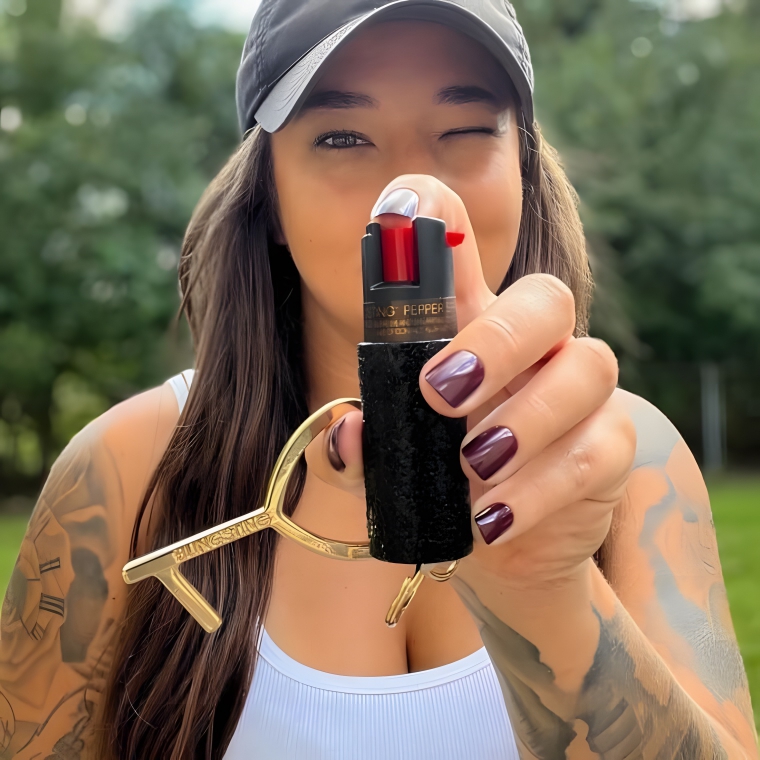
For women living alone, carrying self-defense items such as pepper spray can be a crucial component of personal safety strategy. These compact and easily accessible tools serve not only as potential deterrents to attackers but also as empowering instruments that can provide a sense of security and confidence in various situations. However, it’s essential to approach the use of self-defense items with a comprehensive understanding of their capabilities, limitations, and legal implications.
Pepper spray, one of the most common self-defense items, is a chemical irritant that causes temporary blindness, difficulty breathing, and intense burning sensations when sprayed into an attacker’s face. Its effectiveness lies in its ability to quickly incapacitate a threat, providing valuable time to escape from a dangerous situation. The compact nature of pepper spray makes it easy to carry in a purse, pocket, or on a keychain, ensuring it’s readily available when needed.
When choosing pepper spray or other self-defense items, it’s crucial to research and select products from reputable manufacturers. Look for pepper sprays with a high OC (Oleoresin Capsicum) concentration, as this indicates the potency of the spray. Also, consider factors such as spray pattern (stream, fog, or foam), range, and the number of bursts per canister. Some models come with additional features like UV dye to mark attackers for later identification or safety mechanisms to prevent accidental discharge.
While pepper spray is popular, there are other self-defense items to consider. Personal alarms, for instance, emit a loud, attention-grabbing sound when activated, which can startle an attacker and draw attention to the situation. Tactical pens, designed to be used as both writing instruments and self-defense tools, can provide a discreet option for protection. Kubotans, small stick-like weapons that can be attached to keychains, are another option for close-quarters self-defense.
It’s imperative to understand that carrying self-defense items comes with significant responsibility. These tools should be viewed as a last resort, to be used only in genuine self-defense situations where there is a clear and immediate threat to personal safety. Misuse of these items can lead to legal consequences, so it’s crucial to be fully aware of the laws regarding self-defense items in your area. Laws can vary significantly between jurisdictions, with some places restricting or prohibiting certain types of self-defense tools.
Proper training in the use of self-defense items is essential. Many people make the mistake of purchasing a self-defense tool without learning how to use it effectively. For pepper spray, this means understanding factors like wind direction, optimal spraying distance, and how to aim accurately under stress. Consider taking a self-defense class that includes training with these tools. Such classes can also teach valuable skills in situational awareness, de-escalation techniques, and basic physical self-defense moves, which can be just as important as carrying a self-defense item.
Regular practice with your chosen self-defense item is crucial. This doesn’t mean actually discharging pepper spray, but rather practicing the motions of retrieving it quickly from your bag or pocket and simulating its use. The goal is to develop muscle memory so that in a high-stress situation, you can access and use the tool without hesitation.
It’s also important to regularly check and maintain your self-defense items. Pepper spray, for example, has an expiration date and should be replaced periodically to ensure effectiveness. Keep your self-defense tools in easily accessible locations, but also ensure they’re secure and not visible to others, especially when entering areas where they might be prohibited.
While carrying self-defense items can provide a sense of security, it’s equally important to develop overall safety awareness. This includes being aware of your surroundings, trusting your instincts, avoiding potentially dangerous situations, and having a plan for various scenarios. Self-defense items should be part of a broader personal safety strategy that includes these elements.
Remember that the primary goal of carrying self-defense items is to escape from dangerous situations, not to engage in prolonged confrontations. These tools are meant to provide you with an opportunity to get away from a threat and seek help. Always prioritize your safety and, if possible, remove yourself from potentially dangerous situations before they escalate to the point where you need to use a self-defense item.
By responsibly carrying and being prepared to use self-defense items like pepper spray, you’re taking a proactive step in ensuring your personal safety. However, it’s crucial to approach this aspect of personal security with the right mindset, proper training, and a comprehensive understanding of both the benefits and responsibilities that come with carrying these tools. When used judiciously and in conjunction with other safety practices, self-defense items can significantly contribute to your overall sense of security and empowerment in your daily life.
Get a Dog to Protect You

Considering a dog as both a furry companion and an added layer of protection is an excellent strategy for women living alone. Dogs offer a unique combination of emotional support and security that can significantly enhance one’s sense of safety and well-being. The presence of a canine companion in the home serves multiple purposes, from providing unconditional love and companionship to acting as a natural deterrent against potential intruders. The bond between a woman and her dog can create a powerful sense of security, knowing that there’s always a loyal friend nearby, alert and ready to respond to any unusual situations.
The protective instincts of dogs are well-documented and have been utilized by humans for centuries. Even smaller breeds, which might not seem intimidating at first glance, can serve as excellent alarm systems due to their acute senses and tendency to alert their owners to any unusual noises or activities. This early warning system can be invaluable, providing crucial moments to assess a situation and take appropriate action if necessary. Larger breeds, with their more imposing presence, can act as visual deterrents, potentially discouraging would-be intruders from targeting a home. The mere sound of a dog barking inside a house is often enough to make criminals think twice about attempting a break-in.
When considering getting a dog for protection, it’s crucial to choose a breed that aligns with your lifestyle, living situation, and personal preferences. Factors to consider include the size of your living space, your activity level, the amount of time you can dedicate to exercise and training, and any breed-specific regulations in your area. While breeds traditionally associated with protection, such as German Shepherds, Rottweilers, or Doberman Pinschers, can be excellent guardians, they also require significant training, exercise, and socialization. Smaller breeds like Chihuahuas or Jack Russell Terriers, known for their alert nature and loud barks, can be equally effective in signaling potential threats, especially in apartment settings.
Investing time in proper training and socialization is paramount to ensuring that your canine companion is not only an effective protector but also a well-behaved member of your household and community. Professional obedience training can help establish a strong bond between you and your dog while teaching essential commands that could be crucial in emergency situations. Socialization is equally important, exposing your dog to various people, animals, and environments to prevent aggressive or fearful behaviors. A well-trained and socialized dog is more likely to accurately assess threats and respond appropriately, rather than reacting indiscriminately to every stimulus. This balance of alertness and composure is what makes a dog an ideal protector for women living alone, providing both security and peace of mind without undue stress or aggression.
Change the Locks When You Move Into a New Place
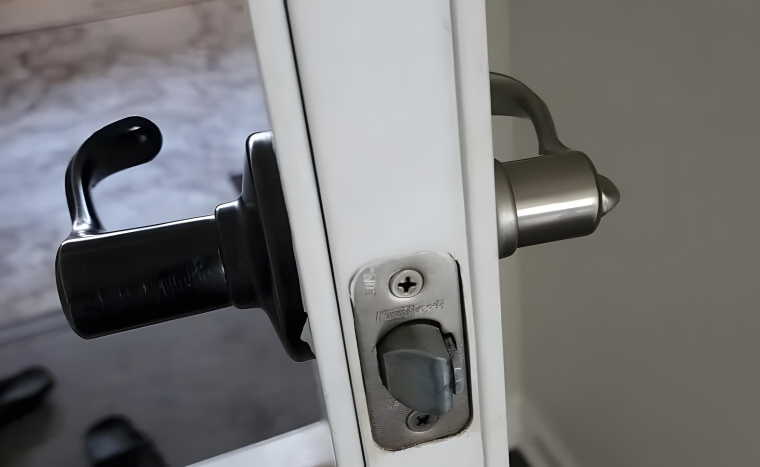
Moving into a new home is an exciting milestone, but it also presents a critical opportunity to enhance your personal security, especially for women living alone. One of the most crucial yet often overlooked steps in this process is changing the locks on all exterior doors immediately upon taking possession of your new residence. This simple action serves as a fundamental cornerstone of your home security strategy, providing peace of mind and ensuring that you have full control over who has access to your living space. The importance of this step cannot be overstated, as it addresses a significant vulnerability that many new residents fail to consider.
When you move into a previously occupied home or apartment, there’s no way to be certain about the number of keys that might be in circulation. Previous tenants, property managers, maintenance staff, real estate agents, and even friends or family members of former occupants could potentially have copies of the keys to your new home. While most people would never misuse such access, it only takes one individual with malicious intent to compromise your safety and privacy. By changing the locks, you effectively reset this aspect of your home’s security, ensuring that you are the sole person with access to your living space.
In today’s market, there are numerous options available when it comes to upgrading your locks, ranging from traditional mechanical locks to advanced smart lock systems. Traditional deadbolts and lock sets offer reliable security and can be easily installed by a professional locksmith or even as a DIY project if you’re handy. However, for those looking to enhance their security further, smart locks present an attractive option. These high-tech solutions offer features such as keyless entry, remote access control, and activity logs that can be monitored from your smartphone. Some smart lock systems even integrate with broader home security setups, allowing for seamless coordination with alarm systems and security cameras.
When considering lock replacement, it’s also an opportune time to assess the overall security of your entry points. This might involve reinforcing door frames, installing additional locks or security bars on windows, or adding peepholes or video doorbells for enhanced visibility of visitors. For those living in apartments or rental properties where changing locks might require landlord approval, it’s important to communicate your security concerns and work together to find a solution that addresses your need for safety while respecting property management policies. Some landlords may be willing to change the locks themselves or permit you to do so as long as they’re provided with a copy of the new keys for emergency access.
Implementing this crucial security measure immediately after moving in sets the tone for your approach to personal safety in your new home. It’s a proactive step that not only secures your physical space but also provides a psychological benefit, allowing you to fully relax and feel at home in your new environment. By taking control of your home’s access from the outset, you’re establishing a strong foundation for your overall security strategy, one that can be built upon with additional measures as needed. Remember, the peace of mind that comes from knowing you’re the only one with access to your living space is invaluable, especially for women living alone. It’s an investment in your safety and well-being that pays dividends every day in the form of increased confidence and security in your personal sanctuary.
Don’t Tell People When You Have a Vacation Planned
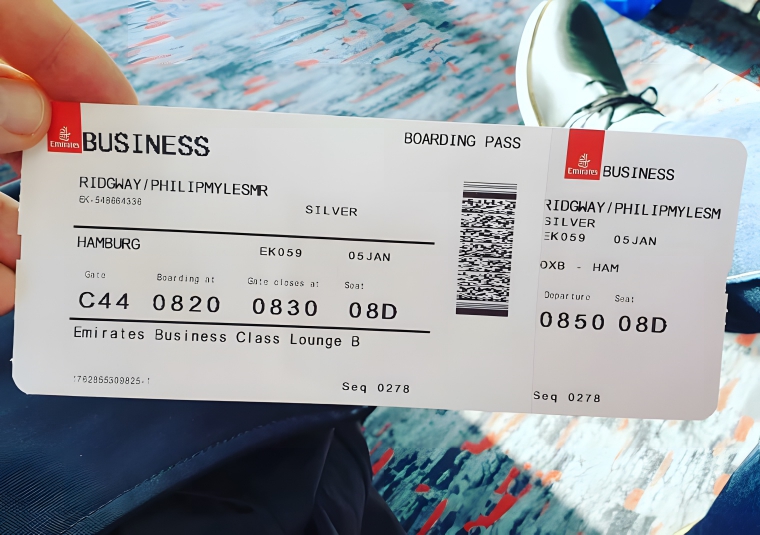
In an age where sharing personal information on social media has become second nature, exercising caution about broadcasting your vacation plans is a crucial safety measure, particularly for women living alone. The excitement of an upcoming trip can often lead to oversharing, but this seemingly innocent act can potentially compromise your home’s security and personal safety. When you announce your absence, whether through social media posts, casual conversations with acquaintances, or even out-of-office email replies, you’re inadvertently providing valuable information to individuals who might exploit this knowledge for nefarious purposes. Burglars and other criminals often seek out such information to identify vulnerable targets, and a vacant home presents an attractive opportunity for break-ins or other criminal activities.
Instead of widely sharing your travel plans, adopt a more discreet approach to ensure your home remains secure during your absence. Limit the information about your trip to a small circle of trusted individuals, such as close family members, reliable friends, or trustworthy neighbors. These confidants can play a crucial role in maintaining the appearance of occupancy at your residence and responding to any emergencies that might arise while you’re away. Consider designating a point person who can regularly check on your property, collect mail, and handle any unexpected situations. This approach not only enhances your home’s security but also provides you with peace of mind during your travels, knowing that someone you trust is keeping an eye on things.
To further safeguard your home during your absence, implement additional security measures that create the illusion of occupancy. Utilize smart home technology to your advantage by setting up timed lights that mimic your usual patterns of activity. Some systems even allow you to remotely control lights, thermostats, and other devices, adding an extra layer of realism to the impression that someone is home. Consider temporarily stopping mail and newspaper deliveries or arranging for a neighbor to collect them regularly to prevent an obvious buildup that signals your absence. If you have a trusted neighbor or friend, ask them to occasionally park their car in your driveway or to put out and bring in your trash bins on scheduled collection days. These small actions can significantly contribute to maintaining the appearance of normal daily activities at your residence.
While it’s natural to want to share your exciting travel experiences with friends and followers on social media, consider delaying your posts until after you’ve returned home. If you feel compelled to share updates during your trip, be mindful of the information you’re revealing. Avoid posting real-time location data or specific details about the duration of your absence. Instead, consider sharing more general content that doesn’t explicitly indicate that you’re away from home. For those who use social media for professional purposes or have a large online following, consider preparing and scheduling posts in advance to maintain an online presence without revealing your current location or travel status. By being strategic about your online activity and selective about who you inform of your travel plans, you can enjoy your vacation with greater peace of mind, knowing that you’ve taken important steps to protect your home and personal safety during your absence.
Buy a Personal Safety Alarm

Investing in a personal safety alarm is a proactive and empowering step towards enhancing personal security, particularly crucial for women living alone or frequently navigating public spaces independently. These compact devices serve as a powerful deterrent and attention-grabbing tool in potentially dangerous situations, offering an additional layer of protection beyond traditional self-defense methods. Personal safety alarms are designed to emit an extremely loud, piercing sound when activated, typically ranging from 120 to 140 decibels – a volume comparable to that of a jet engine or a rock concert. This intense auditory output serves multiple purposes: it can startle and disorient a potential attacker, draw immediate attention from bystanders or nearby authorities, and provide the user with a critical opportunity to escape or seek help.
The effectiveness of personal safety alarms lies not only in their ability to produce a loud noise but also in their psychological impact on both the user and potential aggressors. For the user, carrying a personal alarm can significantly boost confidence and sense of security, knowing that help is literally at their fingertips. This increased confidence often translates into more assertive body language and awareness, which in itself can be a deterrent to potential attackers who typically seek out individuals who appear vulnerable or distracted. For would-be aggressors, the knowledge that a potential victim might be carrying such a device can serve as a powerful deterrent, as the prospect of drawing immediate and widespread attention to their actions significantly increases the risk of apprehension.
When selecting a personal safety alarm, it’s important to consider various factors to ensure you choose a device that best suits your needs and lifestyle. Size and portability are crucial aspects – the ideal alarm should be compact enough to carry comfortably in a pocket, purse, or attached to a keychain, ensuring it’s always readily accessible. Battery life is another important consideration; opt for models with long-lasting batteries or rechargeable options to ensure reliability. Some advanced models come with additional features such as built-in flashlights, GPS tracking capabilities, or even direct connections to emergency services or designated contacts. While these features can provide added value, it’s essential to prioritize ease of use and reliability in high-stress situations.
To maximize the effectiveness of your personal safety alarm, it’s crucial to familiarize yourself with its operation and incorporate it into your daily routine. Practice activating the alarm in a safe environment to ensure you can do so quickly and instinctively if needed. Develop the habit of keeping the alarm easily accessible, whether by attaching it to your keys, wearing it as a bracelet, or consistently placing it in an easily reachable pocket of your bag. Consider the various scenarios in which you might need to use the alarm and plan accordingly – for instance, if you often go for evening runs, look for models that can be comfortably worn on your wrist or clothing. Additionally, it’s important to educate yourself on the legal aspects of using personal safety alarms in your area, as some jurisdictions may have restrictions on certain types of devices or their use in specific situations. By thoughtfully selecting and consistently carrying a personal safety alarm, you’re adding a valuable tool to your personal security arsenal, one that can provide both practical protection and peace of mind in your daily life.