
6. Societal Perceptions and Ageism: Challenging Beauty Standards
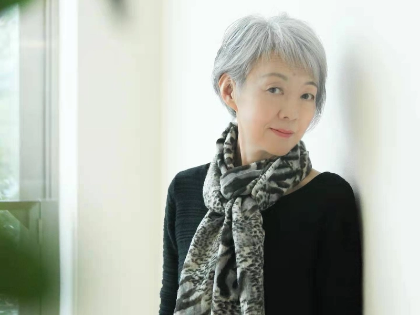
Though it’s quite personal whether one chooses to embrace gray hair or go with coloring, it’s impossible to overlook the social setting in which these decisions are taken. Gray hair has been linked for decades with aging, and in a society that frequently prizes youth above all else, this has resulted in complicated and occasionally difficult attitudes about gray hair, especially for women.
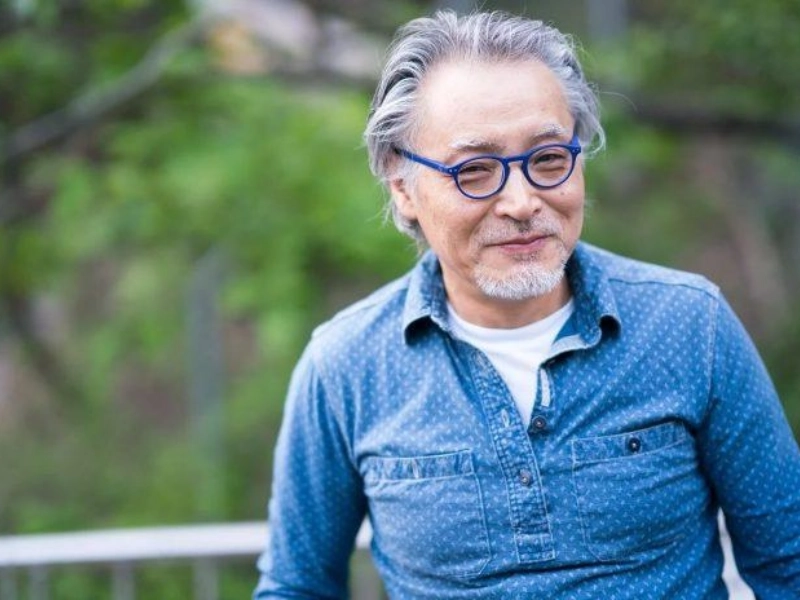
Gray hair has always been seen historically with a double standard. Men with gray hair have typically been called sophisticated or debonair, but women have been under pressure to hide their gray to keep a young look. This discrepancy mirrors more general problems of ageism and sexism in society, where women sometimes suffer more negative perceptions of their appearance as they get older.
Still, there has been a clear change in these impressions recently. Celebrating the beauty of natural gray hair and the transitioning to gray process, the “grombre” movement—a combination of “gray” and “ombre—”has found support on social media. Together with more gray-haired people showing up in media and advertising, this movement is helping to redefine what it means to age gracefully and question long-held beauty standards.
Even with this advancement, many people—especially in the workplace—still suffer prejudice or criticism over their gray hair. Some say they feel under pressure to color their hair in order to look more competitive and young for the job market. This emphasizes the continuous necessity of more general society reform and acceptance of natural aging processes.
Choosing to embrace gray hair or color it is not only about appearance; it can also be a potent political and personal statement. Many people choose to go gray as a means of self-acceptance and a rejection of social expectations to fit limited beauty criteria. It can be a means of recovering identity and confronting ageist preconceptions.
Changing opinions of gray hair depends much on education and representation. Society perceptions are probably going to keep changing as more people of all ages accept their natural gray and as media portrayal of gray-haired people gets more varied and favorable. Those with gray hair gain from this change as well as help to define beauty more broadly and inclusively, therefore honoring variety in all its manifestations.
Whether or not one embraces gray hair, the road to self-acceptance is quite personal and impacted by many elements including cultural background, career, and personal experience. Seeing their gray hair as a badge of honor that reflects their life events and wisdom, some people could feel emboldened. Others might choose to color their hair just as a means of self-expression or personal inclination, not out of guilt or fear of aging.
Promoting age diversity and tackling ageism in the workplace are absolutely vital. Businesses are realizing more and more the value of experience as well as the need of diverse teams including people of many ages. This change can enable settings where people feel free to express themselves genuinely—that is, whether they decide to color their gray hair or embrace it.
The ultimate aim should be to establish a society in which people are free to decide on their look without regard to criticism or prejudice. This covers honoring the decision to color hair, go gray naturally, or play around with several styles at any age. We can help to create a more inclusive and fair society for people of all ages by questioning limited beauty standards and pushing acceptance of many looks.
 zi ang