
61. Matador – South Africa
Manufacturer: Paramount Group
Primary Users: Military of Jordan
Cost: $650,000*
Made by South Africa’s Paramount Group, the Matador is an APC (armored personnel carrier) and mine-protected military vehicle. It was introduced to the public for the first time in 2007, and it launched in 2008. The design was licensed to the Jordanian military. It weighs nearly twelve tons, and the combat version weighs almost seventeen tons.
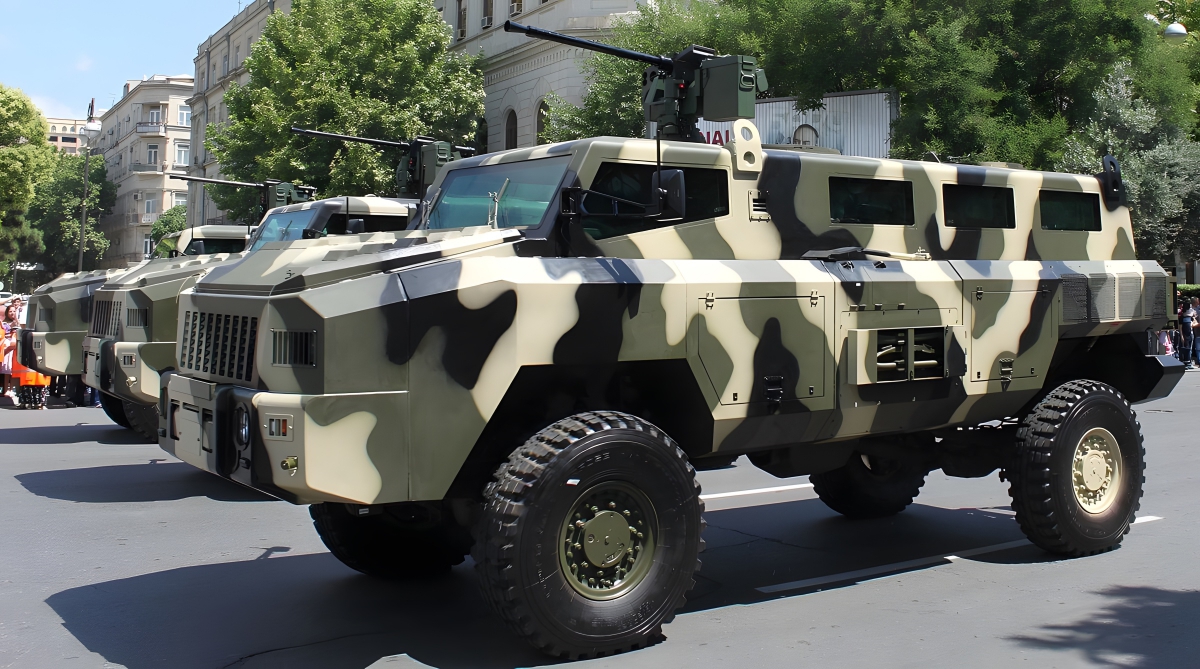
Matador (South Africa) ©Gulustan / Wikimedia.org
The Matador has an MAN engine with a twelve-speed automatic transmission. It is heavily armored, with a monocoque double-skin hull that gives it a sleek, modern look while protecting occupants against blasts as high as the highest level of tested protection: a STANAG 4569 Level III.
62. NIMR JAIS – UAE
Manufacturer: Nimr LLC, GAZ
Primary Users: UAE Army
Cost: $145,000*
The Nimr (which is the Arabic word for “tiger”) refers to a family of APC vehicles, and this APC is the result of a cooperative venture between Nimr LLC and GAZ. It is used by the UAE, and it has been designed specifically to withstand military missions in the harsh, hot desert climates that you find in the Middle East.
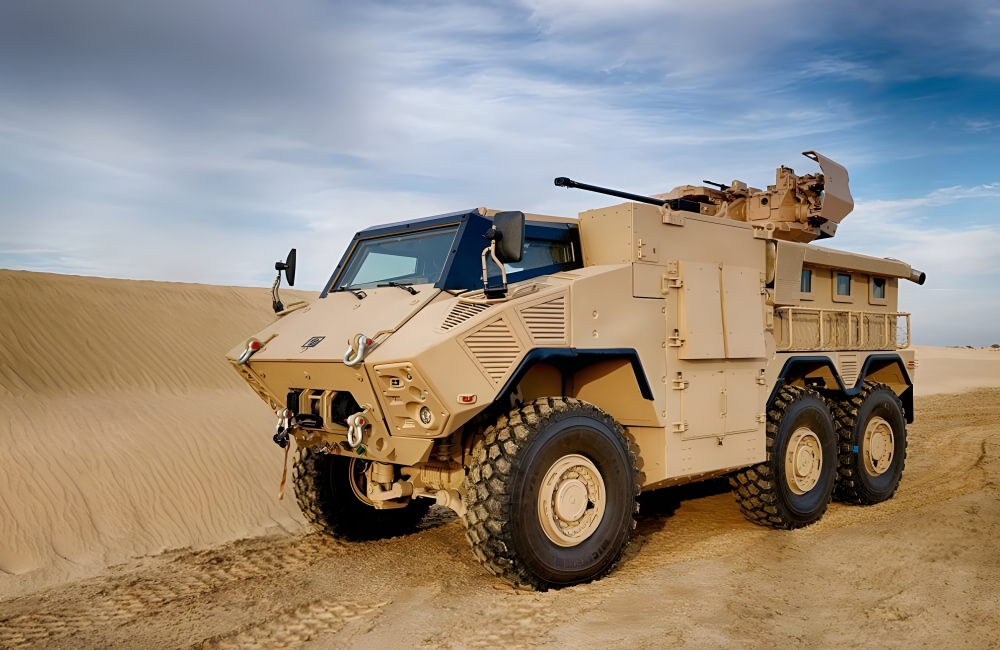
NIMR JAIS (UAE) @MajalahMiliterOnline / Facebook.com
The Nimr JAIS class comes in a 4×4 or 6×6 configuration. It can withstand temperatures as high as 150 degrees Fahrenheit to 26 degrees below Fahrenheit. In addition to the UAE, possible future operators include Turkmenistan, Jordan, Algeria, Lebanon, Libya, and the Czech Republic.
63. Cougar – USA
Manufacturer: Force Protection Inc., Spartan Motors
Primary Users: US Army, Navy, Marine Corps, Air Force
Cost: $644,000*
The Cougar is an MRAP and infantry mobility vehicle that is resistant to IEDs and landmines. Made by Force Protection Inc., which is known for its high-quality manufacturing of vehicles that are mine- and ballistic protected, the vehicles have been integrated by Spartan Motors. In addition to landmines and IEDs, they’re also protected against small arms.
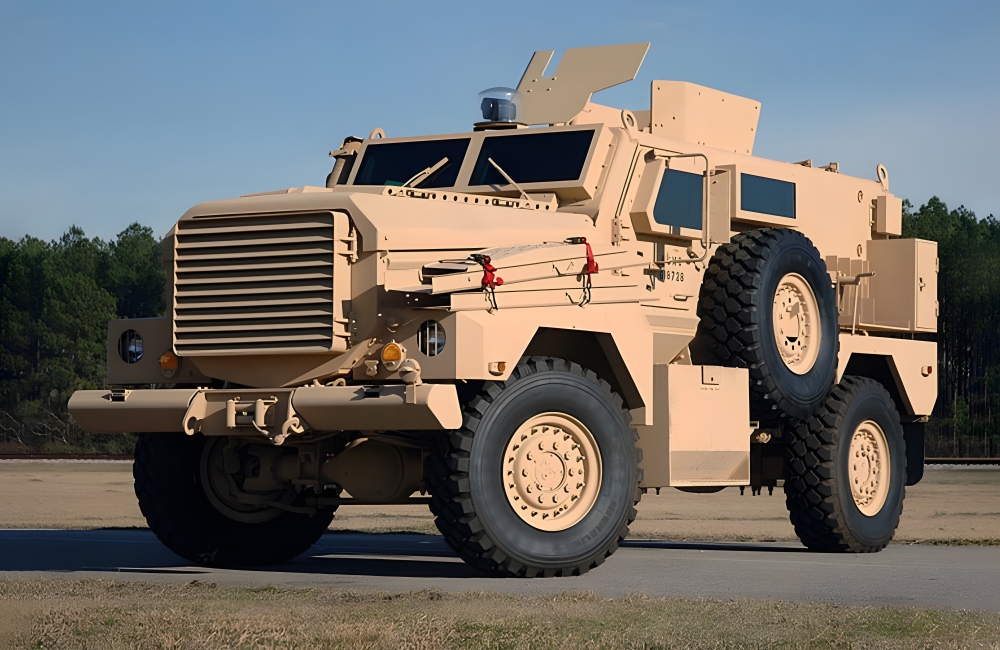
Cougar (USA) @bregvadzes / Pinterest
The design features that protect the crew and engine compartment include a V-shaped hull and monocoque layout that directs any blasts away from below the vehicle. Heavy-duty dual air conditions protect troops, in all their gear, from becoming overheated in temperatures of 100 degrees Fahrenheit or higher.
64. International MaxxPro 4×4 APC – Israel
Manufacturer: Navistar International, Plasan Sasa
Primary Users: U.S. Army, Marine Corps, Air Force
Cost: $905,709*
The International MaxxPro 4×4 APC is an infantry mobility vehicle designed in 2007. This MRAP was manufactured by Navistar International and Plasan Sasa. The MaxxPro was designed as part of the U.S. Marines’ MRAP program. The MaxxPro is mostly sold in Category I configuration, which is smaller and lighter.
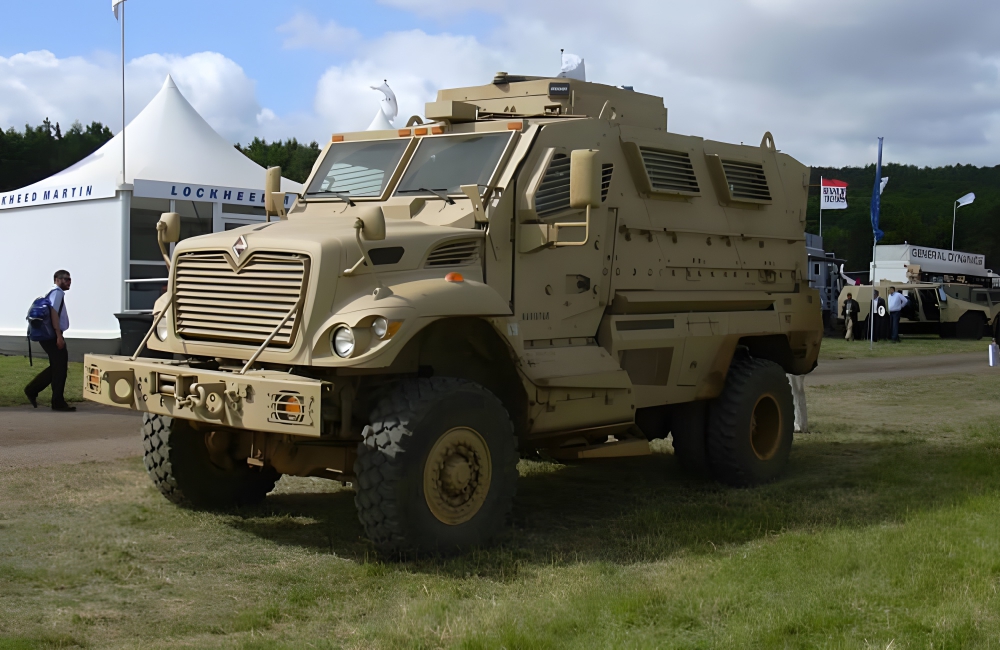
International MaxxPro 4×4 APC (Israel) @Silahlar Savaş Uçakları ve Savaş Teknolojisi / Facebook.com
Under the hood, you’ll find a heavy-duty MaxxForce 10 engine, which gets 375HP. There are MaxxPro Plus and Dash models, which have increased and decreased carrying capacity, respectively. 9,000 MaxxPro vehicles have been produced thus far, usually in contract sizes of several hundred. The cost per unit is $905,709.
65. Nexter TITUS – France
Manufacturer: Nexter
Primary Users: Albanian Land Force, Czech Army, RAID & BRI (No Order, Just Trials in 2016)
Cost: $3.048 million*
Nexter, a weapons manufacturer owned by the French government, manufactured the Titus, an infantry mobility vehicle. Like all IMVs, the Titus is designed as a security vehicle, capable of carrying out military recon and surveillance. The Titus has the same chassis as the Tatra, a Czech IMV.
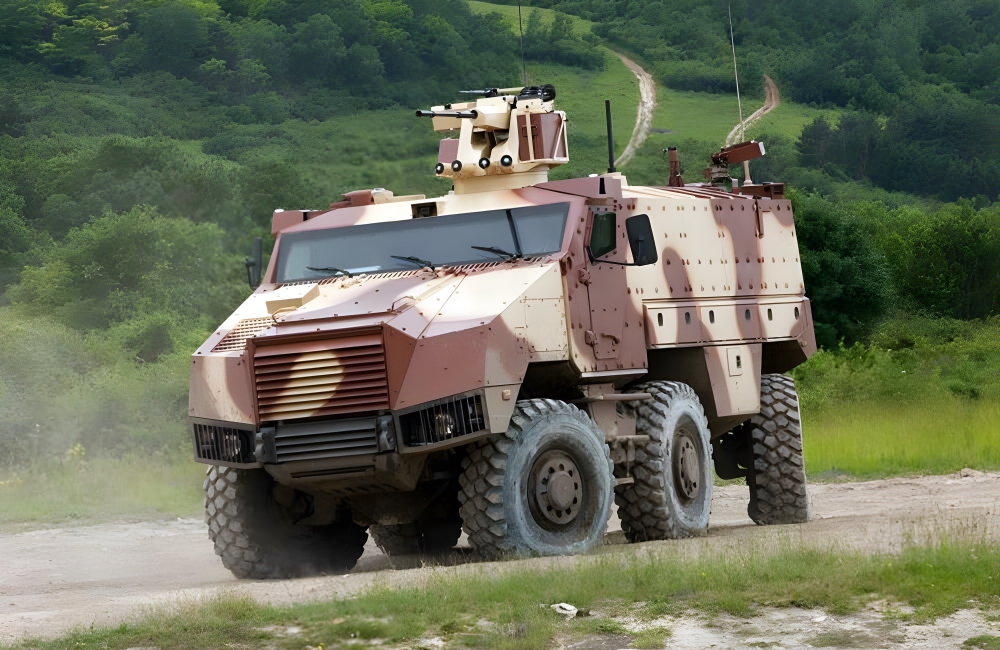
Nexter TITUS (France) @FOB – Forces Opérations Blog / Facebook.com
The Titus is somewhat new. It is in use by the Albanian Land Force and Czech Army. For the Albanian Army, the vehicles are still in the trial period, while the Czech Army has committed to 62 vehicles as of 2017. The maximum speed of the Titus is 56MPH, and the seventeen-ton vehicle’s main armament is a remote weapon station.
66. Lazar – Serbia
Manufacturer: Yugoimport SDPR
Primary Users: Serbian Army, Pakistan
Cost: $600,000*
The Lazar 1, 2, and 3 are part of a military vehicle family that is produced by Yugoimport SDPR, a Serbian defense company. The 8×8 vehicles serve in a multi-role capacity, and they weigh 31 tons. The Lazars are modified MRAPs, which have characteristics of MRAV vehicles as well. The Lazar 2 has more MRAV than MRAP qualities.
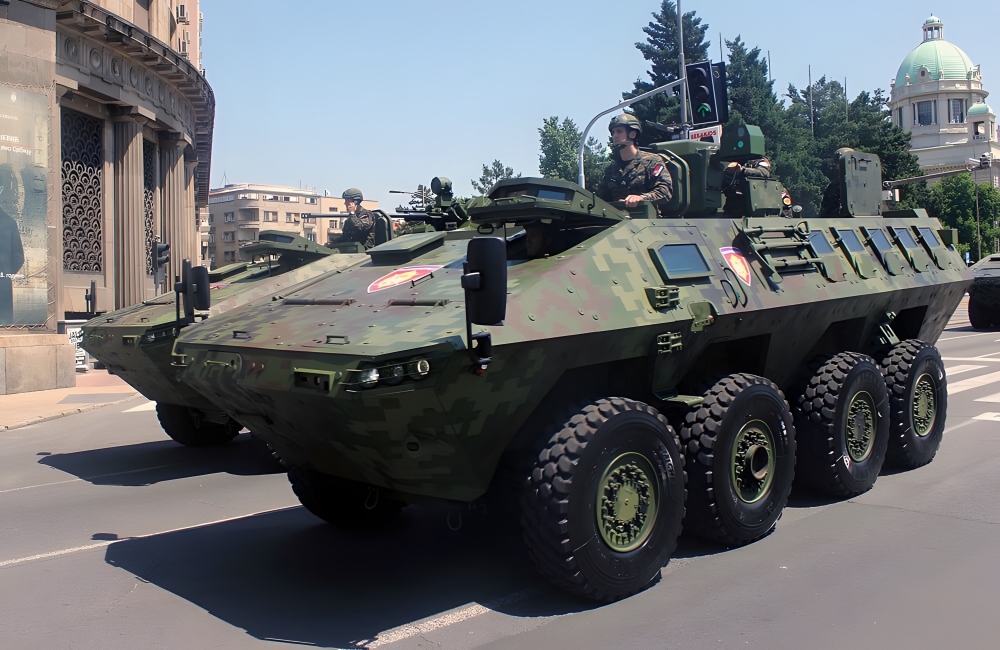
Lazar (Serbia) ©Srđan Popović / Wikimedia.org
The vehicle has a 500HP engine and independent suspension for each of its wheels, which ensures that it will retain high mobility even in areas of rough terrain. Other features include anti-mine protection, ballistic protection, and smokescreen protection. The vehicle can launch several smoke grenades to hinder enemy sight.
67. IAV Stryker – Canada
Manufacturer: General Dynamics Land Systems
Primary Users: U.S. Army
Cost: $5 million*
The Stryker is an ICV—an Infantry Carrier Vehicle. It is part of a family of 8×8 armored fighting vehicles, which are partially derived from the LAV III, a Canadian vehicle. General Dynamics produces Strykers for the U.S Army. So far, 4,900 have been made, 4,466 of which are in service with the Army.
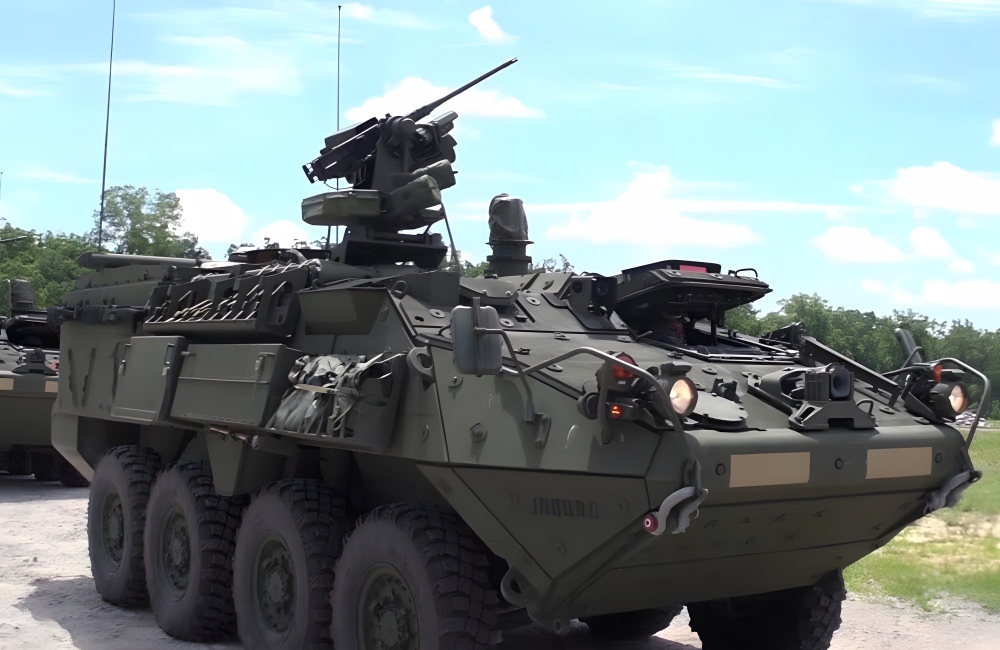
IAV Stryker (Canada) @U.S. Defense System / Youtube.com
Each unit costs around $5 million. The Stryker helps reduce friendly fire incidents, thanks to its extensive computer support. Each Stryker can track both friendly and enemy vehicles in the field, distinguishing easily between the two. The Stryker’s hull is made of high-hardness steel and bolt-on ceramic armor, which protects against a variety of attacks.
68. PL-01 Stealth Tank – Poland
Manufacturer: OBRUM
Primary Users: Polish Military
Cost: $22.95 million*
The PL-01 is a light tank, and its layout is similar to that of standard main battle tanks. The PL-01 has a ceramic-aramid shell, which can protect at a level 5+ (NATO Standard). The PL-01 also has additional armor panels on its hull and turret, and these panels protect against a wide range of projectiles.
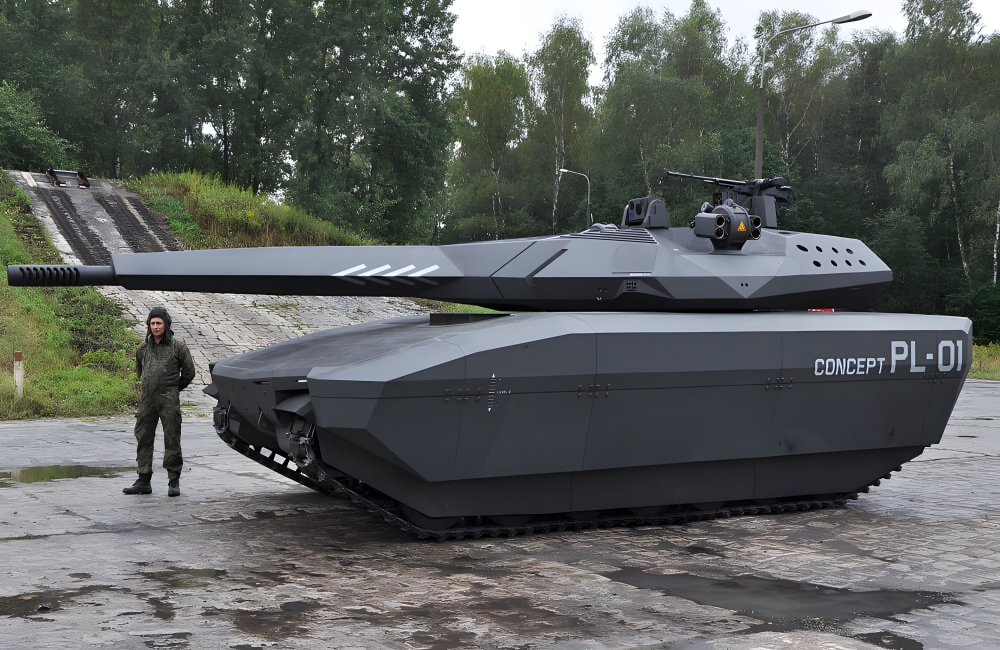
PL-01 Stealth Tank (Poland) @Alexander_Hays3 / Twitter.com
The vehicle’s hull protects against IEDs, as well as landmines. It has a diesel engine that gets 940HP and a seven-wheel suspension. The PL-01’s primary weapon is a 120mm or 105mm cannon with an unmanned turret, which can shoot conventional projectiles, as well as anti-tank missiles.
69. T-15 Armata – Russia
Manufacturer: Уралвагонзавод (UVZ)
Primary Users: Russian Ground Forces
Cost: $3.7 million*
The Russian T-15 Armata, also known as Object 149, is a heavy infantry fighting vehicle made by the Russian Ground Forces. This forty-eight-ton war machine is armored with a steel and ceramic composite that can stand up to 1,200-1,400mm rounds. The main armaments include a 30mm automatic cannon, 7.62mm coaxial machine gun, Kornet-EM anti-tank missiles, and more.
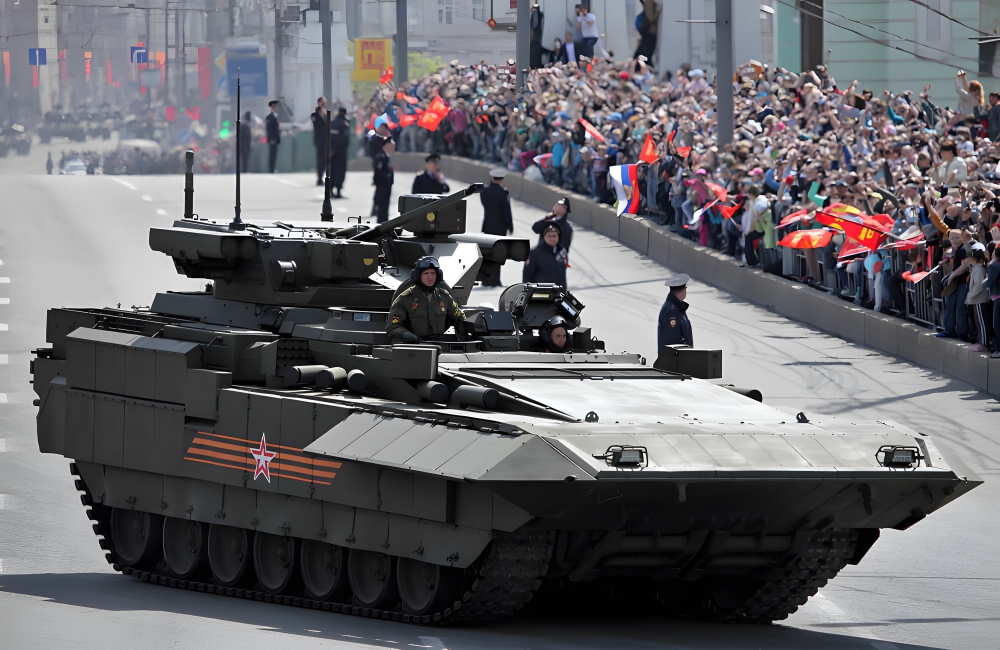
T-15 Armata (Russia) ©Vitaly V. Kuzmin / Wikimedia.org
The Armata was first seen in 2015 for rehearsals of the Moscow Victory Day Parade, though its turret was covered during those days. The Armata will replace the MT-LB and BMP-2 platforms, which are currently also in use by the Russian Ground Forces.
70. Leopard 2A – Germany
Manufacturer: Krauss-Maffei
Primary Users: German Army
Cost: $7.28 million*
The Leopard has been around for a long time, dating back to the 1970s, when it was first developed by Krauss-Maffei. The company developed it for the West German Army at the time, though it’s now, obviously, in use by the German Army as a whole. Each unit costs nearly $7.3 million to make.
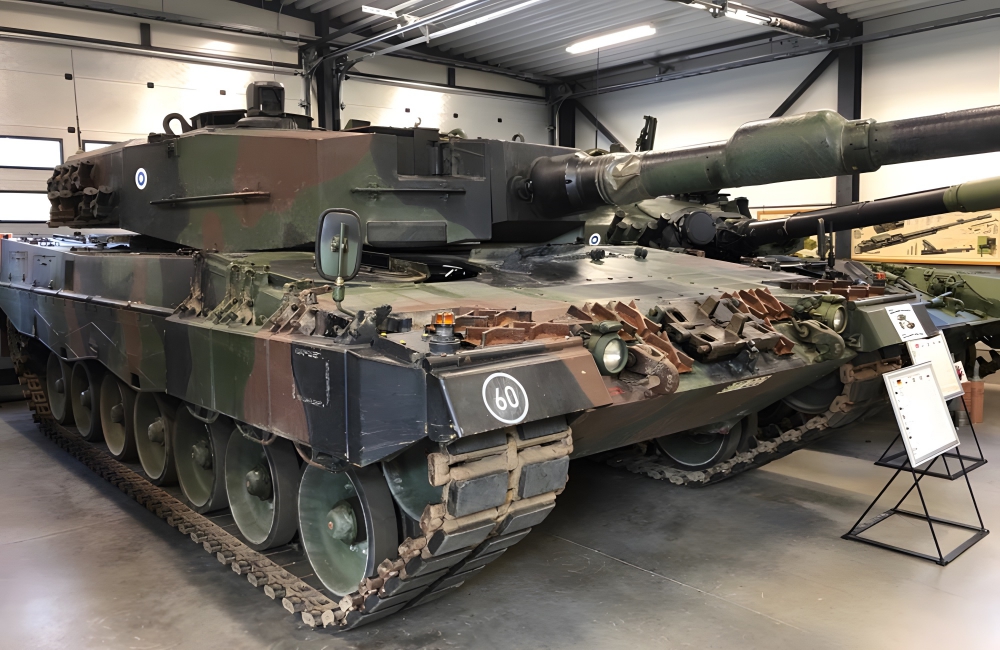
Leopard 2A (Germany) @916speed / Twitter.com
There have been 3,600 of these vehicles built since 1979. The Leopard 2A, its current iteration, is expected to leave service in 2030. Its replacement will be a successor to not only the Leopard 2A, but also the Leclerc tanks. The replacement design and development will be a joint venture between Germany and France.
71. M1A2 Abrams – USA
Manufacturer: General Dynamics Land Systems
Primary Users: U.S. Army, U.S. Marine Corps.
Cost: $8.92 million*
The M1A2 Abrams is a third-gen battle tank that General Dynamics Land Systems designed for the U.S. military. The Abrams was designed for ground armored warfare in modern times. Now, it is one of the heaviest battle tanks in service, weighing in at nearly 140,000 pounds.
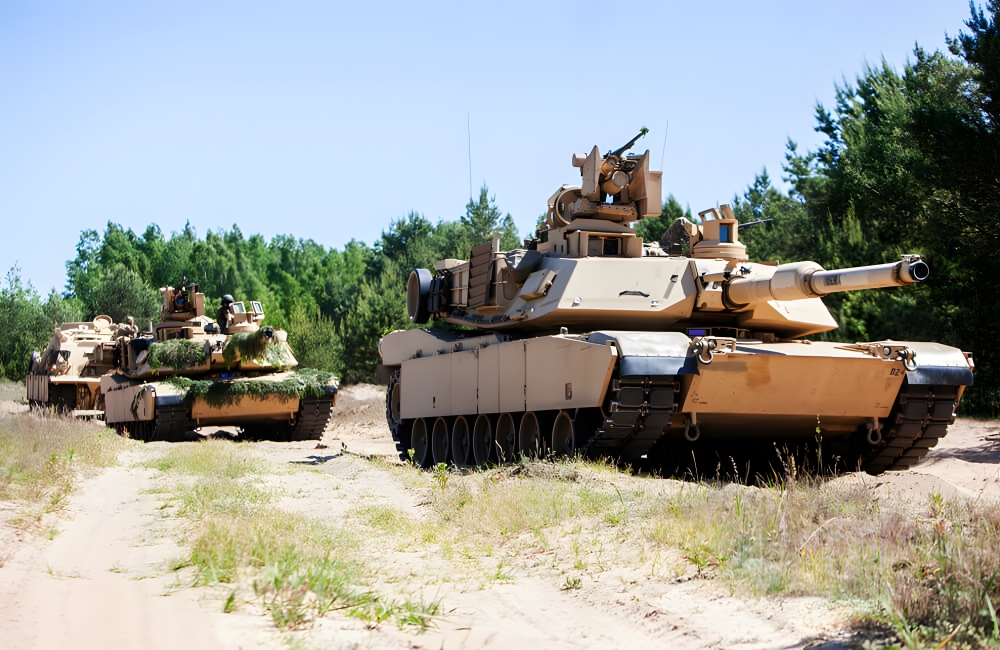
M1A2 Abrams (USA) ©Karolis Kavolelis / Shutterstock
The Abrams, named after General Creighton Abrams, has introduced many new features, such as Chobham composite armor, a multi-fuel turbine engine, separate ammo storage in a blow-out compartment, WMD protection, and a computerized fire control system. The tank entered service in the ‘80s, and it has been with the U.S. in every conflict since.
72. A-10 Thunderbolt II “Warthog” – USA
Manufacturer: Fairchild Republic (Now M7 Aerospace)
Primary Users: Germany, South Korea, UK, U.S. Air Force
Cost: $184 million*
The A-10 Thunderbolt II, nicknamed “The Warthog” or “The Hog” by U.S. military members, is a close air support attack warplane. The Warthog has 1,200 pounds of titanium armor, which protects the aircraft systems and cockpit, meaning the Hog can absorb a lot of damage without flinching.
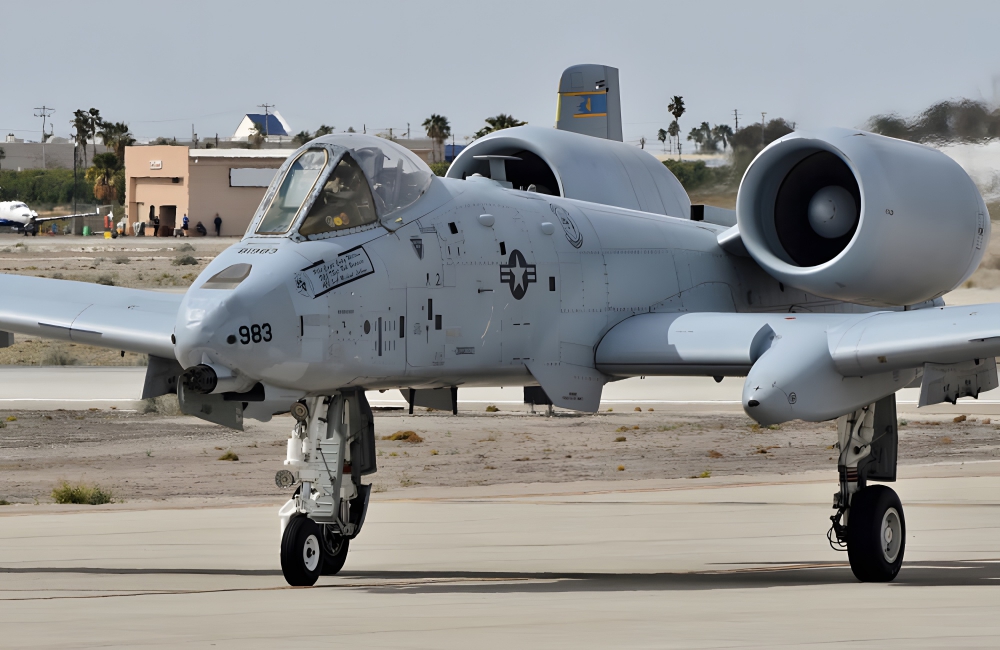
A-10 Thunderbolt II “Warthog” (USA) ©Michael Fitzsimmons / Shutterstock
The Warthog has short takeoff and landing capabilities, which means that it can operate within a short distance from airstrips to the front lines. The Warthog’s A-10A, a single-seater, was the only version ever produced. The Warthog, though it’s been around since the ‘70s, is going nowhere. The A-10’s service life is expected to last until 2040.
73. Ranger 2 AMPV – USA
Manufacturer: MEGA Defense
Primary Users: U.S. Army
Cost: $1.8 million*
The MEGA Defense Ranger 2 AMPV is still in development as of 2020, but it looks like the U.S. Army will be the first taker on this light-armored, heavily-protected 4×4. According to MEGA, the Ranger is designed for “greater crew protection,” “survivability,” “extreme maneuverability,” and “reliability.”
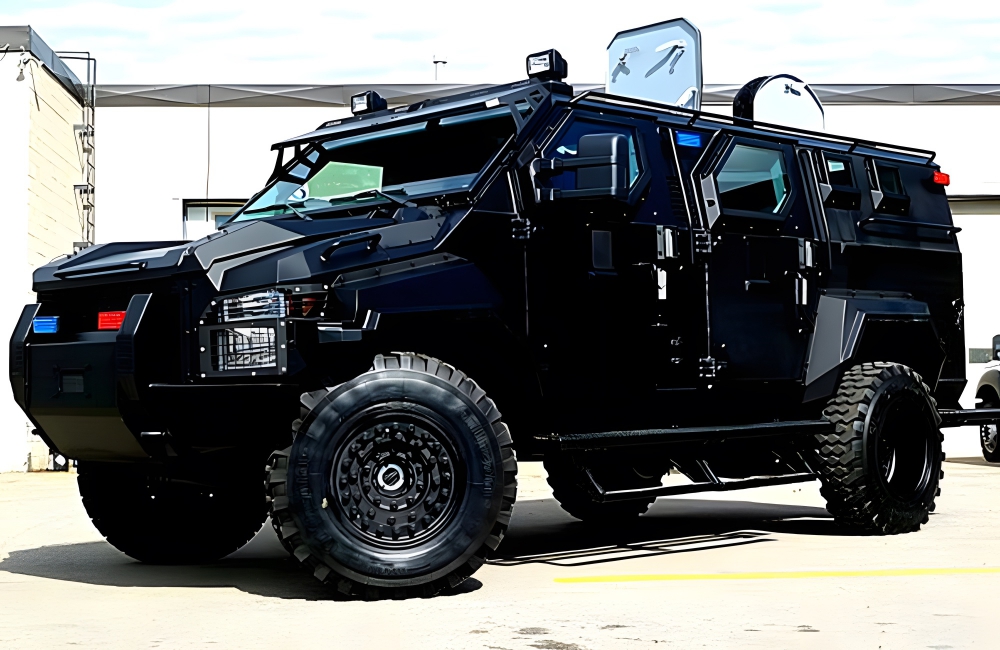
Ranger 2 AMPV (USA) @wattpad / Pinterest
The MEGA Ranger II is flexible in missions in even extremely harsh terrain. These vehicles are based on 6×6 and 4×4 chassis variations. There is an optional AEAV (Advance Electric Armored Vehicle) system, which lets the Ranger II run without depending on oil, a cost-cutting feature the Army is sure to appreciate.
74. A4 AVL 4×4 – France
Manufacturer: Auverland (Panhard)
Primary Users: French Army
Cost: $220,000* ($300,000* with development costs)
The A4 AVL 4×4 is, as France calls it, a Petite Vehicule Protégé, or a “Small Protected Vehicle.” The light, general-purpose armored 4×4 is used by the French Army and made by Auverland (now owned by Panhard). It is a successor to the P4, made by Peugeot.
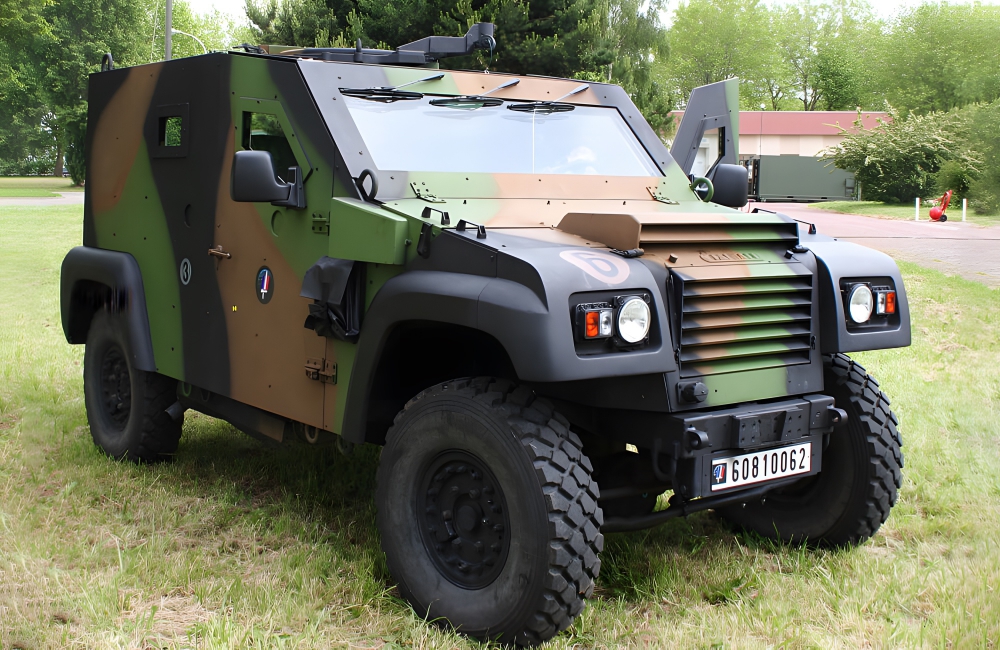
A4 AVL 4×4 (France) ©Crochet.david / Wikimedia.org
The A4 is designed for recon, detection, and communications, in addition to being a personnel and weapons carrier. So far, 1,133 have been produced since 2008. The modular design allows seats to be added or reduced, and the A4 can even be changed into a truck. It provides Level II protection for its crew, and the floor of the A4 is resistant against anti-personnel mines.
75. ACEC Cobra – Belgium
Manufacturer: ACEC SA
Primary Users: Belgian Army
Cost: Unlisted
The ACEC Cobra, made by ACEC SA, is a tracked APC with amphibious capabilities. It shares a similar concept to the BTR-50. It is in use with the Belgian Army, and its newer variation makes the vehicle lighter, it has more room than other vehicles. The finished design was completed in October of 1985.
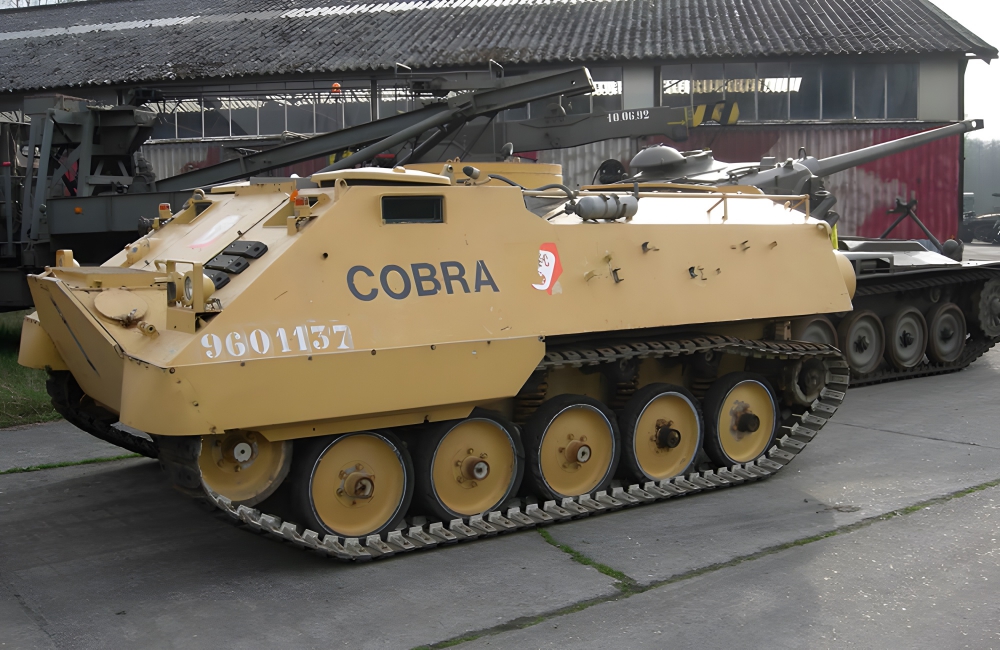
ACEC Cobra (Belgium) @William Testaert / Facebook.com
However, it didn’t make it into service for years because the Cold War ended shortly after the design was finished. The vehicle is noted for its excellent transmission, which provides it with top-tier maneuverability. The vehicle protects against armor-piercing projectiles, small arms fire, and shell splinters.