
170. Cut The Bottoms Out Of Milk Jugs To Protect Seedlings
Materials needed: Scissors, milk jug with cap
Cost To Make: $5*
Small plants need a little extra help to ensure that they grow without being impeded. It’s a rough world out there for delicate, new plants, and you can make their journey a little easier using a simple milk jug.
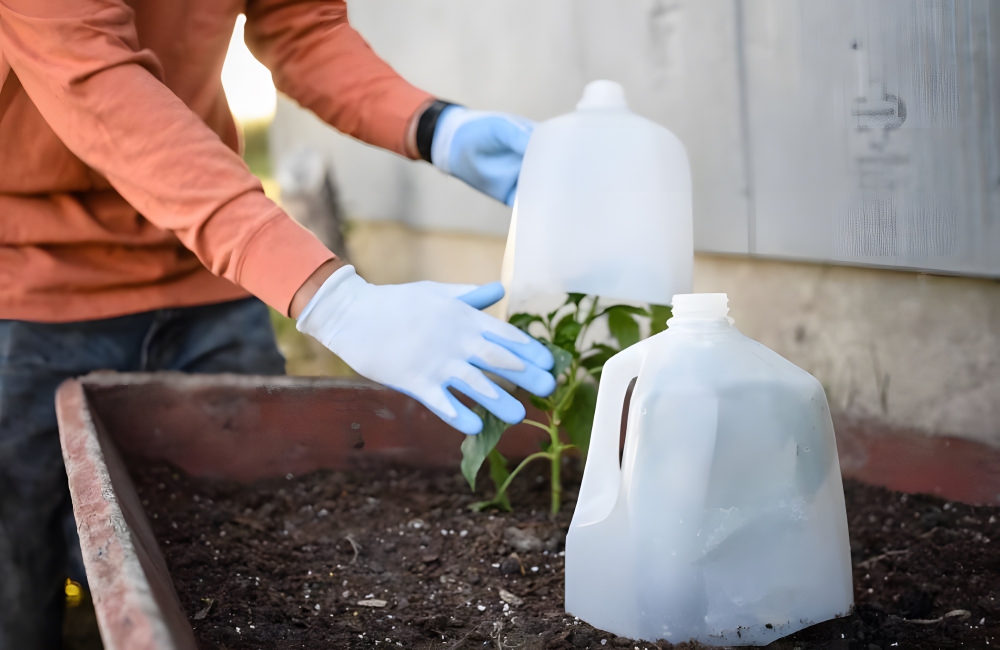
Cut The Bottoms Out Of Milk Jugs To Protect Seedings @bhg/Pinterest
To protect small plants in their beds, cut the bottom out of a gallon milk jug (keep the cap on). Place the jug over each plant, cut-side down. If it’s a warm day, take the cap off to vent the jug. This DIY greenhouse will give your new plants extra warmth and attention, as well as a physical shield, while they grow. In early June (assuming you planted in the spring), you can take the jugs off, as the plants will soon outgrow them.
171. Truck-Bed Caddy
Materials needed: 2x4s, deck screws
Cost To Make: $40*
Pickup trucks are excellent if you need to haul something big, but small things can slide every which way in the back. You can always make your own truck caddy, if you’re handy, with 2x4s fastened with deck screws. The small compartments will keep tinier items from being damaged on your ride from the gardening supply store home.
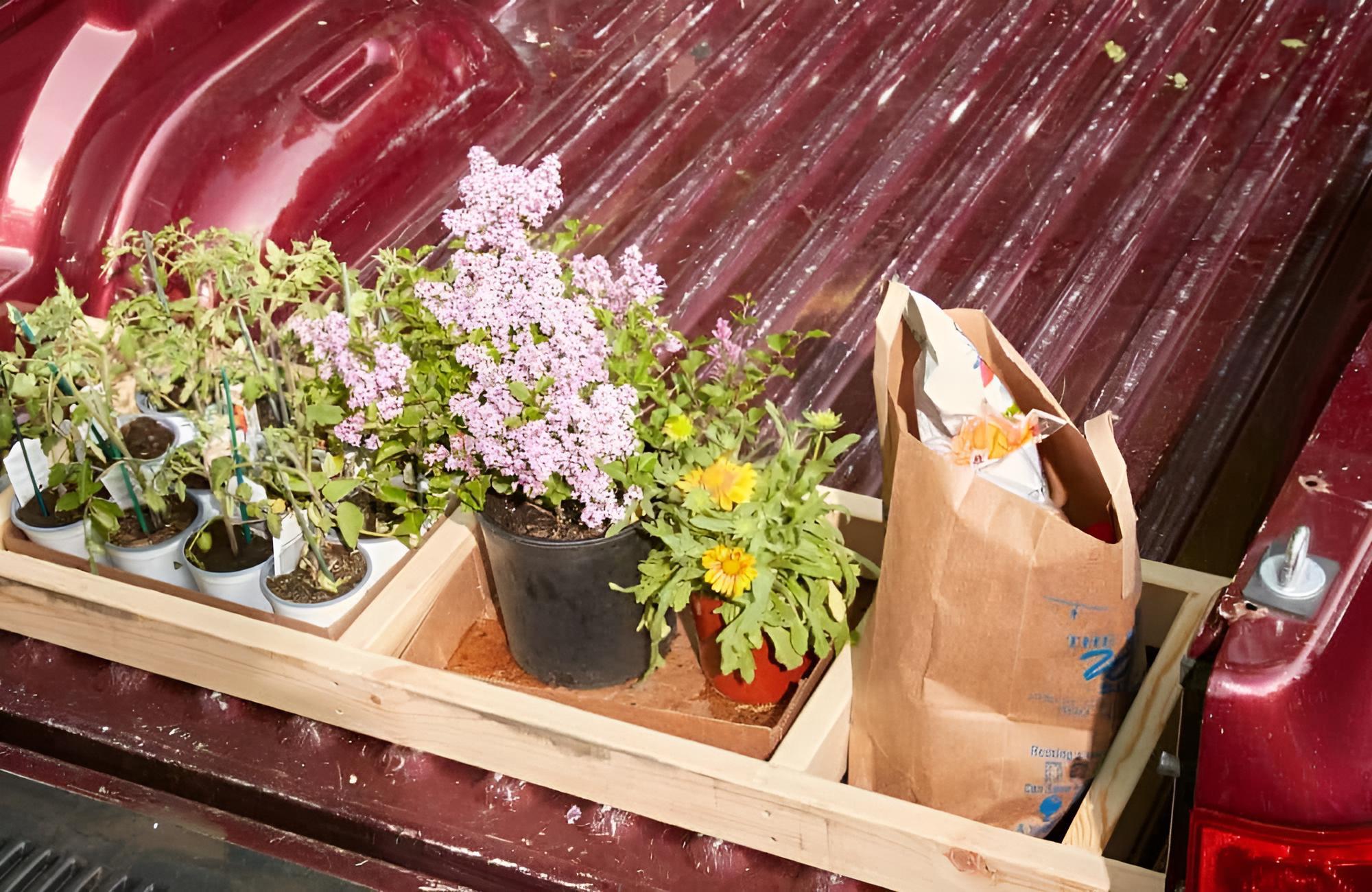
Truck-Bed Caddy @family_handyman/Pinterest
Not too handy? Don’t worry, as you can find pickup truck caddies on Amazon or at Walmart for around $25-$100. The price varies based on how extensive it is (some storage systems cost several hundred dollars or more). At the very least, you can snag truck cargo nets for around $11.
172. Use A To-Go Coffee Cup To Water Plants
Materials needed: Clean to-go coffee cup (hot drinks)
Cost To Make: $0*
A clean coffee cup, a paper one used for hot to-go orders from shops like Dunkin Donuts or Starbucks, is actually a handy watering tool. The hole in the lid is small enough to make it the perfect size for slowing pouring out water. If you pour too quickly, you run the risk of overwatering plants.
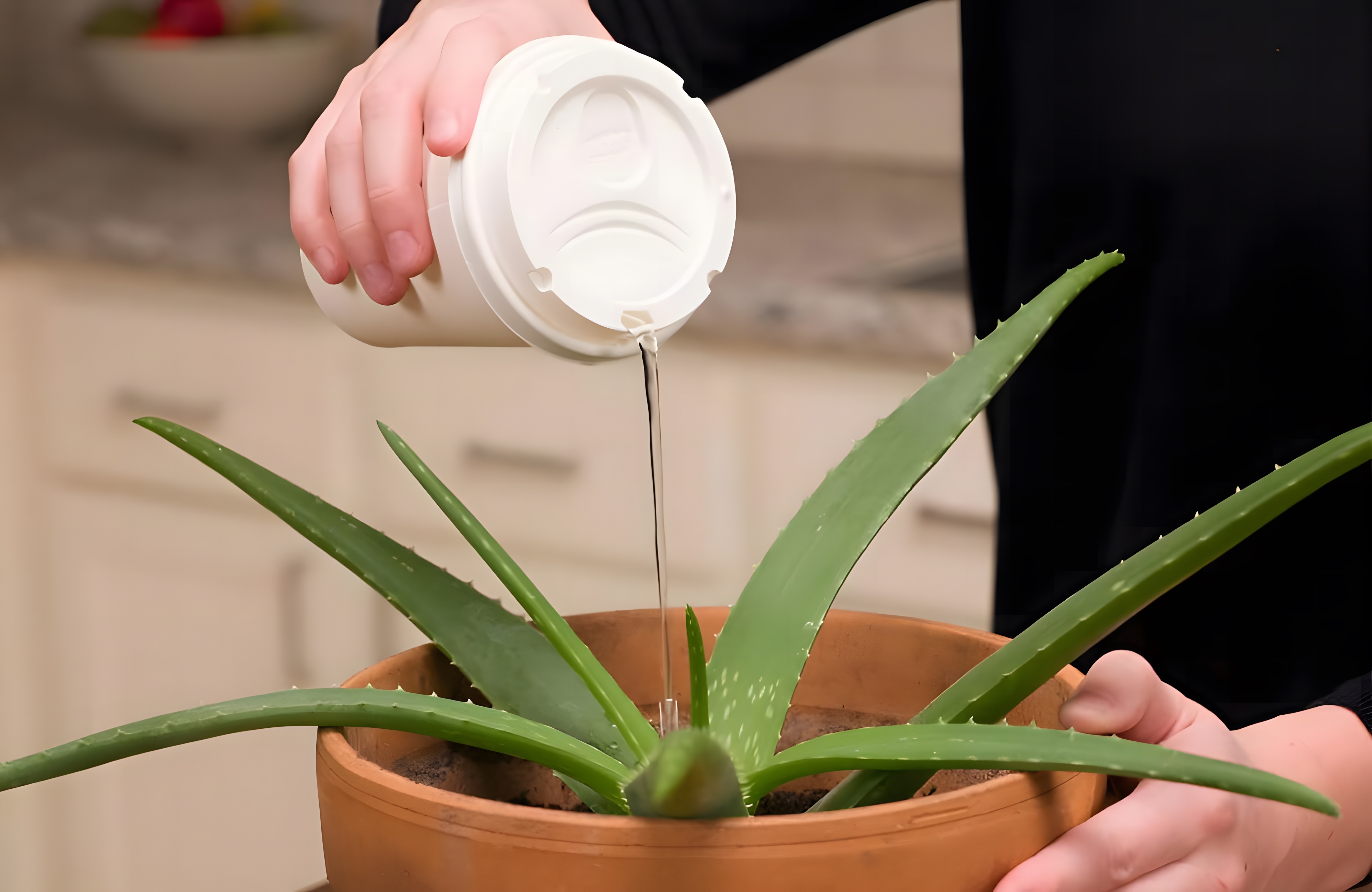
Use A To-Go Coffee Cup To Water Plants @family_handyman/Pinterest
This hack is especially useful for plants such as cacti and aloe vera, as neither require a lot of water to survive. As always, calibrate your coffee cup water amount to the plant you’re watering—you want to avoid over- or underwatering your plants.
173. Add Something Special For Your Kids in the Garden
Materials needed: Varies, based on the structure
Cost To Make: $7,350* (Average Price)
If you’re handy and have extra cash on-hand, consider adding something special for your kids in the garden. Chances are, they’ll be more interested in a new treehouse than in mulch and potted plants. The cost varies when it comes to building your own treehouse, but the national average, according to LawnStarter, is $7,350.
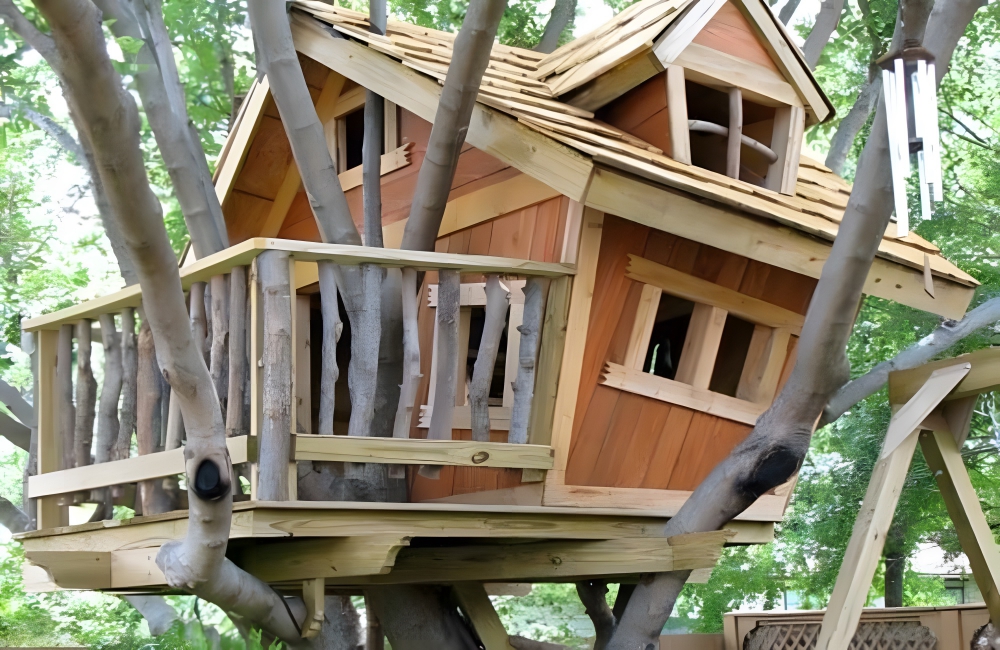
Add Something Special For Your Kids in the Garden @family_handyman/Pinterest
This is not something you’ll want to eyeball, as your kids will be putting their full weight on it. When in doubt, hire a contractor to make sure the job is done correctly (though expect to pay more for the labor costs than you would if you DIY’ed it).
174. Seed Starting Pots From Old Newspapers
Materials needed: Newspapers, cans, soil, seeds
Cost To Make: $10*
Newspaper pots are an eco-friendly and cheap way to get your seedlings started every spring. You’ll need cans, newspaper, soil, and seedlings. You’ll use the can as a mold around which to wrap the newspaper to secure it into a pot shape.
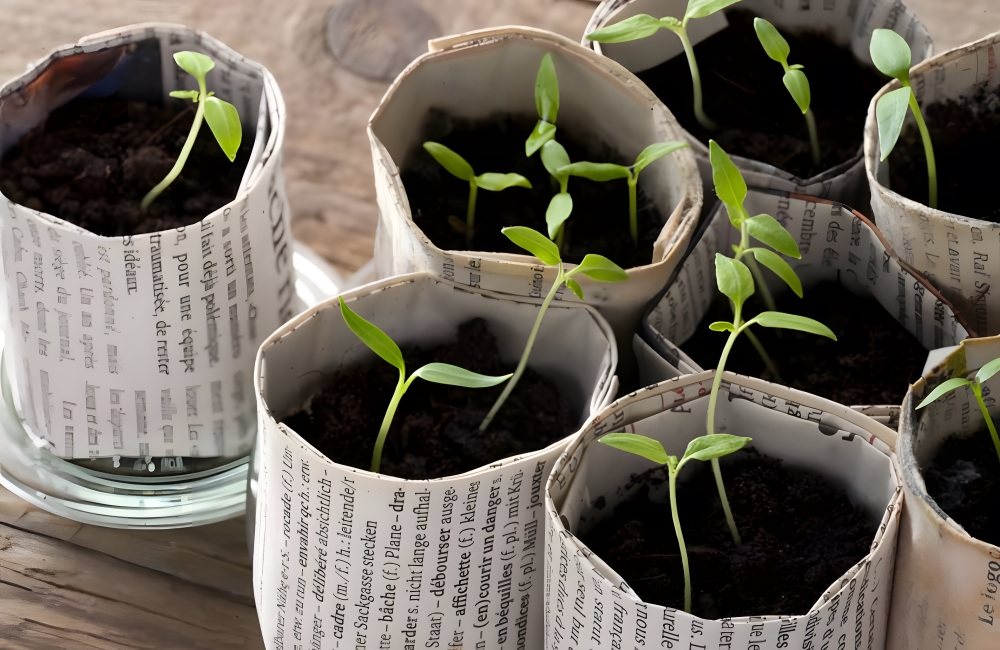
Seed Starting Pots From Old Newspapers ©Petra Schueller/stock.adobe.com
After you create the pot and input your soil and seedlings, you’ll want to make sure that you water and saturate it well. This will help the newspaper pot break down quicker, so seedling roots will easily grow through. This hack is cheap, as you probably already have newspapers and cans somewhere in your home’s recycling bin.
175. Consider Avoiding Synthetic Fertilizer
Materials needed: Natural fertilizer
Cost To Make: $0*
We’re not trying to tell you how to run your garden, only suggesting that you avoid synthetic fertilizers if you want to truly grow organic. Synthetic fertilizers might speed up a crop’s growth process (hence why it is so-often used by commercial growers), but the use of these over time can deplete soil’s nutrients and microorganisms.
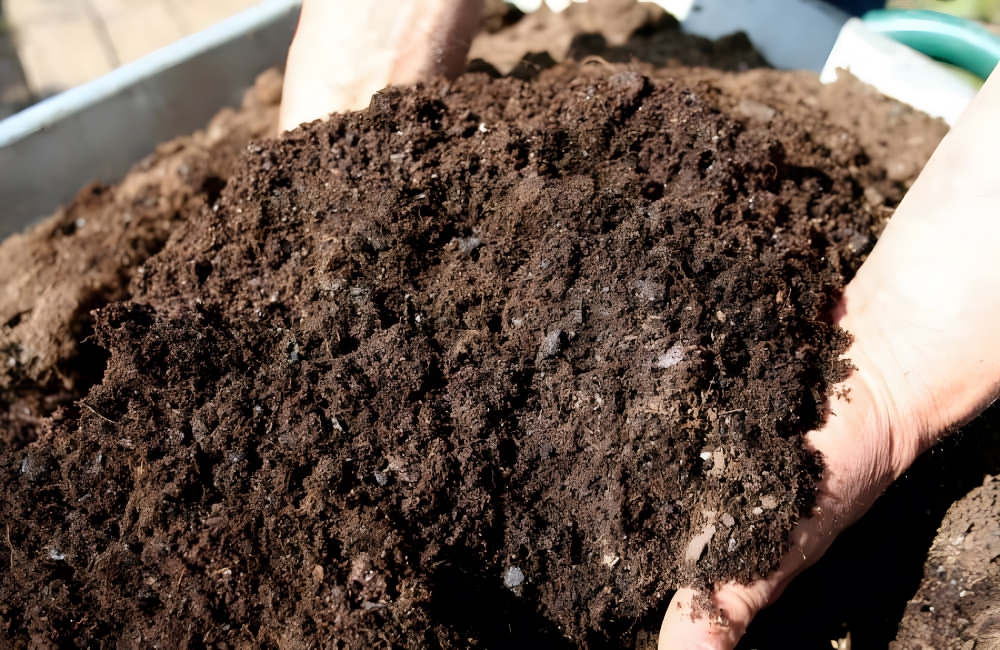
Consider Avoiding Synthetic Fertilizer @lesyalatyk/Pinterest
Additionally, synthetic fertilizers have a bad impact on the environment due to their often-higher phosphorus and nitrogen levels. In Lake Erie, for example, phosphorus runoff from nearby farms has caused an algae bloom that has been disastrous for aquatic life.
176. Anti-Pest Hack With Orange Peels
Materials needed: Fresh orange peels
Cost To Make: $0*
Mosquitos, as long as they are disease-free, are not usually dangerous, but they are incredibly annoying. These pests love biting humans, leaving an itchy, red welt behind them. If “skeeters” and other biting, pesky bugs are a problem, try using orange peels as a pest-control method.
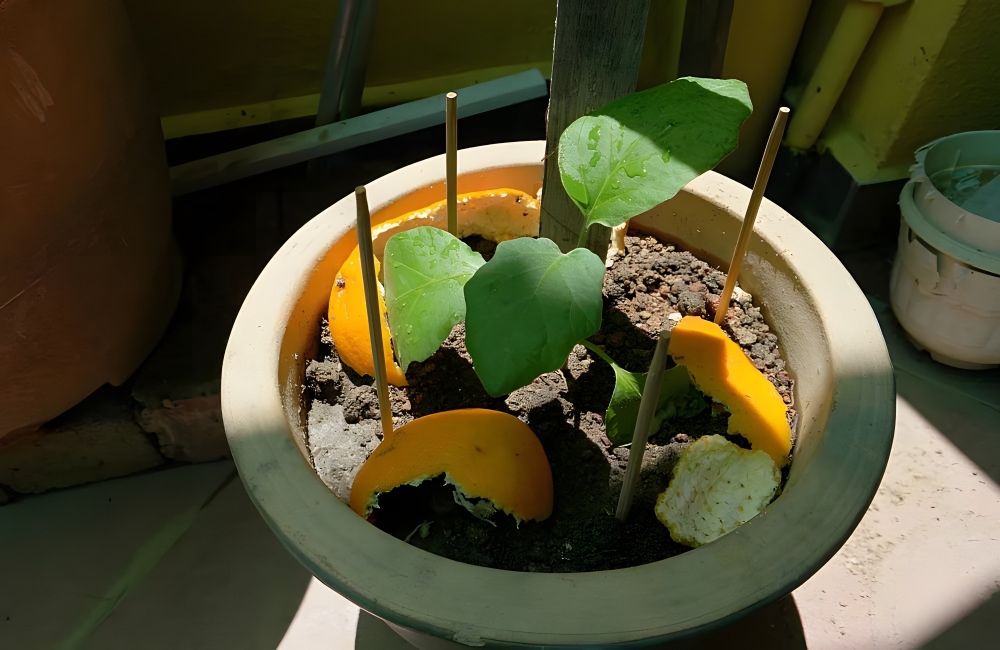
Anti-Pest Hack With Orange Peels @balconygardenwe/Pinterest
You can scatter them around the immediate area in the garden in which you’re working. Make sure they are fresh; that way, the citrus scent will be strongest. You can also rub orange peels onto your clothes. Aphids, slugs, mosquitos, biting flies, and more will be repelled by this delicious, functional scent.
177. Try Vaseline On Gardening Tools
Materials needed: Vaseline
Cost To Make: $2-$5 per jar*
It’s amazing how many things you can use petroleum jelly (A.K.A. Vaseline) for, both health-wise and in the garden. For example, you can rub Vaseline onto the blades and edges of your gardening tools after you work with them. The Vaseline will form a protective gel coating to protect the blades from rust and decay.
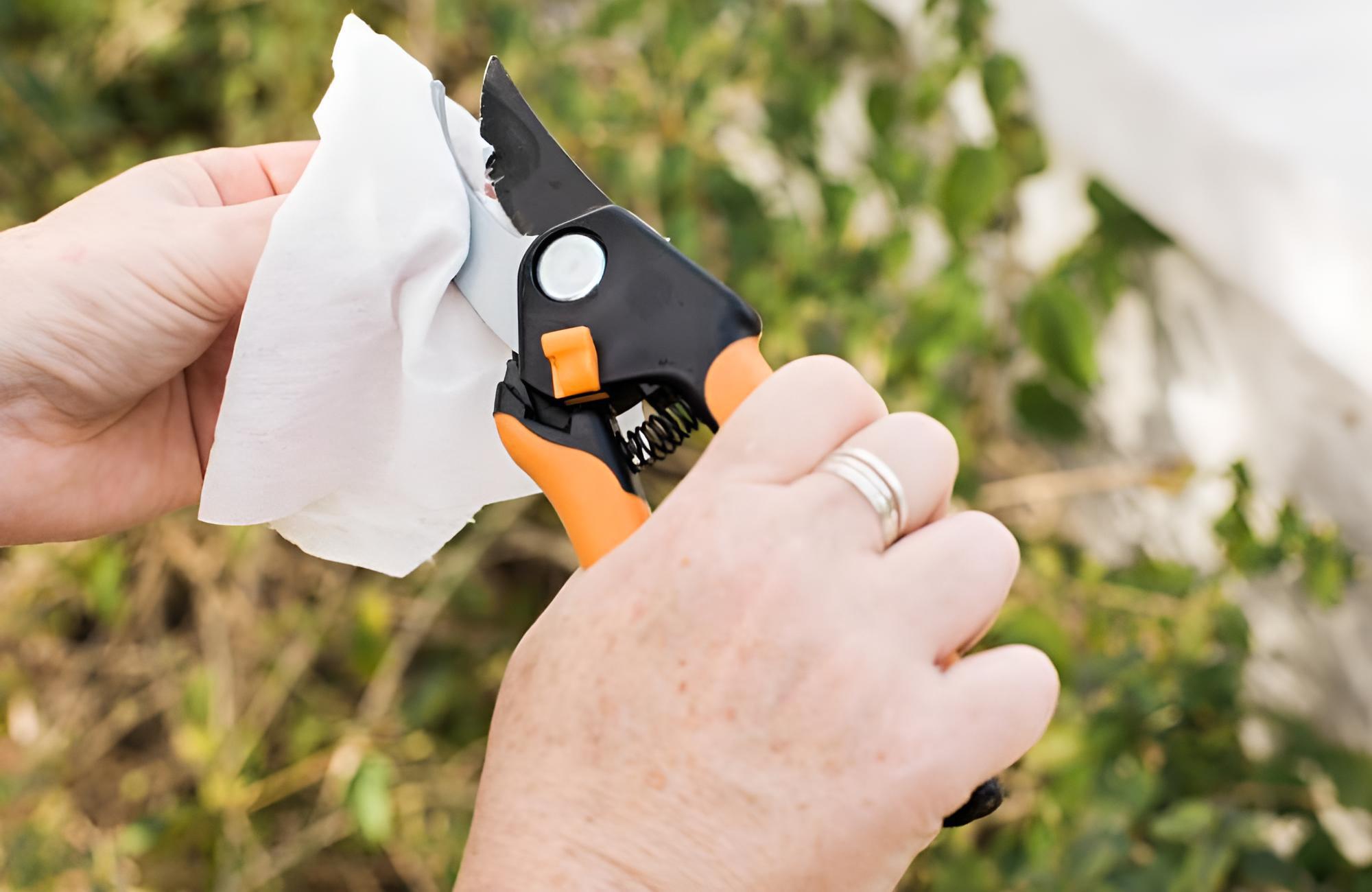
Try Vaseline On Gardening Tools @hgtv/Pinterest
You don’t need a heavy coat, either, just a light one. Petroleum jelly is great for rust-prevention on any metal goods, so keep that in mind if you have other tools that need a pick-me-up in your house or garage.
178. Grow An Endless Supply Of Garlic At Home
Materials needed: Soil, garlic cloves, pot
Cost To Make: $5*
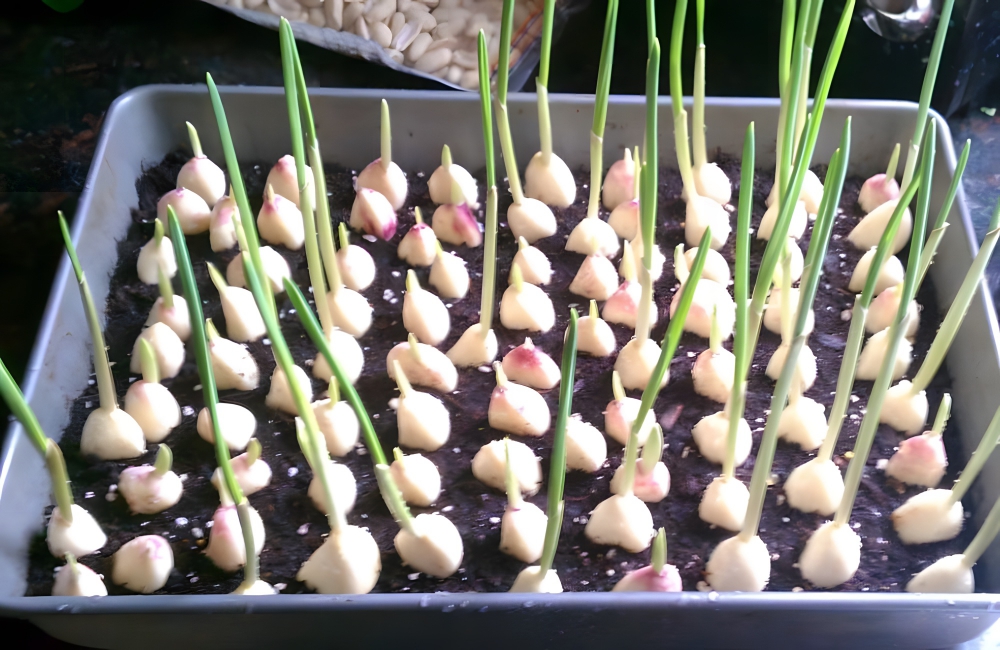
Garlic is a popular seasoning all around the world, and this tasty, edible plant is very easy to grow. In fact, you can grow it in a way that gives you an endless garlic supply, ensuring that your meat and vegetables never go unseasoned.
Grow An Endless Supply Of Garlic At Home @homehacksofficial / Pinterest
All you need to do is break up a garlic bulb into cloves, burying the cloves two inches beneath loose, damp soil. Keep the cloves’ pointed sides facing upwards. As the garlic sprouts, be sure not to overwater. Also, cut off flowers to preserve the garlic. Once the bulbs have grown, just replant one or two, once again following the instructions above.
180. Don’t Till Soil Too Early (Or Late)
Materials needed: Tiller
Cost To Make: $30-$50*
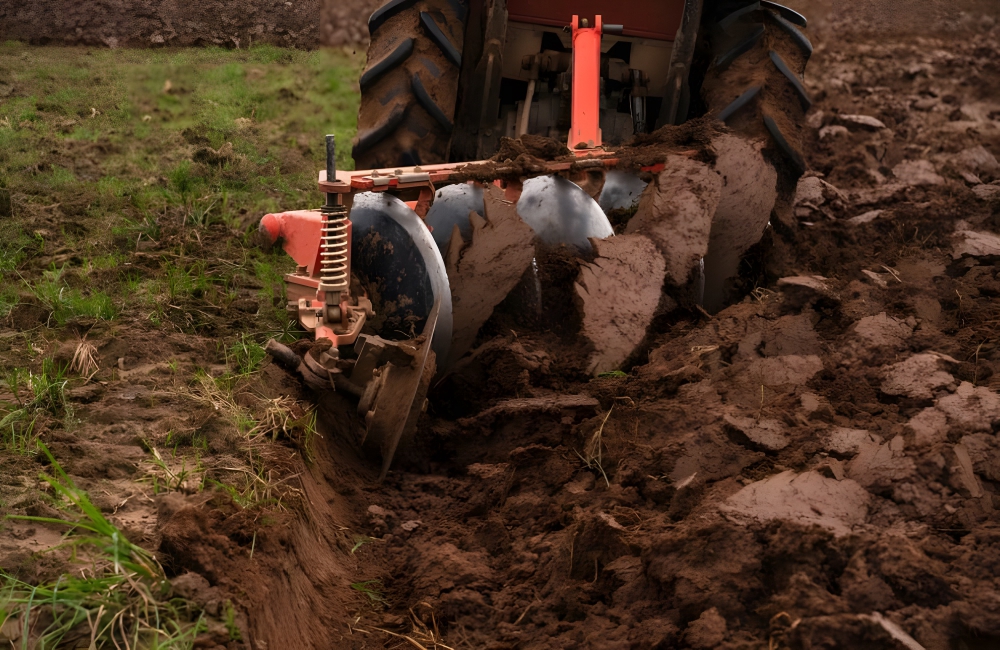
One of the biggest mistakes that novice gardeners sometimes make is not tilling the soil at the proper time. You should till a garden in the spring, when the weather is warming up and the soil drying out.
Don’t Till Soil Too Early (Or Late) ©Attasit saentep / shutterstock.com
For some gardeners, this date could come as early as March, while others could have to wait until May or even June. You don’t need to break up the soil deeply, tilling it at less than twelve inches is the best. If you till too deeply or too often, you can damage your soil, doing more harm than good.
181. Create Your Own Wicking System
Materials needed: Bowl, water, wick
Cost To Make: $5*
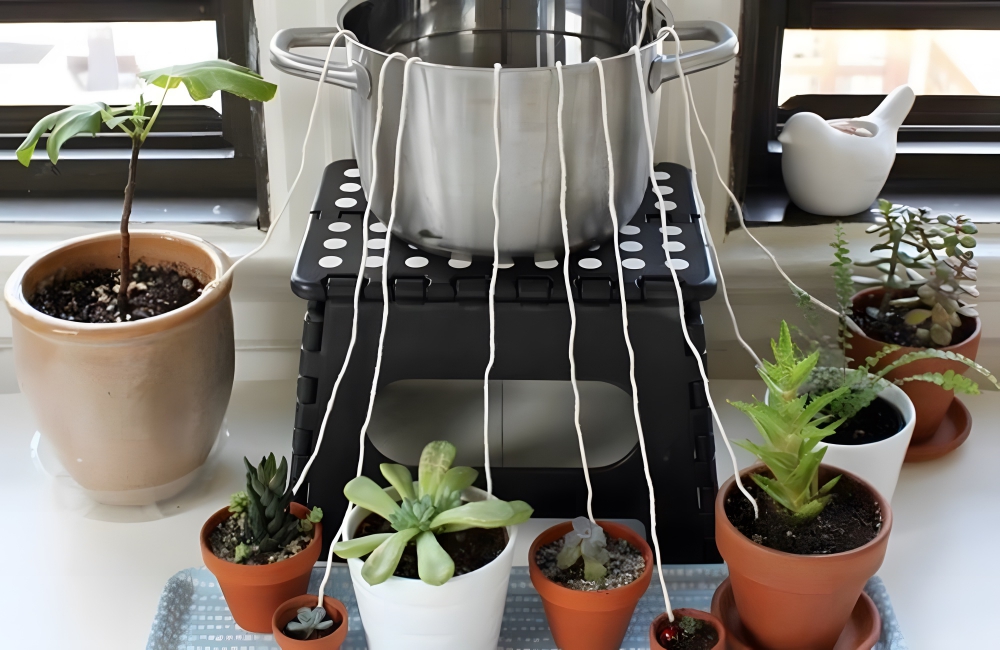
Letting seedlings dry out can do a lot of damage to your garden. If you’re going to be going on vacation or leaving for a while, you can keep seedlings moist by making your own wicking system. You’ll need a large bowl of water and a “wick” (fabric, rope, or yarn).
Create Your Own Wicking System @homehacksofficial / Pinterest
Fill the bowl with water. Then, place one end of your wick into the water, deep enough that it touches the base of the bowl. Insert the other end of the wick three inches deep into the soil. The wick will send water into the soil, keeping seedlings from drying and dying.
182. Mint Hates Other Plants
Materials needed: N/A
Cost To Make: N/A
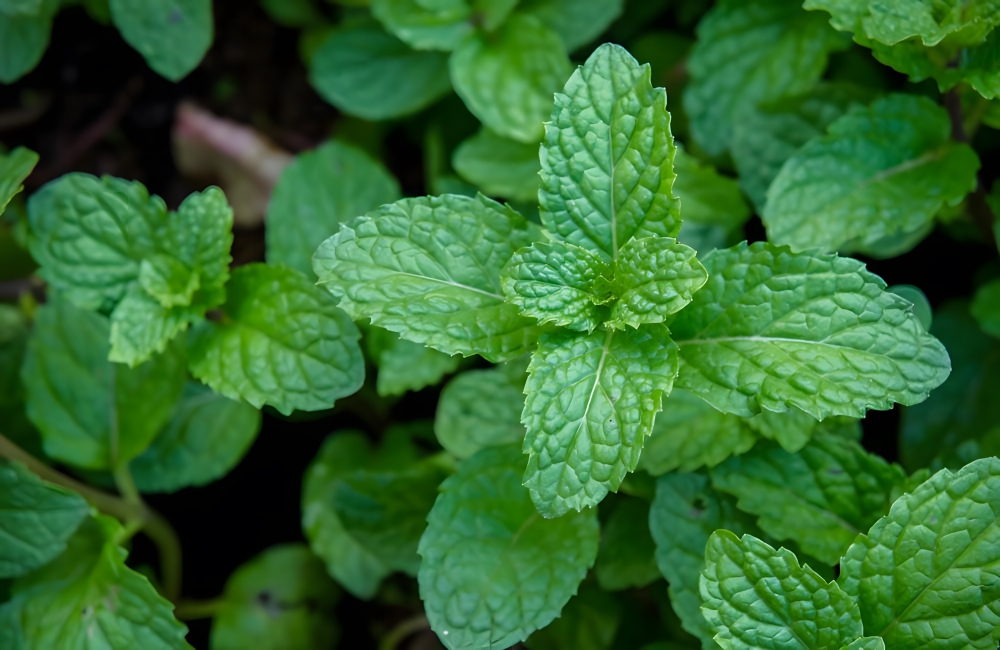
We’re not saying you shouldn’t plant mint, just know what you’re getting into it you do so. Mint is not a good companion plant, as it can quickly take over the garden and out-compete your other plants.
Mint Hates Other Plants ©girl-think-position / shutterstock.com
Mint has dense root systems that can choke other plants in the process. Also, mint prefers moist soil and some shade, and this is far different from what many other herbs and plants need. Mint’s invasiveness, pickiness, and its penchant for pests and disease make it hard to plant peacefully in your garden.
183. The “1 Pound Per 1 Foot” Rule
Materials needed: Good soil, good gardening practices
Cost To Make: $50-$100*
If you’re planning to grow your own food, it’s important to know how much you can grow in a certain space. According to the rule of thumb, with good growing practices and good soil, you can count on an estimate of a pound of food per square foot in your garden.
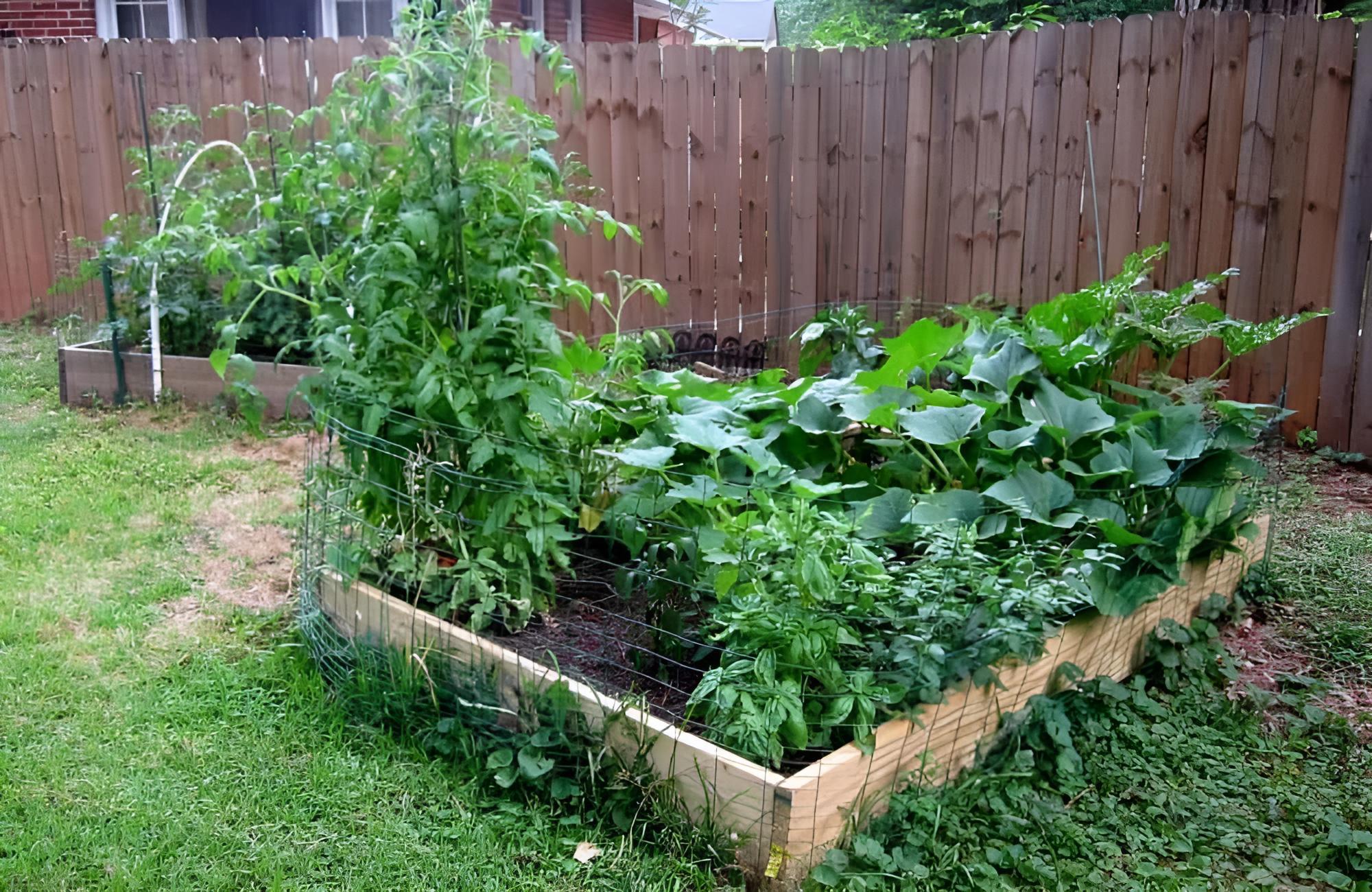
The “1 Pound Per 1 Foot” Rule @happydiyhome / Pinterest
This is a conservative estimate for a raised bed garden, so you could always grow more. There aren’t any laws against growing your own food in America, as the FDA’s food safety laws only apply to food for sale.