
11. The Great Mosque of Mecca
Location: Saudi Arabia
Total Cost: $100+ Billion*
Year Finished: Ongoing
At an astronomical $100 billion, and counting, renovations of Mecca’s Great Mosque have been taking place, in one way or another, for more than two thousand years. The Great Mosque’s indoor and outdoor praying spaces cover a massive ninety-nine acres and can hold up to four million worshippers at a time.
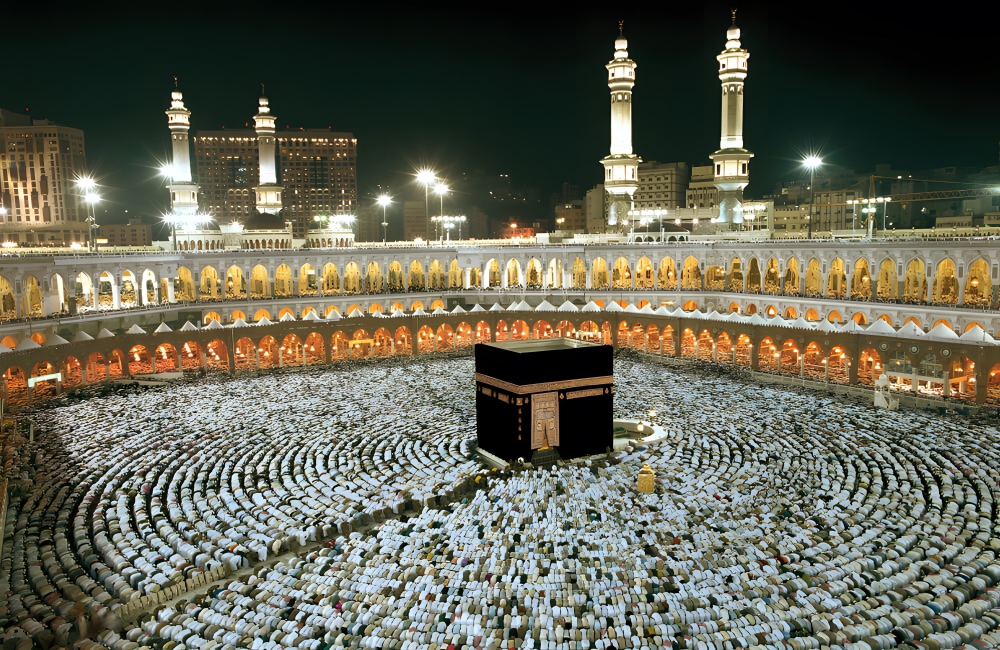
The Great Mosque of Mecca ©Mohamed Reedi / Shutterstock
As one of the holiest sites in the entire world, it’s no wonder that an oil-rich country like Saudi Arabia would invest billions in keeping it as beautiful and accessible as possible. The first major renovations of The Great Mosque of Mecca, took place way back in the year 692, and have been ongoing since.
Back then, they replaced the old wooden columns with marble, and extensions were added to the wings of the prayer hall. In 2015, five more mega projects were launched by King Salman as part of his predecessor, King Abdullah’s, original 2008 expansion project.
12. Great Man-Made River
Location: Libya
Total Cost: $36 Billion+*
Year Finished: Not Yet Completed
What began as ‘pipedream’ by deceased Libyan Leader, Muammar Gaddafi in the 1980s, has now grown into the world’s largest irrigation system. With two of its five phases complete, the Great Man-Made River transports more than 6.5 million cubic meters of freshwater, from the desert to the coastal cities of Libya, daily.
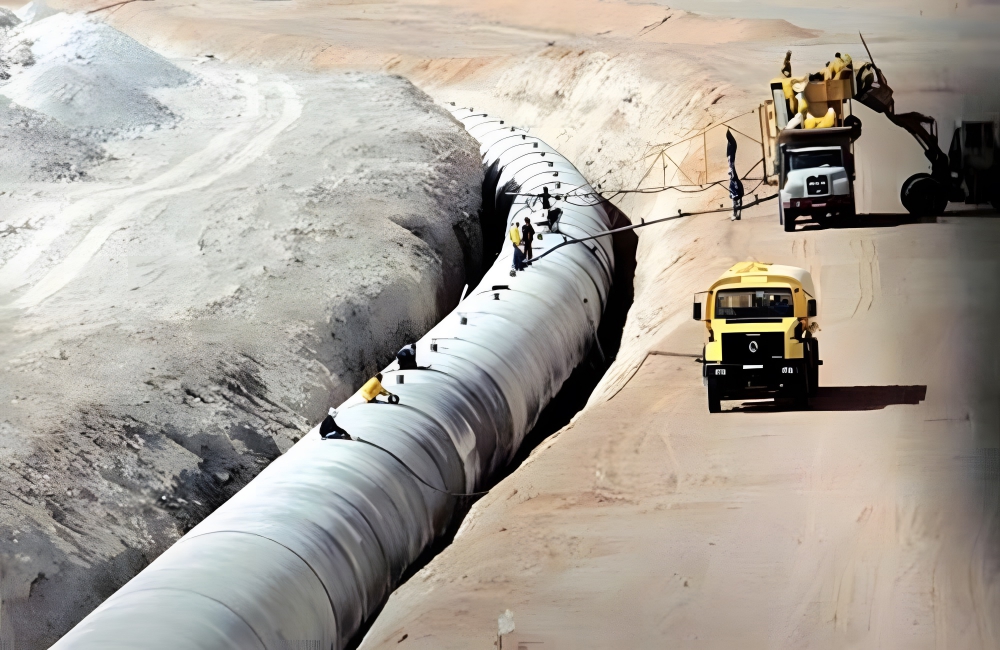
Great Man-Made River @_kazumasa_ / Twitter.com
The second phase incorporated more than 1700 miles of pipe networks, making it one of the biggest public works projects in human history. Nevertheless, the completion date of this massive project has not been established quite yet.
During the 2011 Syrian civil war, air attacks damaged one of the two pipe production plants, used for the construction of the system, thus causing significant delays in construction. The estimated cost of the final project is somewhere north of $36 billion.
13. Wynn Palace
Location: China
Total Cost: $4 Billion*
Year Finished: 2016
The Wynn Palace Resort in Macau has two hotel towers that house over seventeen hundred rooms, a casino, and thirteen different restaurants. After more than two years of construction, the ribbon for the $4 billion resort and casino was cut later than hoped.
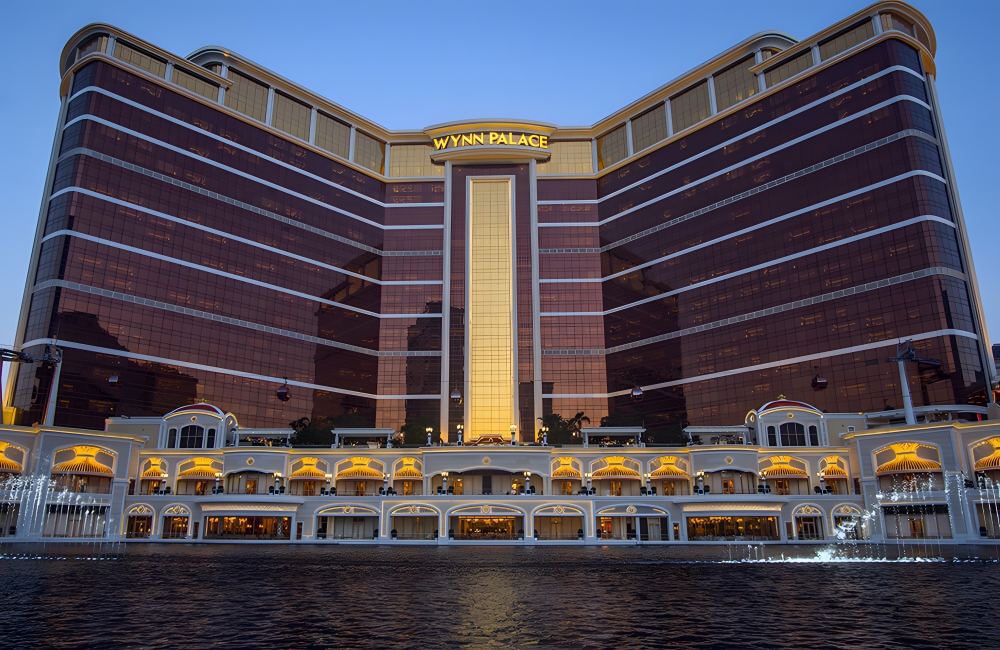
Wynn Palace ©By ben_p / Shutterstock
There were many mishaps and delays during construction, which pushed back the completion date to later than expected. After all, massive projects like this almost never happen without coming across hiccups along the way.
The three-month delay in opening the resort cost Leighton Holdings (now Cimic Group) $38 million, upon having to forfeit their deadline-based bonus. Leighton Holdings may have missed out on their bonus, but many others did not, as shares of Wynn Resorts hit a 52-week high following the Wynn Palace’s opening in Macau.
14. Palace of the Parliament
Location: Romania
Total Cost: $3.65 Billion*
Year Finished: 1997
In 1997, after requiring thirteen years and the input of approximately seven hundred architects to complete (as we know it), the Romanian, Palace of the Parliament, cost $3.65 billion to build.
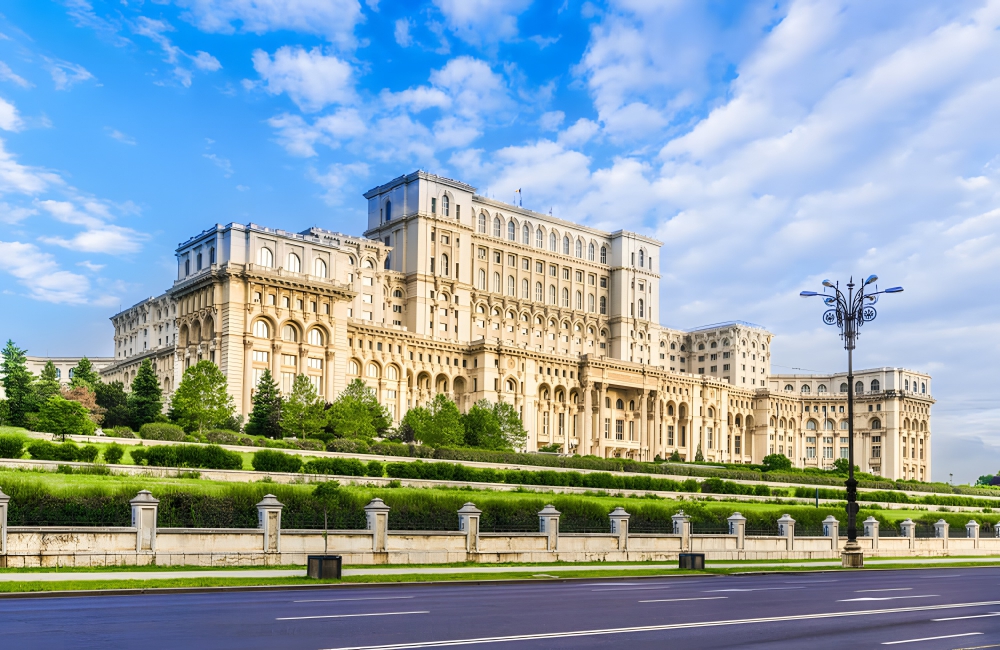
Palace of the Parliament ©Balate Dorin / Shutterstock
It has a larger volume than the Great Pyramid of Giza and is the heaviest building in the world, weighing in at a monstrous 9.04 billion pounds. To date, the palace still has not been completed in its entirety, as only four hundred, of its eleven hundred rooms, have been finished.
It does come fully equipped with a panic room though. The deepest of its eight underground levels is a nuclear bunker that has over twenty kilometers of underground tunnels connecting it to the main institutions of the state.
15. Antillia
Location: India
Total Cost: $2 billion*
Year Finished: 2010
Sporting a 168-car garage, nine elevators, and three helipads, Mukesh Ambani’s “Antilia” has twenty-seven floors, is as tall as a sixty-story building, and sounds just as mythical as its namesake.
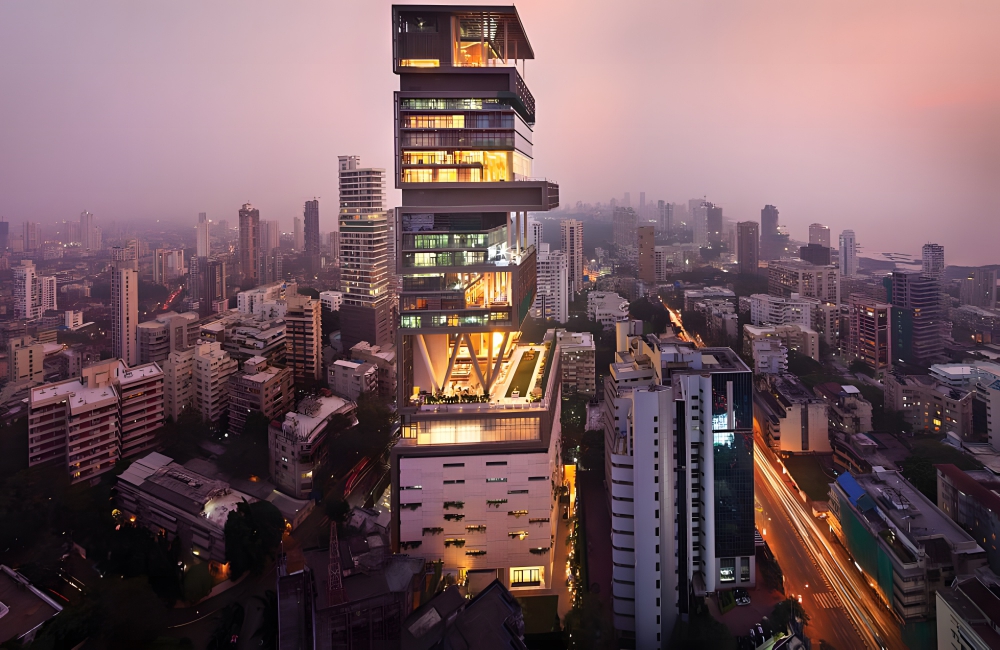
Antillia @2004martina / Pinterest
Initially begun by Australia’s Leighton Contractors in 2006, construction of Antilia was completed by B. E. Billimoria & Company Ltd in 2010. It is now an unmistakable fixture in the city’s skyline, visible from far away.
Residing in ‘Billionaire’s Row’ in Mumbai, billionaire businessman Mukesh Ambani and his family live in the second most valuable residential building in the world, next to Buckingham Palace, and is the most expensive private residence in the world, at just over $2 billion dollars.
16. Palm Jumeriah
Location: UAE
Total Cost: $12 Billion*
Year Finished: 2006
Paid for by the considerable income that Dubai receives from their petroleum output, The Palm Jumeriah cost a modest $12 billion to build. It also took only six years to finish, which is relatively quick for such an enormous project.
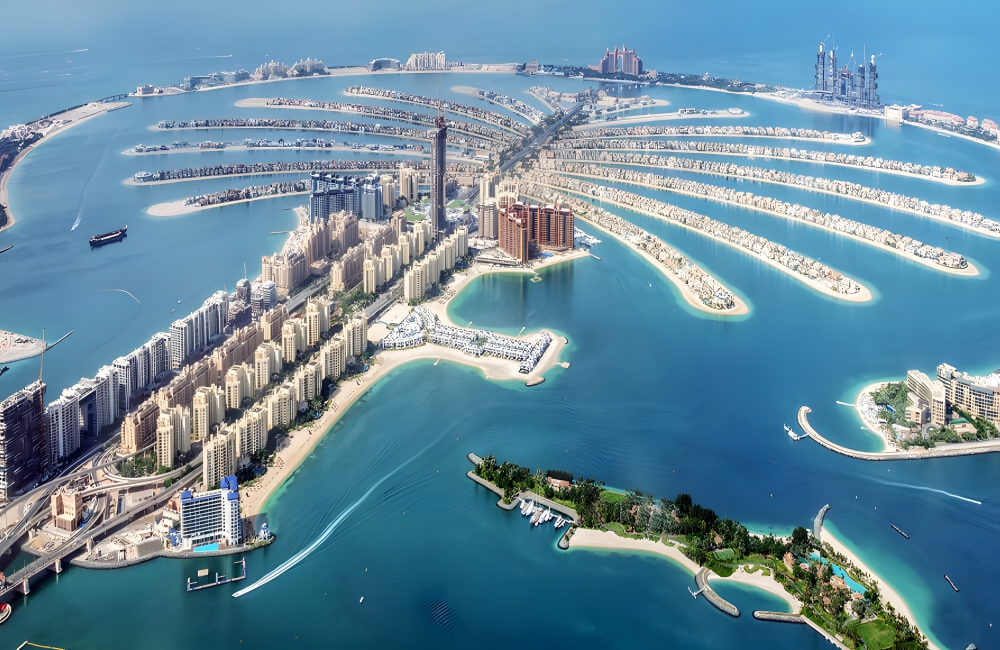
Palm Jumeriah ©Delpixel / Shutterstock
A fleet of dredgers used a hi-tech GPS system, and worked around the clock, in order to displace and accurately spray the 120 million cubic meters of sand that was taken from the bottom of the sea to form the trunk and branches of the Palm Jumeriah “tree”.
Housing around fifteen hundred mansions, on the beach fronts of the seventeen fronds, and six thousand apartments on the trunk, the full property of the Palm Jumeriah is equal to the size of around six hundred soccer fields. The amount of sand used to build the Palm Jumeriah would be enough to build a two-meter wall three times the circumference of the Earth.
17. Dubai Towers
Location: UAE
Total Cost: Unknown
Year Finished: Unknown
The four-tower complex project which was to be the Dubai Towers was officially put on hold due to the pandemic lockdown, however, little to no work has been completed since 2018. The tallest of the four towers, if ever completed, would have been the fourth tallest building in the world.
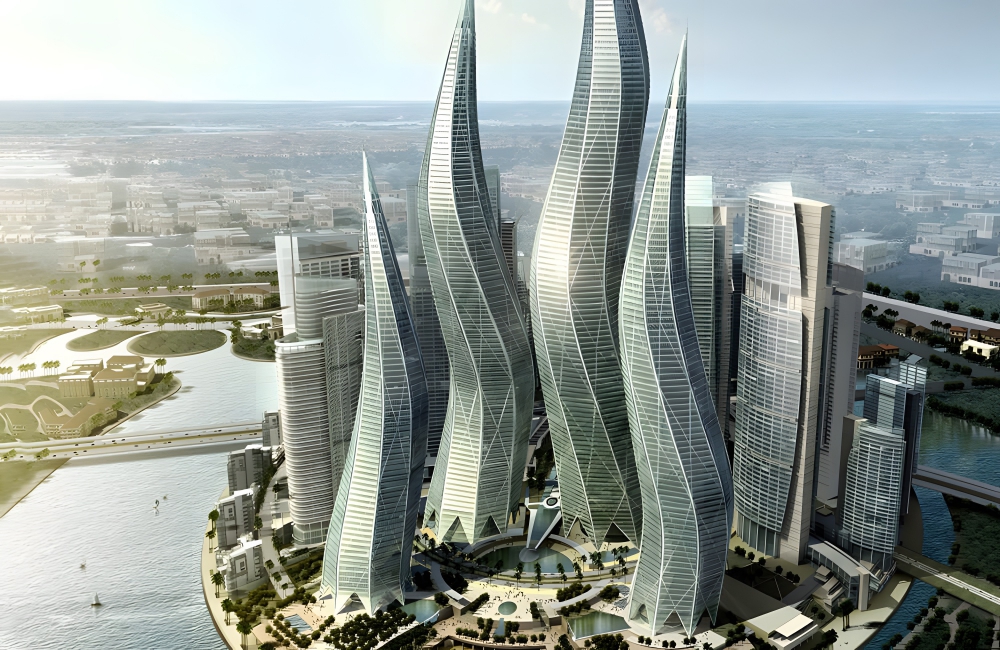
Dubai towers @dayanahedez / Pinterest
Intended by the developer, Sama Dubai, to be the centerpiece of ‘The Lagoons’ (another postponed megaproject in Dubai, that was to consist of seven islands), the Dubai Towers were meant to add to the already distinguished look of the Dubai core.
It is unknown how much the project was to cost, but perhaps one day the complex will be completed, and these answers will be revealed to the public. Until then, we are left with an image of an architecturally beautiful mystery.
18. Singapore Changi Airport
Location: Singapore
Total Cost: $1.7 Billion*
Year Finished: 1981
At the time that construction began back in 1975, it is hard to believe that anyone envisioned that Singapore Changi Airport would eventually set the standard for the optimal airport experience. Opening for passenger flights in 1981, and under constant expansion, Changi has been voted the best airport in the world for the eighth straight year
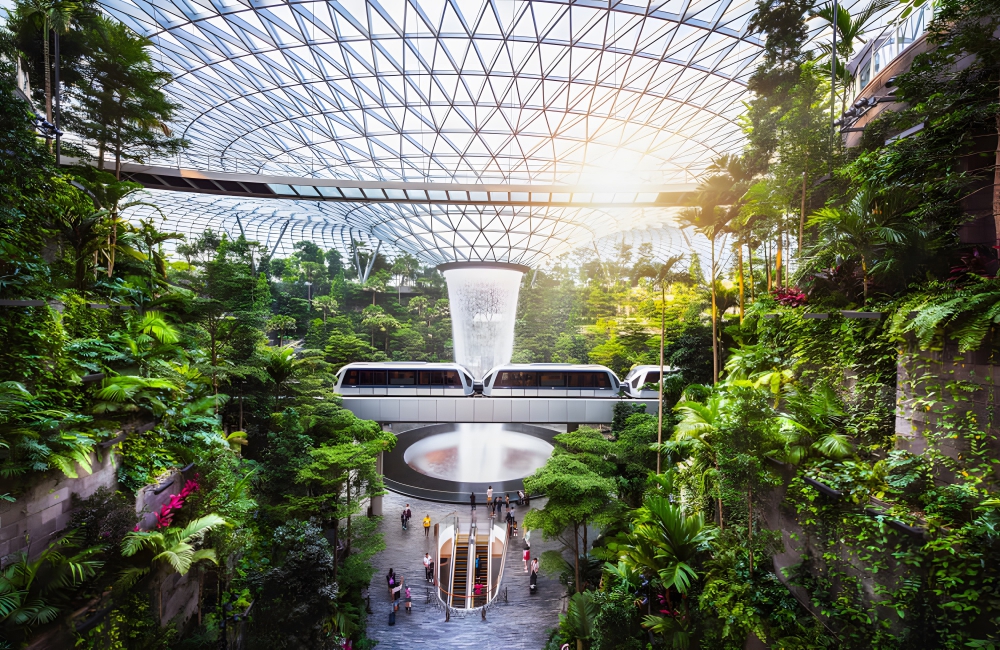
Singapore Changi Airport ©N_Sakarin / Shutterstock
The airport currently has four active terminals (terminal 5 is under construction), with three of these terminals connecting to Changi’s most prize attraction, the ‘Jewel Changi’.
With over three hundred retail and dining establishments inside, there is a rooftop pool as well as both a butterfly and orchid garden within the confines of the structure, not to mention it features the world’s tallest indoor waterfall, The Rain Vortex. The Rain Vortex is formed by the recirculation of rainwater that is fed through a hole in the roof 130-feet high.
19. Hyperloop
Location: USA
Total Cost: $6-7.5 Billion*
Year Finished: Estimated Early 2030s
Originally meant to be completed by the mid-late 2020s, Elon Musk’s new timetable for completion of the Virgin Hyperloop is sometime in the early 2030s. Magnetic levitation will allow for the passenger pods to float above the track while being propelled along the path by high-powered electromagnets at speeds of up to 760/mph.
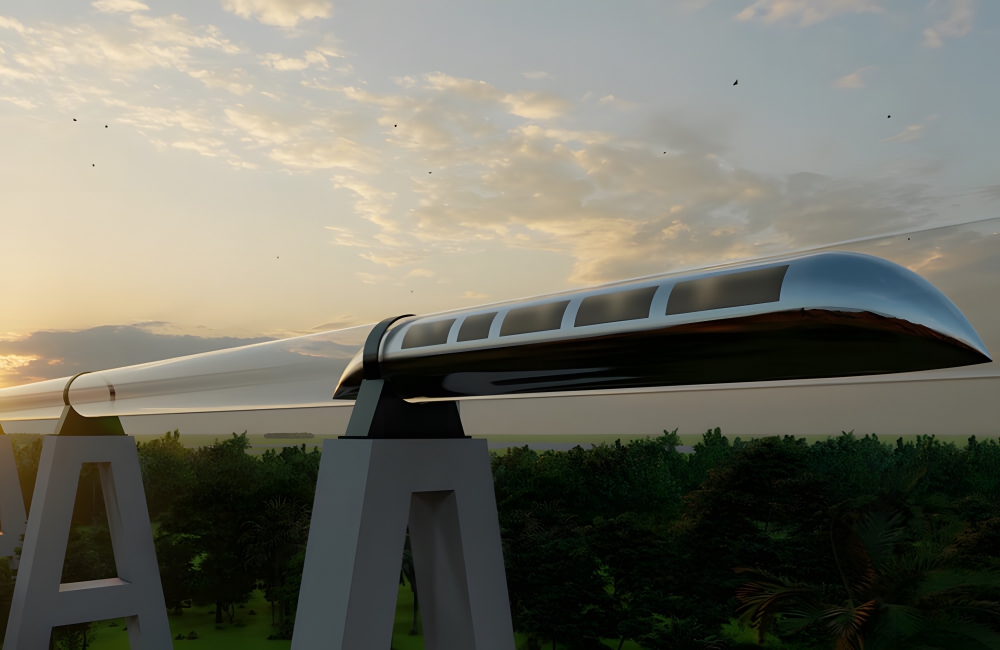
Hyperloop ©Volodimir Zozulinskyi / Shutterstock
In 2012/2013, engineers from both Tesla and SpaceX helped to conceptualize the initial designs of the hyperloop. Just eight years later, in November of 2020, two people rode in a hyperloop pod that was traveling at 100 mph for the first time.
The final project is expected to cost Musk upwards of $6-7.5 billion dollars but will be able to take passengers the 350-miles from Los Angeles to San Francisco in just thirty-five minutes.
20. Taipei 101
Location: Taiwan
Total Cost: $1.9 Billion*
Year Finished: 2003
Standing at 1667-feet tall, Taipei 101 was the tallest building in the world from the time of its completion in 2004 until 2010. As the brainchild of architects, C.Y. Lee and C.P. Wang, the construction of Taipei 101 first began in 1999, two years after its conception.
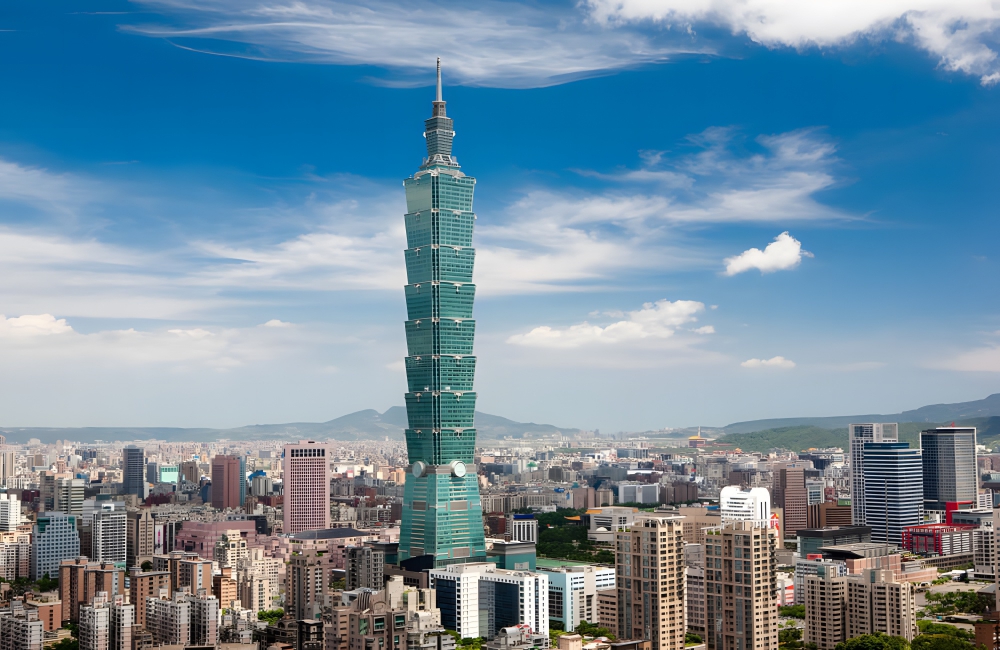
Taipei 101 ©Jeffrey Liao / Shutterstock
In 2002 the project was delayed a week by the earthquake that shook Taipei. A crane fell from the 47th floor and five workers were killed, however, the earthquake caused no structural damage to the building, and work continued as planned.
Following four long years of setbacks, the mall portion of the complex opened for business in November of 2003, and the following year, on New Year’s Eve 2004, the rest of the tower was complete and open to the public. Five years and $1.9 billion dollars after construction began, the occasion was celebrated with its first, of many, New Years’ fireworks shows.
21. Lakhta Center
Location: Russia
Total Cost: $1.77 Billion*
Year Finished: 2019
Located on the Russian shores of the Gulf of Finland, the 1516-foot tall Lakhta Center towers over Saint Petersburg. More than three thousand workers were hired over the course of the six years that it took to build this $1.77 billion giant.
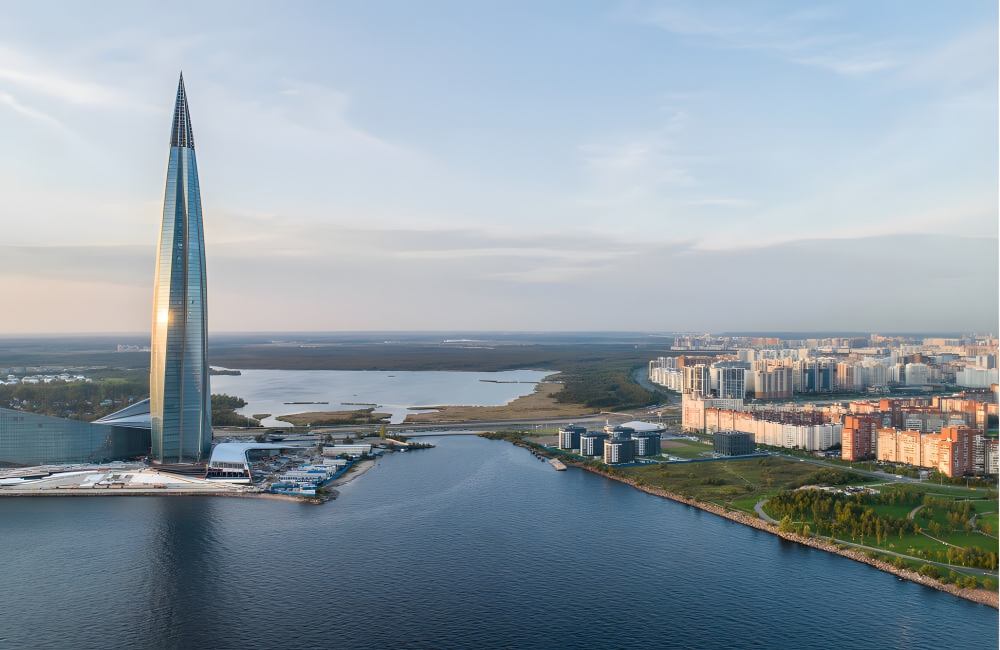
Lakhta Center ©Nikita_Maru / Shutterstock
The center’s 341-foot spire was even fitted with an anti-icing system in order to prevent those on the ground from having to worry about falling icicles.
The Lakhta Centre is the Northernmost skyscraper in the world and is the second tallest building in Russia, behind the Ostankino Tower in Moscow. The name was actually borrowed from their Finnish neighbors and given a Russian twist; ‘Lahti’ is actually the Finnish word for ‘bay’.
22. Toei Oedo Line
Location: Japan
Total Cost: $18.4 Billion*
Year Finished: 2000
In 1968 the first plan was proposed for the Oedo Line. The Tokyo Metropolitan Government was responsible for the construction and completion of this massive $18.4 billion undertaking.
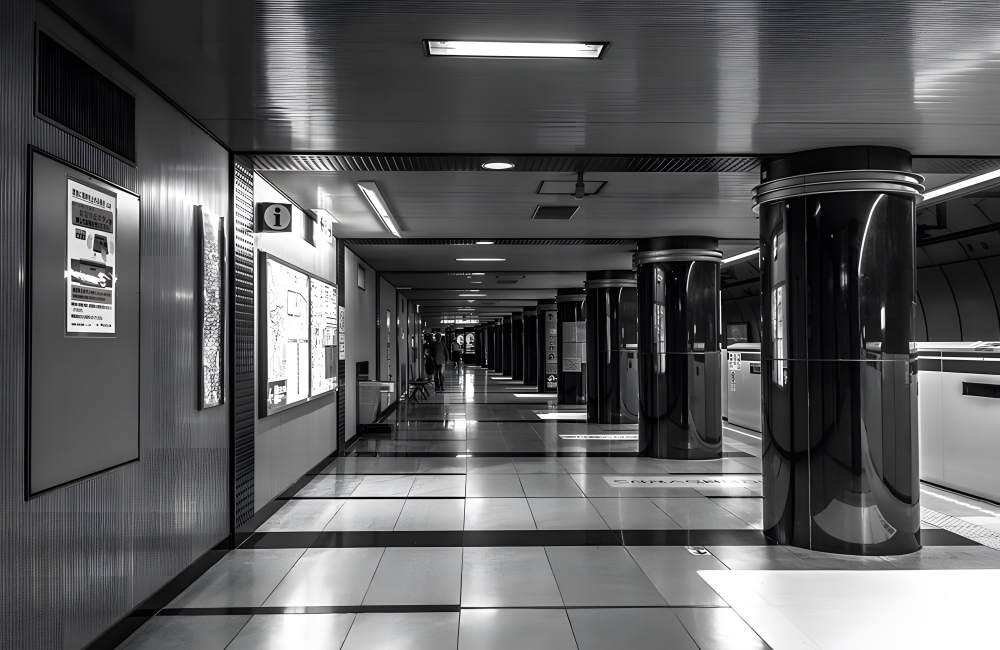
Toei Oedo Line @TokyoInPics / Facebook.com
After twenty-three years, the first part of the subway system began operating. With two more extensions taking place in the 1990s, the line was completed in its entirety by the year 2000.
Speeding along at more than 40 mph, the Toei Oedo Line in Tokyo carries its one million daily passengers over a series of tracks that covers more than twenty-five miles. The full loop takes just eighty-one minutes to complete, and no one ever needs to wait too long as the trains depart every two to three minutes.
23. Seat of the ECB
Location: Germany
Total Cost: $~1.7 Billion*
Year Finished: 2014
The Seat of the European Central Bank (ECB) may stand tall in Frankfurt, Germany, but it is the central bank for all 340 million citizens who reside in the nineteen countries of the European Union.
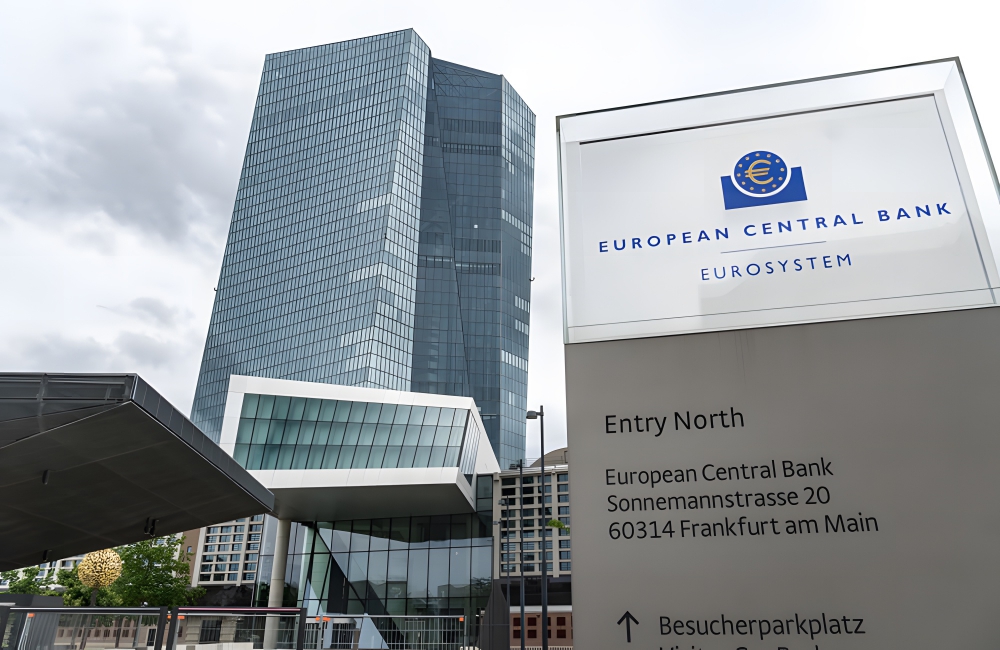
Seat of the ECB ©Cineberg / Shutterstock
It took four and a half years to build and was inaugurated almost another six months after completion. The total surface of the seat of the ECB encompasses approximately two million square feet and cost about $850/square foot to build.
One stipulation that was out in place, in order for the Seat of the ECB to dwell in Germany, was that the German government has a duty to the Central Bank to ensure that any foreign agents or protestors do not compromise the building.
24. Mall of Tripla
Location: Finland
Total Cost: $1.34 Billion*
Year Finished: 2019
The Mall of Tripla has two hundred and fifty shops covering almost one million square feet. It has more than two and a half thousand parking spots (three hundred of which are charging points for electric cars) and had a strong focus on the environmental impact during the planning phase.
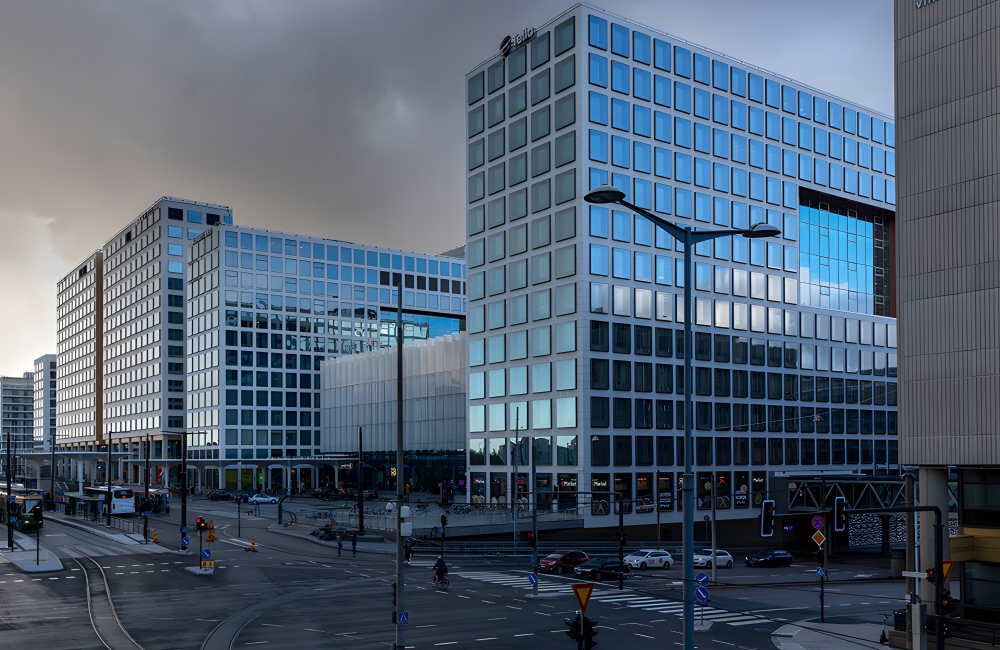
Mall of Tripla ©Ilari Nackel / Shutterstock
The Mall of Tripla is just one part of the Tripla Complex in Helsinki, for which the European Union provided some funding to complete, however, YIT and Etera are actually the majority owners of the complex, contributing most of the $1.34 billion that was needed for completion.
As the largest shopping mall in Northern Europe, the mall has become something of a tourist hotspot. The building project also encompasses a train station, as well as a hotel and an 1,000 unit residential building.
25. ITER
Location: France
Total Cost: $26.91 Billion*
Year Finished: Estimated 2025 (phase 1)
The estimated $26.91 billion that it will end up costing to complete is being funded by seven of the thirty-seven members of its group (EU, China, India, Russia, South Korea, and the USA).
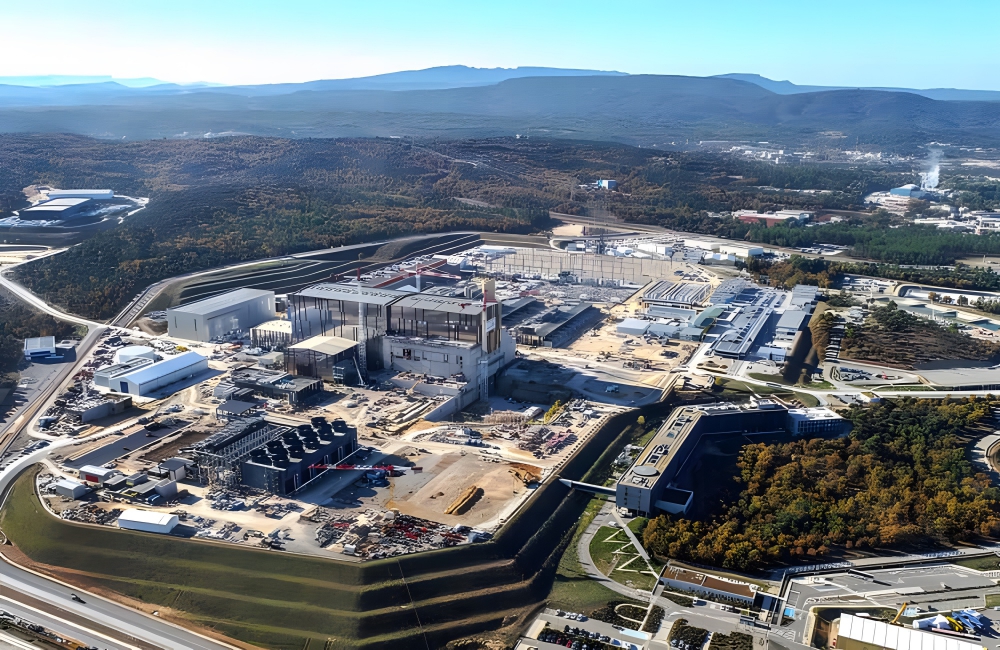
ITER /gelderlander.nl
The International Thermonuclear Experimental Reactor (ITER) is not expected to have its first phase of construction finished prior to 2025 but will be the largest fusion reactor in the world upon completion.
Magnetic fields will contain the plasma in the ITER by means of a double-walled steel container known as a ‘vacuum vessel’. The vacuum vessel that is being built for the ITER will be sixteen times heavier and two times larger than any other fusion vessel that had previously been manufactured.
26. Apollo Space Program
Location: USA
Total Cost: $25.4 Billion*
Year Finished: 1972
After eleven years, $25.4 billion dollars, and thirty-five missions, NASA’s Apollo Space Program flew its final mission in 1972, and to say that it was a success would be an understatement. On May 25th, 1961, President Kennedy let the American people know that he believed it possible, to land an American on the moon by the end of the decade. Eight years later, the crew of Apollo 11 made it a reality. July 20th, 1969 will forever be remembered as the day that the human race first stepped foot on the moon.
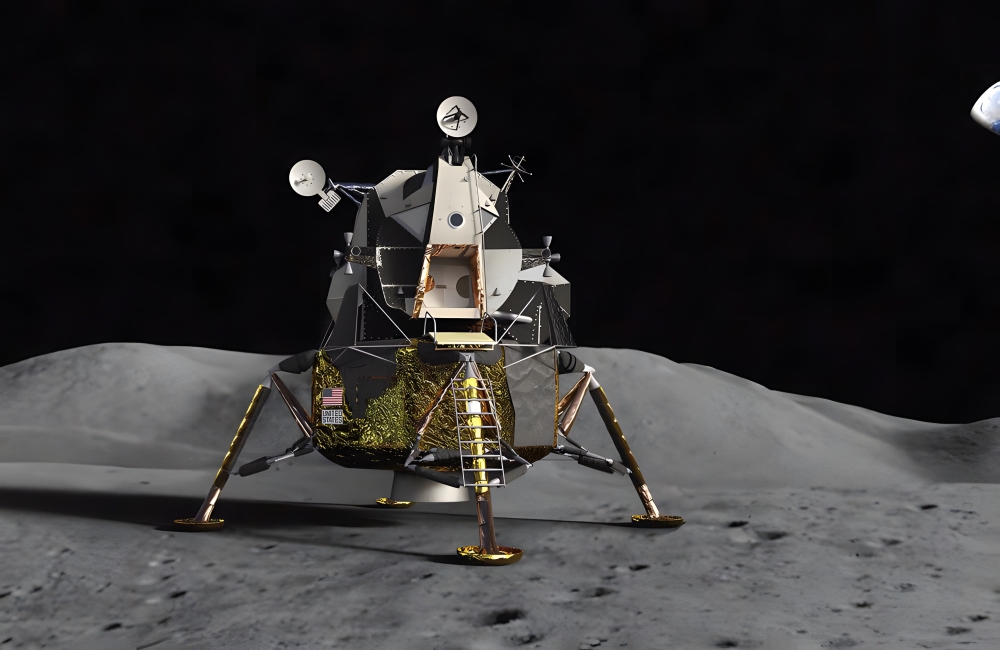
Apollo Space Program @behance / Pinterest
The development and designs of the Saturn launch vehicles, the Apollo spacecraft, and spacesuits, as well as the mission operations, made up approximately eighty percent of the cost of the entire program, with each spacesuit costing the program a hundred thousand dollars and the Apollo spaceship itself coming to around $77 million in 1968. That is equivalent to an astrological $288 billion USD today.