
5. Evolution and Diversification of Squirrel-like Rodents
A fascinating chapter in the history of mammals is the diversification and evolution of squirrel-like rodents. From their beginnings in the Eocene era, these species had an amazing path of adaptation and speciation that resulted in the great variety of squirrel species existing today.
Protosciuters and other early squirrel-like rodents marked only the start of this evolutionary trip. These original forms evolved with time and surroundings to produce a range of diverse lineages. Some kept their arboreal way of life and kept developing traits improving their capacity to live in trees. Others evolved to fit several environments, including ground-dwelling and even underground life.
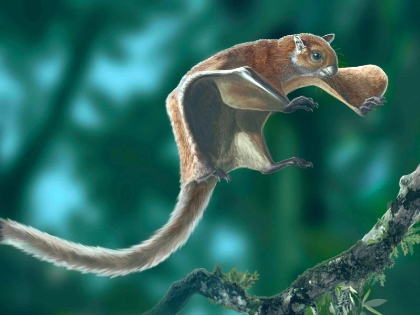
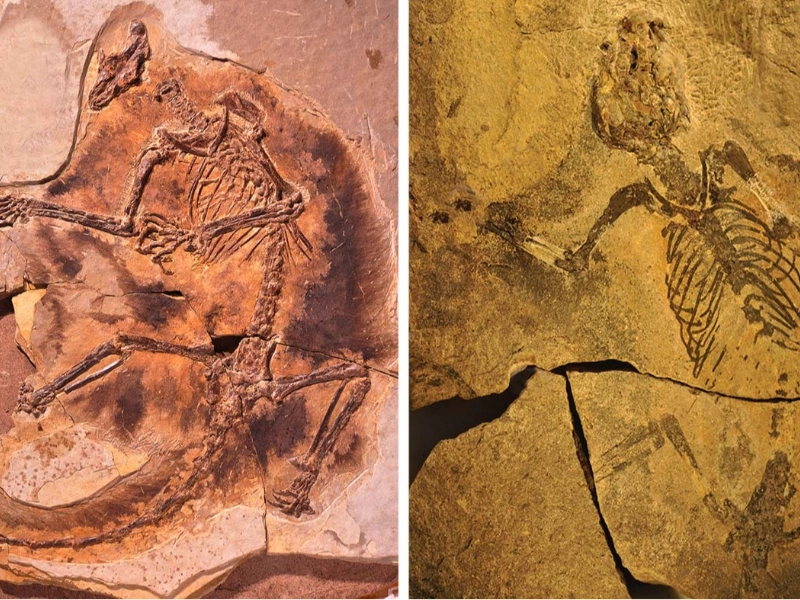
The evolution of squirrels saw one of the most important changes in gliding adaptations. Like current flying squirrels, fossils of species such as Eomys quercyi from the late Eocene exhibit skin membranes between their limbs. This adaptation created new ecological niches and paths of mobility throughout the forest canopy, therefore generating a whole fresh avenue of squirrel evolution.
Squirrels evolved to fit a broad spectrum of habitats and dispersed over several continents as they diversified. During the Oligocene epoch—about 23 to 34 million years ago—the fossil record reveals evidence of squirrel-like rodents in North America, Europe, and Asia. As many populations adapted to local conditions, this geographic dispersion resulted in even more variety.
Squirrel diversity peaked during the Miocene era, roughly five to twenty-million years ago. Many of the main groups of contemporary squirrels started to surface during this period. Flying squirrels, ground squirrels, and tree squirrels all have roots in this fast evolving and diversified era.
Evolution of squirrels was largely influenced by climate variations. Some squirrel species evolved fresh tactics for surviving hard winters when global temperatures dropped and seasons grew more pronounced. This covered more advanced food storage techniques and, occasionally, hibernation capability.
 zi ang