
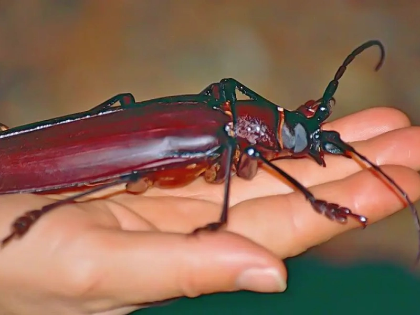
Amazingly huge, certain species of prehistoric insects would appear virtually unthinkable in modern times. From huge millipedes to dragonflies with wingspans of more than two feet, these enormous insects prowled the planet millions of years past. The interesting causes of their great scale and what this indicates about prehistoric ecosystems are investigated in this paper.
1. The Era of Giant Insects
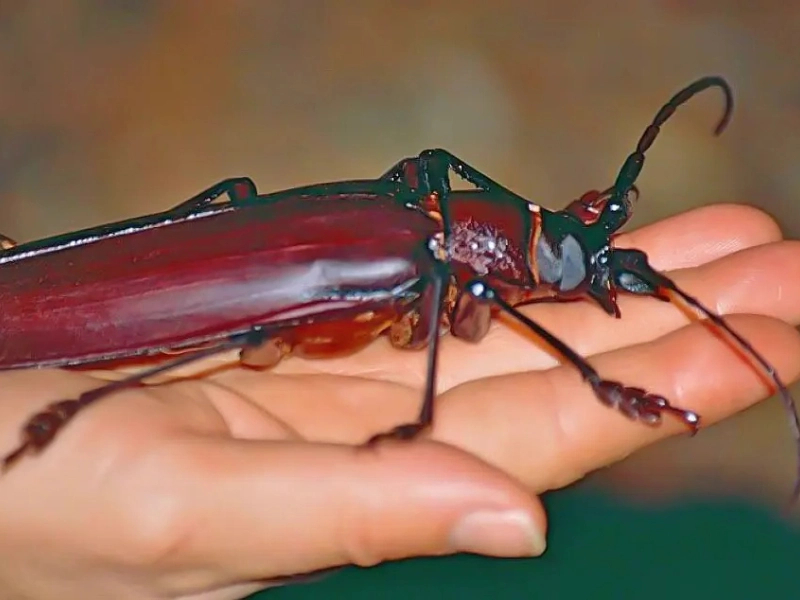
Giant insects mainly lived in the Palaeozoic era, mostly in the Carboniferous epoch, about 359 to 299 million years ago. The Earth’s atmosphere was rich in oxygen during this period; levels believed to be over 35%, far greater than those of today’s 21%. Insects’ growth and development depend critically on this high oxygen concentration, which also enables them to reach sizes much above those of contemporary species.
Warm, humid weather, great vegetation, and vast forests defined the Carboniferous epoch. These environments offered enough of food, which let insects flourish. High oxygen levels combined with plenty of food created the perfect habitat for big-bodied insects to evolve in. Giant dragonflies, large cockroaches, and colossal beetles among other insect species are shown by fossil evidence from this age.
Furthermore, the lack of big vertebrate predators during this period let insects expand more free from the threat of being pursued. Their evolutionary success resulted from this lack of predation and competition, which also helped some of the biggest insects in history to arise. Knowing the climatic circumstances of this age allows one to understand why insects could reach such amazing dimensions.
2. The Role of Oxygen Levels
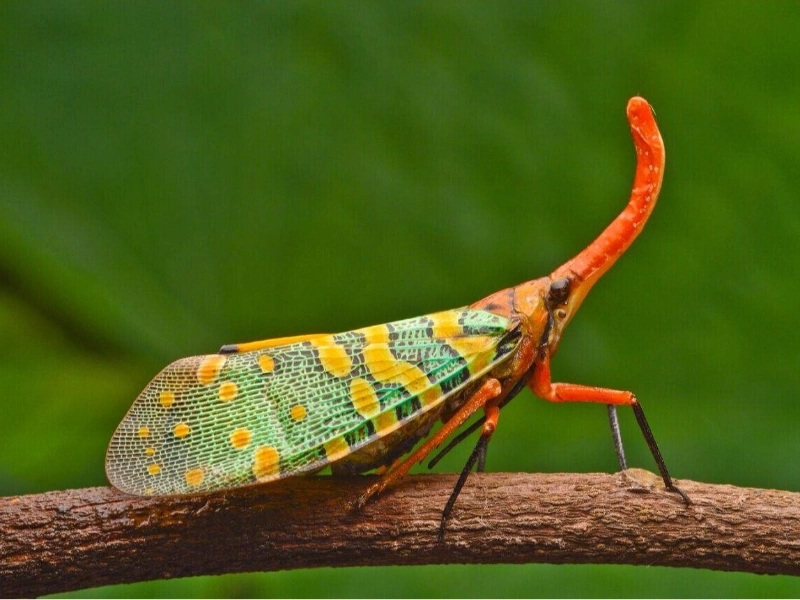
Prehistoric insect size was mostly determined by the high oxygen levels in the atmosphere during the Carboniferous era. Through a system of tubes known as tracheae, insects breathe and deliver oxygen to their tissues. Unlike humans, insects depend on diffusion to move oxygen throughout their bodies; they lack lungs.
Greater oxygen concentrations let insects consume more oxygen, hence supporting greater body sizes. Studies have indicated that insects can grow bigger when oxygen levels rise since their respiratory systems can effectively provide the required oxygen to maintain bigger bodies. Called “oxygen limitation,” this phenomena implies that reduced oxygen availability limits the size of contemporary insects.
By contrast, the high oxygen levels during the Carboniferous epoch allowed insects to develop to sizes unthinkable today. Among the biggest flying insects ever known, the Meganeura, a massive dragonfly-like insect, has a wingspan of up to 2.5 feet. Along with benefits in foraging and reproduction, this capacity for size let these insects fill several ecological niches.
Insect sizes dropped as oxygen levels dropped following the Carboniferous epoch, which resulted in the smaller insects we know today. The link between oxygen levels and insect size shows how environmental factors might affect species’ evolution across time.
 zi ang