
5. Addressing Common Pregnancy Foot Concerns Through Massage
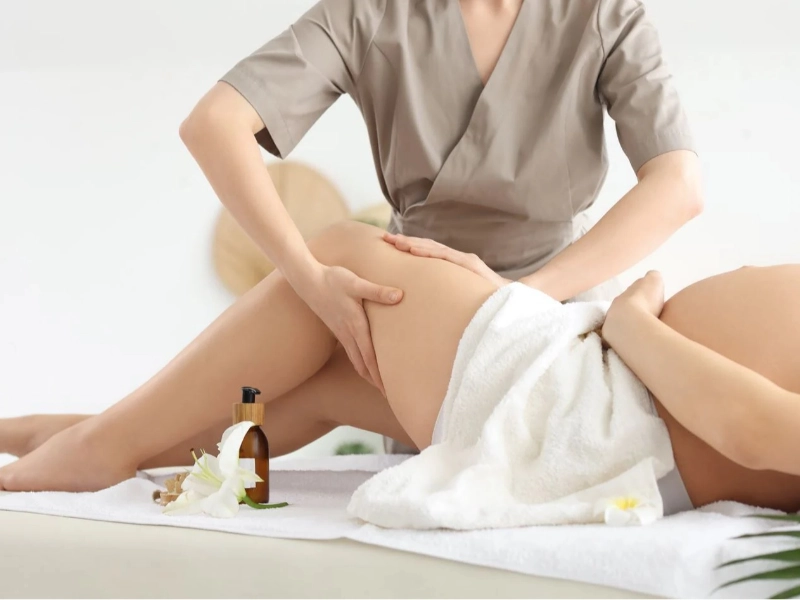
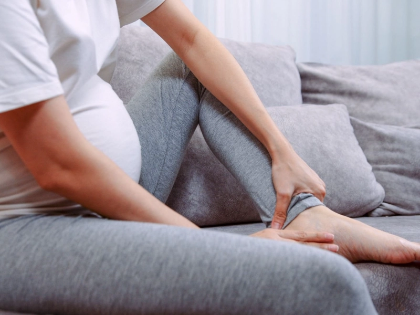
Many times, pregnancy causes particular foot-related problems that can be readily corrected with focused massage treatments. Particularly in the ankles and feet, swelling or oedema is one of the most often occurring issues. Use moderate upward strokes from the toes towards the ankles to help release fluid. Additionally helping to increase circulation and lower swelling are light, repetitive tapping motions down the top of the foot. For expectant mothers with plantar fasciitis or arch pain, concentrate on gently arching the foot. Working from the heel towards the ball of the foot, gently press the arch with your thumbs throughout its length. Thumbs’ circular motions can assist this region release tension. Another common complaint is heel pain; cupping the heel in your palm and gently pressing it while making little, circular motions helps. Before reaching down to the foot, softly knead the calf muscles for leg cramps—which sometimes reach the feet. Focus especially on the area where the calf joins the ankle and gently squeeze the muscles to enable them to relax. If pregnant women have hot, fatigued feet, include some light stroking motions from toes to ankles to help to cool and relax them. Always keep in touch with the expecting mother during the massage to make sure the pressure and techniques applied are pleasant and help her with particular issues.
6. The Role of Essential Oils in Pregnancy Foot Massage
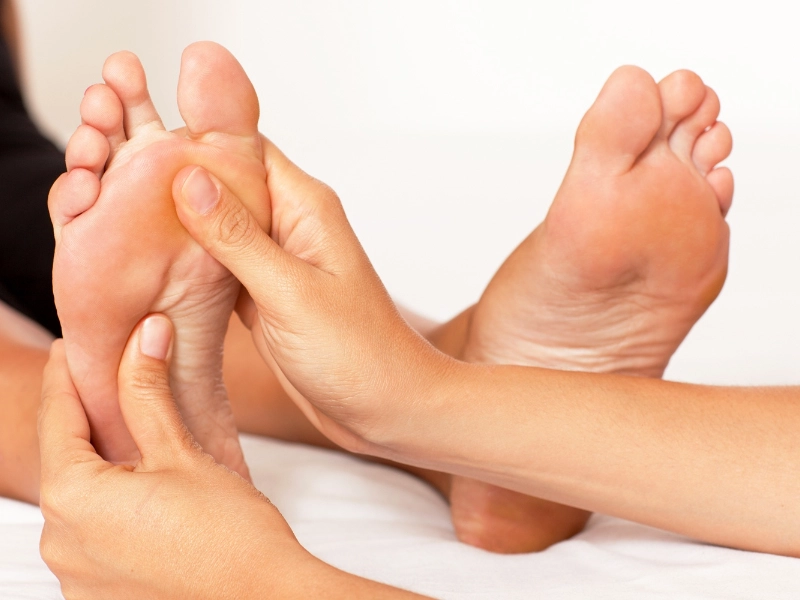
Although they can improve the foot massage experience during pregnancy, essential oils should be used sensibly and properly. Choose carefully since not all essential oils are appropriate for use during pregnancy. Generally regarded as safe and able to induce relaxation and stress release are lavender, chamomile, and ylang-ylang. Before using any new essential oils, though, always speak with a healthcare professional. Essential oil use depends on appropriate dilution. Combining a few drops of the selected essential oil with a carrier oil like coconut, jojoba, or sweet almond will create Generally speaking, one should use a 1% dilution—about six drops of essential oil per ounce of carrier oil. This reduced concentration lowers any possible hazards and helps avoid skin irritation. Apply the diluted oil combination sparingly, paying particular attention to lower legs and foot soles. Steer clear of essential oils on any area with varicose veins or damaged skin. For swollen or fatigued feet, several basic oils—including peppermint—may provide a cooling impact that could be very relieving. Peppermint oil should be used carefully and at extremely low doses, though, especially during pregnancy. Pregnancy can also make one more sensitive to fragrances, hence what was previously a nice aroma could now be overbearing. Before using essential oils more generally, always do a little patch test; stop using if any irritation or discomfort results. Incorporating safe, pregnancy-appropriate essential oils into foot massages will help expecting women to achieve improved relaxation that addresses mental well-being as well as physical comfort.