
Spanning an astonishing 11 time zones, Russia stands as the world’s largest country, a testament to its sheer enormity and diversity. While many associate Russia with vodka, frigid temperatures, and the Cold War, these stereotypes barely scratch the surface of this enigmatic nation. Beyond these well-worn clichés lies a country rich in history, culture, and natural wonders waiting to be explored. From the bustling streets of Moscow to the remote reaches of Siberia, Russia offers a tapestry of experiences that challenge and expand our understanding of this complex land. As we delve deeper into the heart of this massive country, we uncover a wealth of fascinating facts that reveal the true essence of Russia. From its world-renowned literature and art to its groundbreaking scientific achievements, Russia continues to captivate and surprise the world. Join us on a journey of discovery as we peel back the layers of misconception and uncover the myriad wonders that make Russia truly unique in the global landscape.
1. Women Power
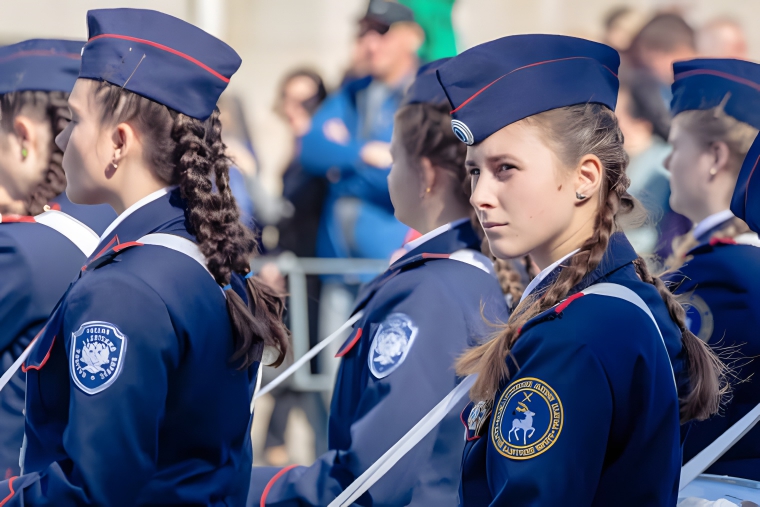
Russia, a vast nation spanning two continents, has long been known for its complex demographic landscape. Although the country is currently under male leadership, a fascinating and somewhat paradoxical situation exists within its population dynamics. In 2014, a comprehensive report published by Russia’s State Statistics Committee revealed a startling fact: the number of women living in Russia surpassed that of men by a staggering 10.5 million. This significant gender imbalance has far-reaching implications for Russian society, economy, and culture.
Tatyana Moskalkova, a prominent member of the Russian parliament, shed light on this phenomenon, explaining that while the number of boys and girls at birth is relatively equal, a noticeable shift occurs as the population ages. From around the age of 30 onwards, a disproportionate number of males begin to pass away due to a variety of unfortunate incidents. These include, but are not limited to, armed conflicts, automobile accidents, and industrial traumas. The reasons behind this disparity are multifaceted and deeply rooted in Russian history and societal norms.
The impact of wars, particularly World War II, which claimed the lives of millions of Soviet men, continues to echo through generations. Additionally, the turbulent 1990s, marked by economic instability and social upheaval following the collapse of the Soviet Union, saw a spike in mortality rates among working-age men. Factors such as increased alcohol consumption, smoking, and high-risk behaviors have also contributed to the lower life expectancy of Russian men compared to women.
This gender imbalance has led to numerous societal changes. Women in Russia often find themselves taking on traditionally male-dominated roles in both professional and personal spheres. The shortage of men has influenced family structures, with many women raising children as single mothers or in multigenerational households. It has also affected the dating and marriage landscape, with some men feeling less pressure to commit due to the abundance of potential partners.
The Russian government has implemented various initiatives to address this demographic challenge. These include promoting healthier lifestyles, improving workplace safety standards, and introducing policies aimed at reducing alcohol consumption. However, the effects of these measures will take time to manifest in the population statistics.
Despite the challenges posed by this gender imbalance, Russian women have shown remarkable resilience and adaptability. They have excelled in various fields, from science and technology to arts and sports, often outperforming their male counterparts. This situation has, in many ways, contributed to the empowerment of women in Russian society, albeit through circumstances that are far from ideal.
As Russia continues to navigate its unique demographic landscape, the role of women in shaping the country’s future remains more crucial than ever. The strength and perseverance of Russian women, forged through historical hardships and contemporary challenges, continue to be a defining characteristic of the nation’s identity and a powerful force driving its progress.
2. Bodybuilding And Russia
The former Soviet Union, and subsequently Russia, has long been associated with a strong tradition of physical prowess and athletic excellence. Among the most popular sports that have deep roots in this region are weightlifting and wrestling. These disciplines have not only captivated the imagination of the local populace but have also produced numerous Olympic champions who have left an indelible mark on the global sporting stage. Alongside these traditional favorites, powerlifting has emerged as another widely embraced sport, challenging preconceived notions about strength and gender roles.
Contrary to what some might assume, these sports are not exclusively the domain of men in Russia. In fact, Russian women have been making significant strides in these strength-based disciplines, particularly in weightlifting, for decades. What’s truly remarkable is how they’ve managed to dominate these sports while maintaining their femininity, challenging stereotypes and redefining societal expectations.
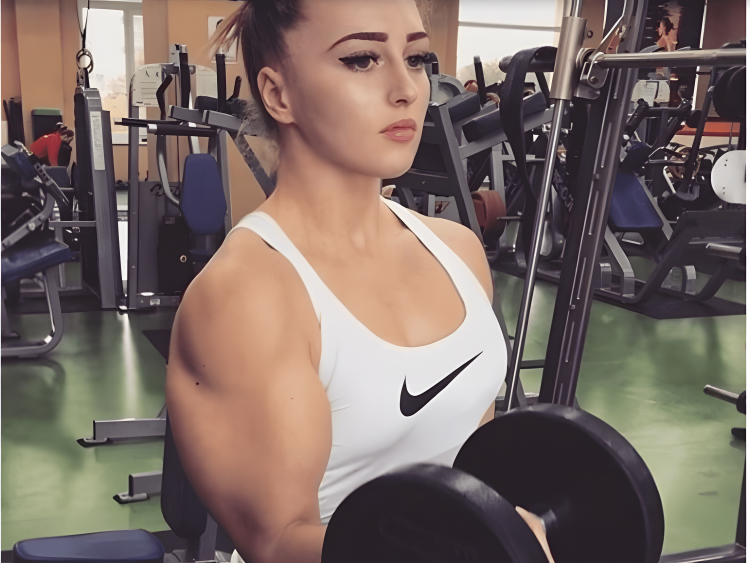
The legacy of female powerlifters and bodybuilders in Russia is both rich and inspiring. Take, for instance, the case of Julia Vins, a name that has become synonymous with the fusion of strength and beauty in the world of bodybuilding. Vins, often referred to as “Muscle Barbie” due to her striking combination of muscular physique and delicate facial features, has become an icon in the fitness world. Her journey from a young girl struggling with self-esteem issues to a confident powerlifter and social media sensation exemplifies the transformative power of the sport.
Another shining example is Nadezhda Alexandrovna Yevstyukhina, whose achievements in weightlifting have been nothing short of extraordinary. At the tender age of 17, Yevstyukhina clinched gold medals in the 69kg category, a feat that announced her arrival on the international stage in spectacular fashion. Her success at such a young age not only showcased her exceptional talent but also highlighted the strong support system and training regimens in place for young athletes in Russia.
Perhaps one of the most awe-inspiring stories in this realm is that of Maryana Naumova. Dubbed the “Princess of the Barbell,” Naumova’s accomplishments defy her years. She holds the distinction of being the youngest powerlifting world champion, an accolade she earned while still in her teens. But it’s not just the title that sets her apart; Naumova has an astounding 15 world records to her name. Her feats of strength have not only earned her recognition within the powerlifting community but have also made her a role model for young girls aspiring to break into male-dominated sports.
The success of these women in strength sports is not merely a result of individual talent but reflects a broader cultural acceptance and encouragement of female participation in these disciplines. Russian sports academies and training facilities have long recognized the potential of women in these fields and have provided equal opportunities for training and development.
Moreover, the achievements of these athletes have had a ripple effect on Russian society. They have challenged traditional gender norms, inspiring a new generation of girls to pursue their passions regardless of societal expectations. The image of the strong, confident Russian woman, exemplified by these athletes, has become a source of national pride and a symbol of the country’s progressive attitude towards gender equality in sports.
The impact of these female athletes extends beyond the borders of Russia. They have become international ambassadors for their sports, participating in exhibitions and competitions worldwide. Their success has contributed to the global recognition of Russian strength in these disciplines, further cementing the country’s reputation as a powerhouse in strength-based sports.
As we look to the future, the legacy of these pioneering women continues to inspire and shape the landscape of bodybuilding, weightlifting, and powerlifting in Russia. Their stories serve as a testament to the power of determination, the breaking of stereotypes, and the endless possibilities that open up when talent is nurtured regardless of gender.
3. The Lethal Icicles
Russia’s reputation for harsh, unforgiving winters is well-established, with the country’s vast territories experiencing some of the most extreme cold weather conditions on the planet. This climatic characteristic has played a significant role in shaping Russian history, culture, and even military outcomes. Many historians have pointed to the brutal Russian winter as a key factor in thwarting invasion attempts, most notably those led by Napoleon Bonaparte in the early 19th century and Adolf Hitler during World War II. The freezing temperatures, heavy snowfall, and treacherous icy conditions have proven to be formidable allies in Russia’s defense against foreign incursions.
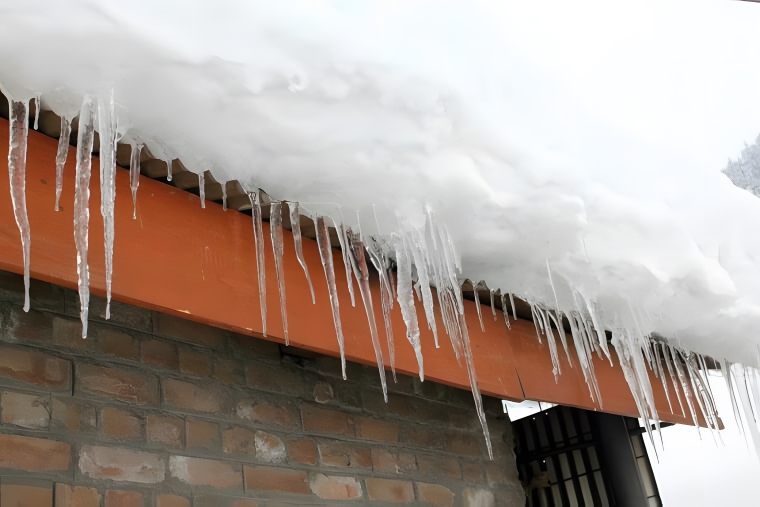
However, while the severe winter weather has served as a natural barrier against invading forces, it also presents significant challenges and dangers to the local population. One of the most peculiar and hazardous manifestations of Russia’s winter is the formation of enormous icicles. These frozen spears, often hanging precariously from the gutters and roofs of buildings in cities like Moscow, are not merely picturesque winter decorations but potentially lethal hazards.
The scale of these icicles is truly remarkable. In urban areas, particularly in older parts of cities with aging infrastructure, it’s not uncommon to see icicles reaching several meters in length and weighing dozens of kilograms. Their size and weight make them extremely dangerous, capable of causing serious injury or even death if they were to fall on an unsuspecting pedestrian below.
The gravity of this situation is such that local authorities often take drastic measures to ensure public safety. In many Russian cities, it’s a common sight to see sections of pavements cordoned off during the winter months. These blockades are put in place directly beneath areas where large icicles have formed, creating no-go zones for pedestrians. While this approach helps mitigate the immediate risk, it also creates inconveniences for city dwellers, forcing them to alter their usual routes and potentially crowding other walkways.
The danger posed by falling icicles is not merely theoretical. Tragically, there have been numerous incidents of injuries and even fatalities caused by these frozen formations. A particularly severe case occurred in St. Petersburg in 2010, where more than 150 individuals were injured due to falling icicles. This incident highlighted the very real and present danger that these winter formations represent to urban populations.
The problem of icicle formation is exacerbated by several factors unique to Russian urban environments. Many older buildings in Russian cities were constructed with architectural features that, while aesthetically pleasing, tend to facilitate the formation of large icicles. Ornate cornices, protruding gutters, and complex roof designs can all contribute to the accumulation of snow and ice, which then forms into dangerous icicles as temperatures fluctuate.
Furthermore, the energy inefficiency of some older buildings leads to heat loss through roofs, causing snow to melt and refreeze repeatedly, forming larger and more dangerous icicles over time. This issue is compounded by the fact that many Russian cities experience frequent temperature fluctuations during winter, hovering around the freezing point, which creates ideal conditions for icicle growth.
Addressing this annual hazard has become a significant concern for Russian city administrations. Various approaches have been employed to combat the problem, ranging from the reactive to the preventative. Some cities employ teams of workers, often referred to as “icicle hunters,” whose job it is to remove dangerous icicles from buildings. This is a perilous task in itself, requiring workers to operate at heights in slippery conditions.
More proactive measures include the installation of heating elements in gutters and along roof edges to prevent ice formation, improved insulation of buildings to reduce heat loss, and the redesign of roof structures to minimize snow and ice accumulation. However, implementing these solutions on a large scale, particularly in cities with extensive historical architecture, presents significant logistical and financial challenges.
The issue of lethal icicles serves as a stark reminder of the ongoing battle between urban life and the forces of nature in Russia. It underscores the need for continuous adaptation and innovation in urban planning and building design to ensure the safety of citizens in the face of extreme weather conditions. As climate change potentially leads to more erratic winter weather patterns, the challenge of managing this uniquely Russian winter hazard may become even more complex in the years to come.
4. Smile For A Reason
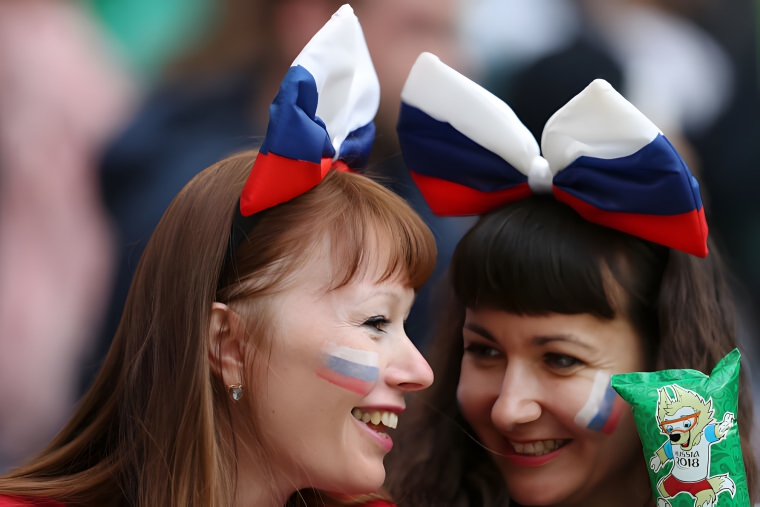
Russia, a country known for its rich history, diverse culture, and complex social norms, often finds itself at the center of various stereotypes. One of the most persistent misconceptions about Russians is their perceived lack of friendliness, particularly when it comes to smiling. Visitors to Russia might initially be taken aback by the seemingly stern expressions on the faces of locals, especially in public spaces or during casual interactions. However, this cultural characteristic is far more nuanced than it appears on the surface.
The truth behind the “unsmiling Russian” stereotype lies deep within the country’s cultural fabric. Russians have a fundamentally different approach to smiling compared to many Western cultures. In Russian society, smiles are not casual expressions to be given freely without cause. Instead, they are regarded as meaningful gestures reserved for genuine emotions or specific social situations.
This cultural attitude towards smiling is encapsulated in a well-known Russian proverb: “Laughter for no reason is a sign of foolishness.” This saying reflects a deeply ingrained belief that smiling or laughing without a valid reason is not just unnecessary, but potentially indicative of a lack of intelligence or seriousness. As a result, Russians tend to be more discerning about when and why they smile.
In Russian culture, a smile is seen as a sincere expression of joy, amusement, or affection. It’s not typically used as a polite gesture to strangers or as a way to ease social interactions, as is common in many Western countries. When a Russian person does smile, it’s usually because they truly feel the emotion behind it. This approach to smiling means that when you do receive a smile from a Russian, you can be assured that it’s genuine and heartfelt.
This cultural difference can lead to misunderstandings, especially in international settings. Foreigners might interpret the lack of smiles as unfriendliness or hostility, while Russians might view the constant smiling of some cultures as insincere or even foolish. It’s important to note that this doesn’t mean Russians are inherently unfriendly or unhappy. They simply express their emotions differently and place a higher value on the authenticity of their expressions.
In professional or formal settings, Russians tend to maintain a serious demeanor, which is seen as a sign of respect and professionalism. Smiling in these contexts might be interpreted as a lack of seriousness or even as mockery. However, among friends and family, Russians are often warm, expressive, and yes, even smiling.
Understanding this aspect of Russian culture can greatly enhance one’s experience when visiting or interacting with Russians. It’s crucial to recognize that the absence of a smile doesn’t equate to unfriendliness. Instead, it reflects a cultural emphasis on sincerity and meaningful interactions. As you build relationships with Russians, you’ll likely find that they become more expressive and open, including with their smiles.
This cultural trait also highlights the importance of context in cross-cultural communication. What might be considered polite or friendly in one culture could be viewed differently in another. In Russia, direct communication and honesty in expressions are often valued over what might be seen as superficial pleasantries.
As globalization continues to bring different cultures into closer contact, there’s been a gradual shift in some urban areas of Russia, particularly among younger generations. Exposure to international media and increased travel have led some Russians to adopt more frequent smiling in certain contexts. However, the core cultural value of reserving smiles for genuine emotions remains strong throughout much of Russian society.
In conclusion, while Russians may not smile as readily as people from some other cultures, it doesn’t mean they are unfriendly or unhappy. Their approach to smiling is simply different, rooted in a cultural preference for sincerity and meaningful expressions of emotion. Understanding this can lead to more authentic and rewarding interactions with Russians, appreciating the depth behind their expressions and the warmth that lies beneath the surface.
5. Up Until 2011, Beer Was Not Regarded As An Alcoholic Beverage

The relationship between Russia and alcohol has long been a topic of discussion and, at times, concern on the global stage. However, one particularly intriguing aspect of this relationship came to light in 2011 when a significant legal change occurred: beer was officially classified as an alcoholic beverage in Russia. This fact, surprising to many outside observers, sheds light on the complex and sometimes paradoxical approach to alcohol regulation in the country.
Prior to 2011, Russian law did not categorize beer as an alcoholic drink. Instead, any beverage with an alcohol content of less than 10 percent was legally classified as a foodstuff. This classification had far-reaching implications for how beer was sold, marketed, and consumed throughout the country. Beer could be sold at any time of day or night, in any quantity, and from various outlets including small kiosks and street vendors. This easy accessibility contributed to beer’s popularity, especially among younger Russians.
The reclassification of beer as an alcoholic beverage was part of a broader initiative by the Russian government to combat alcohol abuse. The move brought beer under the same regulations as other alcoholic drinks, limiting its sale in certain locations, restricting the hours during which it could be sold, and imposing stricter controls on its advertising. This change was seen as necessary by health officials and policymakers who were concerned about the high levels of alcohol consumption in the country, particularly among younger demographics.
However, the impact of this legal change has been complex and multifaceted. Despite the new regulations, beer sales in Russia have remained robust, with some reports indicating a 30 percent increase in sales even after the implementation of stricter laws. This statistic underscores the deeply ingrained nature of alcohol consumption in Russian culture and the challenges faced by those seeking to modify these long-standing habits.
The resilience of beer sales in the face of tighter regulations can be attributed to several factors. Firstly, there’s the cultural aspect: alcohol, including beer, plays a significant role in Russian social life and traditions. From celebrations to casual gatherings, beer is often seen as an integral part of social interactions. Secondly, years of classifying beer as a foodstuff had normalized its consumption to a degree that couldn’t be quickly reversed by legal changes alone.
Moreover, the Russian beer market has shown remarkable adaptability. Breweries and distributors have found ways to work within the new regulatory framework while still meeting consumer demand. This has included shifts in marketing strategies, changes in packaging sizes, and diversification of product lines to include low-alcohol or non-alcoholic alternatives.
The ongoing high levels of beer consumption despite stricter regulations highlight the complexity of addressing alcohol-related issues in Russia. It’s become clear that legal measures alone are insufficient to significantly alter deeply rooted cultural practices and preferences. This realization has led to discussions about the need for more comprehensive approaches to alcohol policy, including education, healthcare initiatives, and long-term cultural shifts.
The situation with beer in Russia also reflects broader global trends in alcohol regulation and consumption. Many countries grapple with finding the right balance between personal freedom, cultural traditions, public health concerns, and economic interests when it comes to alcohol policy. Russia’s experience with beer regulation offers valuable insights into the challenges and complexities of such efforts.
As Russia continues to navigate its relationship with alcohol, including beer, it’s clear that change will be a gradual process. The resilience of beer sales in the face of new regulations suggests that any significant shift in consumption patterns will likely require a multifaceted approach that goes beyond mere legal restrictions. It will need to address cultural norms, provide alternative social outlets, and perhaps even redefine the role of alcohol in Russian society.
In conclusion, the story of beer’s classification as an alcoholic beverage in Russia is more than just an interesting legal anecdote. It’s a window into the complex interplay between law, culture, public health, and personal habits in one of the world’s largest countries. As Russia continues to grapple with these issues, the global community watches with interest, recognizing that the lessons learned here could have implications for alcohol policies worldwide.
6. If You Have A Beard, You Need To Pay Beard Tax
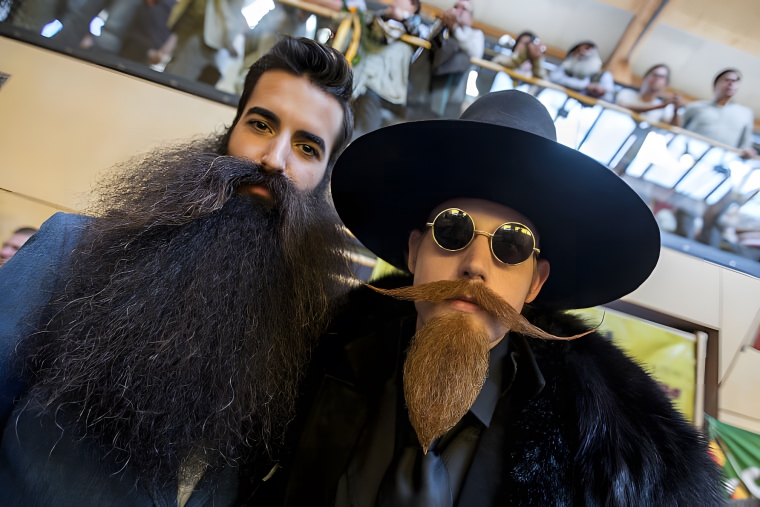
In the annals of Russian history, few decrees have been as peculiar and controversial as the beard tax implemented by Emperor Peter I, also known as Peter the Great, in 1698. This unusual tax, targeting a specific aspect of personal appearance, was part of Peter’s broader efforts to modernize and Westernize Russian society, a campaign that would leave an indelible mark on the nation’s culture and identity.
To understand the beard tax, one must first appreciate the context of late 17th century Russia. At the time, long beards were not merely a fashion statement but a deeply ingrained part of Russian Orthodox tradition and cultural identity. For many Russian men, particularly those adhering to traditional values, a full beard was seen as a sign of piety and masculinity. It was believed that man was created in God’s image, and since religious iconography depicted God with a beard, it was considered sacrilegious to shave.
Peter I, however, had a different vision for Russia. Having traveled extensively in Western Europe, he was impressed by the customs, technology, and appearance of Western nations. He believed that for Russia to progress and be taken seriously on the European stage, it needed to adopt Western practices and aesthetics. This included changing the way Russian men looked, starting with their facial hair.
The beard tax was introduced as part of a series of reforms aimed at forcibly modernizing Russian society. Under this new law, men who wished to keep their beards were required to pay an annual tax. The amount of the tax varied depending on the social status of the individual, with nobles and government officials paying the highest rates, while peasants and clergy were charged a smaller fee each time they entered a city.
To enforce this tax, Peter I introduced a rather unique system. Those who paid the tax were given a small copper or silver token, which they were required to carry with them at all times. This token, about the size of a coin, bore the image of a beard on one side and the Russian eagle on the other, along with the phrase “the beard is a useless burden.” If a bearded man was stopped by authorities and couldn’t produce this token, he risked having his beard forcibly shaved on the spot.
The implementation of the beard tax was met with significant resistance. For many Russians, especially the more conservative elements of society, this was not just a matter of personal preference but a direct attack on their religious and cultural values. The Orthodox Church, in particular, was vehemently opposed to the measure, seeing it as an affront to religious traditions.
Despite the resistance, Peter I was determined to see his vision of a modernized Russia come to fruition. He led by example, publicly shaving the beards of his nobles and even performing some of these shavings himself. The tsar’s personal involvement in enforcing the new policy underscored the seriousness with which he approached this aspect of his reforms.
The beard tax had far-reaching consequences beyond just changing the appearance of Russian men. It symbolized a broader cultural shift, a tension between traditional Russian values and the Western influences that Peter I was eager to introduce. This tension would continue to shape Russian society and politics for centuries to come, with debates over Russia’s place between East and West remaining relevant even in modern times.
Interestingly, the beard tax didn’t immediately disappear with Peter’s death in 1725. It continued in various forms under subsequent rulers, though enforcement gradually became less strict. It wasn’t until the reign of Catherine the Great in the latter half of the 18th century that the tax was officially repealed.
The legacy of the beard tax extends far beyond its practical effects on facial hair styles. It serves as a fascinating case study in the use of taxation as a tool for social engineering and cultural change. It also highlights the challenges faced by rulers attempting to rapidly modernize traditional societies, a theme that has recurred throughout history in various contexts.
In modern Russia, beards have long since ceased to be a subject of taxation or official regulation. However, the story of the beard tax remains a popular anecdote, often cited as an example of the sometimes extreme measures taken by Russian rulers in their efforts to shape the nation’s destiny. It serves as a reminder of the complex interplay between personal freedom, cultural identity, and state power – themes that continue to resonate in Russia and around the world today.
7. Former Planet Pluto Is Smaller Than Russia
、
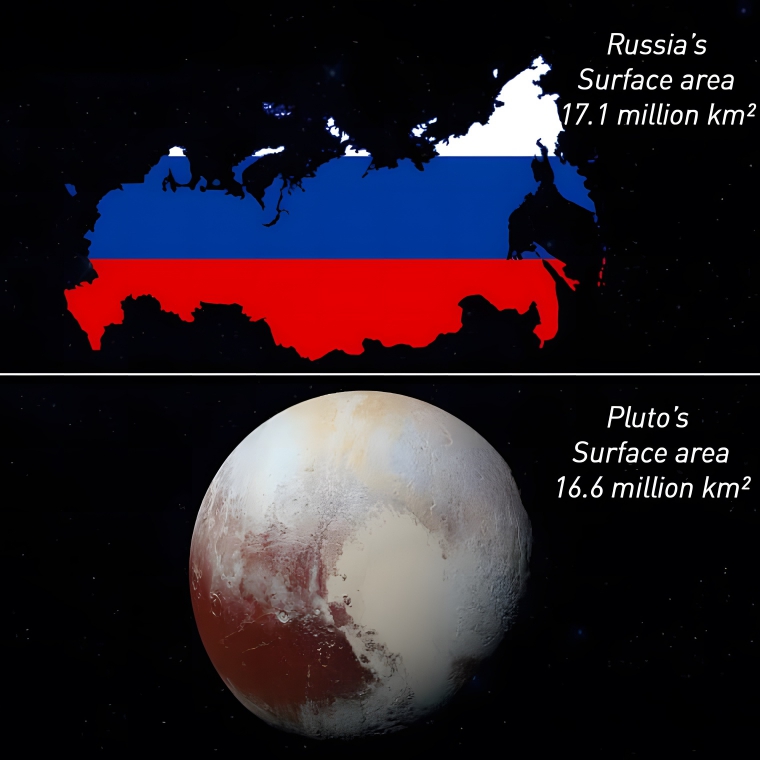
In the realm of astronomical curiosities, few facts capture the imagination quite like the comparison between the size of Russia and the former planet Pluto. This intriguing tidbit not only highlights the vastness of our world’s largest country but also puts into perspective the scale of celestial bodies in our solar system.
Pluto, once considered the ninth planet in our solar system, held that status from its discovery in 1930 until 2006. Its reclassification as a dwarf planet by the International Astronomical Union (IAU) sparked debates among scientists and the public alike. Despite its demotion, Pluto remains a fascinating object of study and a significant celestial body in our cosmic neighborhood.
Russia, on the other hand, has long held the title of the world’s largest country by land area. Spanning two continents – Europe and Asia – Russia’s territory encompasses a staggering diversity of landscapes, from the frozen tundra of Siberia to the subtropical beaches of Sochi. Its sheer size has played a crucial role in shaping its history, culture, and geopolitical significance.
When we compare these two entities – one terrestrial and one celestial – the numbers are truly astounding. Russia’s land area measures an impressive 17,098,322 square kilometers. This vast expanse includes everything from dense forests and towering mountains to sprawling plains and arctic coastlines. To put this into perspective, Russia covers more than one-eighth of the Earth’s inhabited land area.
Pluto, despite its distance from Earth and its relatively small size compared to the gas giants of our solar system, is still an impressively large object. However, its surface area comes in at approximately 16,647,940 square kilometers. This means that Russia, a single country on our planet, is more than 400,000 square kilometers larger than what was once considered the ninth planet of our solar system.
This comparison becomes even more fascinating when we consider the implications. It means that if you were to somehow “unfold” Pluto and lay it flat (a purely hypothetical exercise, of course), it would still not cover the entirety of Russia’s territory. The difference of 400,000 square kilometers is roughly equivalent to the size of Japan or Germany, which are significant countries in their own right.
The fact that a country on Earth outsize a celestial body that orbits millions of kilometers away from us is a testament to the diverse scales we encounter in both geography and astronomy. It challenges our perceptions of size and distance, reminding us of the vast differences in scale between objects in our everyday experience and those in the cosmos.
This comparison also serves as a reminder of the ongoing advancements in our understanding of the solar system. As our technology improves and our ability to observe distant objects becomes more refined, we continue to revise our classifications and understanding of celestial bodies. The reclassification of Pluto, while controversial, reflects the evolving nature of scientific knowledge and our attempts to categorize the universe around us.
Moreover, this fact about Russia and Pluto often serves as an engaging entry point for discussions about geography, astronomy, and the nature of scientific classification. It captures the imagination, encouraging people to think about the scale of our planet in relation to other objects in space, and potentially sparking interest in further exploration of both terrestrial and celestial realms.
In conclusion, the comparison between Russia’s size and that of Pluto is more than just an interesting trivia fact. It’s a gateway to understanding the scales at which we examine our world and the universe beyond, bridging the gap between the terrestrial and the celestial in a way that’s both comprehensible and awe-inspiring.
8. There Are At Least 15 ‘Secret Cities’ In Russia
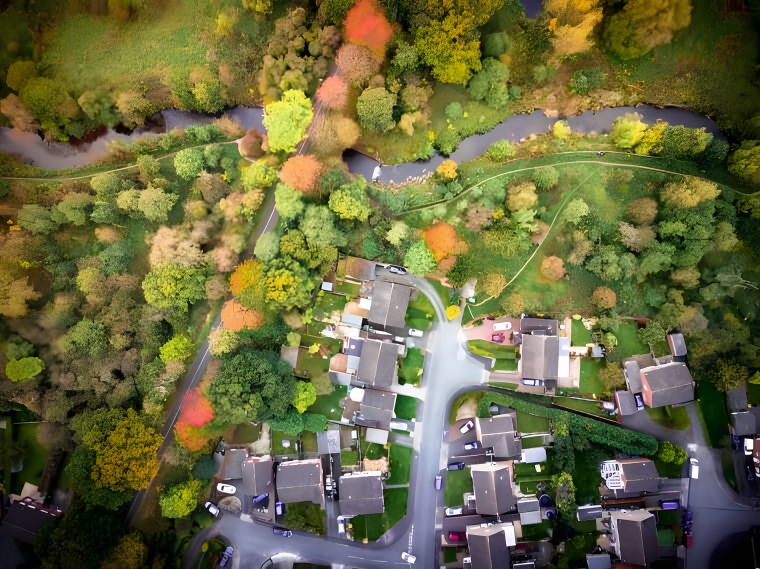
The concept of ‘secret cities’ in Russia is a fascinating aspect of the country’s history and current geopolitical landscape. These hidden urban centers, officially known as “closed administrative-territorial entities” or ZATOs (Zakrytye administrativno-territorial’nye obrazovaniya), are a legacy of the Soviet era that continues to intrigue and mystify both Russians and foreigners alike.
While the exact number of these secret cities remains uncertain, with speculation ranging from 15 to as many as 42, their existence is a testament to Russia’s complex relationship with national security and technological development. These cities, often unmarked on public maps and restricted to outsiders, have played crucial roles in Russia’s military, scientific, and industrial endeavors.
The origins of these secret cities can be traced back to the Cold War era when the Soviet Union was in a fierce arms race with the United States. Many of these locations were established to house research facilities and production centers for the country’s nuclear program. Others were dedicated to chemical weapons development, aerospace technology, or other sensitive military projects. The secrecy surrounding these cities was paramount, as they were considered vital to national security.
Residents of these closed cities lived in a unique environment. While they often enjoyed higher standards of living compared to other Soviet citizens, with better access to goods and services, they also lived under strict control. Movement in and out of these cities was heavily restricted, and residents were often forbidden from discussing their work or location with outsiders. This created isolated communities with their own distinct cultures and social norms.
The ZATO system didn’t disappear with the fall of the Soviet Union. Many of these cities continue to operate under similar principles of secrecy and restricted access in modern Russia. While some have been declassified or opened to a degree, others remain closed and continue to be involved in sensitive research and production.
The continued existence of these secret cities in Russia raises numerous questions about transparency, governance, and individual rights in the modern era. On one hand, the Russian government argues that these closed areas are necessary for national security and to protect sensitive technologies and information. On the other hand, critics argue that the system is outdated and incompatible with democratic principles.
For the average person, both in Russia and abroad, these cities remain shrouded in mystery. Their absence from maps and official records fuels speculation and conspiracy theories. Stories abound of advanced technology, secret experiments, and hidden populations living in these closed territories.
Attempting to visit these locations without proper authorization is not only illegal but potentially dangerous. The Russian government takes the security of these areas very seriously, and unauthorized access attempts can result in severe legal consequences. This level of secrecy and the potential risks associated with these cities have made them a subject of fascination for many, inspiring numerous books, documentaries, and even works of fiction.
The existence of secret cities also has implications for Russia’s demographics and internal migration patterns. Because these cities are not included in official population statistics, they create a degree of uncertainty in understanding Russia’s true population distribution and urban development patterns.
In recent years, there have been discussions within Russia about the future of these closed cities. Some argue for greater openness and integration with the rest of the country, while others maintain that the ZATO system remains necessary for national security. As Russia continues to navigate its role in the global community and balance its security needs with calls for greater transparency, the fate of these secret cities remains an intriguing question.
In conclusion, the secret cities of Russia represent a unique intersection of history, national security, and social engineering. Their continued existence in the 21st century speaks to the complex legacy of the Soviet era and the ongoing challenges of balancing security concerns with principles of openness in the modern world. While much about these cities remains unknown, their very existence continues to captivate the imagination and spark discussions about the nature of secrecy in our increasingly interconnected world.
9. Russians Love Their Athletics
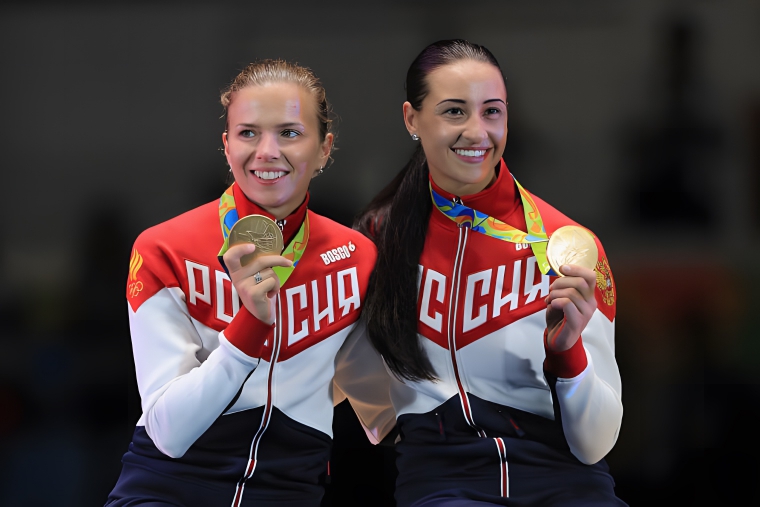
The passion for sports in Russia is not merely a pastime; it’s an integral part of the national identity, deeply woven into the fabric of Russian culture and history. From the frozen expanses of Siberia to the bustling streets of Moscow, athletics play a crucial role in shaping the Russian spirit, fostering national pride, and producing world-class athletes who have left an indelible mark on the global sports stage.
While soccer (or football, as it’s known in Russia) reigns supreme as the most popular sport, the country’s athletic prowess extends far beyond the soccer pitch. Ice hockey, a sport that seems tailor-made for Russia’s long, cold winters, holds a special place in the hearts of many Russians. The country has produced some of the greatest hockey players in history, with names like Vladislav Tretiak and Alexander Ovechkin becoming legendary not just in Russia, but around the world.
Tennis has also seen a surge in popularity in Russia, particularly since the fall of the Soviet Union. The success of players like Anna Kournikova and Maria Sharapova on the international stage has inspired a new generation of Russian tennis players. Kournikova, while never winning a singles title, became a global celebrity and helped popularize tennis in Russia. Sharapova, with her five Grand Slam titles, became one of the most successful and highest-paid female athletes in the world, further cementing Russia’s place in the tennis world.
Athletics, encompassing track and field events, has been another area where Russians have excelled. The country has a rich history of producing world-class long jumpers, high jumpers, and pole vaulters. Darya Klishina, a long jumper mentioned in the original text, is just one example of Russia’s continued strength in this area. Her success on the international stage has inspired many young Russians to take up athletics.
Winter sports hold a special place in Russian athletics. Given the country’s climate, it’s no surprise that Russians excel in disciplines like figure skating, cross-country skiing, and biathlon. The Winter Olympics have often been a showcase for Russian talent, with the country consistently ranking among the top medal winners.
The importance of sports in Russia extends beyond professional competition. Physical education is a mandatory part of the school curriculum, and children are encouraged from a young age to participate in various sports. This emphasis on athletic development from an early age has been a key factor in Russia’s continued success on the international stage.
Russia’s love for athletics is also evident in its hosting of major sporting events. The 2014 Winter Olympics in Sochi and the 2018 FIFA World Cup were not just sporting events but matters of national pride, showcasing Russia’s ability to organize world-class competitions and welcome athletes and fans from around the globe.
However, it’s important to note that Russian athletics has faced challenges in recent years, particularly with regards to doping scandals. These issues have led to sanctions and restrictions on Russian participation in some international events. Despite these setbacks, the passion for sports among the Russian people remains undiminished, and efforts are being made to address these problems and restore Russia’s reputation in the global sports community.
The impact of Russian athletes extends far beyond their home country. Many have become international superstars, admired and respected around the world. Ice hockey player Sergei Fedorov, mentioned in the original text, is a prime example. His success in the NHL made him a household name not just in Russia but in North America as well.
In conclusion, Russia’s love for athletics is a multifaceted phenomenon that goes beyond mere entertainment. It’s a source of national pride, a way of life, and a means of international recognition. From the soccer fields to the ice rinks, from the tennis courts to the athletics tracks, Russian athletes continue to inspire and amaze, carrying forward a rich sporting legacy that has been centuries in the making. As Russia continues to navigate its place in the global sports community, one thing remains certain: the passion for athletics will continue to burn brightly in the hearts of the Russian people.