
31. Bell AH-1Z Viper – USA
Manufacturer: Bell Helicopter
Primary Users: U.S. Marine Corps
Cost: Program cost $6.758 billion* (FY2020) / Unit cost $31 million* (FY2020)
This twin-engine attack helicopter was based on the legendary SuperCobra. The Bell AH-1Z Viper was developed for the Marines as part of the H-1 Program, which was a series of upgrades to and replacements of aging Marine aircraft. The Viper has a four-blade, composite rotor system. It also has a new target sighting system and uprated transmission.
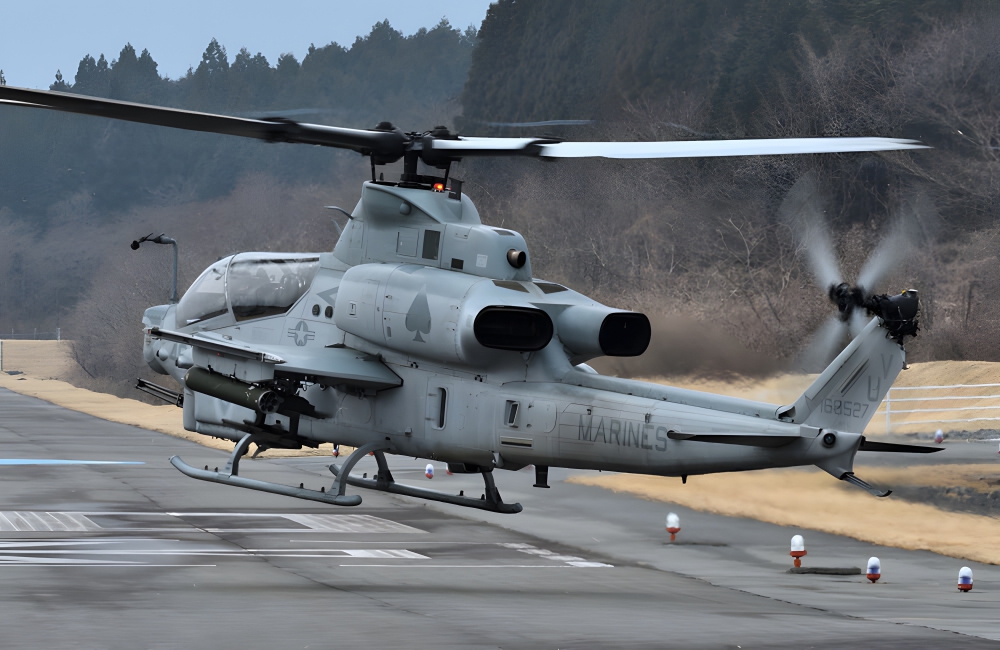
Bell AH-1Z Viper (USA) ©viper-zero / Shutterstock
The Viper is part of the Bell Huey family. It is nicknamed “Zulu Cobra.” Viper crew members have a Thales Top Owl helmet. The helmet-mounted sight/display system has 24/7 capabilities. It can see anything in day or night with its binocular display. The Thales helmets have FLIR projected onto the visor.
32. Charles De Gaulle Aircraft Carrier – France
Manufacturer: Naval Group
Primary Users: French Navy
Cost: Program/Unit cost $3.54 billion* (FY2001)
The Charles de Gaulle is the French Navy’s flagship, and it was amazing that it was completed at all considering the constant delays that plagued its construction in the 1990s. It was finally completed( five years behind schedule) in 2001. It is the French Navy’s tenth aircraft carrier, but the first surface vessel to operate using nuclear power.
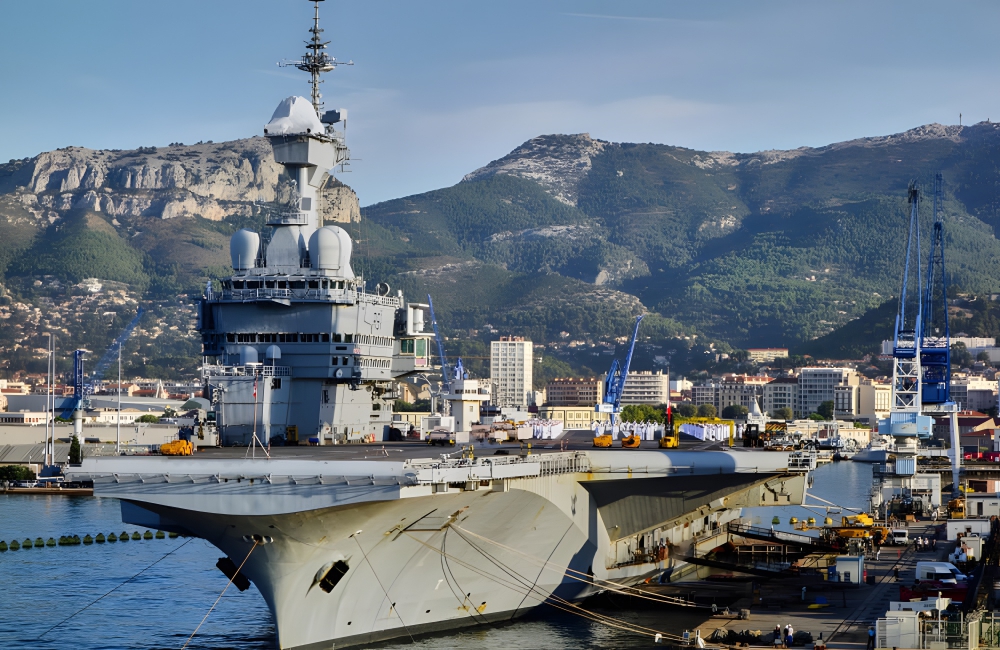
Charles De Gaulle Aircraft Carrier (France) ©Quirky Badger / Shutterstock
Charles de Gaulle is named after a French general and statesman. The ship can carry a wide range of aircraft, including E-2C Hawkeyes, Dassault Rafale Ms, EC725 Caracals, AS532 Cougars, and more. Charles de Gaulle has Aster missiles, cutting-edge electronics, and a CATOBAR configuration.
33. Astute Class Submarine – UK
Manufacturer: BAE Systems Maritime Submarines
Primary Users: Royal Navy
Cost: Program cost $14 billion* (FY2015) / Unit cost $2 billion* (FY2015)
The Astute class of submarines is the latest in service with the UK’s Royal Navy. These SSNs have upgraded communications facilities, stealth capabilities, and weapons loads. BAE Systems Maritime Submarines is constructing the Astute-class at Barrow-in Furness. Seven are planned, and three are active now.
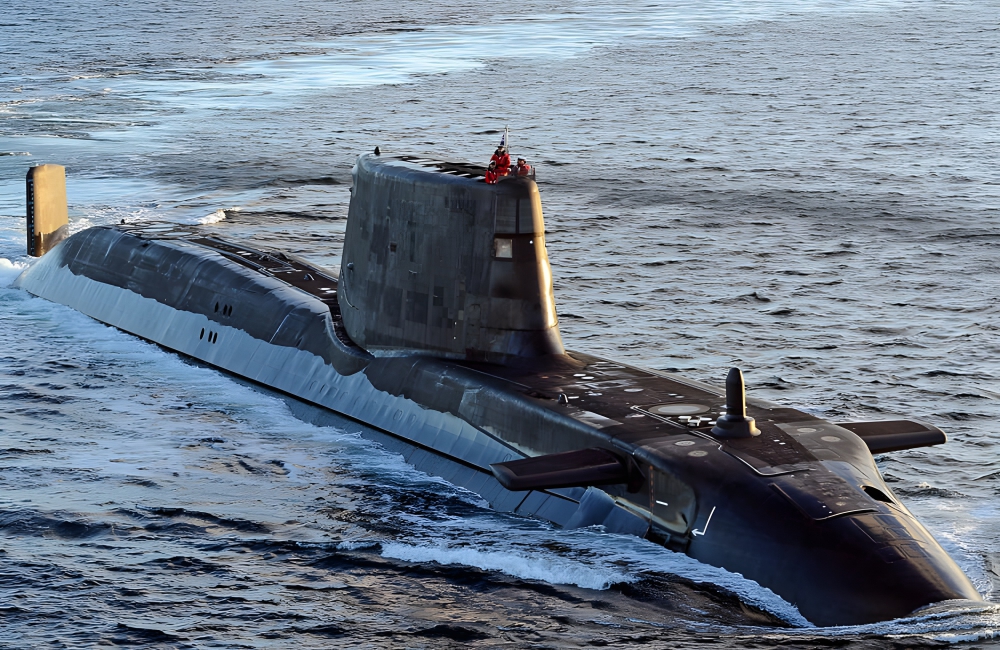
Astute Class Submarine (UK) ©Crown Copyright 2012 / Wikimedia.org
Astute is over 318 feet long. It has Thales Sonar, an Atlas DESO 25 echo-sounder, and a Raytheon Successor IFF. It can stow up to thirty-eight weapons, including Spearfish heavyweight torpedoes and Tomahawk Block IV cruise missiles. The test depth of the Astute-class is over 984 feet. Rolls-Royce, the luxury car company, built the reactor.
34. Cavour Aircraft Carrier- Italy
Manufacturer: Fincantieri
Primary Users: Italian Navy
Cost: Unit/Program cost $1.64 billion* (FY2010)
Cavour is the lead ship of the Italian Navy, and its motto is In arduis servare mentem. The aircraft carrier was laid down in 2001 and launched three years later. In March of 2008, it was commissioned, and it officially entered service on June 10, 2009. Fincantieri built Cavour. The spacious aircraft carrier has room for sixteen F-35B Lightning IIs.
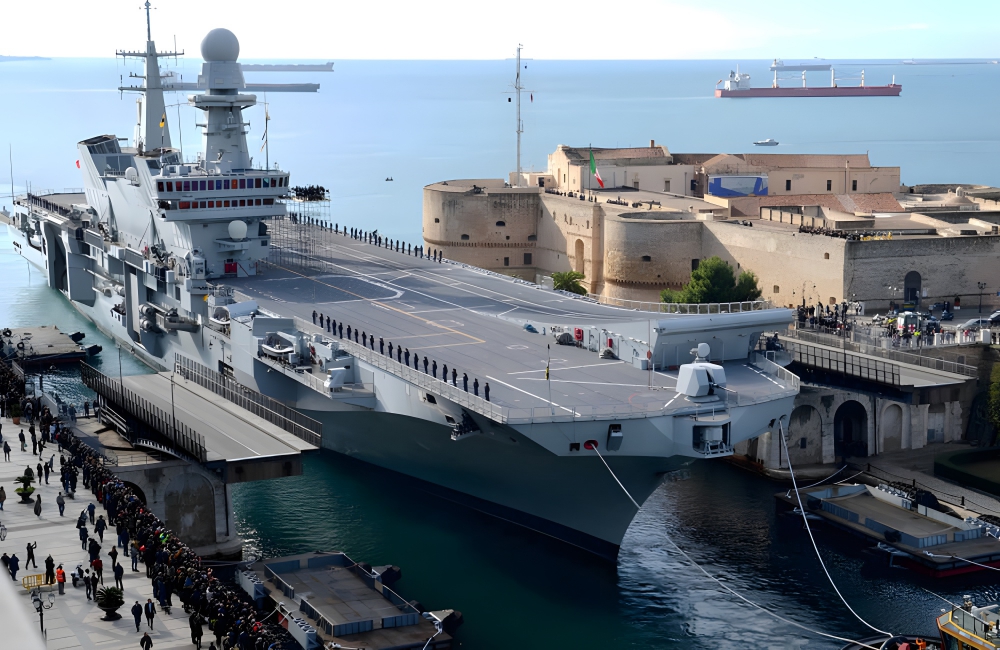
Cavour Aircraft Carrier (Italy) ©Massimo Todaro / Shutterstock
The aircraft carrier’s first mission was to Haiti. It was dispatched for Operation White Crane, which was Italy’s earthquake relief mission to Haiti. It supplemented further international efforts to victims of the catastrophic 7.0 earthquake, which killed between 220,000 and 316,000 people.
35. Kamov Ka-52 Hokum-A – Russia
Manufacturer: Kamov, Progress
Primary Users: Russian Army, Russian Special Forces, Russian Air Force
Cost: Program cost $512 million* / Unit cost $16 million* (FY2011)
Designed by Kamov, the Ka-50 is known as the “Black Shark.” The Ka-52, which was designed by Kamov as well, is nicknamed “the Alligator.” The Kamov design bureau is known for its distinct coaxial rotor system.
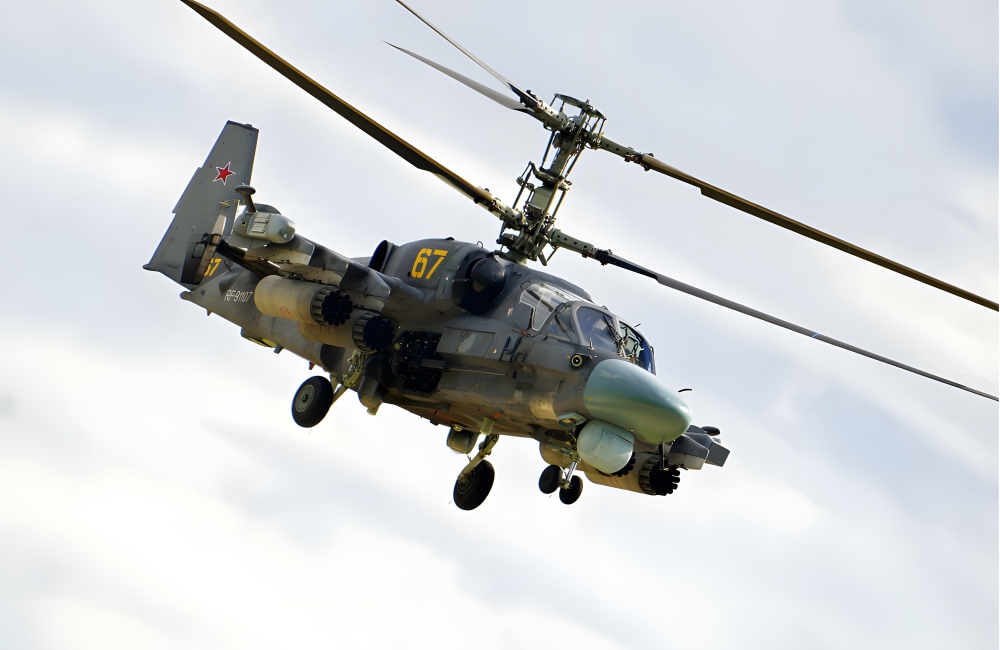
Kamov Ka-52 Hokum-B (Russia) ©VicColon / Shutterstock
The Ka-50 was designed in the eighties. It was officially introduced to the Russian Army in 1995. Though Kamov did the design, Progress, a builder in Arsenyev, built the helicopters. Though the Mil Mi-28 is the Russian Army’s main gunship, the Ka-50 is the support helicopter for Russian special forces. The Russian Air Force also has three units.
36. Juan Carlos I Aircraft Carrier – Spain
Manufacturer: Navantia
Primary Users: Spanish Navy
Cost: Unit/Program cost $500 million* (FY2005)
Named after King Juan Carlos I of Spain, a ruler who reigned from 1975 until 2014, the Juan Carlos I is a multi-role amphibious assault aircraft-carrier. It has similar equipment as other aircraft carriers, including a STOVL operation ski jump and an AV-8B Harrier II fighter jet. Juan Carlos I launched in 2009 and was commissioned one year later.
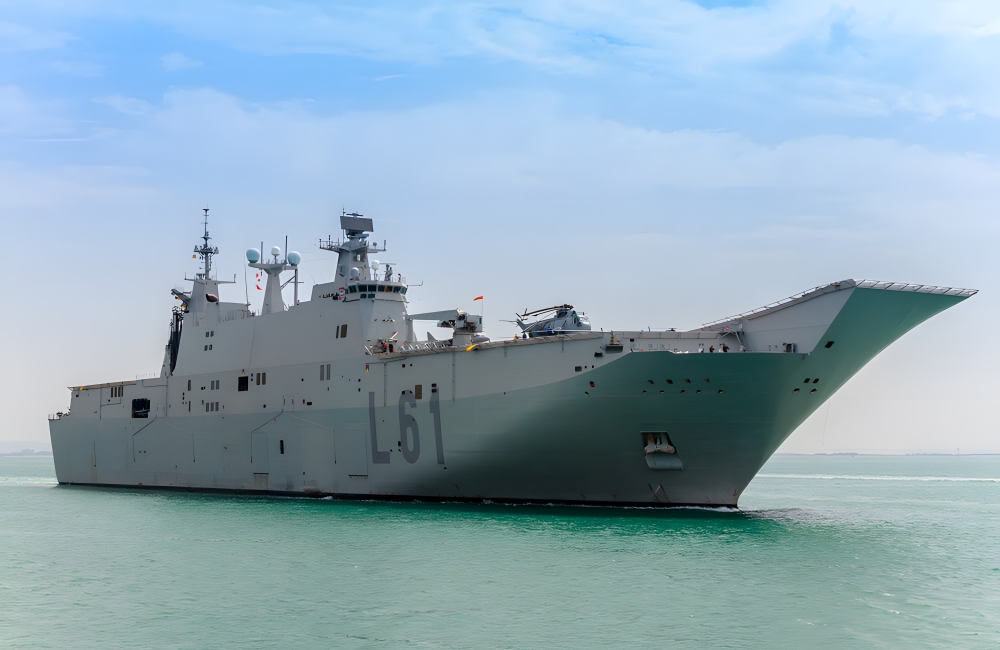
Juan Carlos I Aircraft Carrier (Spain) ©David Acosta Allely / Shutterstock
It took five years to build, costing $500 million in 2005. In addition to carrying the Harrier II, Juan Carlos I can also carry the Chinook, NH-90, and Sea King aircraft. It is armed with 12.7mm machine guns, 20mm guns, and BPDMS missiles.
37. Graney Class Submarine – Russia
Manufacturer: Sevmash, Malakhit
Primary Users: Russian Navy
Cost: Program cost $4.8 billion* (FY2011) / Unit cost $800 million* (FY2011)
Also called the Yasen-class, the Graney-class of submarines costs $800 million per unit. Yasen means “ash tree” in Russian. The Graney-class is a series of nuclear-powered cruise missile subs. Sevmash is the manufacturer, while Malakhit is the designer. Malakhit based its designs for the Graney-class on the Alfa- and Akula-class submarines.
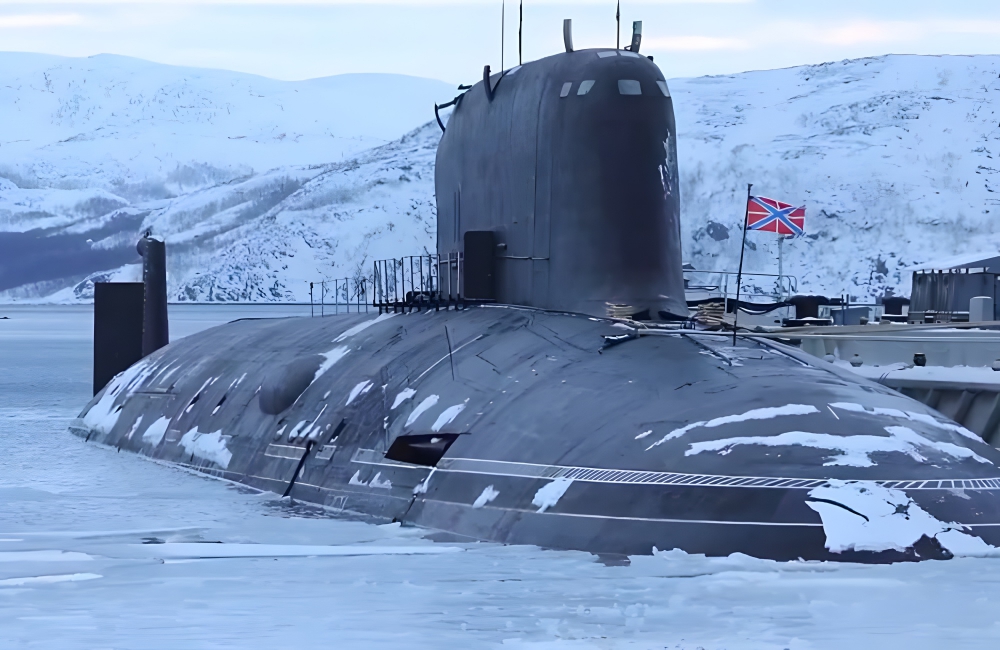
Graney Class Submarine (Russia) @10SlideInfo / Youtube.com
The Graney-class is slated to replace the current Russian nuclear attack submarines from the Soviet era, which are aging out of usefulness. The Graney-class is the first Russian submarine class to have spherical sonar. The design is armed with land-attack, anti-ship, and anti-submarine missiles from the Oniks and Kalibr families.
38. USS America Aircraft Carrier – USA
Manufacturer: Newport News Shipbuilding
Primary Users: U.S. Navy
Cost: Program $10.1 billion* (FY2015) / Unit cost $3.4 billion* (FY2015)
Part of the Kitty Hawk class of supercarriers (of which there were three), the USS America was commissioned in the mid-1960s. It was decommissioned in 1996. The motto of the ship is “Don’t tread on me,” and it is nicknamed “The Big A.” The USS America served in the Vietnam War, Desert Shield, and Desert Storm, among other intense conflicts.
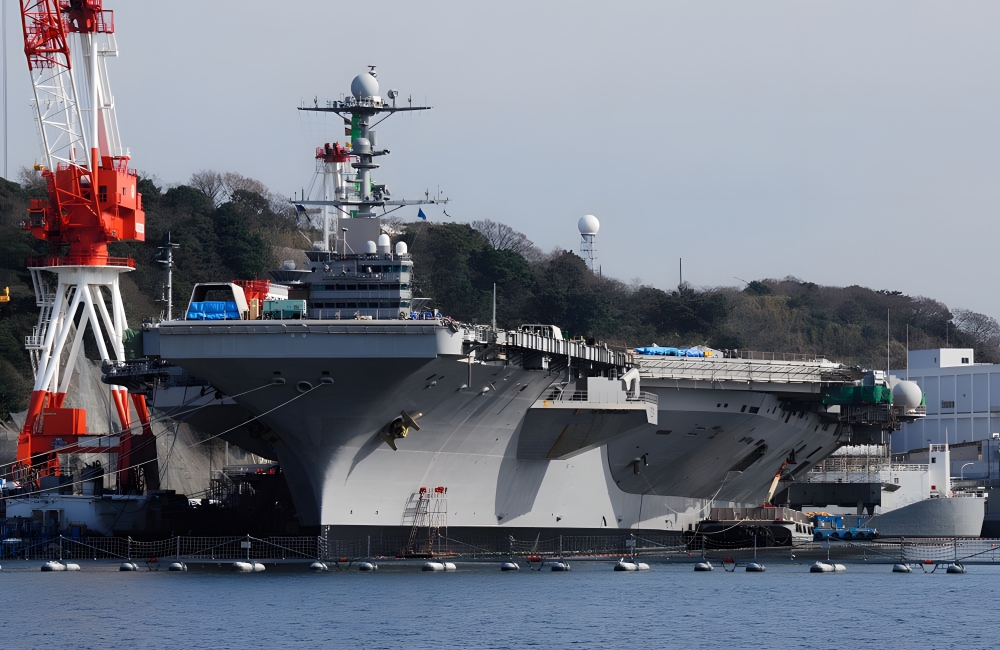
USS America Aircraft Carrier ©viper-zero / Shutterstock
The USS America, in 2005, years after decommissioning, was chosen for a live-fire test that would help design future aircraft carriers. On May 14, 2005, at 11:30AM, the Navy finished its tests and sank the ship. The wreck is in one piece still off the coast of Cape Hatteras. It lays 16,680 feet below the Atlantic Ocean’s surface.
39. Mil Mi-28 Havoc Helicopter – Russia
Manufacturer: Mil Moscow Helicopter Plant
Primary Users: Russian Air Force, Algerian Air Force, Iraqi Air Force
Cost: Program cost $2.016 billion* (FY2002 / Unit cost $15-$16 million* (FY2002)
With a top speed of 186 miles per hour, the Mil Mi-28 has the NATO reporting name of “Havoc.” The Mil Mi-28 is a two-seat attack helicopter. It has anti-armor, military tandem, all-weather, and day-night capabilities. It has no secondary transport capabilities, and it is better for this role than the Mil Mi-24 gunship.
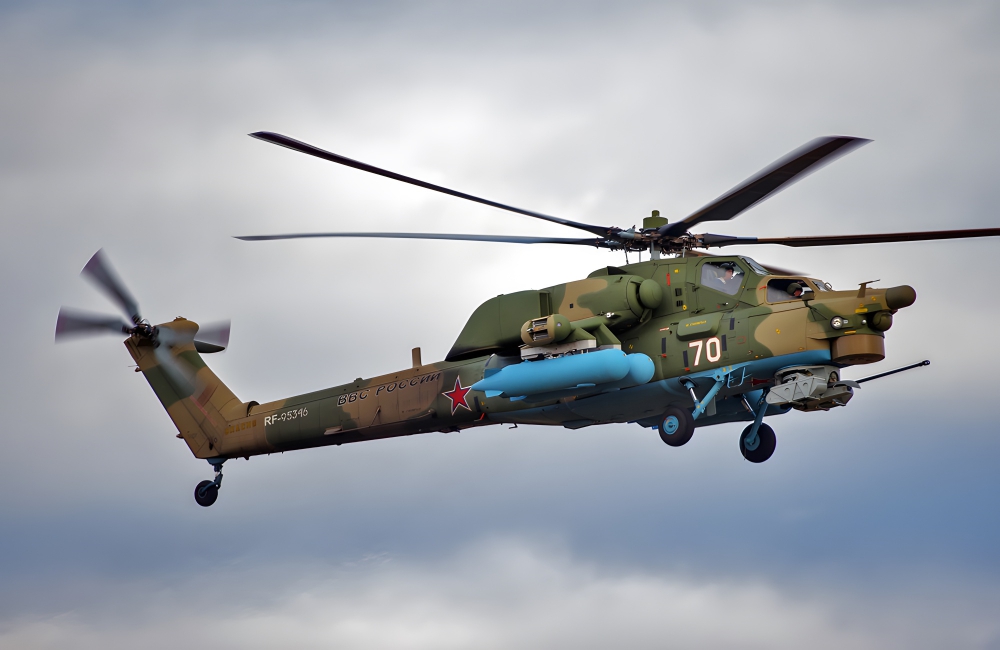
Mil Mi-28 Havoc Helicopter (Russia) @Media_works / Shutterstock
The Mi-28 has just one gun, which is carried in its under-nose barbette. It can also carry external loads on pylons under its stub wings. Each unit costs $15-$16 million. So far, 126 have been built by the Mil Moscow Helicopter Plant. The first Mi-28 was commissioned during the Soviet Union’s reign in 1982. It is still active today.
40. Kawasaki Ninja Helicopter – Japan
Manufacturer: Kawasaki Aerospace Company
Primary Users: Japanese Ground Self Defense Force.
Cost: Program cost $923.78 million* (FY2013) / Unit cost $24.3 million* (FY2013)
Nicknamed “Ninja,” the Kawasaki OH-1 is a scout helicopter made by the Kawasaki Aerospace Company for the Japanese Ground Self Defense Force. It has been produced from 1996 until 2013. 38 have been built so far. The Ninja is still in service, twenty years after it was officially introduced to the Japanese military.
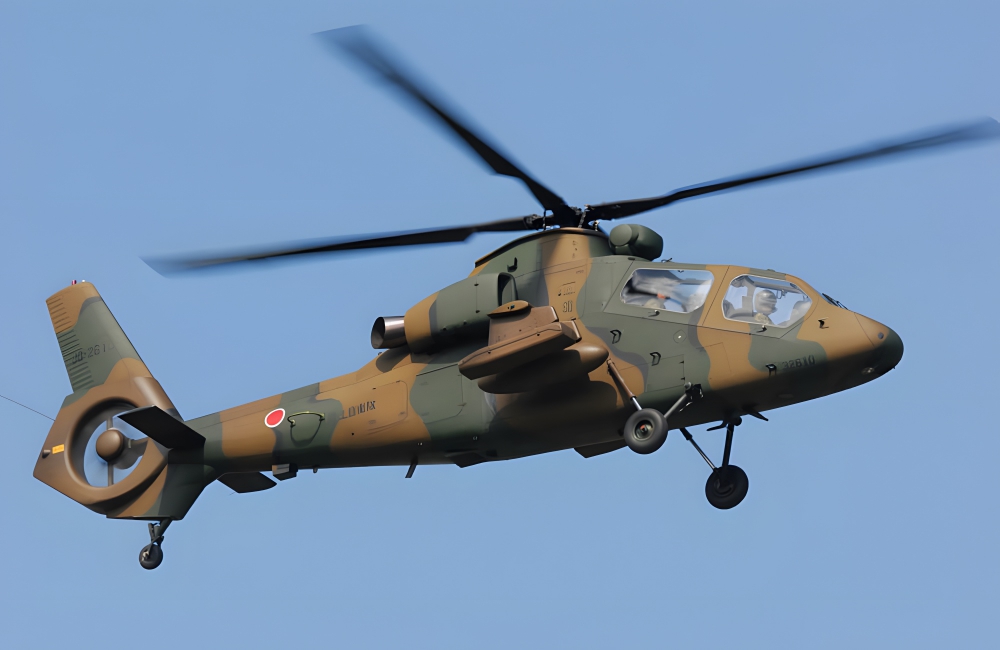
Kawasaki Ninja Helicopter (Japan) ©viper-zero / Shutterstock
The Ninja was developed as a replacement for the OH-6Ds. Though this is an observation helicopter, it can be armed. Weapons that the OH-1 is compatible with include air-to-air missiles, anti-tank missiles, and other self-defense munitions. The OH-1 was slated to have a utility variant, but that project was scrapped.
41. Sierra II Class Submarine – Russia
Manufacturer: Krasnoye Surmovo, Lazurit
Primary Users: Russian Navy
Cost: Unknown (date unreleased by the Russians)
In the Soviet Union, the Sierra-class submarine project was called the Project 945A Kondor and the Project 945 Barrakuda. Sierra was the NATO reporting name. The Sierra-class is a class of nuclear-powered attack submarines. Developed in 1979 and commissioned in 1984, the last of the Sierra-class was completed in 1992.
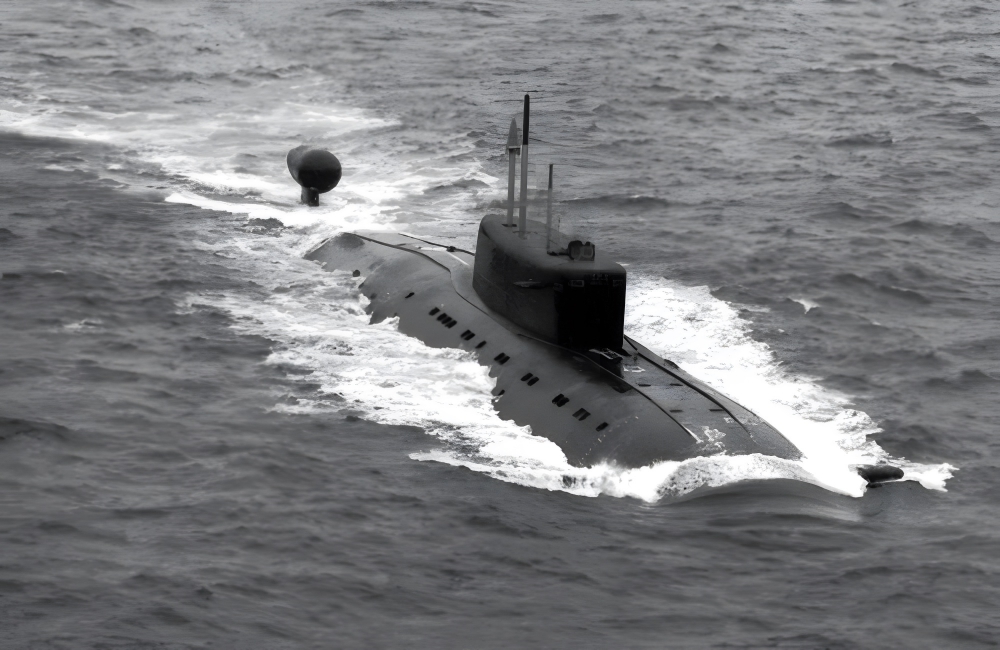
Sierra II Class Submarine (Russia) ©DoDMedia / Wikimedia.org
Now, the class is in use by the Russian Navy. Five were planned, but only four have been completed. Two are active now, as two are currently in the process of being modernized. The Sierra-class is distinctive because it has a titanium pressure hull. This light, strong hull lets the class’ submarines dive deeper, lower radiated noise, and increase torpedo attack resistance.
42. Rafale Jet – France
Manufacturer: Dassault Aviation, Safran, Thales
Primary Users: French Air Force, French Navy, Egyptian Air Force, Qatari Air Force
Cost: Program cost $62.7 billion* (FY2013) / Unit cost $249 million* (FY2016)
The Dassault Rafale’s name means “Gust of Wind” or “Burst of Fire,” depending on which translation you prefer. This canard delta wing, twin engine, multi-mission fighter jet is designed by Dassault Aviation. The Rafale can perform pretty much any task you ask of it, including aerial recon, interdiction, air supremacy, ground support, nuclear deterrence, and in-depth strike and anti-ship strike missions.
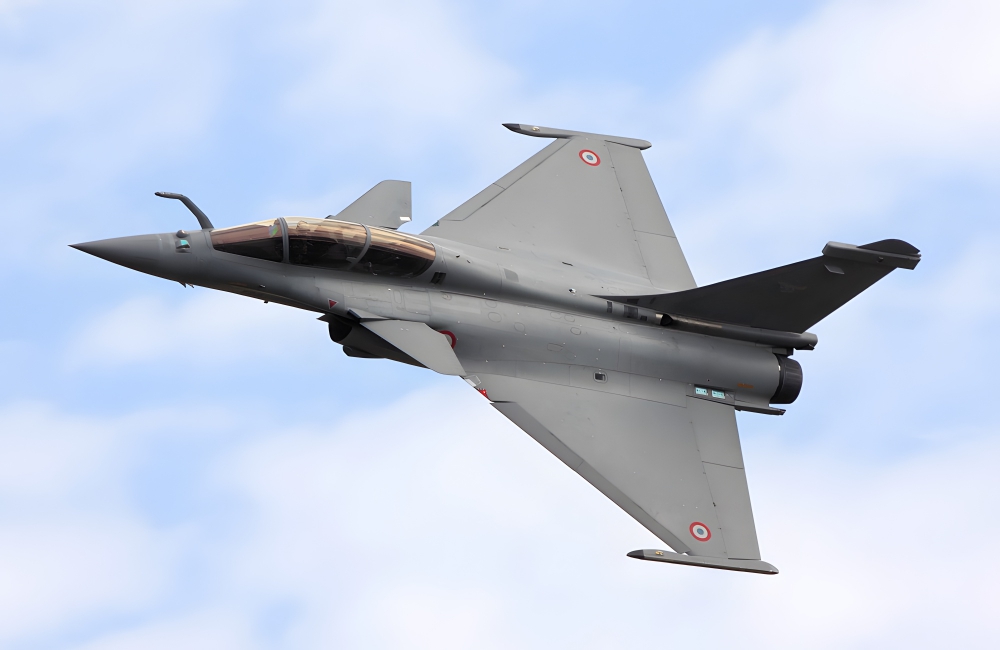
Rafale Jet (France) ©Tim Felce / Wikimedia.org
The Rafale was developed in the mid-1980s. The French Navy and French Air Force wanted to replace their aircraft fleets, which they felt were aging out. The Rafale is unique because it was built by just one country’s defense companies, something different for Europe, which usually enters into arrangements with neighboring allies.
43. Eurocopter Tiger – France & Germany
Manufacturer: Eurocopter, Airbus Helicopters
Primary Users: Germany Army, French Army, Australian Army, Spanish Army
Cost: Program cost $17.5 billion* (FY2012) / Unit cost $32.36 million* (FY2013)
An example of a European arrangement to create a military aircraft is the Eurocopter Tiger, which was created by a joint effort between Germany and France. The Eurocopter Tiger is used by both militaries, in addition to the Spanish and Australian Armies as well. The Tiger’s development began during the Cold War.
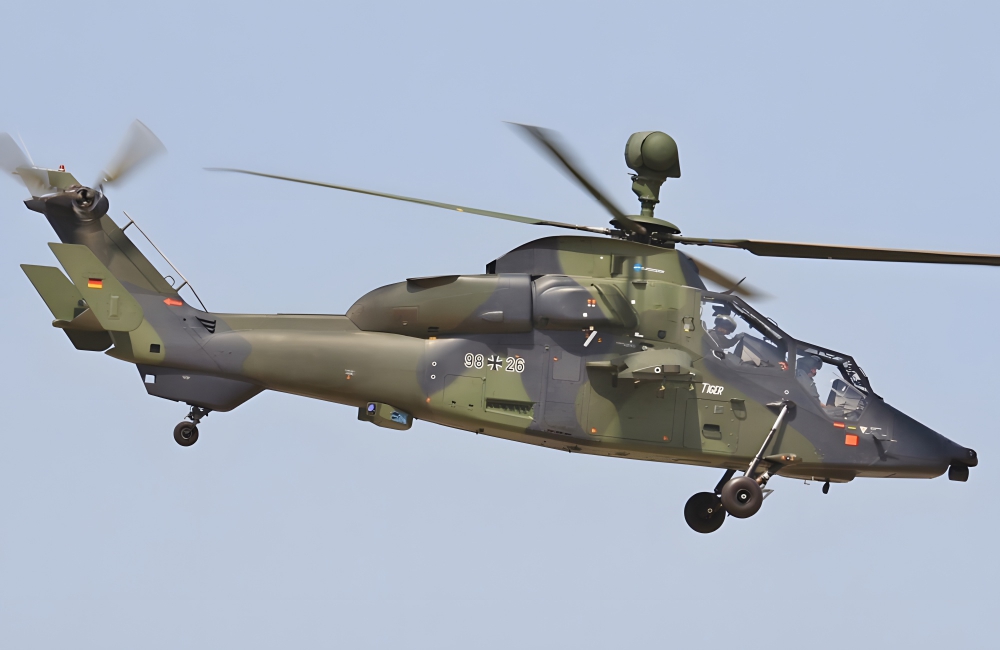
Eurocopter Tiger (France & Germany) ©Alan Lebeda / Wikimedia.org
France and Germany realized that they needed an anti-tank helicopter in the event that the Soviets invaded Western Europe. Far from launching a ground invasion of the West, the Soviet Union collapsed while the Tiger was still in development. France and Germany finished the project anyway, and the multi-mission attack helicopter was ready by 2008.
44. Shenyang J-31 – China
Manufacturer: Shenyang Aircraft Corporation
Primary Users: People’s Liberation Army
Cost: Program cost $140 million* (FY2018) / Unit cost $70 million* (FY2018)
The Shenyang FC-31 has several nicknames, including “Snowy Owl,” “Gyrfalcon,” and “Falcon Hawk.” The FC-31 is a mid-size, twin-engine jet fighter in its fifth generation. Two prototypes have been built so far by the Shenyang Aircraft Corporation. The FC-31 can carry 18,000 pounds of payload.
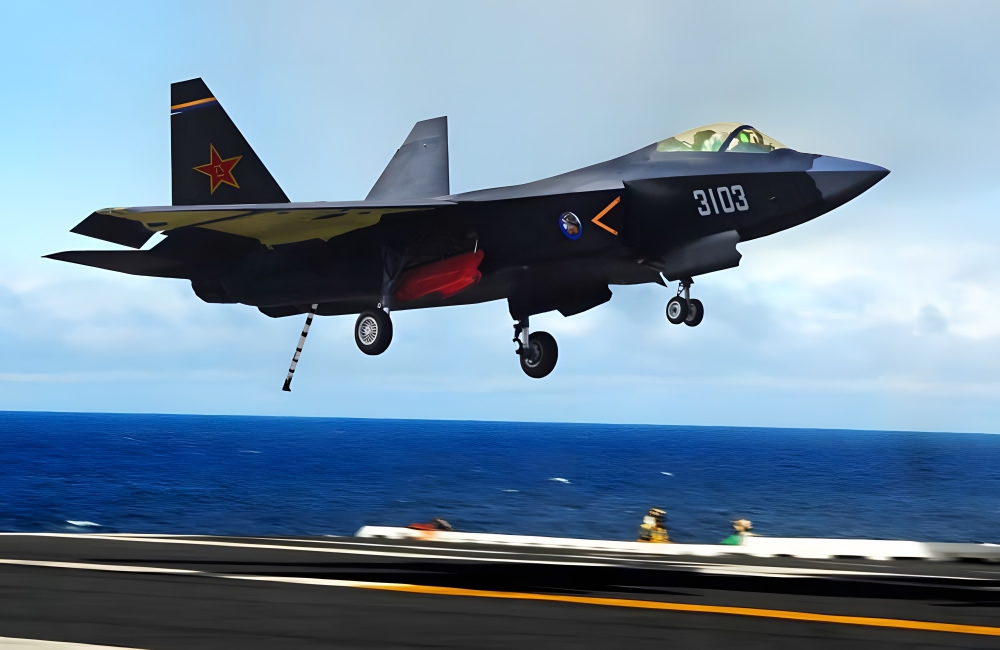
Shenyang J-31 @CustodioRubens / Twitter.com
It is compatible with 4,400 pounds of munitions, including PL-10 short-range missiles, PL-12 medium range missiles, and PL-21 missiles. The FC-31 has stealth coatings, as opposed to fiber-mat stealth that is “baked in.” AVIC officials claim that the FC-31 is impervious to Ku-band and L-band radar. The engine nozzles are currently being redesigned in order to reduce infrared and radar signatures.
45. Improved Los Angeles Class Submarine – USA
Manufacturer: Newport News Shipbuilding, General Dynamics, Raytheon
Primary Users: U.S. Navy
Cost: Program cost $98.58 billion* (FY2019) / Unit cost $1.59 billion* (FY2019)
The Los Angeles-class of submarines is aging, and it is being replaced by the Seawolf class. Each unit costs $1.59 billion, and sixty-two of these submarines have been completed thus far. 33 are active, and 29 are retired. Of the 33 active submarines, General Dynamics and Newport News are making some improvements.
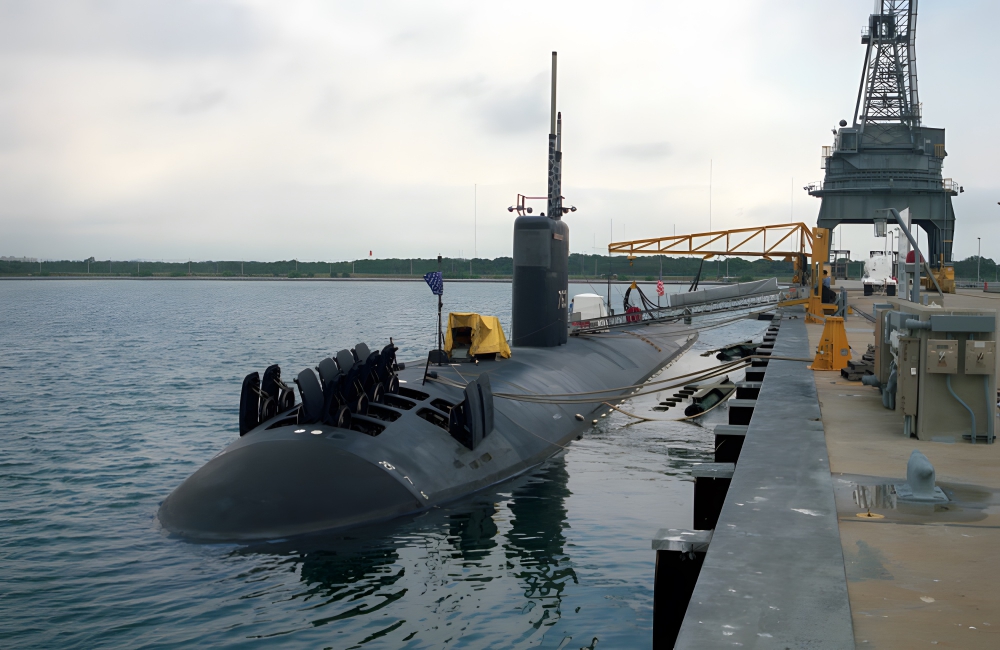
Improved Los Angeles Class Submarine (USA) ©Schlendrian / Wikimedia.org
The improved Los Angeles-class has a dramatically different control suite. Raytheon built the new MK2 A/B System. The MK2 provides VLS for the Tomahawk Block III, and it has also made improvements to the Towed Array Target Motion operability and the ADCAP Torpedo. New electronics, weapons, and avionics are on-deck for the new LA-class.