
7. Hamilton Pool Preserve in Texas, United States of America
This natural pool was created back when the dome of an underground river collapsed due to erosion.
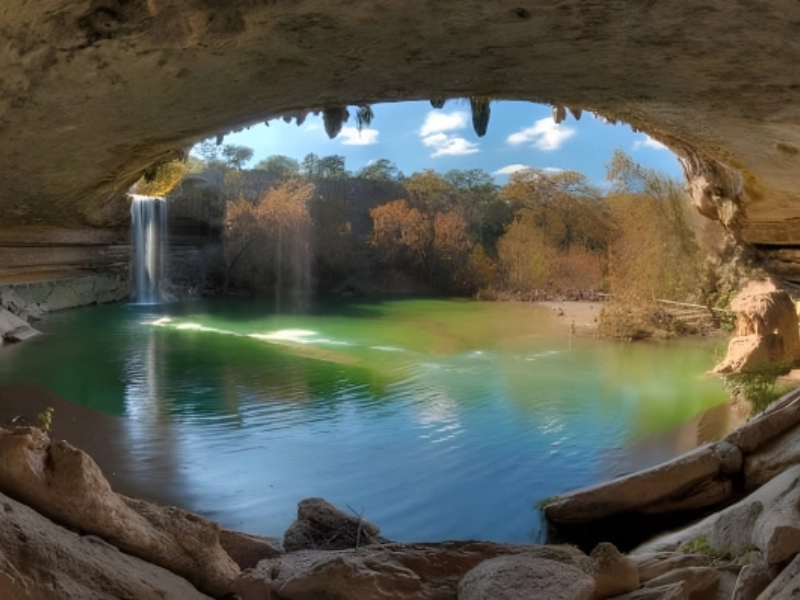
Hamilton Pool Preserve, located approximately 23 miles west of Austin, Texas, is a natural wonder that showcases the raw beauty of the Texas Hill Country. As mentioned, “this natural pool was created back when the dome of an underground river collapsed due to erosion,” a process that occurred thousands of years ago. This geological event resulted in the formation of a unique collapsed grotto and canyon, creating one of the most picturesque and beloved natural swimming holes in Texas.
The pool itself is a stunning sight, with a 50-foot waterfall cascading over limestone outcroppings into a jade-green pool below. The grotto’s dome-like structure, partially collapsed, creates a cathedral-like atmosphere, with sunlight filtering through the opening and vines hanging from the rim, adding to the ethereal beauty of the site. The pool is surrounded by steep limestone cliffs, some rising to heights of up to 50 feet, which are adorned with lush vegetation, including ferns, moss, and native trees.
The statement that “it is not chemically treated to maintain the quality of water” is an important aspect of Hamilton Pool’s appeal. This natural, untreated state allows the pool to maintain its ecosystem, supporting a variety of plant and animal life. The water quality can vary depending on recent rainfall and other environmental factors, which is why the preserve regularly monitors water quality and may close the pool to swimming if conditions are unsuitable. This approach prioritizes the preservation of the natural environment over constant availability for recreation, reflecting a commitment to conservation.
Despite the lack of chemical treatment, or perhaps because of it, Hamilton Pool remains “a perfect place to visit” for those seeking a connection with nature. The preserve offers more than just swimming; it’s a haven for hikers, birdwatchers, and nature enthusiasts. A quarter-mile trail leads from the parking area to the pool, offering scenic views of the limestone cliffs and native vegetation along the way. This trail can be steep and rocky in places, adding a sense of adventure to the journey.
The area around Hamilton Pool is rich in biodiversity. The preserve is home to the golden-cheeked warbler and several species of rare plant communities, making it an important site for conservation. The Hamilton Creek, which feeds the pool, supports a variety of aquatic life, including fish and turtles that visitors might spot while swimming or exploring the shoreline.
Hamilton Pool Preserve is part of the larger Balcones Canyonlands Preserve system, which protects over 30,000 acres of habitat for endangered species in Travis County. This connection to a larger conservation effort underscores the ecological importance of the site beyond its recreational value. Visitors to Hamilton Pool have the opportunity to learn about the local ecosystem and the importance of preserving natural habitats through informational signs and sometimes through interactions with park rangers.
The history of Hamilton Pool adds another layer of interest to the site. The area was originally settled by the Tonkawa and Lipan Apache tribes. In the 1860s, European immigrants began to settle in the area. The property was owned by the Hamilton family from the 1880s to the 1950s, during which time it was used as a livestock ranch. However, the pool’s natural beauty made it a popular swimming hole for the Hamiltons and their neighbors. In 1985, Travis County purchased the land to protect it from development and opened it as a preserve.
Visiting Hamilton Pool requires some planning. Due to its popularity and the need to protect the fragile ecosystem, the preserve operates on a reservation system during peak seasons. This system helps manage the number of visitors and ensures a more enjoyable experience for those who do visit. It’s advisable to make reservations well in advance, especially during the summer months when the cool waters of the pool offer a welcome respite from the Texas heat.
While swimming is a major draw, it’s important to note that swimming is not always permitted. Water levels, water quality, and the risk of falling rocks can all lead to swimming being prohibited. However, even when swimming is not allowed, visitors can still enjoy the beauty of the pool and the surrounding nature trails.
Photography enthusiasts find Hamilton Pool particularly appealing. The interplay of light and shadow in the grotto, the cascading waterfall, and the clear pool create numerous opportunities for stunning photographs. Early morning or late afternoon visits often provide the best light for capturing the pool’s beauty.
In conclusion, Hamilton Pool Preserve is more than just a swimming hole; it’s a testament to the power of natural processes to create places of extraordinary beauty. Its unique geological formation, rich biodiversity, and historical significance make it a multifaceted destination that appeals to nature lovers, geologists, historians, and casual visitors alike. While the lack of chemical treatment means that water quality can vary, this natural approach is part of what makes Hamilton Pool special, allowing visitors to experience a truly natural aquatic environment. Whether you’re swimming in its cool waters, hiking the surrounding trails, or simply marveling at the beauty of the collapsed grotto, Hamilton Pool offers a unique and memorable experience that showcases the natural wonders of the Texas Hill Country.
23. Tree Camping in California, United States of America
Tree camping, or “tree camping” as it’s colloquially known, in California is an extraordinary outdoor experience that has captured the imagination of adventure seekers and nature enthusiasts alike. The exclamation, “If you haven’t visited this place yet, where have you been going?” aptly captures the growing popularity and unique appeal of this activity. Tree camping offers a blend of adventure, natural beauty, and a touch of childhood wonder that sets it apart from traditional camping experiences.
In California, tree camping primarily takes place in the majestic redwood forests, home to some of the tallest and oldest trees on Earth. These ancient giants, some of which are over 2,000 years old and reach heights of more than 350 feet, provide an awe-inspiring setting for this unique form of camping. The most popular locations for tree camping in California include the Santa Cruz Mountains, the forests near the Sonoma Coast, and parts of Humboldt County.
The concept of tree camping involves spending the night suspended high above the forest floor in specially designed tree tents or on platforms secured to the trees. These setups can range from simple hammock-style accommodations to more elaborate multi-level “treehouses” complete with rigid floors, walls, and even basic amenities. The height at which campers sleep can vary, with some experiences placing campers just 10-15 feet off the ground, while others might have guests sleeping at heights of 50 feet or more.
The description of tree camping as “a perfect romantic getaway” is certainly accurate for many visitors. The unique setting provides an intimate and memorable experience for couples. Imagine falling asleep to the gentle swaying of the trees, surrounded by the soft sounds of the forest, with glimpses of starry skies through the canopy above. Many tree camping sites are designed with privacy in mind, offering couples a secluded retreat in nature.
However, as the text suggests, tree camping is not limited to romantic getaways. The statement that “you can also go there with your kids” highlights the family-friendly aspect of this activity. For children (and adults who are young at heart), tree camping can be an exciting adventure, reminiscent of childhood dreams of treehouses and forest exploration. Many tree camping sites offer family-friendly options with larger platforms or connected tents that can accommodate parents and children together.
The experience of tree camping goes beyond just sleeping in the trees. Most tree camping experiences include guided walks through the forest, where visitors can learn about the ecology of the redwood ecosystem, the history of the area, and the importance of forest conservation. Some sites offer additional activities such as zip-lining, canopy walks on suspended bridges, or nighttime astronomy sessions, taking advantage of the dark skies often found in these remote forest locations.
Safety is a paramount concern in tree camping. Professional arborists and experienced guides are typically involved in setting up and maintaining the camping sites. Campers are equipped with safety harnesses and receive thorough instructions on how to move about safely at height. The trees used for camping are carefully selected and regularly inspected to ensure they can safely support the weight and movement of campers.
One of the most compelling aspects of tree camping is the unique perspective it offers on the forest ecosystem. Spending time in the canopy allows visitors to observe wildlife and plant life that is rarely seen from the ground. This might include glimpses of birds nesting in the upper branches, squirrels and other small mammals navigating the treetops, or the intricate patterns of lichens and mosses that grow on the bark of ancient trees.
The environmental impact of tree camping is an important consideration. Reputable tree camping operators prioritize low-impact practices, using minimally invasive methods to secure platforms and tents to the trees. Many also incorporate environmental education into their programs, teaching visitors about the importance of preserving old-growth forests and the role these ecosystems play in combating climate change.
Tree camping in California offers a unique way to connect with one of the state’s most iconic natural features – its redwood forests. These trees, some of which were saplings when the Roman Empire was at its height, provide a tangible link to the ancient past and a stark reminder of the longevity and resilience of nature. Spending a night among these giants can be a profound and humbling experience, offering a new perspective on our place in the natural world.
In conclusion, tree camping in California is more than just a novel way to spend a night outdoors. It’s an immersive experience that combines adventure, education, and a deep connection with nature. Whether you’re seeking a romantic getaway, a family adventure, or simply a unique way to experience the majesty of California’s redwood forests, tree camping offers something truly special. The question “where have you been going?” if you haven’t tried it yet is indeed pertinent – for those who love nature, seek unique experiences, or simply want to see the world from a different perspective, tree camping in California should undoubtedly be on the bucket list. It’s an opportunity to create lasting memories, gain a new appreciation for the natural world, and perhaps even reconnect with the childlike sense of wonder that comes from climbing high into the treetops.
 zw
zw