
In the grand tapestry of human history, the threads of geological events are woven seamlessly, influencing the course of civilizations, shaping landscapes, and molding the very fabric of our existence. From ancient cataclysms to more recent environmental shifts, these 10 geologic events have left an indelible mark on the human story. Each seismic tremor, volcanic eruption, and climatic transformation has not only transformed the Earth’s surface but has also played a pivotal role in the cultural, social, and political evolution of our species. As we embark on this exploration, we unveil the geological chapters that have sculpted the narrative of human history, demonstrating the interconnected dance between the Earth’s forces and the human experience.
1. Toba Supervolcano (74,000 years ago)
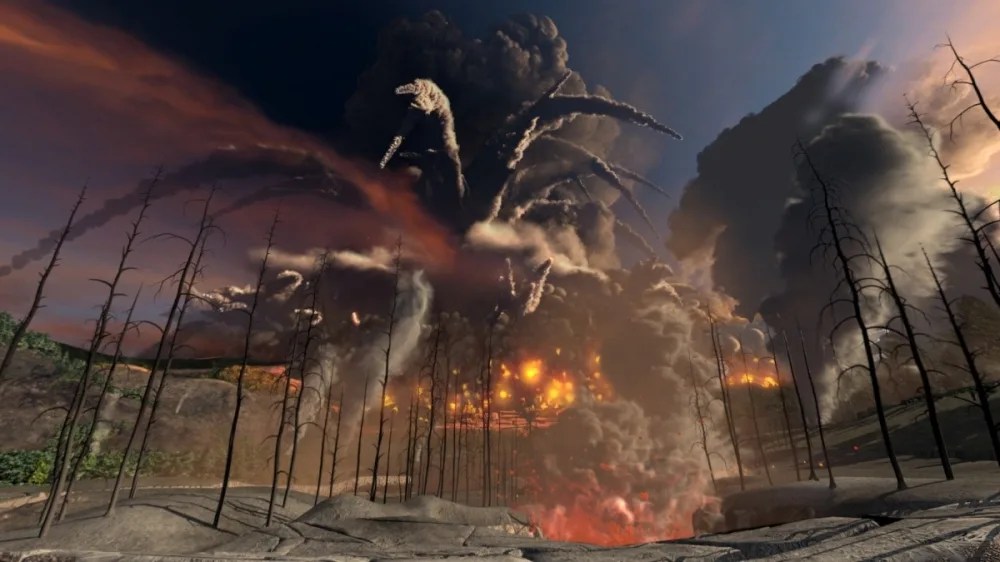
The eruption of Indonesia’s Toba supervolcano, which occurred approximately 74,000 years ago, stands as one of the most cataclysmic geological events in recent Earth history. This colossal eruption, believed to be the largest volcanic event in the last 2 million years, had far-reaching consequences that potentially altered the course of human evolution and global climate patterns.
The Toba eruption was of such magnitude that it ejected an estimated 2,800 cubic kilometers of material into the atmosphere, dwarfing any volcanic eruption in recorded history. This immense volume of ash and gases, particularly sulfur dioxide, is thought to have triggered a volcanic winter, a period of prolonged global cooling. Some scientists hypothesize that this volcanic winter may have lasted for several years or even decades, dramatically altering global climate patterns and ecosystems.
The environmental impact of the Toba eruption was likely severe and widespread. The massive ash fall would have blanketed vast areas, potentially causing widespread crop failures and disrupting food chains across Asia and beyond. The cooling effect of the eruption may have led to the expansion of ice sheets and glaciers, further altering landscapes and available habitats for both flora and fauna.
One of the most intriguing and debated aspects of the Toba catastrophe theory is its potential impact on human populations. Some researchers propose that the eruption caused a severe bottleneck in human evolution, potentially reducing the global human population to as few as 3,000-10,000 individuals. This theory suggests that the harsh conditions following the eruption may have eliminated many human populations, leaving only a small number of survivors who became the ancestors of all modern humans.
The genetic evidence for this population bottleneck is a subject of ongoing scientific debate. Some genetic studies have found evidence of a population bottleneck around the time of the Toba eruption, while others have challenged this interpretation. The debate highlights the complexities of interpreting genetic data and the challenges of linking specific geological events to evolutionary outcomes.
Regardless of its exact impact on human populations, the Toba eruption serves as a stark reminder of the potential for large-scale geological events to dramatically alter global environments and influence the course of evolution. It underscores the interconnectedness of Earth’s systems and the profound influence that volcanic activity can have on climate, ecosystems, and potentially, the trajectory of human history.
2. Ice Ages and Glacial Periods
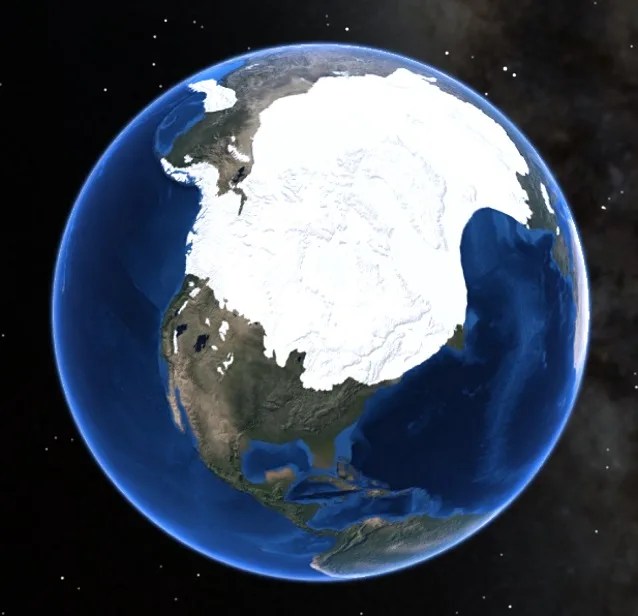
The cyclical nature of ice ages and interglacial periods has been a defining feature of Earth’s climate over the past 2.6 million years, known as the Quaternary period. These long-term climate fluctuations have had profound impacts on global environments, ecosystems, and the course of human evolution and migration. The alternating periods of glacial advance and retreat have reshaped landscapes, influenced sea levels, and driven the adaptation and movement of species, including our own.
During glacial periods, vast ice sheets expanded from the polar regions, covering large portions of North America, Europe, and Asia. These massive ice formations locked up enormous volumes of water, causing global sea levels to drop by as much as 120 meters. This sea-level reduction exposed continental shelves and created land bridges between continents, such as the Bering Land Bridge connecting Asia and North America, and the land bridge connecting Britain to continental Europe.
The exposure of these land bridges had significant implications for human migration and the spread of other species. The Bering Land Bridge, for instance, allowed for the peopling of the Americas, as early humans were able to cross from Siberia into North America. Similarly, the connection between Britain and Europe facilitated the movement of humans and animals, influencing the distribution of species and cultures across these regions.
The last major ice age, which reached its peak about 20,000 years ago during the Last Glacial Maximum, had particularly significant impacts on human societies. As ice sheets advanced, they made large areas of northern latitudes uninhabitable, pushing human populations southward and concentrating them in more hospitable regions. This concentration of populations may have spurred technological innovations and social developments as groups adapted to new environments and competed for resources.
The retreat of the ice sheets at the end of the last ice age, beginning around 15,000 years ago, led to dramatic changes in global environments. As temperatures warmed and ice sheets melted, sea levels rose, flooding coastal areas and creating the geography we recognize today. This period of change coincided with significant developments in human societies, including the transition to agriculture in various parts of the world.
The interplay between glacial cycles and human development is complex and multifaceted. The changing environments driven by these cycles influenced resource availability, migration patterns, and the evolution of human cultures. For example, the development of agriculture, which began in multiple regions around 10,000 years ago, coincided with the onset of the current interglacial period, known as the Holocene. The more stable and warmer climate of the Holocene may have provided conditions conducive to the development and spread of agricultural practices.
Understanding the history of ice ages and glacial periods is crucial for comprehending both past climate dynamics and potential future changes. The study of these cycles provides insights into the Earth’s climate system, the factors that drive long-term climate change, and the potential impacts of current global warming trends. As we face the challenges of anthropogenic climate change, the lessons from past glacial cycles offer valuable perspectives on the scale and rapidity of climate-driven environmental changes and their potential impacts on human societies.
3. Mega-Tsunami in the Mediterranean (around 5,000 years ago)

Approximately 5,000 years ago, a catastrophic event in the Mediterranean Sea unleashed a mega-tsunami that would leave an indelible mark on the region’s history and shape the course of ancient civilizations. This colossal wave, believed to have been triggered by the collapse of the volcanic island of Santorini in the Aegean Sea, sent ripples through the Eastern Mediterranean that extended far beyond its physical impact, influencing the cultural and political landscape of the ancient world.
The Santorini eruption and subsequent collapse was one of the largest volcanic events in recorded history. The volcano, located on what is now a small archipelago about 200 kilometers southeast of mainland Greece, exploded with a force that dwarfed many modern nuclear weapons. The eruption is estimated to have ejected up to 100 cubic kilometers of material, devastating the island and surrounding areas. However, it was the collapse of the volcano’s caldera into the sea that generated the mega-tsunami, sending waves up to 100 meters high crashing into nearby coastlines.
The impact of this mega-tsunami on ancient Mediterranean civilizations was profound and far-reaching. Coastal settlements across the region, from the Levant to the shores of North Africa, would have been devastated by the enormous waves. Archaeological evidence suggests widespread destruction and abandonment of coastal sites dating to this period, although definitively linking these to the tsunami remains a challenge for researchers.
One of the most significant potential casualties of this event was the Minoan civilization on the island of Crete. The Minoans, known for their advanced culture, intricate palaces, and extensive maritime trade networks, may have been severely impacted by the tsunami. Some researchers propose that the devastation caused by the waves, combined with the aftermath of the volcanic eruption, contributed significantly to the decline of Minoan civilization. The destruction of coastal infrastructure, loss of life, and disruption of trade routes could have dealt a blow from which the Minoans never fully recovered.
The effects of the mega-tsunami likely extended beyond immediate physical destruction. The event would have disrupted maritime trade routes that were crucial to the economies of Mediterranean civilizations. The loss of ships, ports, and trading outposts could have led to economic instability and shifts in regional power dynamics. Moreover, the psychological impact of such a catastrophic event on ancient populations should not be underestimated. The sudden and devastating nature of the tsunami may have influenced religious beliefs, myths, and cultural practices in the affected regions.
Interestingly, some researchers have drawn connections between this event and various myths and legends from the ancient world. The story of Atlantis, as recounted by Plato, has been speculatively linked to the Santorini eruption and tsunami, although this remains a subject of debate among scholars. Similarly, some have proposed connections between this event and flood myths found in various Mediterranean and Near Eastern cultures.
From a geological perspective, the Santorini eruption and mega-tsunami serve as a stark reminder of the volatile nature of the Mediterranean region. The area sits at the intersection of several tectonic plates and is dotted with volcanic systems, making it prone to seismic and volcanic activity. Understanding past events like the Santorini tsunami is crucial for assessing future risks and developing preparedness strategies for modern coastal communities in the region.
The study of this ancient mega-tsunami also highlights the interconnectedness of geological events and human history. It demonstrates how a single catastrophic event can have far-reaching consequences, shaping the trajectory of civilizations and leaving an imprint on human culture that persists for millennia. As we continue to uncover evidence and refine our understanding of this event, we gain valuable insights into the resilience of human societies in the face of natural disasters and the long-term impacts of such catastrophes on the course of history.
4. The Great Lisbon Earthquake (1755)
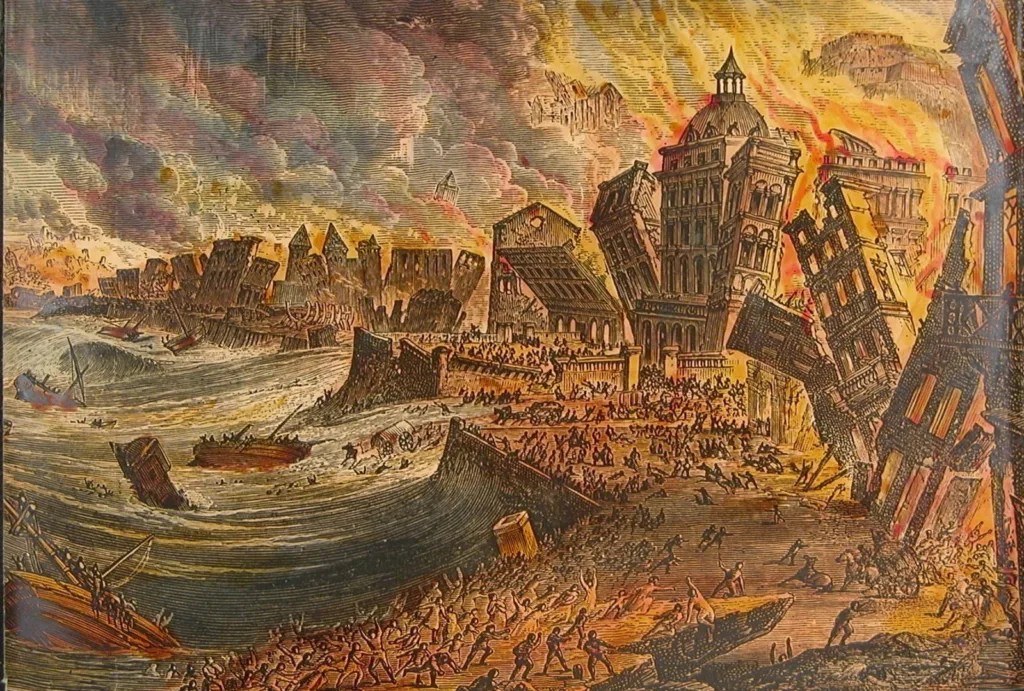
On November 1, 1755, the city of Lisbon, Portugal, was struck by one of the most devastating and influential natural disasters in European history. The Great Lisbon Earthquake, estimated to have had a magnitude of 8.5-9.0, unleashed a series of catastrophic events that would not only reshape the physical landscape of Lisbon but also profoundly impact European thought and society in the Age of Enlightenment.
The earthquake struck on All Saints’ Day, when many of Lisbon’s residents were attending mass in the city’s numerous churches. The initial tremors, lasting several minutes, caused widespread destruction throughout the city. However, the devastation was compounded by subsequent events. The earthquake triggered a tsunami with waves up to 20 meters high, which swept into the city and up the Tagus River. Fires, likely caused by overturned candles and cooking fires, broke out across Lisbon and raged for days, consuming much of what the earthquake and tsunami had left standing.
The human toll of the disaster was immense. Estimates of the death toll vary widely, but it is believed that between 10,000 and 100,000 people perished in Lisbon alone, with thousands more casualties in other parts of Portugal, Spain, and North Africa affected by the earthquake and tsunami. The city of Lisbon, once one of the grandest capitals in Europe and the center of a vast maritime empire, lay in ruins.
Beyond its immediate physical and human impact, the Great Lisbon Earthquake had profound intellectual and philosophical repercussions across Europe. The disaster occurred at a crucial juncture in European intellectual history, coinciding with the height of the Enlightenment. The scale of the destruction and suffering challenged prevailing optimistic views about the nature of the world and humanity’s place within it.
The earthquake prompted intense debate among Europe’s leading intellectuals about the nature of evil, the existence of God, and the role of reason in understanding the natural world. Voltaire, one of the most prominent figures of the Enlightenment, used the Lisbon disaster as a central theme in his satirical novel “Candide,” challenging the philosophical optimism epitomized by Gottfried Leibniz’s assertion that we live in “the best of all possible worlds.”
The disaster also had significant implications for the scientific study of earthquakes and natural disasters. It spurred early investigations into seismology and led to some of the first systematic studies of earthquake effects and building damage. The Marquis of Pombal, who led the reconstruction efforts in Lisbon, implemented what some consider to be the first seismically protected construction in Europe, introducing building techniques designed to withstand future earthquakes.
Moreover, the Lisbon earthquake had a profound impact on the development of modern disaster response and urban planning. The reconstruction of Lisbon under the Marquis of Pombal’s direction became a model of Enlightenment urban planning, with wide streets, standardized building designs, and an emphasis on earthquake resistance. This approach to urban reconstruction would influence city planning across Europe and beyond.
The event also challenged and reshaped ideas about the role of government in disaster response and recovery. The actions of the Marquis of Pombal, who took swift and decisive action to maintain order, provide relief, and begin reconstruction, set new standards for government intervention in the wake of disasters. His famous quote, “Bury the dead and feed the living,” encapsulated a pragmatic approach to disaster management that would influence future responses to catastrophes.
In the broader context of European history, the Lisbon earthquake contributed to shifting perceptions of Portugal’s place in the world. The destruction of much of Lisbon’s wealth and infrastructure dealt a significant blow to Portugal’s status as a colonial power, accelerating its decline relative to other European nations.
The Great Lisbon Earthquake of 1755 stands as a pivotal moment in European history, a natural disaster whose repercussions extended far beyond its immediate physical destruction. It challenged philosophical and religious assumptions, advanced scientific inquiry, influenced urban planning and disaster response, and left an indelible mark on European culture and thought. The event serves as a powerful reminder of the profound ways in which geological catastrophes can shape human society, thought, and history.
5. Mount Tambora Eruption (1815)
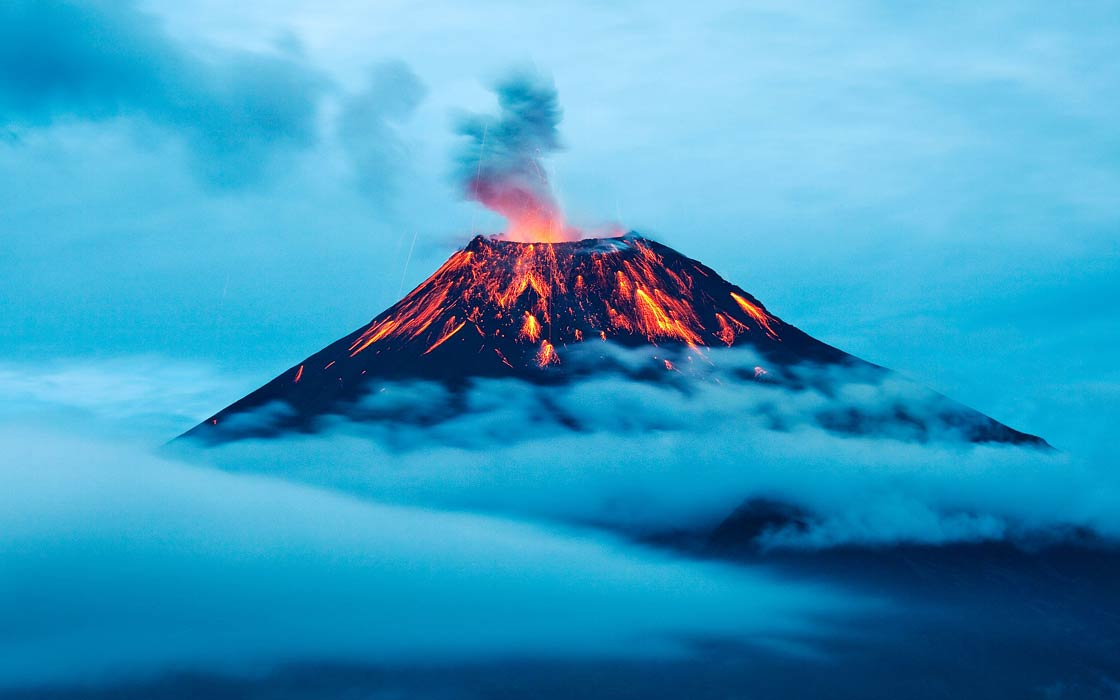
The eruption of Mount Tambora in 1815 stands as one of the most powerful and consequential volcanic events in recorded history. Located on the island of Sumbawa in present-day Indonesia, Tambora’s eruption had far-reaching effects that extended well beyond its immediate vicinity, influencing global climate patterns and shaping human history in unexpected ways.
The eruption began on April 5, 1815, and reached its peak on April 10-11. The scale of the event was unprecedented in human memory. Tambora ejected an estimated 150 cubic kilometers of ash and debris into the atmosphere, with the eruption column reaching a height of about 43 kilometers. The explosion was heard over 2,000 kilometers away, and ash fall was recorded at distances of up to 1,300 kilometers. The mountain itself was transformed, with its height reduced from about 4,300 meters to 2,850 meters.
The immediate impact on the surrounding area was catastrophic. The eruption and subsequent tsunami killed an estimated 10,000 people directly, while the ensuing famine and disease claimed tens of thousands more lives on Sumbawa and neighboring islands. Entire villages were buried under ash and pyroclastic flows, with some areas remaining uninhabitable for years.
However, it was the global climatic effects of the eruption that would have the most far-reaching consequences. The massive amount of ash and sulfur dioxide ejected into the stratosphere created a global climate anomaly. Sulfur aerosols formed a veil around the Earth, reflecting solar radiation back into space and causing a significant drop in global temperatures. The year 1816 became known as the “Year Without a Summer” in many parts of the Northern Hemisphere.
The climatic effects were particularly severe in North America and Europe. In New England, frost was recorded in every month of the year, and snow fell in June. Crop failures were widespread, leading to food shortages and increased food prices. In Europe, cold temperatures and excessive rain led to failed harvests and famine conditions in many areas. The situation was exacerbated by the fact that many regions were already dealing with the economic aftermath of the Napoleonic Wars.
The “Year Without a Summer” had profound social and economic impacts. In some areas, the food shortages led to riots and social unrest. The disruption of agricultural production contributed to economic downturns and increased migration, particularly in North America, where many farmers from New England moved westward in search of better conditions.
Interestingly, the unusual weather conditions also had some unexpected cultural impacts. The gloomy, overcast summer of 1816 is said to have inspired Mary Shelley to write her gothic novel “Frankenstein” during her stay near Lake Geneva. The vivid sunsets caused by the atmospheric ash are believed to have influenced the works of painters such as J.M.W. Turner.
From a scientific perspective, the Tambora eruption and its aftermath provided valuable insights into the relationship between volcanic activity and global climate. It demonstrated the potential for large volcanic eruptions to cause short-term climate cooling on a global scale, a phenomenon that has since been observed with other major eruptions, albeit to a lesser extent.
The event also had long-term implications for the study of volcanology and climate science. It highlighted the need for better understanding of volcanic processes and their potential global impacts. In the centuries since, the Tambora eruption has been extensively studied as a key example of the potential for natural events to cause rapid and significant climate change.
Moreover, the Tambora eruption serves as an important case study for understanding the vulnerability of human societies to climate shocks. The widespread crop failures and resulting famines demonstrated the potential for climate anomalies to cause significant social and economic disruption, even in regions far removed from the source of the disturbance.
In the context of current concerns about climate change, the Tambora eruption provides a sobering example of how rapidly global climate can be altered and the potential consequences of such changes. While the cooling caused by Tambora was temporary, it offers insights into the potential impacts of more long-term climate shifts, whether caused by natural or anthropogenic factors.
The eruption of Mount Tambora in 1815 remains a powerful reminder of the interconnectedness of Earth’s systems and the potential for geological events to have far-reaching and long-lasting impacts on human societies. Its legacy continues to inform our understanding of volcanology, climate science, and the complex interactions between natural phenomena and human history.
6. San Francisco Earthquake (1906)
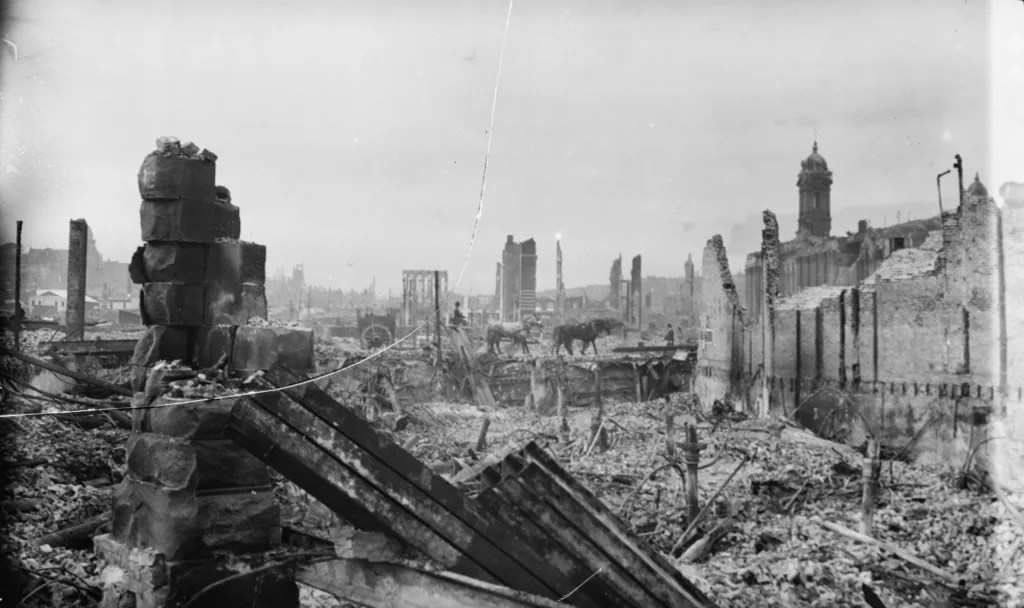
The San Francisco Earthquake of 1906 stands as one of the most significant natural disasters in American history, not only for its immediate devastating impact but also for its long-lasting influence on earthquake science, urban planning, and disaster response strategies. On the morning of April 18, 1906, a massive earthquake struck the San Francisco Bay Area, forever changing the face of one of America’s most iconic cities and leaving an indelible mark on the nation’s consciousness.
The earthquake, estimated to have had a magnitude of 7.9, was caused by a rupture along the San Andreas Fault. The shaking lasted for approximately 42 seconds, but the destruction it unleashed was catastrophic. The earthquake itself caused significant damage, collapsing buildings and disrupting infrastructure across the region. However, it was the subsequent fires that truly devastated San Francisco. The quake had broken water mains, leaving firefighters with little means to combat the numerous blazes that erupted across the city. The fires raged for three days, consuming much of the city’s core.
The human toll of the disaster was immense. While the exact number of casualties remains uncertain due to the destruction of municipal records in the fire, estimates range from 3,000 to over 6,000 deaths. Hundreds of thousands were left homeless, with refugee camps established in parks and open spaces around the city and across the bay in Oakland.
The 1906 earthquake had profound implications for the scientific understanding of earthquakes and their mechanisms. In the aftermath of the disaster, the state of California established the Earthquake Investigation Commission, led by geologist Andrew Lawson. The commission’s report, known as the Lawson Report, was groundbreaking in its comprehensive study of the earthquake and its effects. It introduced the concept of elastic rebound theory, which explains how energy is stored and released along fault lines, fundamentally advancing the field of seismology.
The disaster also had significant impacts on building practices and urban planning. The destruction wrought by the earthquake and fires highlighted the vulnerabilities in San Francisco’s built environment. In the reconstruction that followed, new building codes were implemented, emphasizing fire-resistant materials and improved structural designs. The city’s street grid was modified in places to create firebreaks, and a high-pressure water system was installed to improve firefighting capabilities.
The earthquake’s aftermath saw advancements in disaster response and recovery strategies. The scale of the disaster necessitated a large-scale relief effort, involving both government agencies and private organizations. This response helped set precedents for future disaster management practices in the United States. The event also spurred the growth of the insurance industry, particularly earthquake insurance, as businesses and homeowners sought to protect themselves against future disasters.
From a societal perspective, the 1906 earthquake had complex and far-reaching effects. While it was a catastrophe that tested the resilience of San Francisco’s residents, it also became a catalyst for change and renewal. The reconstruction of San Francisco was seen as an opportunity to rebuild a greater city, embodying the spirit of American optimism and progress. However, this renewal also had darker aspects, as some used the destruction as an opportunity to reshape the city’s demographics, with efforts to relocate Chinese residents from the valuable real estate of Chinatown ultimately being thwarted.
The earthquake had significant economic implications as well. The destruction of San Francisco, then the largest city on the West Coast and a major financial center, sent economic shockwaves across the nation. The disaster contributed to the Panic of 1907, a financial crisis that highlighted the need for a more robust banking system, ultimately leading to the creation of the Federal Reserve.
In the realm of public perception and policy, the 1906 earthquake brought the risks posed by seismic activity to the forefront of national consciousness. It sparked ongoing debates about development in earthquake-prone areas and the role of government in mitigating natural disaster risks. These discussions continue to shape policies and practices in California and other seismically active regions to this day.
The legacy of the 1906 San Francisco Earthquake extends far beyond its immediate impact. It stands as a pivotal moment in the history of seismology, urban planning, and disaster response. The lessons learned from this catastrophe continue to influence how we understand, prepare for, and respond to earthquakes and other natural disasters, making it a seminal event in the ongoing story of human interaction with Earth’s dynamic processes.
7. Dust Bowl (1930s)
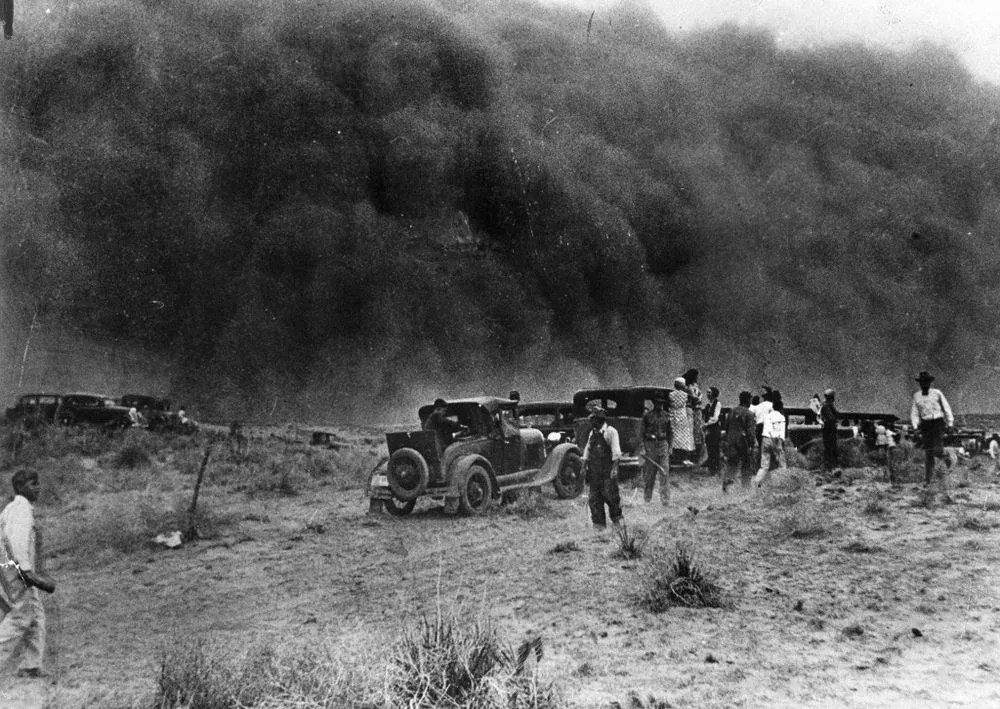
The Dust Bowl of the 1930s stands as one of the most severe environmental disasters in American history, profoundly impacting the social, economic, and agricultural landscape of the United States. This catastrophic event, which affected vast areas of the Great Plains, was a complex interplay of severe drought conditions and poor land management practices, resulting in widespread ecological damage, economic hardship, and forced migrations.
The Dust Bowl period, roughly spanning from 1930 to 1940, was characterized by severe dust storms that ravaged the plains of Kansas, Oklahoma, Texas, New Mexico, and Colorado. These storms, known as “black blizzards” or “black rollers,” could darken the sky for days, depositing layers of dust that buried homes, killed livestock, and devastated crops. The largest of these storms carried Great Plains topsoil as far as New York City and Washington, D.C., dramatically illustrating the scale of the ecological disaster unfolding in America’s heartland.
The roots of the Dust Bowl lay in a combination of natural and human factors. The 1920s had seen a period of unusual wetness in the Great Plains, encouraging farmers to adopt aggressive cultivation techniques and expand into marginal lands. The plowing up of millions of acres of native grassland, which had evolved to withstand the region’s periodic droughts, left the soil exposed and vulnerable. When severe drought conditions hit in the 1930s, coinciding with the Great Depression, the stage was set for an unprecedented environmental catastrophe.
The human toll of the Dust Bowl was immense. Crop failures were widespread, leading to severe economic hardship for farming communities already struggling with the effects of the Great Depression. Many farmers and tenants were forced to abandon their lands, unable to pay mortgages or make a living from the dust-ravaged fields. This led to one of the largest internal migrations in U.S. history, with an estimated 2.5 million people leaving the Plains states, many heading to California and other western states in search of work and a better life. John Steinbeck’s novel “The Grapes of Wrath” vividly portrayed the plight of these “Okies” and “Arkies,” bringing national attention to their struggles.
The Dust Bowl had profound and lasting impacts on American agriculture and environmental policy. It highlighted the dangers of unsustainable farming practices and the need for soil conservation. In response, the federal government, under President Franklin D. Roosevelt’s New Deal, initiated a range of programs aimed at addressing the crisis. The Soil Conservation Service (now the Natural Resources Conservation Service) was established to promote farming practices that would prevent soil erosion. Programs were implemented to retire marginal lands from production, and farmers were educated on techniques such as contour plowing, strip cropping, and crop rotation to preserve soil quality.
The crisis also spurred technological innovations in agriculture. The development of drought-resistant crops, improved irrigation techniques, and the increased use of tractors and other mechanized farm equipment were all accelerated by the challenges posed by the Dust Bowl. These advancements would go on to significantly increase agricultural productivity in the post-war years.
From a social and cultural perspective, the Dust Bowl left an indelible mark on American society. It became a powerful symbol of human struggle against nature and economic adversity. The period inspired a wealth of literature, music, and art, from Woody Guthrie’s folk songs to the stark photographs of Dorothea Lange, which continue to shape our understanding of this era.
The Dust Bowl also had significant political ramifications. It underscored the need for government intervention in times of environmental and economic crisis, helping to solidify support for New Deal programs. The event contributed to changing perceptions about the role of government in environmental stewardship and agricultural policy, laying groundwork for future environmental legislation.
In the long term, the Dust Bowl led to a greater understanding of the relationship between human activities and environmental sustainability. It demonstrated the potential for human actions to dramatically alter ecosystems and highlighted the importance of sustainable land management practices. These lessons continue to be relevant today, as we face global challenges related to climate change, soil degradation, and food security.
The legacy of the Dust Bowl extends far beyond its immediate impact in the 1930s. It serves as a cautionary tale about the consequences of unsustainable agricultural practices and the vulnerability of human societies to environmental change. At the same time, it stands as a testament to human resilience and adaptability in the face of extreme adversity. The responses to the Dust Bowl — in terms of policy, technology, and social adaptation — continue to influence how we approach environmental challenges and agricultural sustainability in the 21st century.
8. Indian Ocean Earthquake and Tsunami (2004)
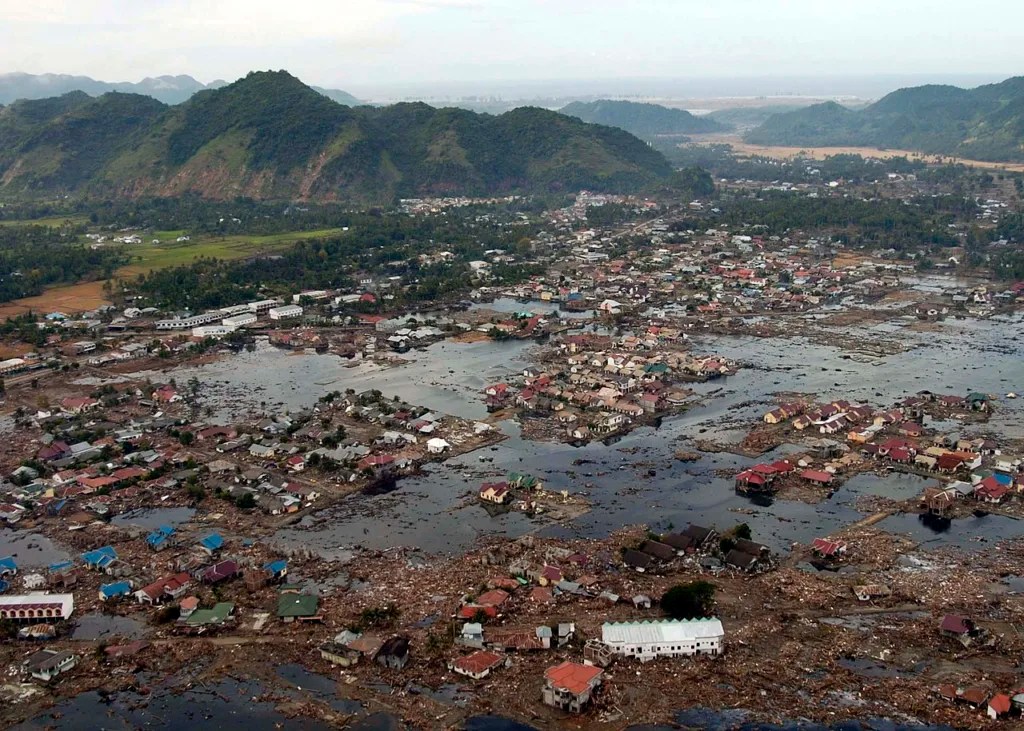
The Indian Ocean Earthquake and Tsunami of December 26, 2004, stands as one of the deadliest natural disasters in recorded history. This catastrophic event, which affected multiple countries bordering the Indian Ocean, not only caused immense loss of life and widespread destruction but also reshaped global perspectives on tsunami risks and disaster preparedness.
The disaster began with a massive undersea megathrust earthquake off the coast of Sumatra, Indonesia. The earthquake, with a magnitude of 9.1-9.3, was the third-largest ever recorded and had the longest duration of faulting ever observed, lasting between 8.3 and 10 minutes. The earthquake itself caused significant damage in northern Sumatra, but it was the subsequent tsunami that led to widespread devastation across the Indian Ocean region.
The tsunami generated by the earthquake produced waves up to 30 meters (100 feet) high in some areas, striking coastlines with little to no warning. The waves traveled at speeds up to 800 km/h (500 mph) across the open ocean, reaching shores as far away as South Africa, some 8,000 kilometers from the epicenter. The countries most severely affected were Indonesia, Sri Lanka, India, and Thailand, but the tsunami also caused significant damage and loss of life in Malaysia, Myanmar, the Maldives, and even on the east coast of Africa in Somalia, Tanzania, and Kenya.
The human toll of the disaster was staggering. An estimated 230,000 people lost their lives across 14 countries, with Indonesia, Sri Lanka, India, and Thailand suffering the highest casualties. Millions more were displaced, having lost their homes, livelihoods, and communities. The scale of the humanitarian crisis was unprecedented, requiring a massive international relief effort.
The 2004 tsunami highlighted critical gaps in the global disaster warning and response systems. At the time, there was no tsunami warning system in the Indian Ocean, despite the region’s vulnerability to such events. The lack of public awareness about tsunami risks in many affected areas contributed to the high death toll, as many people did not know to evacuate to higher ground after feeling the earthquake.
In the aftermath of the disaster, there was a significant global response to address these shortcomings. The Indian Ocean Tsunami Warning System was established, becoming operational in 2006. This system, along with increased public education about tsunami risks and response procedures, has significantly improved the region’s preparedness for future events.
The disaster also led to advancements in tsunami science and monitoring technology. It spurred increased research into tsunami generation, propagation, and coastal impacts. Improved modeling techniques and more sophisticated detection systems have enhanced our ability to predict and respond to tsunami threats globally.
From a humanitarian perspective, the 2004 tsunami prompted a massive international aid response, with billions of dollars pledged for relief and reconstruction efforts. This outpouring of support demonstrated the global community’s capacity for solidarity in the face of disaster, but it also highlighted challenges in coordinating large-scale international aid efforts. The experiences gained from this response have informed subsequent disaster relief operations worldwide.
The long-term recovery process in the affected regions has been complex and multifaceted. While significant progress has been made in rebuilding infrastructure and communities, the disaster’s impacts continue to be felt in many areas. The event has influenced local and national policies on coastal development, disaster preparedness, and environmental management in many of the affected countries.
The 2004 Indian Ocean Tsunami also had broader implications for global disaster risk reduction strategies. It underscored the importance of investing in disaster preparedness and early warning systems, not just in high-risk areas but globally. The event contributed to the development of the Hyogo Framework for Action 2005-2015, a global blueprint for disaster risk reduction efforts.
In the realm of Earth sciences, the 2004 event provided valuable data for understanding the mechanics of large subduction zone earthquakes and their potential to generate destructive tsunamis. It has informed assessments of tsunami risks in other parts of the world, including the Pacific Northwest of North America and the Caribbean.
The Indian Ocean Earthquake and Tsunami of 2004 remains a powerful reminder of the potential for natural disasters to cause catastrophic loss of life and widespread destruction. Its legacy is seen in improved tsunami warning systems, enhanced disaster preparedness measures, and a greater global awareness of the need for coordinated responses to large-scale disasters. As climate change potentially increases the frequency and intensity of some natural hazards, the lessons learned from this event continue to be relevant for building resilience to future catastrophes.
9. Haiti Earthquake (2010)
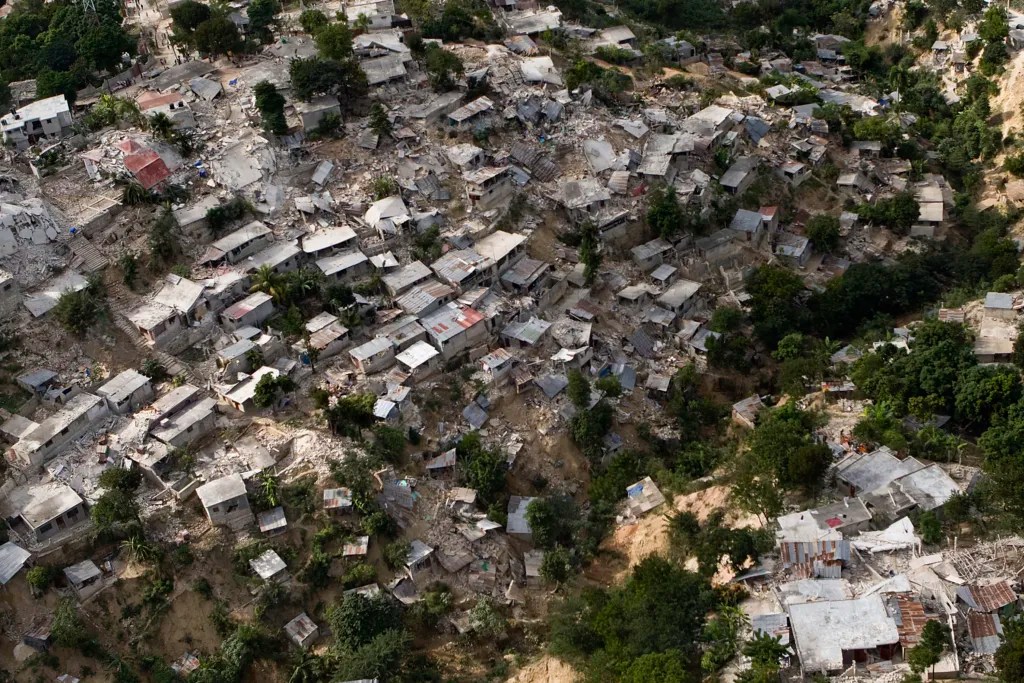
The Haiti Earthquake of January 12, 2010, stands as one of the most devastating natural disasters in modern history, not only for its immediate destructive impact but also for the long-lasting humanitarian crisis it precipitated. This catastrophic event laid bare the vulnerabilities of Haiti, the poorest country in the Western Hemisphere, and challenged the international community’s ability to respond to major disasters in developing nations.
The earthquake, with a magnitude of 7.0, struck at 4:53 pm local time, with an epicenter approximately 25 kilometers (16 miles) west of Port-au-Prince, Haiti’s capital and largest city. The shallow depth of the quake, only about 13 kilometers (8 miles) below the surface, contributed to its destructive power. The main shock was followed by numerous aftershocks, some as large as magnitude 5.9, which continued to threaten survivors and hamper relief efforts in the days and weeks that followed.
The impact on Haiti was catastrophic. The earthquake destroyed or severely damaged 250,000 residences and 30,000 commercial buildings. Critical infrastructure, including hospitals, schools, and government buildings, collapsed or were rendered unusable. The Presidential Palace, the National Assembly building, the Port-au-Prince Cathedral, and the main jail were among the prominent structures destroyed. The port facilities were so badly damaged that they were initially unusable for aid shipments.
The human toll was staggering. While the exact number of casualties has been difficult to determine due to the chaos following the disaster and the limitations of Haiti’s record-keeping systems, estimates suggest that between 220,000 and 316,000 people lost their lives. Approximately 300,000 people were injured, and over 1.5 million were left homeless. The scale of the disaster overwhelmed Haiti’s already fragile infrastructure and government capacity.
The earthquake highlighted the critical role that poverty and poor infrastructure play in amplifying the impact of natural disasters. Haiti’s widespread poverty, substandard construction practices, and lack of building codes contributed significantly to the high death toll and extensive damage. Many buildings in Port-au-Prince and surrounding areas were poorly constructed, unable to withstand the forces of the earthquake. This tragic reality underscored the importance of disaster-resistant infrastructure and the need for improved building standards in earthquake-prone regions.
The international response to the Haiti earthquake was massive but faced numerous challenges. The disaster’s scale, combined with the pre-existing poverty and weak infrastructure in Haiti, made the relief effort extraordinarily complex. The airport in Port-au-Prince was damaged and overwhelmed, creating bottlenecks in the delivery of aid. The destruction of government buildings and the deaths of many government officials further complicated coordination efforts.
Despite these challenges, the global community mobilized significant resources. Governments, NGOs, and individuals around the world pledged billions of dollars in aid. Search and rescue teams from numerous countries worked to find survivors in the rubble. Field hospitals were set up to treat the injured, and temporary shelters were established for the displaced. However, the effectiveness of the aid effort was sometimes questioned, with concerns raised about coordination, distribution, and long-term impact.
The Haiti earthquake also brought attention to the issue of disease outbreak following natural disasters. In October 2010, a cholera epidemic broke out, likely introduced by UN peacekeepers from Nepal. This secondary disaster highlighted the importance of sanitation and clean water in post-disaster environments and the potential for relief efforts to inadvertently introduce new problems.
The long-term recovery process in Haiti has been slow and fraught with challenges. Political instability, corruption, and the sheer scale of the destruction have hampered rebuilding efforts. The earthquake exacerbated pre-existing social and economic issues, leading to prolonged displacement, increased vulnerability to future disasters, and ongoing humanitarian needs.
The Haiti earthquake of 2010 serves as a stark reminder of the disproportionate impact that natural disasters can have on developing nations. It highlighted the need for improved disaster preparedness, resilient infrastructure, and effective governance in vulnerable regions. The event also prompted reflection within the international aid community about the effectiveness of disaster response strategies and the importance of long-term, sustainable development approaches.
Moreover, the Haiti earthquake underscored the complex interplay between natural hazards and human factors such as poverty, urbanization, and governance. It demonstrated how social, economic, and political conditions can turn a natural event into a catastrophic disaster. This understanding has informed subsequent approaches to disaster risk reduction, emphasizing the need to address underlying vulnerabilities alongside improving immediate response capabilities.
As Haiti continues to grapple with the long-term impacts of the 2010 earthquake, the event remains a powerful case study in disaster response and recovery. It continues to inform global discussions on resilience, sustainable development, and the international community’s role in supporting vulnerable nations in the face of natural disasters. The lessons learned from this tragedy continue to shape policies and practices in disaster management and international aid, serving as a somber reminder of the ongoing need to build more resilient communities in the face of natural hazards.
10. Climate Change and Sea Level Rise
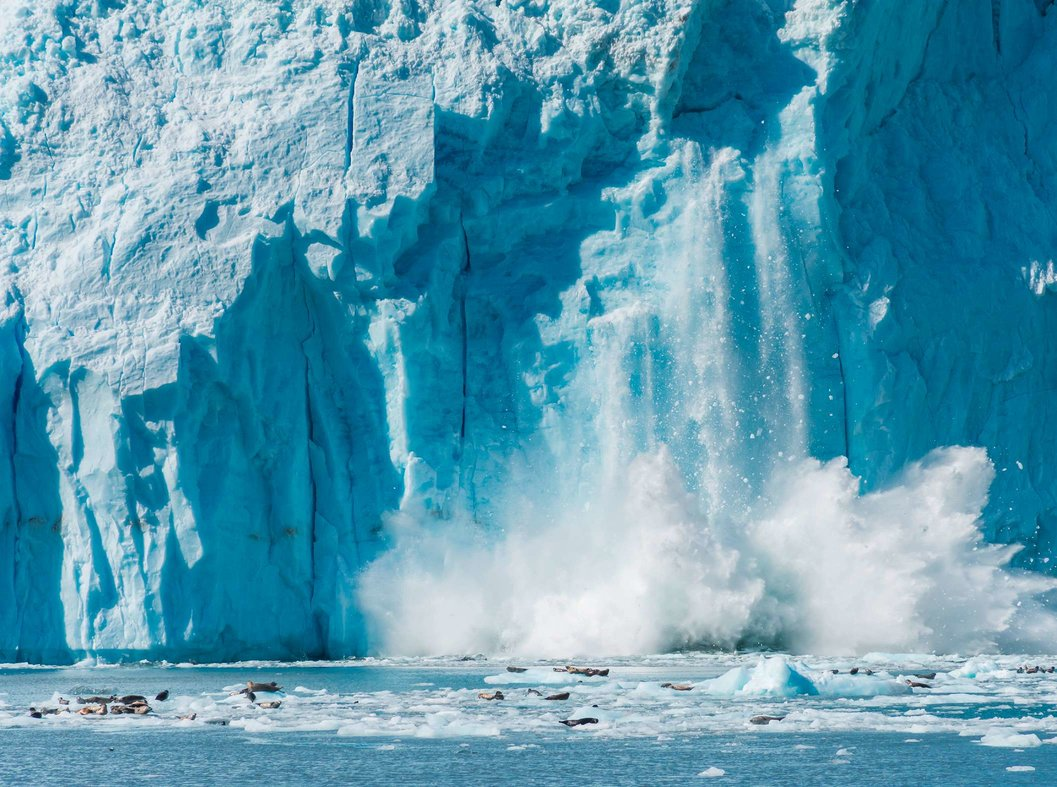
Climate change and associated sea level rise represent one of the most significant long-term geological processes impacting human civilization in the modern era. Unlike sudden catastrophic events, these phenomena are gradual but relentless, with far-reaching consequences for coastal regions, global ecosystems, and human societies worldwide.
The primary driver of current climate change is the increase in greenhouse gases in the atmosphere, primarily carbon dioxide, resulting from human activities such as burning fossil fuels, deforestation, and industrial processes. This enhanced greenhouse effect is leading to global warming, which in turn is causing sea levels to rise through two main mechanisms: thermal expansion of the oceans as they warm, and the melting of land-based ice, particularly glaciers and ice sheets in Greenland and Antarctica.
Global sea levels have been rising at an accelerating rate. Over the 20th century, sea levels rose by about 15-20 centimeters (6-8 inches). However, satellite measurements show that since 1993, the rate has increased to about 3.3 millimeters per year. Projections for future sea level rise vary, but even conservative estimates suggest a rise of 0.3-0.6 meters (1-2 feet) by 2100, with more extreme scenarios predicting over 2 meters (6.6 feet) of rise if greenhouse gas emissions continue unabated.
The impacts of sea level rise are already being felt in many coastal areas around the world. Low-lying islands and coastal regions are particularly vulnerable. Some Pacific island nations, such as Kiribati and Tuvalu, face existential threats from rising seas, with the potential for entire countries to become uninhabitable. In more developed areas, cities like Miami, New Orleans, Venice, and Bangkok are grappling with increased flooding and saltwater intrusion into freshwater aquifers.
The consequences of sea level rise extend far beyond simple inundation. Higher sea levels exacerbate the impacts of storm surges and coastal erosion, threatening infrastructure, agriculture, and ecosystems. Salt water intrusion into coastal aquifers and agricultural lands can contaminate freshwater resources and reduce soil fertility. Wetlands and mangrove forests, which provide crucial ecosystem services and act as natural buffers against storms, are at risk of being submerged if they cannot migrate inland fast enough.
From a human perspective, sea level rise poses significant challenges for coastal communities and economies. Millions of people live in low-lying coastal areas, and many of the world’s largest cities are located near coastlines. The potential for large-scale displacement of populations, known as climate refugees, is a growing concern. The World Bank estimates that by 2050, climate change could force more than 140 million people to migrate within their countries in Sub-Saharan Africa, South Asia, and Latin America alone.
The economic implications of sea level rise are equally profound. Coastal real estate, infrastructure, and industries are at risk. The costs of protecting coastlines, through measures such as sea walls and elevated structures, are enormous. Some estimates suggest that without adaptation, the global cost of damage from sea level rise could reach $14 trillion annually by 2100.
Adapting to sea level rise presents complex challenges. Strategies range from hard engineering solutions like building sea walls and flood barriers to “soft” approaches such as restoring natural coastal ecosystems. Some areas are implementing managed retreat, planning for the gradual abandonment of the most vulnerable coastal zones. However, these adaptation measures are often costly and politically challenging to implement.
The issue of sea level rise also intersects with questions of global equity and justice. Many of the countries most vulnerable to sea level rise, such as small island developing states, have contributed least to global greenhouse gas emissions. This disparity raises important ethical questions about responsibility and support for adaptation and mitigation efforts.
In the realm of international politics, sea level rise is becoming an increasingly important issue. It has implications for maritime boundaries, as rising seas could alter coastlines and potentially submerge entire island nations, raising unprecedented legal questions about territorial waters and exclusive economic zones.
The challenges posed by climate change and sea level rise underscore the need for global cooperation and action. International efforts, such as the Paris Agreement, aim to limit global temperature increase and, by extension, sea level rise. However, even with aggressive mitigation efforts, some degree of sea level rise is now inevitable due to the long-lived nature of greenhouse gases in the atmosphere and the slow response of oceans and ice sheets to warming.
As we move further into the 21st century, addressing the impacts of climate change and sea level rise will be one of the defining challenges for human civilization. It will require unprecedented levels of planning, innovation, and cooperation at local, national, and international levels. The decisions made in the coming decades regarding greenhouse gas emissions, coastal development, and adaptation strategies will have profound implications for future generations and the shape of human society in coastal regions around the world.
As we reflect on these geologic events, it becomes clear that they are not mere footnotes in history but rather keystones that have shaped the very foundations of human civilization. The Toba Supervolcano, the tremors of Lisbon, the Dust Bowl’s winds, and the silent rise of sea levels—all have contributed to the intricate mosaic of our shared past.
Moreover, these events have not only left physical imprints on the landscape but have also influenced the collective psyche of humanity. They have prompted philosophical reflections, inspired advancements in science and technology, and catalyzed societal shifts in the wake of disaster.
Looking forward, these geological chapters offer valuable lessons. They underscore the importance of understanding and adapting to the dynamic nature of our planet. As we grapple with contemporary challenges like climate change, these historical events serve as cautionary tales and sources of inspiration for resilience, innovation, and global cooperation.
In closing, the story of human history is inseparable from the geological forces that have shaped it. The Earth, with its seismic whispers and climatic orchestrations, continues to be an active participant in our unfolding narrative. Through an appreciation of these geologic events, we gain not only a deeper understanding of our past but also a clearer perspective on the challenges and opportunities that lie ahead. As stewards of this planet, it is our responsibility to heed the lessons of history and navigate the ever-changing terrain with wisdom and foresight.