
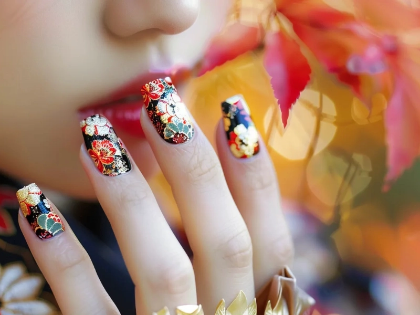
3. Chinese Traditional Symbolism
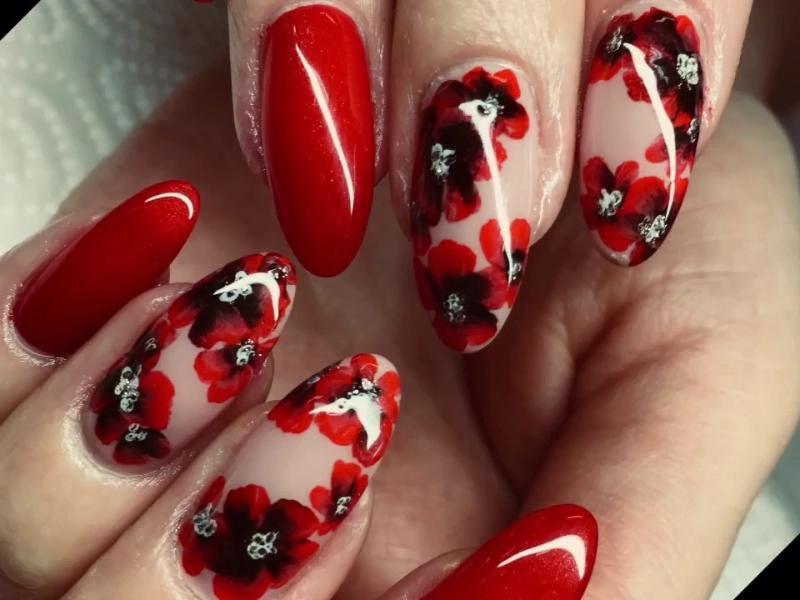
Rich centuries of symbolism and creative styles abound in Chinese nail art. Modern Chinese nail artists may include calligraphy, fortunate symbols, and dragon patterns—traditional elements—into their works. Gold embellishments and jade-inspired colors represent society tastes for success and good fortune. Chinese nail art stands out especially for its complex hand-painted patterns and use of traditional materials like crushed shells and pearl powder. Festive seasons, like Chinese New Year, see particular designs with red and gold colors becoming rather popular reflecting the cultural relevance of these festivals. Combining traditional artistic methods with modern materials has produced a distinctive style that celebrates legacy and welcomes emerging developments.
4. Indian Henna-Inspired Artistry
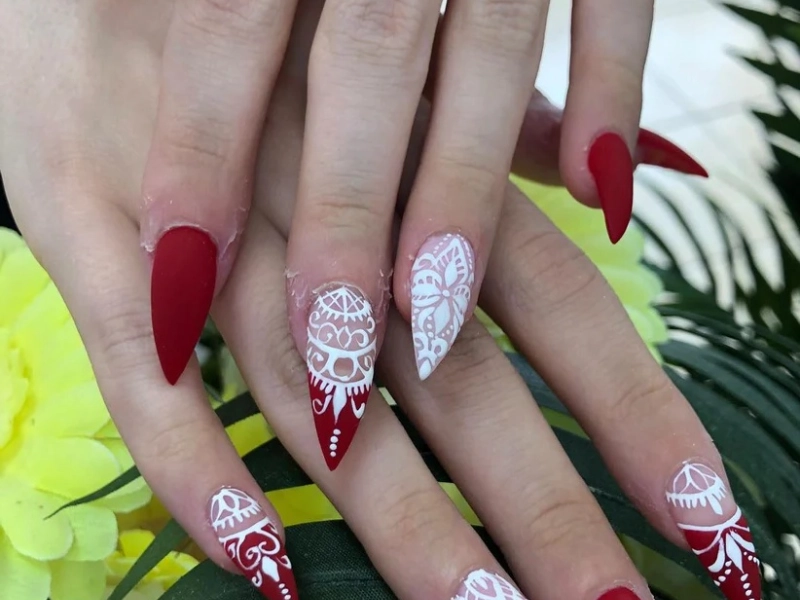
Drawing mostly on the mehndi (henna) design heritage, Indian nail art creates complex designs using symbolism to convey stories. Using fine-line techniques to produce elaborate mandalas, paisley patterns, and wedding-inspired motifs, artists modify classic henna patterns to fit nail art. Rich jewel tones and metallic finishes reflecting Indian fashion and jewelry history abound in the color pallet. Bridal nail art is very important since it usually complements ornate wedding dress and ceremonial henna application. Gemstones and three-dimensional pieces reflect the ornamental character of Indian accessories, therefore producing harmonious combinations that accentuate traditional attire and modern fusion designs.
 zi ang