
116. Royals Are Not Permitted to Take Part in Demonstrations or Protests
Reason: This is part of their political neutrality
Exception: Private views, non-public statements
In a world increasingly defined by social movements and public protests, you won’t see the royal family on the picket lines. This is part of their commitment to political neutrality. The royal family is a symbol of national unity, and they must avoid actions that could be seen as taking sides in contentious issues.
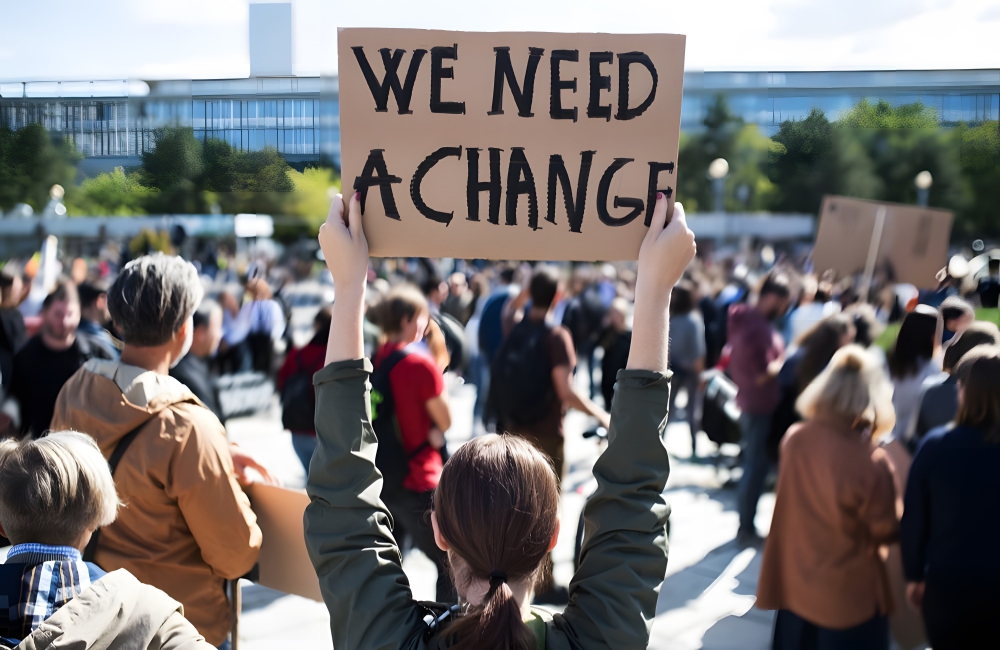
Royals Are Not Permitted to Take Part in Demonstrations or Protests © Ground Picture/Shutterstock
This ensures they represent all citizens, regardless of individual political views. However, they may express private views or make non-public statements on issues that they feel strongly about, provided they don’t breach the rule of neutrality.
117. Royals Are Expected to Attend the Trooping the Colour Ceremony Each Year
Reason: This is a significant royal event that marks the official birthday of the sovereign
Exception: Illness, significant commitments
Every year, the British royal family gathers on the balcony of Buckingham Palace for the Trooping the Colour, a vibrant military parade that marks the official birthday of the sovereign. This ceremony is a significant royal event steeped in tradition and pomp.
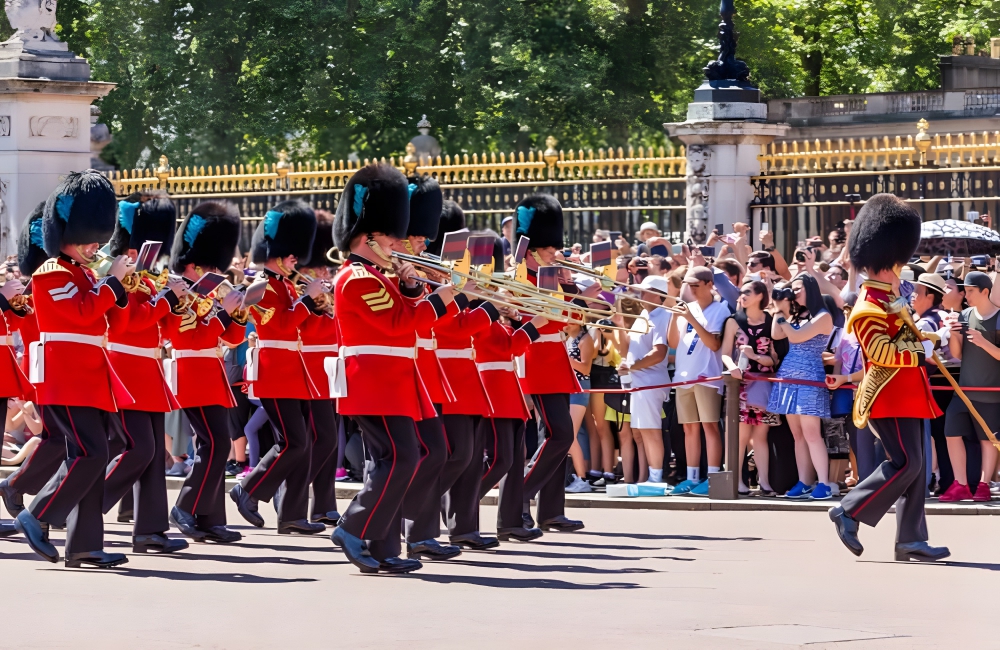
Royals Are Expected to Attend the Trooping the Colour Ceremony Each Year © maziarz/Shutterstock
The royal family is expected to attend this event as part of their public duty and as a mark of respect for the armed forces. However, if a royal is ill or has a significant commitment that cannot be avoided, they may be excused.
118. Royals Cannot Accept Monetary Gifts From the Public
Reason: To prevent any potential allegations of influence or impropriety
Exception: Charity donations
While it’s not uncommon for public figures to receive gifts, when it comes to the royal family, there’s a strict rule in place: they cannot accept monetary gifts from the public. This rule is designed to prevent any potential allegations of influence or impropriety, ensuring that the royal family remains above suspicion.

Royals Cannot Accept Monetary Gifts From the Public © dmitro1995/Shutterstock
It’s about preserving the integrity of the monarchy. However, they can accept donations made to their charities, as these are used to support good causes rather than for personal gain.
119. Royals Must Always Follow the Order of Precedence at Public Gatherings
Reason: To uphold and respect formal protocol
Exception: Private gatherings, non-official events
There’s a natural pecking order within the royal family that dictates who walks, sits, or bows first during official engagements and ceremonies. The Order of Precedence ensures that each royal knows their place, helping to avoid any potential missteps or embarrassment.
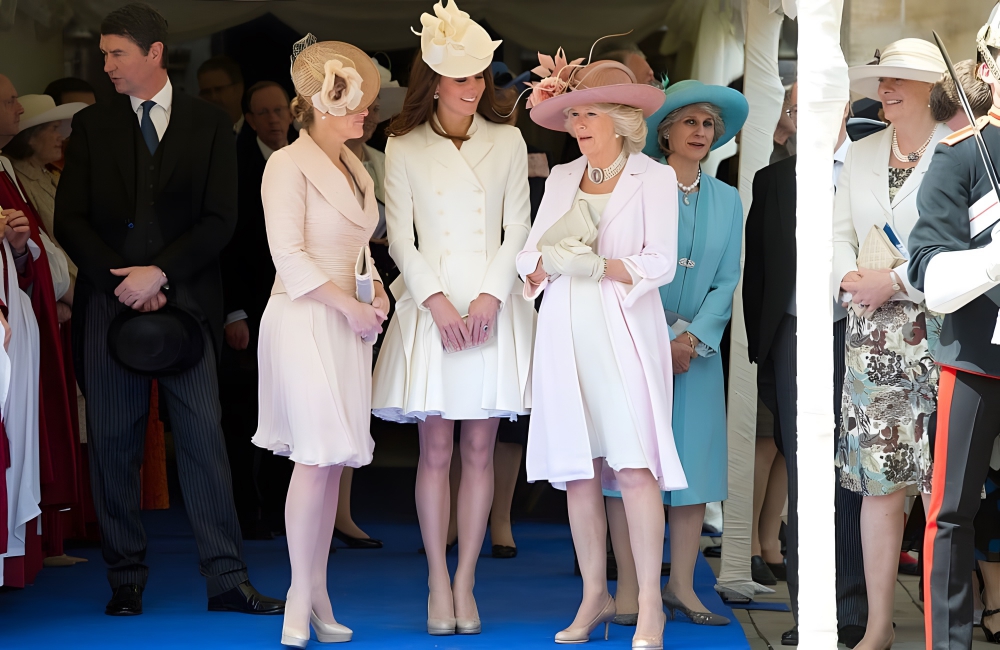
Royals Must Always Follow the Order of Precedence at Public Gatherings © WPA Pool /Getty Images
This rule is strictly adhered to during public gatherings, as it maintains the traditional hierarchies and respects the established roles within the monarchy. However, at private gatherings or non-official events, the royals can relax a bit and need not strictly follow the order of precedence.
120. Royals Must Participate in Public Duties and Charity Engagements
Reason: Public service and charity work are part of the royal family’s duties and responsibilities
Exception: Health reasons, young age
Being a royal isn’t just about living in palaces and attending glamorous events. A significant part of their role involves serving the public and engaging in charity work. The British royal family is closely associated with hundreds of charities, and their patronage can make a significant difference in these organizations’ success.
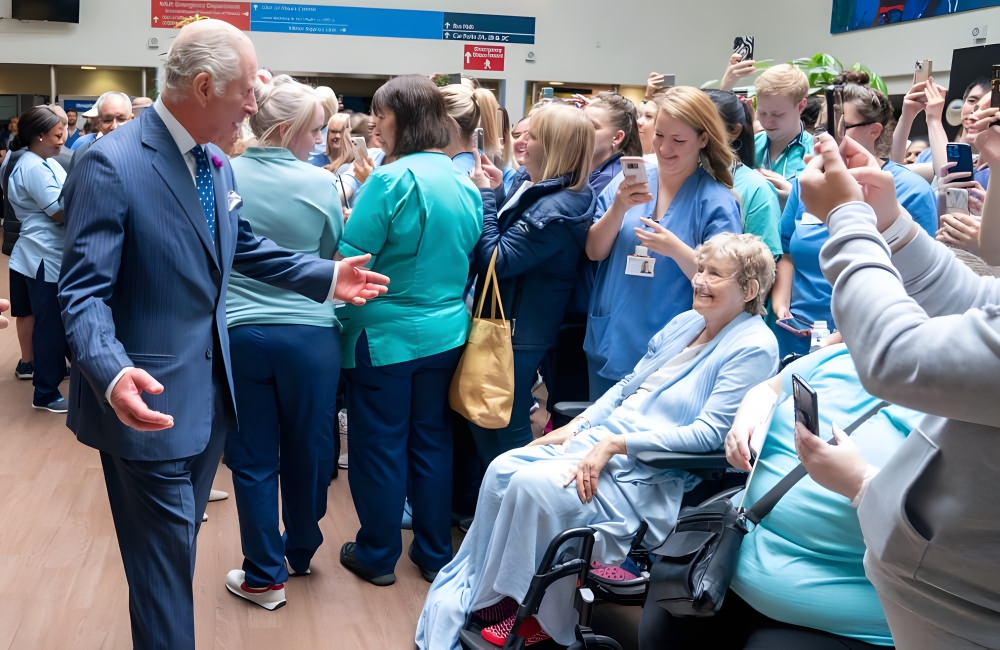
Royals Must Participate in Public Duties and Charity Engagements © WPA Pool /Getty Images
Whether it’s visiting hospitals, supporting military veterans, or promoting mental health awareness, these public duties and charity engagements are integral to their role as public servants. However, health reasons or young age may excuse a royal from these duties temporarily.
121. Royals Are Expected to Maintain a Neutral Expression in Public Settings
Reason: To maintain decorum and professionalism as representatives of the country
Exception: Personal family events, informal settings
The royals have an image to uphold. As representatives of the country, they’re expected to maintain decorum and professionalism at all times, which often translates into maintaining a neutral expression, especially during formal occasions or solemn events.
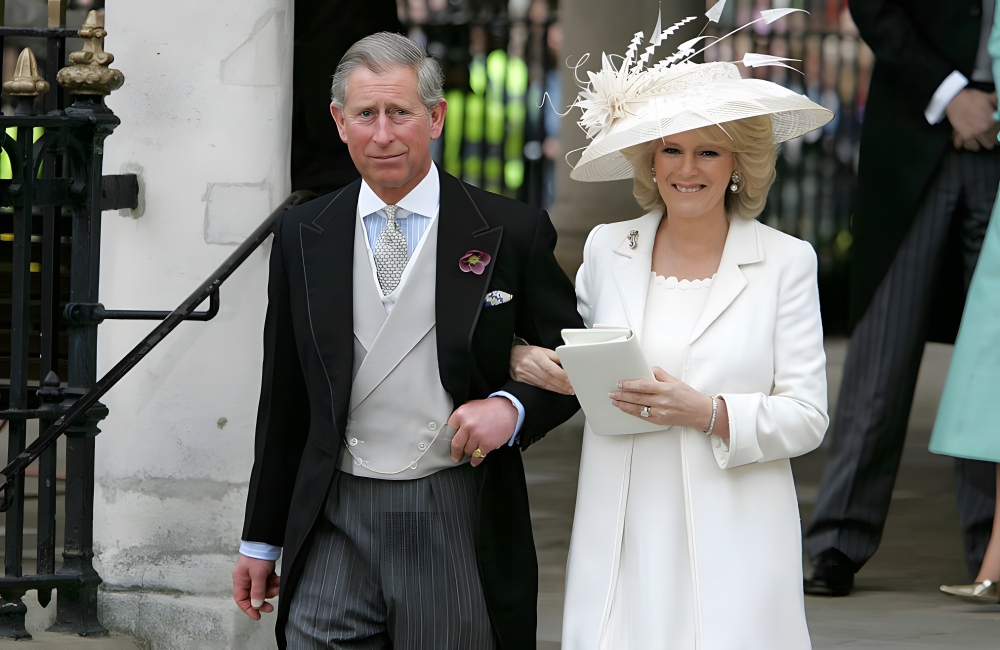
Royals Are Expected to Maintain a Neutral Expression in Public Settings © Georges De Keerle /Getty Images
The ‘royal poker face’ helps avoid unwanted speculation or misinterpretation of their feelings or views. However, during personal family events or in informal settings, the royals are just like us—they laugh, they cry, and they let their emotions show.
122. Royals Must Address Each Other by Proper Titles in Public
Reason: Using proper titles ensures respect for the status and roles within the royal family
Exception: Private settings, familial relationships
While they might be a close-knit family behind closed doors, in public, the royals must adhere to formality. They address each other using their proper titles and styles instead of nicknames or informal names.
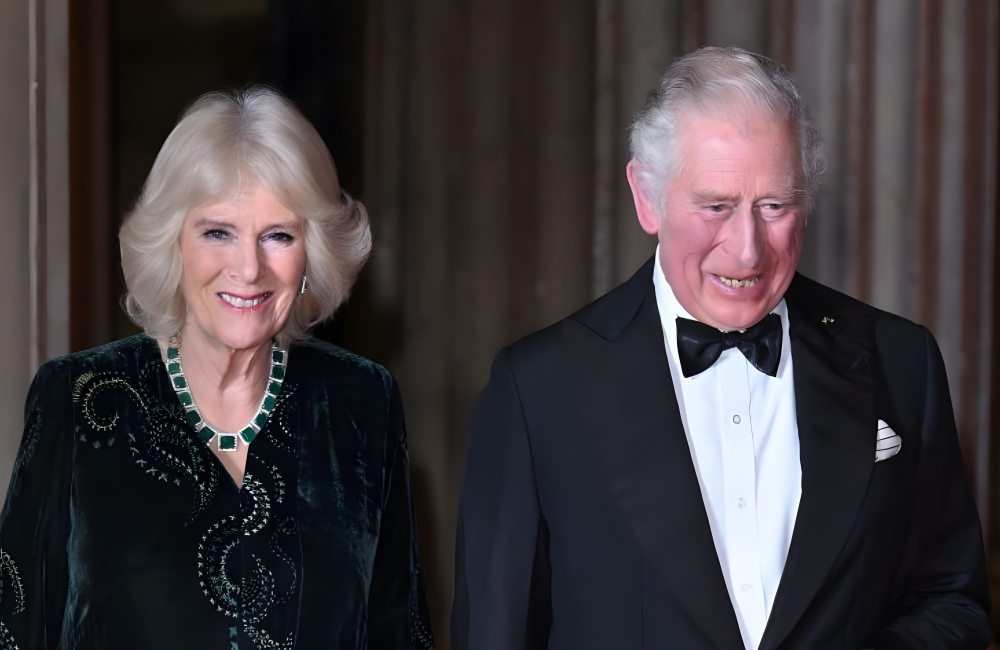
Royals Must Address Each Other by Proper Titles in Public © Karwai Tang/Getty Images
This protocol ensures respect for the status and roles within the royal family, reinforcing the formal image of the monarchy to the public. In private settings or among close family relations, however, they can (and do) use personal names or endearing nicknames.
123. Royals Are Not Allowed to Be Pictured Eating in Public
Reason: To maintain decorum and avoid unflattering images
Exception: Informal events
This might seem unusual, but it’s considered improper for the royals to be photographed while eating in public. This rule helps maintain decorum and avoid any potentially unflattering images from being captured.
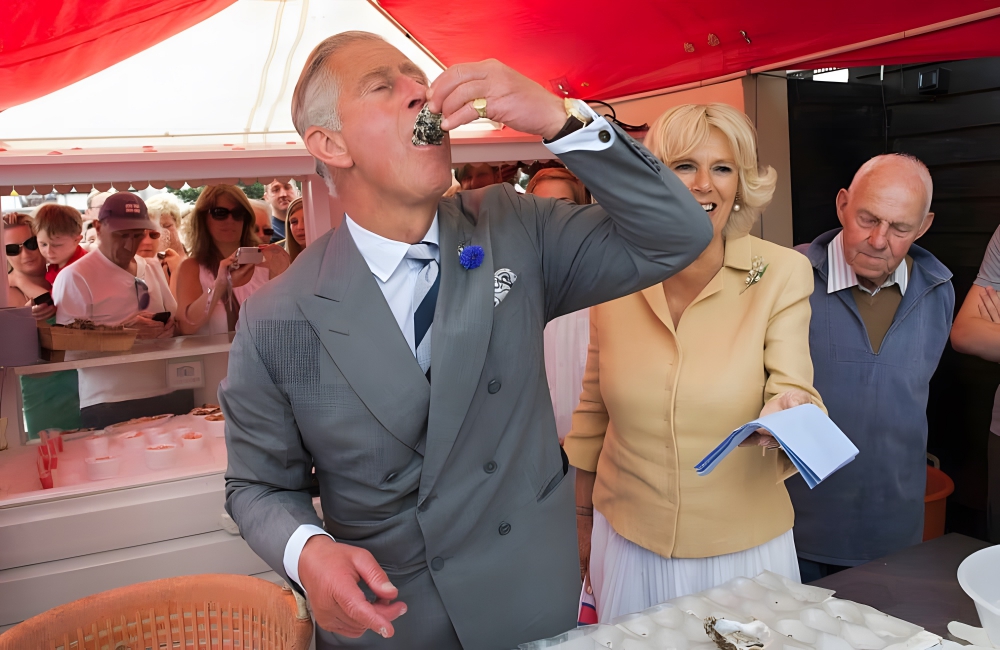
Royals Are Not Allowed to Be Pictured Eating in Public © WPA Pool /Getty Images
Remember, every royal outing is heavily documented by the press and public, and a photo of a royal with their mouth full of food isn’t the most dignified. But this doesn’t mean they don’t eat at public events—they do, just not in front of the cameras. Informal events are an exception to this rule, where the atmosphere is relaxed and less formal.
124. Royals Must Adhere to a Strict Dress Code at the State Opening of Parliament
Reason: The State Opening of Parliament is a formal occasion, and the dress code maintains the solemnity and seriousness of the event.
Exception: None
The State Opening of Parliament is one of the most important ceremonial events of the royal calendar, marking the beginning of the parliamentary year. It’s a formal occasion steeped in history and tradition, and the royals are expected to adhere to a strict dress code.
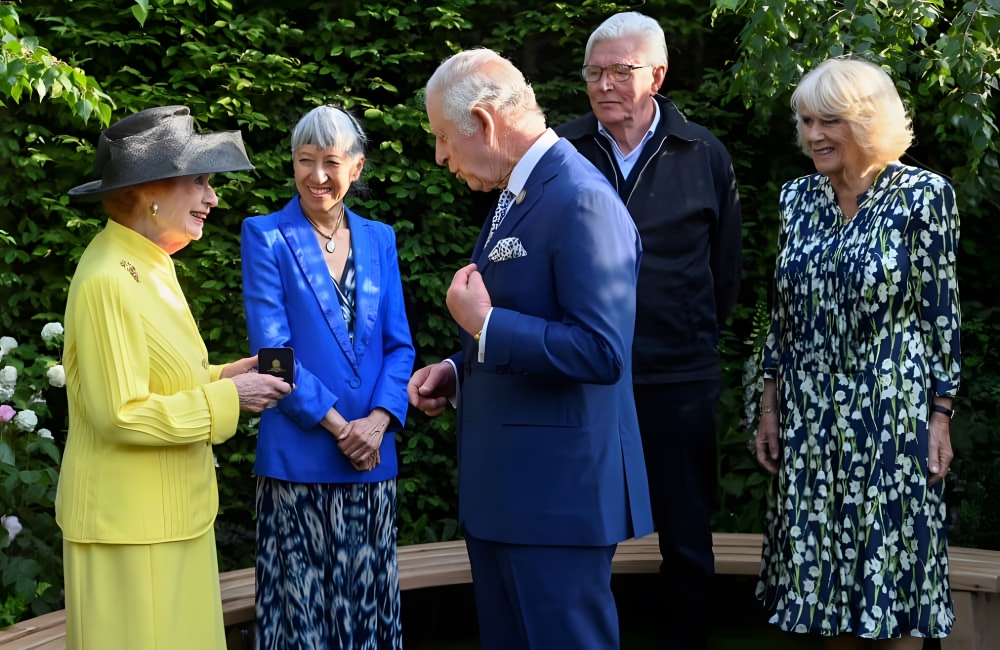
Royals Must Adhere to a Strict Dress Code at the State Opening of Parliament © WPA Pool /Getty Images
Men wear a morning suit or uniform, while women don formal day dresses, often with hats. The Queen has her own unique dress code for this event: she wears the Imperial State Crown and the Robe of State. The importance of this event allows for no exceptions to the dress code.
125. Mobile Devices Must Be Kept Away During Official Engagements
Reason: To maintain decorum and professionalism as representatives of the country
Exception: Personal family events, informal settings
During official events, the royal family refrains from using mobile devices. This practice is observed to ensure that everyone’s attention remains fully focused on the event itself and the people present.

©tatsianamaphoto/stock.adobe.com
By keeping mobile devices out of sight, the royals aim to maintain an atmosphere of respect and professionalism. This practice also prevents any potentially distracting or unflattering moments from being captured by cameras by the tabloids. However, it’s worth noting that this rule doesn’t extend to personal family gatherings or informal settings, where the use of mobile devices is less restricted.
126. No Public Display of Affection on Social Media
Reason: To uphold the dignity and formal image of the royal family online
Exception: On private, personal accounts that are not associated with official duties
On the official social media accounts of the royal family, you won’t find public displays of affection, such as kissing or hugging. This approach is taken to uphold the formal and dignified image associated with their roles. While the royals may indeed engage in affectionate moments in their personal lives, their public social media presence remains more reserved.

©eduard/stock.adobe.com
The distinction lies in maintaining a consistent level of professionalism and formality when communicating with the public. This rule applies mainly to the official accounts, and on personal accounts that are separate from their official roles, the royals may share more personal and affectionate content.
127. No Revealing Tattoo Art
Reason: To preserve the traditional and formal appearance expected of the royal family
Exception: Tattoos that hold significant cultural or personal meaning can be discreetly covered
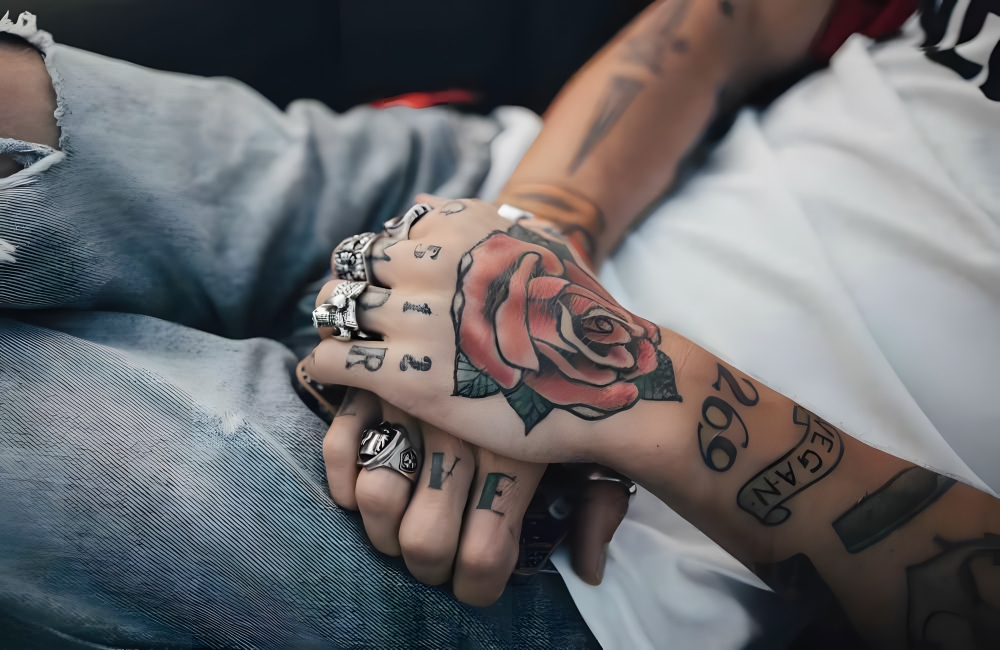
In the realm of royal protocols, there’s a distinct stance when it comes to revealing tattoo art. This guideline is rooted in the preservation of a traditional and formal appearance during official engagements. The royal family refrains from publicly displaying tattoos, which might carry personal or cultural significance.
Jamakassi/unsplash.com
The focus remains on the occasion rather than diverting attention to individual body art. However, exceptions come into play for tattoos that hold deep cultural or personal meaning. In such cases, discreet coverage is acceptable, allowing the royals to maintain formality while honoring the importance of these symbols.
128. Royals Must Complete Environmental Training
Reason: To demonstrate commitment to environmental sustainability and inspire positive change
Exception: None, as environmental awareness is crucial for all members
The commitment to environmental responsibility is a key aspect of the royal family’s ethos. One way this commitment takes shape is through the mandatory completion of environmental training by all members. This training equips them with knowledge about eco-friendly practices, environmental issues, and sustainable solutions.

Dylan Gillis/unsplash.com
By undertaking this training, the royals signal their dedication to leading by example and advocating for positive environmental change. Importantly, this rule applies across the board; there are no exceptions, as environmental awareness is considered a fundamental responsibility for every member of the family.
129. Limited Participation in Reality TV or Game Shows
Reason: To avoid compromising the royal family’s reputation and image
Exception: Participation in charitable causes or promoting specific messages with prior approval
The world of reality TV and game shows is an exciting one, but for the royal family, careful consideration is essential. The guideline here is to ensure that their participation aligns with their reputation and public image. Hence, the rule is in place to prevent any appearance that might compromise their dignity or royal status.

©artefacti/stock.adobe.com
That being said, there’s a silver lining in the form of exceptions. Participating in reality TV or game shows for charitable purposes or to amplify specific messages is indeed a possibility. However, such participation needs approval to ensure that the cause aligns with their values and the context remains respectful of their roles.
130. Family Members Must Attend Annual Diplomacy Training
Reason: To enhance diplomatic skills and represent the country effectively
Exception: Members with extensive diplomatic experience may be exempt
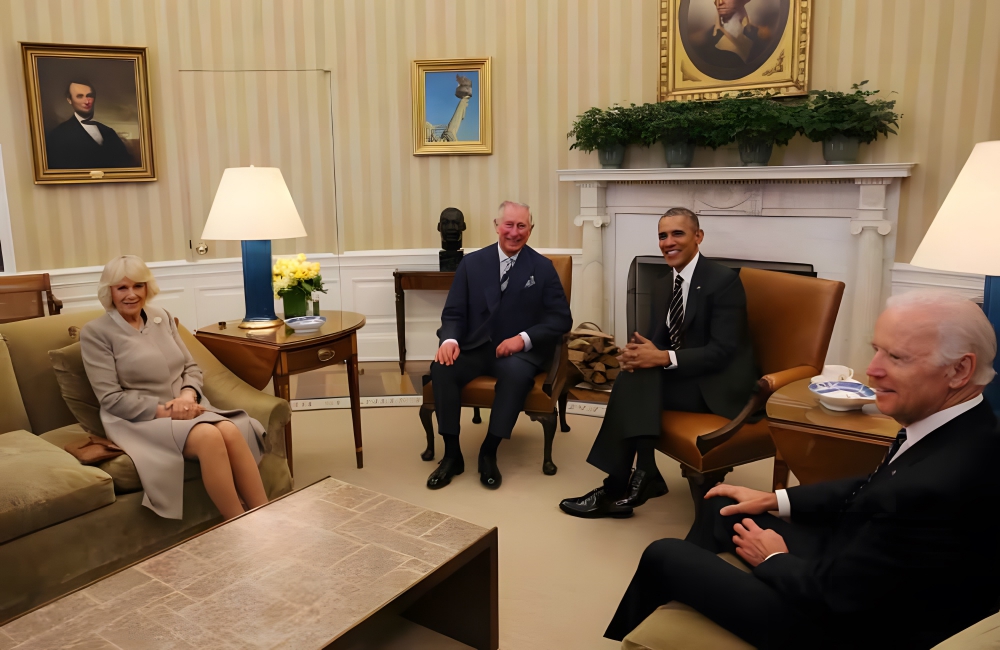
The world of diplomacy is a complex one, and the royal family acknowledges its significance. This recognition is evident in the requirement for family members to attend annual diplomacy training. This training covers a range of topics, including diplomatic protocols, cross-cultural understanding, and international relations.
©Chris Radburn-Pool/Getty Images
By engaging in this training, the royals become better equipped to navigate diplomatic engagements with finesse and cultural sensitivity. While the rule is pretty standard, there’s room for exceptions. For instance, if a family member possesses extensive diplomatic experience, they might receive an exemption based on their existing proficiency.