
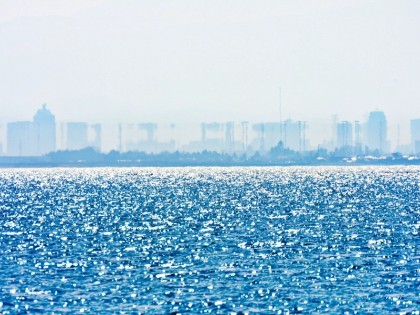
3. Historical Significance: Mirages in Culture and Exploration
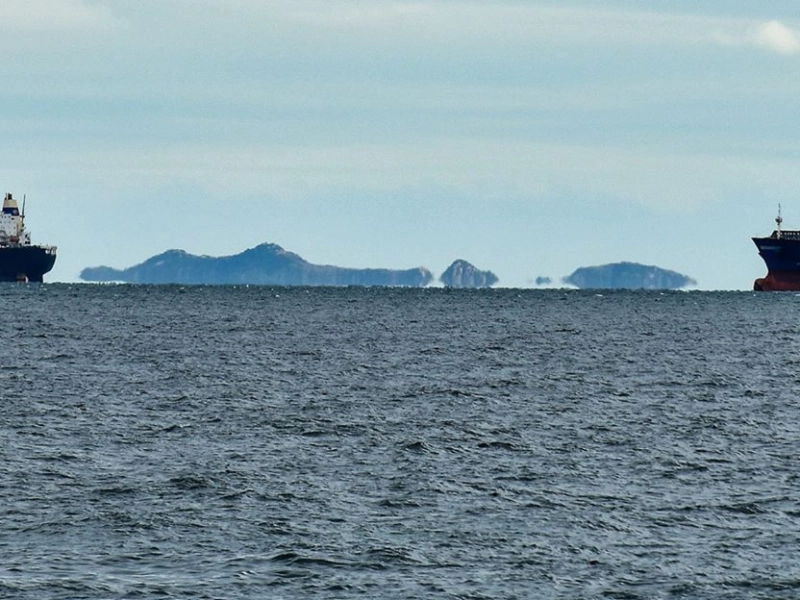
Mirages have been rather important in forming human civilisation, mythology, and exploration across history. Many myths derived from these ethereal events have shaped art, literature, even scientific endeavours. Mirages’ ability to fascinate and perplex the human mind is evidence of their force to shape human history.
Mirages were sometimes taken in ancient times as supernatural events or divine communications. To explain these enigmatic apparitions, several societies created stories and traditions. In Norse mythology, for example, the Fata Morgana mirage was connected to the Valkyries—supernatural feminine characters who decided who would die and live in battle. The castle-like glimmers in the heavens were supposed to represent peeks of Valhalla, the great hall of the dead.
Comparably, in Islamic tradition, mirages were part of religious stories. Using mirages as a metaphor for the ephemeral character of earthly wants, the Quran notes their false nature. This spiritual reading of mirages shows how philosophical and theological ideas incorporated these natural events.
Mirages have historically helped and deceived explorers and visitors as well. Many of the reports of phantom continents and islands made by seafarers during the Age of Discovery were probably superior mirages. While sometimes futile searches resulted from these sightings, other times they produced actual discoveries. Sightings of ship mirages are thought to have spawned the fabled “Flying Dutchman,” a ghost ship destined to sail the oceans indefinitely.
Regarding scientific enquiry, mirages have both hampered and advanced development. The distorted vistas produced by Arctic mirages sometimes deceived early polar explorers, resulting in erroneous maps and reports. But as knowledge of these events developed, scientists started to investigate atmospheric conditions and light behaviour using mirages.
Mirages have cultural influence in art and literature as well. Mirages have long been a metaphor for illusion, dishonesty, and the fleeting character of reality utilised by poets and writers. Particularly in the Romantic and Symbolist eras, the dreamlike and surreal character of mirages has motivated innumerable works in visual arts.
Mirror images still captivate the public’s imagination in modern times. Often representing the hazy line between truth and delusion, they are rather common in movies and books. A mirage has also become common language’s metaphor for something false or unachievable.
Investigating historical records of mirages has evolved into a subject of study unto itself, merging cultural history with meteorological science. Analysing how various civilisations and eras understood and documented mirage episodes helps scholars to better understand the phenomena as well as the cultural settings in which they were seen.
4. The Role of Atmospheric Conditions in Mirage Formation
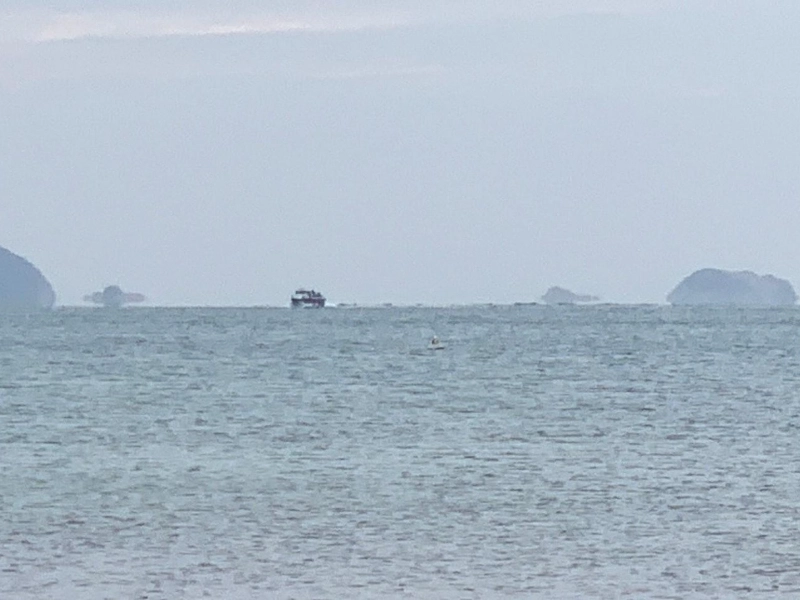
Mostly incorporating temperature gradients and air density fluctuations, the development of mirues is closely related to particular atmospheric circumstances. Not only does knowledge of these disorders help to understand mirages, but it also helps one to forecast their possible occurrence. The ideal setting for these optical illusions to show is produced by the interaction of temperature, air pressure, and humidity.
Among the most important elements influencing mirage development is temperature inversion. Under normal circumstances, air temperature falls as one climbs height. A temperature inversion, then, can arise in some circumstances when a layer of warm air sits atop a layer of cooler air. < Superior mirages—where items seem to be hovering above their true position—have their main origin in this inversion. Common over huge bodies of water, in polar regions, and in places with notable temperature swings between day and night are temperature inversions.
In inferior mirages, the reverse condition is required. A temperature gradient, or fast rise in temperature close to the earth, bends light beams upward. This is the reason inferior mirages are widespread on hot, dry locations like deserts or on heated road surfaces. The ideal conditions for light to bend and produce the illusion of water or other reflecting surfaces are created by the warm air near the ground being less dens than the colder air above.
Particularly in coastal regions, humidity also influences mirage creation. Complex refractive circumstances resulting from the combination of warm, dry air from land and cool, moist air from the sea can produce detailed mirages such as the Fata Morgana. The density and, hence, the refractive index of various strata of air change with their variable moisture content.
Another element influencing mirage development is atmospheric pressure. Variations in pressure can influence air density, which in turn influences atmospheric light travelability. This is especially important in explaining mirages in fast changing weather or at great altitudes.
The likelihood and kind of mirages seen can be much influenced by the time of day. Many mirages are more likely during sunrise or sunset when temperature gradients are most noticeable. The sun’s angle also determines how light passes through the atmosphere, so impacting the appearance and strength of mirages.
The proper conditions for mirages are created in great part by geographical factors. Large flat landscapes such as deserts, calm oceans, or frozen tundra offer perfect conditions for continuous formation of temperature gradients. Coastal cliffs or mountain ranges can produce localised air conditions fit for particular forms of mirage.
Knowing these atmospheric factors has uses outside only mirage explanation. Knowing temperature inversions and gradients helps meteorologists forecast air quality and weather. Pilots and sailors have to know how these factors could compromise navigation and sight. In telecommunications as well, maximising signal transmission and reception depends on knowing atmospheric refraction.
 zi ang