
The Earth harbors hidden geological marvels, and among the most enigmatic are blue holes. These enormous underwater sinkholes, often teeming with marine life, provide a glimpse into our planet’s history.A recent discovery in Mexico has redefined our understanding of these structures, with the identification of the deepest blue hole ever recorded: Taam Ja’.
What are blue holes and how are they formed?
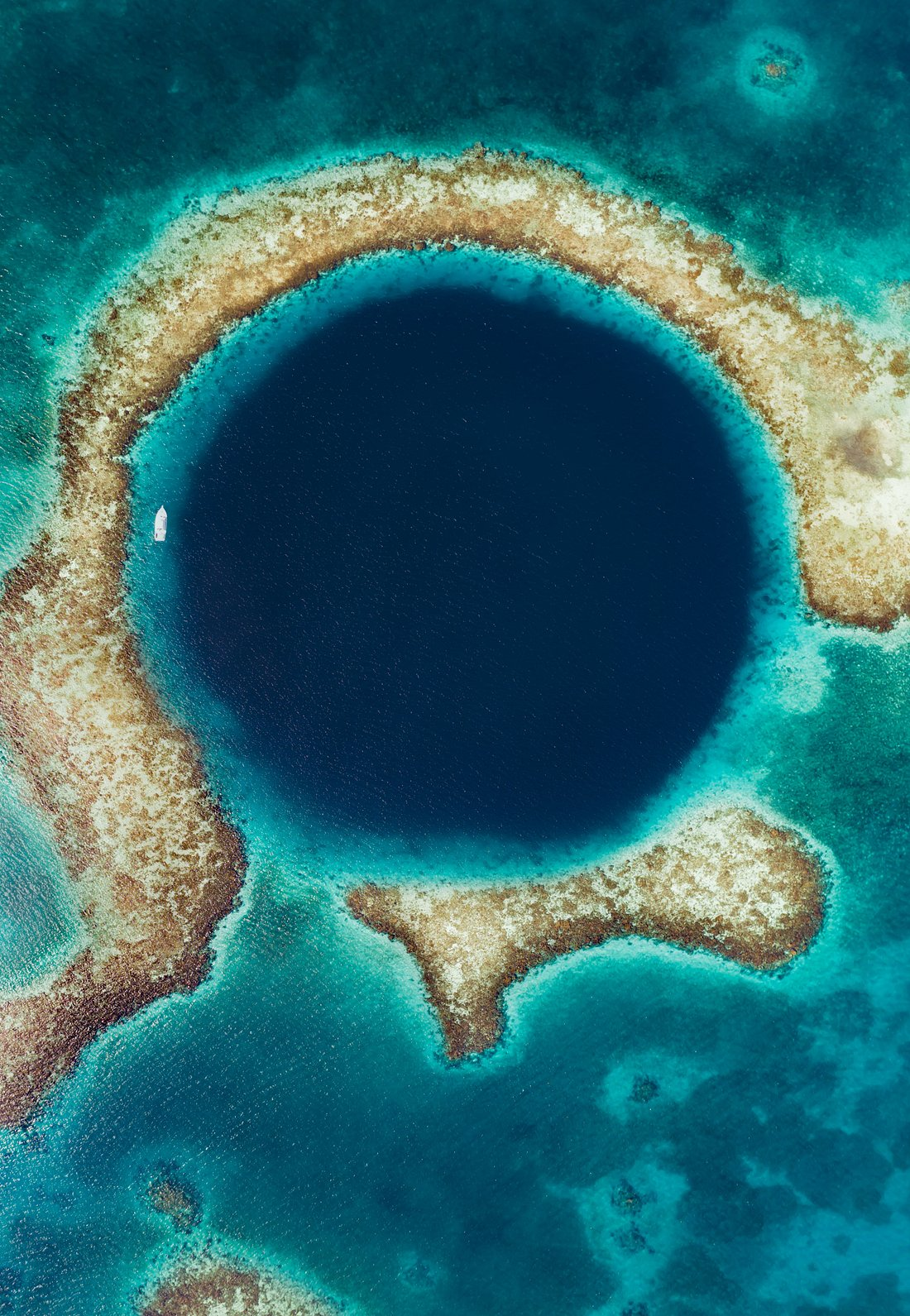
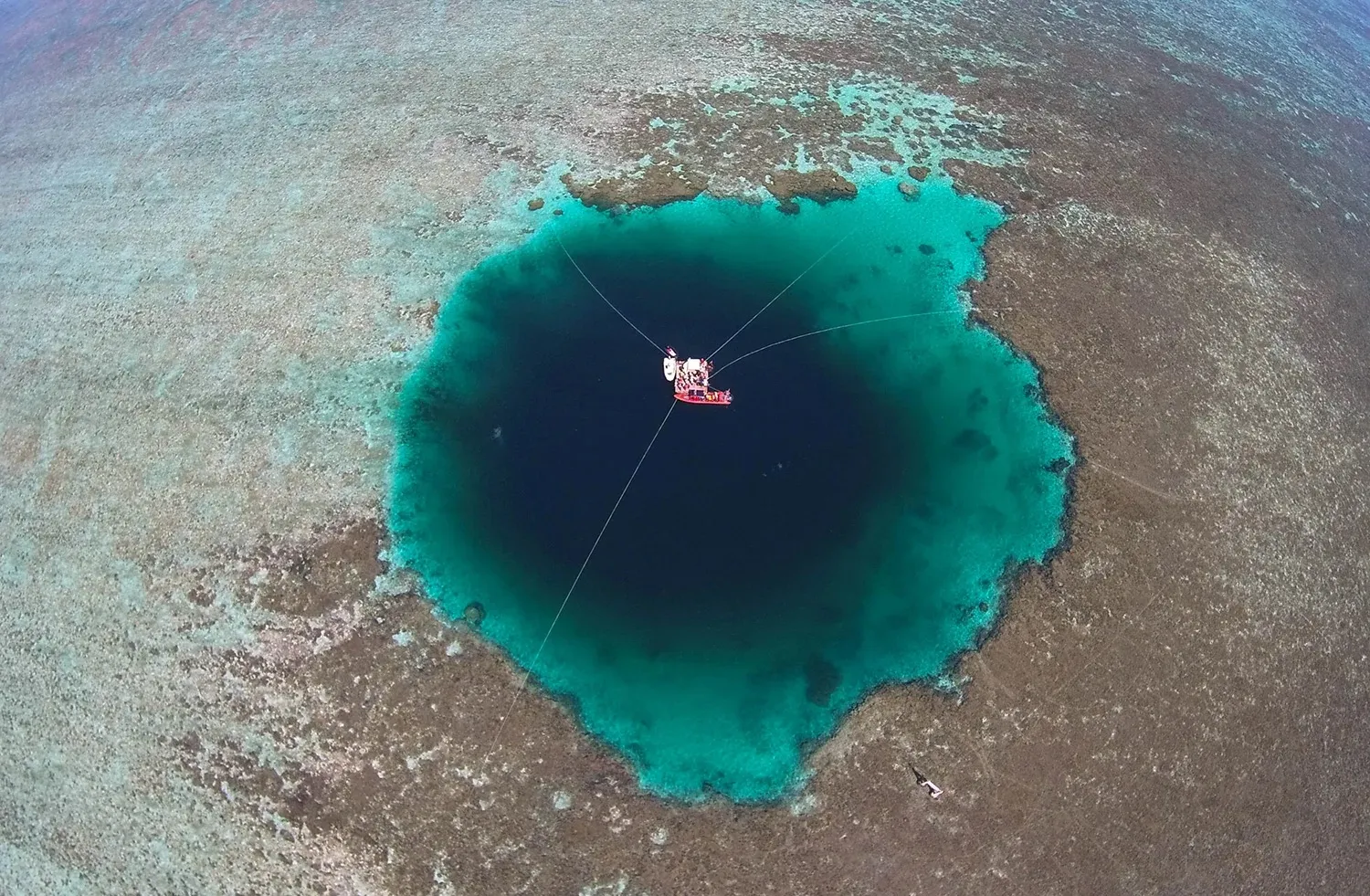
Blue holes are large marine caverns or sinkholes, typically formed in limestone or other carbonate rock beds. They stand out dramatically as dark blue water-filled pits, contrasting sharply with the lighter blue of surrounding shallow waters.
The formation of blue holes typically involves several natural processes:
- Dissolution of limestone: Initially, rainwater, which is slightly acidic, percolates through fractures in limestone or other soluble rock, gradually dissolving the rock and forming a void or cavern.
- Collapse of surface rock: Over time, as more rock dissolves, the ceiling of the cavern can no longer support its own weight. This can lead to a collapse, creating a sinkhole that opens directly to the surface.
- Sea level changes: During ice ages, when much of Earth’s water was locked up in glaciers, sea levels were much lower, and many of these caverns or sinkholes were dry or contained freshwater. As ice caps melted at the end of ice ages, sea levels rose, flooding these structures with marine water.
Blue holes are often deep and isolated from one another. Located in both inland and shallow coastal waters, they feature unique environmental conditions that can lead to high levels of biodiversity.
Earth’s deepest blue hole
Situated in the azure waters of Chetumal Bay, off the southeastern coast of Mexico’s Yucatán Peninsula, lies a natural wonder that has recently captured the attention of scientists and explorers worldwide. Taam Ja’, a name that resonates with the rich cultural heritage of the region, translating to “deep water” in the ancient Mayan language, has now claimed the prestigious title of the world’s deepest blue hole. This remarkable geological formation has surpassed the previous record holder, the Dragon Hole in China, setting a new benchmark for blue hole depths globally.
The discovery of Taam Ja’s true depth came as a result of recent exploratory measurements that have sent ripples of excitement through the scientific community. These latest investigations have confirmed that Taam Ja’ plunges to an astonishing depth of 1,380 feet (about 420 meters), a measurement that defies previous expectations and challenges our understanding of these unique marine formations. What makes this discovery even more intriguing is the possibility that Taam Ja’ could extend even deeper than currently verified. This tantalizing prospect suggests that beneath its dark, mysterious waters, this blue hole might harbor even more secrets waiting to be uncovered.
The significance of Taam Ja’s depth cannot be overstated. It not only represents a new record in terms of blue hole measurements but also opens up a wealth of possibilities for scientific research and exploration. Blue holes, with their unique geological characteristics and isolated ecosystems, serve as natural laboratories for studying marine biodiversity, climate history, and geological processes. The exceptional depth of Taam Ja’ means that it potentially encompasses a wider range of environmental conditions than previously studied blue holes, offering researchers an unprecedented opportunity to examine how marine life adapts to extreme depth and pressure.
Furthermore, the discovery of Taam Ja’ underscores the fact that our planet still holds many mysteries, even in areas we thought we understood well. The Yucatán Peninsula, known for its extensive network of underwater caves and cenotes, continues to surprise us with its geological wonders. This finding serves as a reminder of the importance of continued exploration and the need for advanced technologies to probe the depths of our oceans and inland waters.
The revelation of Taam Ja’s depth also highlights the critical need for conservation efforts in these unique marine environments. Blue holes, due to their isolated nature, often harbor endemic species and fragile ecosystems that are particularly vulnerable to environmental changes and human impact. As Taam Ja’ gains recognition for its record-breaking depth, it’s crucial that measures are put in place to protect it from potential overexploitation or damage from increased human activity.
The scientific community now faces the exciting challenge of fully understanding Taam Ja’s dimensions and the marine life it supports. This will require a multidisciplinary approach, combining expertise from fields such as marine biology, geology, hydrology, and oceanography. Advanced technologies, including remotely operated vehicles (ROVs) and sophisticated sonar systems, will likely play a crucial role in mapping the blue hole’s structure and studying its inhabitants without disturbing the delicate ecosystem.
As researchers delve deeper into the study of Taam Ja’, they may uncover clues about past climate conditions, as sediments at the bottom of blue holes can preserve records of environmental changes over thousands of years. Additionally, the unique chemical and physical properties of the water at different depths within Taam Ja’ could provide insights into microbial life forms that have adapted to extreme conditions, potentially even leading to discoveries relevant to the search for life on other planets.
The discovery of Taam Ja’ as the world’s deepest blue hole is not just a local or regional achievement; it’s a global milestone that reminds us of the vast, unexplored wonders that still exist on our planet. It challenges us to push the boundaries of our knowledge and technology, inspiring future generations of scientists, explorers, and conservationists to continue unraveling the mysteries of our blue planet.
Investigating the depths
The journey to accurately measure the depth of Taam Ja’ has been a testament to the advancement of marine exploration technologies and the persistence of scientific inquiry. Initially, researchers estimated the depth of this extraordinary blue hole to be approximately 900 feet (274 meters). This preliminary measurement was obtained using echo sounder mapping, a technique that has been a staple in oceanographic research for decades. Echo sounding works by emitting sound waves from a ship or boat on the surface and measuring the time it takes for these waves to bounce back after hitting the ocean floor. While this method provided a valuable initial estimate, it has limitations when dealing with extremely deep or complex underwater structures like blue holes.
The need for more precise measurements led researchers to employ more sophisticated technology in their recent investigations. Enter the CTD (conductivity, temperature, and depth) profiler, a state-of-the-art instrument that represents the gold standard in oceanographic measurements. The CTD profiler is a marvel of modern marine science, consisting of a suite of highly sensitive sensors attached to a sturdy frame. This advanced equipment is designed to withstand the immense pressures found at extreme depths while collecting data with remarkable accuracy.
The process of deploying a CTD profiler is a delicate operation that requires skill and precision. A specialized cable, strong enough to withstand the tension of deep-water deployment yet flexible enough to allow for precise maneuvering, is used to lower the instrument into the depths of the blue hole. As the CTD profiler descends, it continuously collects data on three crucial parameters: water conductivity, temperature, and pressure. These measurements are not arbitrary; they are carefully chosen for their ability to provide a comprehensive picture of the underwater environment.
Conductivity measurements offer insights into the salinity of the water, which can vary significantly at different depths within a blue hole. This information is crucial for understanding the stratification of water layers and the potential for unique microclimates within the hole. Temperature data not only helps in mapping thermal layers but also provides clues about water circulation patterns and the potential for thermoclines – sharp temperature gradients that can act as barriers for certain marine organisms.
Perhaps most critically for determining the depth of Taam Ja’, the CTD profiler measures pressure. As the instrument descends, the increasing water pressure is recorded with extreme precision. This pressure data can then be converted into depth measurements using well-established physical principles, providing a far more accurate assessment of the blue hole’s true dimensions than was possible with echo sounding alone.
The use of the CTD profiler in Taam Ja’ represents a significant leap forward in our ability to explore and understand these mysterious underwater formations. Unlike echo sounding, which relies on sound waves traveling through potentially complex layers of water, the CTD profiler provides direct, in-situ measurements. This means that researchers can obtain a highly detailed profile of the entire water column within the blue hole, from the surface all the way to its deepest point.
The data collected by the CTD profiler does more than just confirm the depth of Taam Ja’. It paints a comprehensive picture of the blue hole’s internal structure and environmental conditions. Researchers can use this information to identify distinct layers within the water column, each potentially hosting its own unique ecosystem. The precise measurements of conductivity, temperature, and depth also allow scientists to calculate other important parameters such as water density and sound velocity, which are crucial for understanding the physics of the blue hole and its interaction with the surrounding ocean.
Moreover, the deployment of such advanced technology in Taam Ja’ opens up new possibilities for future research. The success of the CTD profiler in this extreme environment paves the way for the use of other sophisticated instruments, such as water samplers, current meters, and even autonomous underwater vehicles. These tools could help researchers collect water samples from specific depths, measure water flow patterns within the blue hole, and create detailed 3D maps of its internal structure.
The investigation of Taam Ja’s depths using cutting-edge technology like the CTD profiler is not just about setting a new depth record. It represents a significant step forward in our ability to study and understand these unique geological formations. The precise data gathered from this exploration will inform future research efforts, conservation strategies, and our broader understanding of the complex underwater landscapes that exist beneath the surface of our oceans. As we continue to push the boundaries of marine exploration, the secrets hidden within Taam Ja’ and other blue holes around the world promise to reveal new insights into the history, ecology, and future of our planet’s water systems.
Importance of blue holes
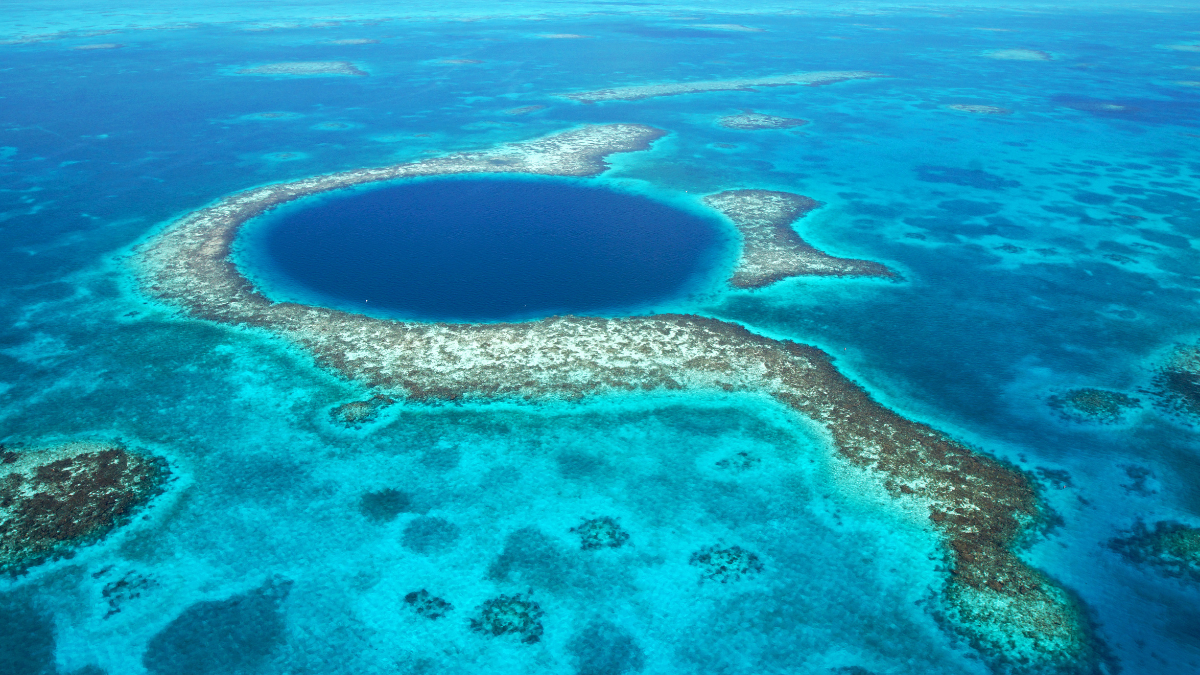
Blue holes represent some of the most fascinating and scientifically significant ecosystems on our planet. These unique geological formations, characterized by their circular shape and deep vertical shafts, are far more than mere holes in the ocean floor. They are complex, highly specialized environments that support a wide array of marine life and offer invaluable insights into Earth’s geological and climatic history. The importance of blue holes extends across multiple scientific disciplines, including marine biology, geology, climatology, and even astrobiology.
From a biological perspective, blue holes serve as havens for an incredible diversity of marine organisms. The range of species found in these environments is truly remarkable, spanning from microscopic bacteria to large predators. At the foundation of these ecosystems are various species of corals and sponges that have adapted to the unique light and nutrient conditions found within blue holes. These organisms play a crucial role in shaping the physical structure of the hole and providing habitats for other species.
As one descends into a blue hole, the biodiversity shifts dramatically. The upper layers often teem with colorful reef fish, while deeper zones may host more specialized and elusive creatures. Mollusks, such as octopuses and rare species of snails, find niches within the crevices and caves that often punctuate the walls of blue holes. Sea turtles frequently visit these sites, using them as refuges and feeding grounds. Perhaps most intriguingly, several species of sharks have been observed in blue holes, including nurse sharks and, in some cases, the elusive sixgill shark, a deep-water species rarely seen by humans.
The unique environmental conditions within blue holes have led to the evolution of highly specialized organisms. Many of these species are endemic, meaning they are found nowhere else on Earth. This high degree of endemism makes blue holes incredibly valuable from a conservation perspective, as the loss of even a single blue hole could potentially lead to the extinction of multiple species.
However, the very characteristics that make blue holes so ecologically rich also present significant challenges for researchers attempting to study them. The extreme depths, often coupled with narrow entrances, make traditional research methods difficult or impossible to employ. Standard scuba diving techniques are inadequate for reaching the lower depths of many blue holes, necessitating the use of specialized equipment and highly trained technical divers. Even with advanced technology, the risks associated with deep diving in these environments are considerable, limiting the amount of time researchers can spend conducting direct observations.
These access challenges have resulted in significant gaps in our understanding of blue hole ecosystems. While we have a general grasp of the types of organisms that inhabit these environments, detailed studies of population dynamics, behavioral patterns, and ecological interactions are still in their infancy. The difficulty in accessing these environments also means that long-term monitoring studies, crucial for understanding how these ecosystems change over time and respond to environmental pressures, are rare.
Despite these challenges, the scientific value of blue holes cannot be overstated. They serve as natural laboratories for studying adaptation to extreme environments. The gradients of light, oxygen, and salinity found in blue holes create a series of distinct microclimates within a relatively small area. This allows researchers to observe how different species adapt to varying conditions and how these adaptations might change as environmental factors shift.
Furthermore, blue holes are invaluable archives of Earth’s climatic and geological history. The isolated nature of these formations means that sediments can accumulate at their bottom undisturbed for thousands of years. These sediment layers contain a wealth of information about past climate conditions, sea-level changes, and even human activity in the surrounding areas. By analyzing core samples taken from the bottom of blue holes, scientists can reconstruct environmental conditions dating back tens of thousands of years, providing crucial data for understanding long-term climate patterns and predicting future changes.
The discovery of Taam Ja’ and its record-breaking depth underscores the vast potential for new discoveries in these environments. As the deepest known blue hole, Taam Ja’ potentially encompasses a greater range of environmental conditions than any previously studied site. This presents an unprecedented opportunity to expand our understanding of how life adapts to extreme pressure and low-light conditions. It may also harbor unique microbial communities that could provide insights into the limits of life on Earth and inform the search for life on other planets.
The significance of blue holes extends beyond their scientific value. They also play important roles in local ecosystems and economies. Many blue holes are connected to larger cave systems or underground rivers, serving as conduits for nutrient transport and playing crucial roles in regional hydrology. From an economic perspective, blue holes, with their clear waters and abundant marine life, are often major attractions for tourism and recreational diving.
As we continue to uncover the secrets of blue holes like Taam Ja’, it becomes increasingly clear that these formations are not just geological curiosities but vital components of our planet’s marine ecosystems. Their study offers opportunities to advance our understanding of biodiversity, climate change, and the very limits of life on Earth. However, with this knowledge comes the responsibility to protect these fragile environments. As human activities increasingly impact marine ecosystems worldwide, the conservation of blue holes and their unique inhabitants becomes ever more critical.
The exploration of Taam Ja’ and other blue holes around the world represents a frontier in marine science. It challenges us to develop new technologies, refine our research methodologies, and push the boundaries of our understanding of life in extreme environments. As we delve deeper into these mysterious underwater realms, we are likely to uncover new species, witness unexpected ecological interactions, and gain insights that could reshape our understanding of Earth’s history and the potential for life in the universe. The importance of blue holes in scientific research, conservation, and our broader understanding of the natural world cannot be overstated, making continued exploration and study of these remarkable formations a priority for the scientific community and beyond.
Dragon hole (China)
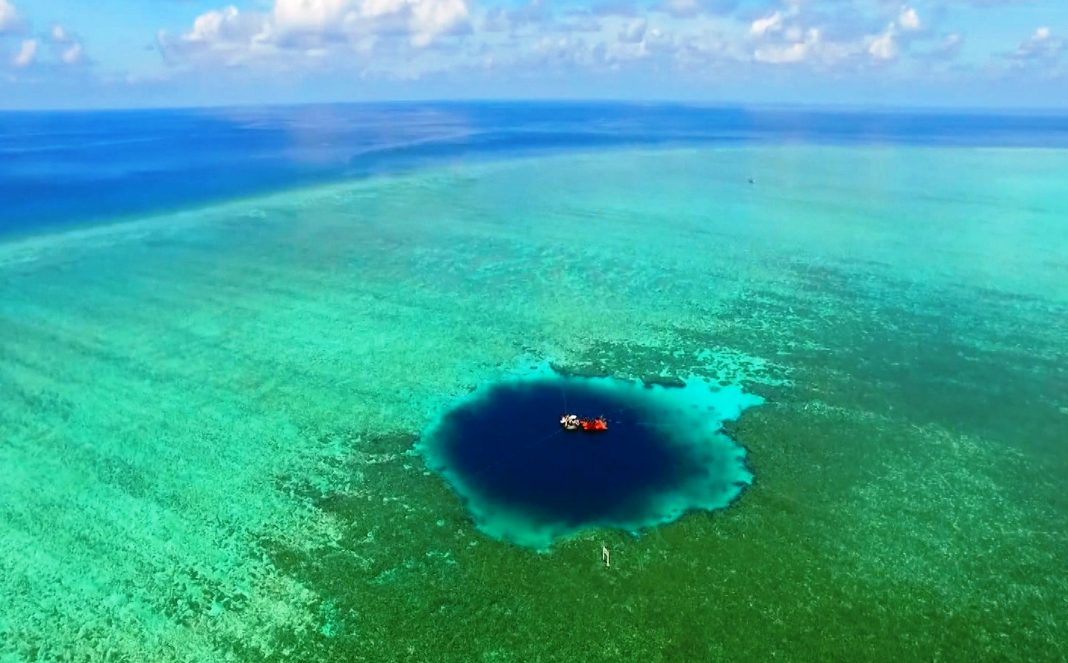
The Dragon Hole in China, known locally as Longdong, once held the prestigious title of the world’s deepest blue hole, plunging to an astonishing depth of 987 feet (300 meters). This natural wonder, located in the South China Sea near the Paracel Islands, has captivated the imagination of scientists, explorers, and diving enthusiasts since its discovery. The sheer magnitude of its depth set a new standard for blue hole measurements worldwide, challenging our understanding of these unique geological formations and the processes that create them.
Blue holes, essentially giant marine sinkholes, are formed over thousands of years through complex geological processes. During past ice ages, when sea levels were much lower, these areas were above water. Rainwater, slightly acidic due to its interaction with carbon dioxide in the atmosphere, gradually eroded the limestone, creating caverns. As sea levels rose, these caverns were flooded, forming the blue holes we see today. The Dragon Hole’s exceptional depth suggests a particularly long and intense period of formation, possibly influenced by unique local geological conditions.
The discovery and subsequent exploration of the Dragon Hole have provided scientists with invaluable opportunities to study marine ecosystems, geological processes, and climate history. The hole’s great depth creates distinct layers of water with varying levels of salinity, temperature, and oxygen content. These layers can support different types of marine life, potentially harboring species that have adapted to the unique conditions at various depths. Moreover, sediment samples from the bottom of the hole can offer insights into past climate conditions, serving as a natural archive of environmental changes over thousands of years.
Despite its depth, the Dragon Hole remains shrouded in mystery. The extreme pressure and darkness at its deepest points make thorough exploration challenging, even with advanced diving technology. This has led to speculation about what might exist in its furthest reaches – could there be undiscovered species adapted to this extreme environment? Are there underwater cave systems branching off from the main shaft? These questions continue to intrigue researchers and fuel ongoing scientific expeditions.
The Dragon Hole’s significance extends beyond its scientific value. It has become a point of national pride for China and a symbol of the country’s rich natural heritage. The Chinese government has taken steps to protect this unique formation, designating it as a marine protected area. This status not only safeguards the hole itself but also the surrounding marine ecosystem, recognizing the interconnectedness of these natural systems. The protection efforts aim to balance scientific research, potential tourism development, and conservation, ensuring that this natural wonder remains intact for future generations to study and admire.
As technology advances, our ability to explore and understand the Dragon Hole continues to improve. Remote-operated vehicles (ROVs) equipped with high-resolution cameras and sophisticated sensors are allowing scientists to map the hole’s interior in unprecedented detail. These explorations not only provide new data about the hole’s structure and inhabitants but also inspire further questions about the formation and ecological significance of blue holes worldwide. The Dragon Hole serves as a testament to the wonders that still exist in our oceans, reminding us of the vast mysteries that remain to be uncovered beneath the waves.
Great blue hole (Belize)
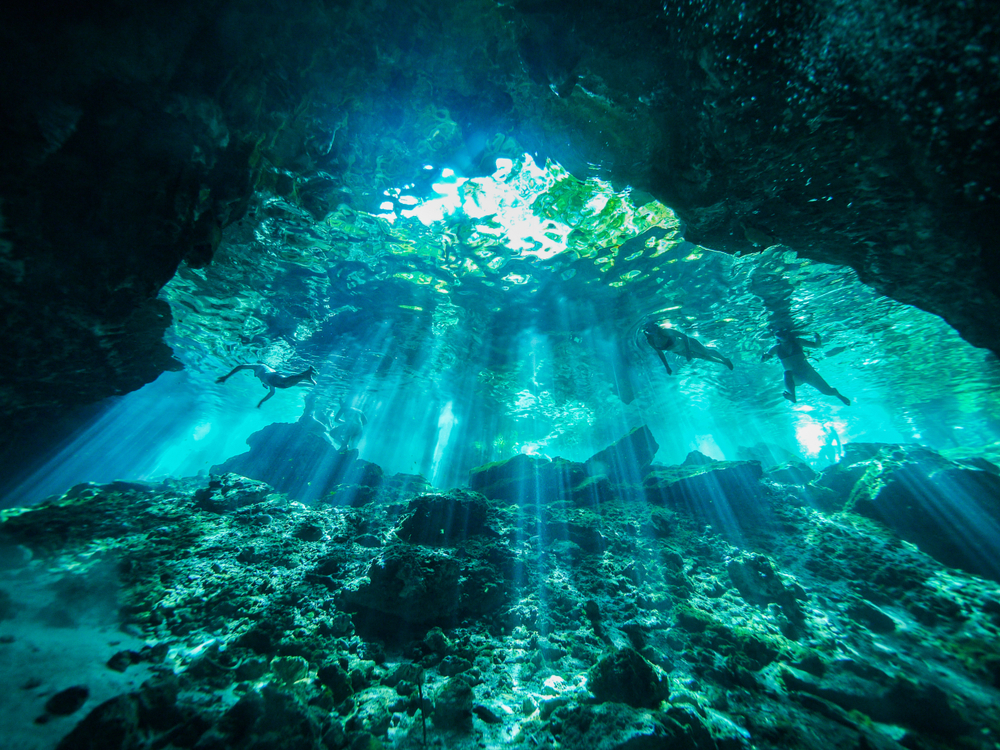
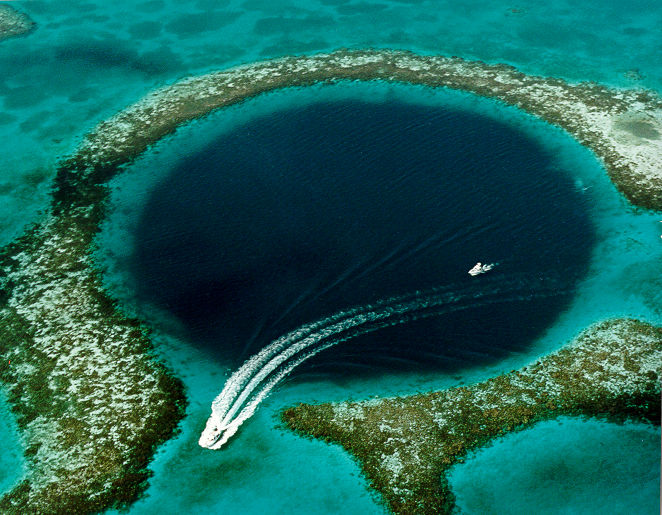
The Great Blue Hole in Belize stands as one of the most iconic and visually striking natural wonders in the world. This marine sinkhole, plunging to a depth of 407 feet (about 124 meters), has captured the imagination of divers, scientists, and nature enthusiasts for decades. Its fame was significantly boosted by the explorations and promotions of the legendary oceanographer Jacques Cousteau, who declared it one of the top five scuba diving sites in the world. Cousteau’s expedition in 1971, aboard his ship Calypso, brought international attention to this natural phenomenon and helped establish its reputation as a must-visit destination for divers from around the globe.
Located off the coast of Belize, about 43 miles (70 kilometers) from Belize City, the Great Blue Hole is part of the larger Belize Barrier Reef Reserve System, a UNESCO World Heritage site. Its perfectly circular shape, visible from space, is a result of its geological history. Like other blue holes, it was formed during past ice ages when sea levels were much lower. Over time, rainwater eroded the limestone, creating a massive cave system. As sea levels rose at the end of the last ice age, the caves were flooded, and their roofs eventually collapsed, forming the distinctive circular shape we see today.
The Great Blue Hole’s unique structure creates a fascinating diving experience. As divers descend, they pass through distinct layers of water, each with its own characteristics. The upper layers are rich in marine life, with colorful fish and coral formations. However, as divers go deeper, the environment changes dramatically. Around 40 meters deep, the water becomes much clearer but also darker, and the diversity of life decreases. At greater depths, divers can observe remarkable geological features, including massive stalactites and stalagmites, some reaching lengths of up to 40 feet (12 meters). These formations provide tangible evidence of the hole’s history as a dry cave system, offering a glimpse into a time when sea levels were much lower than they are today.
The ecological significance of the Great Blue Hole extends beyond its geological features. It serves as a critical habitat for a diverse array of marine species, including several types of sharks, such as nurse sharks and Caribbean reef sharks. The hole and its surrounding areas are also home to various species of fish, including midnight parrotfish and Caribbean blacktip sharks. The rich biodiversity of the region makes it not only a prime diving location but also an important site for marine conservation and research.
In recent years, the Great Blue Hole has become the focus of intensive scientific study. In 2018, a major expedition involving teams from the Discovery Channel and submarines from Aquatica Submarines conducted an extensive exploration of the hole. This mission used advanced sonar technology to create the first 3D map of the entire structure, revealing new details about its formation and current state. The expedition also collected water samples at various depths to study the hole’s chemical composition and microbial life, providing new insights into the unique ecosystem that exists within this natural wonder.
While the Great Blue Hole continues to attract divers and researchers from around the world, its popularity also raises concerns about environmental impact and conservation. The Belizean government, in cooperation with various environmental organizations, has implemented measures to protect this unique ecosystem. These efforts include regulating the number of divers allowed to visit the site, establishing guidelines for responsible diving practices, and monitoring the overall health of the marine environment. These conservation efforts are crucial in ensuring that the Great Blue Hole remains a vibrant and healthy ecosystem for future generations to explore and study.
Dean’s blue hole (Bahamas)
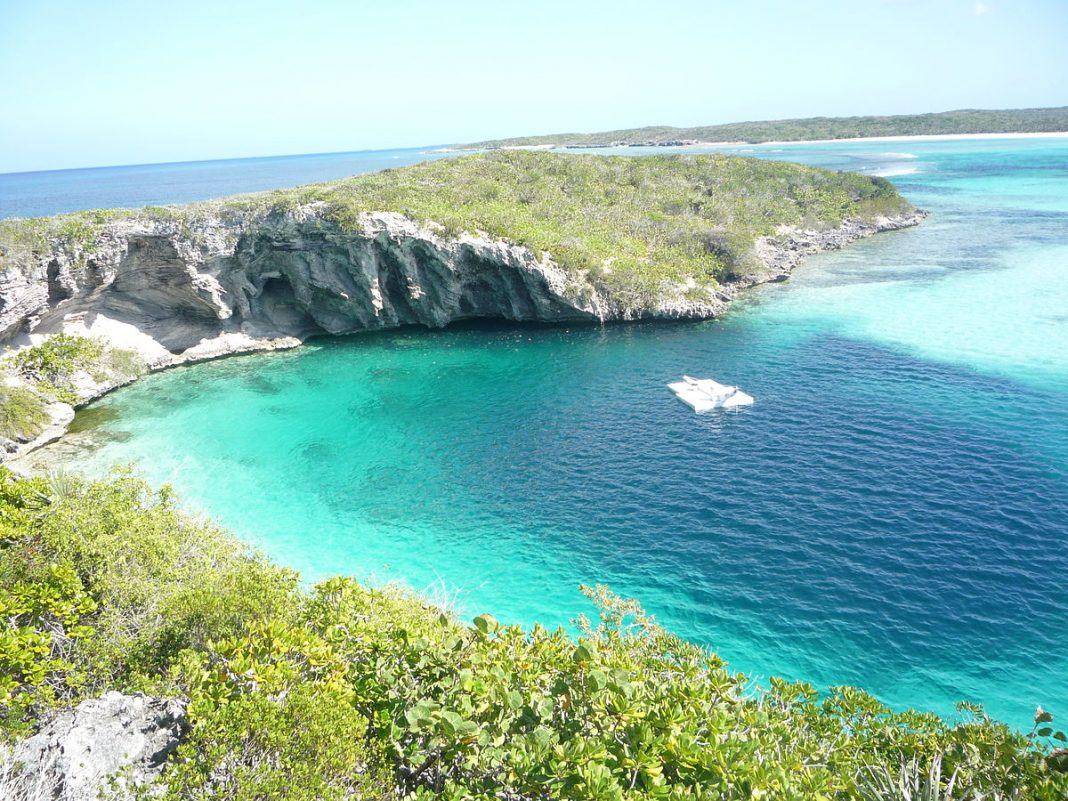
Dean’s Blue Hole, located in a bay west of Clarence Town on Long Island, Bahamas, is a natural wonder that has gained worldwide recognition, particularly in the realm of freediving. With its impressive depth of approximately 662 feet (about 202 meters), it holds a special place in the diving community as one of the most challenging and alluring blue holes on the planet. The hole’s unique characteristics, including its depth, clarity of water, and relative protection from strong currents, have made it an ideal location for freediving competitions and training, cementing its status as a mecca for freedivers from around the globe.
The geological formation of Dean’s Blue Hole is a testament to the complex processes that shape our planet. Like other blue holes, it was formed during past ice ages when sea levels were significantly lower. Over thousands of years, rainwater slowly eroded the limestone bedrock, creating an extensive cave system. As sea levels rose following the last ice age, the cave was flooded, and its roof eventually collapsed, resulting in the circular blue hole we see today. The hole’s distinctive shape, with its narrow entrance widening into a vast underwater cavern, creates a unique diving environment that has fascinated scientists and explorers for decades.
What sets Dean’s Blue Hole apart from many other diving sites is its pivotal role in the sport of freediving. Freediving, the practice of diving underwater on a single breath without the use of scuba gear, pushes the limits of human physiology and mental discipline. Dean’s Blue Hole has become the premier location for freediving competitions, hosting numerous world record attempts and international events. The annual Vertical Blue competition, often referred to as the “Wimbledon of Freediving,” attracts the world’s top freedivers who compete in various disciplines, including constant weight, free immersion, and no limits freediving. These events not only showcase the incredible abilities of human athletes but also contribute to our understanding of human physiology under extreme conditions.
The ecological significance of Dean’s Blue Hole extends beyond its role in freediving. The hole and its surrounding areas support a diverse ecosystem, home to a variety of marine life. The upper levels of the hole are rich in fish species, including snappers, groupers, and colorful tropical fish. As divers descend deeper, they may encounter more elusive creatures adapted to the darker, cooler waters. The hole’s walls are adorned with intricate coral formations and sponges, creating a vibrant underwater landscape. This rich biodiversity makes Dean’s Blue Hole not only a sporting venue but also an important site for marine research and conservation efforts.
In recent years, scientists have taken a keen interest in studying the unique environment of Dean’s Blue Hole. Research expeditions have used advanced technology, including remotely operated vehicles (ROVs) and specialized diving equipment, to explore the hole’s depths. These studies have provided valuable insights into the geological history of the region, the chemical composition of the water at various depths, and the adaptations of marine life to this extreme environment. The data collected from these expeditions contribute to our broader understanding of marine ecosystems and the impacts of climate change on these delicate environments.
The popularity of Dean’s Blue Hole as a freediving and tourist destination has also raised important questions about environmental conservation. The Bahamian government, in collaboration with local communities and international organizations, has implemented measures to protect this natural wonder. These efforts include regulating access to the site, promoting responsible diving practices, and monitoring the health of the marine ecosystem. Balancing the economic benefits of tourism with the need for environmental preservation remains an ongoing challenge, highlighting the complex interplay between human activities and natural habitats.
As technology advances, our ability to explore and understand Dean’s Blue Hole continues to grow. New diving techniques and equipment allow for safer and more extensive exploration of its depths. Meanwhile, ongoing scientific research provides fresh insights into the geological, biological, and ecological aspects of this remarkable formation. Dean’s Blue Hole stands as a testament to the wonders of the natural world, a challenge to human athletic achievement, and a reminder of the importance of preserving our planet’s unique ecosystems for future generations.
Dahab blue hole (Egypt)
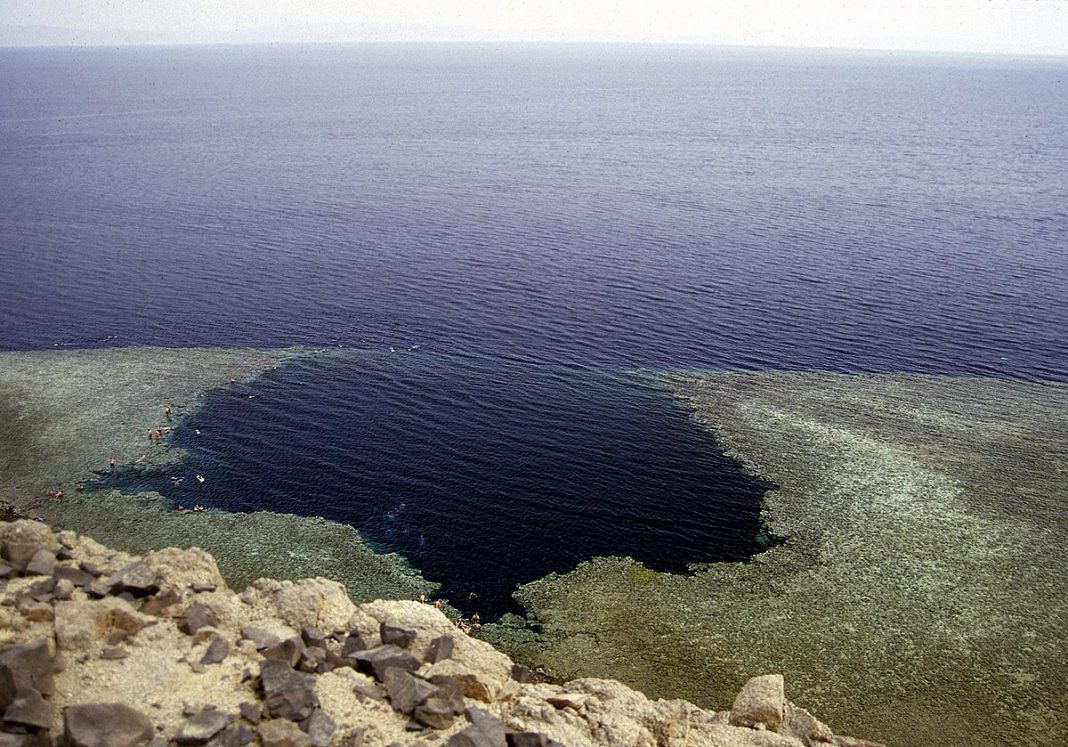
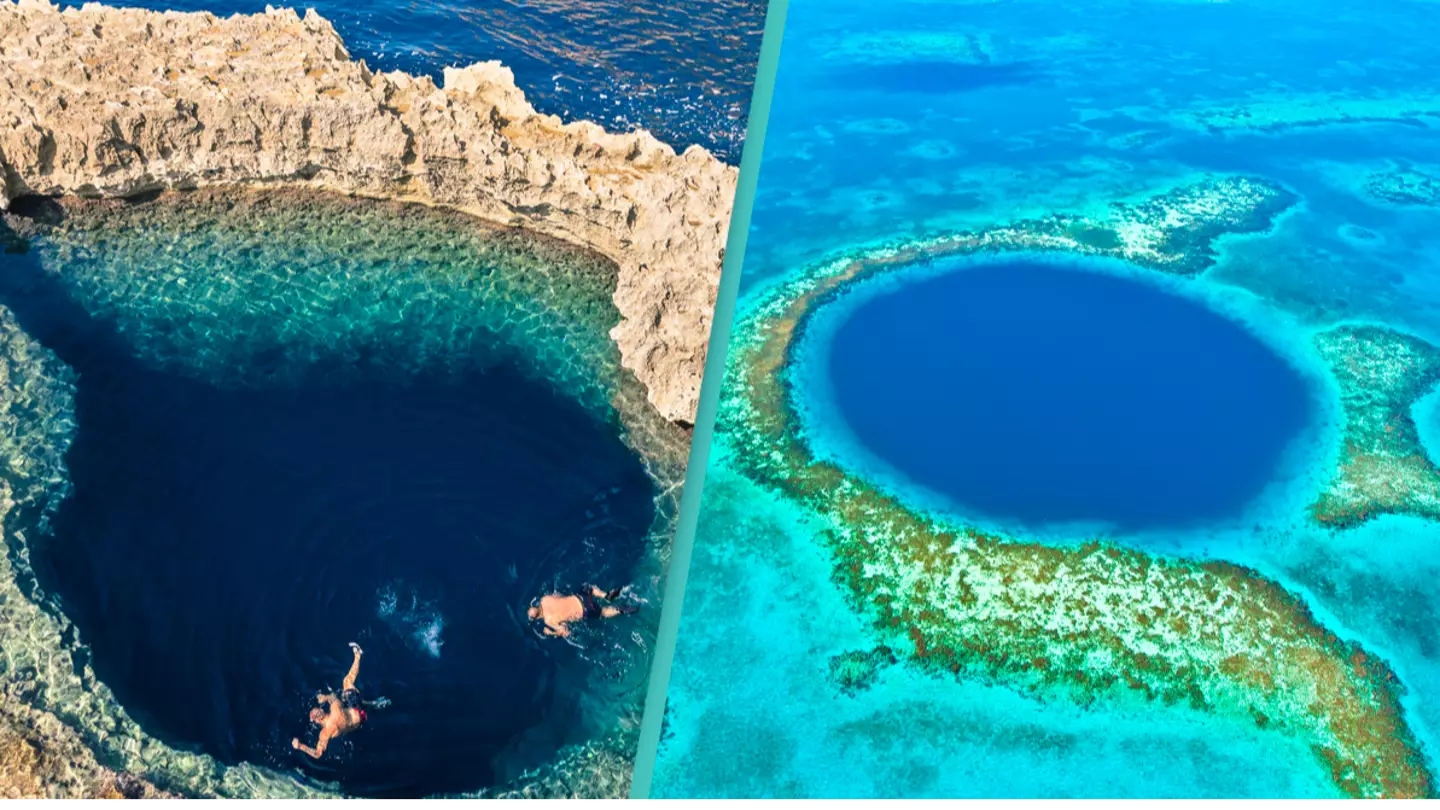
The Dahab Blue Hole, located on the coast of the Red Sea in Egypt, is a renowned underwater sinkhole that extends to an impressive depth of 426 feet (130 meters). This natural wonder has long been a magnet for divers from around the world, drawn by its challenging depths, crystal-clear waters, and the vibrant marine ecosystem that thrives in and around it. Situated about 10 kilometers north of the town of Dahab on the Sinai Peninsula, the Blue Hole is easily accessible yet offers an otherworldly diving experience that has captivated both recreational divers and marine researchers for decades.
The formation of the Dahab Blue Hole, like other blue holes, is the result of complex geological processes that occurred over thousands of years. During past ice ages, when sea levels were much lower, the area that is now the Blue Hole was above water. Rainwater, slightly acidic from its interaction with atmospheric carbon dioxide, gradually eroded the limestone landscape, creating an extensive cave system. As sea levels rose following the last ice age, these caves were flooded, and their roofs eventually collapsed, forming the distinctive circular shape of the Blue Hole we see today. This geological history is evident in the hole’s structure, which features a shallow opening leading to a vast, deep shaft.
One of the most striking features of the Dahab Blue Hole is the vibrant coral reefs that encircle it. These reefs are renowned for their diversity and beauty, hosting a wide array of marine life that has adapted to the unique conditions of the hole and its surrounding areas. The upper levels of the Blue Hole are teeming with colorful fish species, including parrotfish, angelfish, and butterflyfish. Divers may also encounter larger marine animals such as sea turtles, moray eels, and occasionally even dolphins in the nearby waters. The walls of the hole itself are adorned with soft corals, sponges, and other invertebrates, creating a living tapestry that changes with depth and light conditions.
The Dahab Blue Hole’s unique structure creates distinct diving zones, each offering its own challenges and rewards. The shallow lagoon area provides an ideal environment for novice divers and snorkelers to observe the vibrant marine life. As divers descend, they encounter the “arch,” a tunnel at about 52 meters depth that connects the Blue Hole to the open sea. This arch, while a spectacular sight, is also notorious for being dangerous to inexperienced divers who might attempt to swim through it without proper training and equipment. Beyond the arch, the hole plunges into the abyss, where only technical divers with specialized gear can safely explore.
The ecological significance of the Dahab Blue Hole extends far beyond its appeal to divers. It serves as an important site for marine research, offering scientists a unique opportunity to study the adaptations of marine life to extreme depth conditions. The hole’s structure creates distinct microclimates at various depths, each supporting different communities of organisms. Researchers have been particularly interested in studying the deep-water corals and other organisms that have adapted to live in the low-light, high-pressure environment of the hole’s depths. These studies contribute to our understanding of marine biodiversity and the potential impacts of climate change on these delicate ecosystems.
In recent years, the Dahab Blue Hole has become an increasingly important focus for conservation efforts. The growing popularity of the site among divers has raised concerns about the potential impact on the fragile marine environment. Local authorities and environmental organizations have implemented measures to protect the Blue Hole and its surrounding ecosystem. These efforts include regulating the number of divers allowed to visit the site, establishing guidelines for responsible diving practices, and conducting regular monitoring of the reef health. Additionally, there have been initiatives to educate visitors about the importance of marine conservation and the unique ecological value of the Blue Hole.
The Dahab Blue Hole also plays a significant role in the local economy, serving as a major draw for eco-tourism in the region. The town of Dahab, once a small Bedouin fishing village, has transformed into a popular destination for divers and tourists from around the world. This economic boost has brought both opportunities and challenges, as the community works to balance the benefits of tourism with the need to preserve the natural environment that attracts visitors in the first place.
As technology advances, our ability to explore and understand the Dahab Blue Hole continues to grow. Remote-operated vehicles (ROVs) and advanced diving equipment have allowed researchers to map the hole’s structure in unprecedented detail and study the marine life at greater depths. These explorations not only provide new scientific insights but also help in developing better conservation strategies to protect this unique ecosystem.
The Dahab Blue Hole stands as a testament to the wonders of the natural world, a challenge for divers, a living laboratory for marine scientists, and a reminder of the delicate balance between human activity and environmental preservation. Its continued study and conservation are crucial not only for maintaining its status as a world-class diving destination but also for preserving a unique window into the complex and fascinating world of marine ecosystems.