
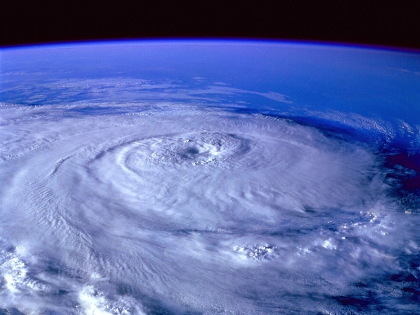
4. Mesocyclones and Severe Weather Phenomena
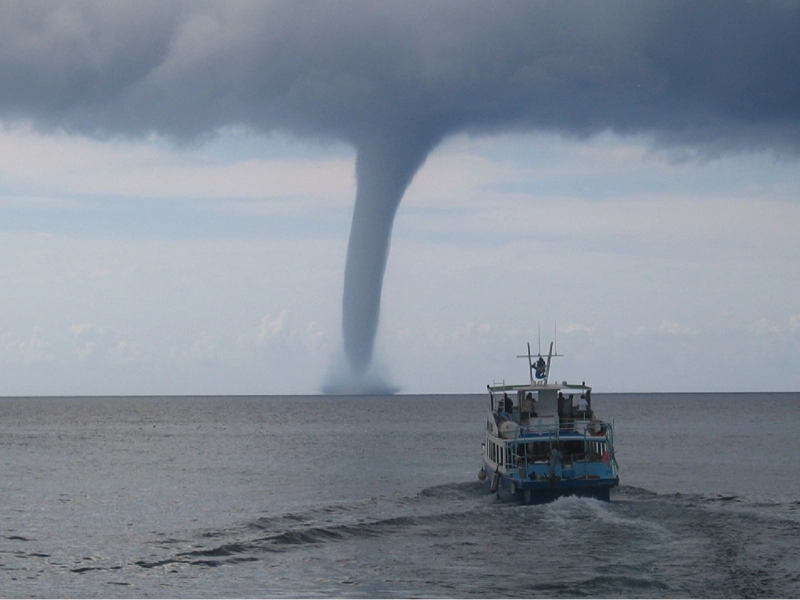
Mesocyclones are a major concern for meteorologists and emergency management experts since they are closely related with many kinds of severe weather events. Although not all mesocyclones generate severe storms, their existence greatly raises the possibility of disastrous circumstances arising. Improving public safety and severe storm prediction depends on an awareness of this link.
The tornado is maybe the most well-known and hated meteorological occurrence connected with mesocyclones. Although not all mesocyclones create tornadoes and not all tornadoes originate from mesocyclones, the two are rather strongly correlated. If additional elements line up, a mesocyclone’s revolving updraft offers the circumstances required for tornado development. When a tornado does strike a mesocyclone, it usually is more strong and long-lived than those generated by other means.
Tornado development inside a mesocyclone is a complicated and poorly known process. It is thought that a key function is played by the interaction of the rear-flank downdraft and the mesocyclone’s spinning updraft. The downdraft can tighten the rotation and stretch it to the ground as it wraps around the updraft, hence maybe generating a tornado. From tiny, brief vortices to strong, long-track tornadoes capable of causing catastrophic destruction, the strength of the tornado can range widely.
Apart from tornadoes, mesocyclones are connected to a spectrum of other extreme weather conditions. In storms bearing mesocycles, large hail is not unusual. Strong updrafts in severe storms can hold hailstones for long stretches of time, allowing them to develop to somewhat large proportions before descending to the earth. With their several-inch sizes, hailstones linked to mesocyclones seriously endanger property and safety.
Another danger sometimes connected with mesocyclones is damaging straight-line winds. Strong downdrafts and outflow from the storm are just two of the various ways these winds could arise. Sometimes a phenomena called a rear-inflow jet develops, sending strong winds from high down to the surface. Over wide areas, these winds can inflict significant damage and have speeds almost matching those of small tornadoes.
Common with mesocyclone-bearing storms are also heavy rain and flash flooding. These storms’ strong updrafts can enable very high precipitation rates, which accelerates rainfall accumulation. In metropolitan areas or places with inadequate drainage, where flash flooding can strike rapidly and with little notice, this is especially hazardous.
Mesocyclones have occasionally been found to help create other odd weather events. Certain mesocyclones, for instance, have been seen to generate many vortices—either as a complex of several mesocyclones inside a greater storm system or as satellite tornadoes. Particularly hazardous and erratic weather can result from these multi-vortex configurations.
The link between mesocyclones and strong storms emphasises the need of better warning systems and detection. More accurate and timely severe weather warnings are made possible by substantially enhanced mesocyclone identification and tracking capability provided by Doppler radar technology. Still, both forecasters and researchers find difficulties given the complicated and fast changing character of these storms.
 zi ang