
7. Perun: The Slavic God of Thunder
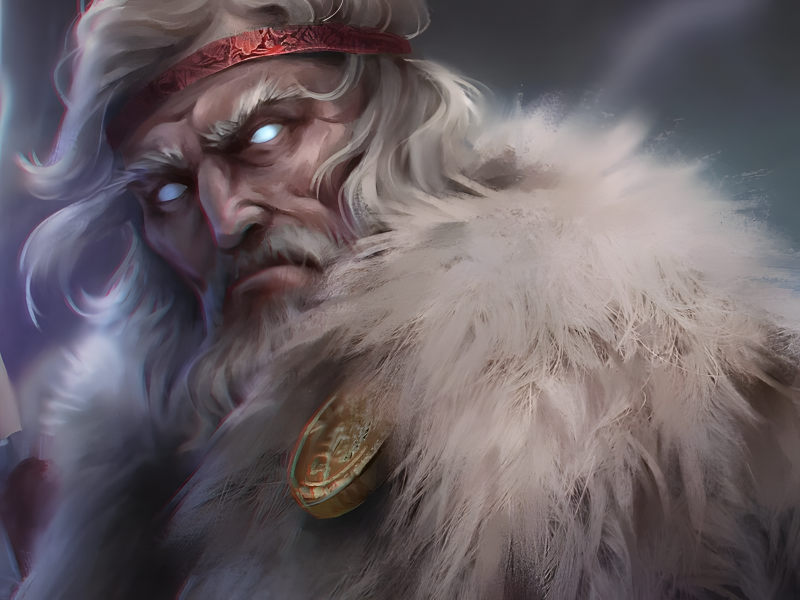
Within Slavic mythology, Perun is the god of thunder, lightning, storms, rain, law, war, fertility, and purity. Often portrayed as a tough guy with a copper beard, Perun was supposed to be in charge of the planet from top branch of the World Tree. Though he was also known to use a hammer and arrows, all of which signify lightning, his preferred weapon was the axe. Slavic legend holds that Perun’s lightning bolts were employed to fight evil spirits and his constant adversary, Veles, the god of the underworld.Perun revered the oak tree; it was thought that wherever lightning struck an oak, it signalled a place of enormous strength. Believing Perun’s protection, Slavic people would frequently flee storms under oak trees. This story illustrates the respect of Slavic people for nature and their conception of cosmic equilibrium as well as clarifies natural events. Well into the Christian age, Perun’s adoration persisted; many of his qualities were passed on to St. Elias in folk Christianity.
8. Leigong: The Chinese Thunder God
Leigong, the deity of thunder, is first brought to us via Chinese mythology. Usually presented as a terrifying monster with bird head, claws, and wings, Leigong is in charge of bringing thunder and lightning to punish evildoers. Usually he goes with his wife, Dianmu, the goddess of lightning. Legend goes that Leigong creates thunder with a drum and mallet, and Dianmu generates lightning flashes with mirrors. Chinese mythology relates of Leigong’s particular dislike of cheats and liars, whom he would destroy with his lightning bolts. Since Leigong was supposed not to strike mulberry trees, this idea led to the prevalent habit of finding cover under them during thunderstorms. Leigong’s narrative captures the Chinese idea of divine justice and the conviction in supernatural forces preserving social moral order.