
136. Green Tea Kit Kats
What it is: Kit Kats made of white chocolate and matcha green tea
Invented: 2004
Average Price: $22/13 mini-bars on Amazon*
Green tea has been around in Japan for millennia, and it has a lot of beneficial properties to it. According to Healthline, green tea has a lot of antioxidants, which might protect against cancer, aging, and heart disease, among other things.
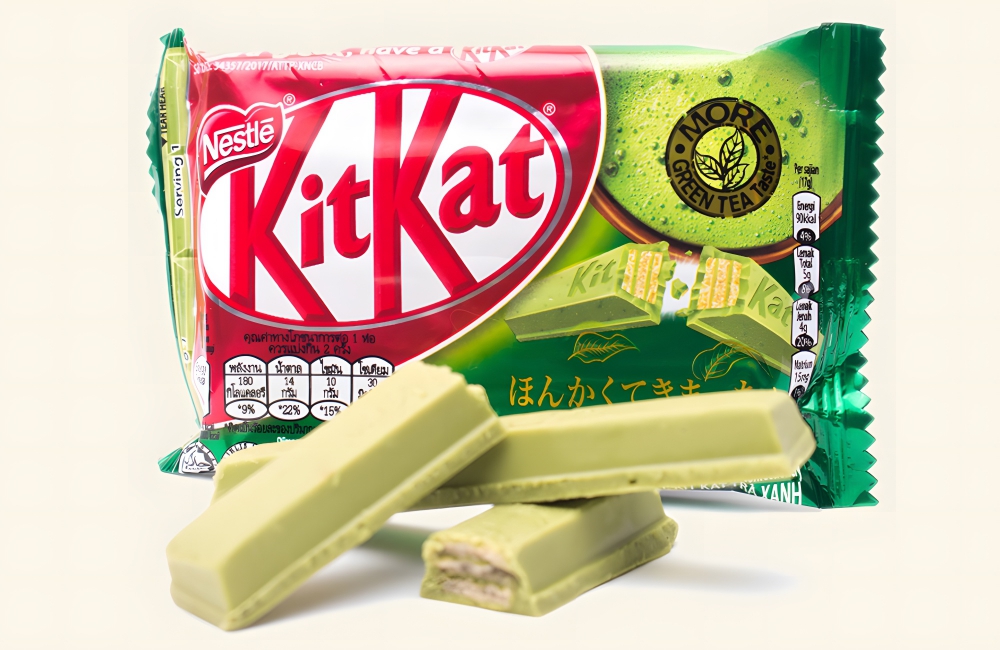
Green Tea Kit Kats ©Nandang Hidayat/Shutterstock
Green tea has been implemented into drinks, tablets, and foods such as Kit Kat bars. While you might think of Kit Kats as just being chocolate and wafer, green tea Kit Kats are made from Matcha green tea and white chocolate. You can buy 13 mini-bars on Amazon for $22. Though they’re not on the shelves here like they are in Japan, maybe one day, they will be.
137. Shower Dryers
What it is: Heating functions in Japanese bathrooms that dry your clothes
Invented: 2019
Average Price: Unlisted
Japanese bathrooms are pretty high-tech, and this shower dryer is no exception. The bathroom heating function never lets you get cold, no matter how hot of a shower out of which you step. The bathroom thermostat for these shower dryers sends hot air through ceiling vents, warming up the bathroom.
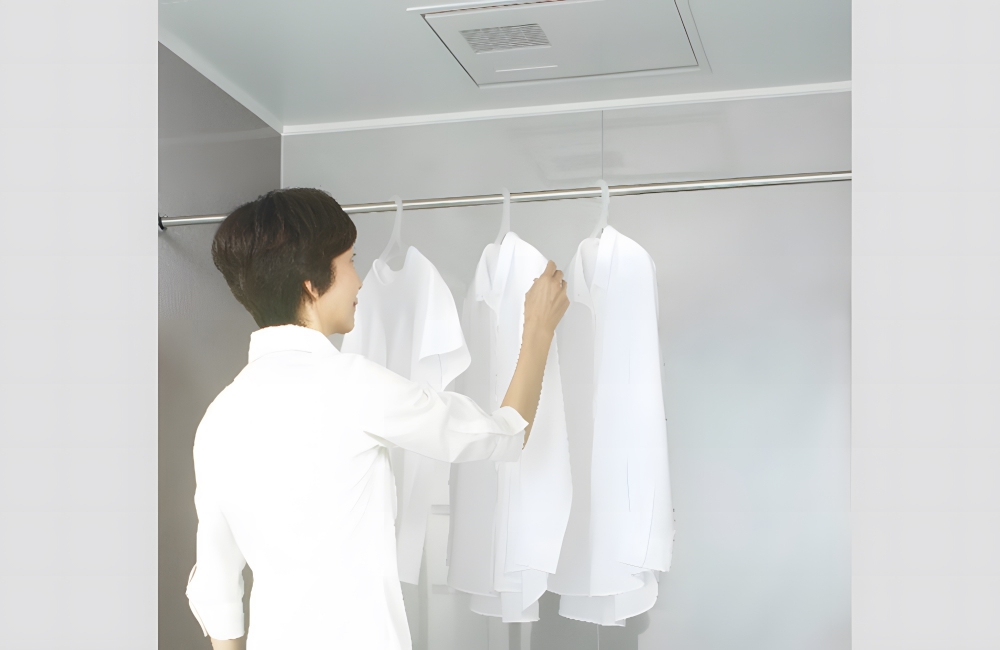
Shower Dryers @pippin625 / Pinterest
You can also set the controls for a drying function, which will dry out the bathroom and any clothes you might have. That’s right—you can hang-dry your clothes after a steaming hot shower, leave them for a half hour or so, and come back to find them perfectly dry after.
138. Octopus Ice Cream
What it is: Ice cream with octopus flavoring
Invented: Unknown
Average Price: $2-$4*
There are a lot of weird ice cream flavors in Japan, including squid ink, miso, seaweed, soy sauce, and purple sweet potato, but octopus has got to be near the top of the list for strangeness. Octopus ice cream is a fishy, creamy-tasting treat in Japan.
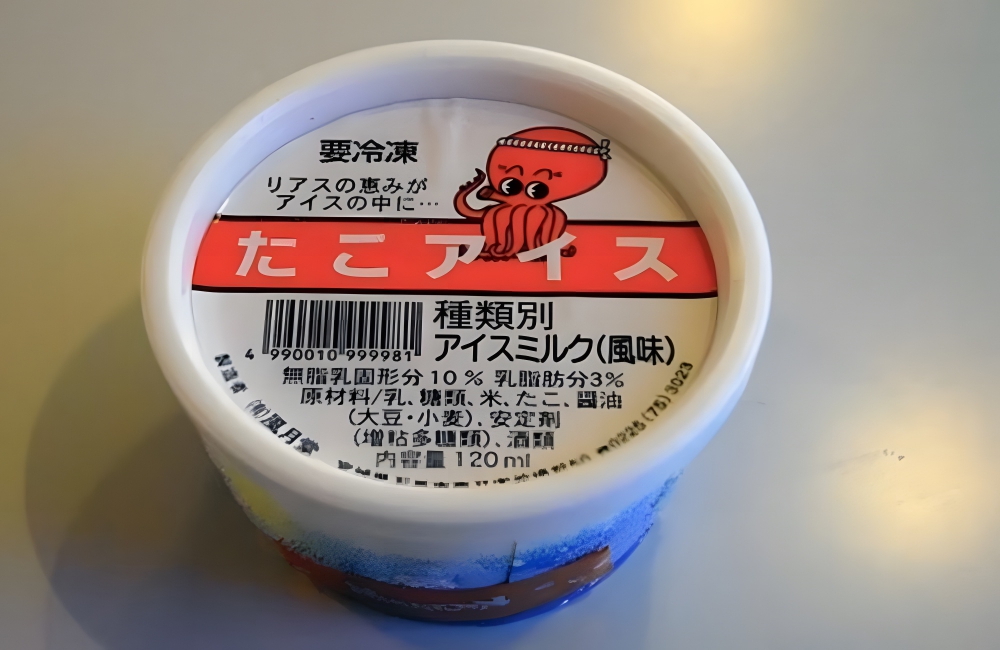
Octopus Ice Cream @oddstuffmag / Pinterest
Despite the strangeness of octopus ice cream, the most popular flavor of ice cream in Japan, according to Statista, is actually vanilla ice cream. For a country that has some of the wackiest ice cream flavors in the world, vanilla is certainly unexpected. To get octopus ice cream, you’ll have to travel to specialty shops in the country, as it’s usually not sold just anywhere.
139. Real Mario Kart
What it is: Real life dress-up, live-action Mario Karting through the streets of Tokyo
Invented: 2010s
Average Price: $64/Go-Kart round*
Fans of Mario Kart used to be able to take their love for the video game to the next level in Tokyo, where real-life Mario Karting was a thing. Street Kart, originally called MariCar, led tours throughout the city for diehard Mario Kart fans. These tourists dressed up as Mario, Yoshi, and Luigi, and they drove go-karts through the streets of Tokyo, seeing famous landmarks like Akihabara, Tokyo Tower, and Shibuya.
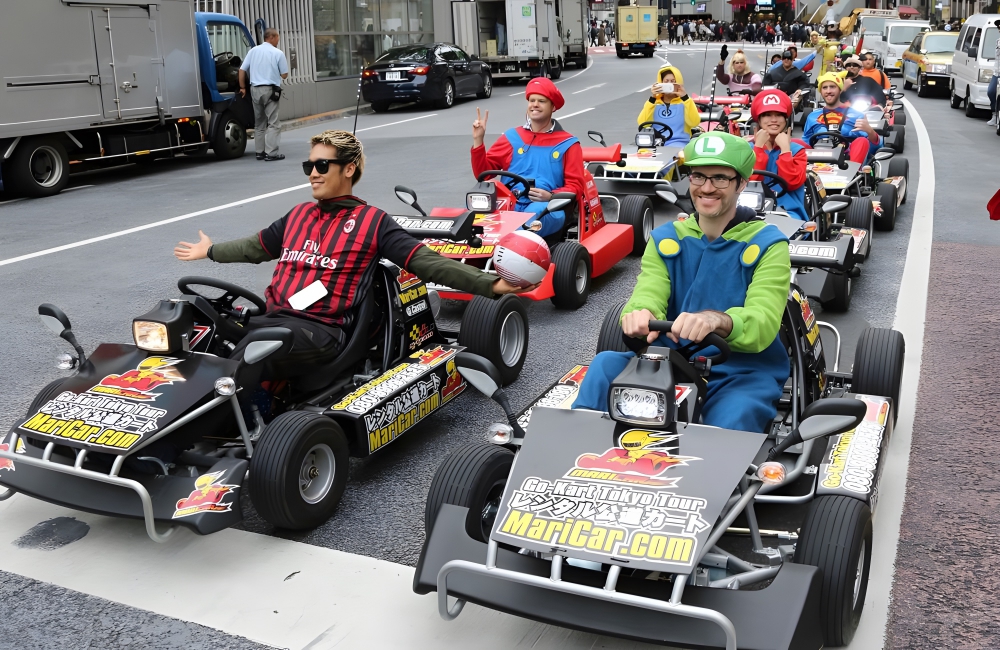
Real Mario Kart @thisiscitylab / Pinterest
Unfortunately, Nintendo was none too pleased with this, as they never gave the okay. Nintendo sued the brand in 2017, and the company was not only shut down, they also had to pay over $450,000 to Nintendo for copyright infringement.
140. Symbols for New (And Old) Drivers
What it is: Stickers you have to place on your car to let other drivers know if you’re elderly, a new driver, or otherwise impaired
Invented: 2000s
Average Price: $3-$5*
This is a great idea and needs to be implemented in America. In Japan, there are legally-required stickers that drivers in certain classes have to place on their vehicles. If you’re elderly, a new driver, hearing impaired, or otherwise differently-abled, you have to put a sticker with a symbol on your car.
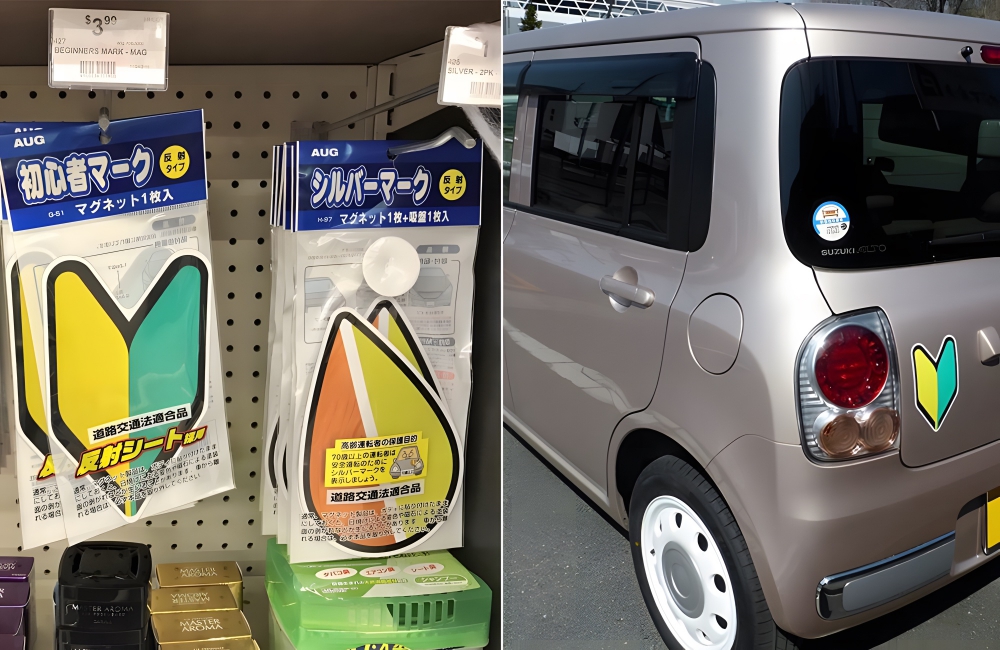
Symbols for New (And Old) Drivers ©Tokumeigakarinoaoshima / Wikimedia.org | @cabel / Twitter.com
In Tokyo, there are even more specific stickers you have to place on your vehicle, including driver’s training marks that tell other drivers to beware of sudden stops or alert them that you’re practicing. When other drivers see these stickers in Japan, they know to give the car with them a wide berth.
141. Pokemon: Green Version
What it is: An early version of Pokemon that was green, not blue
Invented: 1998
Average Price: $64.99* (Complete)
Even diehard Pokemon fans might not realize that the original games weren’t red and blue—they were green and red. Pokemon Green, with Venusaur on the cover, never made it out to the West, and this first green generation was even considered an urban legend for a while, until Nintendo confirmed it.
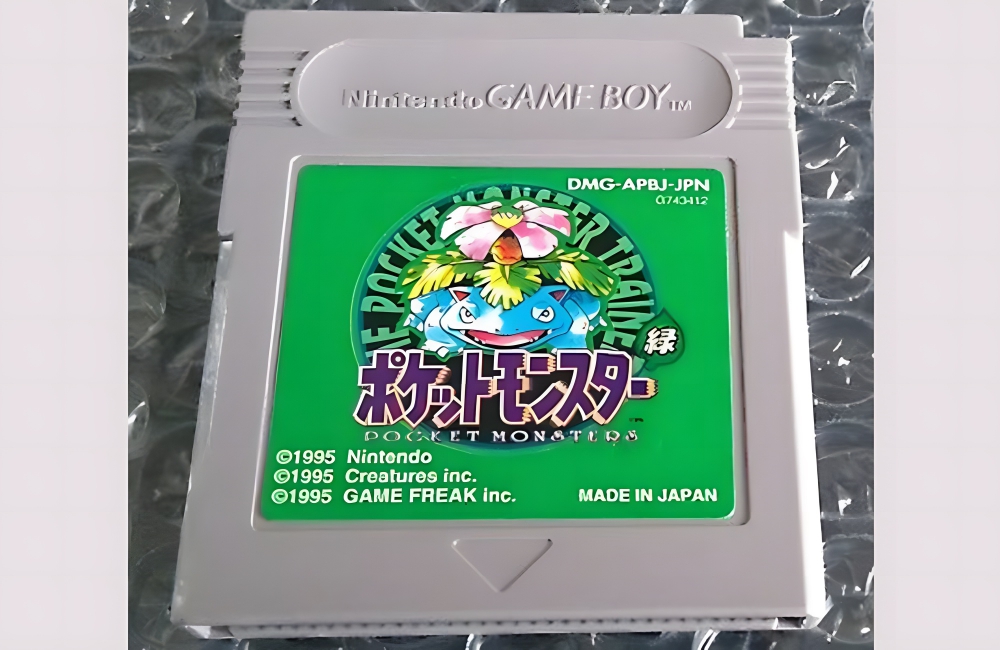
Pokemon: Green Version @kripa1979 / Pinterest
Pokemon Green was never released here because Nintendo realized that these original versions had some bugs that needed to be fixed. Pokemon Blue fixed the bugs present in Pokemon Green, and, thus, it was Blue that made it to the States. Since Green was an inferior version, Nintendo didn’t think twice about leaving it in the dust.
142. Really, Really Expensive Fruit
What it is: A special type of luxury mango only grown on the island of Kyushu
Invented: 1980s
Average Price: $90-$200/mango*
On average, a mango costs around $1.50 in the U.S. In Japan, things work a little differently, and the Miyazaki mangoes, grown on the southern Japanese island of Kyushu in the Miyazaki prefecture, can cost as much as $5,000 (though they usually average $90-$200).
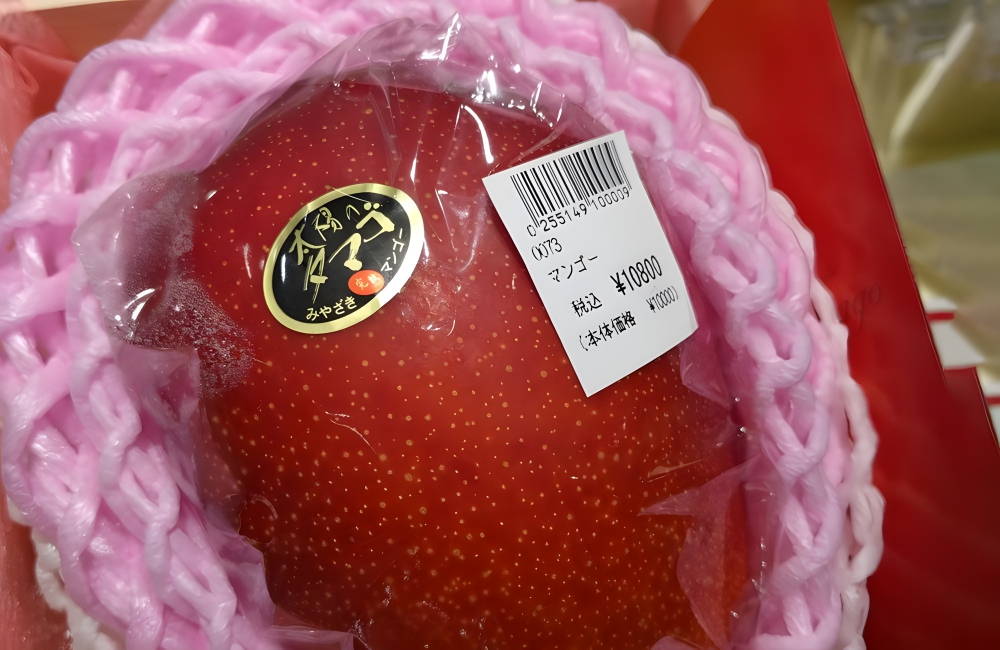
Really, Really Expensive Fruit @youcouldtravel / Pinterest
Mangoes are already pretty expensive, as you can see from the photo. Far from $1.50, that mango costs around $98. The reason these mangoes are so expensive is because they are extra sweet and extra tasty. They undergo strict quality control and growing conditions to make sure they have a 15% sugar content, deep red color, and heavy weight. The rarity of these mangoes drives up the price, making them a delicacy in Japan.
143. Full Body Umbrella
What it is: An umbrella that extends to your entire body
Invented: 2010s
Average Price: $30-$50*
Even when you pull out an umbrella, you’re still going to get a few droplets of rain on you. At least, if you’re holding a regular umbrella. If you have a special Japanese full-body umbrella, the rain is no match for you.
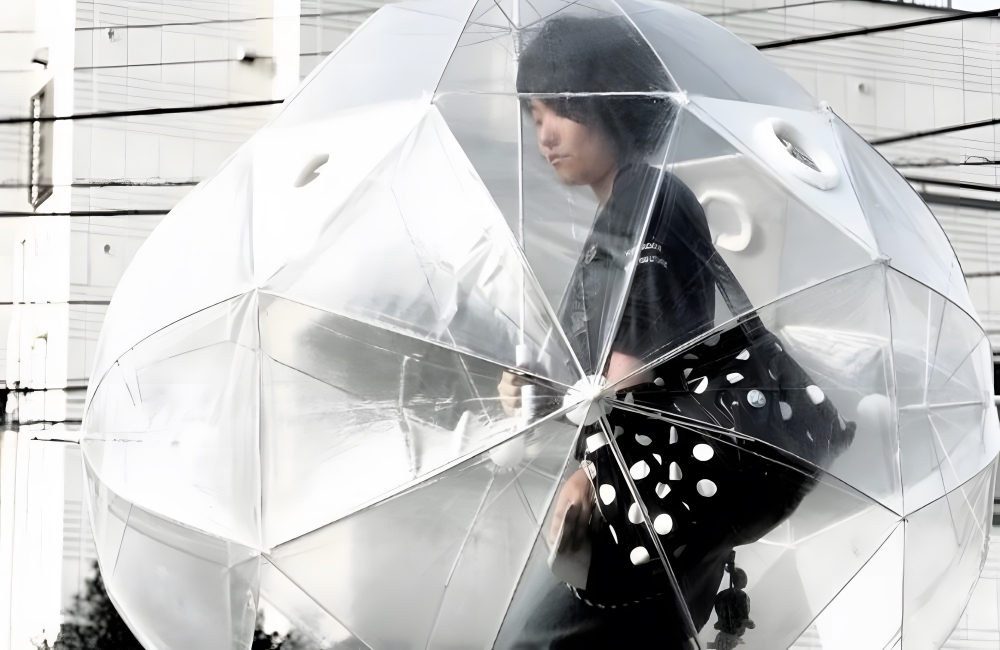
Full Body Umbrella @tucktalk / Pinterest
These full-body umbrellas look like something out of the space age. They have a full-body, geometric design with floor-length plastic, which keeps the rain away. Some other designs have circular webbing, which extends down to the wearer’s knees. Maybe we’ll see these crazy shields make their way to street-side vendors and convenience store shelves. But, until then, the West will have to make do with a regular old umbrella.
144. Egg Vending Machine
What it is: Vending machines that sell farm-fresh eggs
Invented: 2010s
Average Price: $1-$2*
What can’t you buy in a vending machine in Japan? The country’s on-the-go culture has extended to fresh eggs. You can buy eggs the same way you would purchase a soft drink: just put coins in the slot, select the eggs, and push the button.
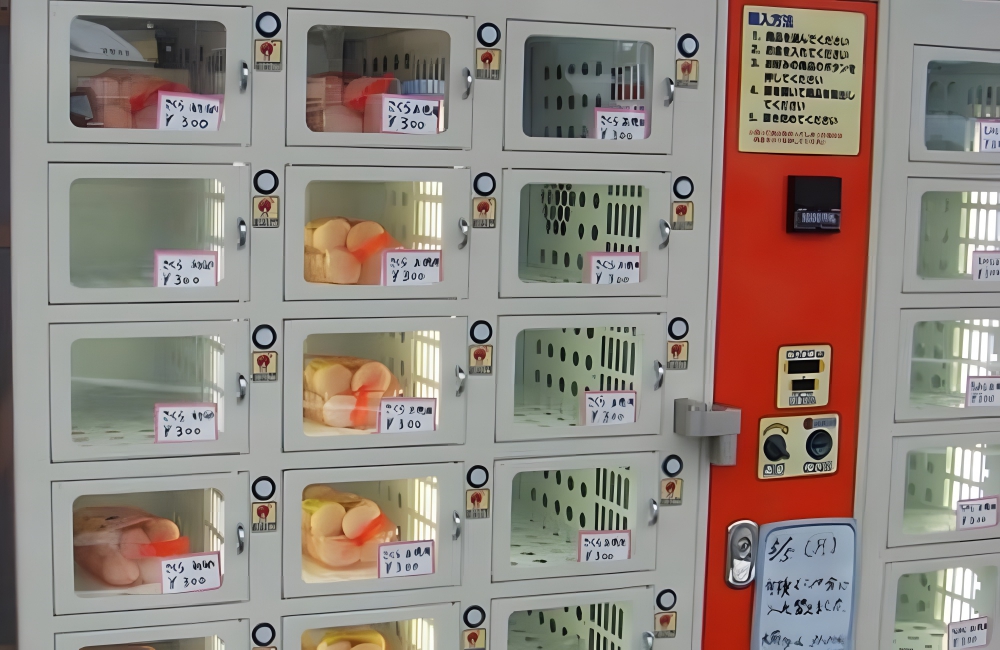
Egg Vending Machine @aoneil855 / Pinterest
With these vending machines, you can have fresh eggs 24/7. The vending machines are often located across from farms, keeping the supply of eggs steady. Considering that this staple is used in tons of different Japanese meals, from omelets to rice dishes, it’s not surprising that farm-fresh eggs are the latest products to fill the slots of vending machines in Japan.
145. Eating Live Octopus Tentacles
What it is: Live octopus tentacles that you eat while they’re still moving
Invented: Unknown
Average Price: $6-$7 per kilogram of octopus*
In Japan, it is considered a delicacy to not only eat food raw, but to have it served to you alive. People often enjoy live octopus tentacles, and you can find a lot of videos on YouTube of brave taste-testers giving this strange food a try.
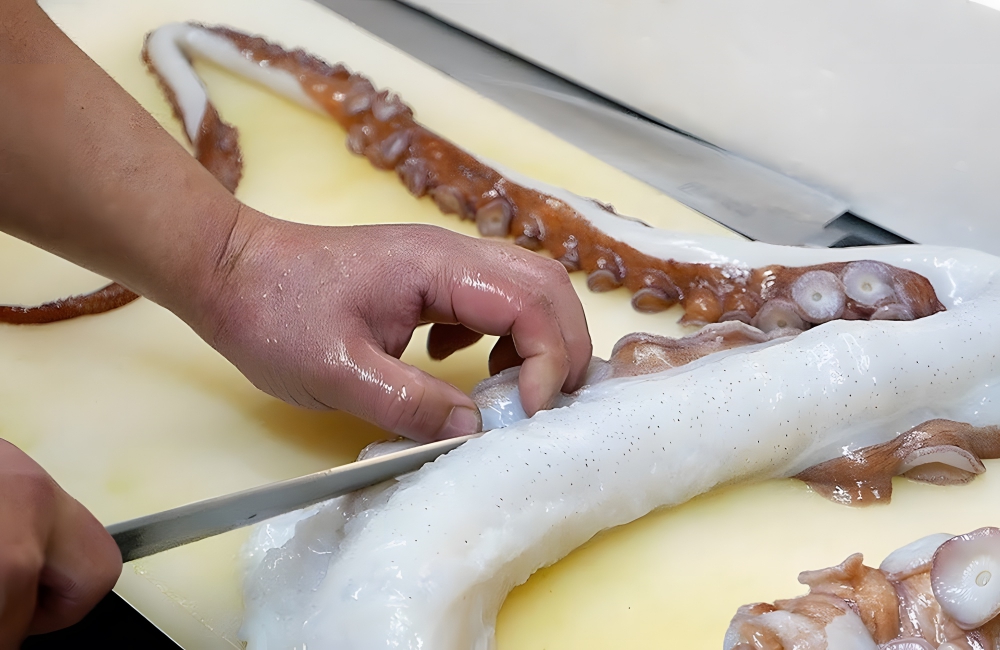
Eating Live Octopus Tentacles @uripal / Pinterest
In addition to being a delicacy, this food is also a bit of a hazard. Eating live octopus tentacles isn’t for the faint of heart, not the least because it can kill you. This isn’t because the octopus might suddenly fight back, but because the suckers are a huge choking hazard and have the unfortunate tendency to get stuck in the consumer’s throat. That’s why this food often comes from the vendor with a safety warning.
146. Toilet Slippers
What it is: Slippers you wear only in the restroom
Invented: Unknown
Average Price: $20-$30/pair*
Purity and cleanliness are two values that are very important in Japanese culture. Slippers are often worn inside the house instead of shoes, and there are even special slippers to be worn solely in the bathroom. Japanese toilet slippers are placed at the entrance of the bathroom.
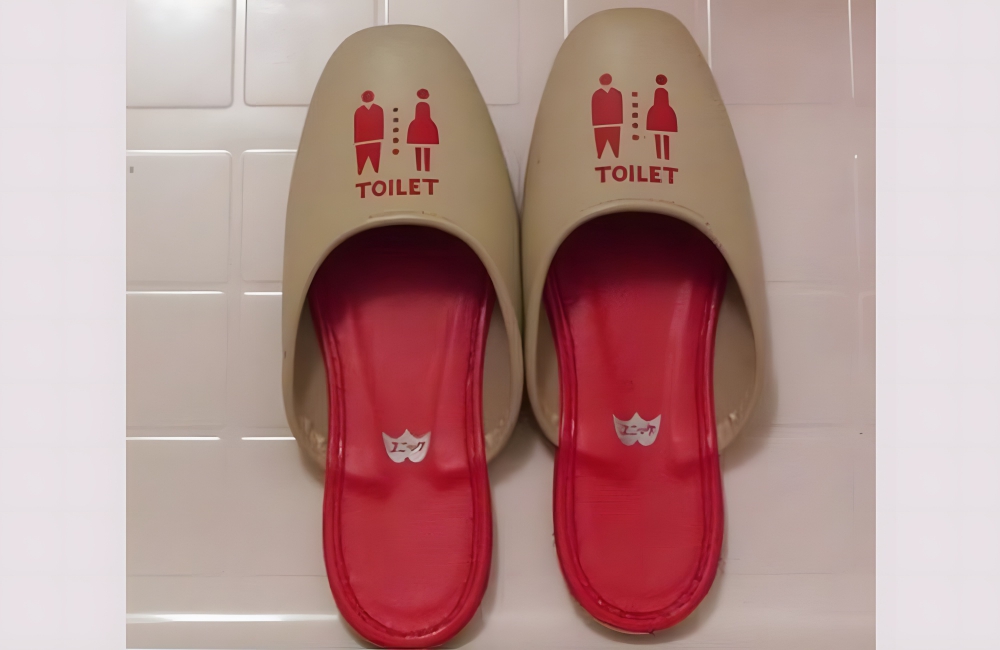
Toilet Slippers @ebaumsworld / Pinterest
When you need to use the restroom, just change out of your indoor slippers and slip on the toilet ones. This is quite sensible when you think about it. Toilet slippers, which you take off when you leave the restroom, keep you from tracking bathroom germs to the rest of your house.
147. Car Rain Protectors
What it is: Rain guards to keep rain and debris off your Prius’ windows
Invented: 2010
Average Price: $145*
Window deflectors, also known as rain guards, are a common sight in Japan. They’re custom-fit to your car, and they keep rain from getting on the windows. These particular guards aren’t available in America. They’re made by Sigma Automotive for the Toyota Prius, and they cost $145.
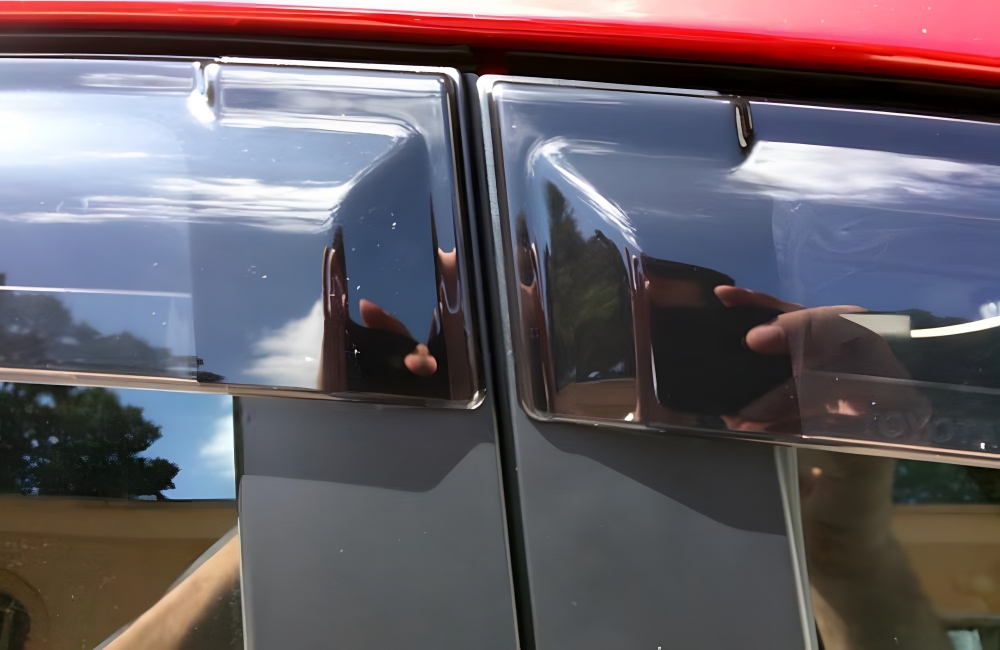
Car Rain Protectors @priuschat / Pinterest
These guards are aerodynamic and have clips to hold them in place (as opposed to using sticky tape, like a lot of similar products). These rain guards are perfect for anyone who is a little finicky about their car and wants to prevent as much debris from touching the windows as possible.
148. World’s Shortest Escalator
What it is: A two-foot escalator with five steps that is the shortest in the world
Invented: 2016
Average Price: Unknown
According to the Guinness Book of World Records, this escalator is the shortest one in the world. The five-step escalator stands just 2.74 feet in height, and it only takes eight seconds to carry its passengers from the bottom to the top.
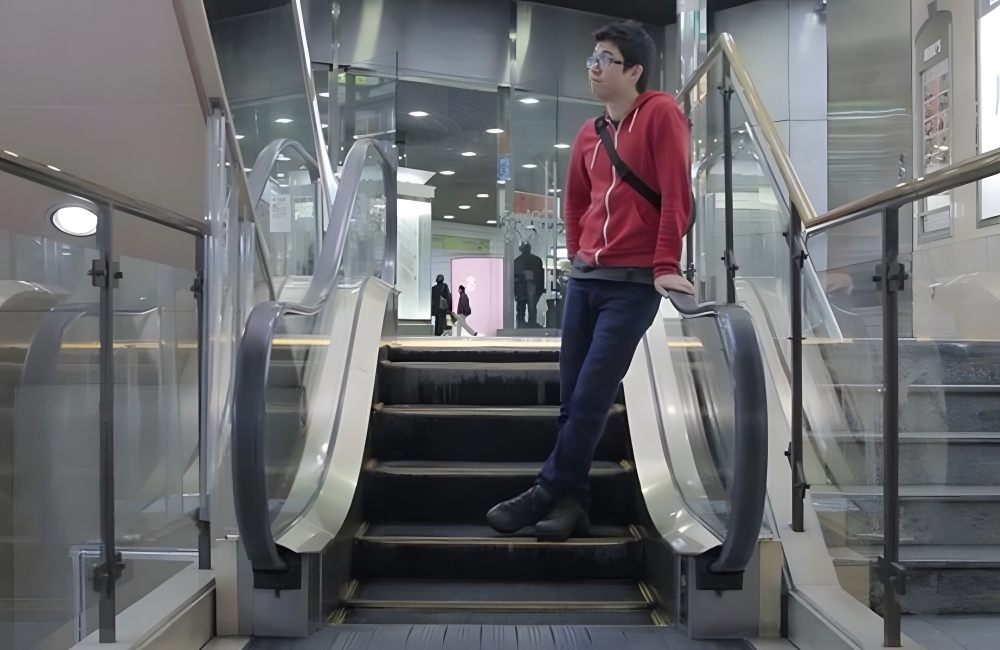
World’s Shortest Escalator @tofugu / Pinterest
Located in Kawasaki More’s Department Store’s basement, the escalator connects the B2 level of the store with a shopping arcade in the Azalea underground area. Strangely, you still have to take some stairs before you ride the escalator—it requires stairs just to get on it. It’s one of those random inventions that make no sense, making it perfect for Japan’s Chindogu culture.
149. Maid Cafe
What it is: A cafe where the waitresses dress up like maids
Invented: 2001
Average Price: $4.50-$7 entry fee*
Otakus are a Japanese term that describes people with obsessive, fandom-related interests. Maid cafes are right up the alley of both otakus and tourists, and, to be fair, they are a little strange. These cafes are a type of cosplay restaurant.
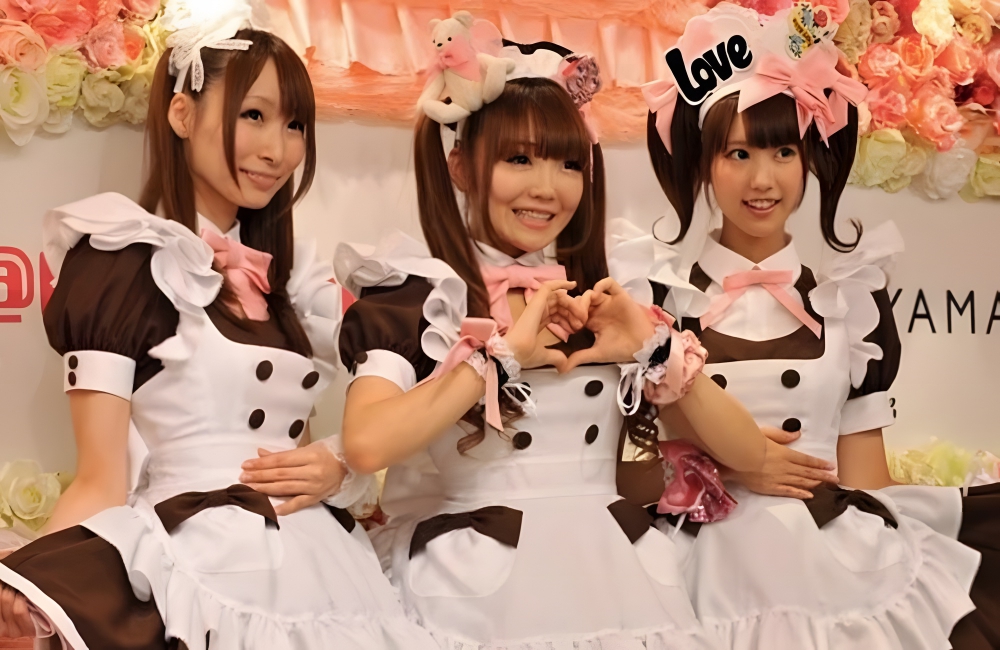
Maid Cafe @priuschat / Pinterest
Female waitresses dress up in maid costumes and act like servants, treating the customers as though they were masters in their private homes instead of mere café patrons. The entry fee for these cafes is usually around $4.50-$7, not including the cost of whatever food and drinks you order while you’re there. You can even take pictures with your “maid” for an extra charge.
150. Monkey Park
What it is: Park where you can buy food and feed wild macaques (snow monkeys)
Invented: 2010s
Average Price: $4.99 entry fee*
The Iwatayama Monkey Park, located in Kyoto, is inhabited by a large gang of more than 120 macaque monkeys, also known as “snow monkeys.” Though these macaques are wild, you can buy food and feed them at the park. The entrance fee is just $4.99.
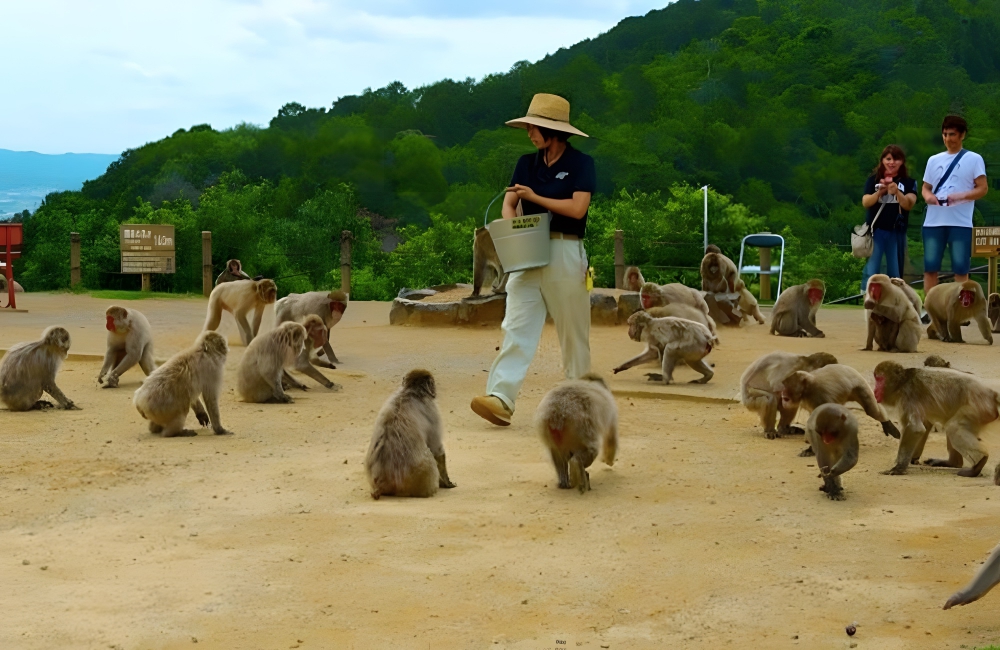
Monkey Park @bingteam / Pinterest
The commercial park, which was featured on an episode of K-On!, an anime series, is a popular destination for anyone who wants to get close to wildlife. Other macaque parks are often hard to trek through, as these monkeys often live in bamboo forests or hot springs, but Iwatayama is one of the most accessible.