
217. Woolen String Tomato Support
Materials Needed: Woolen string
Cost to Make: $5.00*
Here is a simple idea for all the gardeners out there! Use a ball of wool string for your tomato plants since it can be a tomato plant’s best friend. A wool string is sturdy yet flexible so that it won’t harm your plant’s stems. With just around five bucks, you can get a ball that will be enough for several plants.
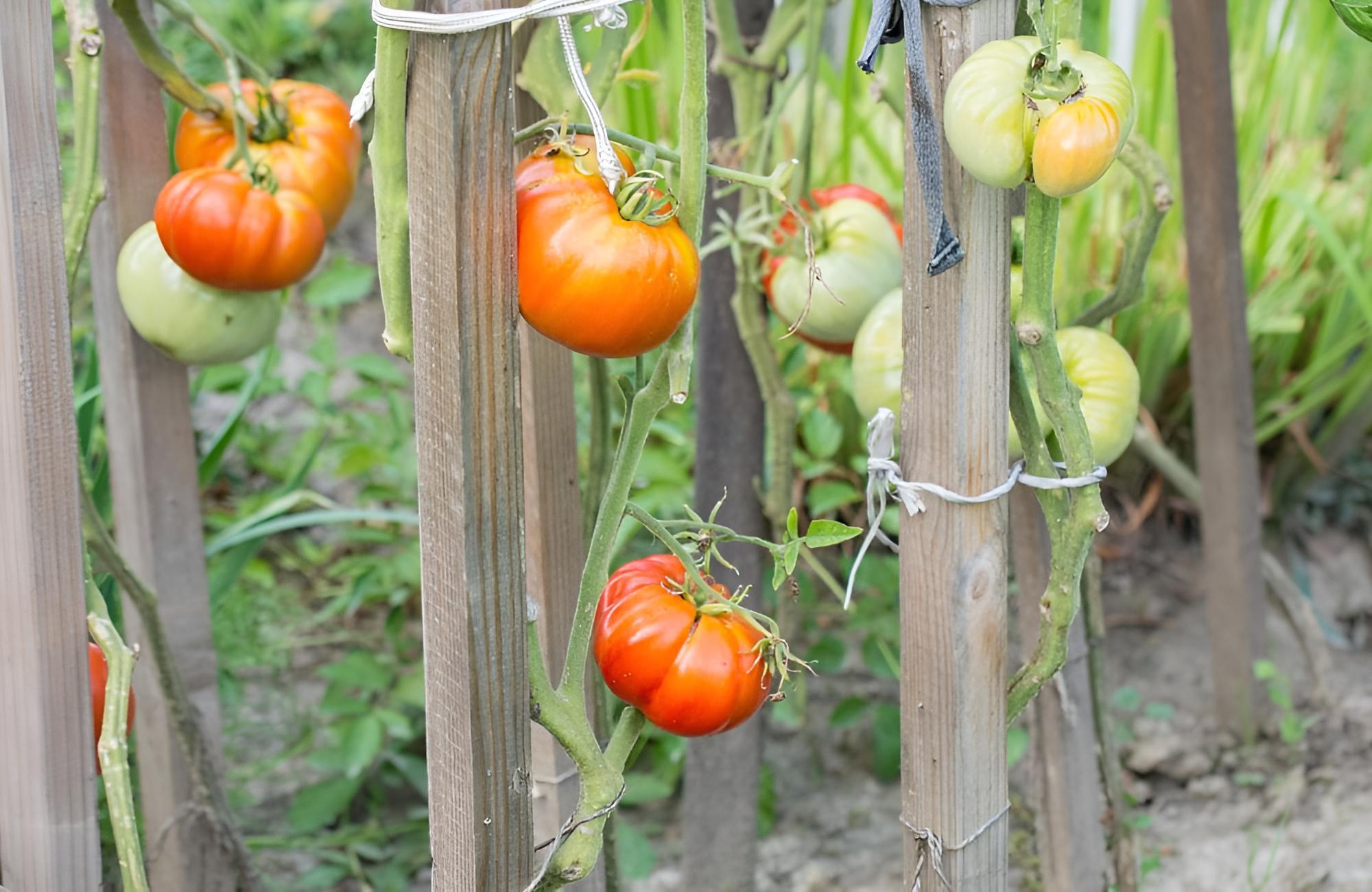
Woolen String Tomato Support ©lapis2380/stock.adobe.com
Just tie one end of the string near the base of your tomato plant and attach the other end to something stable above the plant. As your tomato plants grow, they will naturally wind around the string. When the season ends, you can toss the wool string into your compost pile since it is biodegradable. This is a cheap, efficient, and environmentally-friendly way to give your tomato plants the support they need.
218. Chopstick Plant Support
Materials Needed: Chopsticks
Cost to Make: $0.50*
Have you got leftover chopsticks from your last sushi dinner? If yes, then don’t toss them out! Instead, use them as plant supports in your garden. These sticks are just the right size for helping out small plants struggling to stand straight.
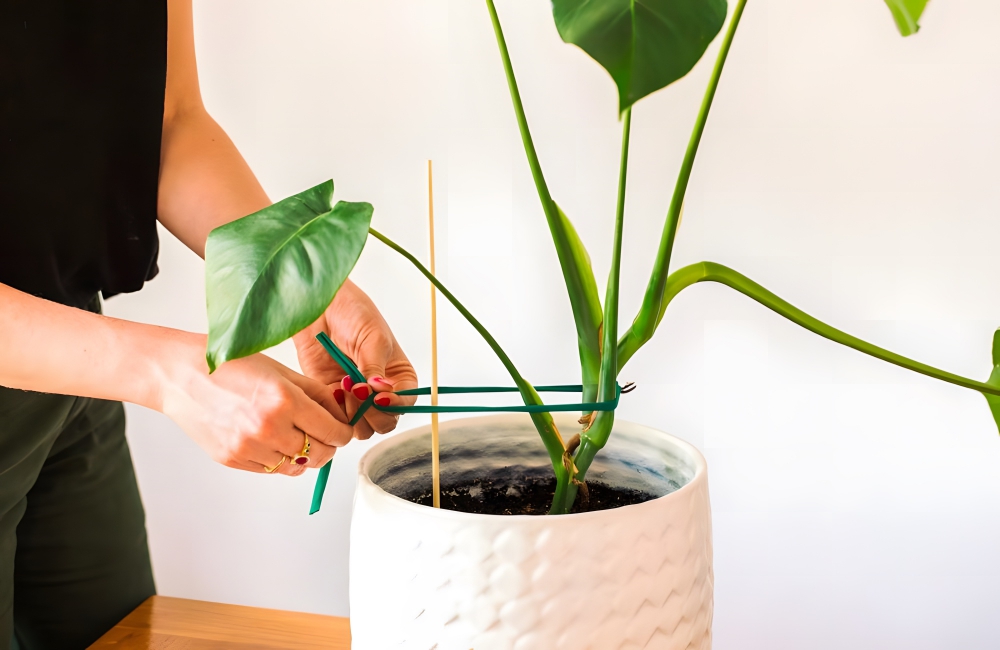
Chopstick Plant Support @thespruceofficial/Pinterest
All you need to do is push a chopstick into the soil near the plant and tie the plant to the stick gently. It won’t cost you anything if you have some chopsticks lying around. Plus, it’s a great way to reuse and recycle. When they’ve done their job, these wooden chopsticks can be thrown into the compost pile since they are biodegradable. So, by using chopsticks as plant supports, you make a choice that is good for your garden and the planet.
219. Biodegradable Toothbrush Plant Markers
Materials Needed: Old biodegradable toothbrushes
Cost to Make: $3.00*
Do you have many exotic plants but need help remembering their names? Try using biodegradable toothbrushes as plant markers. Simply jot down the name of the plant on the toothbrush handle using a waterproof marker and plant it in the soil next to the corresponding plant. These toothbrushes are great because they are eco-friendly and will naturally decompose over time.
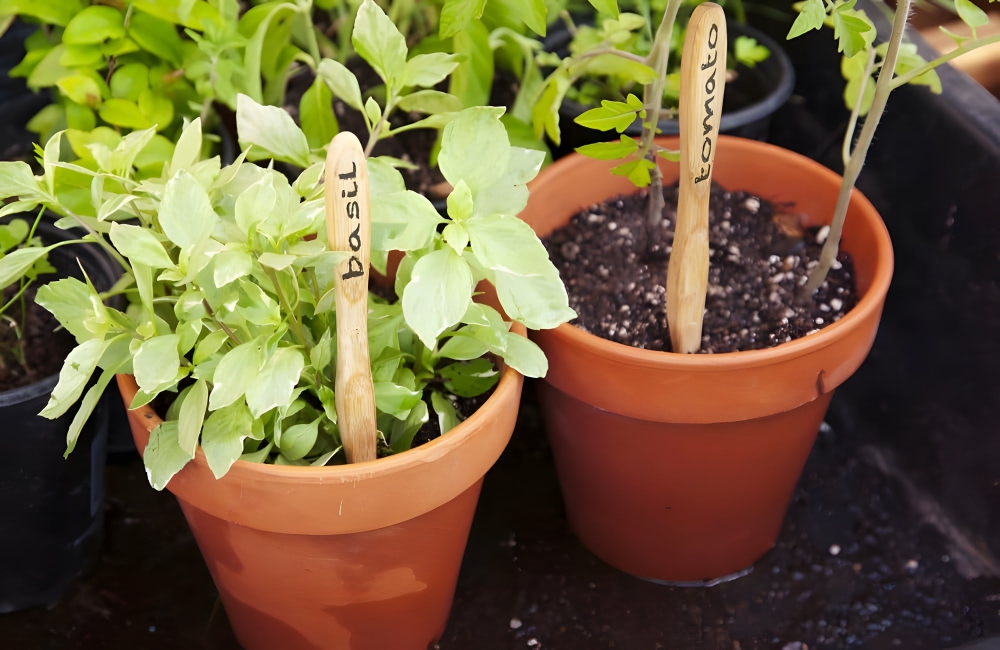
Biodegradable Toothbrush Plant Markers @UrbanRevAus/Pinterest
For roughly six bucks, you can get a pack of these toothbrushes. Not only will you have a tidy garden, but you will also help cut down on plastic waste. Plus, this small spending can save you a lot of hassle later in the season when trying to figure out which plant is which. It is a simple, cost-effective, and environment-friendly way to keep your garden well-organized.
220. Shoebox Seed Organizer
Materials Needed: Old shoebox, dividers
Cost to Make: $1.00*
Seeds can be tricky to keep organized, but an old shoebox can make all the difference. Just place dividers in the box to create sections for different types of seeds, and you have an easy, neat, and simple way to keep everything in order.
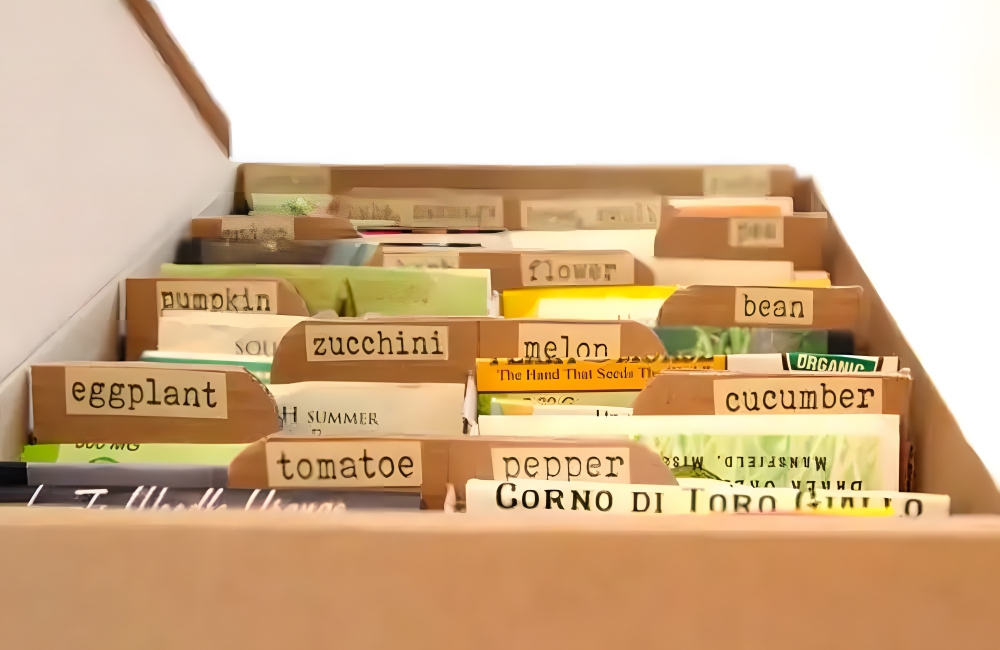
Shoebox Seed Organizer @apieceofrainbow/Pinterest
Label each section so you know exactly where to find every kind of seed when it is time to plant. If you have an unused shoebox and some cardboard or sturdy paper lying around, this won’t cost you a dime. Plus, it is a superb way to give a second life to something that would be chucked in the recycling bin. A simple yet effective way to stay on top of your gardening game!
221. Rug Samples as Kneeling Pads
Materials Needed: Rug samples
Cost to Make: $5.00*
Are your knees tired and sore from hours of weeding and planting? Rug samples make excellent kneeling pads, providing much-needed cushioning and making gardening much more comfortable. Rug samples are not just comfortable but are also a cost-effective solution. You can pick up these samples from carpet stores for about $5.
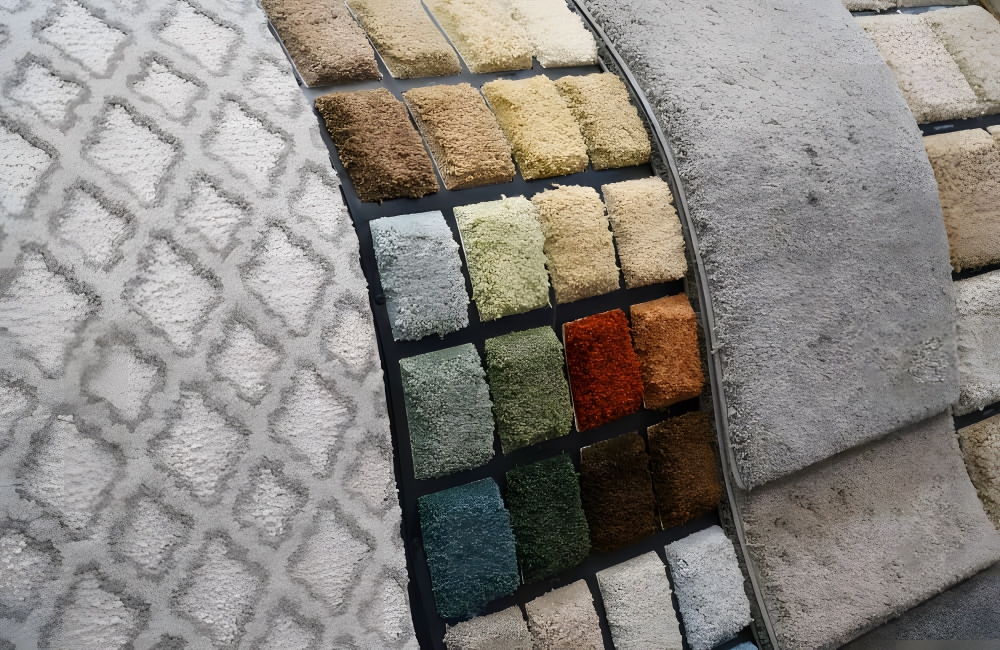
Rug Samples as Kneeling Pads ©nd700/stock.adobe.com
They are made from durable materials that can withstand outdoor elements, making them an ideal accessory for gardening. This simple trick can provide an instant solution, saving your knees from the hard ground. Plus, they are easy to clean, making them a practical and convenient choice. So why not try this idea and add some comfort to your gardening routine?
222. Egg Carton Seed Trays
Materials Needed: Old egg cartons
Cost to Make: $4.00*
Instead of tossing out your egg cartons, why not turn them into useful seed starters? Each little pocket in the carton is perfect for holding some soil and seed, making it an orderly and hassle-free way to start growing your plants. What is even better is that these cartons will naturally break down.
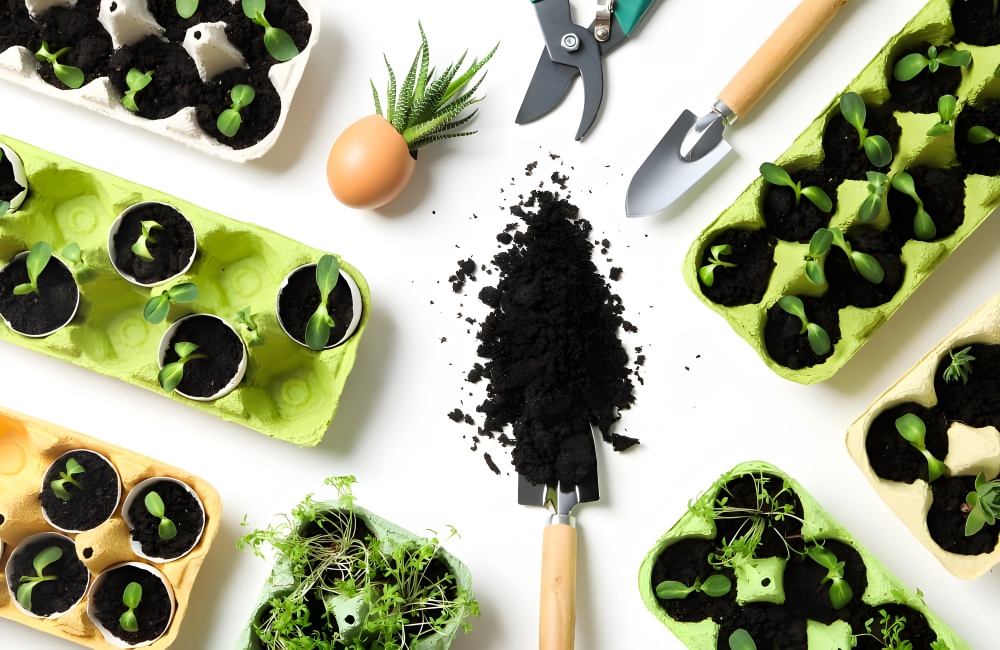
Egg Carton Seed Trays ©Atlas/stock.adobe.com
When your seedlings are ready to move to the great outdoors, you can plant them straight into the soil, carton, and all. The carton will decompose over time, adding goodness back into the earth. This way, you will not just recycle and cut down on waste but also save some cash. The overall cost is zero, especially if you are an egg eater. So, keep enjoying those scrambled eggs, knowing that the cartons are playing their part in your garden!
223. Plastic Jug Mini-Greenhouse
Materials Needed: Plastic milk jug
Cost to Make: $3.00*
Don’t toss out your milk jugs just yet, because they can serve as handy mini-greenhouses for your young plants. It is super easy to do, just cut off the bottom, place it over your plant, and you have an instant greenhouse. The transparent plastic lets the sunshine in while shielding your plants from cold temperatures, harsh winds, and pesky bugs.
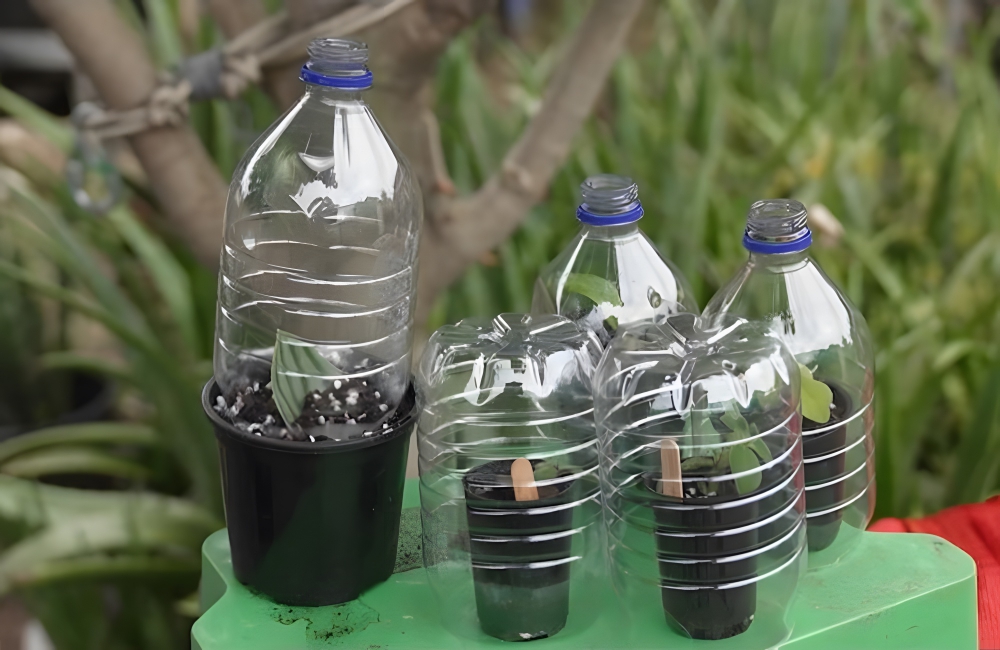
Plastic Jug Mini-Greenhouse @Google/Pinterest
By reusing your plastic milk jugs, you recycle and create a protective environment for your plants to thrive. This method is free, considering you typically recycle or toss out your empty milk jugs. It is an easy and cost-effective way to give your plants the protection they need.
224. Broomstick Measureme§nt Tool
Materials Needed: Old broom handle, marker
Cost to Make: $1.00*
If you are after precise planting, an old broom handle can be cleverly converted into a useful measuring stick. Just etch the measurements straight onto the handle, and you have got a homemade gardening tool to help plant seeds or bulbs at the right depth.
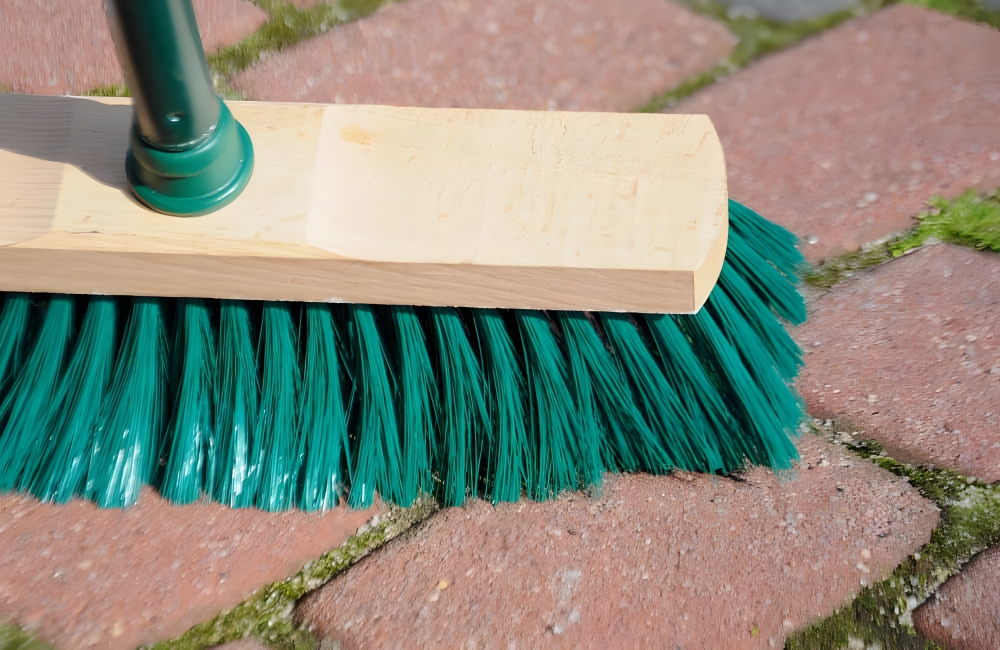
Broomstick Measurement Tool ©Petal Spirit/stock.adobe.com
It is also super useful for ensuring your plants are spaced out properly. This brilliant and practical idea costs next to nothing if you have a spare broom handle. Not only is this approach cost-friendly, but it also minimizes waste by giving new life to an old item. It is a win-win solution for both you and our planet.
225. Tuna Can Plant Saucer
Materials Needed: Empty tuna cans
Cost to Make: $1.50*
Protect your patio or indoor surfaces from water stains with a simple hack: use empty tuna cans as plant saucers. They are just the right size to catch excess water runoff from small and medium-sized pots, and the best part is they are free if you are a tuna lover.
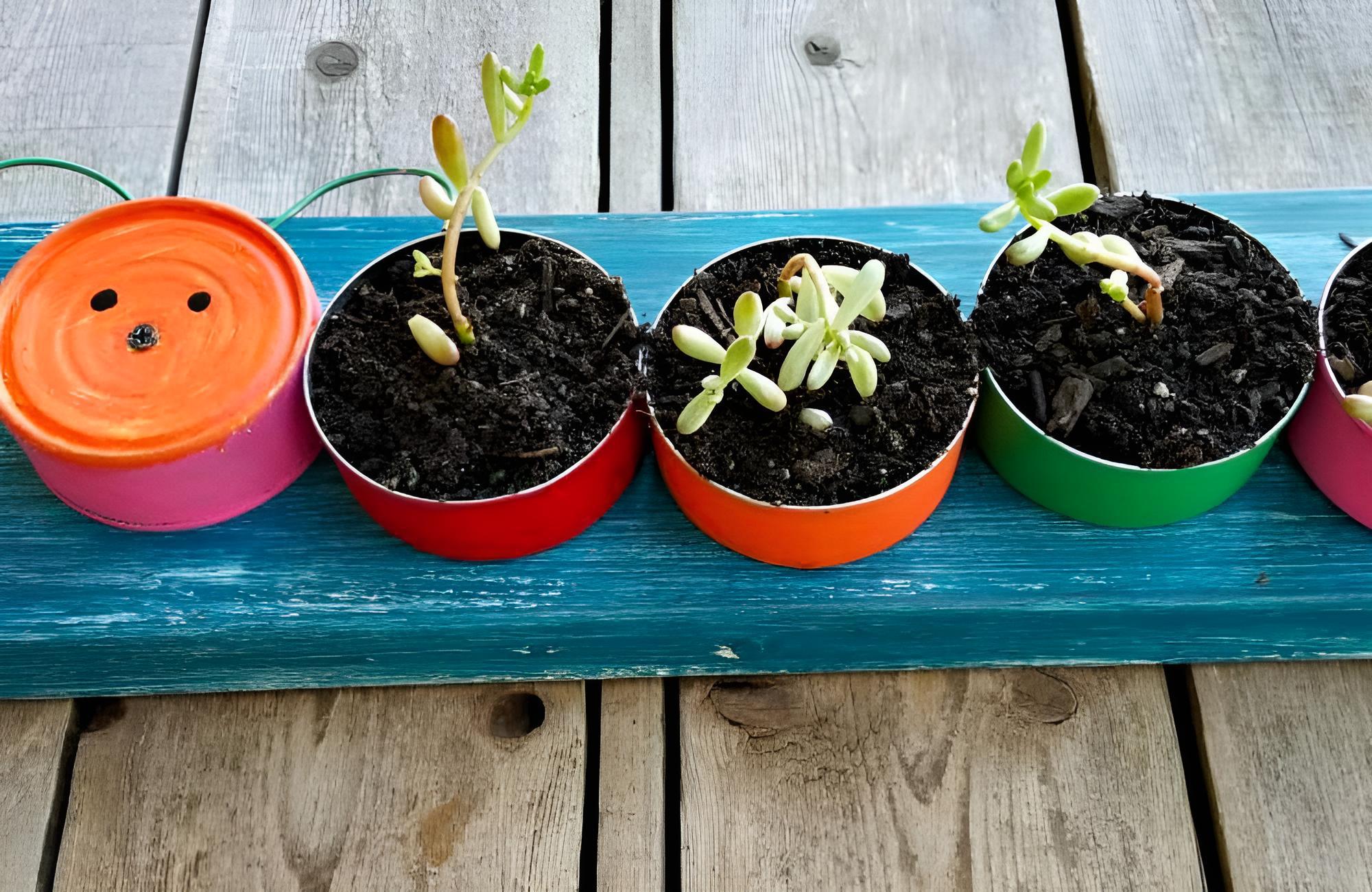
Tuna Can Plant Saucer @Repurposing8279/Pinterest
Following this hack will not only save money but will also aid in reducing waste by finding a new use for something you would typically recycle or throw away. These homemade plant saucers can add a unique touch to your indoor or outdoor garden decor. It is an effortless, cost-free solution to keep your spaces neat.
226. Paper Towel Seed Tape
Materials Needed: Paper towels, glue
Cost to Make: $2.50*
Seeding tiny plants can be a bit of a hassle, but a simple roll of kitchen paper towels can help sort things out. All you need is a non-toxic adhesive to make a seed tape by sticking seeds on a strip of paper towel. This trick allows you to space the seeds neatly before reaching the garden, simplifying the entire planting process.
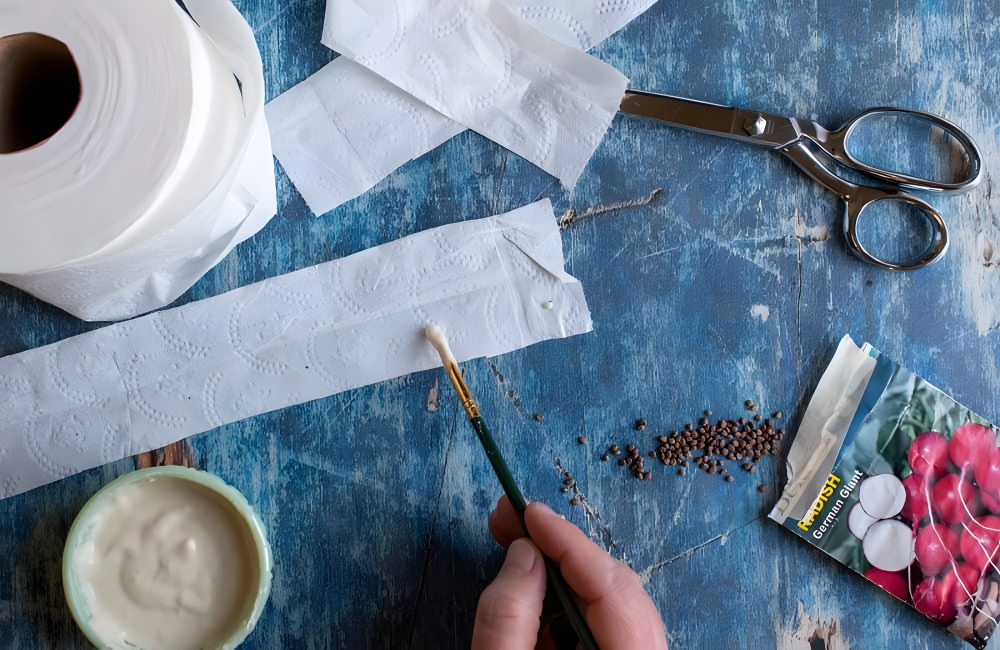
Paper Towel Seed Tape @ruralsprout1/Pinterest
A roll of paper towels and a glue bottle typically won’t cost you more than $2.50. This smart and thrifty strategy saves you from wasting seeds and improves your planting success rate. This budget-friendly tip simplifies your gardening chores and boosts your garden’s yield.
227. Burlap Sack
Materials Needed: Old burlap sack, compost
Cost to Make: $7.50*
Boost your plants’ growth with a rich compost tea that you can easily make in your backyard! Simply grab an old burlap bag, stuff it with compost, and let it soak in a barrel of water. After some days, the water absorbs all the goodness from the compost, turning it into a nutritious “tea” for your plants.
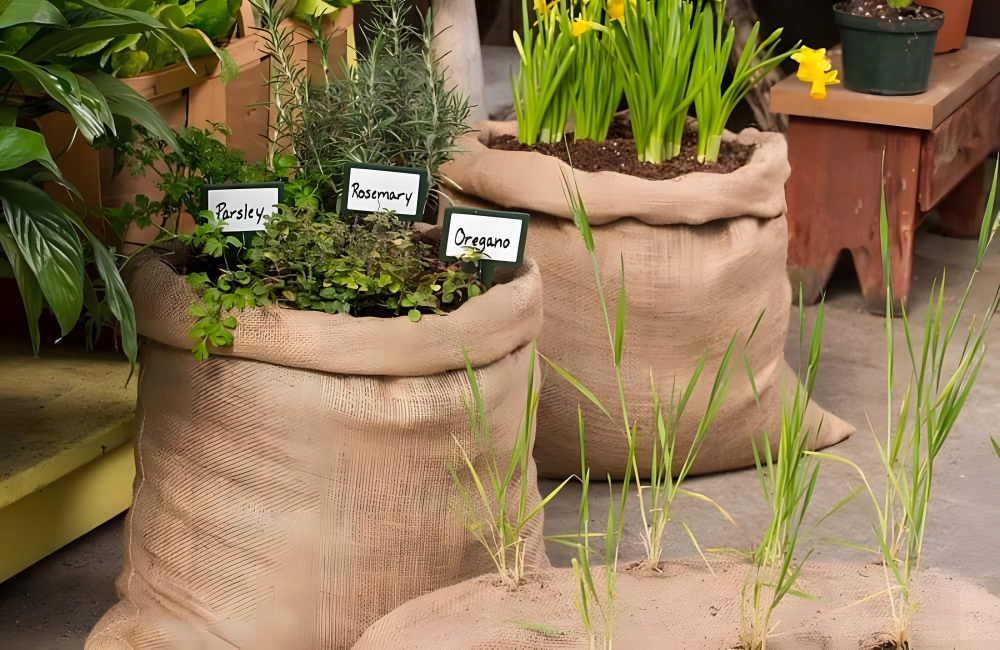
Burlap Sack @sdbinnc/Pinterest
Like making a giant cup of tea, this method would cost you around $7.50 for a burlap bag and some compost. But the result, a nutrient-filled compost tea, is worth it as it will make your garden bloom. What’s more, you’re contributing to eco-friendly gardening by reusing old burlap bags. It is an excellent way to reduce waste and promote sustainability while nurturing your garden.
228. Kitchen Strainer for Collecting Harvest
Materials Needed: Old kitchen strainer
Cost to Make: $10.00*
Do you need a handy way to transport your garden produce? Here’s a simple and affordable solution. Try reusing an old kitchen strainer. It’s just the right size to gather your garden goodies, fruits, veggies, or herbs. Plus, any dirt or unwanted bits can fall right through, thanks to the strainer’s holes, leaving your harvest nice and clean.
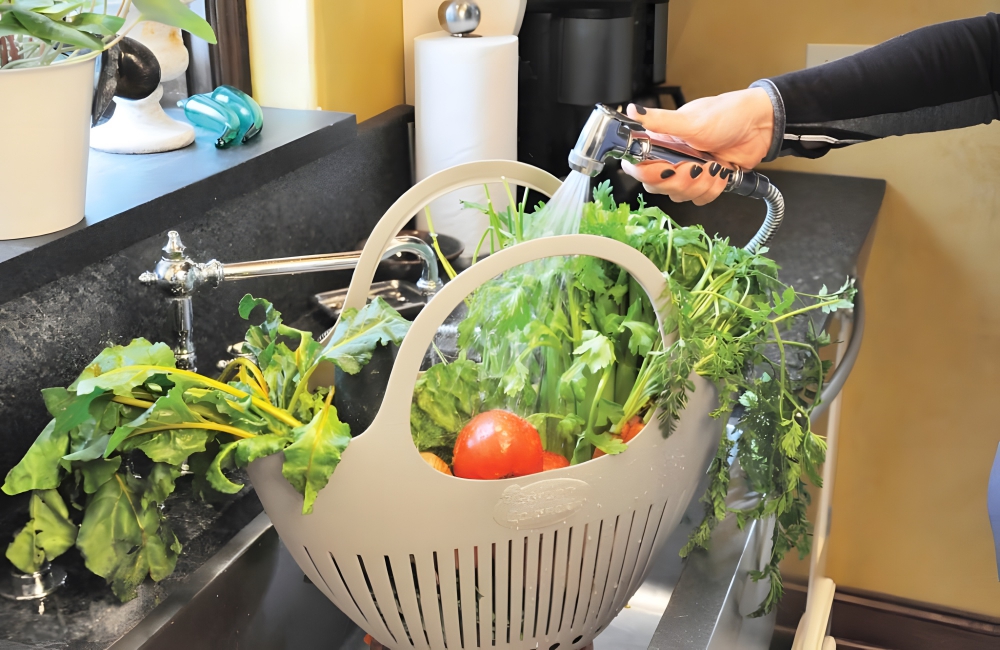
Kitchen Strainer for Collecting Harvest @amazon/Pinterest
A durable kitchen strainer can be yours for just about $10, so it is quite easy on the pocket too. Not only does this trick make harvesting a lot easier, but it also ensures your fresh produce stays in top shape. This way, you will have less cleaning once you return to the kitchen and can enjoy your home-grown treats.
229. Used Coffee Capsules as Seed Starters
Materials Needed: Used coffee capsules
Cost to Make: $0.50*
Here is a unique gardening hack for coffee lovers. Rinse used coffee pods, fill them with soil, and plant your seeds. The aluminum pods retain moisture and heat, creating an ideal germination environment. This sustainable trick is virtually costless for coffee pod users, turning waste into an effective seed-starting solution.
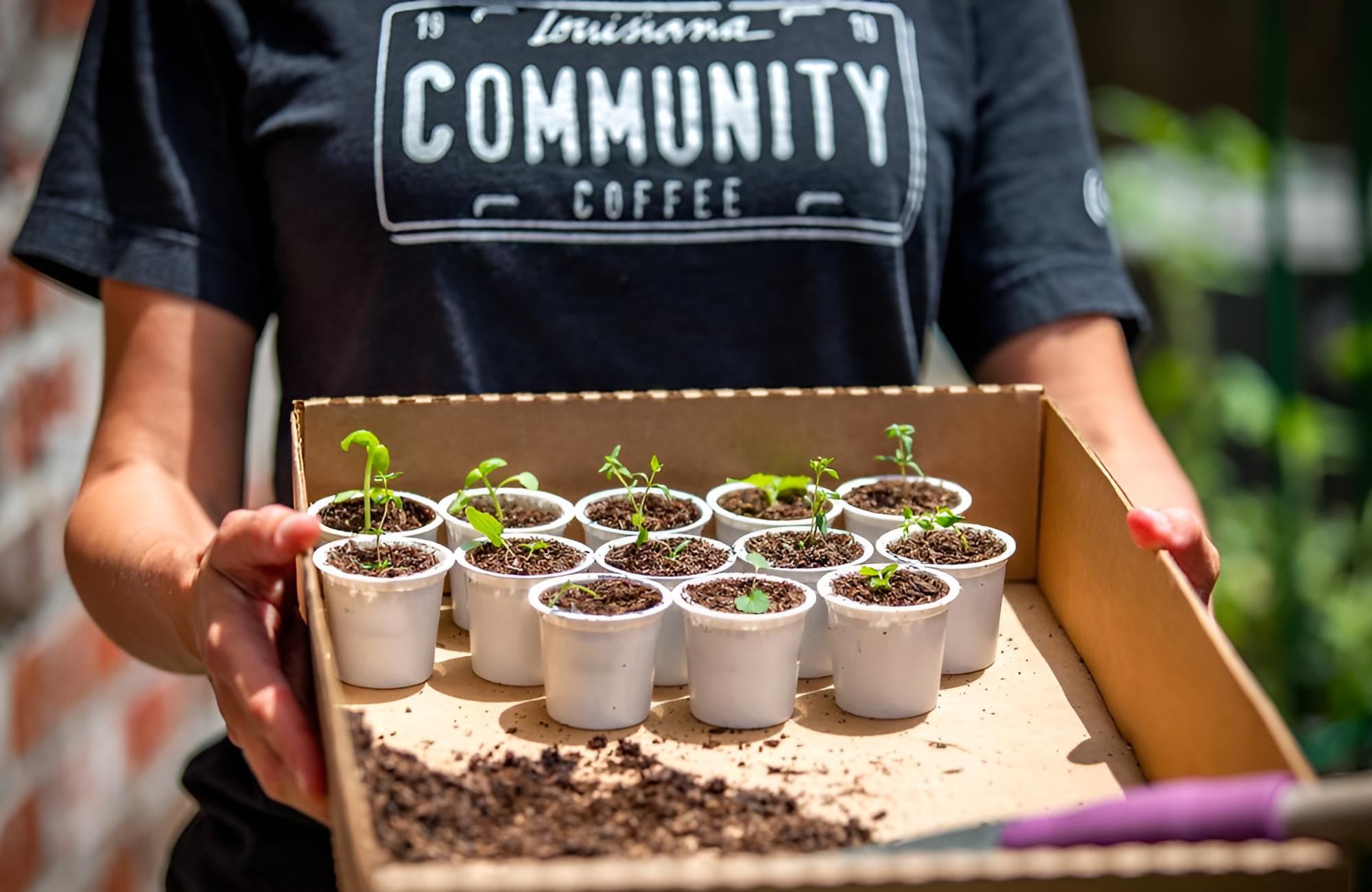
Used Coffee Capsules as Seed Starters @Google/Pinterest
Besides being a practical gardening approach, it is an educational opportunity for children. Teach them about the plant life cycle and the importance of recycling, all while preparing for your next gardening adventure. Enjoy your cup of coffee, knowing that you are savoring a good brew and helping the environment.
230. Old Bed Sheet Plant Frost Cover
Materials Needed: Old bed sheet
Cost to Make: $10.00*
When frost threatens your precious plants, your old bed sheets can rescue you! Use them as covers to form a protective barrier against the cold air. The sheet acts as a shield, preventing frost damage and providing extra warmth to your plants.
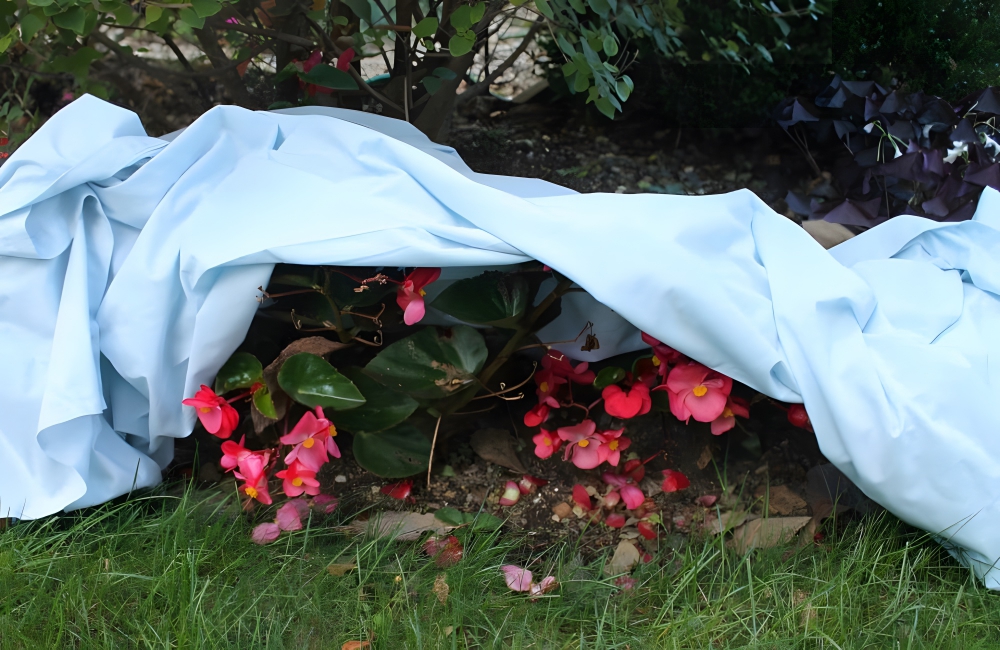
Old Bed Sheet Plant Frost Cover @growjoyplants/Pinterest
This trick costs you nothing if you have an old sheet lying around. It is a simple, cost-effective way to protect your garden from frost. Before throwing out those old bed sheets, consider how they might save your plants on a chilly night.
231. Old Blinds Garden Labels
Materials Needed: Old window blinds
Cost to Make: $5.00*
Don’t be so quick to toss out your old window blinds. You can smartly repurpose them into plant markers that resist water damage. The best part is that it won’t cost you anything! Cut the blinds into smaller pieces, write your plants’ names on them, and place them near your plants in pots or on the ground. These durable labels can survive the toughest weather conditions.
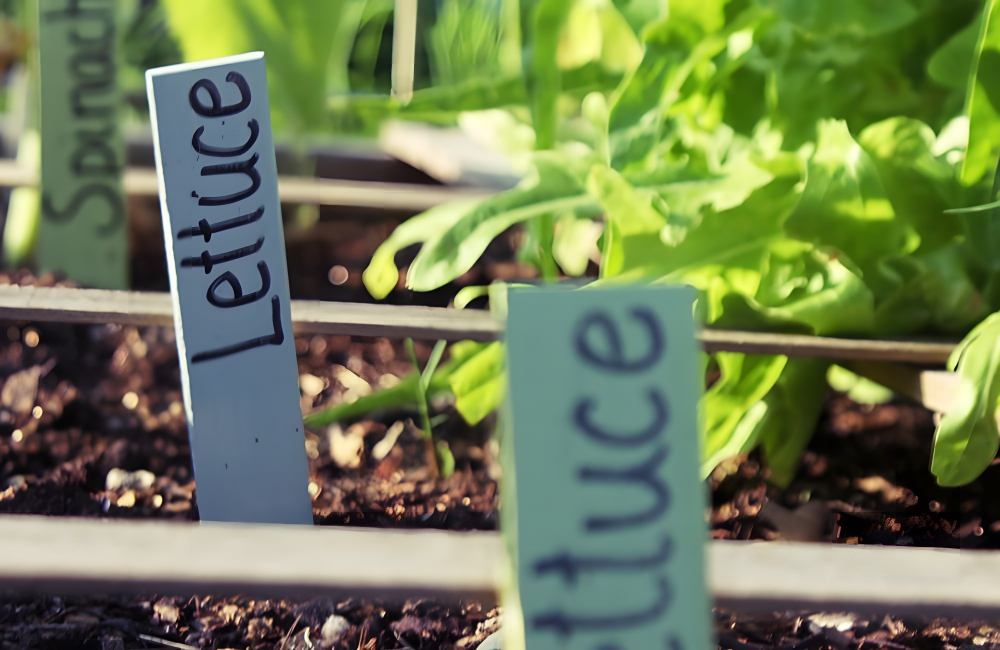
Old Blinds Garden Labels @Google/Pinterest
Reusing blinds for labels makes your garden neat. It’s also good for the environment. This is great for anyone who loves gardening and wants to tidy their green space. In short, using old blinds as plant markers mixes recycling with gardening. This helps make our world greener and healthier.