
182. There’s A Labyrinth Of Underground Tunnels In Dallas
Location: Dallas, Texas
Year Discovered: 1987 (Year Built)
Est. Value: $101.68 million* (Cost To Build)
If you’ve ever seen the movie Us by Jordan Peele, then you probably know why we mark this discovery as super-creepy. In Dallas, Texas, there is a system of labyrinthian underground tunnels known as the Dallas Pedestrian Network.
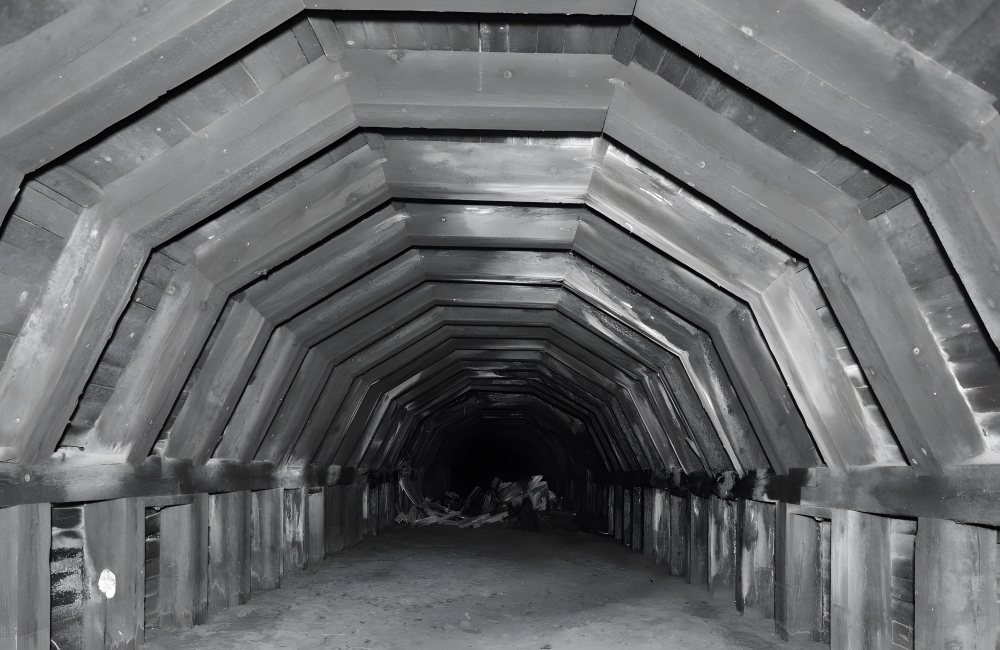
There’s A Labyrinth Of Underground Tunnels In Dallas @bcshelby/Pinterest
They’re hard to find, and only Dallas locals are adept at maneuvering them. Located underneath the bustling Texan city’s downtown area, these tunnels link some of Dallas’ most major buildings, including residential complexes, businesses, and skyscrapers. The network cost around $39 million in 1987 (adjusted for inflation, that’s $101.68 million), a cost-to-build that was split between the city and private companies.
183. 17th-Century Coins Found in a Fruit Grove May Solve a 300-Year-Old Pirate Mystery
Location: Rhode Island
Year Discovered: 2014
Est. Value: $200-$600 per coin*
Who doesn’t love a good pirate mystery? In 2014, someone wandering around a Rhode Island orchard with a metal detector found an Arabian coin dating back to the 1600s. Early European settlers didn’t trade with Arab merchants back then, so how did the coin end up in the colonies?
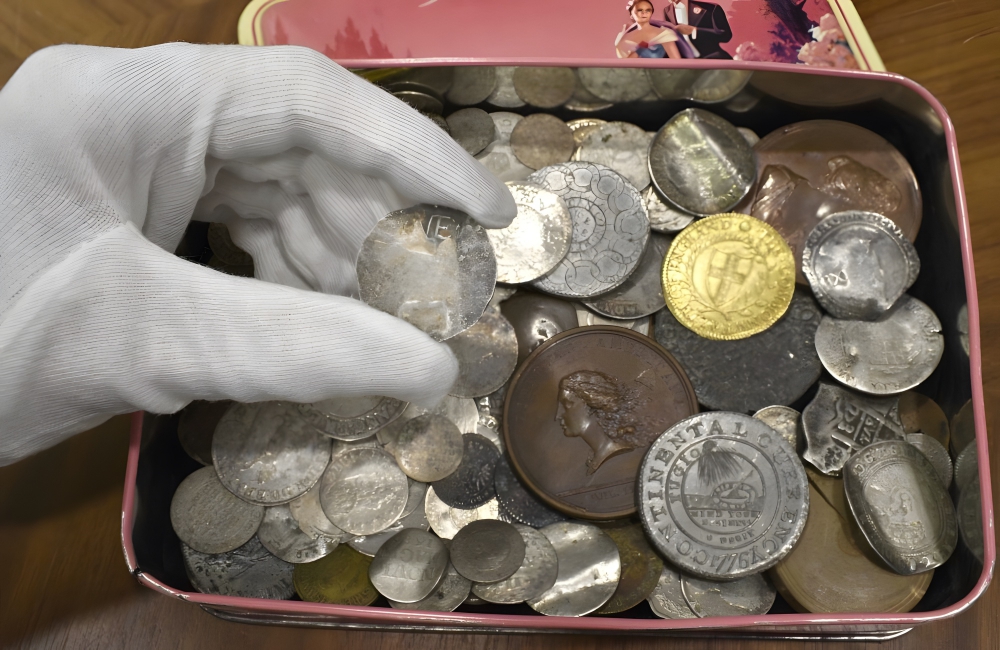
17th-Century Coins Found in a Fruit Grove May Solve a 300-Year-Old Pirate Mystery @nydailynews/Pinterest
This question led to the unraveling of a centuries-old pirate mystery. The Yemeni coin, which was minted in 1693, was potentially the possession of Henry Every, a notorious pirate captain. Every was thought to have set foot somewhere in New England (perhaps in Rhode Island) before his disappearance in 1696. It’s possible this coin was part of Every’s stolen loot, and he accidentally dropped it while on the run from pirate-hanging authorities. More coins were found in other New England states, further deepening the mystery.
184. 600-year-old Treasure Trove Found Under Flooring at Norfolk Tudor House
Location: Oxburgh Hall, Norfolk, England
Year Discovered: 2020
Est. Value: Unknown
A lone archeologist hard at work throughout 2020 in Oxburgh Hall found the discovery of a lifetime in the attic rooms. Underneath the floorboards of the Norfolk Tudor house, Anna Forest found the largest treasure haul ever discovered at a National Trust property.
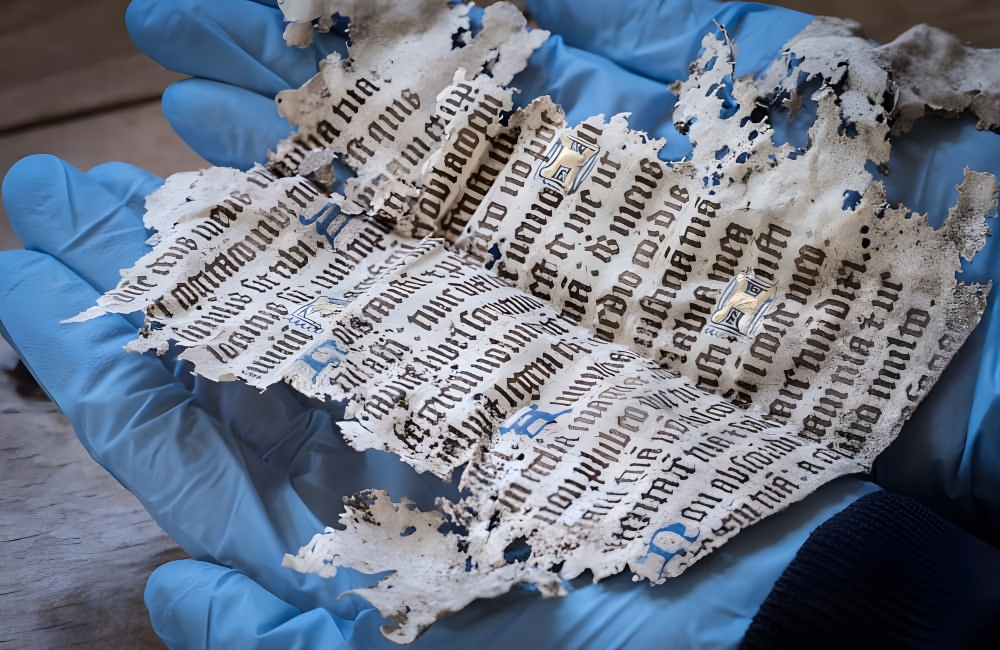
600-year-old Treasure Trove Found Under Flooring at Norfolk Tudor House @thetimessunday/Pinterest
One highlight among the trove was a blue-and-gold manuscript that could have belonged to the builder of Oxburgh, Sir Edmund Bedingfeld. Throughout the rest of the property, other treasures, such as fragments of textiles from the 1500s and 1700s, handwritten music from the 1500s, and an opened box of WWII-era chocolates, were found. According to officials, the building is still “giving up its secrets” and revealing new treasures “slowly.”
185. New York Woman Discovers Secret Apartment Behind Mirror
Location: Roosevelt Island, New York
Year Discovered: 2021
Est. Value: $1.9 million* (3-Bed Apartment in Roosevelt Island)
According to Samantha Hartsoe, a homeowner in Roosevelt Island, New York, curiosity could “kill” her, as she found something in her home that is the stuff of horror movies. Hartsoe was conducting renovations when she found a three-bedroom apartment hidden behind her bathroom mirror.
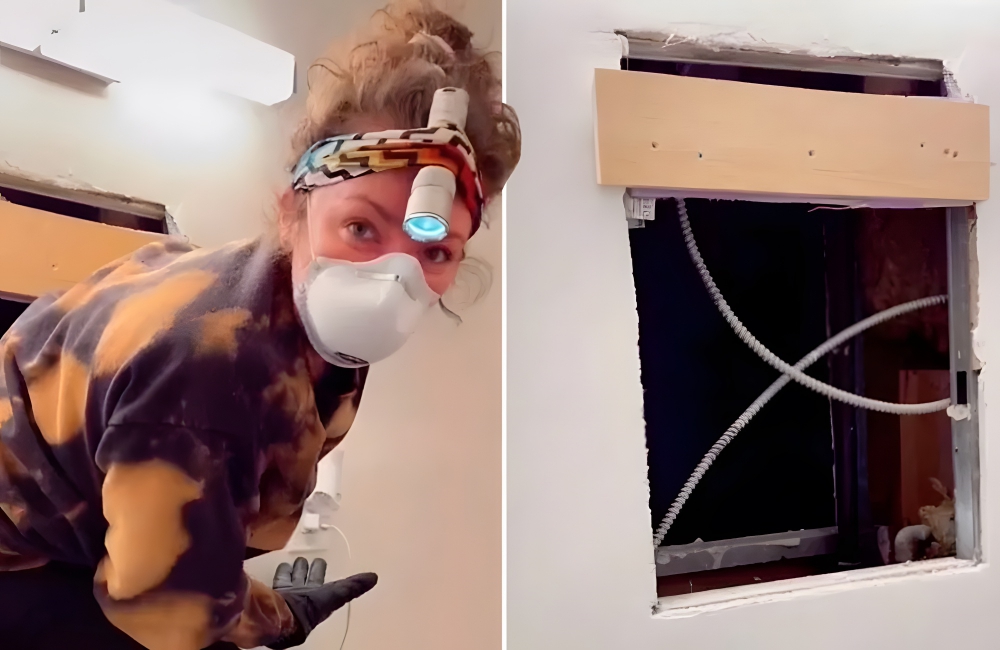
New York Woman Discovers Secret Apartment Behind Mirror @theguardian/Pinterest
She first got the idea to remove the mirror when she kept feeling cold drafts. She crawled through the small opening behind the mirror, and, in the creepy space, she found heaps of trash bags and an empty water bottle. So far, the presence of this extra square footage has baffled everyone, including building managers who didn’t even know the apartment was there until Hartsoe found it.
186. Bathhouse Dating to the 12th Century Found in Spanish Bar
Location: Seville, Spain
Year Discovered: 2021
Est. Value: Unknown
Cerveceria Giralda is a popular bar in Seville, Spain, and it has been serving food and drinks in the heart of the city for nearly one century. But, there is more to this bar than meets the eye, as Giralda’s owners discovered, during renovations, that the bar had once been a twelfth-century bathhouse.
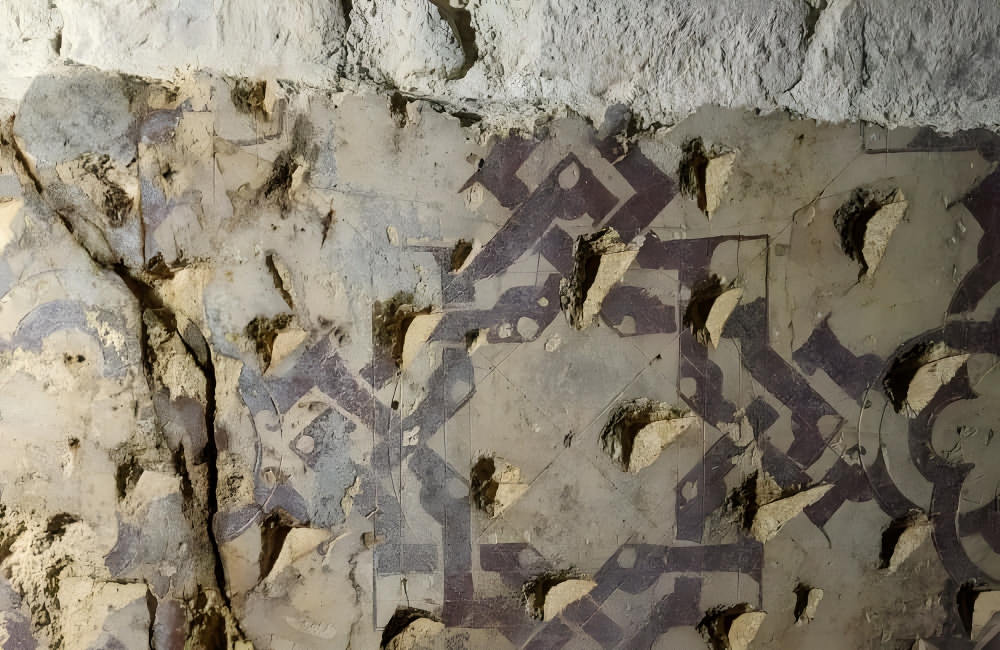
Bathhouse Dating to the 12th Century Found in Spanish Bar @Cnn/Pinterest
As paint was removed, stunning art and mosaics from the Almohad Caliphate (which ruled Spain at the time) were revealed. Archaeologists also uncovered star-shaped skylights. The intricate craftsmanship made this a “beautiful” find, according to researchers, who are still conducting carbon-dating on the building.
187. The Old Man of Olduvai Gorge
Location: Ngorongoro District, Arusha Region, Tanzania
Year Discovered: 1911
Est. Value: Priceless
German physician Wilhelm Kattwinkel was traveling in East Africa in 1911 to investigate the parasitic infection known as sleeping sickness. There, he stumbled upon the fossils of an extinct three-toed horse in what would be known as Olduvai Gorge. When Kattwinkel told other German researchers about his find, scientists swarmed the area.
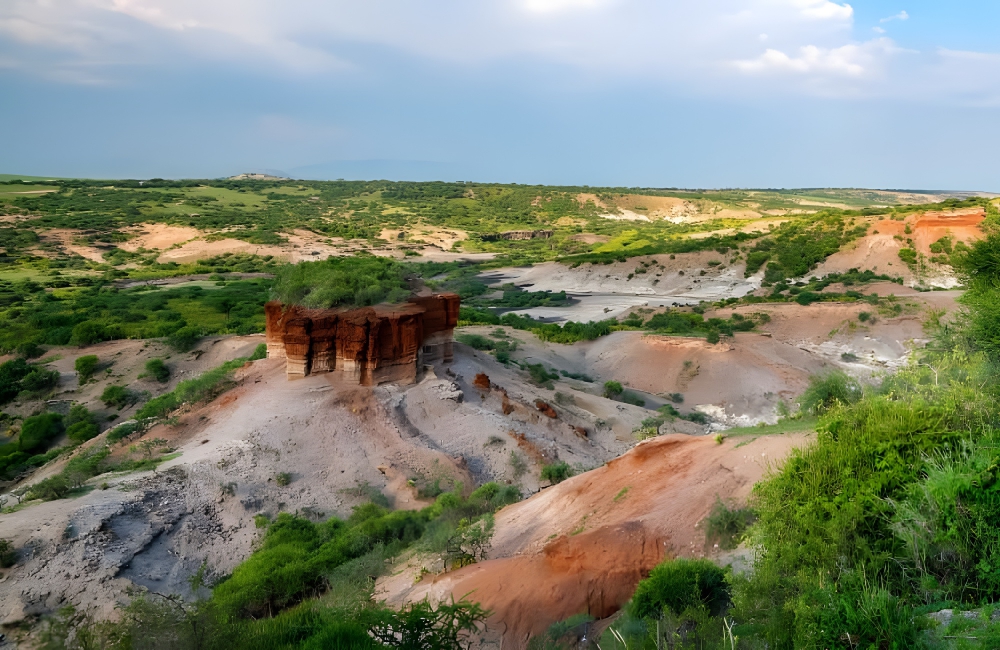
The Olduvai Gorge Is One Of The World’s Most Important Paleontological Sites ©Yakov Oskanov/Shutterstock
The Tanzanian site has told us priceless information about early humans, and hominin remains were found there that dated back to 17,000 B.C. Additionally, evidence of stone tools, scavenging, hunting, and more was found. It is thought that early human species lived in Olduvai around 1.9 million years ago.
188. Bizarre ‘Horned’ Kangaroo Fossils Unearthed
Location: Nullarbor Desert, Australia
Year Discovered: 2002
Est. Value: Unknown
This is one of the strangest things ever found in a desert. When you think of kangaroos, you don’t picture these friendly animals as having horns. But, bizarre horned fossils were found that suggest that, at one point, kangaroos looked a lot different. Not only did they have horns, but they also had bulbous noses, according to the fossils.
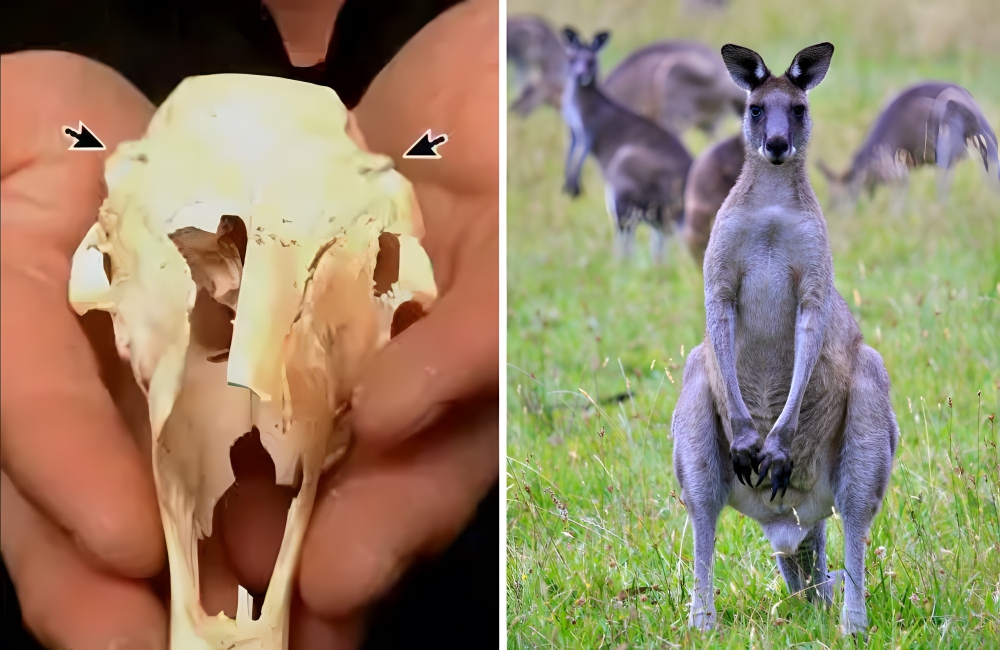
Bizarre ‘Horned’ Kangaroo Fossils Unearthed @toptenz/Pinterest | ©Alex Proimos/Wikimedia
These weird, alien-like kangaroos also had huge digging claws, which is unexpected, as ‘roos aren’t burrowing animals. This Nullarbor Desert find is just one of the many strange things that the Australian deserts have had to offer archaeologists and paleontologists.
189. Sprawling Wheel-Shaped Structures Dot the Middle East
Location: Wadi Wisad, Jordan
Year Discovered: 1927
Est. Value: N/A
These sprawling, wheel-like structures are found throughout the Middle East, and they are just more fuel for the “aliens are real” fire. They were first discovered in 1927 by a Royal Air Force fighter pilot. The local Bedouin people living there described these strange structures as “works of the old men.”
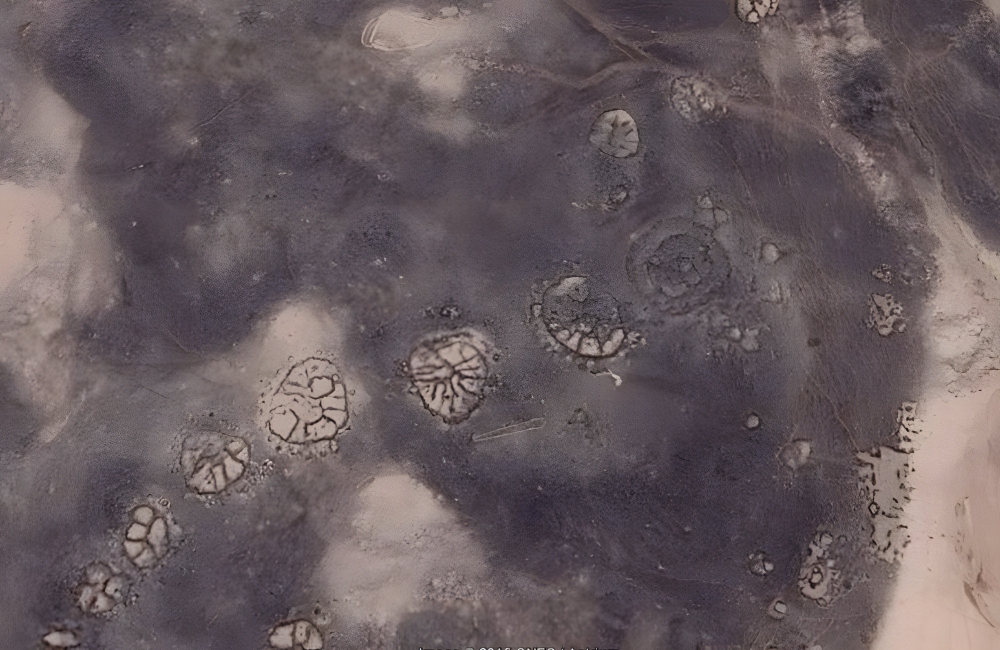
Sprawling Wheel-Shaped Structures Dot the Middle East @dailymail/Pinterest
The wheels date back to 8,500 years ago, and they are specifically found in Wadi Wisad, a Jordanian desert. They are described as “wheels” because they have spokes that radiate through the center, but, really, these huge stone walls are still a mystery. No one seems to know what they were used for, thousands of years ago.
190. Centuries-old Slate Discovered at Jamestown Dig
Location: Jamestown Settlement, Richmond, Virginia
Year Discovered: 2009
Est. Value: Unknown
In 2009, archaeologists dug up a 400-year-old slate in Richmond, Virginia’s Jamestown settlement. The slate was found in what was once an old well, and it must have been designed by an early English artist. The 4” x 8” slate is covered in detailed depictions of trees, birds, flowers, male caricatures, letters, and numbers.
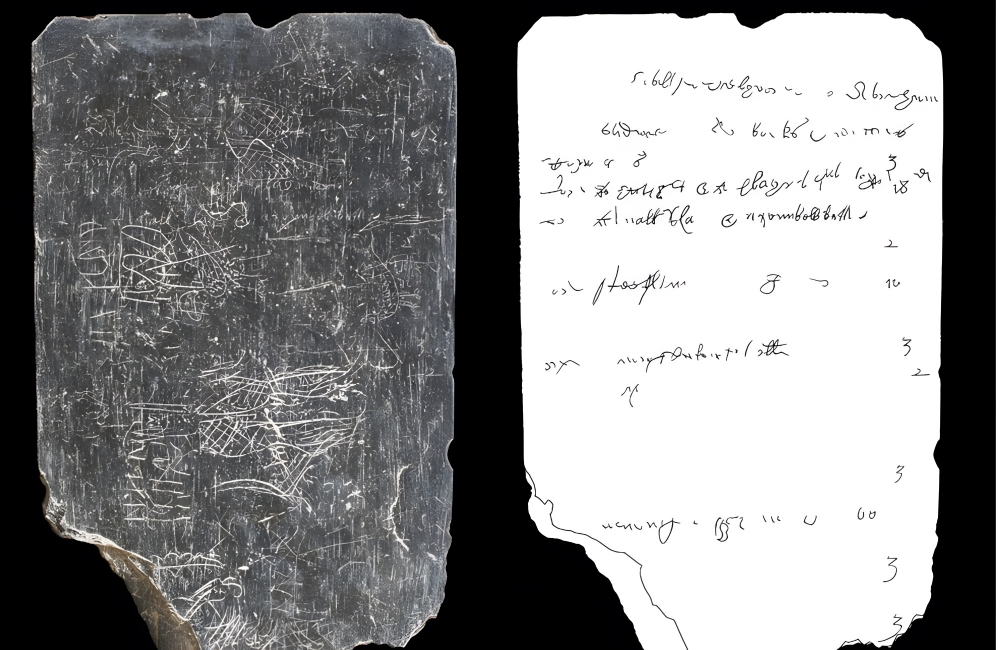
Centuries-old Slate Discovered at Jamestown Dig @natgeo/Pinterest
The inscriptions were created using a pencil, but the grooves the pencil made remained on the surface, even when the lead was wiped away. Based on a few military-related insignia on the slate, it is possible that the artist was a high-up government official with a penchant for drawing.
191. Venomous Snake Found in Bag of Romaine Lettuce
Location: Sydney, Australia
Year Discovered: 2021
Est. Value: Unknown
Well, if you were looking for a reason not to eat a salad, this could help you out. In 2021, a man and his partner bought a bag of romaine lettuce at an Aldi in Sydney, Australia. When he got home and placed the bag on the counter, he noticed that it was writhing around and moving.
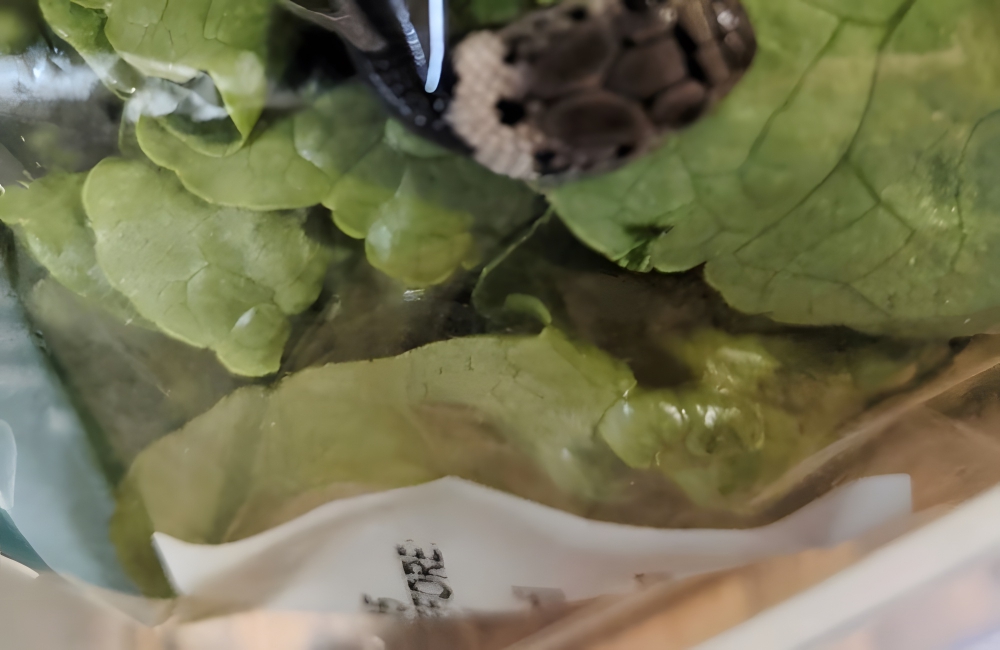
Venomous Snake Found in Bag of Romaine Lettuce @metrouk/Pinterest
Panicking, he took a closer look, only to find that a very unhappy venomous snake was attempting to escape the bag. Quickly, the shopper stuffed the snake into a plastic container, sealed it, and called the authorities. Aldi says that it is still trying to figure out how the snake, which was released back into the wild, got into a bag of its produce.
192. Most Venomous Spider In The World Found In Store-Bought Bananas
Location: England
Year Discovered: 2021
Est. Value: $100*
Jon Stein, a cab driver in England, made a rather horrific discovery in his store-bought bananas in November of 2021. After buying the bananas, he got home and saw a “two-inch mass” hanging from them. He didn’t realize what the mass was until it began to “twitch.”
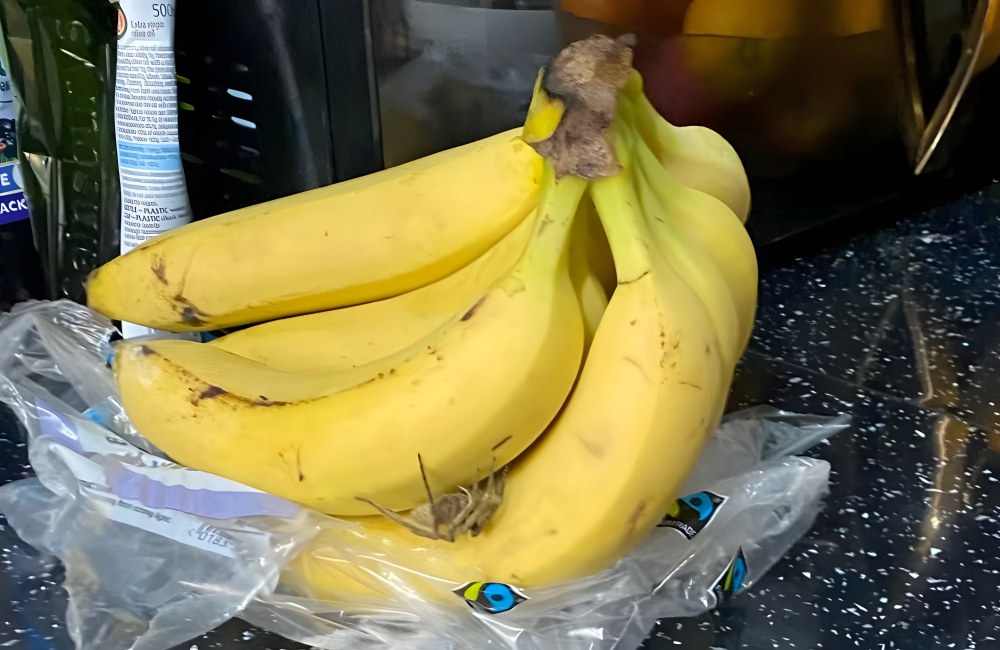
Most Venomous Spider In The World Found In Store-Bought Bananas @Independent/Pinterest
He said that, when he focused his eyes, he saw “big, bony, hairy legs.” Not only was there a half-dead spider in Stein’s bananas, but the spider was also one of the world’s most venomous. Known as a Wandering Spider because it loves to roam around forest floors during the night, this spider is native to South America. Likely, it hitched a ride on banana leaves imported into England, and it enjoyed its trip around the world until ending up at Jon Stein’s house.
193. Cave Crystals Found to Contain 50,000-year-old Life
Location: Cave of Crystals, Naica, Mexico
Year Discovered: 2017
Est. Value: Priceless
The Cave of Crystals in Naica, Mexico, is beautiful, but temperatures rise to such high levels that much of the Cave is unexplored. But, in 2017, it was announced that some of the crystals in the Naica Caves contained life that could be as much as 50,000 years old.
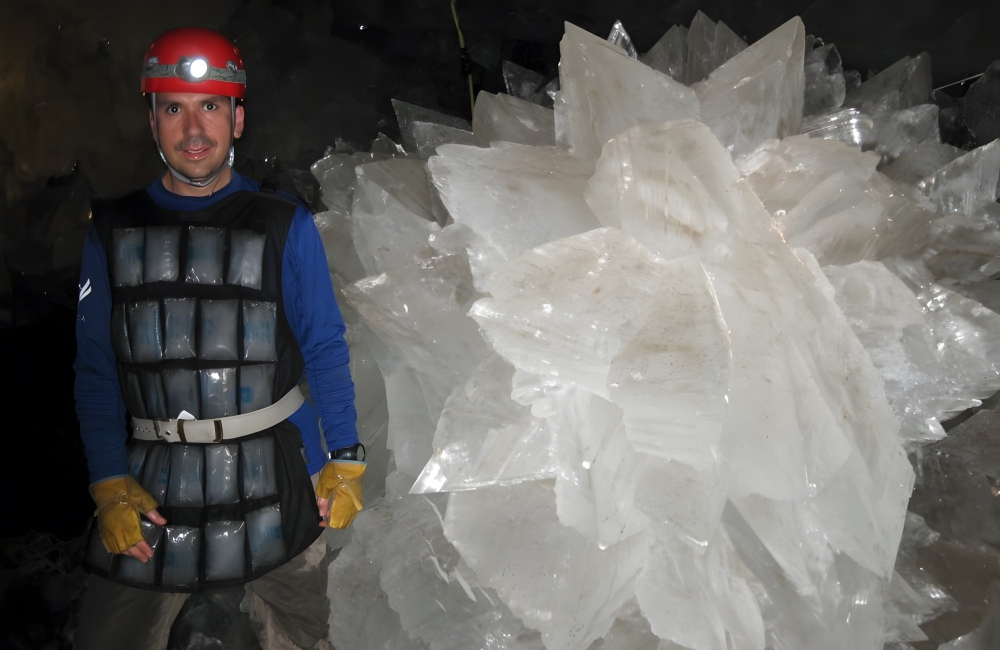
Cave Crystals Found to Contain 50,000-year-old Life @CBC/Pinterest
No, the life isn’t some tiny green alien. It consists of ancient microbes, dormant and living on iron and manganese minerals. Penelope Boston, the head of the Astrobiologist Institute at NASA, described these microbes as “super life,” able to survive in even Earth’s most punishing conditions. To even get into the Naica caves to explore this phenomenon, scientists had to don semi-space suits and wear ice packs.