
There is only one answer when searching for the reason why animals go extinct, and that’s humans. Marine life can’t stay unaffected when humans catch about 85 million fish every year. Also, it’s only natural for animals that live in forests to disappear when millions of acres of land are being destroyed every year, not to mention all the plastic that ends up in the oceans that is seriously threatening turtle populations amongst others.
Bright Side would like to draw your attention to these 10 rare creatures that are on the brink of extinction.
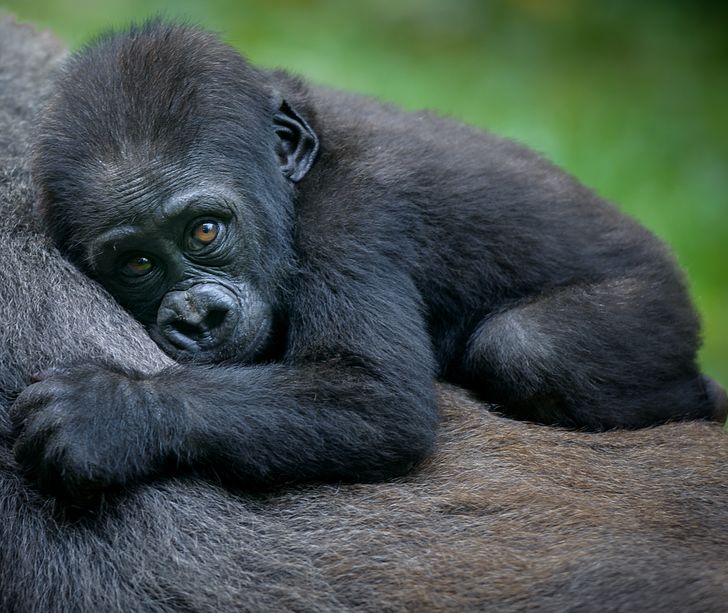
10. Global mountain gorilla
 © Shutterstock.com
The future of mountain gorillas seems promising since the species have managed to increase their population to a total of 1,063. They can be found in only 2 places around the world, which are both protected forest areas. This is proof that conservation efforts can bring one species back from the brink of extinction. However, illegal human activity is still a big threat to the animal population in Bwindi-Sarambwe.
9. Saola
The saola species was only discovered in 1992 in Vietnam in a restricted mountainous jungle. It is estimated that the total population is less than 750 animals, and this number is declining. The main threat to saolas is humans and their hunting activities that often hurt them. That’s why many conservation organizations have teamed up to create safe environments for them in the wild.
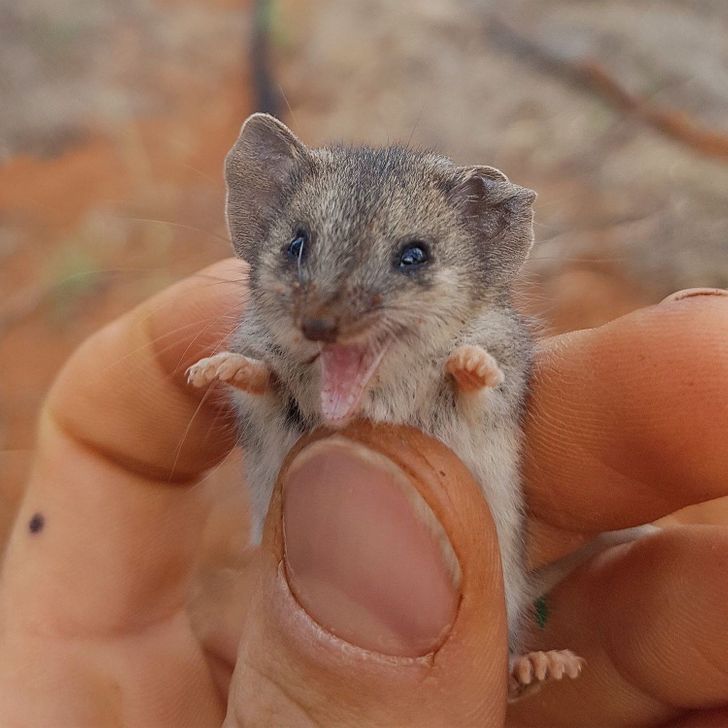
8. Kangaroo Island dunnart
 © angryaussie / imgur
This tiny creature can only be found on the Australian Kangaroo Island, with an estimated population of less than 500. The extensive clearing of vegetation by humans has put the dunnart in extreme danger. Also, the wildfires that hit Australia in 2019 and 2020 burned 95% of the species. That’s why an enclosed protected area was created to keep the dunnart and other endangered species safe.
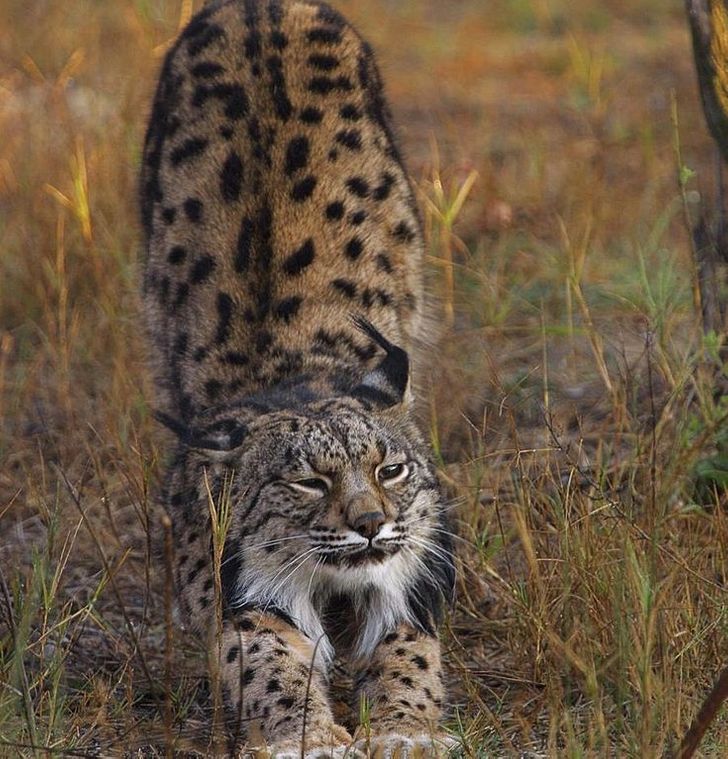
7. Iberian lynx
 © http://www.lynxexsitu.es / Wikimedia Commons, © CC BY 3.0 ES
The rare species can only be found in 2 forested areas of Southwest Spain composed of oak trees. Between 1985 and 2001, their population decreased by 87%, but today there are around 400 lynxes in the wild. Their natural habitat keeps on getting destroyed by new highways and trees getting cut down. The future doesn’t look very bright for them unless a recovery plan is implemented.
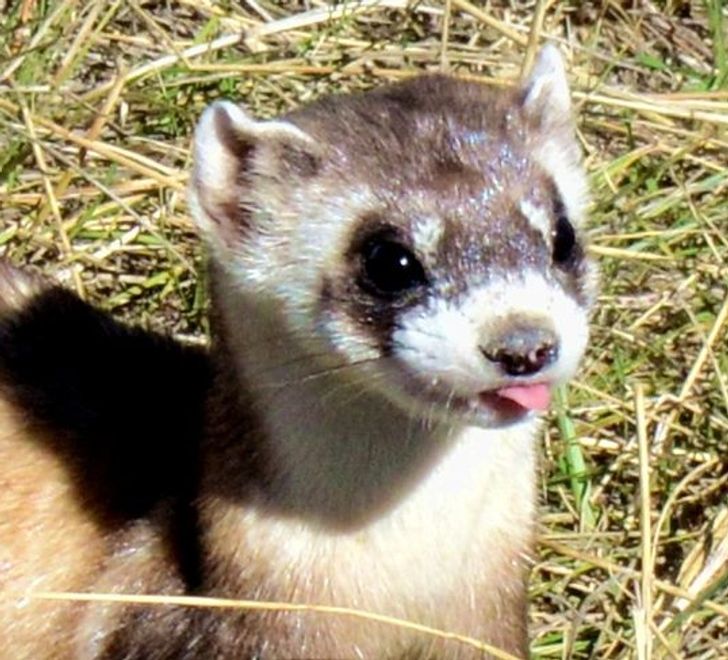
6. Black-footed ferret
 © USFWS Mountain-Prairie / Wikimedia Commons, © CC BY 2.0
While people used to think they had gone extinct, the little creatures proved to still be in existence. However, their population is rapidly declining due to disease and loss of natural habitat. Their total population number is estimated at around 370 out in the wild. And all of this happened due to the major recovery efforts by many federal agencies and zoos that offered their space for the ferrets to survive in.
5. Gharial crocodiles
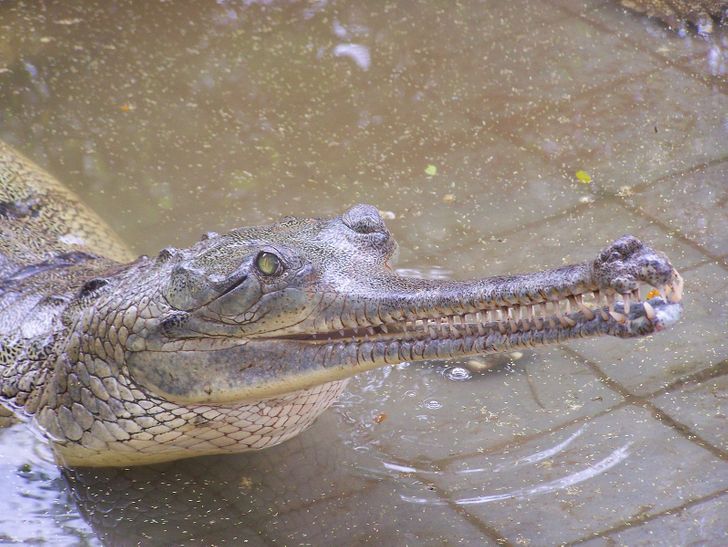 © Soham Banerjee / Wikimedia Commons, © CC BY 2.0
In 2010, there were only 15 crocodiles found in the Gandak river in Bihar. That’s why in 2014 a conservation initiative took place and freed 30 crocodiles that were in captivity and put them back in the river. That’s when their population started to grow.
In 2018, 2 separate surveys found that 148-166 gharials were now living in the river, with over 40 hatchlings waiting to grow up. However, they are still threatened by fishing nets in the water and those who hunt them for trophies.
4. Kakapo
For the first time in 70 years, the kakapo population is on the rise with over 213 birds in existence. In just the 2018/2019 reproduction season, 71 chicks survived, which was a record number for the species. The recovery group behind the success tries to make sure that the birds stay healthy and protected from infection. Their next goal is to find pest-free habitats for the birds since disease is their main threat.
3. Canadian harbor seal
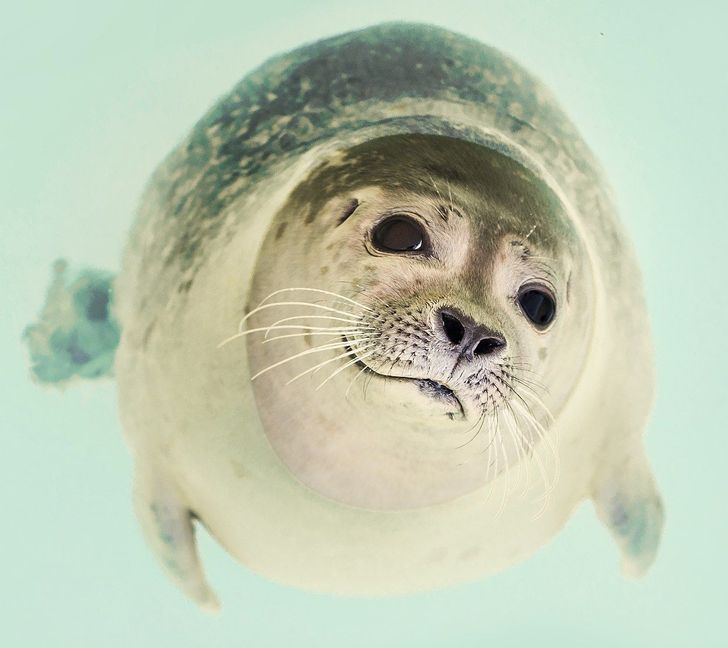 © Peter Heeling / Wikimedia Commons, © CC0 1.0
Found in Quebec, this sub-species is the only one of its kind that survives solely in freshwater, feeding off fish. The latest calculation found that there aren’t more than 100 of them living in the area. The reason can be attributed to human activity, with many people hunting and capturing them. Also, on many occasions, the seals get trapped in fishing gear and are not able to free themselves.
2. Amur leopard
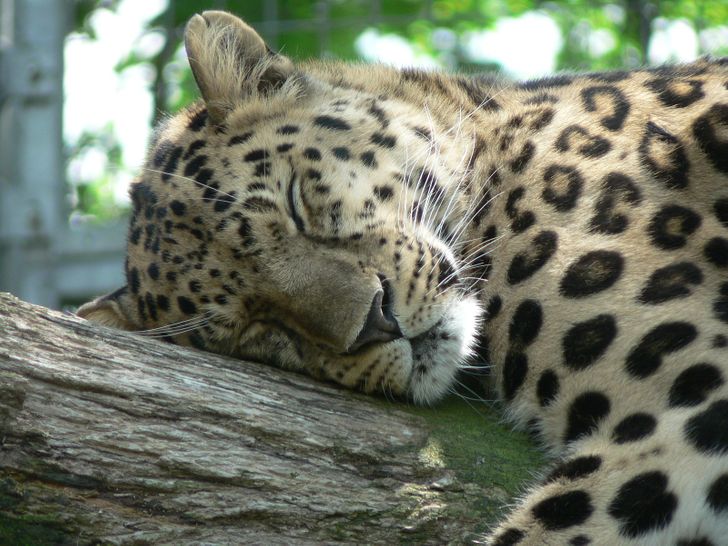 © nick@ / Wikimedia Commons, © CC BY 2.0
This unique sub-species has found a way to survive in the forest temperatures of the Russian Far East. They live for up to 15 years in the wild and over 20 in captivity. They have the incredible ability to run at 37 miles per hour and jump as high as 19 feet, horizontally. However, their loss of habitat and human activity has decreased their number to around 84 individuals or slightly more.
1. Vaquita porpoise
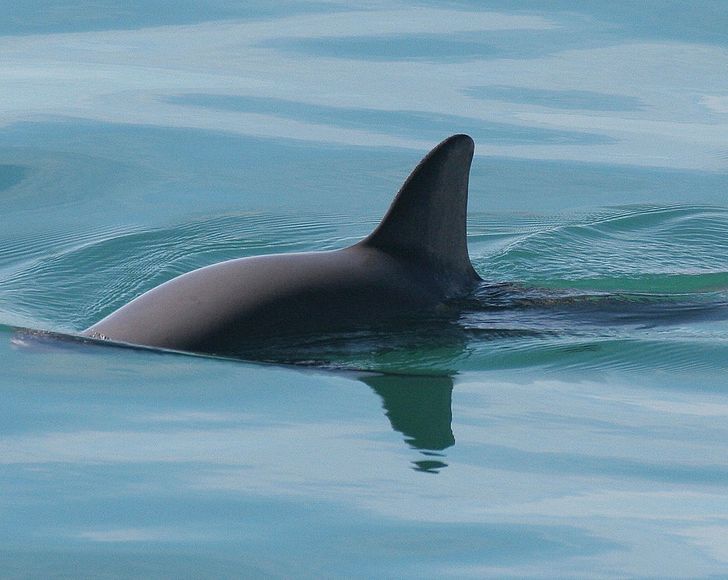 © Paula Olson / Wikimedia Commons, © Public Domain
This very rare marine mammal was only discovered back in 1958. However, in the last few years, vaquitas have fallen victim to illegal fishing operations. They are often trapped in fishing nets and can’t get free. That’s why their population is at around 10 individuals in the Mexico Gulf. They can be found in shallow waters but will quickly swim away if a boat approaches them.
Do you believe that if all humans made an effort, no animal would go extinct? What do you think we can all do to help these endangered species?
 zi ang