
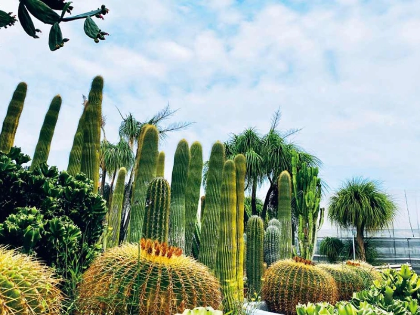
3. Photosynthesis Adaptations: Crassulacean Acid Metabolism
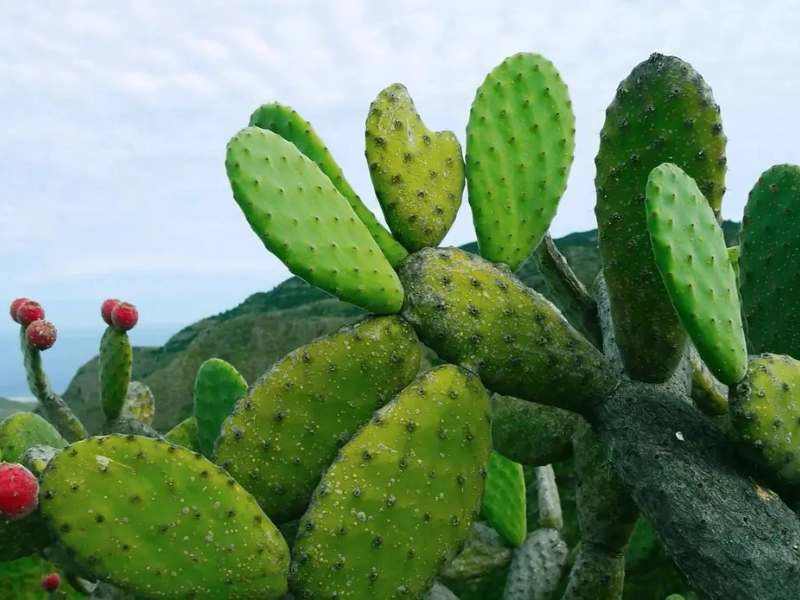
Crassulacean Acid Metabolism (CAM) is a special type of photosynthesis that cactus have evolved to enable their survival in arid conditions. When water is limited, this adaptation is especially helpful since it helps cactus reduce water loss during photosynthesis. One amazing illustration of how plants could adapt to live in hostile environments is CAM photosynthesis.
Plants open their stomata during the day in conventional photosynthesis to consume carbon dioxide (CO2). But through transpiration, this mechanism also causes considerable water loss. Conversely, cactus open their stomata at night when humidity is higher and temps are colder. They take in CO2 during this period and turn it into organic acids—stored in their cells. This nighttime activity lets cactus maximise the lower temperatures and slower evaporation rates.
Cactus seal their stomata throughout the day, when the sun is shining, to stop water loss. Keeping their stomata closed, they then release CO2 for photosynthesis using the saved organic acids. This amazing adaptability helps cactus to keep generating energy without sacrificing valuable water supplies. In arid conditions, one major benefit is the capacity to photosynthesize during the day while reducing water loss.
Highly effective the CAM process helps cactus to survive in very hot and dry environments. Cacti can survive in conditions where other plants would find difficult existence by reducing water loss and optimising energy generation. This adaption highlights cactus’ amazing adaptability and capacity to flourish under demanding circumstances.
Moreover, the CAM process lets cactus efficiently save resources and energy. Nightly conversion of CO2 into organic acids allows them to use sunshine during the day to drive their metabolic activities and growth. Their existence in restricted resources contexts depends on this efficiency.
All things considered, the CAM photosynthesis mechanism is an essential adaptation enabling cacti to save water while also generating energy. This unusual kind of photosynthesis shows how creatively nature can overcome obstacles to let cacti flourish in some of the toughest environments on Earth.
4. Thick Skins and Waxy Coatings
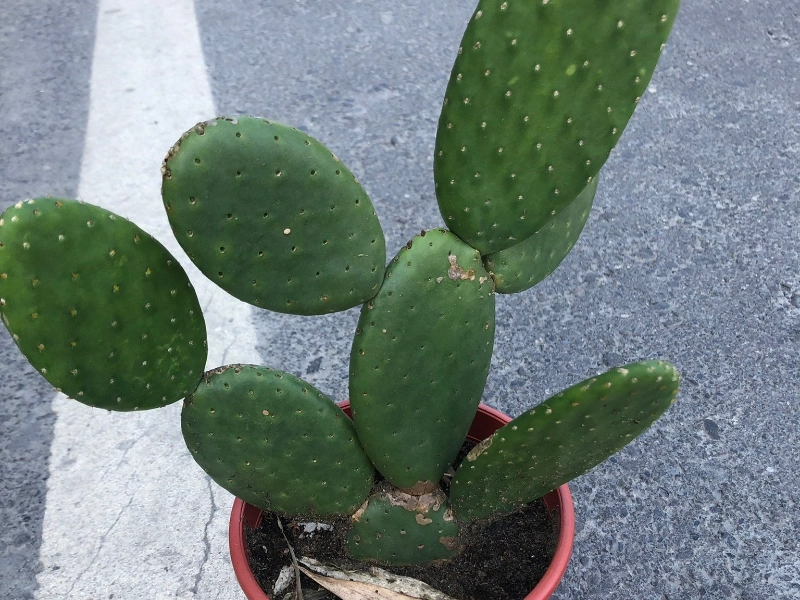
Thick, waxy skins of cactus are absolutely essential for their survival in hostile conditions. Mostly preventing water loss and offering physical defence from hostile environments, this protective outer layer performs several purposes. It’s amazing how cleverly cactus have evolved to fit their surroundings.
Specialised cells of cactus serve to reduce evaporation by means of their thick skin. In arid climates—where water is limited—this adaptation is especially crucial. Cacti are appropriate for desert conditions since they can survive extended stretches without rain by keeping moisture inside their tissues. By serving as a barrier against the sun’s strong heat, the thick skin helps to preserve ideal inside temperature.
Apart from stop of water loss, the waxy covering on cactus surface acts as a barrier against environmental stresses. This layer guards the plant against physical harm, strong sunshine, and harsh temperatures. The waxy surface reflects sunlight, therefore lowering the risk of overheating and sunburn—which might be harmful to the health of the plant. For cactus subjected to prolonged direct sunlight, this reflecting characteristic is absolutely necessary.
Moreover, cacti’ thick skin helps against pests and herbivores. The strong façade makes it challenging for animals to enter the plant, so discouraging possible hazards. In settings where food supplies are few and resource rivalry is strong, survival depends on this adaptability. The physical defence provided by the thick skin lets cactus flourish in hostile environments without giving way to predation.
The capacity of cactus skin to vary in hue depending on surroundings is another fascinating feature. When subjected to strong sunshine, some cacti may acquire a reddish or purplish colour that helps to lower heat absorption and guard the plant against sunburn. One amazing illustration of how cacti can fit their environment is this colour change.
Cacti’s thick skins and waxy coatings are overall essential adaptations that improve their durability in hostile conditions. These characteristics help cactus to survive in some of the toughest environments on Earth by reducing water loss and offering defence from environmental stresses. The amazing adaptations of cactus emphasise the creativity of nature and its capacity to overcome obstacles.
 zi ang