
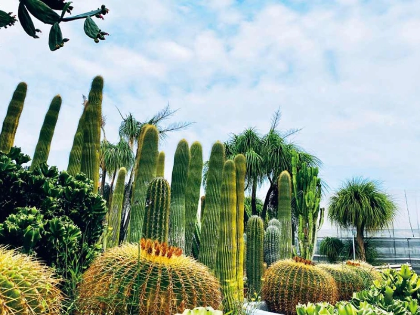
Particularly in arid deserts, cactus are amazing organisms that flourish in some of the most hostile conditions on Earth. Their capacity to live and grow under difficult circumstances highlights the resiliency and adaptation of nature. The several adaptations that allow cactus to survive in hostile conditions are investigated in this paper together with its special characteristics and survival tactics.
1. Water Storage: The Key to Survival
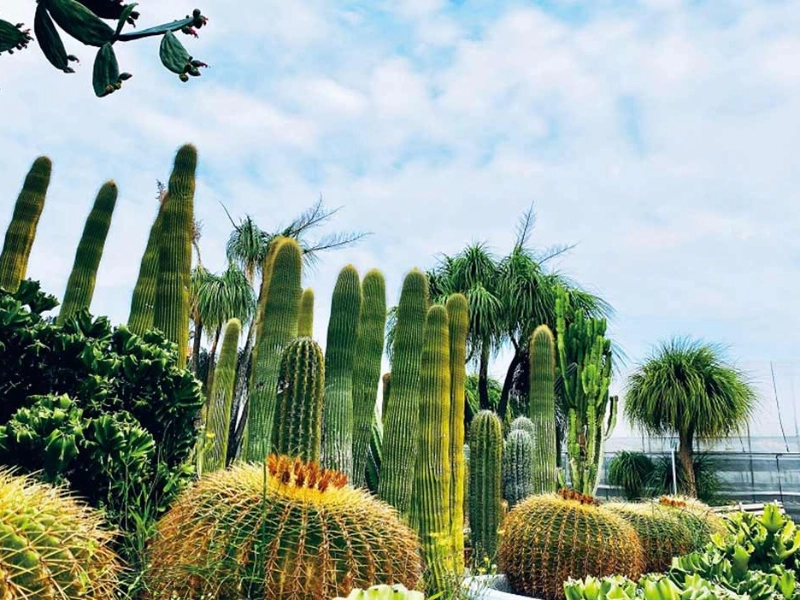
Among cactus’ most important adaptations are their capacity for water storage. In desert settings, where rainfall is erratic and rare, cactus have developed specialised structures to effectively retain moisture. Like sponges, the fleshy parts of cactus help them to absorb and save vast volumes of water during infrequent rainfalls. Survival depends on this adaptation since it enables cactus to withstand protracted drought.
Thick, succulent stems of cactus allow them to swell with water, therefore enabling their survival over protracted dry times. A mature saguaro cactus, for example, may store up to 200 gallons of water, which lets it draw on these supplies when outside moisture is limited. Maintaining the physiological activities of the plant—including photosynthesis and development— depends on its capacity for water storage.
Apart from their capacity for holding water, cactus have a waxy covering on their skin called a cuticle. By lowering evaporation, this waxy coating helps the plant to retain moisture even in the hottest of temperatures, therefore minimising water loss. While still allowing the plant to photosynthesize, the cuticle serves as a barrier stopping water from leaving. The existence of the cactus depends on this harmony, particularly during the sweltering summer days.
Moreover, cactus have evolved shallow but broad horizontal- spreading root systems. These roots are meant to rapidly gather light shower rain before it evaporates. This adaptation guarantees that cactus can maximise any moisture available to them, so enabling their survival in conditions when other plants might find it difficult. With their many feet in diameter, the root systems allow the cactus to gather as much water as feasible from the nearby soil.
Moreover, cactus may control their water consumption depending on the surroundings. They can reduce their metabolic activities to save water during very hot spells. Their survival depends on this capacity to modify their physiology to fit new surroundings. Cactus can quickly absorb and retain water when it is plenty; but, they can efficiently manage their resources to survive until the following rainstorm when conditions are dry.
One of the most resilient plants in arid environments, cactus must first be able to store water if they are to survive through severe drought conditions. Their amazing adaptations enable some of the toughest conditions on Earth not just for survival but also for thriving.
2. Modified Leaves: Spines for Protection
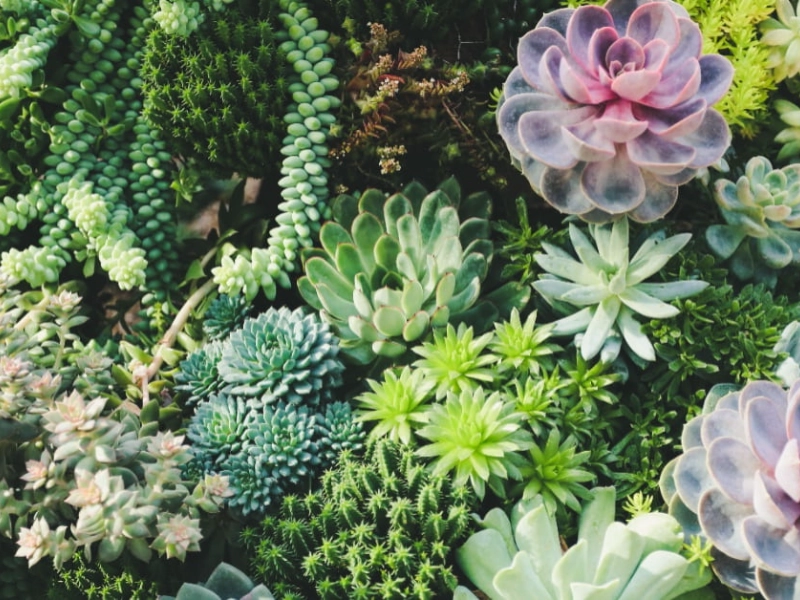
Especially their spines, cacti are well-known for their unusual look. Actually, these spines are modified leaves with several uses, mostly water conservation and defence. Having spines helps discourage animals from eating on the cactus in hard desert conditions when herbivores abound. Their survival depends on this adaptability since many other desert plants lack such defences.
Apart from shielding cactus from herbivores, their sharp, needle-like spines offer shade. Spines assist lower the temperature of the cactus by casting shadows on its surface, therefore minimising water loss through evaporation. When the sun’s rays are most strong, in the hottest sections of the day, this shade effect is very helpful. The microclimate the spines create surrounding the cactus helps to preserve a more suitable temperature for internal operations of the plant.
Spines also help to retain air-based moisture. Dew can gather on the spines and trickle down to the base of the cactus where it can be absorbed by the roots when humidity exists. This adaptability helps cactus to maximise even the smallest moisture in their surroundings. In arid areas where rainfall is limited, the capacity to make use of air’s moisture is very crucial.
The fact that cactus spines reflect sunlight is still another amazing feature. The light-colored spines assist to deflect sunlight from the cactus, therefore lowering the risk of overheating. In intense heat, this adaptability is essential for survival; cactus can keep ideal temperatures for growth and water retention via this means. The spines’ reflecting nature also serves to reduce sunburn, which may harm the tissues of the plant and impede its capacity for photosynthesis.
Apart from their defensive purposes, spines can possibly be involved in reproduction. Certain cacti attract pollinators including bees and butterflies by producing flowers that sprout from their spines. These flowers’ vivid colours and smells can draw pollinators, therefore guaranteeing effective fertilisation and seed output. This dual use of spines—serving both protective and reproductive—showcases the flexibility and inventiveness of cactus.
All things considered, the modified leaves of cactus—which have evolved into spines—have vital purposes in controlling temperature, preserving water, and shielding the plant from herbivores. Cacti must have these adaptations if they are to survive in their demanding surroundings, therefore highlighting the amazing fortitude of nature.
 zi ang