
139. Use Chamomile Tea To Help Plants Grow
Materials needed: Chamomile tea
Cost To Make: $3-$6*
Chamomile tea has been around for thousands of years, and there are people who swear by its calming properties. However, this tea isn’t just useful for personal care. In addition to being able to help humans, it can also help seeds.
Use Chamomile Tea To Help Plants Grow ©Lyashenko Egor/Shutterstock.com
The tannins in chamomile tea promote seed germination, as they soften seed casings. To do this hack, brew a cup of weak tea. Allow the tea to cool until it is just a bit hotter than lukewarm. Then, soak your seeds in the mix. This will prevent them from damping off, giving you a chance at maximum germination.
140. Put An Egg In Before Soil
Materials needed: One egg
Cost To Make: $0.50*
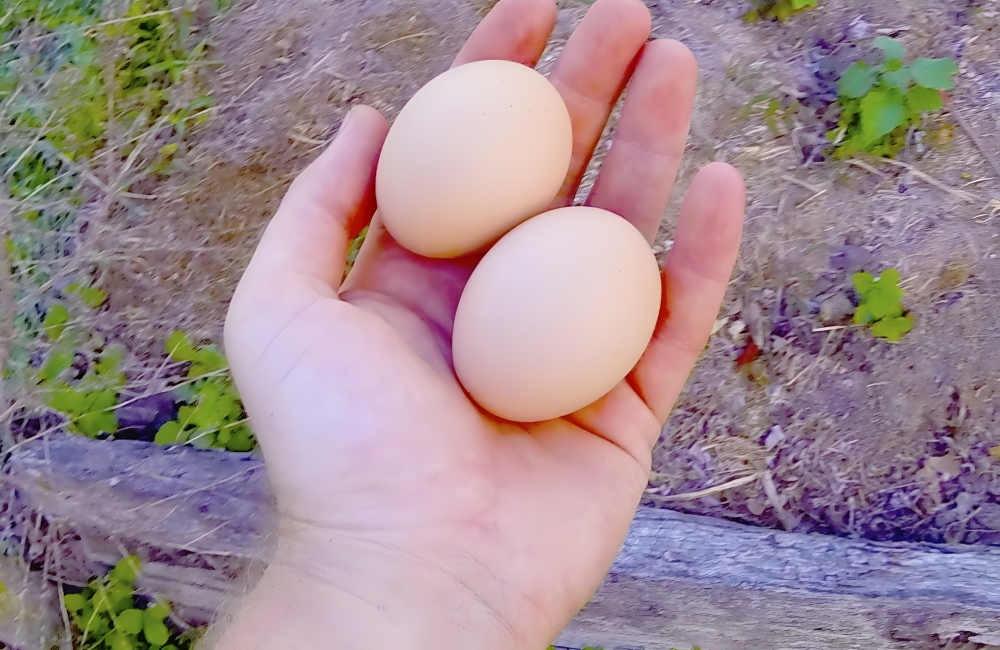
Every planting, it is vitally important that your seeds and plants get as many nutrients, sunlight, and water as they need. Believe it or not, you can use a mere egg to protect your plants against blossom end rot, a serious issue that puts a big damper on your garden.
Put An Egg In Before Soil @gardenknowhow/Pinterest
Eggs have a lot of calcium (that’s why they’re good for humans, too). Calcium is a vital nutrient for vegetables and fruits. Gardening Know How recommends burying a whole egg in your soil to fertilize it, as the egg will leach calcium into the soil. The root will uptake it during composting, and this will keep your plants nurtured and free of blossom rot.
141. Add Goldfish To Your Rain Barrels
Materials needed: Goldfish
Cost To Make: $0.32 per fish*
According to the WWF, rain barrels have a lot of benefits to them. They capture and contain rainwater, reducing the total amount of runoff. Less runoff means water seeps into the ground slowly, reducing the pollution that could run into rivers and streams (and your garden).
Add Goldfish To Your Rain Barrells @Angelmay Bisaya-American/Youtube
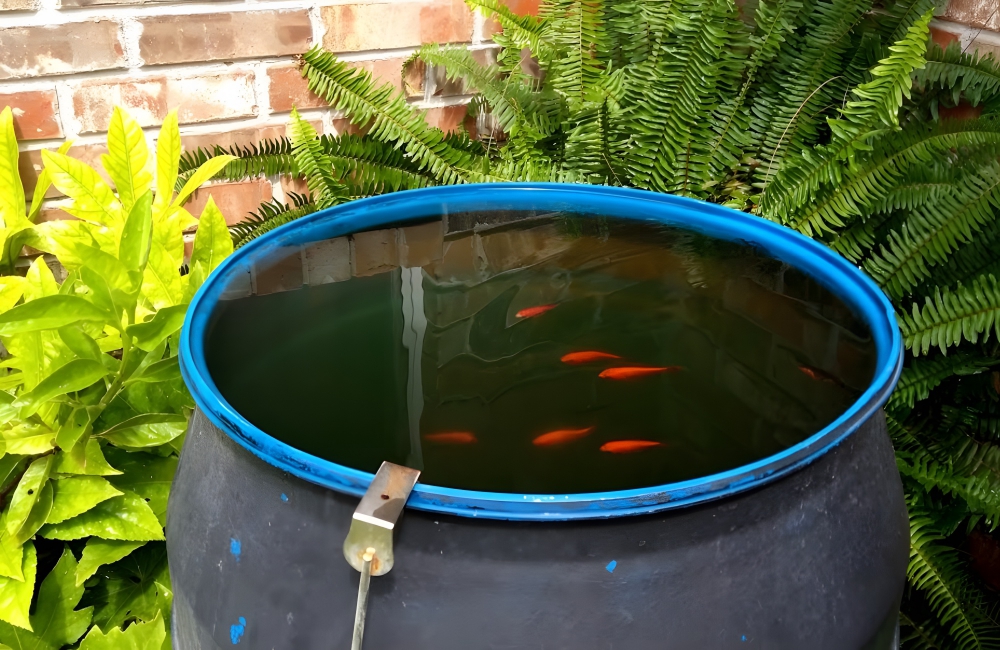
But, a big issue with standing water is that it tends to draw mosquitos. Add goldfish to your rain barrel, as the fish will eat mosquito larvae. FYI, you’ll want to test the water to make sure it is suitable for our fishy friends, and they will likely need some supplemental fish food, too.
142. Feed Azaleas With Cola
Materials needed: Coca Cola
Cost To Make: $1-$2*
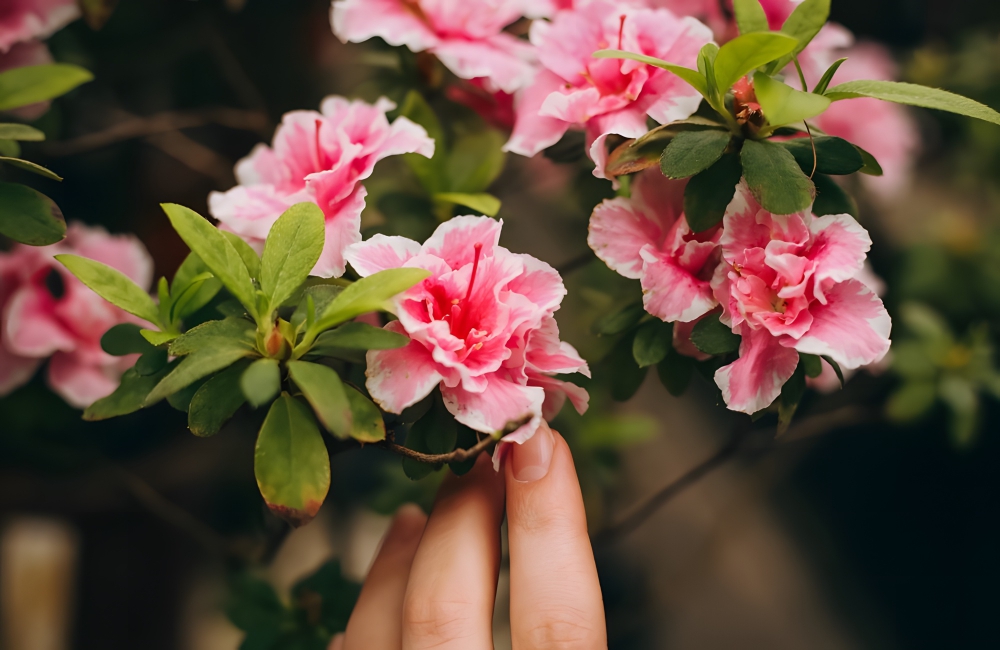
Coca-Cola has a ton of uses that coincide with it being a sugary soda that almost everyone loves. Coke has its uses in the garden, and it can help Azaleas and Gardenias grow. Pouring a mixture of Coke and water into the soil around these plants has some surprising benefits, though you should only do this once in a while.
Feed Azaleas With Cola ©Anastasiia Immortal/Shutterstock.com
The soda supplies more carbons to the ground. Microbes use this carbon as they compete with your plants for nutrients. Giving them Coke will allow your Azaleas and Gardenias to absorb as many nutrients as they can.
143. Cover Freshly Dug Areas With A Tarp
Materials needed: Black tarp
Cost To Make: $30-$60*
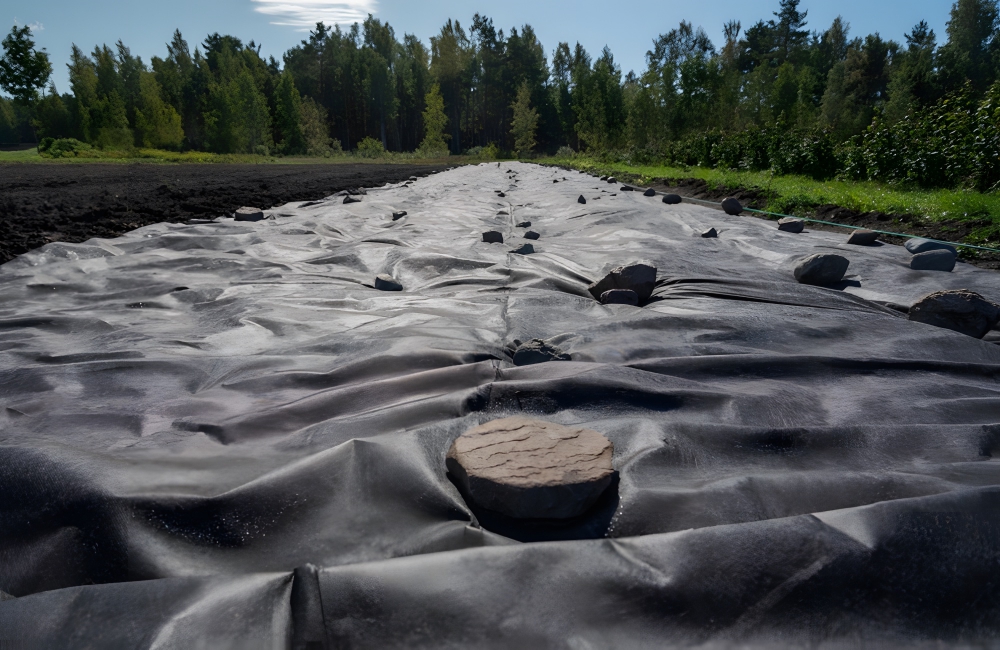
A tarp can be a helpful tool in the garden. This plastic cover is an effective, inexpensive barrier against weeds, for example. You can also use it as a soil cover, similar to landscaping fabric. It can even be an aid for fumigating soil (another weed-control benefit).
Cover Freshly Dug Areas With Tarp ©Ratikova/Shutterstock.com
If you’re going to be using a tarp as a permanent barrier, you will want to make sure the tarp is black. The dark color will absorb sunlight and heat, warming the soil. According to The Washington Post, weeds can germinate in these warm, moist conditions, but they are prevented from growing because of the “absence of light.”
144. Use Milk As Fertilizer
Materials needed: Milk (whole or diluted)
Cost To Make: $4.40 per gallon of whole milk*
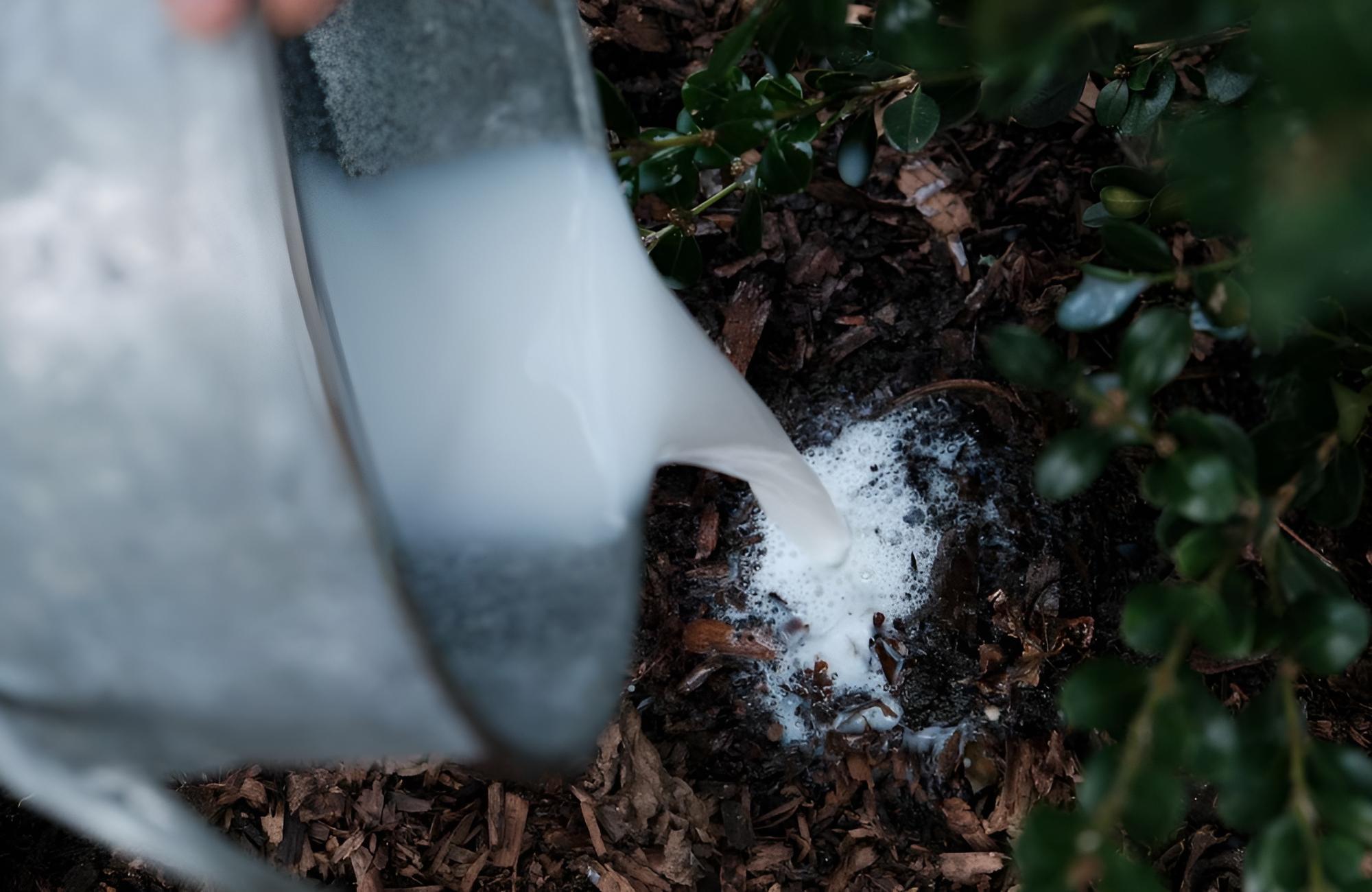
Milk isn’t just a great addition to our cereal bowl in the morning—it is also a good fertilizer. Milk has quite a few proteins, Vitamin B, and sugars that can promote not only human health but also plant health. Why Farm It says that milk as fertilizer can even promote crop yields.
Use Milk As Fertilizer @Treehuggerdotcom/Pinterest
Putting milk in your soil will prevent blossom-end rot in peppers, tomatoes, and squash. You can use it whole, or you can dilute it to one-fifth of the strength—it will yield the same benefits. In addition to being a plant protein shake, milk is also a natural pesticide for thrips, spider mites, and aphids.
145. Spray Your Shovel With Cooking Spray
Materials needed: Nonstick cooking spray
Cost To Make: $3-$6*
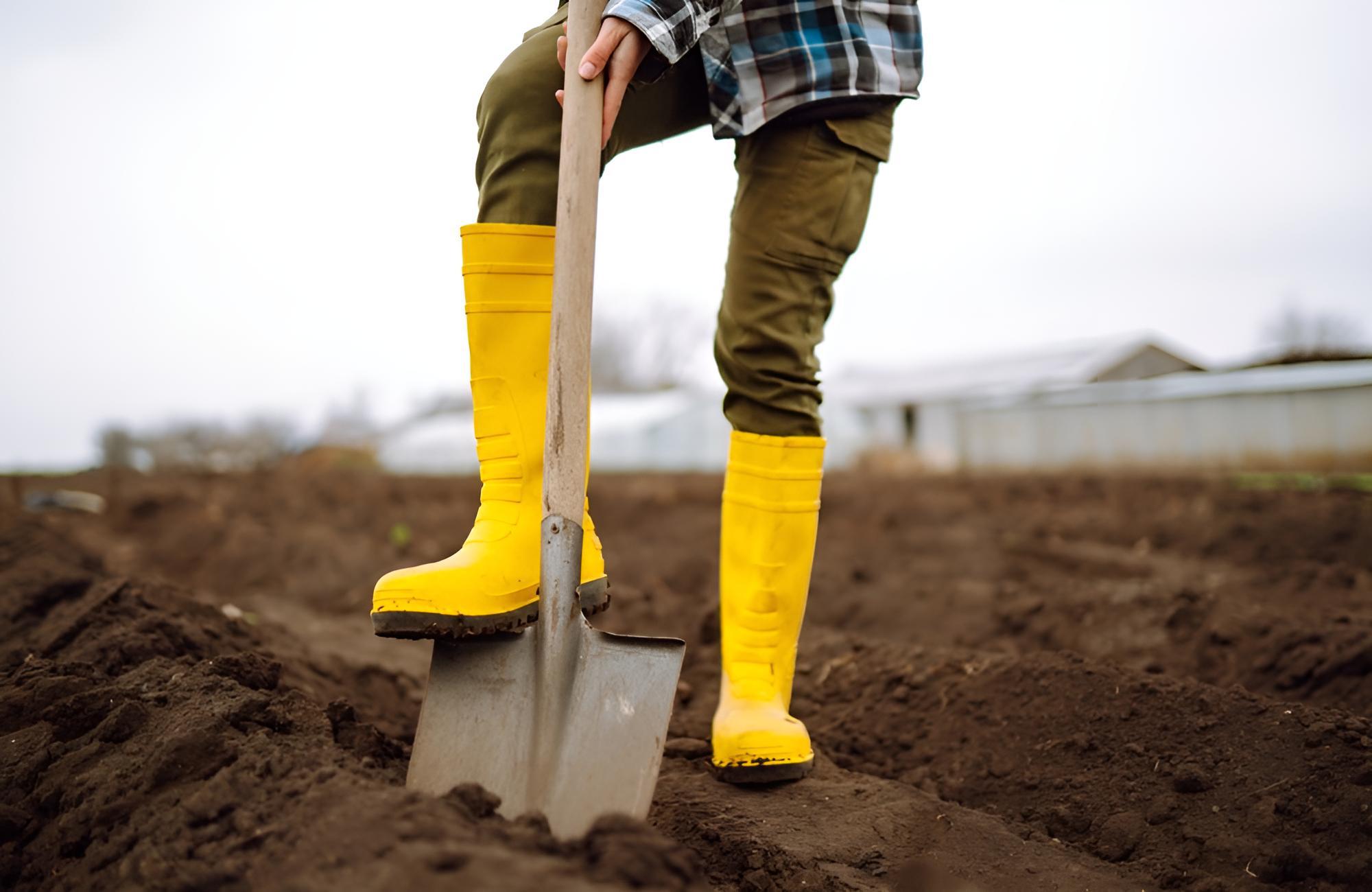
No matter whether you’re in the kitchen or garden, cooking spray is useful. Just like how the spray acts as a nonstick barrier for pots and pans, it can also do the same thing for your gardening tools. Spray the shovel with cooking spray, vegetable oil, or wax to lubricate the surface.
Spray Your Shovel With Cooking Spray ©maxbelchenko/Shutterstock.com
You’ll be amazed at how soil doesn’t stick. Additionally, this hack is useful for shoveling snow and ice in the winter. If you want something stronger than a cooking spray, you can always pick up a can of WD-40 Big Blast ($8.50), but that’ll cost you a couple of bucks more.
146. Use Cayenne Pepper To Keep Pests Away
Materials needed: ¼ cup cayenne pepper
Cost To Make: $29.29 for a 5-lb jug on Amazon*
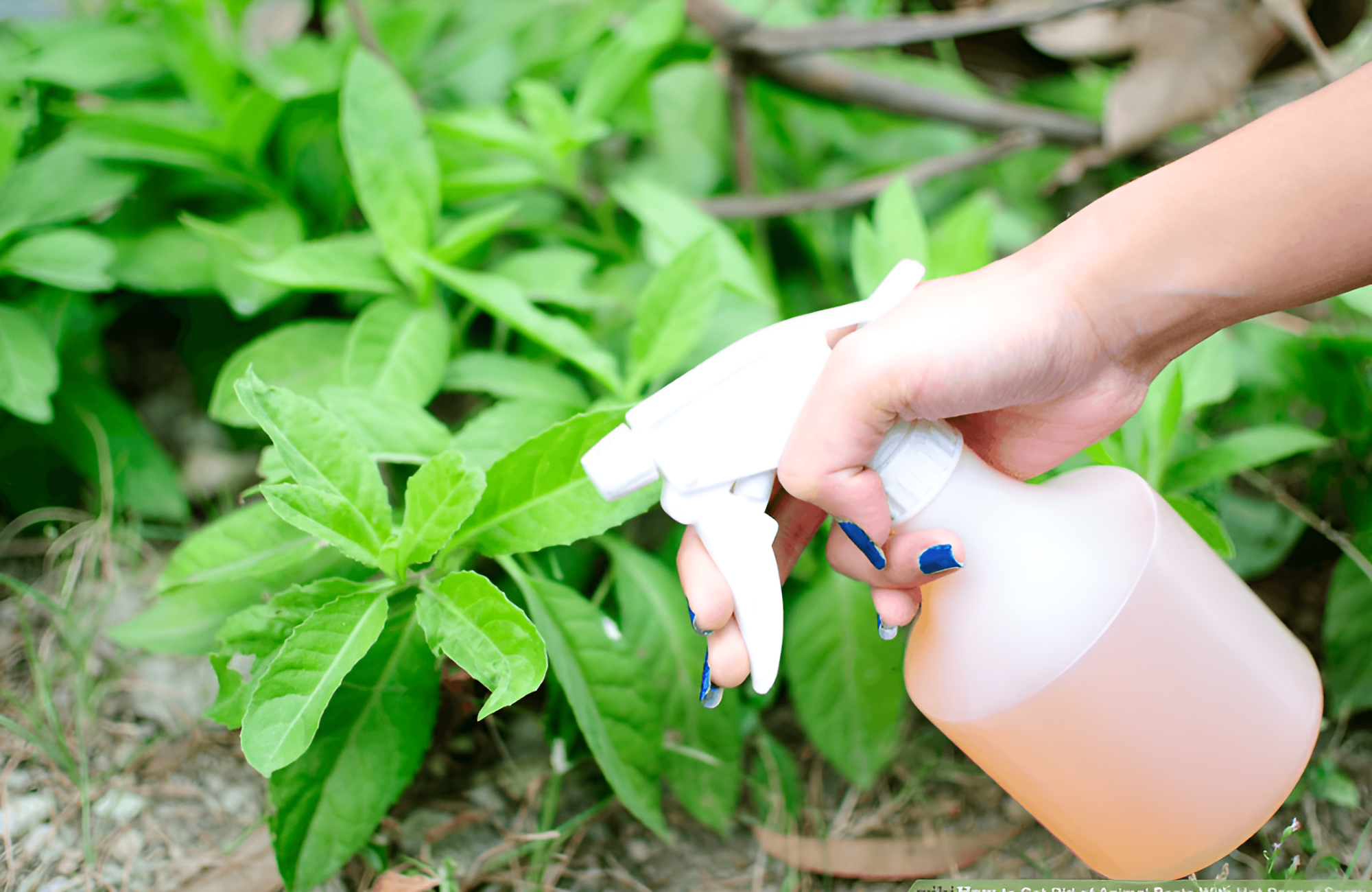
Cayenne pepper has been making peoples’ eyes water and faces turn red for thousands of years. This hot chili pepper has been used to season and flavor dishes since people began cooking. In addition to scaring away some humans, this spice repels pests in your garden.
Use Cayenne Pepper To Keep Pests Away @wikihow /Pinterest
Every couple of days, sprinkle a quarter-cup of cayenne pepper in your garden. This natural pest control tip requires a bit more maintenance, as the pepper can easily get blown or washed away, but it is an effective, pesticide-free way to keep unwanted visitors out of your garden. The pepper scares away everything from teeny-tiny aphids to hungry deer.
147. Make Simple Concrete Planters
Materials needed: Cement, water, mold
Cost To Make: $20*
You can make a planter out of just about anything. It’s easy to see why concrete is a great material, as it is sturdy and easy to make. You just need to mix cement and water (if you’re using Portland cement, you should mix it with sand and water to ensure it binds).
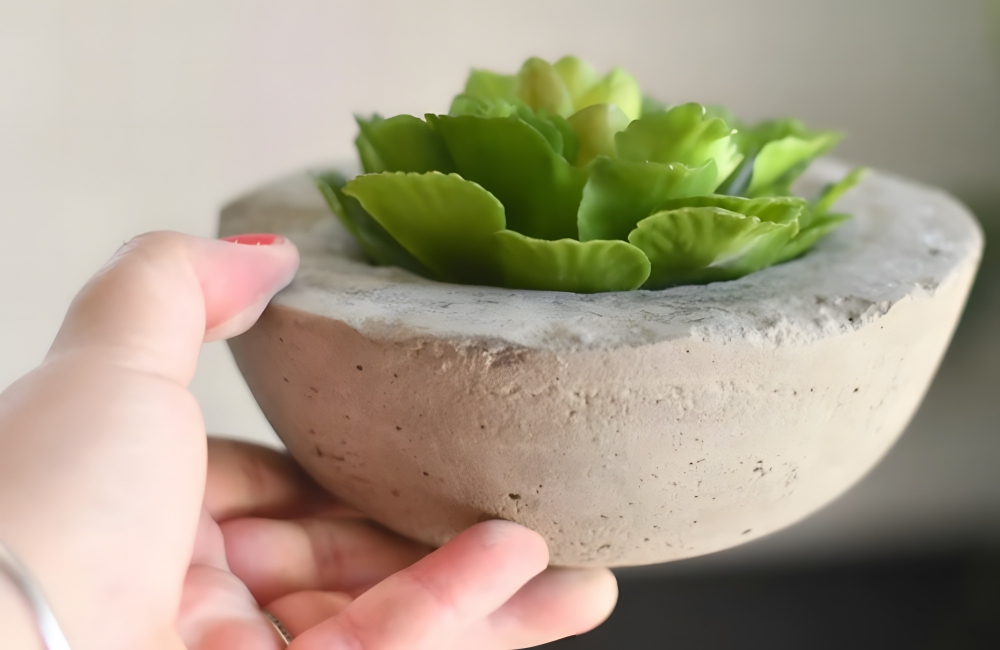
Make Simple Concrete Planters @hip2save/Pinterest
Mix the cement thoroughly to prevent clumps and lumps. Then, use a milk carton, yogurt container, or a bowl (like this one) as a mold. Let the planter dry for a day, and then remove the mold. Sand it and fill your planter with whatever you want.
148. Repurpose Toilet Paper Rolls For Seed Starters
Materials needed: Toilet paper rolls, scissors
Cost To Make: $3*
If you’re someone who prefers to repurpose and reuse instead of throw away, then this is a great gardening hack for you. If you have old toilet paper rolls, you can use them as seed starters. The Spruce has the full tutorial on this great repurposing hack.
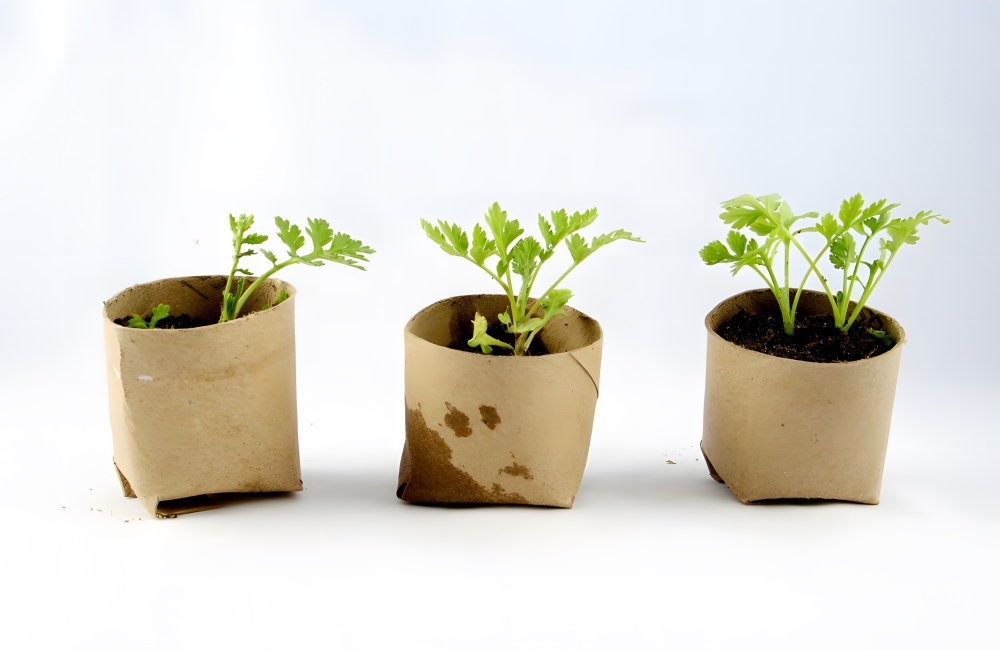
Repurpose Toilet Paper Rolls For Seed Starters @vanessacrafting/Pinterest
You’ll want to make a series of one-inch cuts around the end of the roll, keeping the cuts a half-inch apart. Then fold your cut sections towards the center of the roll. Place these seed pots in a planter, and then fill them with soil to pot and plant your seeds in the starter.
150. Make An Endless Onion Supply
Materials needed: Onions
Cost To Make: $1-$3*
Onions are fascinating, as they are somewhat of a gift that keeps on giving. Onions can be grown from onion kits or seeds. What you might not know is that you can leave a mature onion in the ground during the winter instead of harvesting it, and the onion will begin to multiply.
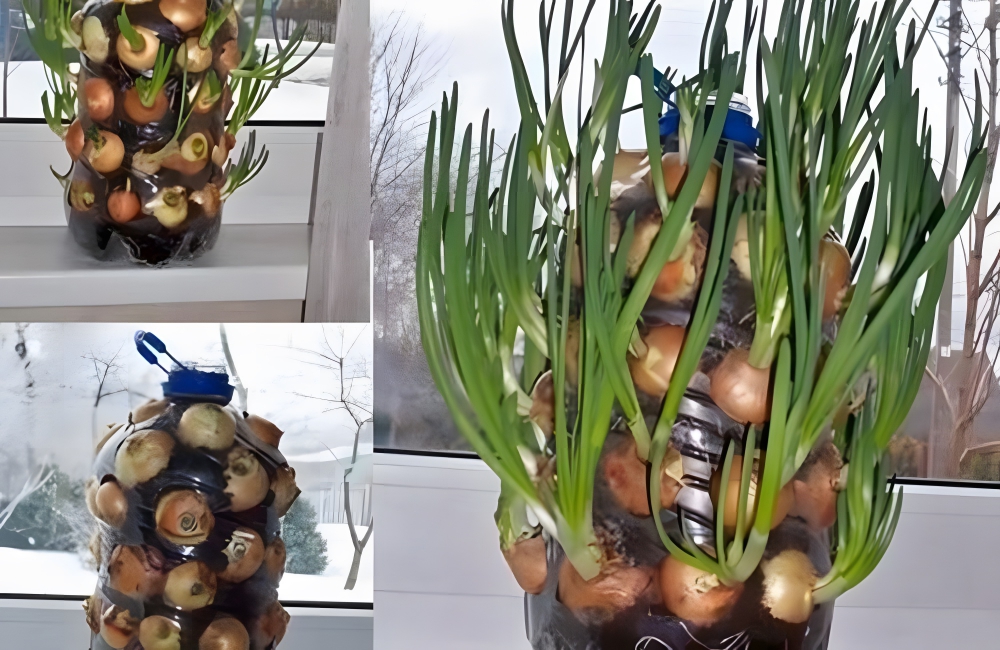
Make An Endless Onion Supply @ideigeniale/Pinterest
The onion forms sections, similar to garlic gloves, that you can then dig up, separate, and replant in the spring. If you leave a bunch of mature onions in the ground during the winter, you’ll have an endless, infinite supply of onions come spring.
151. Create Your Own Cobblestones
Materials needed: Cement, pavers, gravel
Cost To Make: $10-$30 per square foot*
Sure, you can buy cobblestones, but where is the fun in that? Part of having a garden is being able to work with your hands and make things from scratch. You can make your own cobblestones from clay or concrete (or even marble or granite, depending on your budget).
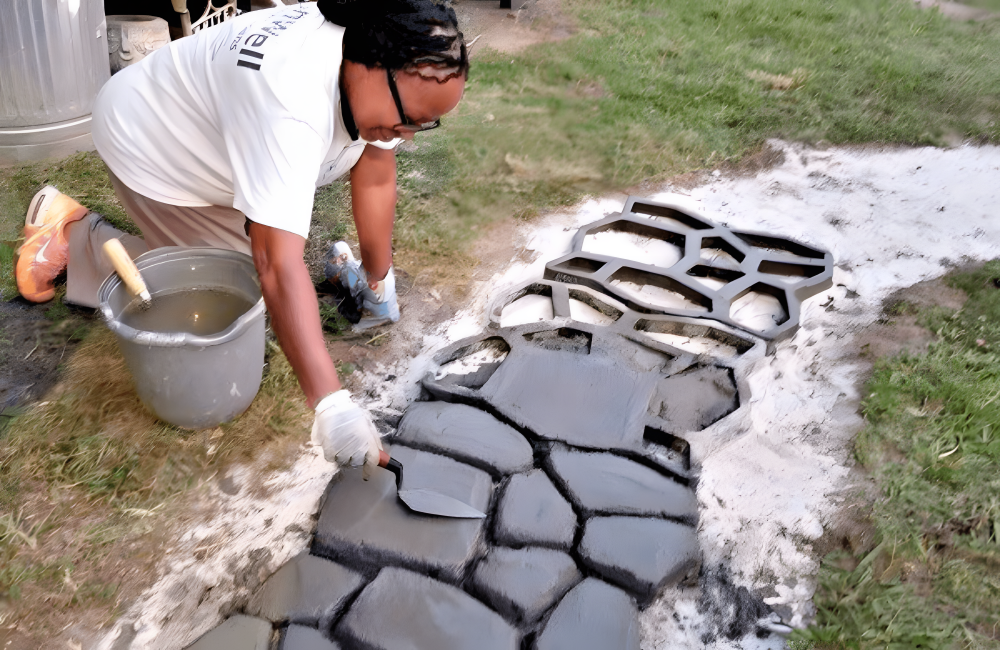
Create Your Own Cobblestones @pinimg /Pinterest
Cobblestones like these are strong, so they will last for years. There are plenty of tutorials on YouTube and sites like Recreo, eHow, Historical Bricks, and more that will teach you how to make your own elegant, stylish cobblestones. The estimated cost for this project is between $10 and $30 per square foot, depending on material and size.
152. Bury A Freezer For Vegetable Storage
Materials needed: Freezer, gravel, pallet
Cost To Make: $50-$100*
The Provident Preppers, as well as other DIY’ers, have come up with many different ways to create your own homemade root cellar. You can use a freezer for this, and the entire project is labor-intensive, though it will be worth it. You’ll want to select a shady location for your cellar that has good drainage.
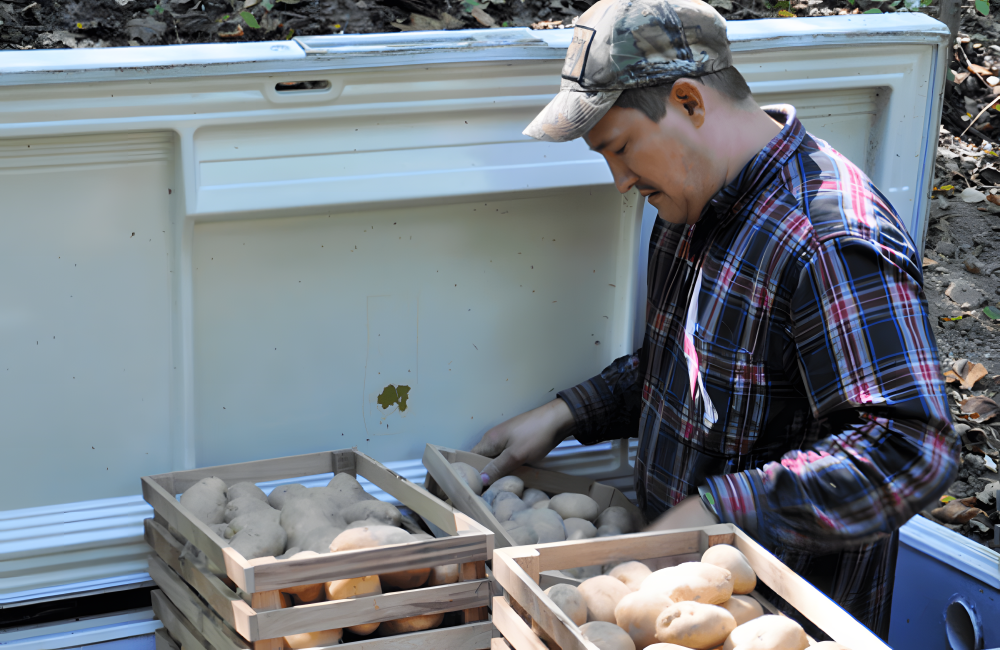
Bury A Freezer For Vegetable Storage @joyfulhome /Pinterest
Prep your freezer, and dig a hole larger than the freezer to store it in. Install ventilation pips, backfill the area (use gravel, should drainage be a concern), and construct a pallet to insulate and protect the freezer. Overall, this project will likely cost around $50 to $100.
153. Use Eggshell To Prevent Pests
Materials needed: Crushed up eggshells
Cost To Make: $1.83 per carton of eggs*
Every gardener knows that warding off creepy-crawlies is an unfortunate must-do when you’re trying to help your plants grow as well as possible. Believe it or not, eggshells are actually handy for warding off pests, thanks to their crunchy texture. They’re non-toxic, and the solution is surprisingly simple.
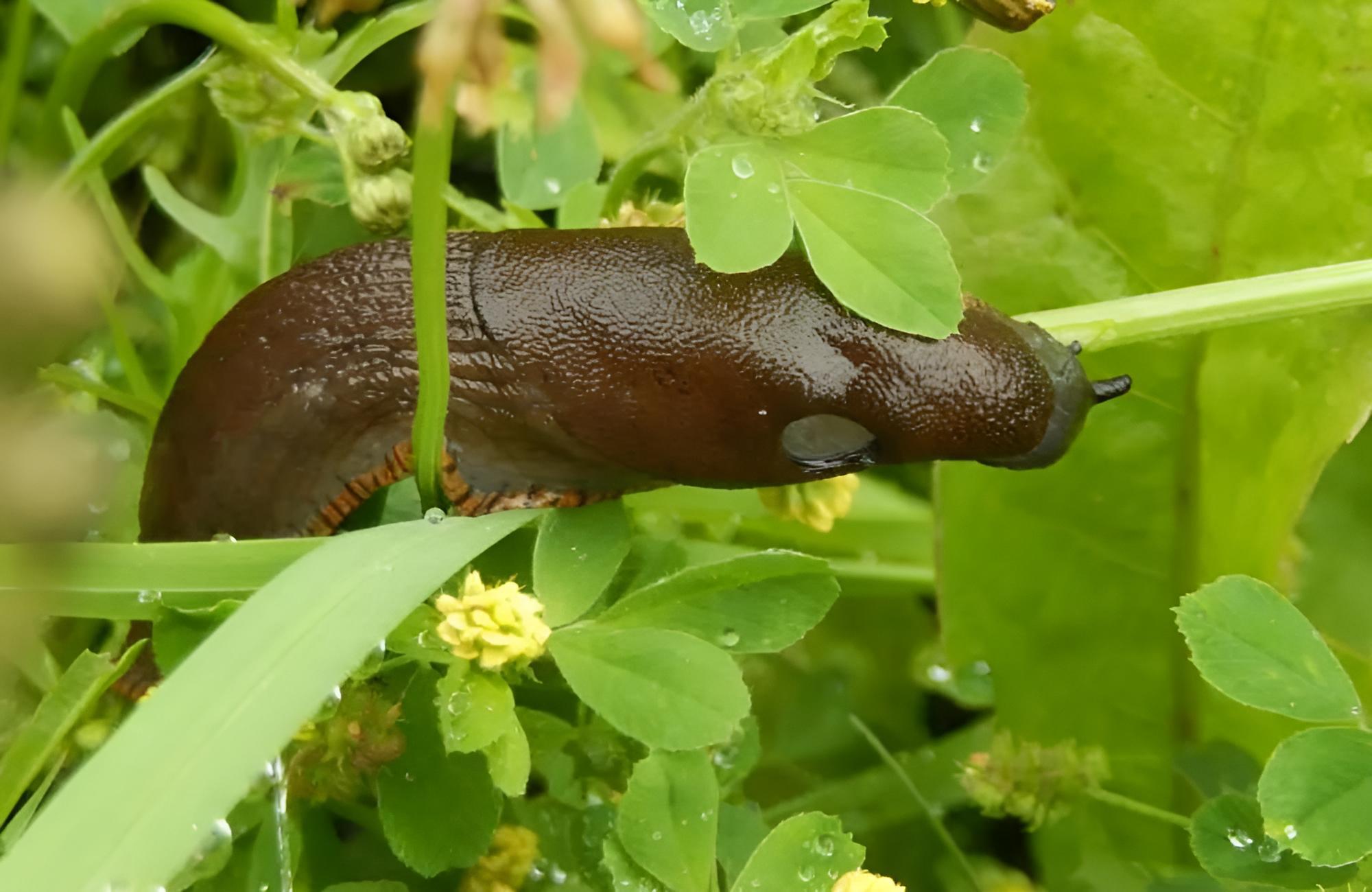
Use Eggshell To Prevent Pests @jardineriaon/Pinterest
Crumble eggshells into small fragments and spread them across the top of the soil. Cutworms, slugs, and other insects dislike the crunch of these shells when they crawl over the pieces, and they’ll ditch your garden for softer ground. Who knew pests were so picky about their stomping grounds?