
Living alone can be a daunting prospect for many, often conjuring images of loneliness and uncertainty. However, this article aims to shift that perspective, revealing how solo living can be a transformative and empowering journey. We’ll explore practical strategies to embrace independence, cultivate self-reliance, and create a fulfilling lifestyle on your own terms. From designing your ideal living space to building a strong social network, we’ll cover essential tips to help you thrive in solitude. Discover how to turn perceived challenges into opportunities for personal growth, creativity, and self-discovery. By the end, you’ll see solo living not as a scary prospect, but as an exciting adventure in self-empowerment.
Have a Landline, Not Just a Cellphone
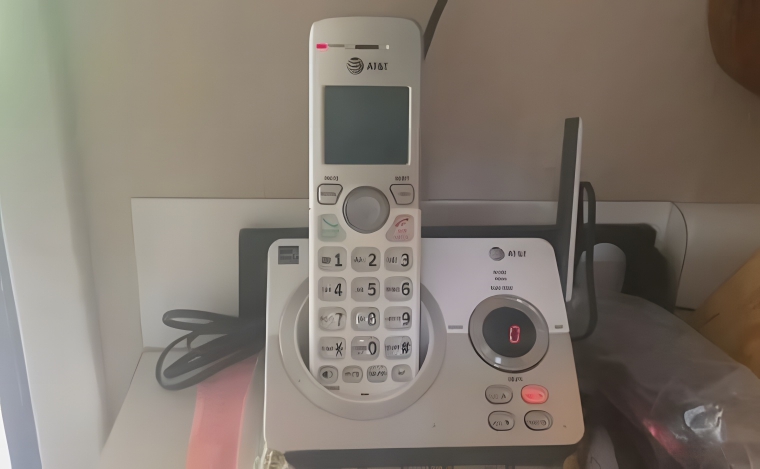
In today’s digital age, where cellphones have become an integral part of our daily lives, it’s easy to overlook the importance of maintaining a traditional landline telephone. However, for women living alone, having a landline can be a crucial safety measure that should not be underestimated. While cellphones offer unparalleled convenience and mobility, they are not without their limitations, particularly in emergency situations where reliability and accuracy are paramount. Cellular networks, despite their widespread coverage, are susceptible to various disruptions that can compromise their functionality when you need them most. These disruptions can range from network congestion during large-scale emergencies to signal issues caused by weather conditions, infrastructure problems, or even simple battery depletion on your device. In contrast, landlines operate on a separate, often more robust infrastructure that is less prone to such interruptions. This reliability can be a lifesaver in situations where every second counts, such as during medical emergencies, home invasions, or natural disasters. Moreover, landlines are powered independently of the main electrical grid, often continuing to function even during power outages, providing a critical communication lifeline when other methods fail.
Another significant advantage of landlines in emergency situations is their traceability. When you call emergency services from a landline, your exact address is automatically transmitted to the dispatcher. This feature can be invaluable if you’re unable to speak or provide your location verbally. In contrast, calls from cellphones may only provide a general area, which can delay response times in critical situations. For women living alone, this enhanced traceability offers an additional layer of security, ensuring that help can reach you quickly and accurately when needed. Furthermore, the clarity and stability of landline connections often surpass those of cellphones, especially in areas with poor cellular reception. This clear communication can be crucial when relaying important information to emergency responders or when seeking assistance in stressful situations. While the cost of maintaining a landline might seem like an unnecessary expense in addition to a cellphone plan, the peace of mind and potential life-saving benefits it provides make it a worthwhile investment in personal safety. As part of your home safety precautions, consider installing a landline in a easily accessible location, and ensure that its number is known to trusted friends, family members, and neighbors. Regular testing of the landline and keeping emergency numbers posted nearby can further enhance its effectiveness as a safety tool. Remember, while you hopefully will never need to use it in an emergency, the comfort of knowing you have a reliable means of communication at your fingertips can significantly reduce anxiety and contribute to a sense of security when living alone.
Have a First Aid Kit Handy
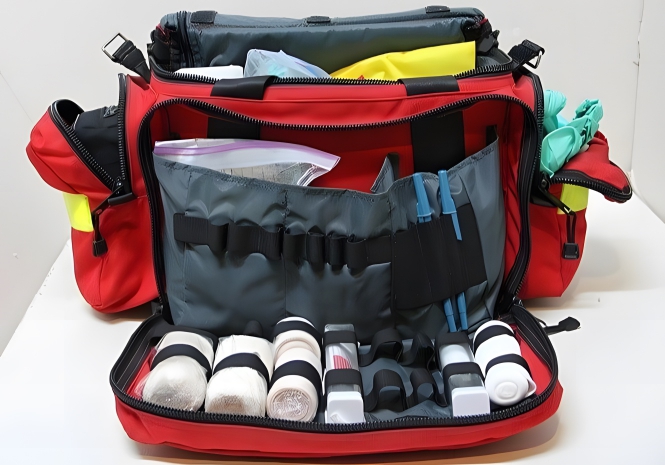
For women living alone, prioritizing personal safety extends beyond external threats to include preparedness for accidents and medical emergencies that can occur within the home. One of the most essential items in this regard is a well-stocked first aid kit. The importance of having immediate access to basic medical supplies cannot be overstated, as it can mean the difference between a minor incident and a serious medical emergency. Accidents can happen at any time, ranging from minor cuts and burns while cooking to more severe injuries from falls or household mishaps. In such situations, having a comprehensive first aid kit readily available can provide immediate care, potentially preventing complications and reducing the severity of injuries. A well-equipped first aid kit should include a variety of items to address different types of emergencies. Essential components include adhesive bandages of various sizes for minor cuts and scrapes, sterile gauze pads and adhesive tape for larger wounds, antiseptic wipes or solution to clean injuries and prevent infection, scissors for cutting tape or clothing if necessary, and over-the-counter pain relievers to manage pain and reduce fever.
Additionally, your kit should contain items like elastic bandages for sprains, tweezers for removing splinters, disposable gloves to maintain hygiene when treating wounds, a thermometer to monitor body temperature, and a first aid manual for reference. For those with specific medical conditions, it’s crucial to include any personal medications or items related to managing those conditions, such as an EpiPen for severe allergies or glucose tablets for diabetes. The location of your first aid kit is just as important as its contents. It should be stored in an easily accessible place that you can reach quickly in an emergency, yet out of reach of children or pets if necessary. Consider keeping multiple kits in different areas of your home, such as the kitchen, bathroom, and bedroom, to ensure quick access regardless of where an accident occurs. It’s also wise to have a portable version of your kit that you can take with you when traveling or for outdoor activities.
Maintaining your first aid kit is an ongoing responsibility. Regularly check and replenish supplies, ensuring that items haven’t expired or been depleted. Set a reminder to review your kit every six months, replacing any used or expired items and updating contents based on your current needs. This regular maintenance ensures that you’re always prepared for unexpected situations. While having a first aid kit is crucial, it’s equally important to know how to use its contents effectively. Consider taking a basic first aid course to familiarize yourself with emergency procedures and the proper use of first aid supplies. This knowledge can be invaluable in situations where you need to provide immediate care for yourself or others. Remember, while a first aid kit is an essential tool for managing minor injuries and providing initial care in emergencies, it’s not a substitute for professional medical attention. For serious injuries or persistent symptoms, always seek proper medical care. The presence of a well-stocked first aid kit in your home not only prepares you for potential emergencies but also provides a sense of security and self-reliance, which is particularly important for women living alone. This simple yet effective safety measure empowers you to handle minor medical situations confidently and can be a crucial first line of defense in more serious emergencies until professional help arrives.
Be Careful When Answering the Door
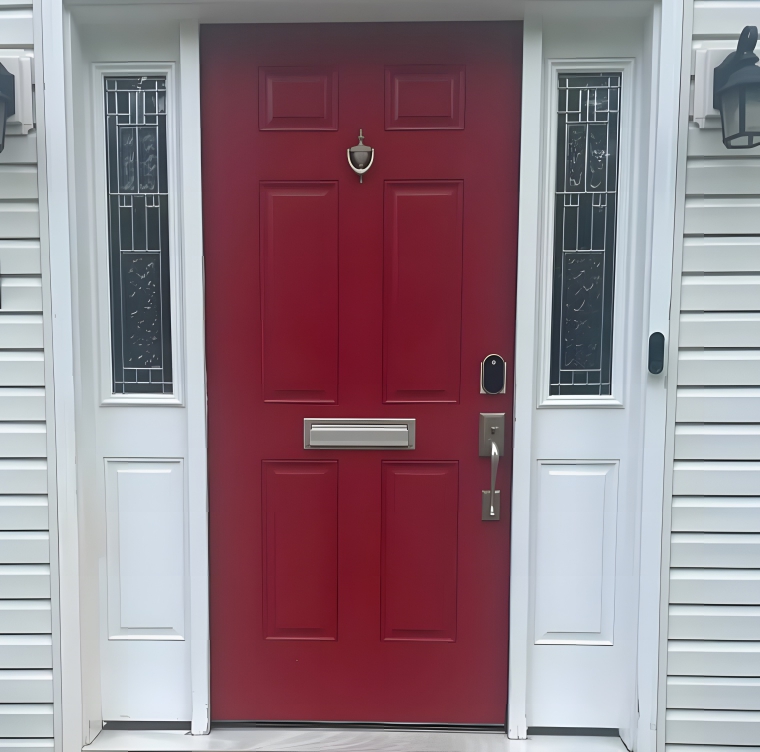
One of the most critical safety considerations for women living alone is exercising extreme caution when answering the door. This simple act, which many might take for granted, can potentially expose you to significant risks if not approached with the proper precautions. The golden rule in this scenario is to never open the door to a stranger without first verifying their identity and purpose. This caution is not about living in fear, but rather about implementing smart, proactive measures to ensure your personal safety within your own home. The first step in door-answering safety is to install proper security features that allow you to assess the situation before making any decisions. A peephole is a traditional and effective tool, providing a wide-angle view of the person at your door. However, in today’s technologically advanced world, doorbell cameras have become an increasingly popular and sophisticated option. These devices not only allow you to see who’s at your door but often include features like two-way audio communication, motion detection, and video recording capabilities. This technology enables you to interact with visitors without opening the door and provides valuable evidence in case of any suspicious activities.
When someone knocks or rings your doorbell, resist the urge to immediately open the door. Instead, use your peephole or doorbell camera to visually identify the person. If it’s someone you don’t recognize, use the intercom system or speak through the closed door to inquire about their purpose. Be wary of common tactics used by potential intruders, such as claiming to be delivery personnel, maintenance workers, or even law enforcement. Always ask for identification and, if possible, verify their credentials with the relevant company or authority before considering opening the door. It’s important to trust your instincts in these situations. If something feels off or you have any doubts about the person’s intentions, it’s perfectly acceptable to refuse to open the door. Your safety should always take precedence over politeness or social norms. In cases where you feel genuinely threatened or observe suspicious behavior, do not hesitate to contact local law enforcement for assistance. It’s better to err on the side of caution than to risk your personal safety.
Developing a routine for answering the door can significantly enhance your security. This might include always checking the peephole or camera feed, keeping the door locked while you verify the visitor’s identity, and having a phone nearby in case you need to call for help. If you live in an apartment building or gated community, be cautious about buzzing in strangers who claim to be visiting other residents or delivering packages. Instead, direct them to contact the building management or the specific resident they’re visiting. It’s also wise to be mindful of your surroundings when entering or leaving your home. Take a moment to observe the area around your door for any signs of tampering or suspicious individuals before unlocking it. Consider installing additional security measures such as a chain lock or a smart lock that can be controlled remotely. These add an extra layer of protection and give you more control over access to your home.
Educating yourself about common home invasion tactics and staying informed about local crime trends can further enhance your ability to make safe decisions when answering the door. Share your safety protocols with trusted friends or family members, and consider setting up a system where you can quickly alert them if you feel unsafe. Remember, being cautious about answering the door is not about living in constant fear, but about empowering yourself with knowledge and preparedness. By implementing these safety measures and remaining vigilant, you create a secure environment that allows you to enjoy the independence of living alone without compromising your personal safety. Your home should be your sanctuary, and taking these precautions ensures that you maintain control over who enters your personal space.
Always Stay Aware

Maintaining situational awareness is a fundamental aspect of personal safety, particularly crucial for women living alone. This concept goes beyond mere vigilance; it’s about developing a heightened sense of your environment and the potential risks it may present. Situational awareness is a skill that, when honed, becomes second nature, allowing you to navigate your daily life with confidence and security. It involves continuously observing your surroundings, both in familiar settings like your home and neighborhood, as well as in public spaces. This constant state of alertness doesn’t mean living in paranoia, but rather cultivating a mindful approach to your environment that enables you to identify and respond to potential threats quickly and effectively. In practice, staying aware means engaging all your senses to gather information about your surroundings. This includes visual cues like unusual activities or people who seem out of place, auditory signals such as unexpected noises or conversations, and even instinctual feelings that something might be amiss.
Developing strong situational awareness starts with understanding your typical environment. Take time to familiarize yourself with the normal patterns and rhythms of your neighborhood. Who are your neighbors? What vehicles are usually parked on your street? What’s the typical level of activity at different times of day? By establishing this baseline, you’ll be better equipped to notice when something deviates from the norm. When you’re out and about, practice scanning your environment regularly. This doesn’t mean constantly looking over your shoulder, but rather making a habit of calmly assessing your surroundings as you move through different spaces. Pay attention to entry and exit points in buildings, notice the behavior of people around you, and be aware of potential hiding spots or areas with limited visibility.
One of the biggest challenges to maintaining situational awareness in modern life is the prevalence of distractions, particularly from personal electronic devices. While smartphones and other gadgets are invaluable tools, they can significantly diminish your ability to stay alert to your surroundings. When walking alone or in unfamiliar areas, limit your use of headphones or keep the volume low enough to hear what’s happening around you. Avoid becoming engrossed in your phone screen while in public spaces, as this not only limits your awareness but can also signal to potential wrongdoers that you’re not paying attention. Instead, keep your head up, make eye contact with people you pass, and project an air of confidence and alertness.
Trust your instincts when something feels off. Our subconscious mind often processes environmental cues faster than our conscious mind, resulting in that gut feeling that something isn’t right. If you feel uncomfortable or threatened in a situation, don’t ignore these feelings. Take action to remove yourself from the environment or seek help if necessary. It’s always better to err on the side of caution than to dismiss your intuition and potentially put yourself at risk. Engaging with your community can also enhance your situational awareness. Get to know your neighbors and participate in local community watch programs if available. This not only helps you stay informed about local safety concerns but also creates a network of people looking out for each other’s well-being.
Incorporate regular safety checks into your routine. Before leaving your home, take a moment to ensure all doors and windows are secure. When returning, observe the area around your entrance for any signs of disturbance or unfamiliar presences before entering. In your car, check the backseat before getting in and lock the doors immediately once inside. These small habits, when practiced consistently, significantly contribute to your overall safety. Remember, situational awareness is not about living in fear or constant suspicion. Instead, it’s about empowering yourself with knowledge and preparedness, allowing you to navigate your world with confidence and security. By staying alert and tuned into your environment, you not only protect yourself but also contribute to the safety of your community as a whole. Cultivating this skill is an ongoing process, but with practice, it becomes an integral part of your daily life, providing peace of mind and enhancing your ability to enjoy your independence fully and safely.
Pack a “Get Up and Go” Bag to Always Be Ready

In today’s unpredictable world, being prepared for unexpected emergencies is not just a matter of convenience; it’s a crucial aspect of personal safety and well-being, especially for those living independently. The concept of a “get up and go” bag, also known as a “bug-out bag” or “go-bag,” is akin to having a personal survival kit at your fingertips, ready to assist you in navigating through unforeseen circumstances with confidence and efficiency. This preparedness strategy is particularly vital for individuals residing alone, as they may not have immediate support from family or housemates during critical situations. The process of assembling such a bag involves careful consideration of essential items that can sustain you through various emergency scenarios, ensuring that you’re equipped to handle whatever challenges may arise at a moment’s notice.
When compiling your “get up and go” bag, it’s crucial to include a diverse array of items that cater to your basic needs and potential emergency situations. Start with clothing essentials, such as a change of clothes suitable for various weather conditions, including underwear, socks, and a warm layer like a fleece jacket or sweater. Toiletries are another critical component; pack travel-sized versions of your daily hygiene products, including toothbrush, toothpaste, deodorant, and any specific personal care items you rely on. Don’t forget to include a small first-aid kit with basic medical supplies and any prescription medications you regularly take. Important documents, such as identification, insurance information, and emergency contact details, should be stored in a waterproof container or sealed plastic bag to protect them from potential damage. Including a small amount of cash and a list of emergency contacts can prove invaluable in situations where electronic payment methods or communication devices may be compromised.
The contents of your emergency kit should be tailored to your specific needs, taking into account factors such as your geographical location, potential natural disasters common to your area, and any personal health considerations. For instance, if you live in an area prone to earthquakes, you might include items like a whistle to signal for help, a portable radio for emergency broadcasts, and sturdy shoes to navigate potentially debris-filled environments. Those in hurricane-prone regions might prioritize waterproof gear and portable water purification methods. It’s essential to regularly review and update the contents of your bag, ensuring that perishable items are replaced and that the kit remains relevant to your current circumstances and potential risks.
Selecting the right container for your “get up and go” bag is as crucial as its contents. A durable, water-resistant backpack is often the most practical choice, as it allows for hands-free mobility and even distribution of weight. Position your emergency kit in a strategic location within your living space, ideally near an exit or in a designated safe area. This placement ensures quick and easy access during urgent situations, potentially saving precious minutes when every second counts. By having this emergency preparedness measure in place, you’re not only equipping yourself to handle immediate crises but also fostering a sense of security and peace of mind in your daily life, knowing that you’re ready to face unexpected challenges with resilience and resourcefulness.
Keep Your Information Private – Especially Your Address

In an era where personal information has become a valuable commodity, safeguarding one’s privacy has never been more critical, particularly for individuals living alone. The protection of personal data, with a special emphasis on one’s residential address, is a fundamental aspect of maintaining personal security and peace of mind. This precautionary measure is not merely about preventing unwanted solicitations or maintaining a sense of solitude; it’s a crucial step in safeguarding oneself against potential threats ranging from identity theft to physical harm. For those residing independently, the importance of this practice is magnified, as they may not have the immediate support network that comes with shared living situations.
The process of keeping your personal information private, especially your address, requires a multifaceted approach and constant vigilance in today’s interconnected world. It begins with a critical evaluation of who truly needs access to this sensitive information. While it may seem convenient to share your address freely, it’s essential to discern between necessary disclosures and potentially risky oversharing. Trusted individuals, such as close family members, intimate friends, and essential service providers, may require your address for legitimate reasons. However, it’s crucial to exercise caution and discretion when deciding to share this information with acquaintances, colleagues, or online contacts. Developing a habit of questioning the necessity of address disclosure in various situations can significantly reduce the risk of your personal information falling into the wrong hands.
In the digital age, where social media platforms and online interactions have become integral parts of our daily lives, the temptation to share personal details, including location information, is ever-present. However, it’s imperative to resist this urge and maintain a strict policy of not posting your address or specific location details on any public forums or social media profiles. This caution extends beyond just your home address; be mindful of sharing real-time location updates, check-ins at frequently visited locations, or any information that could be used to deduce your living situation or daily routines. Even seemingly innocuous posts, such as photos of your home’s exterior or street view, can provide enough information for someone with malicious intent to locate your residence.
Implementing practical strategies to protect your address information is crucial. Consider using a P.O. box or a private mailbox service for non-essential mail and online shopping deliveries. When signing up for services or memberships that don’t require your physical address, provide alternative contact information or use a trusted friend’s address with their permission. Be cautious when filling out forms or surveys, especially online, and question whether providing your address is truly necessary for the service or product you’re accessing. In situations where you must disclose your address, such as for legal or employment purposes, inquire about the organization’s data protection policies and ensure that your information will be handled securely and confidentially. By adopting these protective measures and maintaining a vigilant approach to personal information sharing, you create a robust barrier against potential security threats, ensuring that your living space remains a safe haven and your personal life stays truly personal.
Avoid Walking Alone at Night

For women living alone, one of the most crucial safety precautions to consider is minimizing the frequency of walking alone, particularly during nighttime hours. This recommendation stems from the unfortunate reality that darkness and solitude can significantly increase vulnerability to potential threats. While it’s essential to maintain independence and freedom of movement, it’s equally important to recognize and mitigate risks associated with solo nighttime excursions. The cover of darkness can embolden potential wrongdoers and reduce visibility, making it more challenging to identify and respond to potential threats. Additionally, reduced foot traffic and fewer open businesses during nighttime hours mean fewer potential witnesses or sources of immediate assistance in case of an emergency. By consciously limiting solo nighttime outings, women can substantially reduce their exposure to potentially dangerous situations.
However, it’s important to note that this advice isn’t about instilling fear or restricting one’s lifestyle; rather, it’s about making informed decisions that prioritize personal safety. When nighttime outings are necessary or desired, there are several strategies that can be employed to enhance safety. One of the most effective approaches is the buddy system. Arranging to go out with a friend or colleague not only provides companionship but also significantly increases safety through strength in numbers. Potential aggressors are less likely to target a group or pair than a solitary individual. If a buddy isn’t available, consider using ride-sharing services, taxis, or public transportation instead of walking, especially in unfamiliar or poorly lit areas. When using these services, always verify the driver’s identity and share your trip details with a trusted contact.
For those times when walking alone at night is unavoidable, there are precautions that can be taken to enhance personal safety. Stick to well-lit, populated areas whenever possible, and avoid shortcuts through isolated places like alleys or parks. Stay alert and aware of your surroundings, avoiding distractions like headphones or focusing on your phone. Consider carrying a personal safety device such as a whistle or personal alarm. It’s also wise to let a trusted friend or family member know your route and expected arrival time, and check in with them upon reaching your destination safely.
While these precautions are particularly important in areas known for higher crime rates, it’s crucial to maintain vigilance even in seemingly safe neighborhoods. Crime can occur anywhere, and a false sense of security can lead to decreased awareness. That being said, it’s understandably frustrating and unjust that women often feel the need to take these extra precautions for something as simple as walking alone at night. This reality speaks to broader societal issues that need addressing, including improved street lighting, more effective community policing, and educational programs aimed at preventing harassment and assault. While we work towards these long-term solutions, it remains prudent for women living alone to err on the side of caution and prioritize their personal safety.
It’s also worth noting that the need for caution shouldn’t be limited to nighttime hours. While darkness does increase risks, personal safety should be a consideration at all times of day. Developing a habit of situational awareness, trusting your instincts, and having a plan for various scenarios can significantly enhance your overall safety, regardless of the time of day. Remember, taking precautions isn’t about living in fear; it’s about empowering yourself with knowledge and strategies to navigate the world confidently and safely. By being proactive about personal safety, women living alone can maintain their independence while minimizing potential risks.
Pick a Safe Neighborhood to Live

For women living alone, the choice of neighborhood is a decision of paramount importance that extends far beyond mere convenience or aesthetic preferences. It’s a choice that can significantly impact personal safety, peace of mind, and overall quality of life. The process of selecting a safe neighborhood requires thorough research, careful consideration, and a clear understanding of one’s personal safety needs. This decision-making process should begin with a comprehensive analysis of local crime statistics. Many cities and police departments provide detailed crime data online, allowing potential residents to assess the frequency and types of crimes occurring in different areas. Look for trends over time – is crime increasing, decreasing, or remaining stable? Pay particular attention to crimes that might disproportionately affect women living alone, such as burglaries, assaults, or harassment incidents.
However, raw crime statistics tell only part of the story. It’s equally important to research the neighborhood’s overall character, community engagement, and available resources. A strong, active community can be a powerful deterrent to crime and a valuable support network. Look for neighborhoods with active community watch programs, regular neighborhood meetings, or local social media groups where residents share information and look out for each other. These indicators suggest a community that is invested in its own safety and well-being. Additionally, consider the presence and responsiveness of local law enforcement. How quickly do police respond to calls in the area? Is there a visible police presence? A neighborhood with engaged and responsive law enforcement can provide an additional layer of security and peace of mind.
The physical characteristics of a neighborhood can also play a crucial role in its safety profile. Well-lit streets are essential, not just for visibility at night but also because they demonstrate a community’s commitment to safety and maintenance. During your neighborhood research, take walks or drives through the area at different times of day and night to assess lighting conditions, foot traffic, and the general atmosphere. Look for signs of care and upkeep in the neighborhood, such as well-maintained properties, clean streets, and prompt graffiti removal. These factors not only contribute to a sense of safety but also indicate a community that takes pride in its appearance and is likely to be vigilant about suspicious activities.
Access to essential services is another critical factor to consider. A safe neighborhood should have reliable access to emergency services, including police stations, fire departments, and hospitals. The proximity and quality of these services can be crucial in emergency situations. Additionally, consider the neighborhood’s layout and accessibility. Are there multiple routes in and out of the area? Is public transportation readily available? These factors can be important for both daily convenience and emergency situations where quick evacuation might be necessary.
While safety is paramount, it’s also important to consider the overall livability of the neighborhood. Look for areas with a good balance of residential and commercial spaces. The presence of local businesses, parks, and community centers can contribute to a vibrant, active neighborhood where people are out and about, naturally increasing safety through more eyes on the street. However, be cautious of areas with a high concentration of bars or nightclubs, as these can sometimes lead to increased noise and potential safety issues, especially late at night.
It’s true that safer neighborhoods often come with a higher price tag, reflecting the premium placed on security and quality of life. If budget constraints make it challenging to afford housing in the safest areas, consider compromising on other factors like square footage or amenities rather than on safety. Look for up-and-coming neighborhoods that are showing signs of improvement in safety and community engagement. These areas might offer a balance between affordability and safety, with the potential for increased property value in the future.
Remember that no neighborhood is entirely free from crime or potential dangers. The goal is to find an area where you feel comfortable and where the community and local authorities are proactively working to maintain safety. Once you’ve narrowed down your options, spend time in the neighborhood at different hours. Visit local shops, talk to residents if possible, and trust your instincts. Your comfort level and sense of security in a neighborhood are important factors that can’t always be quantified by statistics or online research. By thoroughly researching and carefully selecting a safe neighborhood, women living alone can create a strong foundation for a secure, comfortable, and enjoyable living experience. This investment in personal safety and peace of mind is invaluable and can significantly enhance one’s overall quality of life and sense of independence.