
Deserts are often perceived as barren, lifeless expanses of sand. However, they are some of the most fascinating and mysterious landscapes on Earth, each with its own unique characteristics and secrets waiting to be uncovered. Here are ten of the most enigmatic deserts, each offering a glimpse into the planet’s diverse geology and natural phenomena.
## 1. Atacama Desert (Chile)
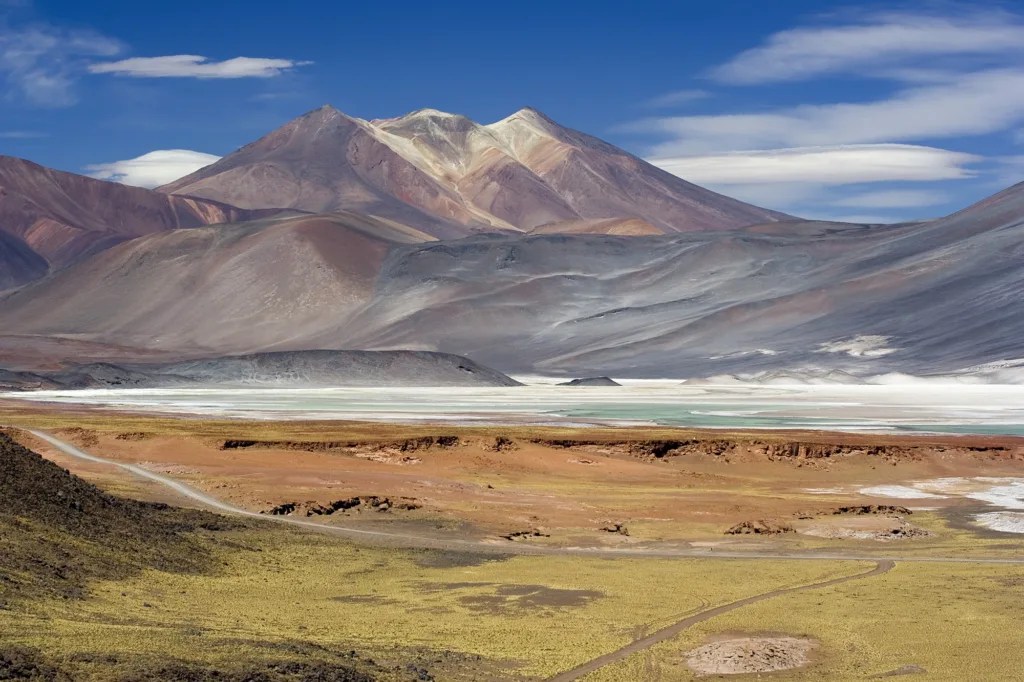
Nestled between the Andes Mountains and the Pacific Ocean, the Atacama Desert is renowned as the driest desert on Earth. This arid expanse spans approximately 1,000 kilometers (600 miles) along the coast of Chile, covering an area of about 105,000 square kilometers (41,000 square miles). The Atacama’s unique geography, characterized by high-altitude plateaus, salt flats, and rugged terrain, contributes to its extreme aridity. Some weather stations in the desert have never recorded any rainfall, and certain regions may go years or even decades without a single drop of rain.
One of the most striking features of the Atacama Desert is the Valle de la Luna, or Valley of the Moon. This area showcases otherworldly rock formations, vast sand dunes, and an almost complete absence of vegetation, creating a landscape that resembles the surface of the moon. The valley’s unique geological formations have been sculpted over millennia by wind and water erosion, resulting in a surreal and mysterious environment that attracts geologists and tourists alike.
The Atacama Desert is also home to several salt flats, including the Salar de Atacama, one of the largest salt flats in the world. These salt flats are the remnants of ancient lakes that evaporated over thousands of years, leaving behind vast expanses of salt-encrusted terrain. The stark white salt flats, set against the backdrop of the towering Andes, create a breathtaking and otherworldly landscape.
Despite its harsh conditions, the Atacama Desert is not devoid of life. It hosts a variety of unique flora and fauna adapted to survive in the extreme environment. The desert is also rich in mineral resources, particularly copper, and is home to some of the largest copper mines in the world.
The Atacama’s clear skies and high altitude make it one of the best places on Earth for astronomical observations. Several major observatories, including the European Southern Observatory’s Very Large Telescope, are located in the desert, taking advantage of the minimal light pollution and excellent viewing conditions.
In recent years, the Atacama Desert has also become a popular destination for adventure tourism. Visitors can explore its vast landscapes through activities such as sandboarding, hiking, and stargazing. The desert’s unique combination of extreme aridity, stunning geological formations, and rich cultural history make it a truly mysterious and captivating destination.
## 2. Antarctic Desert
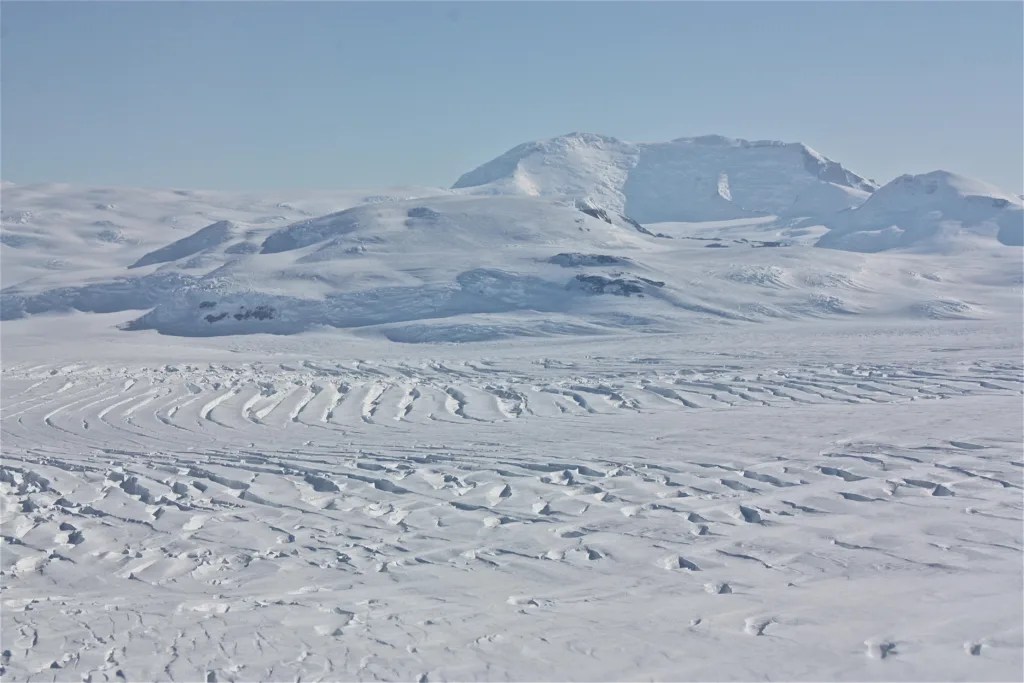
Encompassing the frozen continent of Antarctica, the Antarctic Desert is the driest and windiest desert on the planet. Covering an area of about 14 million square kilometers (5.4 million square miles), it is also the largest desert in the world. The Antarctic Desert’s geology is dominated by vast ice sheets, glaciers, and mountain ranges, creating a stark and inhospitable environment that is both fascinating and enigmatic.
The isolation and extreme cold of the Antarctic Desert make it one of the least explored and most mysterious regions on Earth. Temperatures in the interior can plummet to below -80 degrees Celsius (-112 degrees Fahrenheit), and the continent experiences long periods of darkness during the winter months. These harsh conditions have limited human activity and exploration, leaving much of the continent’s interior largely unexplored.
Despite its extreme conditions, the Antarctic Desert is home to a variety of unique and resilient life forms. The coastal regions support colonies of penguins, seals, and seabirds, while the ocean waters around the continent are rich in marine life, including whales and krill. The dry valleys of Antarctica, some of the driest places on Earth, host microbial life that has adapted to survive in the harsh environment, providing valuable insights into the potential for life on other planets.
The Antarctic Desert’s ice sheets contain about 70% of the world’s freshwater, locked in vast expanses of ice that can be over 4 kilometers (2.5 miles) thick. These ice sheets are constantly shifting and flowing, creating dynamic and ever-changing landscapes. The continent’s glaciers, some of the largest in the world, carve out deep valleys and fjords as they move toward the sea.
The geology of Antarctica is also of great scientific interest. The continent’s mountain ranges, such as the Transantarctic Mountains, reveal a complex geological history that dates back hundreds of millions of years. Fossils found in Antarctica provide evidence of ancient ecosystems that existed long before the continent became covered in ice.
In recent years, climate change has brought increased attention to the Antarctic Desert. The melting of the continent’s ice sheets and glaciers has significant implications for global sea levels and climate patterns. Scientists are closely monitoring the changes in Antarctica to better understand the impact of global warming and to predict future trends.
The Antarctic Desert remains one of the most remote and challenging environments on Earth. Its extreme conditions, unique ecosystems, and rich geological history make it a place of great scientific interest and a symbol of the planet’s natural beauty and resilience.
## 3. Namib Desert (Namibia)
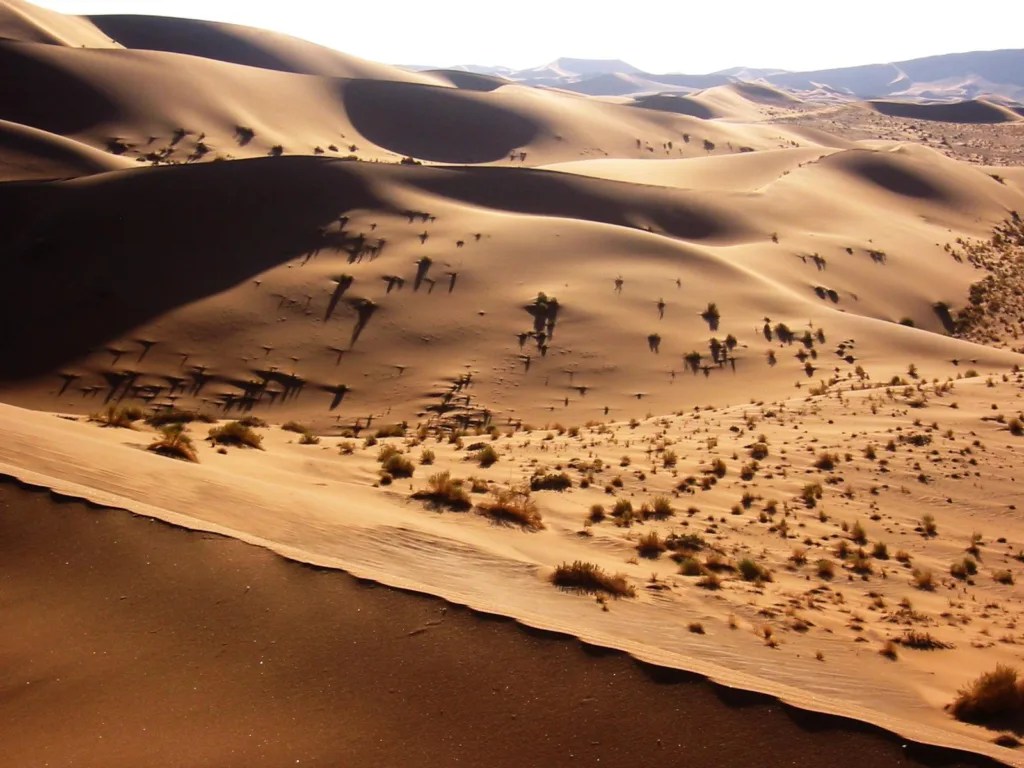
Stretching along the Atlantic coast of Namibia, the Namib Desert is one of the oldest and most unique deserts in the world. Covering an area of approximately 81,000 square kilometers (31,000 square miles), the Namib is renowned for its towering red sand dunes, some of which are among the highest in the world. The desert’s unique geology is shaped by the convergence of coastal winds and the ancient Tsauchab River, creating a landscape that is both surreal and mysterious.
One of the most iconic features of the Namib Desert is Dune 45, a towering sand dune that rises about 170 meters (560 feet) above the surrounding plains. The dune’s striking red color, caused by iron oxide in the sand, contrasts sharply with the deep blue sky, creating a breathtaking and otherworldly scene. Climbing Dune 45 is a popular activity for visitors, offering panoramic views of the surrounding desert and the opportunity to witness the changing colors of the sand at sunrise and sunset.
The Namib Desert is also home to the surreal landscape of Deadvlei, a white clay pan surrounded by some of the tallest sand dunes in the world. The pan is dotted with the petrified remains of ancient camelthorn trees, which stand in stark contrast to the white clay and red sand. The trees, estimated to be around 900 years old, were preserved by the arid conditions after the Tsauchab River changed its course and cut off the water supply to the area. Deadvlei’s haunting beauty and unique geological features make it one of the most photographed locations in the Namib Desert.
Despite its harsh conditions, the Namib Desert supports a surprising variety of life. The desert is home to several endemic species that have adapted to survive in the extreme environment, including the Namib Desert beetle, which collects moisture from fog on its back, and the Welwitschia plant, which can live for over a thousand years. The coastal region of the desert is also home to colonies of Cape fur seals, as well as a variety of bird species.
The Namib Desert’s unique geology and ancient landscapes provide valuable insights into the Earth’s geological history. The desert’s sand dunes, some of which are estimated to be over 5 million years old, are constantly shifting and reshaping under the influence of the wind. The presence of ancient riverbeds and fossilized remains of plants and animals reveals a dynamic and ever-changing environment that has evolved over millions of years.
In conclusion, the Namib Desert is a place of unparalleled beauty and mystery. Its towering sand dunes, surreal landscapes, and unique ecosystems make it a must-visit destination for anyone interested in the natural world. The desert’s ancient geology and rich history offer a glimpse into the Earth’s past, while its resilient flora and fauna demonstrate the incredible adaptability of life in one of the harshest environments on the planet.
## 4. Salar de Uyuni (Bolivia)
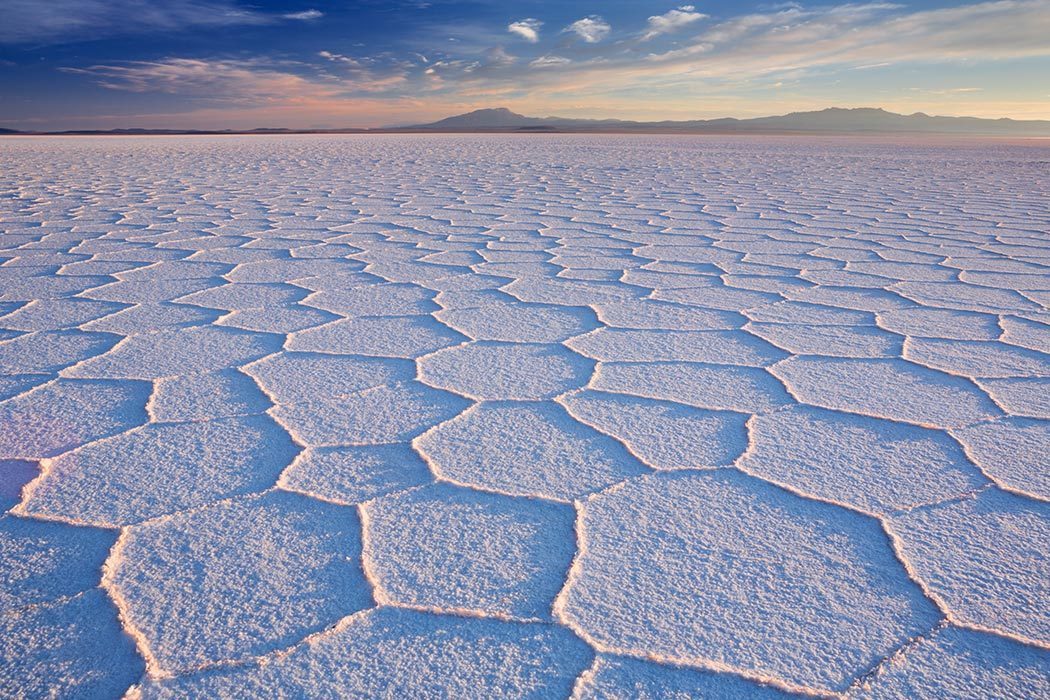
Salar de Uyuni, located in southwest Bolivia, is the world’s largest salt flat, spanning over 10,000 square kilometers (3,900 square miles). This otherworldly landscape was formed as a result of prehistoric lakes evaporating, leaving behind a vast expanse of salt crust that stretches to the horizon. The salt flats are composed of a thick crust of salt over a pool of brine, rich in lithium and other minerals. This unique geological formation creates a surreal and mesmerizing environment that attracts tourists, photographers, and scientists from around the globe.
During the rainy season, a thin layer of water covers the salt flats, transforming them into an enormous reflective surface that mirrors the sky. This phenomenon creates a stunning and ethereal spectacle, often described as walking on the sky. The mirror effect is so perfect that it can disorient visitors, making it difficult to distinguish where the sky ends and the earth begins. This natural wonder provides endless opportunities for breathtaking photographs and unforgettable experiences.
The dry season reveals the intricate hexagonal patterns of the salt crust, formed by the natural evaporation process. These geometric shapes stretch across the flats, creating a striking visual contrast against the deep blue sky. The stark whiteness of the salt crust, combined with the intense sunlight, can be blinding, necessitating the use of sunglasses and protective clothing for visitors.
Salar de Uyuni is also home to several islands, the most famous of which is Isla Incahuasi. This island, covered with giant cacti and offering panoramic views of the salt flats, provides a unique and contrasting landscape within the vast white expanse. The cacti, some of which are over 1,000 years old, add to the surreal and mysterious atmosphere of the salt flats.
The region’s rich mineral deposits, particularly lithium, have attracted significant scientific and commercial interest. Salar de Uyuni contains one of the largest lithium reserves in the world, a critical component for batteries used in electronics and electric vehicles. The extraction and management of these resources pose environmental and economic challenges, balancing the need for sustainable development with the preservation of this unique natural wonder.
The cultural significance of Salar de Uyuni is also noteworthy. The salt flats are located near the town of Uyuni, which serves as a gateway for tourists exploring the region. The local indigenous communities have a long history of salt harvesting and continue to play a vital role in the region’s economy and cultural heritage. Traditional salt mining methods, passed down through generations, are still practiced today, providing a glimpse into the region’s rich cultural history.
In conclusion, Salar de Uyuni is a destination that offers a truly unique and otherworldly experience. Its vast salt flats, stunning reflective surfaces, and rich cultural heritage make it a must-visit location for travelers seeking to explore one of the most extraordinary landscapes on Earth. The interplay of natural beauty, scientific interest, and cultural significance creates a mysterious and captivating environment that leaves a lasting impression on all who visit.
## 5. Gobi Desert (Mongolia/China)
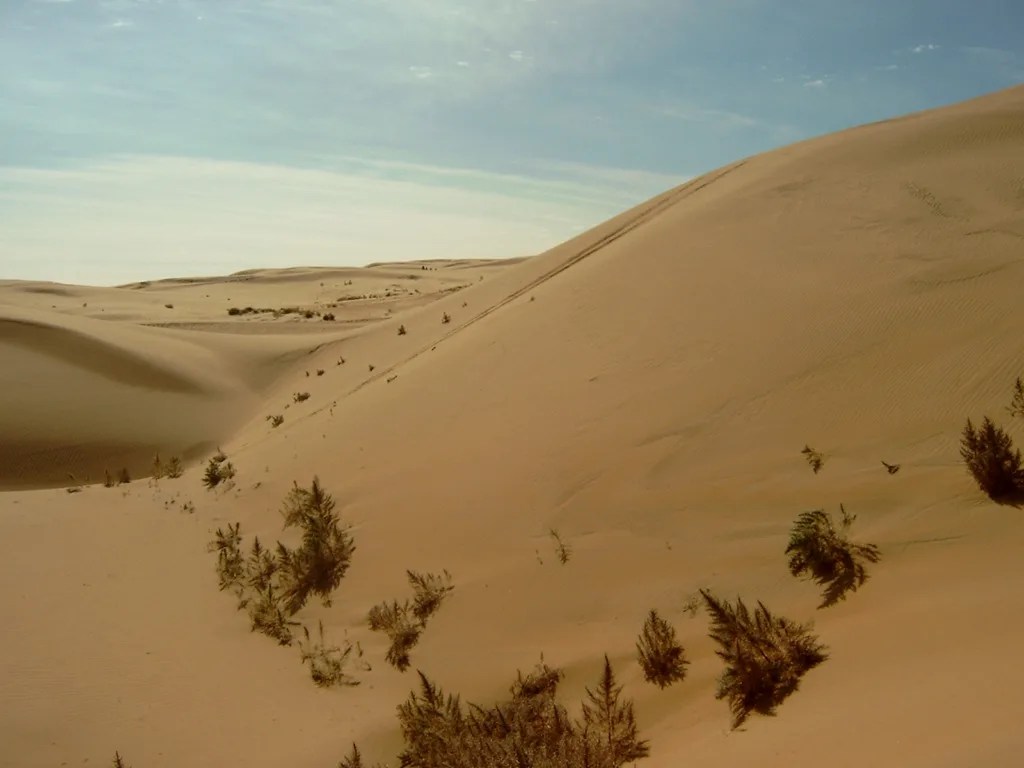
The Gobi Desert, spanning parts of northern China and southern Mongolia, is a vast and enigmatic landscape that covers approximately 1.3 million square kilometers (500,000 square miles). Known as a cold desert, the Gobi experiences extreme temperature variations, with scorching hot summers and frigid winters. Its geology includes vast gravel plains, towering sand dunes, rocky mountains, and sparse vegetation, creating a diverse and challenging environment.
One of the most fascinating aspects of the Gobi Desert is its rich paleontological history. The desert has yielded numerous significant archaeological findings, including some of the most well-preserved dinosaur fossils in the world. The Flaming Cliffs, located in the Mongolian part of the Gobi, are famous for the discovery of the first dinosaur eggs in the 1920s by the American paleontologist Roy Chapman Andrews. These cliffs, named for their striking red color at sunset, continue to be a hotspot for fossil hunters and researchers, contributing to the desert’s mystique.
The Gobi Desert’s harsh conditions and vastness make it a challenging landscape to explore. The desert’s extreme temperature fluctuations, limited water sources, and frequent sandstorms pose significant challenges for both human and animal inhabitants. Despite these harsh conditions, the Gobi is home to a variety of resilient flora and fauna, including the Bactrian camel, snow leopard, and Gobi bear. These species have adapted to survive in one of the most inhospitable environments on Earth, demonstrating the incredible resilience of life.
The Gobi Desert also holds cultural and historical significance. The ancient Silk Road trade routes traversed the Gobi, connecting China with the Mediterranean and facilitating the exchange of goods, ideas, and cultures. The remnants of ancient cities, fortresses, and caravanserais can still be found scattered across the desert, offering a glimpse into the region’s rich history. The desert’s nomadic herders, who continue to practice traditional ways of life, add to the cultural richness and allure of the Gobi.
In recent years, the Gobi Desert has become a destination for adventure tourism. Visitors can explore its vast landscapes through activities such as camel trekking, off-road driving, and hiking. The desert’s unique geological formations, such as the Khongoryn Els sand dunes and the Yolyn Am ice gorge, provide stunning and diverse scenery for outdoor enthusiasts. The Gobi’s clear skies and minimal light pollution also make it an excellent location for stargazing, offering a chance to witness the beauty of the night sky in a remote and pristine environment.
In conclusion, the Gobi Desert is a place of mystery and wonder. Its vast and diverse landscapes, rich paleontological history, and cultural significance make it a destination that captivates the imagination. The desert’s extreme conditions and resilient inhabitants highlight the incredible adaptability of life, while its historical and archaeological treasures offer a glimpse into the past. The Gobi Desert is a testament to the enduring allure of one of the world’s most enigmatic and challenging environments.
## 6. Lençóis Maranhenses (Brazil)
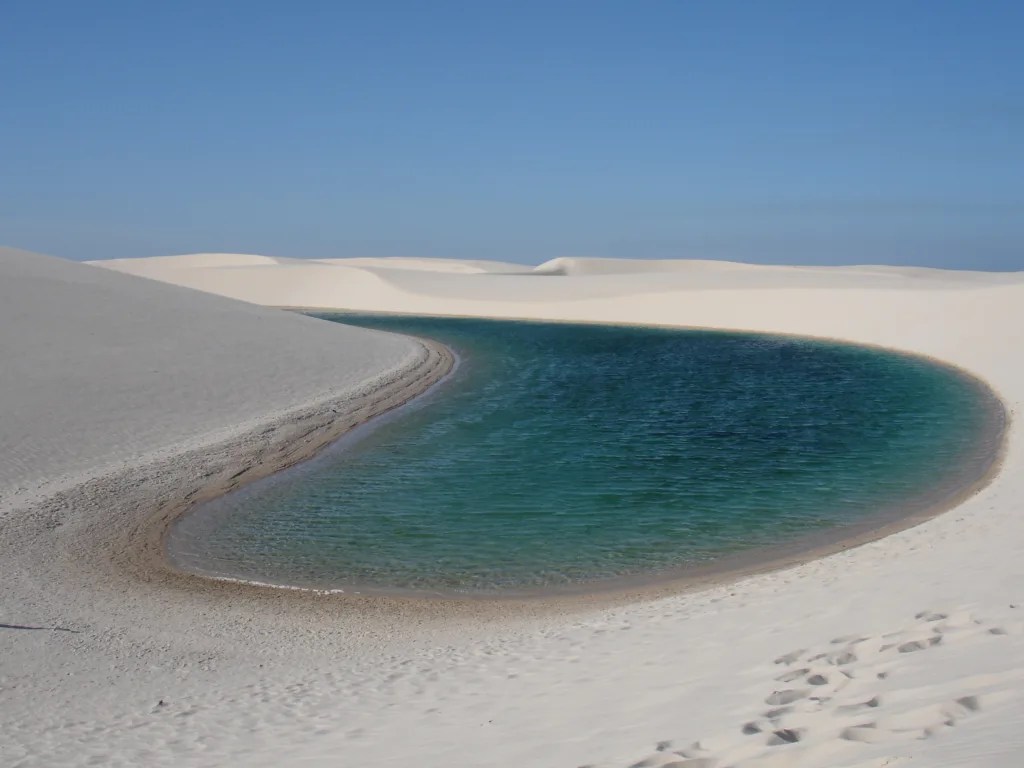
Situated along the northern coast of Brazil, Lençóis Maranhenses National Park is a unique and captivating desert landscape characterized by rolling white sand dunes and seasonal rainwater lagoons. Covering an area of approximately 1,550 square kilometers (600 square miles), this desert challenges the traditional perception of deserts as solely arid expanses. The interplay of wind and water creates an ever-changing, ethereal landscape that is both beautiful and mysterious.
The name “Lençóis Maranhenses” translates to “Maranhão’s Sheets,” a reference to the appearance of the vast, undulating sand dunes that resemble sheets spread out over the landscape. These dunes, some of which reach heights of up to 40 meters (130 feet), are constantly reshaped by the wind, creating a dynamic and ever-changing environment. The stark white sand, contrasting with the deep blue sky, creates a striking and otherworldly scene.
What sets Lençóis Maranhenses apart from other deserts is the presence of seasonal rainwater lagoons. During the rainy season, from January to June, the dunes trap rainwater, forming thousands of crystal-clear lagoons that dot the landscape. These lagoons, which can reach depths of up to 3 meters (10 feet), create a stunning visual contrast with the white sand dunes. The lagoons are temporary, gradually drying up during the dry season, only to be replenished by the next cycle of rains.
The lagoons of Lençóis Maranhenses are not only visually stunning but also support a variety of aquatic life. Fish, such as the resilient wolf fish, have adapted to survive in the temporary water bodies, often lying dormant in the mud until the lagoons refill. The presence of these lagoons attracts a variety of bird species, adding to the biodiversity of the region.
Lençóis Maranhenses National Park is also home to a variety of plant and animal species that have adapted to the unique environment. The vegetation is sparse, with hardy plants such as cacti and shrubs dotting the landscape. The park is also home to several species of reptiles, insects, and small mammals that have adapted to survive in the harsh conditions.
The park’s remote location and challenging terrain have helped preserve its pristine beauty. Access to Lençóis Maranhenses is typically through the nearby town of Barreirinhas, from where visitors can embark on guided tours to explore the dunes and lagoons. Activities such as dune bashing, sandboarding, and swimming in the lagoons offer unique and exhilarating experiences for visitors.
In conclusion, Lençóis Maranhenses is a destination that defies conventional notions of what a desert should be. Its stunning white sand dunes, crystal-clear lagoons, and unique ecosystems create a landscape that is both beautiful and mysterious. The interplay of wind and water, combined with the park’s remote and pristine nature, makes Lençóis Maranhenses a must-visit destination for those seeking to explore one of the world’s most unique and captivating environments.
## 7. Taklamakan Desert (China)
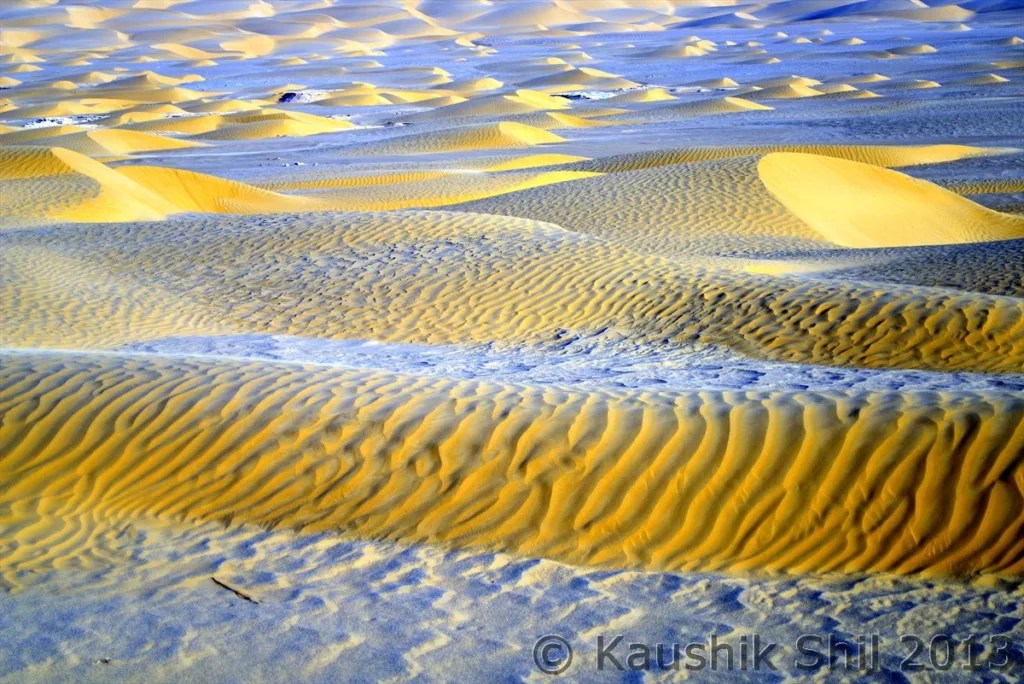
The Taklamakan Desert, located in the Uygur Autonomous Region of Xinjiang, China, is one of the largest sandy deserts in the world, covering an area of approximately 337,000 square kilometers (130,000 square miles). The desert’s name, “Taklamakan,” translates to “place of no return” in the Uygur language, underscoring the challenges posed by its vast and seemingly endless expanses of shifting sand dunes.
The Taklamakan Desert is characterized by its towering sand dunes, some of which reach heights of up to 300 meters (980 feet). These dunes are constantly reshaped by the wind, creating a dynamic and ever-changing landscape. The desert is flanked by the Kunlun Mountains to the south and the Tian Shan Mountains to the north, adding to its dramatic and rugged beauty.
One of the most intriguing aspects of the Taklamakan Desert is its historical significance. The desert was a critical part of the ancient Silk Road trade routes, which connected China with the Mediterranean and facilitated the exchange of goods, ideas, and cultures. The remnants of ancient cities, fortresses, and caravanserais can still be found buried beneath the sands, offering a glimpse into the region’s rich history. These archaeological sites, such as the ancient city of Niya and the ruins of Loulan, provide valuable insights into the civilizations that once thrived in this harsh environment.
The Taklamakan Desert’s harsh conditions make it one of the most inhospitable places on Earth. The desert experiences extreme temperature fluctuations, with scorching hot summers and freezing cold winters. Water sources are scarce, and the shifting sands can create treacherous conditions for travelers. Despite these challenges, the desert is home to a variety of resilient flora and fauna, including hardy plants such as tamarisk and poplar trees, as well as animals like the Bactrian camel and the sand fox.
In recent years, the Taklamakan Desert has become a destination for adventure tourism. Visitors can explore its vast landscapes through activities such as camel trekking, off-road driving, and hiking. The desert’s unique geological formations, such as the Yardang landforms and the Crescent Lake oasis, provide stunning and diverse scenery for outdoor enthusiasts. The Taklamakan’s remote and pristine nature also makes it an excellent location for stargazing, offering a chance to witness the beauty of the night sky in a truly isolated environment.
In conclusion, the Taklamakan Desert is a place of mystery and wonder. Its vast and diverse landscapes, rich historical significance, and harsh conditions make it a destination that captivates the imagination. The desert’s extreme environment and resilient inhabitants highlight the incredible adaptability of life, while its archaeological treasures offer a glimpse into the past. The Taklamakan Desert is a testament to the enduring allure of one of the world’s most enigmatic and challenging environments.
## 8. Wadi Rum (Jordan)
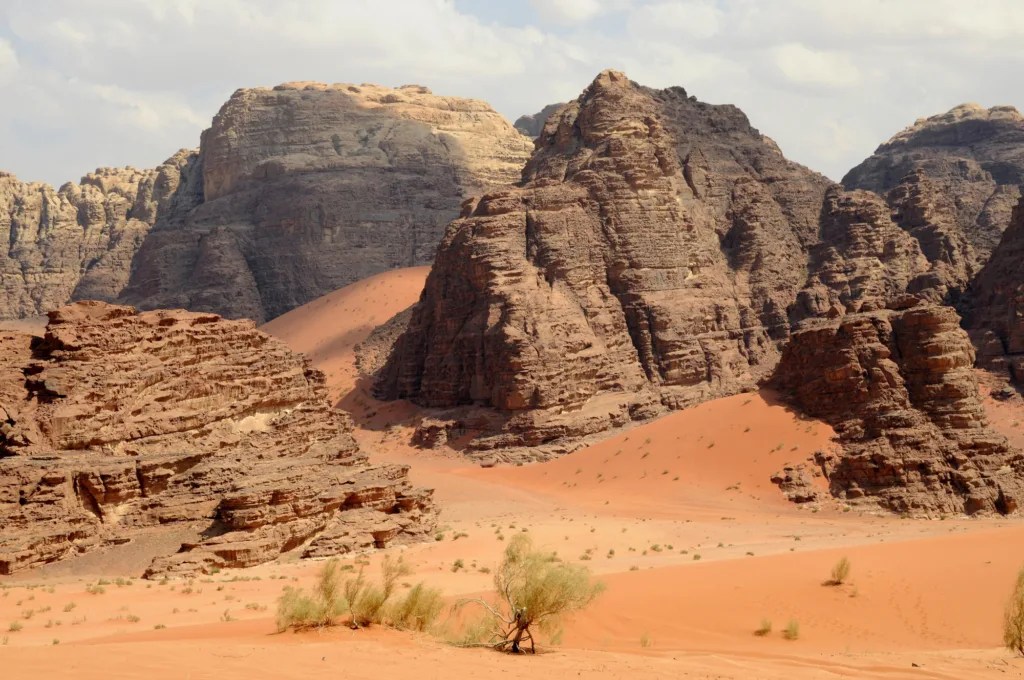
Often referred to as the “Valley of the Moon,” Wadi Rum is a desert wilderness located in southern Jordan. This stunning landscape is characterized by dramatic sandstone mountains, natural arches, narrow canyons, and vast expanses of red sand. Covering an area of approximately 720 square kilometers (280 square miles), Wadi Rum’s unique geological formations, shaped by wind and water erosion, create a surreal and mysterious atmosphere that has captivated explorers, filmmakers, and tourists alike.
One of the most iconic features of Wadi Rum is its towering sandstone mountains, some of which rise over 1,700 meters (5,600 feet) above sea level. These mountains, with their sheer cliffs and intricate rock formations, create a dramatic and awe-inspiring landscape. The natural arches, such as the Burdah Rock Bridge and the Um Fruth Rock Bridge, add to the region’s unique beauty, offering stunning viewpoints and challenging climbing opportunities for adventurers.
Wadi Rum is also known for its narrow canyons, such as the Khazali Canyon and the Barrah Canyon. These canyons, with their towering walls and shaded interiors, provide a stark contrast to the open desert landscape. The walls of the canyons are adorned with ancient petroglyphs and inscriptions, some of which date back thousands of years. These carvings, created by the Nabataean and Thamudic civilizations, offer valuable insights into the region’s rich cultural history.
The desert’s unique geological formations and stunning landscapes have made Wadi Rum a popular filming location for movies and documentaries. The region’s otherworldly appearance has been featured in films such as “Lawrence of Arabia,” “The Martian,” and “Star Wars: The Rise of Skywalker,” further enhancing its allure and mystique.
Despite its harsh conditions, Wadi Rum is home to a variety of plant and animal species that have adapted to survive in the desert environment. The region’s flora includes hardy plants such as acacia trees and desert shrubs, while its fauna includes species such as the Arabian oryx, desert fox, and various reptiles and birds. The Bedouin tribes, who have inhabited the region for centuries, continue to practice traditional ways of life, adding to the cultural richness and allure of Wadi Rum.
In recent years, Wadi Rum has become a popular destination for adventure tourism. Visitors can explore its vast landscapes through activities such as camel trekking, off-road driving, rock climbing, and hiking. The desert’s unique geological formations, such as the Seven Pillars of Wisdom and the Jebel Umm ad Dami, provide stunning and diverse scenery for outdoor enthusiasts. The region’s clear skies and minimal light pollution also make it an excellent location for stargazing, offering a chance to witness the beauty of the night sky in a truly isolated environment.
In conclusion, Wadi Rum is a place of mystery and wonder. Its dramatic sandstone mountains, narrow canyons, and ancient petroglyphs create a landscape that is both beautiful and enigmatic. The desert’s unique geological formations, rich cultural history, and resilient inhabitants highlight the incredible adaptability of life in one of the harshest environments on Earth. Wadi Rum is a testament to the enduring allure of one of the world’s most captivating and mysterious deserts.
## 9. Karakum Desert (Turkmenistan)
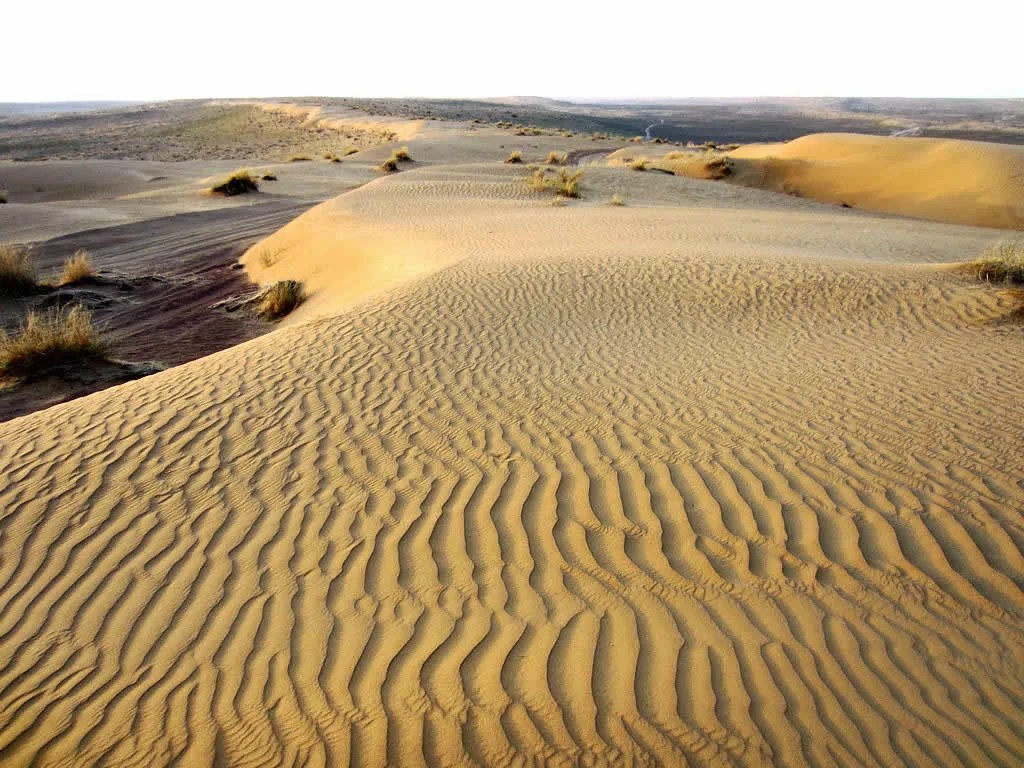
The Karakum Desert, located in Central Asia, covers approximately 350,000 square kilometers (135,000 square miles) and is one of the largest deserts in the region. The desert’s name, “Karakum,” translates to “Black Sand” in the Turkic languages, a reference to the dark-colored sand that characterizes much of the landscape. The Karakum’s geology includes vast sand dunes, rocky landscapes, and salt pans, creating a diverse and enigmatic environment.
One of the most famous and mysterious features of the Karakum Desert is the Darvaza Gas Crater, colloquially known as the “Door to Hell.” This fiery pit, located in the heart of the desert, was created in 1971 when a Soviet drilling rig accidentally tapped into a natural gas cavern, causing the ground to collapse and the rig to fall in. To prevent the spread of methane gas, scientists set the crater on fire, expecting it to burn out within a few weeks. However, the crater has been burning continuously for over five decades, creating a surreal and mesmerizing spectacle.
The Darvaza Gas Crater, with its roaring flames and glowing embers, has become a popular tourist attraction, drawing visitors from around the world. The sight of the crater at night, with its intense orange glow lighting up the surrounding desert, is both eerie and captivating. The crater’s origin and the continuous burning of the gas have contributed to its enigmatic reputation, making it one of the most intriguing features of the Karakum Desert.
The Karakum Desert’s harsh conditions and extreme temperatures make it a challenging environment for both human and animal inhabitants. The desert experiences scorching hot summers, with temperatures often exceeding 40 degrees Celsius (104 degrees Fahrenheit), and cold winters, with temperatures dropping below freezing. Despite these harsh conditions, the desert is home to a variety of resilient flora and fauna, including hardy plants such as saxaul and tamarisk, as well as animals like the goitered gazelle, sand cat, and various reptiles and birds.
The Karakum Desert also holds cultural and historical significance. The region has been inhabited for thousands of years, and the remnants of ancient Silk Road trade routes can still be found scattered across the desert. These trade routes connected Central Asia with the Mediterranean, facilitating the exchange of goods, ideas, and cultures. The desert’s nomadic herders, who continue to practice traditional ways of life, add to the cultural richness and allure of the Karakum.
In recent years, the Karakum Desert has become a destination for adventure tourism. Visitors can explore its vast landscapes through activities such as camel trekking, off-road driving, and hiking. The desert’s unique geological formations, such as the Yangykala Canyon and the Repetek Nature Reserve, provide stunning and diverse scenery for outdoor enthusiasts. The Karakum’s remote and pristine nature also makes it an excellent location for stargazing, offering a chance to witness the beauty of the night sky in a truly isolated environment.
In conclusion, the Karakum Desert is a place of mystery and wonder. Its vast and diverse landscapes, rich historical significance, and harsh conditions make it a destination that captivates the imagination. The desert’s extreme environment and resilient inhabitants highlight the incredible adaptability of life, while its archaeological treasures offer a glimpse into the past. The Karakum Desert is a testament to the enduring allure of one of the world’s most enigmatic and challenging environments.
## 10. Sonoran Desert (USA/Mexico)
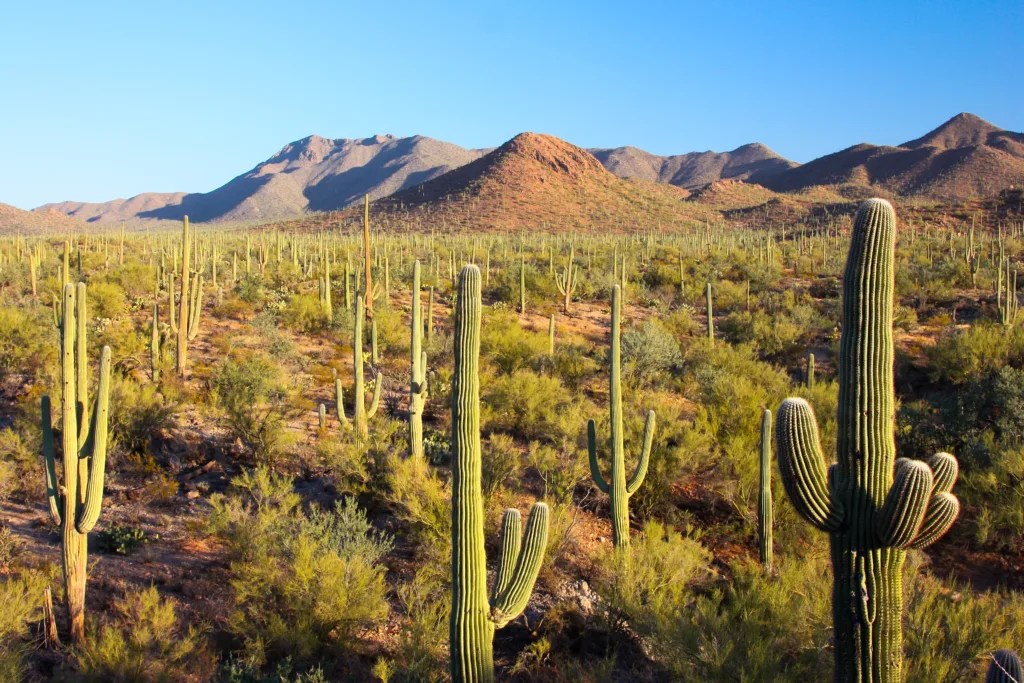
The Sonoran Desert’s geology is characterized by rugged mountain ranges, such as the Santa Catalina, Superstition, and Ajo Mountains, which rise dramatically from the desert floor. These mountains, composed of ancient volcanic and sedimentary rocks, create a diverse and striking landscape. The desert is also dotted with unique rock formations, such as the Organ Pipe Cactus National Monument and the Kofa National Wildlife Refuge, which provide stunning backdrops for outdoor activities and photography.
The Sonoran Desert is known for its diverse ecosystems, which support a wide variety of plant and animal species. In addition to the iconic saguaro cactus, the desert is home to other cacti species, such as the barrel cactus, cholla, and prickly pear. The region also supports a variety of shrubs, trees, and wildflowers, creating a vibrant and dynamic landscape that changes with the seasons. During the spring, the desert comes alive with colorful blooms, attracting pollinators and providing a feast for the eyes.
The fauna of the Sonoran Desert is equally diverse and includes species that have adapted to the harsh conditions of the desert environment. Mammals such as the desert bighorn sheep, javelina, and coyote roam the desert, while reptiles like the Gila monster, desert tortoise, and various snakes thrive in the arid landscape. The desert is also home to a variety of bird species, including the roadrunner, cactus wren, and Harris’s hawk, which can often be seen soaring above the desert or perched on cacti.
The Sonoran Desert’s unique geology and ecosystems provide valuable opportunities for scientific research and conservation efforts. Researchers study the adaptations of desert plants and animals to understand how life can thrive in extreme environments. Conservation efforts focus on protecting the delicate balance of the desert ecosystem, preserving habitats for endangered species, and combating the threats posed by urban development, climate change, and invasive species.
Cultural and historical significance is also deeply embedded in the Sonoran Desert. The region has been inhabited by indigenous peoples for thousands of years, including the Tohono O’odham, Akimel O’odham, and Hia-Ced O’odham tribes. These communities have a rich cultural heritage and a deep connection to the land, with traditional practices and knowledge that have been passed down through generations. Ancient petroglyphs, pottery shards, and other archaeological sites can be found throughout the desert, offering insights into the lives of the desert’s early inhabitants.
In recent years, the Sonoran Desert has become a popular destination for outdoor enthusiasts and adventure seekers. The desert offers a wide range of recreational activities, including hiking, rock climbing, bird watching, and off-road driving. Iconic trails such as the Arizona Trail and the Juan Bautista de Anza National Historic Trail provide opportunities to explore the desert’s diverse landscapes and experience its natural beauty firsthand. The desert’s clear skies and minimal light pollution also make it an excellent location for stargazing, offering a chance to witness the brilliance of the night sky in a truly serene setting.
In conclusion, the Sonoran Desert is a place of mystery and wonder. Its diverse ecosystems, rugged geology, and rich cultural history create a landscape that is both beautiful and enigmatic. The desert’s unique flora and fauna highlight the incredible adaptability of life in one of the harshest environments on Earth, while its historical and cultural significance offers a glimpse into the lives of the desert’s early inhabitants. The Sonoran Desert is a testament to the enduring allure of one of the world’s most captivating and mysterious deserts.