
The African continent is home to a huge number of unique and ancient tribes. And today we will talk about some of them.
Haya
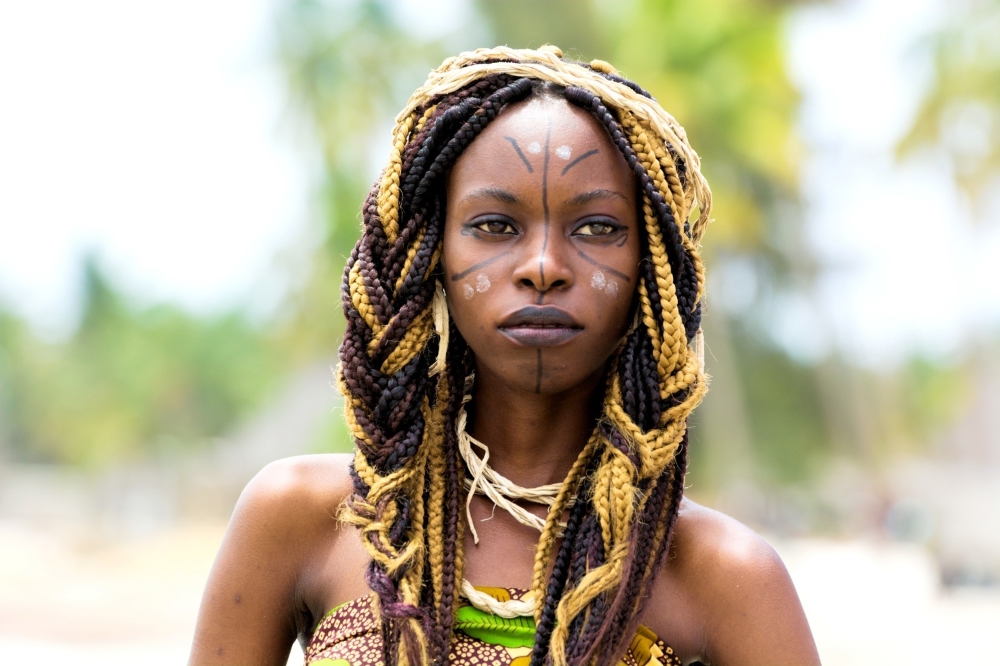
The Haya tribe resides in the western part of Tanzania, in East Africa. They speak their own language known as Kihaya and are renowned for their expertise in wood carving and the creation of colorful textile patterns.
Surma
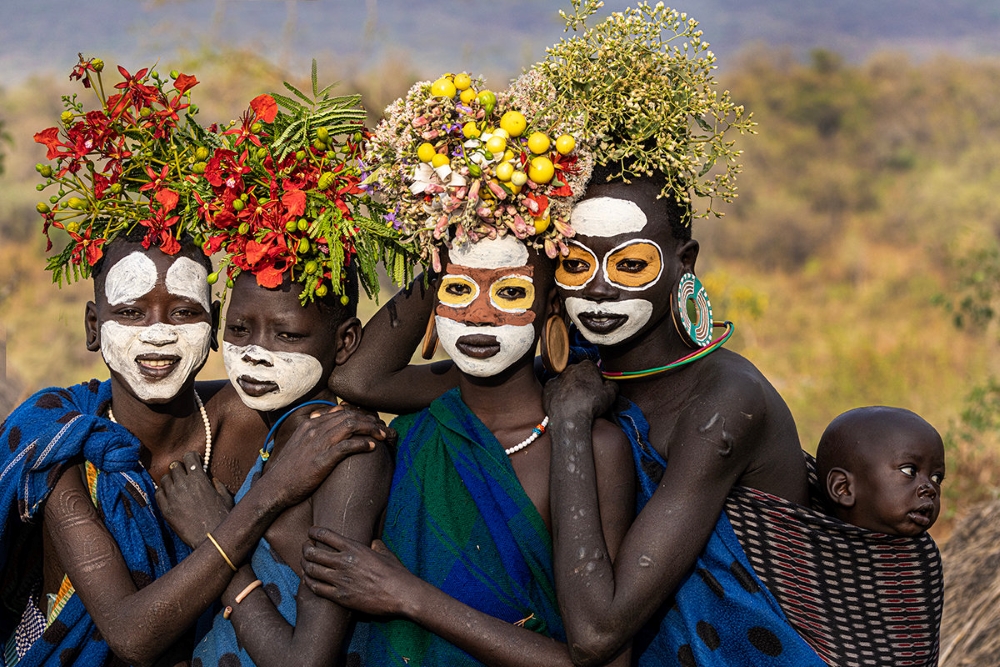
This tribe is known for its unique traditions and culture, especially in terms of body adornment. Men here can have multiple wives, and a woman’s status increases with the number of children.
Afar
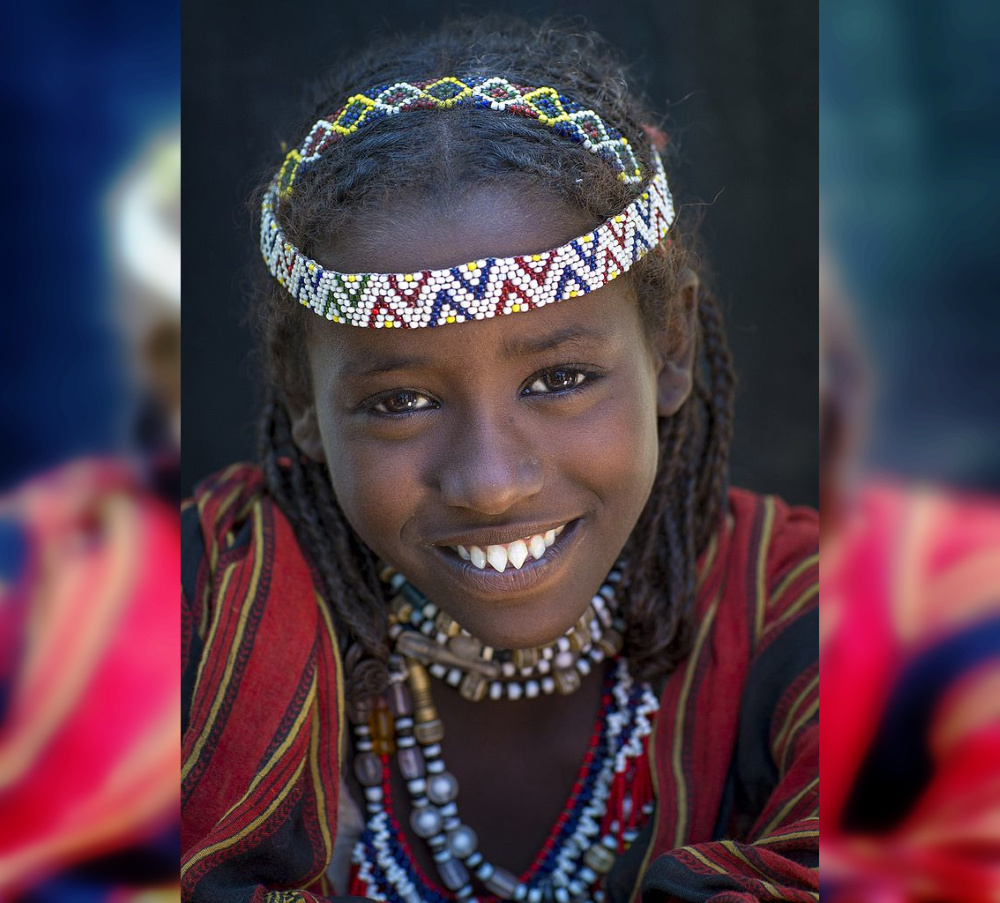
The Afar people reside in the Danakil volcanic region in eastern Africa. They are a warrior tribe and are skilled in the use of knives and daggers. They still practice the ritual of teeth sharpening for boys and girls who have reached sexual maturity.
Himba
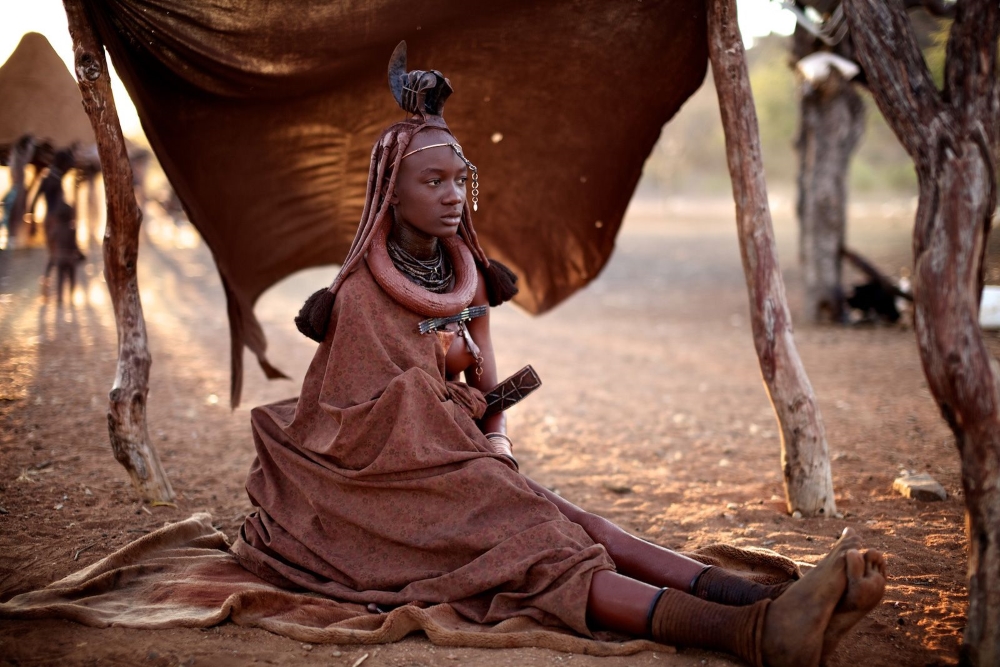
The ethnic group living in the arid region of Northern Namibia is known as the Himba people. A distinctive feature of the Himba is that women apply a mixture of red clay and oil to their skin, giving it a reddish hue that symbolizes beauty and status.
Oromo
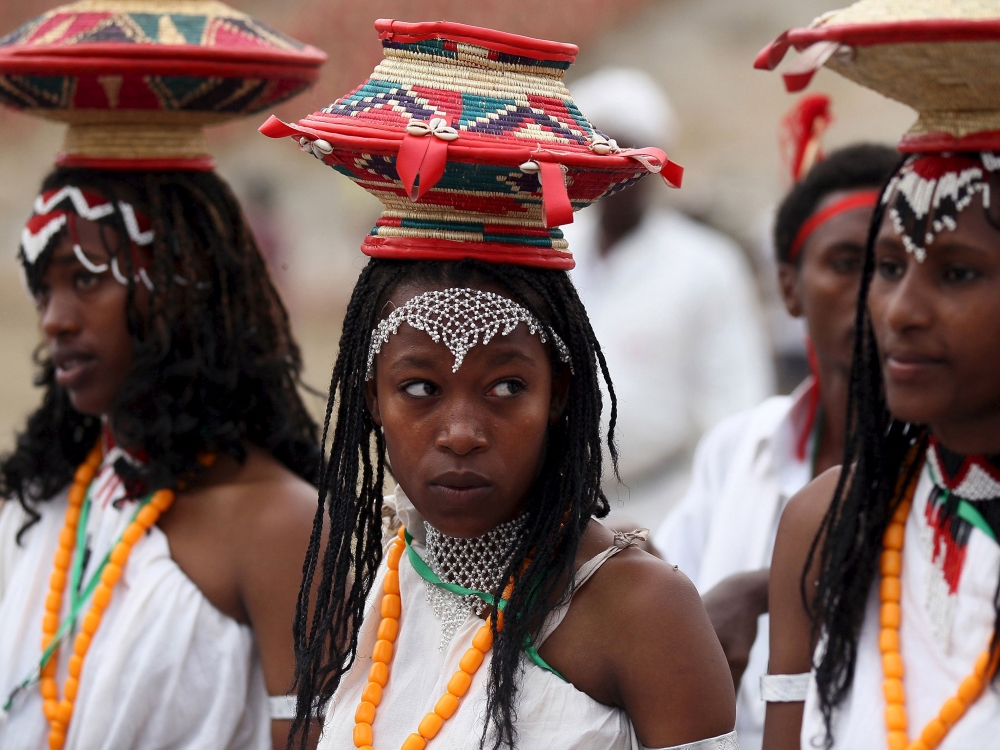
The Oromo make up a significant portion of Ethiopia’s population, with an estimated population of several tens of millions of people. The main colors of their clothing are red, black, and white.
Khoikhoi
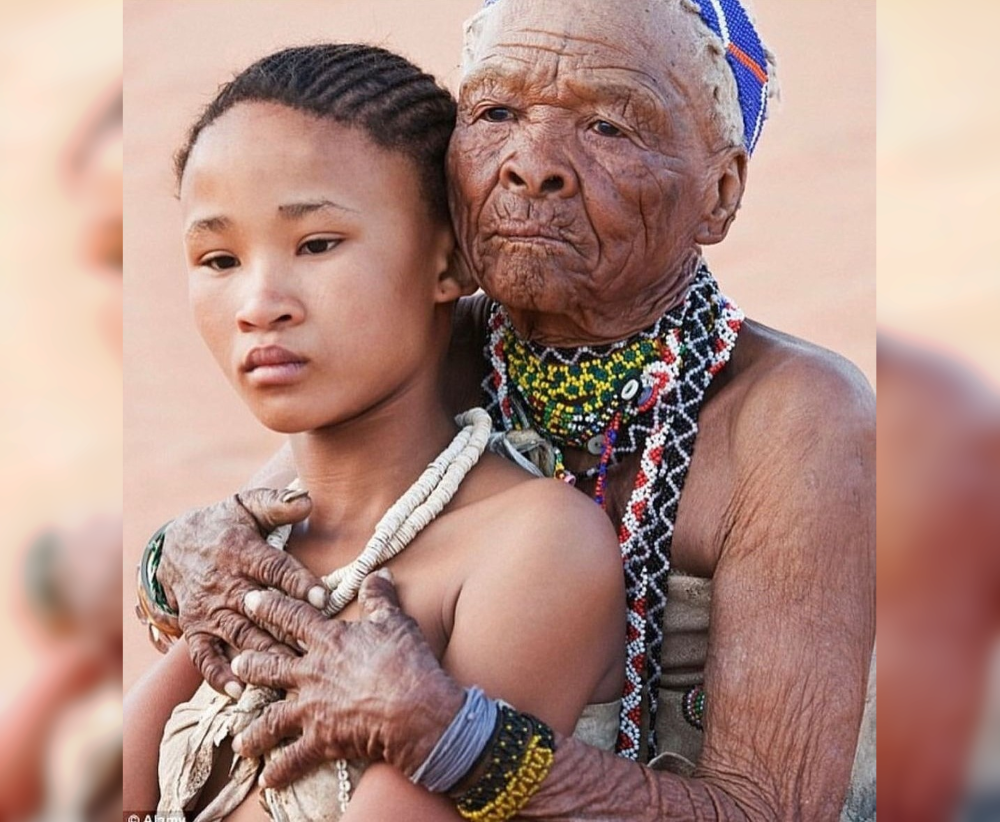
An amazing ethnic group residing in Southern Africa. Their language is considered one of the most complex in the world. It resembles either the chirping of birds or the speech of a stuttering person.
Fulani
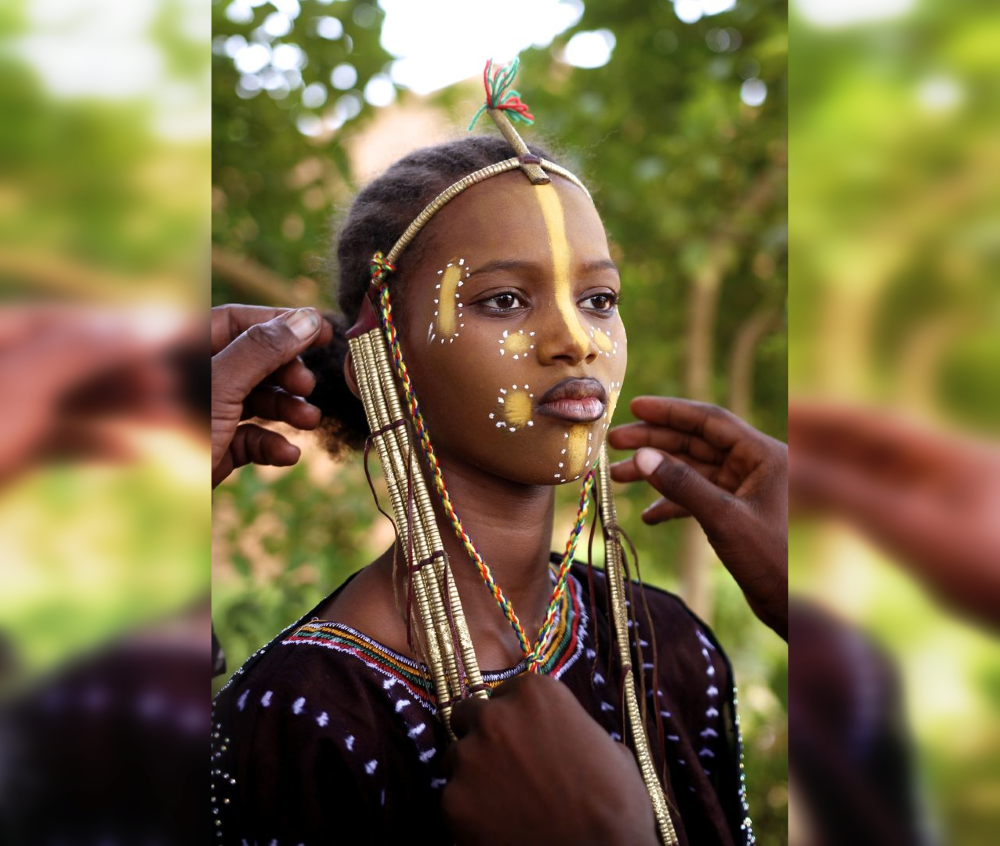
This is a large ethnic group with a population of several million people. The Fulani speak Fulfulde, which is an Afroasiatic language. They also use the Arabic script for their writing, often in religious texts and documents.
Maasai
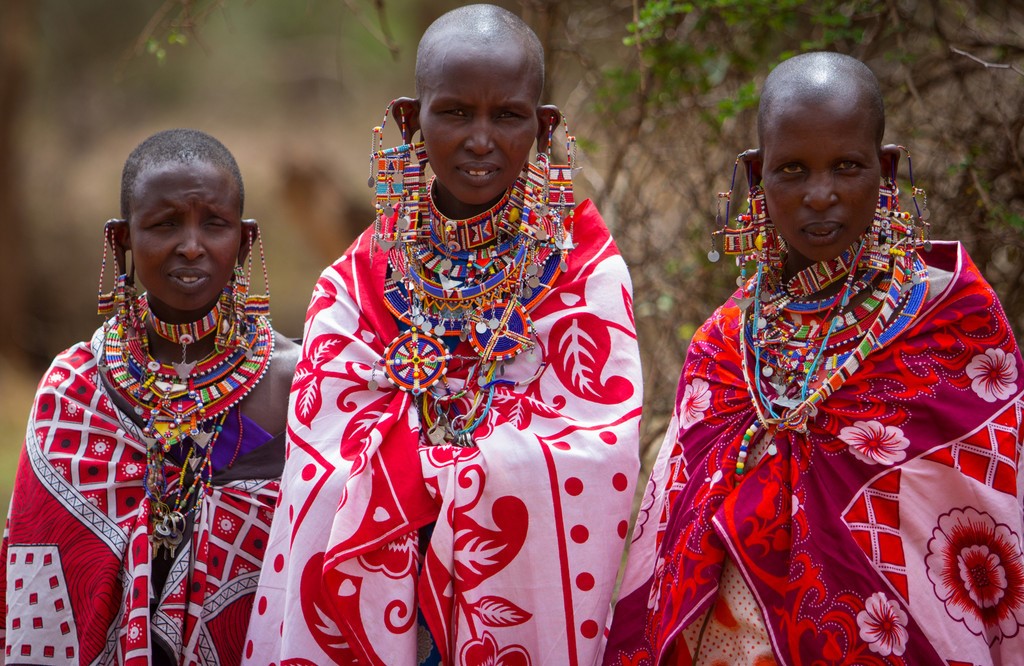
One of the most famous and recognizable tribes in East Africa. Its representatives are tall and have a strong desire to decorate themselves. They wear colorful beaded fabrics and long neck and ear ornaments.
Mursi
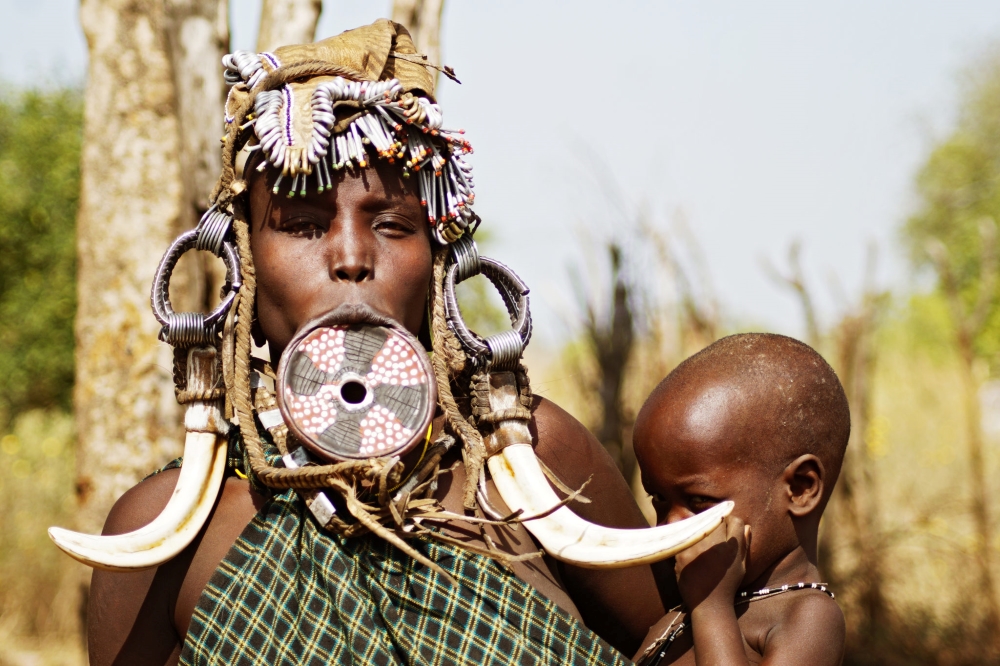
The Mursi tribe in Southern Ethiopia is known for its unique adornments, including clay discs worn in the lower lips of women. The ritual is part of the Mursi coming-of-age ceremony. To insert the clay plate, which the girls usually make themselves, their lower lip is cut, and two lower front teeth are knocked out.
Kikuyu
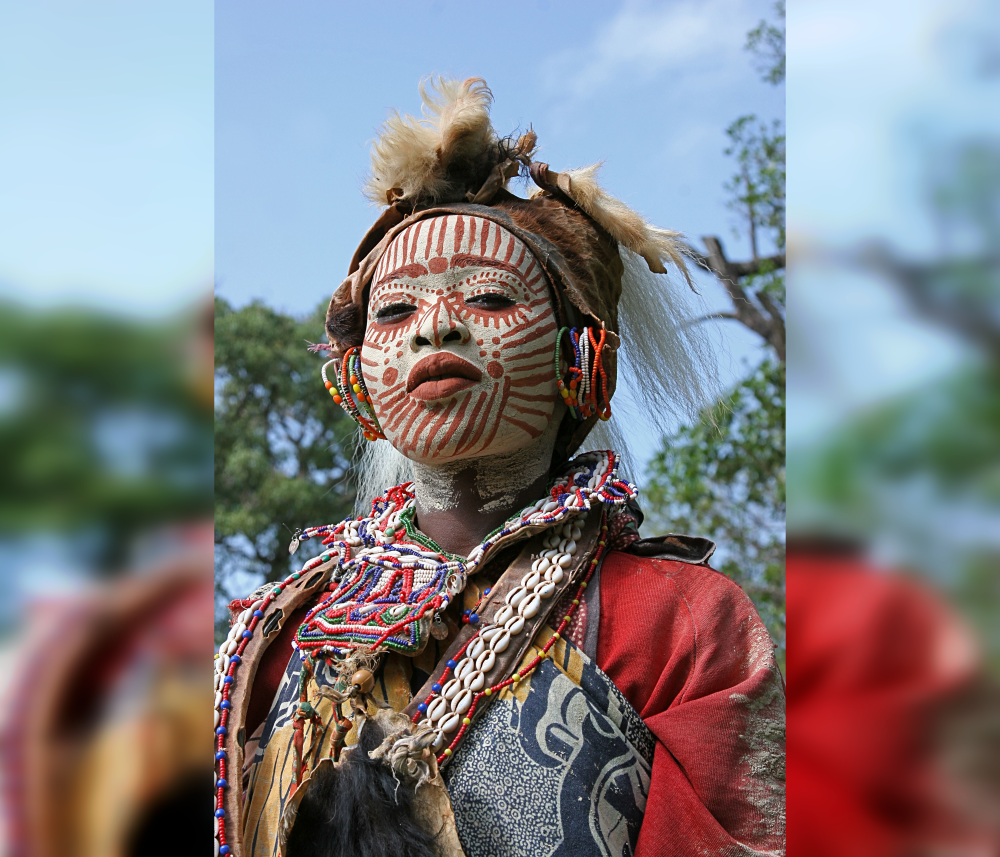
They reside in Central Kenya and are one of the largest ethnic groups. They are true masters of trade. Resourceful when it comes to money and wealth and strive to earn more.
Hamar
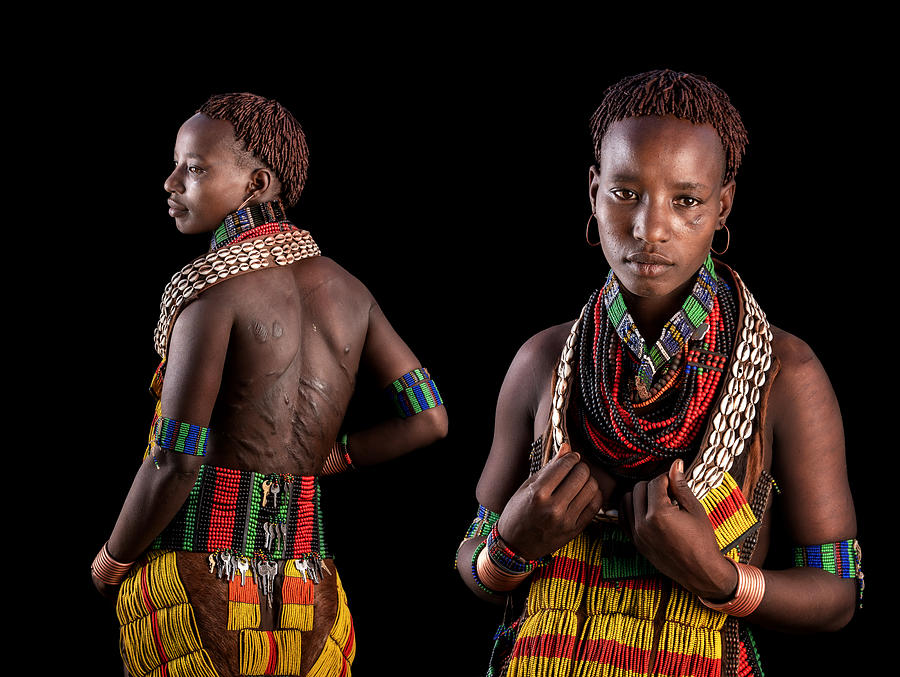
The Hamar tribe resides in the southern part of Ethiopia and is known for its unique style and rituals. Women in the tribe practice a scarification procedure. Through these scars, they demonstrate how patient they will be as wives in the future. During the ritual, men beat them with sticks on their backs, and they do not make a sound.
Wodaabe
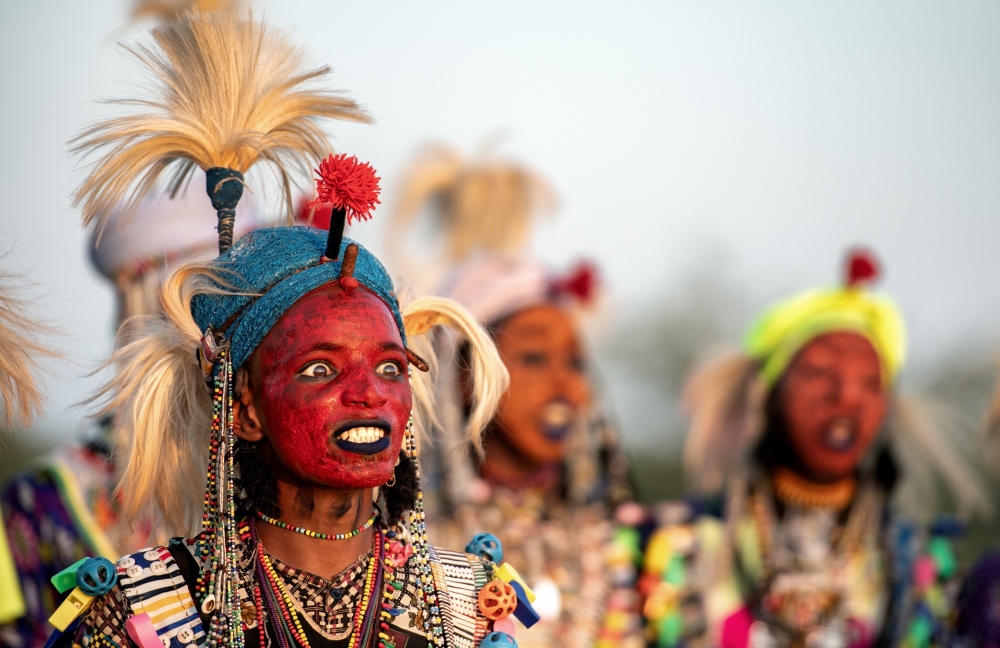
The tribe living in the western and central parts of the Sahara and Sahel region of Africa. Men in this tribe place great importance on beauty as they need to attract women’s attention. That’s why they adorn themselves and apply makeup. They then compete in beauty and dance to win the hearts of women.
Turkana
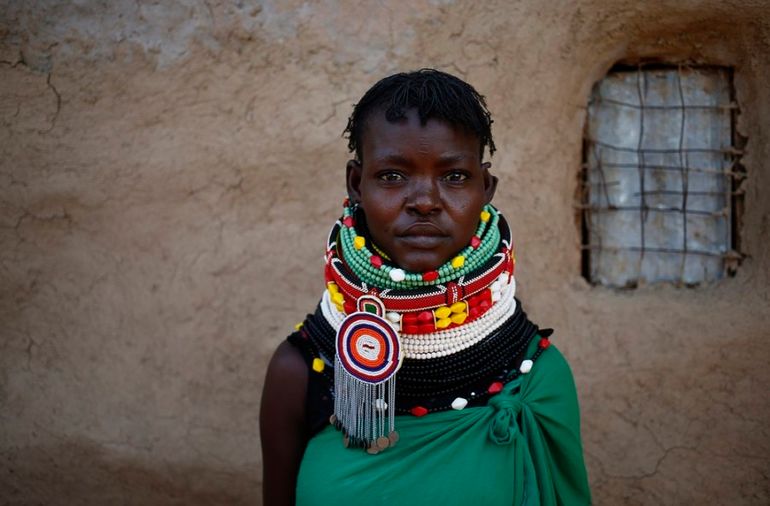
The Turkana people are an ethnic group residing in East Africa. They have no permanent settlements and when water and food sources are depleted, they move. They enjoy wearing vibrant clothing. Additionally, women adorn themselves with large bead necklaces, which are used to signify their status.
Nuba
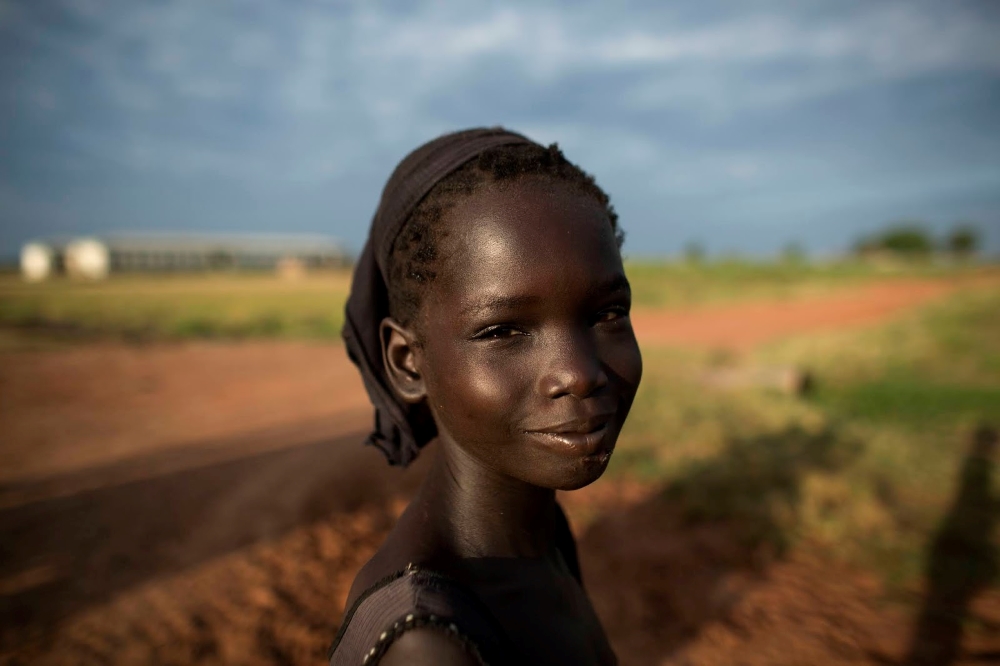
This tribe lives in the Nuba Mountains region of Sudan. Their women are tall, long-legged and slender, and their men are muscular and fit. Here, girls choose their own husbands, and a man cannot refuse a proposal.
Samburu
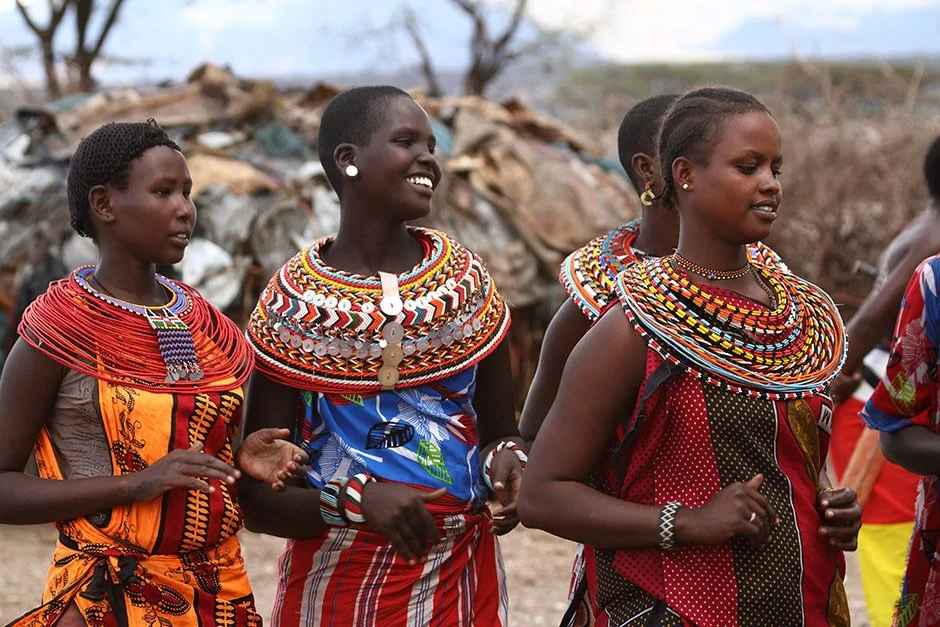
The Samburu tribe resides in the northern part of Kenya. The most important aspect of their life is childbirth. Therefore, infertile women are often ridiculed.
Bantu
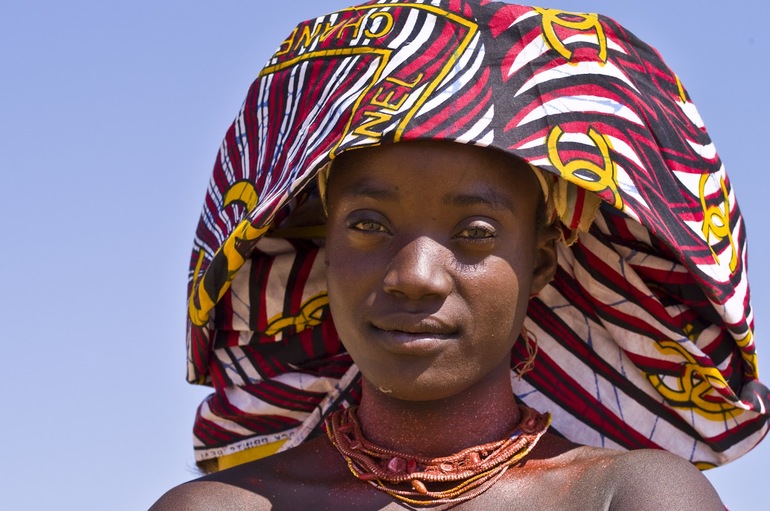
Bantu is one of the largest ethnic groups in Africa. They are friendly and gladly show tourists their region. Most have successfully adapted to the modern world, but many of them continue to respect and uphold their traditional customs and rituals.
Karo
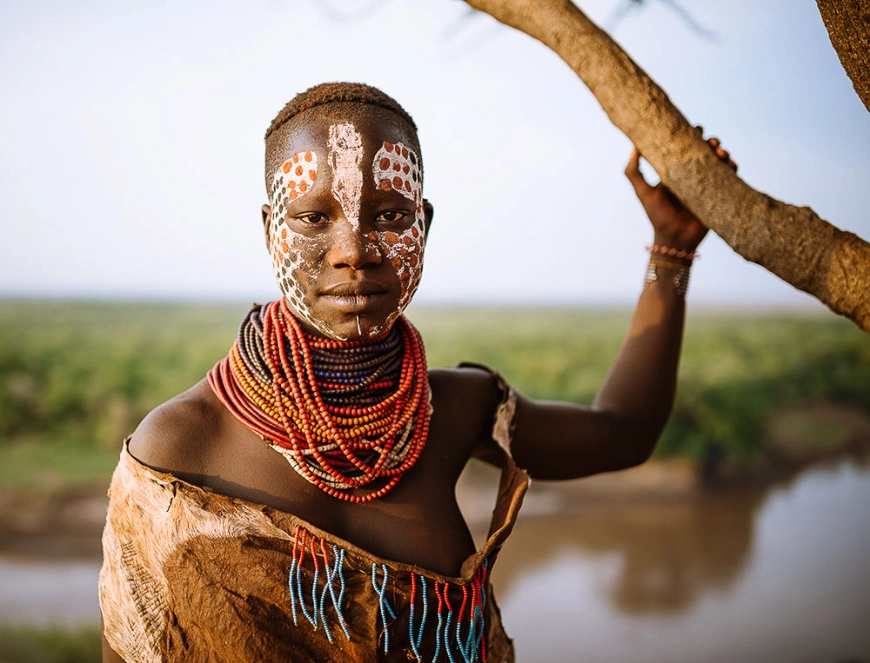
This tribe resides in the Omo Valley region of Ethiopia. They are known for loving to paint their faces with various patterns. They live in small villages and depend on agriculture and herding for their livelihood.
Hutu
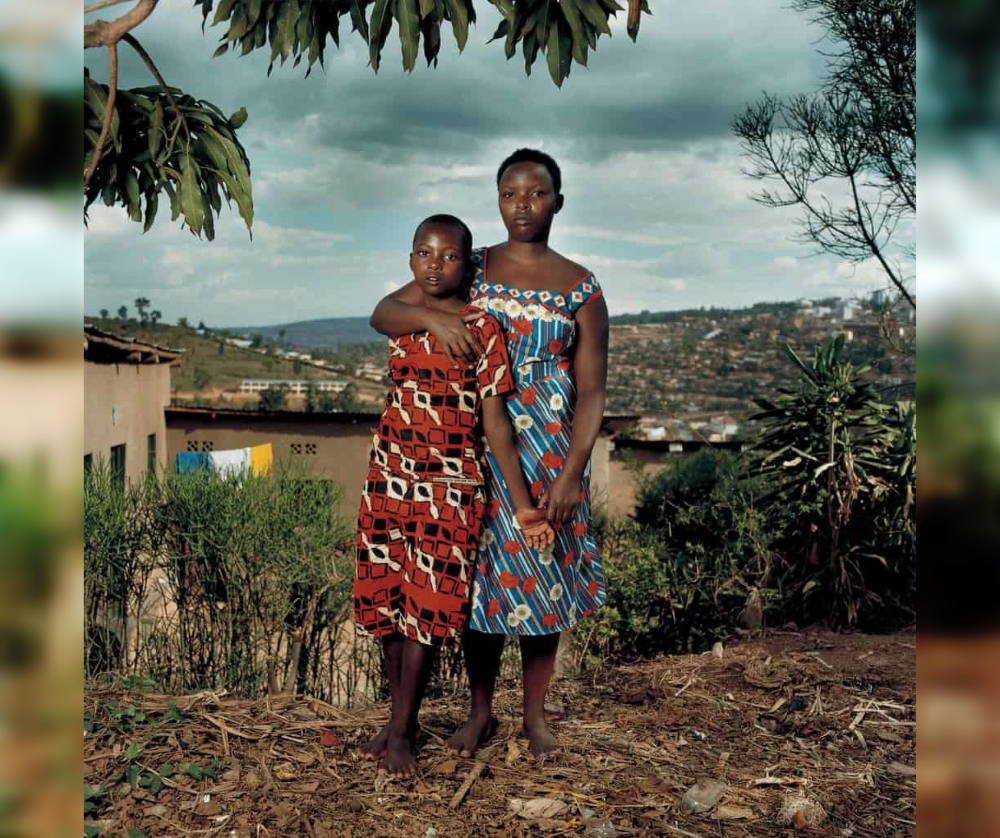
The Hutu became known in world history due to the conflict between the Hutu and Tutsi in Rwanda, which led to a civil war and genocide in 1994. Since then, this history has left a profound impact on both the ethnic and political history of the region.
Xhosa
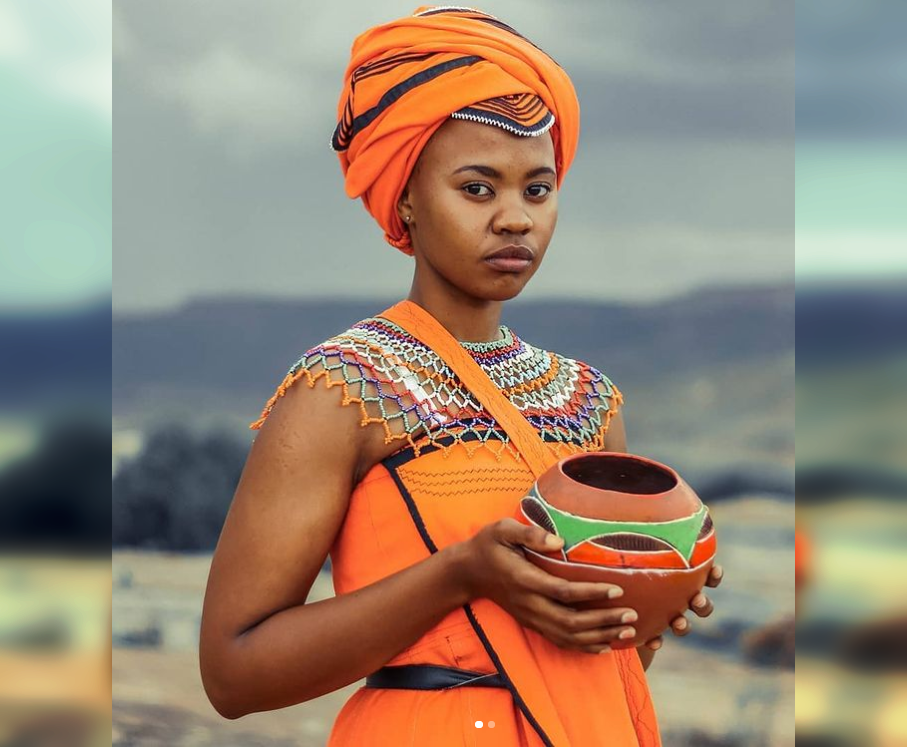
They live in South Africa, mainly in the Zululand region. Women tie their turbans on their heads in a distinctive way. The type of headgear can indicate their marital status – married, unmarried, or widowed. Respecting the older generations and supporting family ties is an essential part of their customs.
Zulu
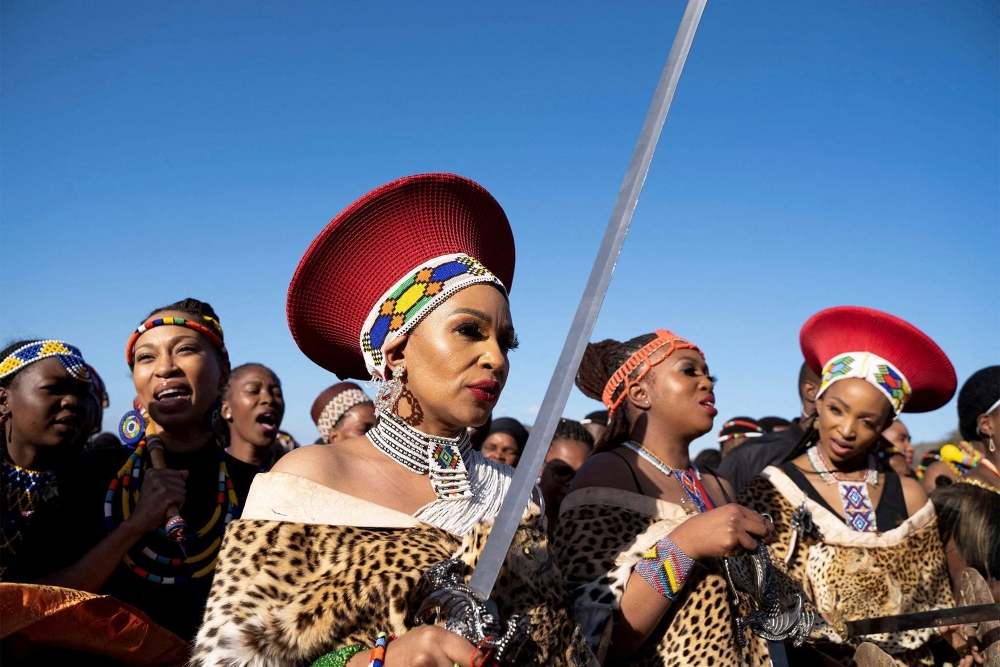
The Zulu are a warrior and culturally rich tribe residing in South Africa, primarily in the KwaZulu-Natal region. They are renowned for their traditional dances, including the famous dance with shields and spears, which expresses their warrior spirit.
Ewe
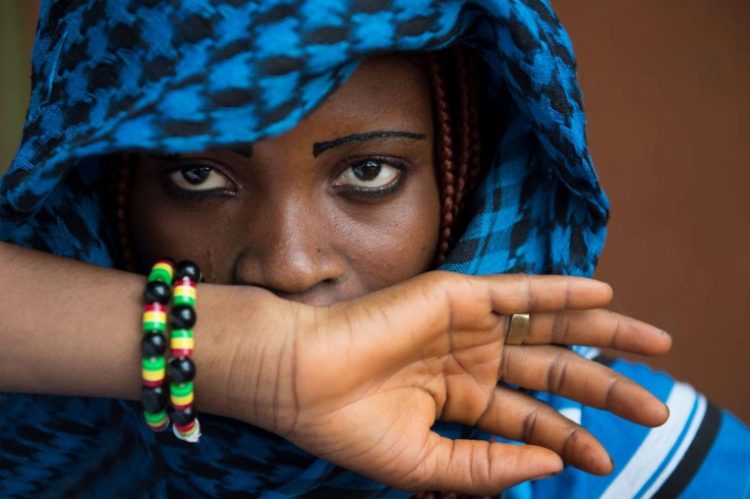
The Ewe tribe resides in countries like Togo, Ghana, and Benin. They have a diverse spiritual system that includes ancestor worship and belief in various gods and nature spirits. These beliefs are often expressed through rituals, prayers, and sacrifices.
Borana
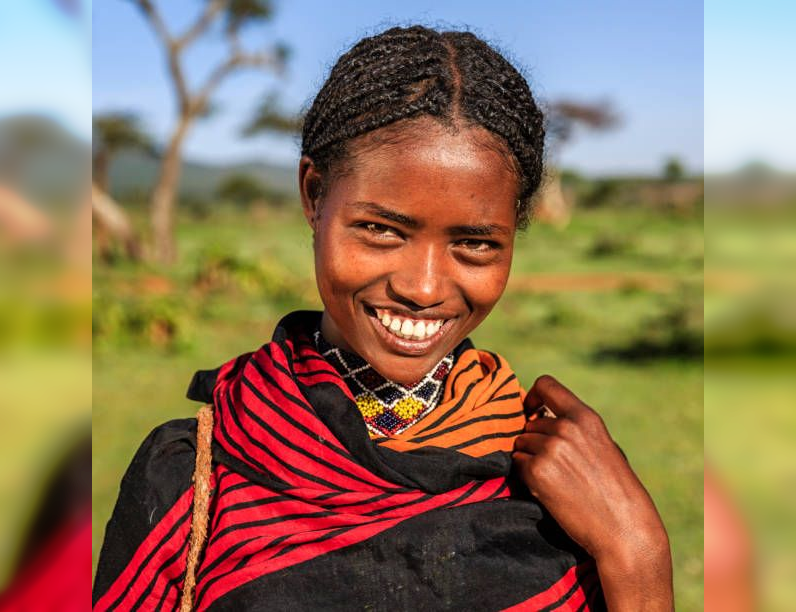
This people reside in East Africa. Their primary activities are livestock farming and agriculture. They enjoy wearing brightly colored clothing. A woman’s status in society can be determined by the size and beauty of her ornaments.
Igbo
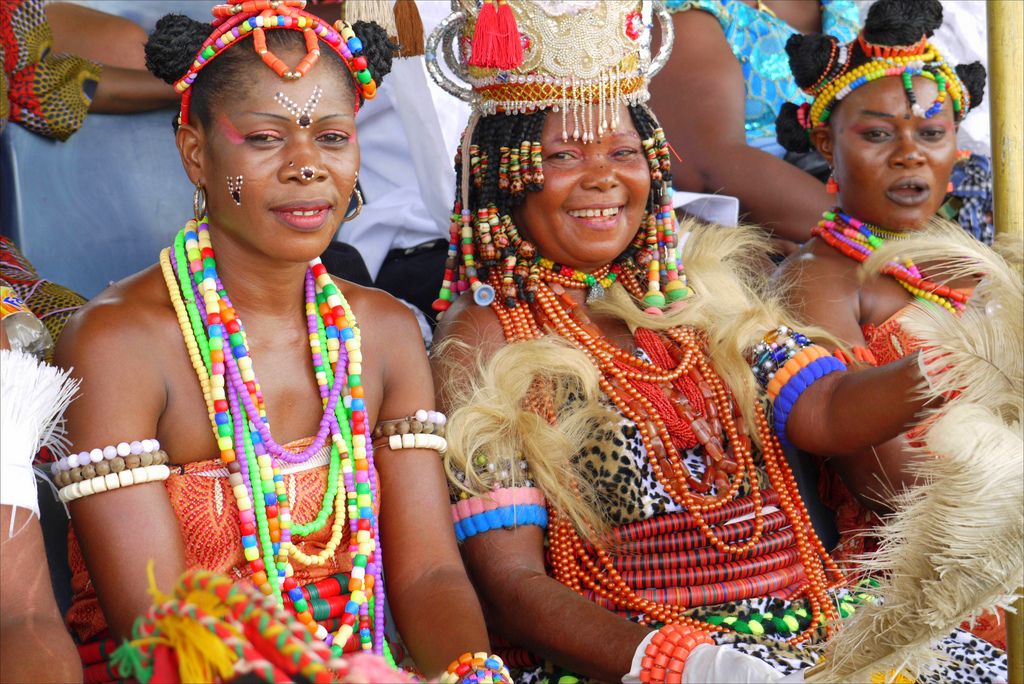
These people live mainly in southeastern Nigeria. Known for their entrepreneurial activities. They grow yams and even hold a festival in honor of the new harvest.
Shona
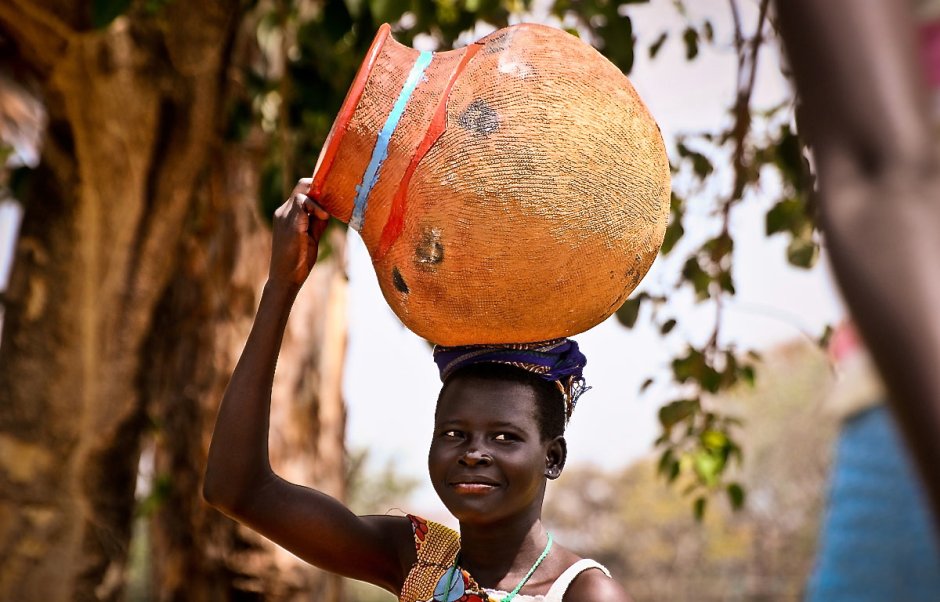
A tribe living mainly in Zimbabwe. They are known for their artistic and craft skills. For them, sculpture is not only an art, but also a means of expressing the relationship between the physical and spiritual worlds.
Akan
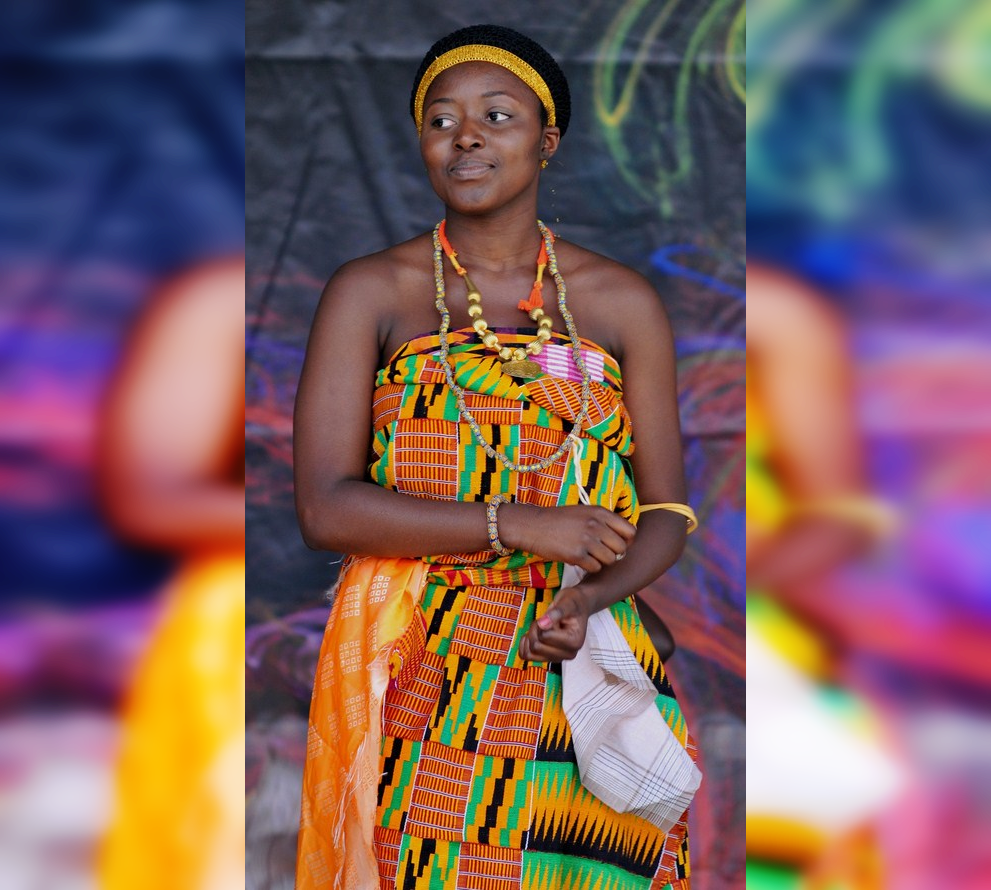
The Akan people are an ethnic group residing primarily in Western Africa, mainly in Ghana. The foundation of their society is the family, and they place great importance on family bonds and values. Matriarchal societies are practiced here, where power and inheritance are passed on through the female line.