

10. Ethical Considerations and Responsible Practice in Extreme Parkour
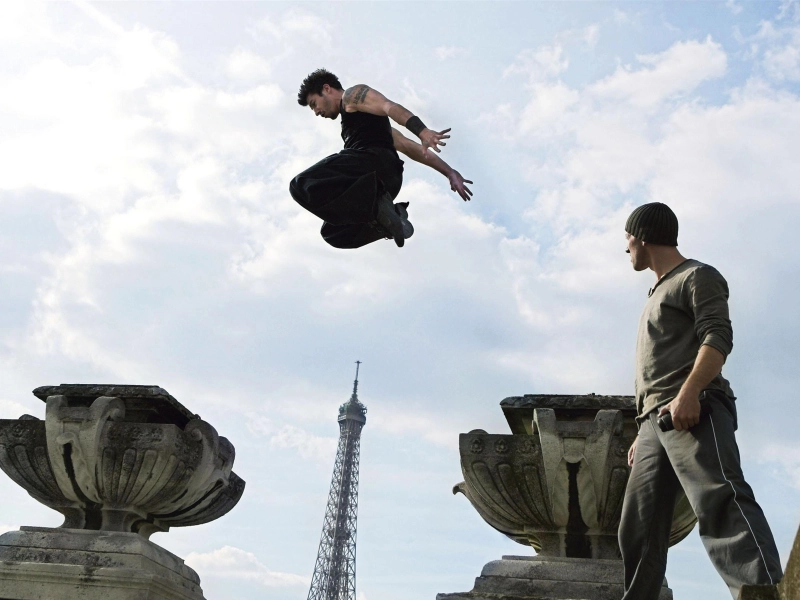
Extreme parkour presents significant ethical questions and the requirement of responsible behaviour as it keeps stretching the limits of human mobility and urban interaction. These problems are vital for the acceptability and integration of the discipline into more general society as well as for its safety and viability.
Respect of public and private property is one of the main ethical questions in parkour. Although parkour philosophy stresses leaving no mark and creating no damage, reality of training in urban surroundings occasionally results in wear and tear on buildings not intended for such use. Emphasising the need of honouring the areas they train in and even helping to maintain or improve them where at least practicable, responsible practitioners support a “leave no trace” attitude.
Still another major ethical concern is trespassing. Many of the most difficult and strikingly beautiful parkour sites could be on prohibited areas or private property. The parkour community struggles to respect legal boundaries and private property rights while nevertheless yearning for challenging training locations. Many seasoned traceurs stress the need of getting permission when at all possible and of being ready to depart politely when asked.
Safety issues go beyond the particular practitioner to include public general safety and bystander protection. Responsible parkour is knowing one’s environment and any effects on other people. This includes avoiding motions that could frighten or endanger visitors and being aware of the example being set for impressionable onlookers, especially young individuals who might try to replicate risky motions without appropriate training.
The way parkour is shown on social media and in movies begs moral issues concerning influence and accountability. Viewers may misunderstand high-risk moves executed by experienced practitioners as readily attainable, possibly motivating deadly imitation. Many members of the parkour community support ethical media coverage that emphasises training and advancement, explicit disclaimers, and highlights of the discipline’s larger principles outside of simply amazing feats.
In parkour, environmental damage is a newly important ethical issue. Growing awareness of the possible influence on natural environments as the discipline expands and more individuals participate in outdoor training is reflected in Responsible practitioners stress the need of reducing environmental disturbance, following approved trails in natural surroundings, and helping to preserve the outdoor locations utilised for parkour.
Parkour’s commercialisation raises moral questions of its own. Parkour’s ethics and basic beliefs are under question as the discipline draws corporate attention and sponsorship possibilities. This covers issues on how to strike a balance between commercial interests with the grassroots, community-driven character of parkour and making sure that the search of sponsorship or media coverage does not result in needless risk-taking or practitioner exploitation.
Promoting ethical parkour technique depends critically on mentoring and education. Experienced traceurs may assume the role of guiding beginners not only in physical skills but also in the ethical issues and communal principles of parkour. Teaching about risk assessment, care of the environment and property, and the value of progressive training comes under this as well.
The parkour community has also started tackling diversity and inclusiveness. The discipline is being made more approachable and friendly to everyone from different backgrounds, ability level, and body shape. This includes dispelling preconceptions regarding the appearance or ability of a parkour practitioner and building encouraging surroundings for underprivileged groups within the parkour community.
As parkour develops, certain locations have formalised the evolution of ethical rules and norms of behaviour. Often in association with local authorities and property owners, parkour groups and regulatory bodies are striving to set guidelines for responsible and safe practice. These initiatives seek to establish a framework for sustainable parkour practice that upholds the core of the discipline—freedom and creativity—while respecting ethical, legal, and safety issues.
Extreme parkour is ultimately an ethical exercise that calls for a careful mix between honouring society limitations and challenging personal ones. It asks practitioners to be conscientious citizens and stewards of their urban and environmental surroundings in addition to adept movers. Embracing these ethical issues would enable the parkour community to contribute to secure the long-term sustainability and good influence of their discipline, thereby promoting a culture of respect, responsibility, and good interaction with the surroundings.
 zi ang