
5. Thrills and Dangers of High-Altitude Flight
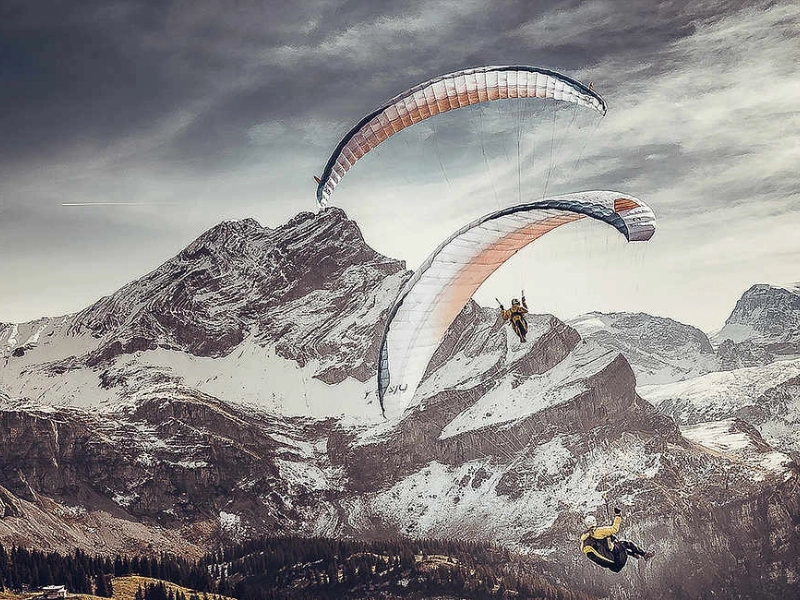
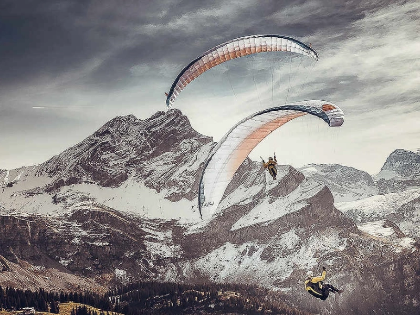
Among extreme sports, the sensations of high-altitude paragliding in the Himalayas are unmatched. Pilots who soar above the earth have a difficultly matched sensation of freedom and excitement. The great beauty and amazing majesty of the open sky, pure mountain air, and panoramic vistas of snow-capped mountains reaching to the horizon inspire us.
The possibility to reach amazing altitudes is among the most exciting features of high-altitude flying. Skilled pilots in the Himalayas may reach heights of more than 8,000 meters (26,247 feet), above many commercial aircraft. Pilots remark a great sense of perspective and connection to the globe that is transforming at these heights; the curvature of the Earth becomes evident.
The dynamic character of high-altitude flying adds to the exhilaration. Pilots must continuously read and respond to shifting air currents, applying their knowledge to grab strong thermals capable of lifting thousands of feet in minutes. Pilots returning for more discover a mental and physical excitement from the rush of climbing in a powerful thermal combined with the strategic challenge of locating and linking these invisible lifts in the sky.
Another thrilling opportunity in the Himalayas are long-distance flights, often spanning hundreds of kilometres in one day. Pilots on these epic trips can cross several mountain ranges and see the shifting terrain and varied ecosystems from a distinctive aerial viewpoint. Completing such flights makes one quite proud, usually the result of years of training and preparation.
Still, these amazing pleasures come with great risks that need to be acknowledged and controlled. The very high elevations create major health hazards. Pilots climb over 5,000 meters (16,404 feet) into an atmosphere where the lack of oxygen causes the human body to start to rapidly degrade. A condition brought on by oxygen depletion, hypoxia can cause poor judgement, loss of motor function, and finally loss of consciousness. Extended exposure to high heights can have serious medical effects even with extra oxygen.
Himalayan weather is famously erratic and can change shockingly quickly. Pilots might run across unexpected storms, strong downdrafts, or extreme turbulence with little notice. Even the most experienced paragliders can be overwhelmed by these circumstances, which might cause loss of control or contact with ground. Many flying sites in the Himalayas are remote, hence rescue efforts can be rather difficult and increase the risk for every flight.
High altitude equipment breakdown can be disastrous. Both the paraglider’s and the pilot’s instruments’ performance might be impacted by the very low air pressure and intense cold. A failing altimeter or GPS can cause disorientation; a compromised glider fabric might cause a catastrophic failure mid-flight.
High-altitude flying has major psychological stresses as well. Pilots have to be able to make clear decisions in a setting where mistakes might kill them. The solitude and realisation of one’s vulnerability in the face of such great natural forces can be psychologically draining and might cause bad decisions or panic in dire circumstances.
For a small handful of adventurers, the appeal of high-altitude paragliding in the Himalayas stays strong despite these risks—or maybe because of them. Engaging in this difficult sport safely mostly depends on careful planning, intense training, and a great respect of the mountains and their conditions. Always putting safety before performance, pilots flying in the Himalayas have to be ready to abort or turn back aircraft in bad conditions.
Those who overcome these obstacles will find quite remarkable benefits. Often described as transcendent, the mix of physical effort, mental sharpness, and the pure beauty of the Himalayan terrain produces experiences The height of the sport is high-altitude paragliding in the Himalayas, which provides sensations as grand as the mountains themselves but always under constant awareness of the inherent hazards.
 zi ang